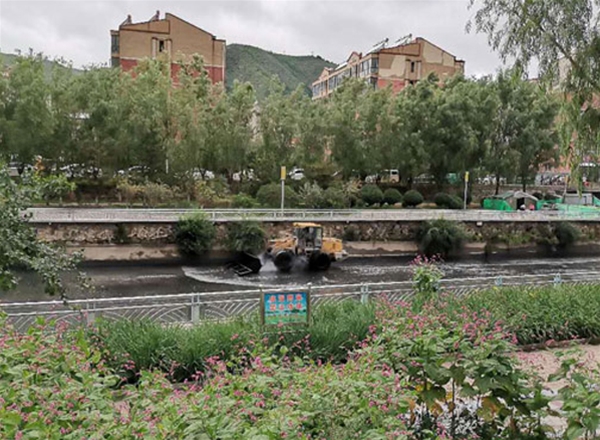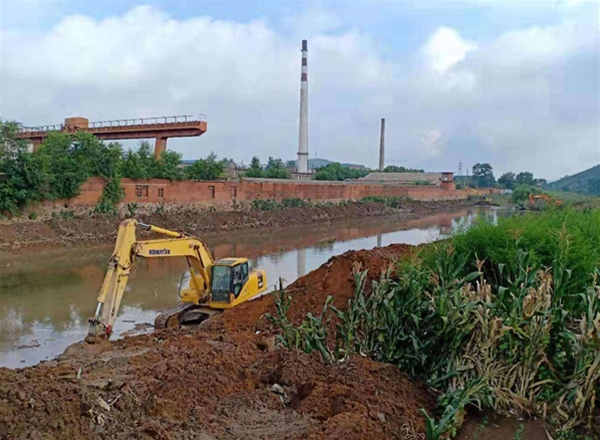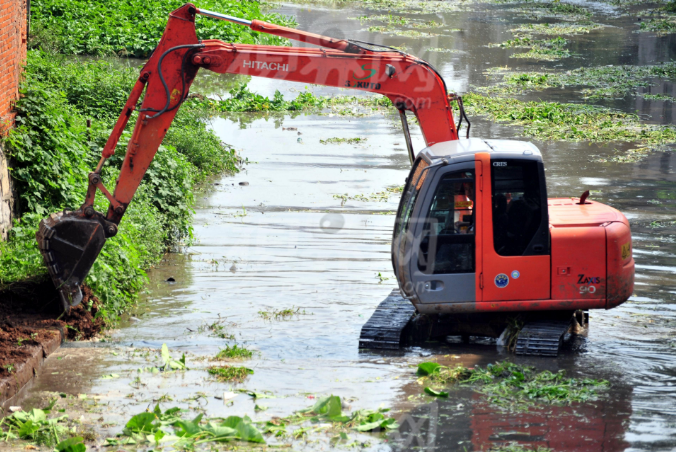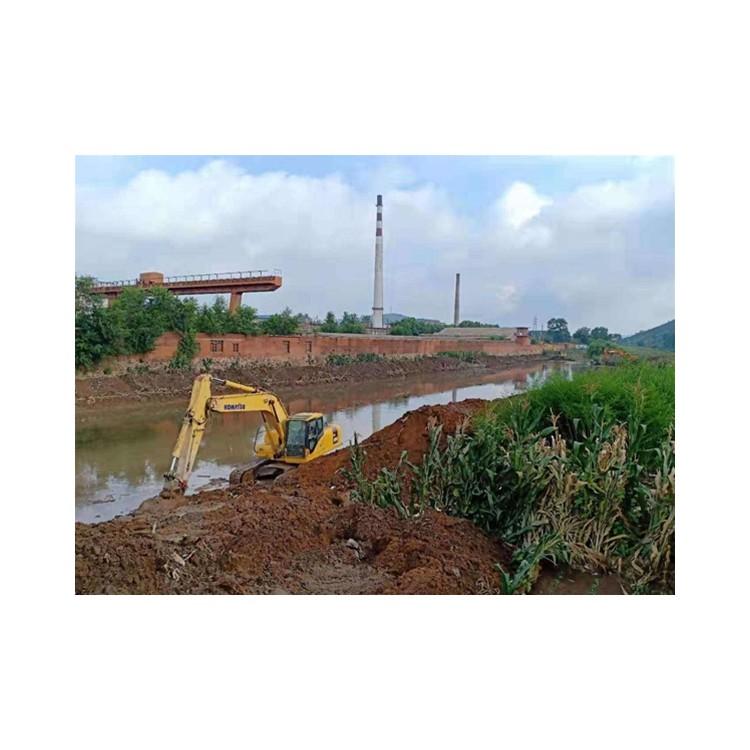
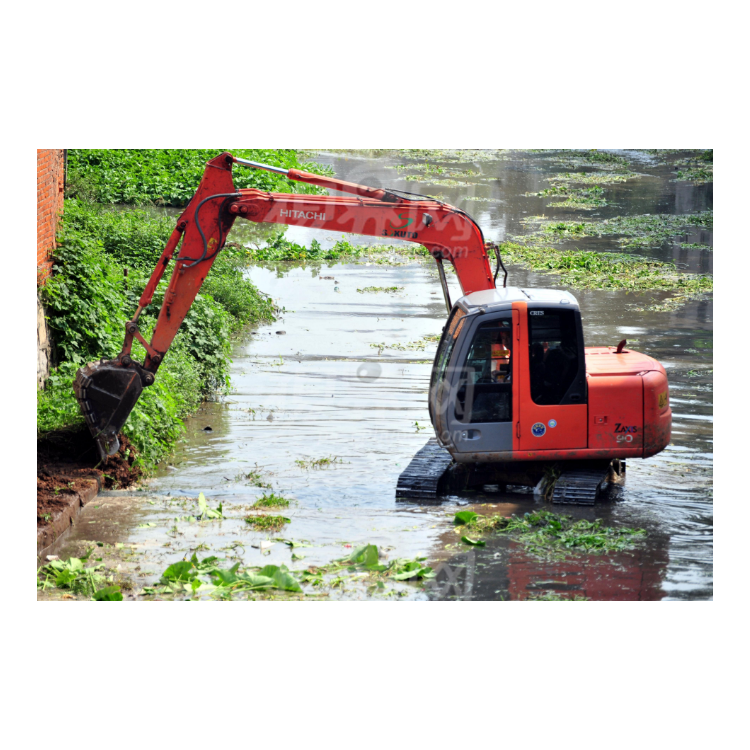









River channel sediment removal and treatment methods include integrated sediment removal, direct suction sediment removal, mud-water separation, etc. Specific methods are as follows:
1. Integrated Sediment Removal Methods: Employ environmentally friendly sediment removal techniques during the sedimentation process, considering both environmental protection and cost. Combine various sediment removal methods. Hydropulsion can disperse pollutants in sediment, so it should be avoided as much as possible or used only when river sediment pollution is light. Mechanical sediment removal by dredging ships not only fails to remove the floating mud with high pollution load in the sediment but also stirs up already settled pollutants during the process, leading to pollution dispersion.
Therefore, it should be applied in rivers with low silt pollution loads. Artificial flushing should also take into account the current state of the riverbed structure and sediment discharge conditions. Eco-friendly dredging should be vigorously promoted. When the sediment pollution load is very high, eco-friendly dredging should be conducted to reduce the pollution load to an appropriate range, followed by hydraulic or mechanical dredging.
2. Direct Extraction Silt Removal: This is a new mechanical silt removal method suitable for urban river channels. The equipment primarily uses suction heads extended into the silt layer to create a vacuum, removing silt from the riverbed. A filter grate is added in front of the suction head to collect debris from the silt layer, separating it mechanically from the river. In addition to removing the vast majority of silt, this equipment can also remove heavily polluted silt, and can be used in conjunction with mud dewatering equipment. The device can be designed as either an aquatic silt extraction vessel or an underwater silt removal robot, allowing for unrestricted operation regardless of river width, water level, or structures crossing the river.
3. Silt and Water Separation: The riverbed sediment removal process includes an additional step for dewatering and drying of the mud slurry prior to transportation. The sediment removed is mainly in the form of mud slurry, with moisture content typically ranging from 75% to 90%. Direct transportation would result in a massive volume and increase the cost of sediment removal per river section.
Furthermore, during transportation, slurry water is prone to leakage, posing a threat to the environment along the transportation route. By adding a dewatering and drying process for the sludge slurry, the moisture content can be reduced to about 20%, transforming the slurry water into solid mud blocks. This significantly reduces the volume for transportation and also facilitates the process, greatly minimizing the negative impact on the environment of the transportation route. For the excess water generated during the dredging process, different remediation methods should be employed based on the level of pollution before being discharged into the river.