
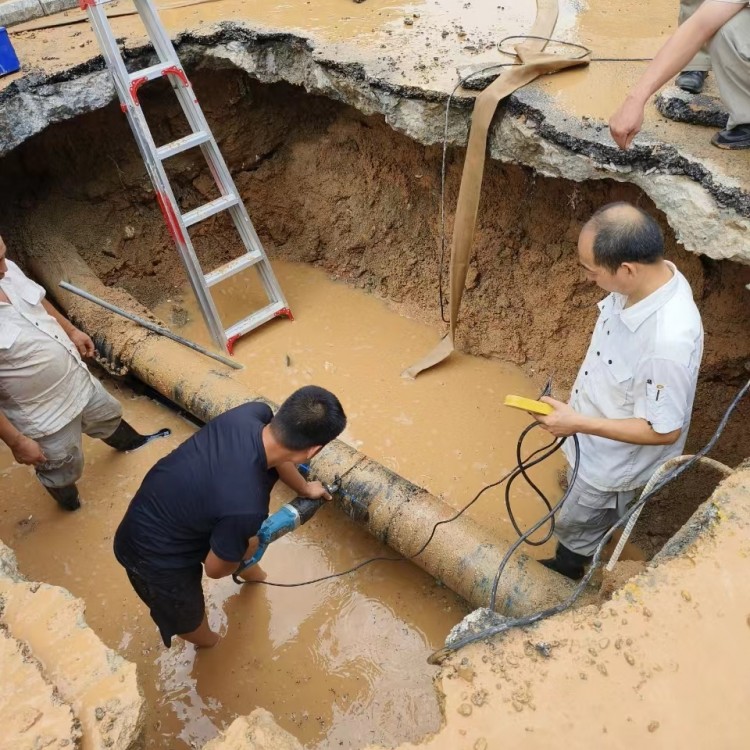

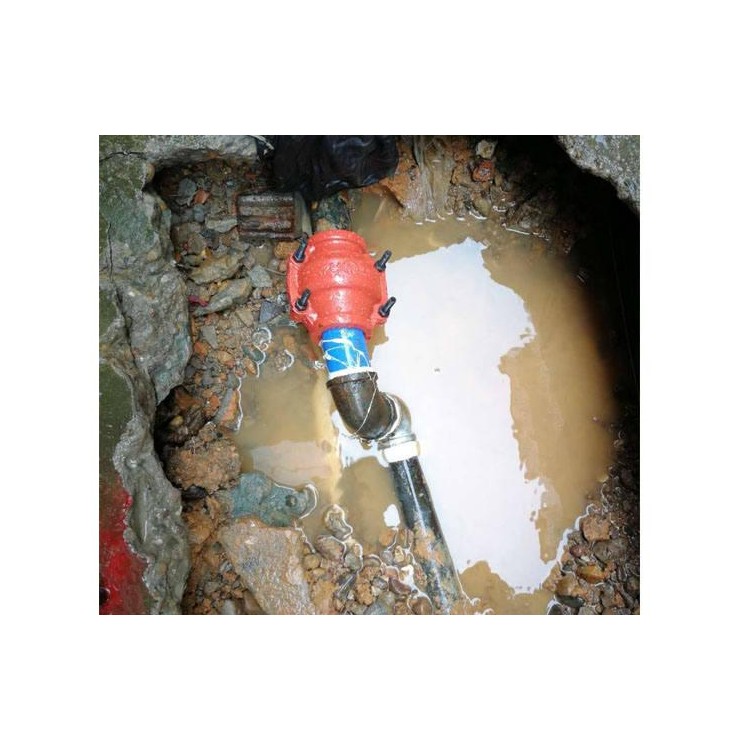












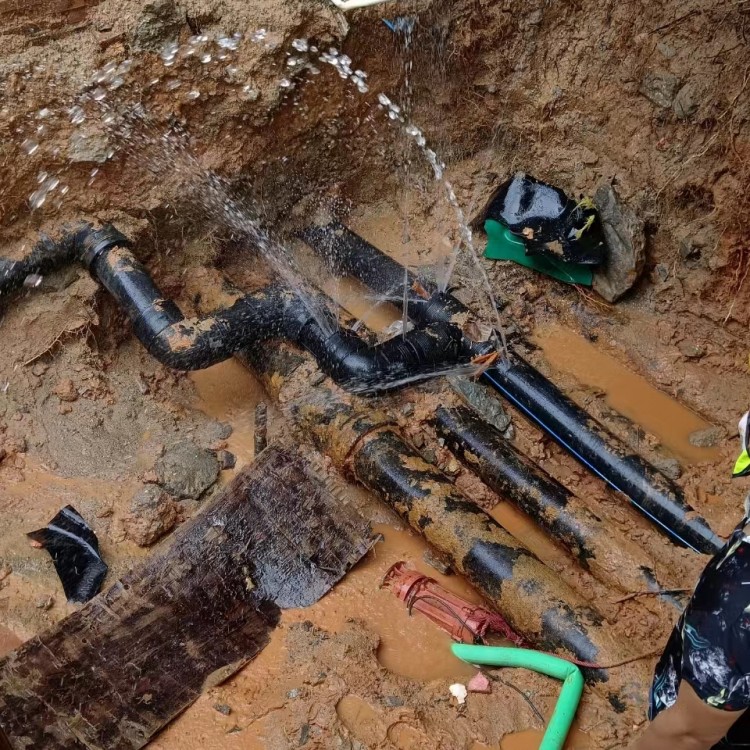


We all know that most water pipes are buried underground. When water pipes age due to long-term use, leaks can occur, but leaks in underground water pipes are not visible, necessitating leak detection services. Underground water supply pipes are often buried beneath urban areas, and due to various underground factors, the soil becomes acidic and corrodes the pipes. Poor installation of underground water supply pipes, improperly fused PE pipe joints, sinking of underground soil, and substandard pipe quality upon manufacturing are all reasons that can lead to leaks in underground water supply pipes. Water supply networks (including water supply pipes, heating pipes, fire protection pipes, and greenery sprinkler pipes, etc.) inevitably experience leaks due to a variety of factors such as corrosion and aging, load vibrations, pipe and construction quality, and usage duration. Some leak points, due to various reasons, cannot be brought to the surface and form hidden leaks. These hidden leaks cause valuable finished water to be wasted, significantly contributing to leak control for water supply and usage entities, recouping substantial economic losses, eliminating potential hazards, and enhancing the economic and operational benefits of businesses.
Underground water supply pipes are leaking, fire hoses are not maintaining pressure, and there is water leakage from the ceiling. When your company encounters this situation, please give us a call. Yu Hui Pipeline Leak Detection Co. will send dedicated leak detection and leak locating technicians, equipped with imported ultrasonic leak detection equipment, electronic leak detection instruments, pipeline locators, and other leak detection devices. Without excavation, these instruments can accurately detect the location of buried leak points underground, enabling precise positioning and significantly reducing the amount of excavation. Early excavation and repair help minimize waste!
Our company utilizes acoustic leak detection devices, primarily employing the acoustic method for detection; for minor leaks classified as seepage, we adopt trace gas detection methods; the combination of both ensures the detection of all water leakage phenomena.
The natural causes of leakage in buried pipeline networks are diverse, primarily including ground settlement, lateral sliding, and natural corrosion. The installation method for ductile iron pipes is socket and spigot joints, with gasket connections. Once lateral sliding or settlement occurs, uneven pipe stress can cause the gasket to shift, leading to leakage. For flexible pipelines, such as PE pipes, if there are stones or other compressive forces below during ground settlement, it can also cause leakage. Corrosion, for instance, when steel pipes are buried underground, it is generally required to be coated with anti-corrosion materials. With natural corrosion, rust can form, and cracks in the pipeline can lead to leakage.
Because all the plumbing at home was installed before the house was remodeled, some opt to run the pipes under the floor, while others choose to run them within the walls. Often, due to the lack of pressure testing after the installation of the home's water pipes, leaks may gradually appear as the pipes are used over time after moving in. Some leaks can lead to wet and moldy ceilings on the floor below, water seeping through the floor, the water meter turning when not using water, and an increase in water bills. These are all signs of leaking home plumbing.
Yonghui Inspection Company specializes in the monitoring, maintenance, and leak detection of underground water supply networks. We offer leak detection, location, repair services, and real-time flow monitoring for water supply networks. We have a team of skilled and experienced leak detection professionals equipped with advanced leak detection equipment and technologies. We are committed to detecting leaks in underground water pipelines and monitoring water supply networks, and can use appropriate methods and instruments to investigate suspicious networks based on actual conditions. Acoustic Method: Generally, we first use the acoustic method to detect leaks in underground water pipelines, which requires only a leak detection meter and a listening rod, and the results are usually average. Survey and Leak Detection: For networks and pipelines where leaks cannot be detected using the acoustic method or for deeply buried pipelines, we use related instruments and pipeline locators for survey and leak detection, which is successful but not affected by environmental conditions on-site, though it is costly and less efficient. Leakages in underground pipelines are a long-term challenge for enterprises and institutions. Not only do they waste valuable natural resources, but they also cause significant economic losses and burdens. Pipe leaks pose great hidden dangers. In response to water scarcity and wastage, our company's leak detection equipment and expertise have detected leaks for over a hundred units, totaling hundreds of thousands of tons of water loss per month, saving a substantial amount of water resources for the country and reducing financial burdens for the enterprises and institutions we have served. Some enterprises and institutions, due to complex pipelines or deep pipelines, have failed to detect leaks after multiple acoustic inspections. However, a single survey and leak detection can accurately locate leaks, solving the water supply network leakage issues, reducing water bills, and conserving precious freshwater resources!
WeChat Official Account

Scan to follow Official Account













