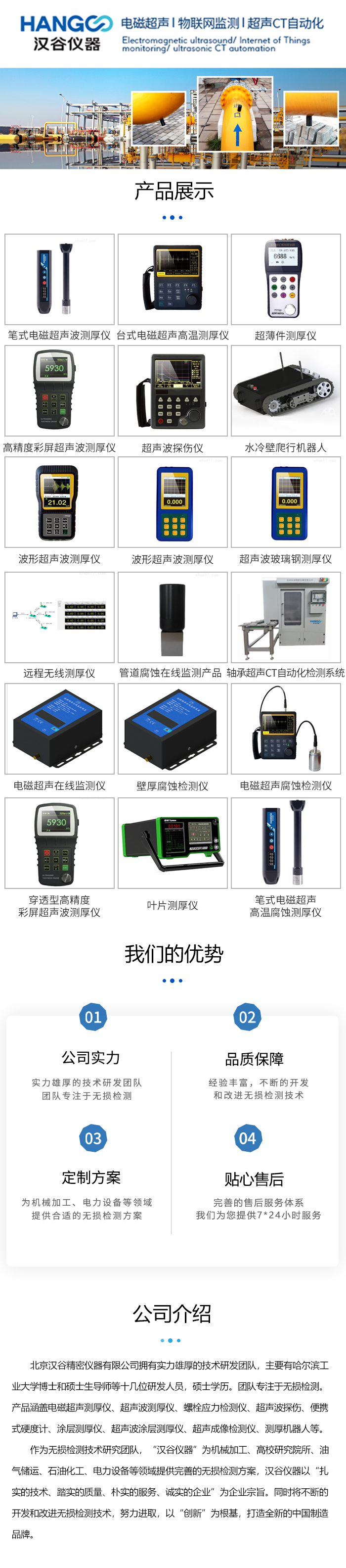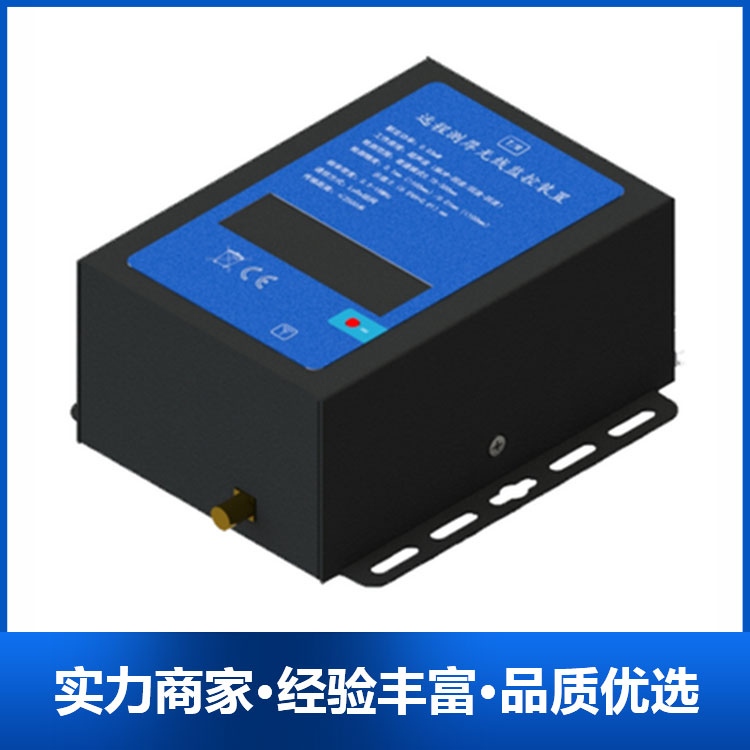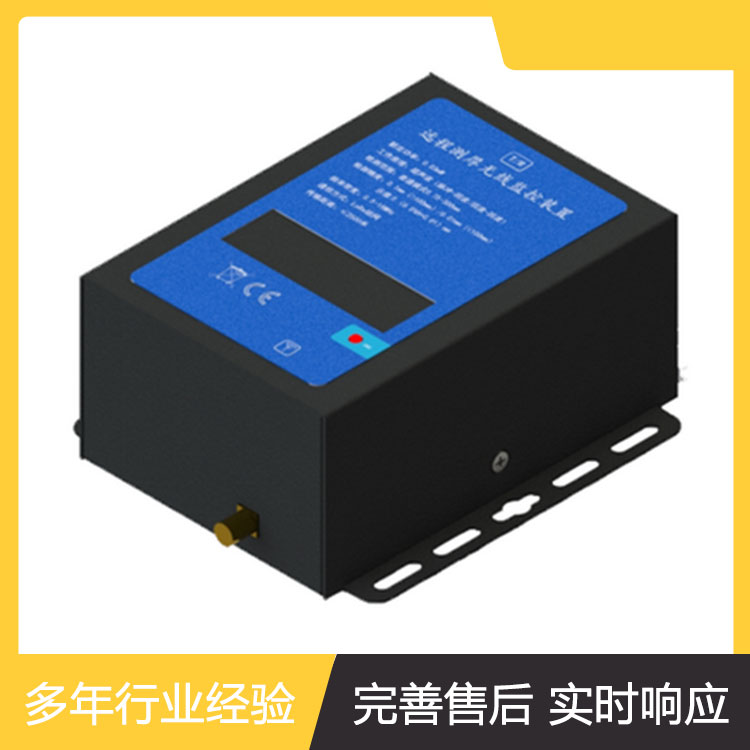

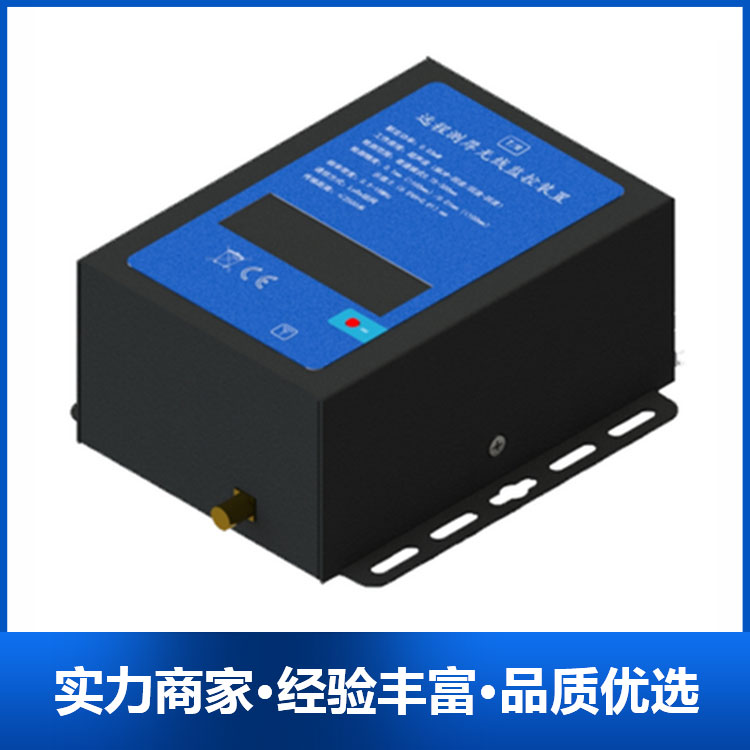

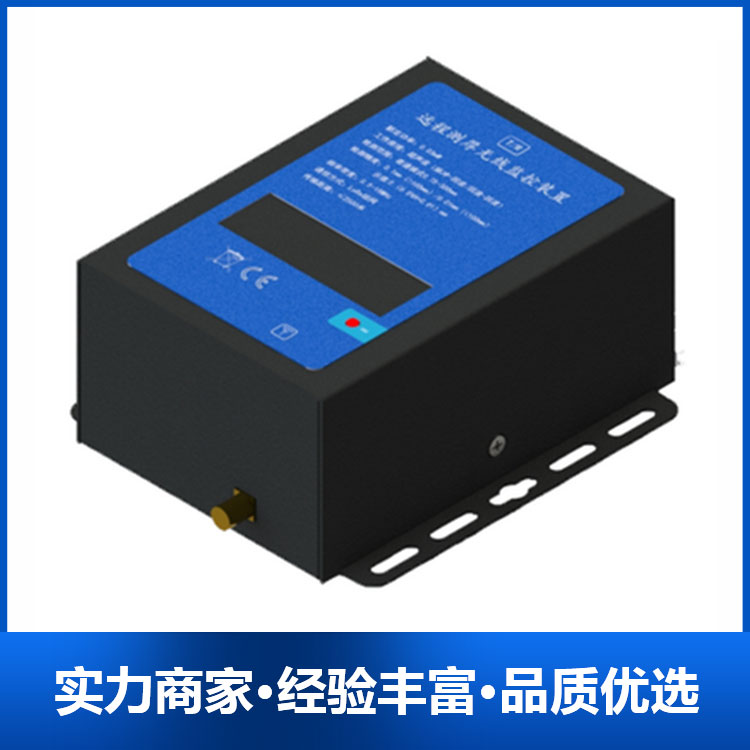
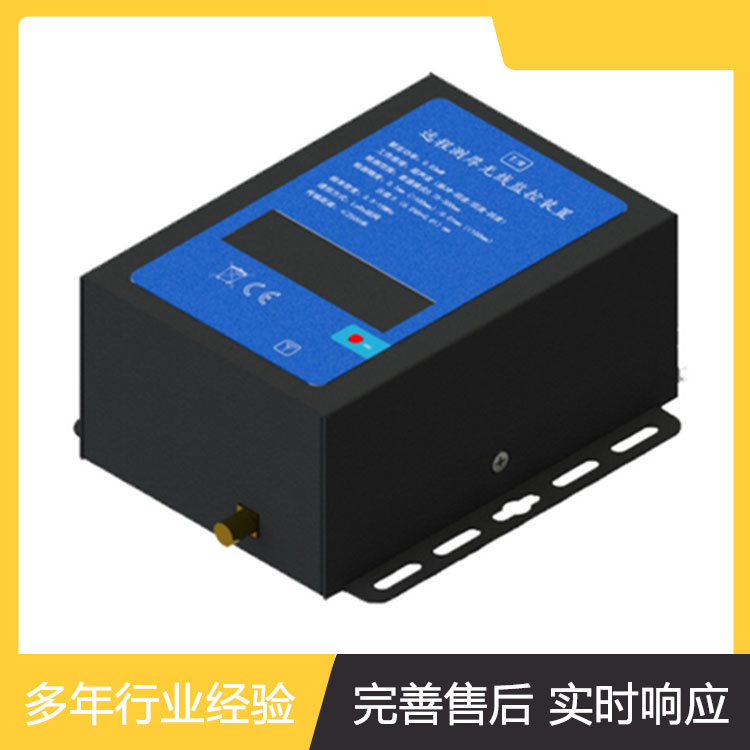
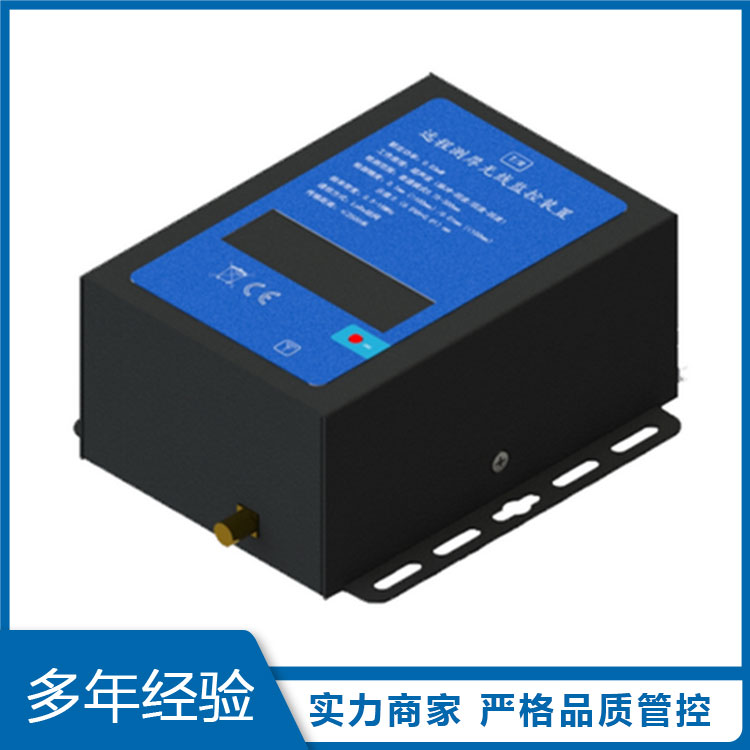









Wall Thickness Corrosion Detector Product Introduction
In the high-risk chemical industry, failure to promptly detect equipment corrosion can lead to a series of accidents, particularly with high-risk medium carriers like storage tanks. This system is designed to monitor the corrosion of storage tank roofs and bottoms, which are prone to corrosion.
The top of the oil storage tank primarily experiences electrochemical and frictional corrosion. The outer surface of the tank has a water film, which dissolves oxygen, leading to differential concentration corrosion. Additionally, sulfur dioxide (SO) in the atmosphere dissolves in the water, forming an electrolyte, and causing electrochemical corrosion. This is the main form of corrosion in oil tanks. Frictional corrosion is particularly prone to occur in the floating expansion areas of floating roof tanks.
I. Technical Features:
For the corrosion at the top of storage tanks, we primarily conduct continuous and timed ultrasonic thickness measurements using the tank's ultrasonic equipment. The wall thickness corrosion detector predicts and determines the corrosion status by monitoring the thickness changes of the inspected area, achieving the purpose of early warning monitoring. The thickness measurement is based on the principle of ultrasonic pulse reflection. When the ultrasonic pulse emitted by the probe passes through the inspected object to the material interface, the pulse is reflected back to the probe. The thickness of the inspected material is determined by accurately measuring the time it takes for the ultrasonic waves to propagate through the material.
Common monitoring methods for overall tank corrosion in ultrasonic thickness gauging rooms, which require the measurement of the top plate thickness, can be set up in the following three scenarios:
1. Spotting each piece of fabric on the layout
2. Spot according to the local corrosion depth of each board
3. Spot Corrosion Mapping
Compared to traditional manual periodic data collection for thickness measurements, this system boasts the following advantages:
1. Reduces labor costs by over 90%, and can operate continuously after a single installation.
2. LoRa network setup, wireless communication (communication method: 485 bus, serial port)
3. Dual capability for both ambient and high-temperature (400℃) conditions testing, *long-term installation, non-stop operation testing.
4. Non-destructive installation, without damaging the overall structure of the monitored object.
5. Provide secure data for the realization of an intelligent factory.
6. Measurement can be selected between timed and manual methods.
7. Data Storage: Each channel's data is saved in chronological order.
8. Software interface, default 16 nodes, expandable.
9. Sound velocity and delay calibration feature. Nodes are independent and can be set with thickness alarm function.