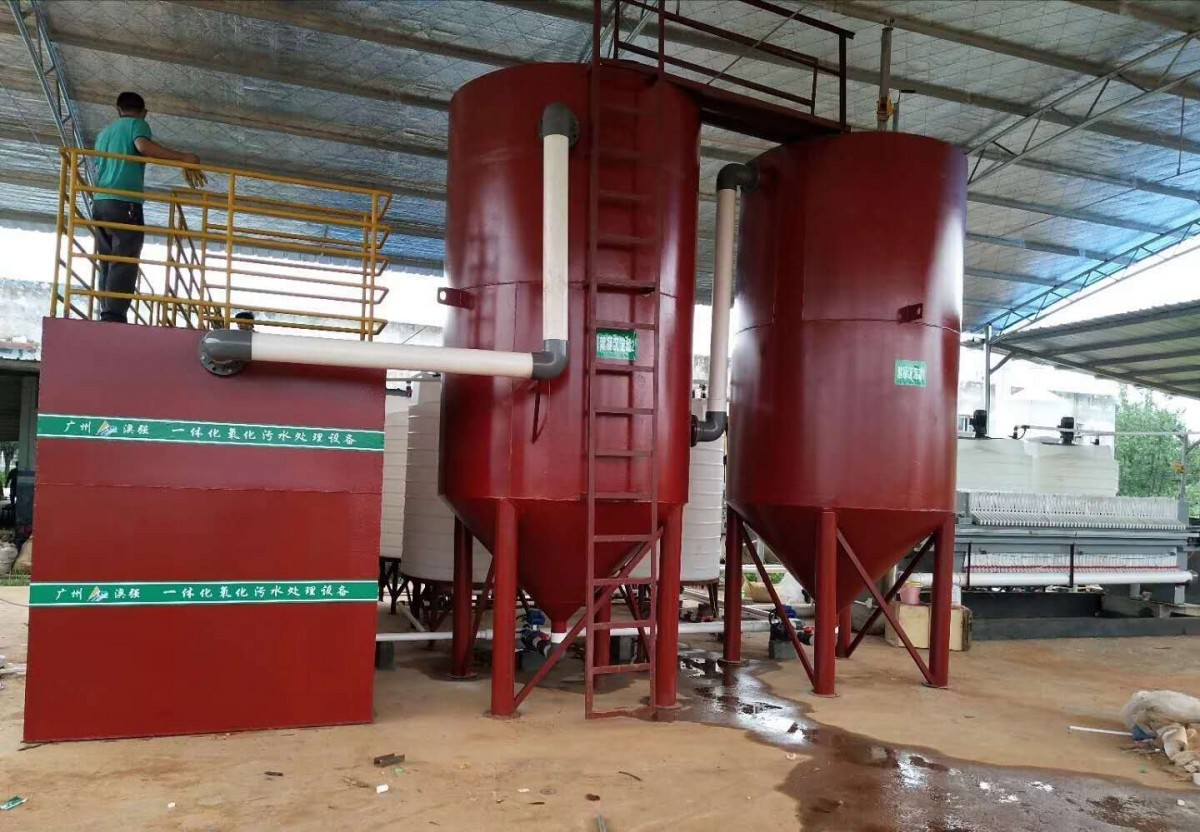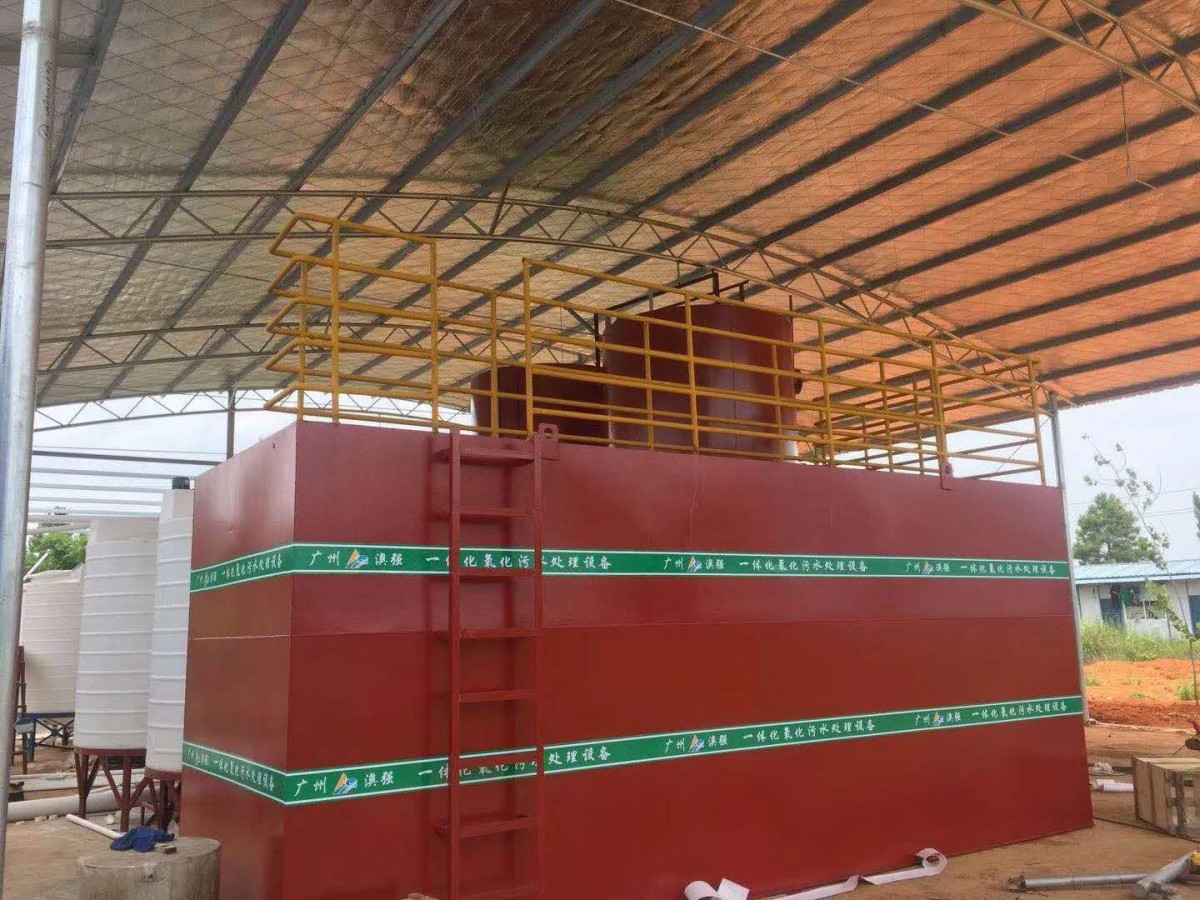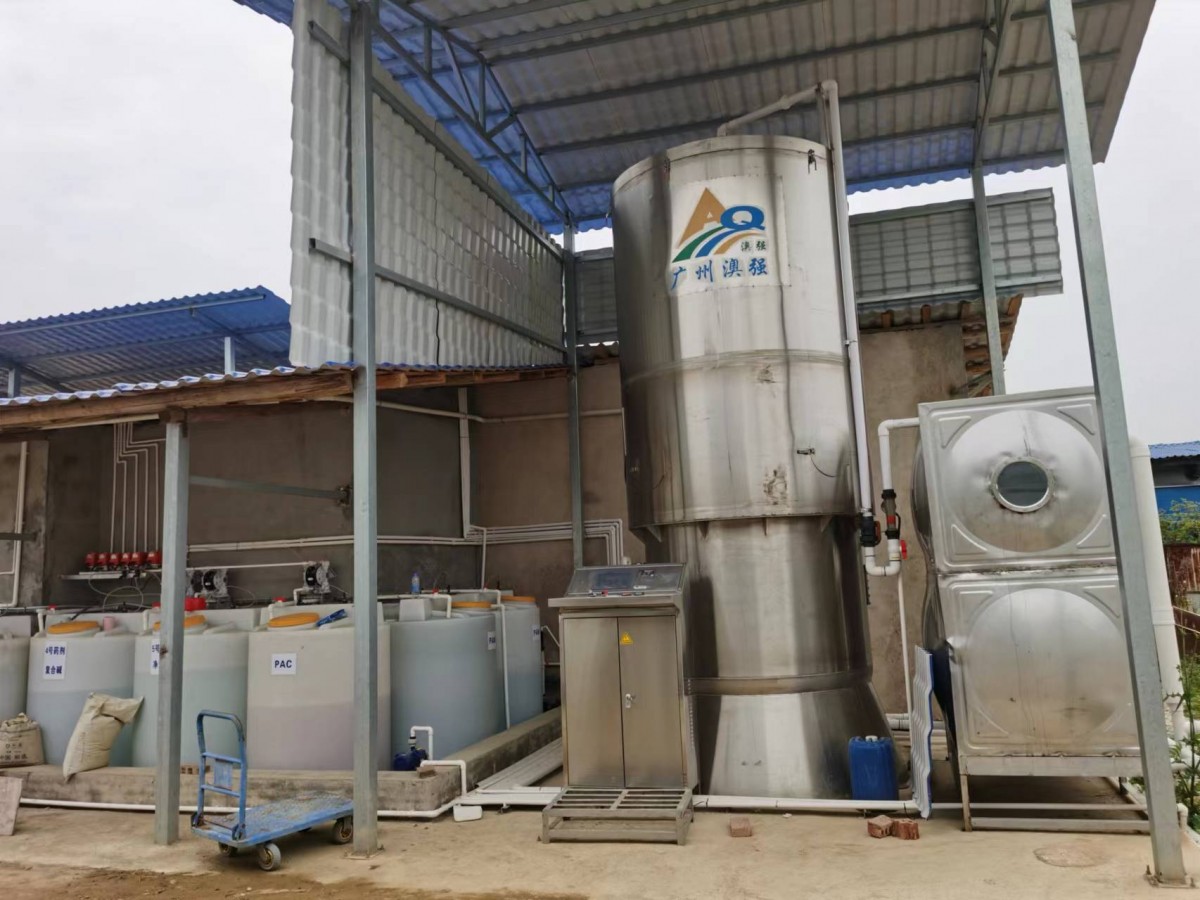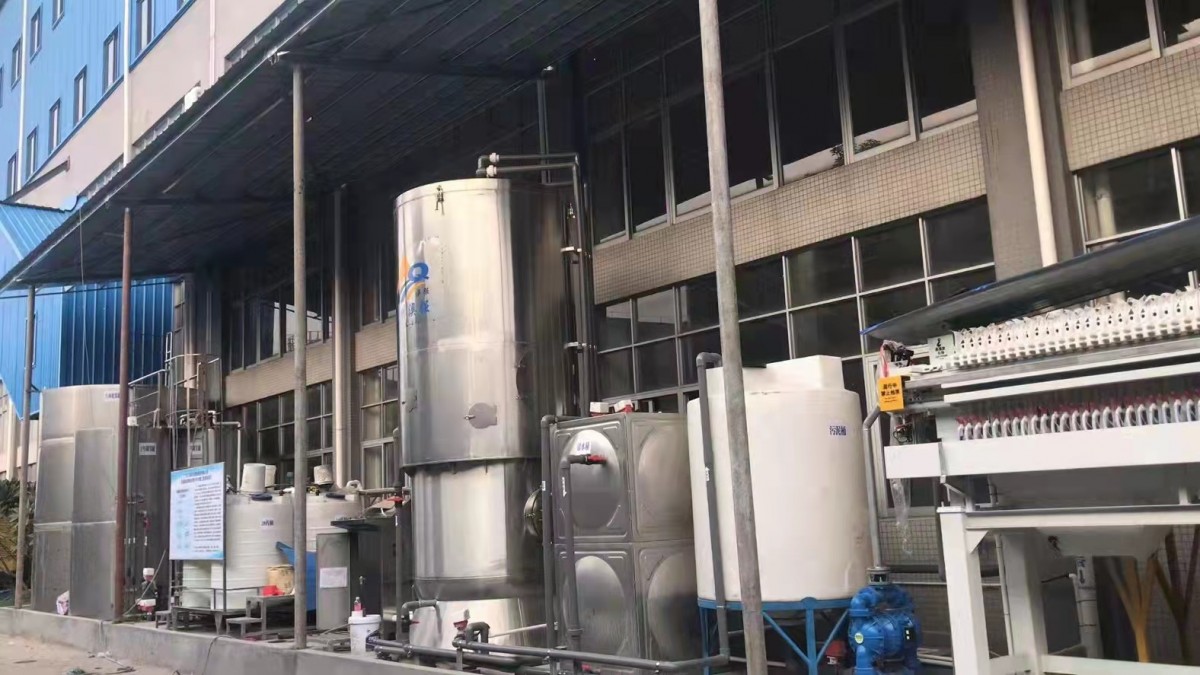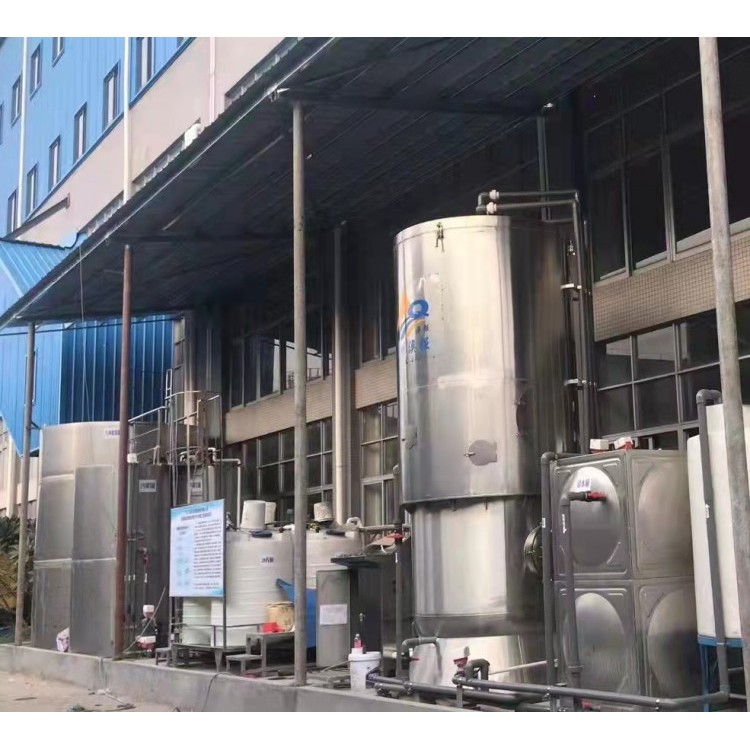

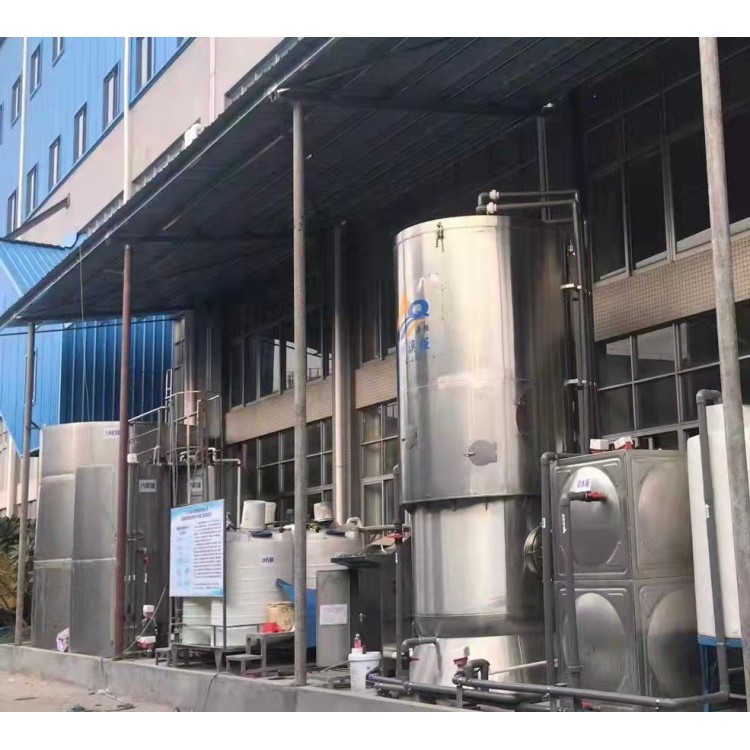
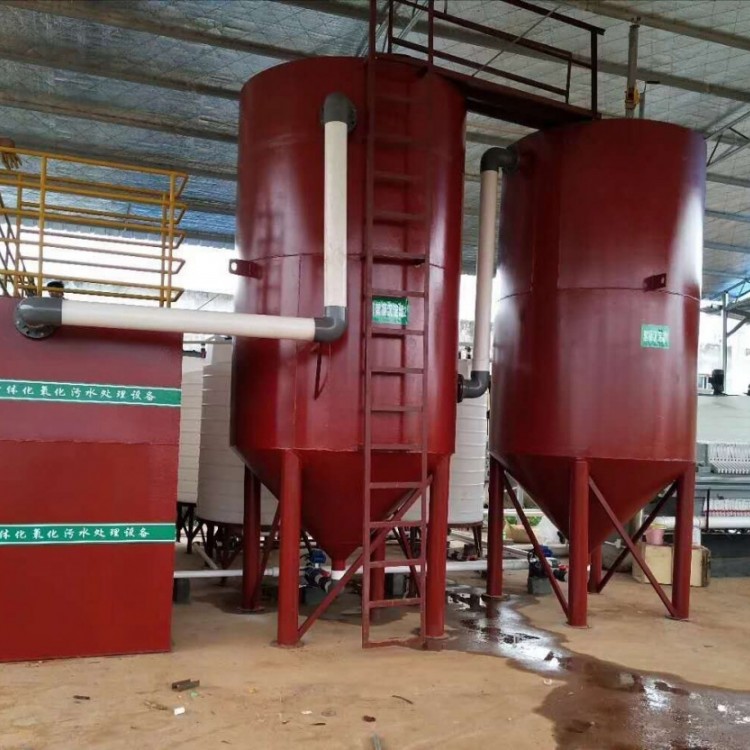
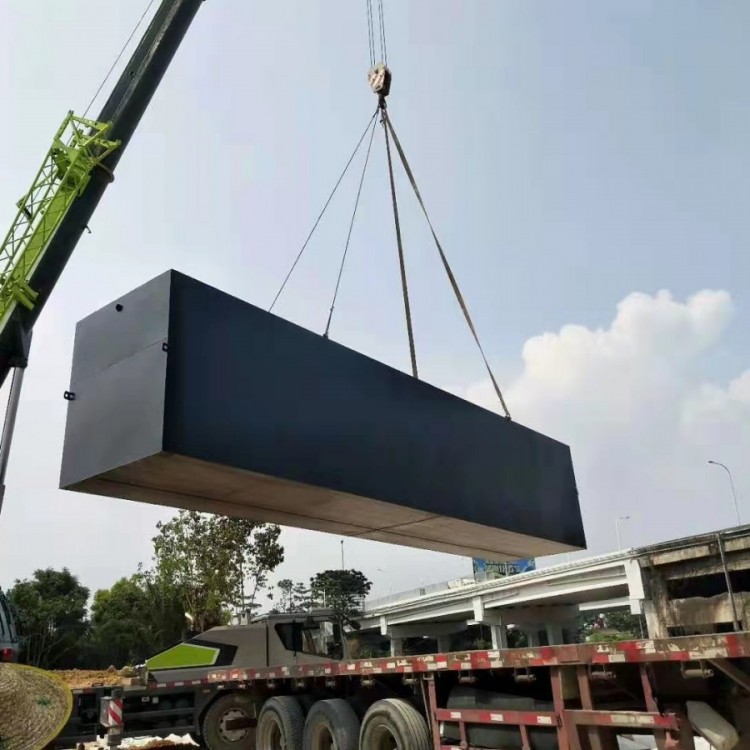












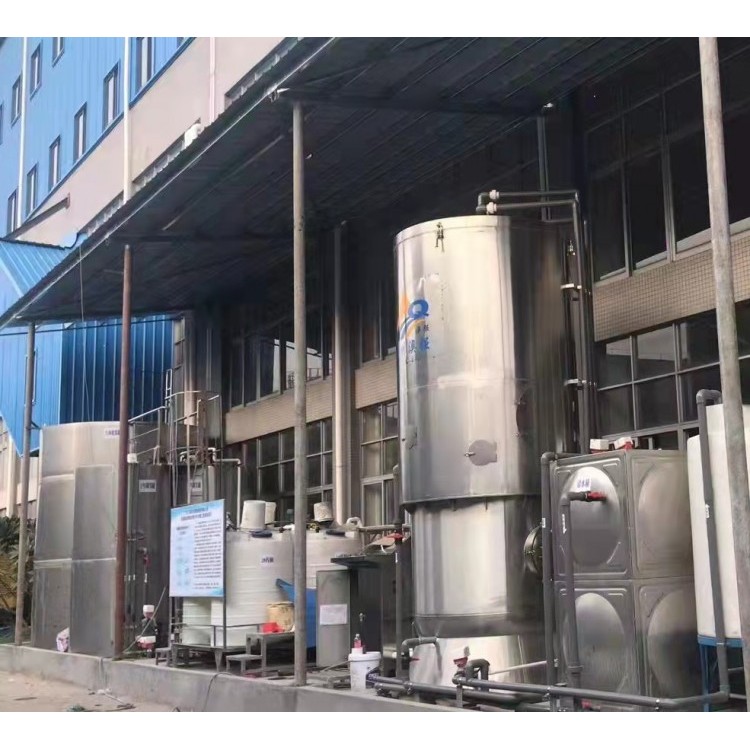
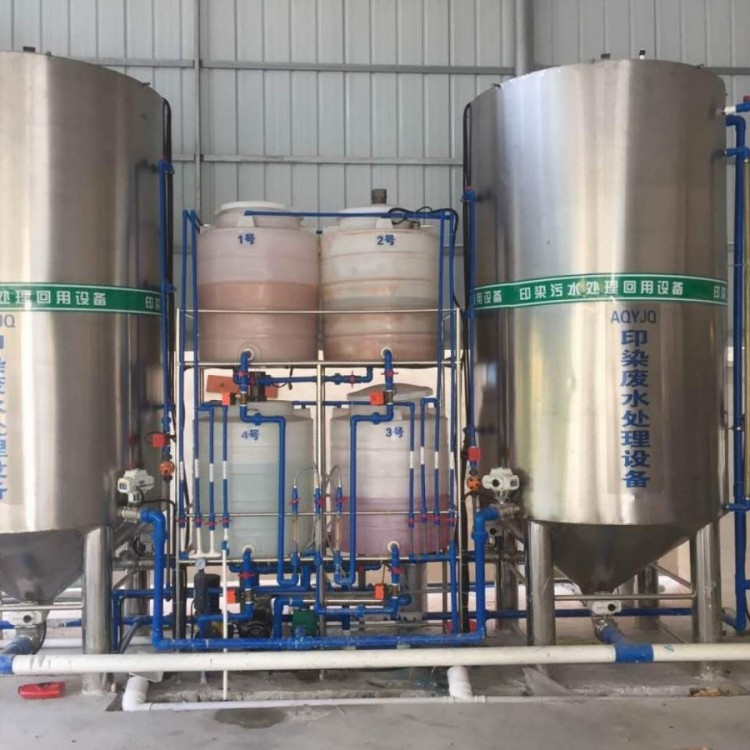
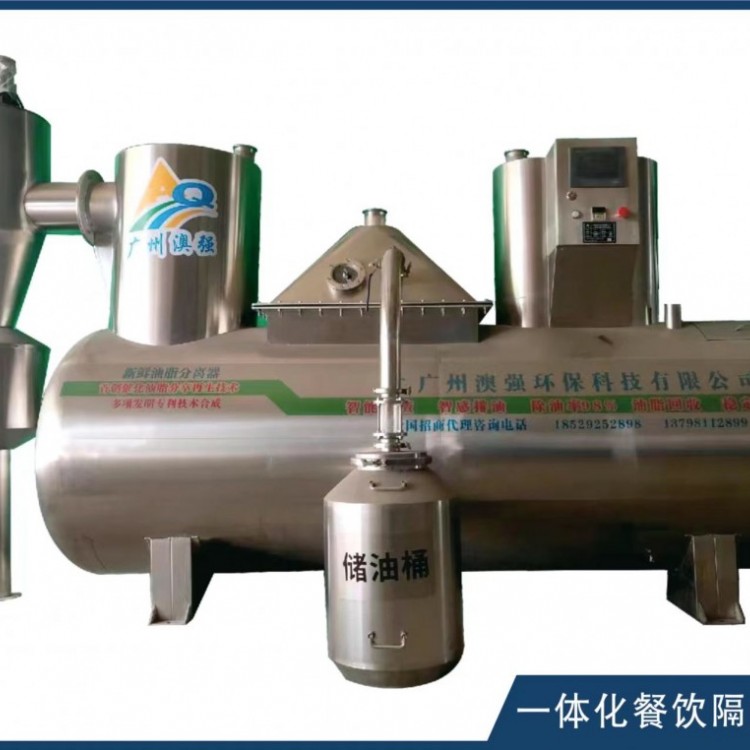
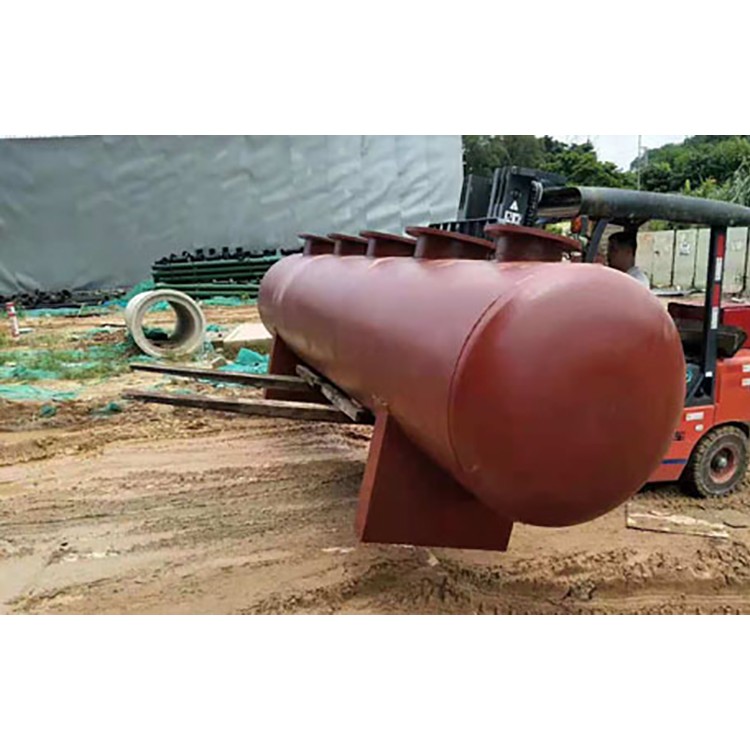
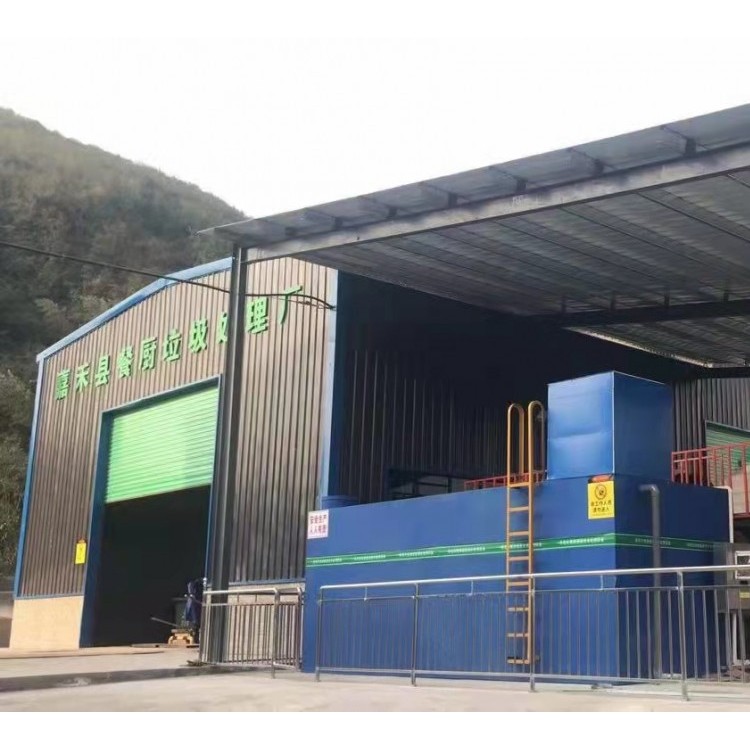
Guangdong Aokang Environmental Protection Technology Co., Ltd. Equipment and Process Description: Pig farming wastewater, slaughterhouse wastewater, industrial wastewater, electroplating, acid washing, spraying, chemical industry, dyeing and printing. Non-settling tank and non-filtration membrane adaptability: The primary requirement for industrial wastewater treatment processes is adaptability. Different wastewater has different characteristics and composition, so the corresponding treatment process should be selected according to the nature of the wastewater. Generally, choosing the appropriate treatment process can improve the treatment effect, reduce treatment costs, and enhance efficiency: The basic requirement for industrial wastewater treatment processes is efficiency. Efficiency refers to the ability of the treatment process to remove or convert harmful substances in wastewater into harmless substances within a short period of time, meeting the discharge standards. An efficient treatment process can not only effectively reduce the discharge of pollutants but also reduce the cost of wastewater treatment.
Primarily removes colloidal and dissolved organic pollutants (BOD, COD substances) from wastewater, achieving a removal rate of over 90%, thereby ensuring organic pollutants meet discharge standards.
Primary processing
Primarily removes suspended solid pollutants in wastewater, physical treatment methods can only meet the requirements of primary treatment. Wastewater treated at the primary level typically achieves a removal of about 30% BOD, which does not meet discharge standards. Primary treatment is a pre-treatment for secondary treatment.
Second-level processing
Primarily removes colloidal and dissolved organic pollutants (BOD, COD substances) from wastewater, achieving a removal rate of over 90%, ensuring organic pollutants meet discharge standards.