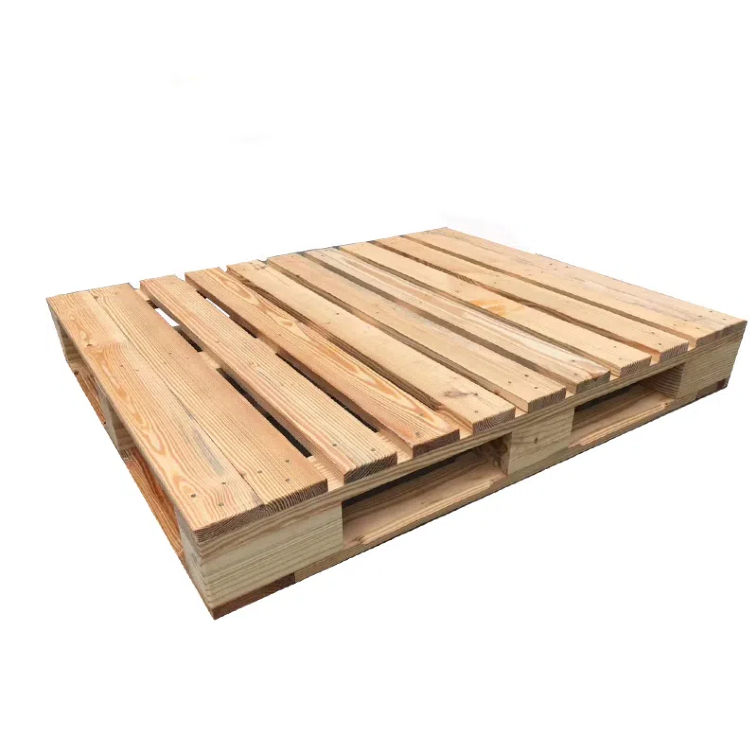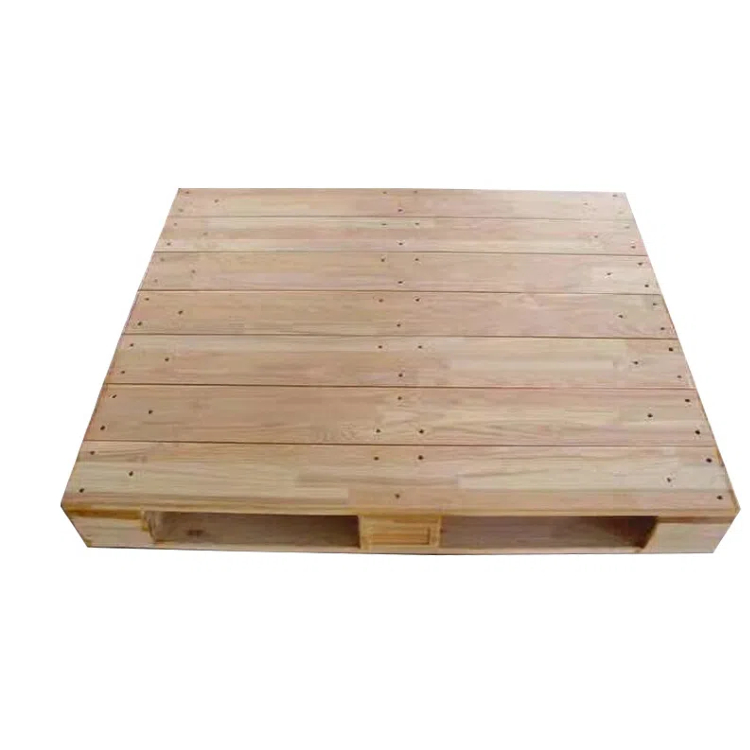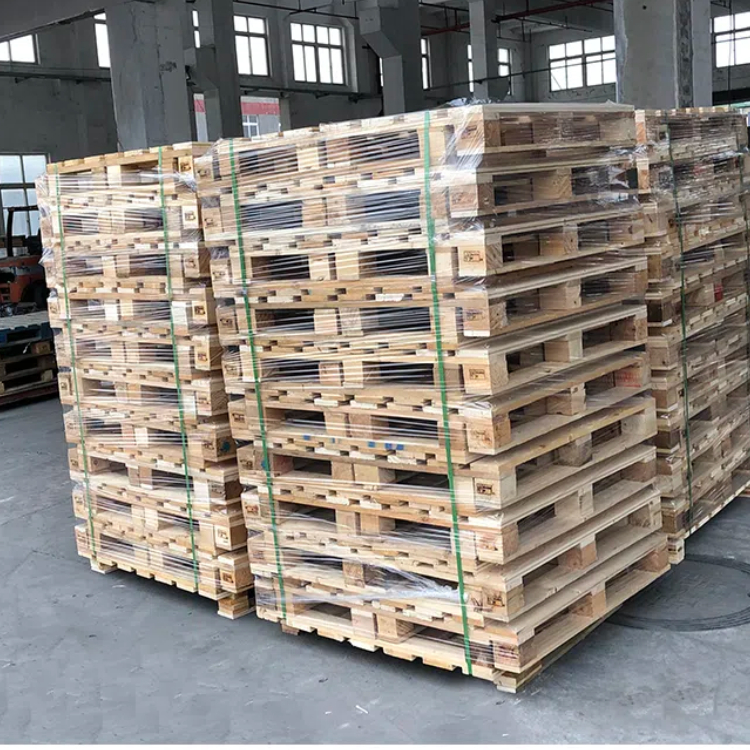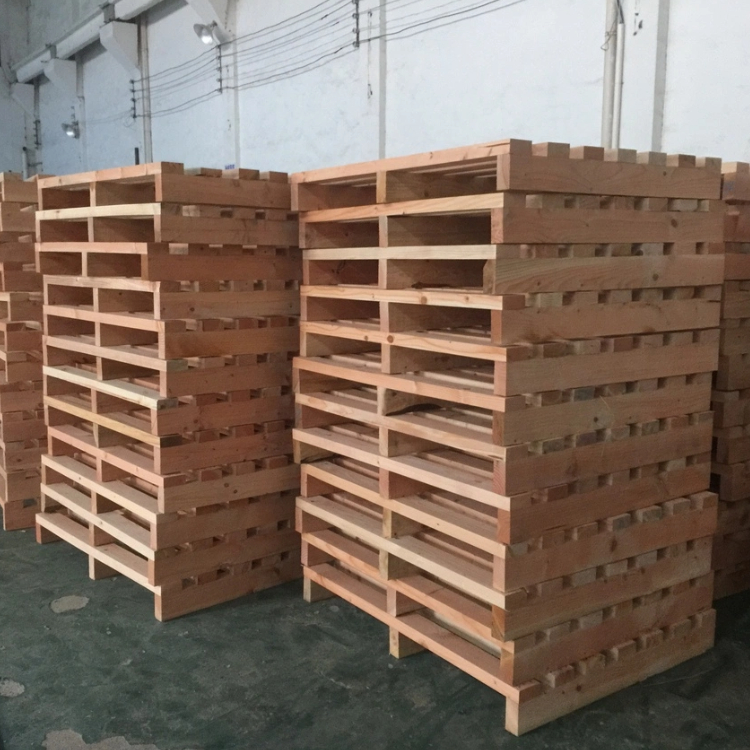







Spill Pallets & Spill Decks for chemical storage containers, whether steel drums, iron drums, plastic drums, ton drums, kiloliter drums, IBC tanks, oil drums, chemical storage drums, or laboratory reagent bottles, industrial lead-acid batteries, etc., can experience dripping due to long-term use, leakage due to damage, or overflow splashes during repackaging. These occurrences can contaminate the work environment and hinder clean production. If such chemical leaks are not promptly addressed or prevented, they can pollute water bodies or soil, causing severe environmental damage and posing significant risks to life and property safety. Preventing misfortune before it strikes. Spill Pallets and Spill Decks are a unique category within plastic pallet products, designed and developed for the extensive use of oil drums and chemical drums, as well as other oil and chemical containers in modern factories, warehouses, logistics, and transportation industries.

The height of the leak-proof platform is lower than that of a standard containment tray, uses less material, and can be referred to as an economical leak-proof tray. Most of its functions are similar to those of a leak-proof tray. Placing containers or drums of stored oil, chemicals, and hazardous chemicals on a leak-proof tray (also known as a spill-proof tray, overflow tray, containment dish, and leak-proof pallet, etc.), a leak-proof platform (also known as a spill-proof platform, overflow prevention platform), or an IBC leak-proof tray (also known as an IBC spill-proof tray) can prevent leakage, overflow, and splashing from these containers.

Product features of our anti-leakage trays:
1. Leak-proof pallets are designed for easy handling with forklifts, facilitating convenient movement and leak management.
2. Each leak-proof tray can be used individually or combined with multiple trays to form a work station.
3. The leak-proof pallet design meets the safety requirements for storing, handling, and processing oil drums and chemical drums. The design details are ingeniously crafted! For instance, if oil drums need to be placed upright, they should be slightly tilted to prevent moisture from accumulating around the lid. No matter how good the seal of the lid is, changes in temperature can cause expansion and contraction of the product inside the drum, creating a vacuum that draws moisture from the lid into the drum.
4. The leakage tray is shaped with a slightly lower center and higher edges, adhering to the principle of storing oil drums upright in a simple straight-line flat shape, ensuring the drums remain level. However, this storage method may lead to potential oil contamination issues.