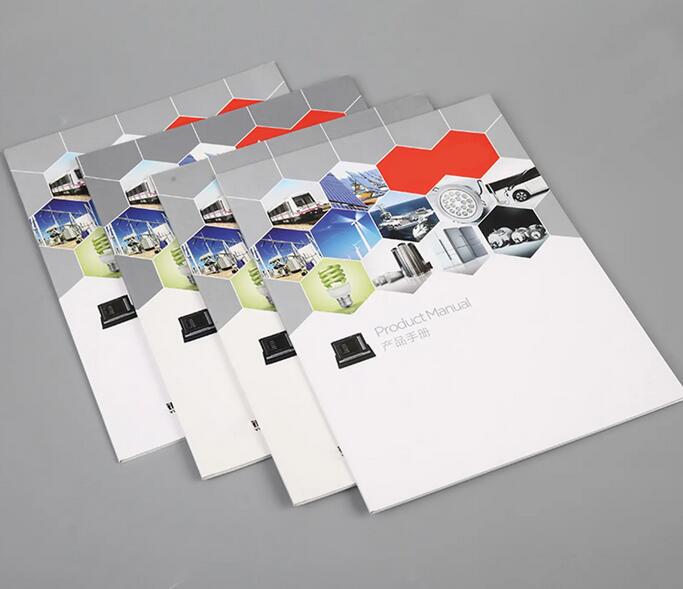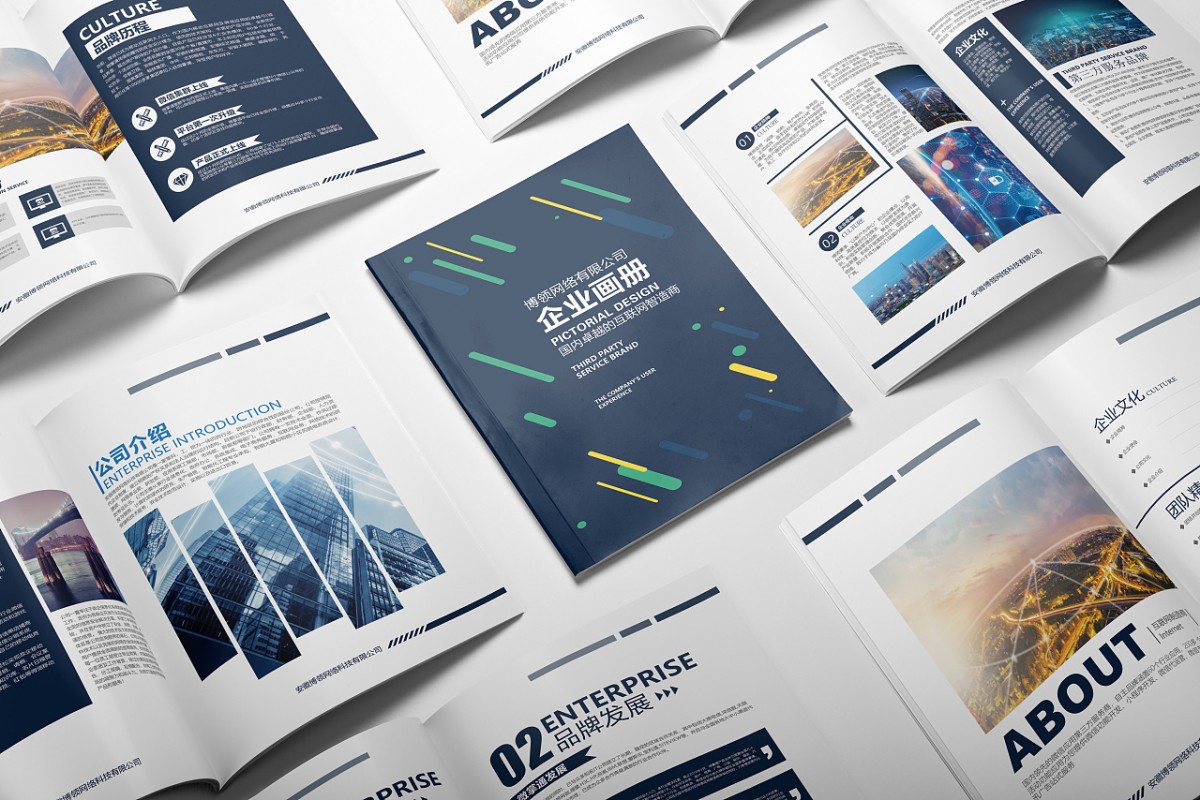

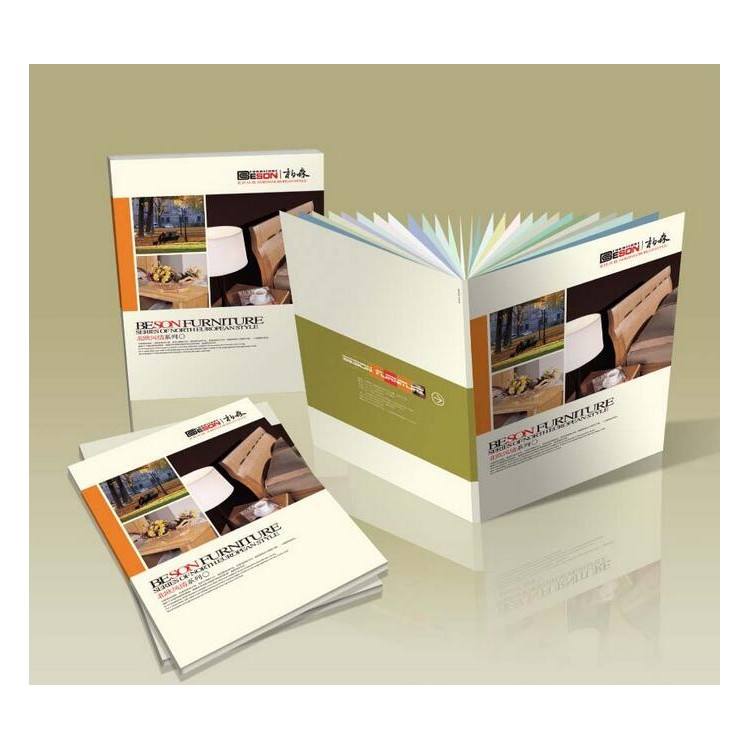

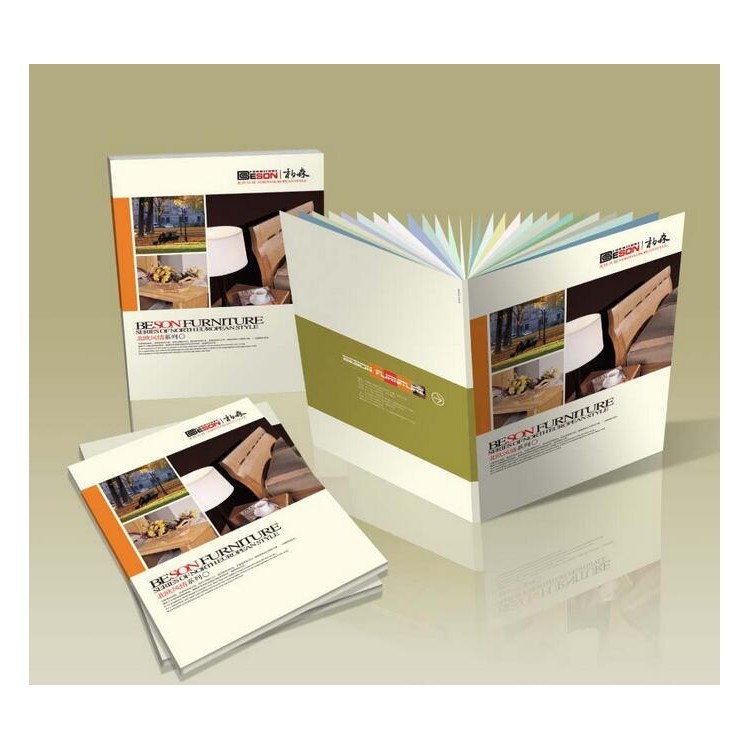

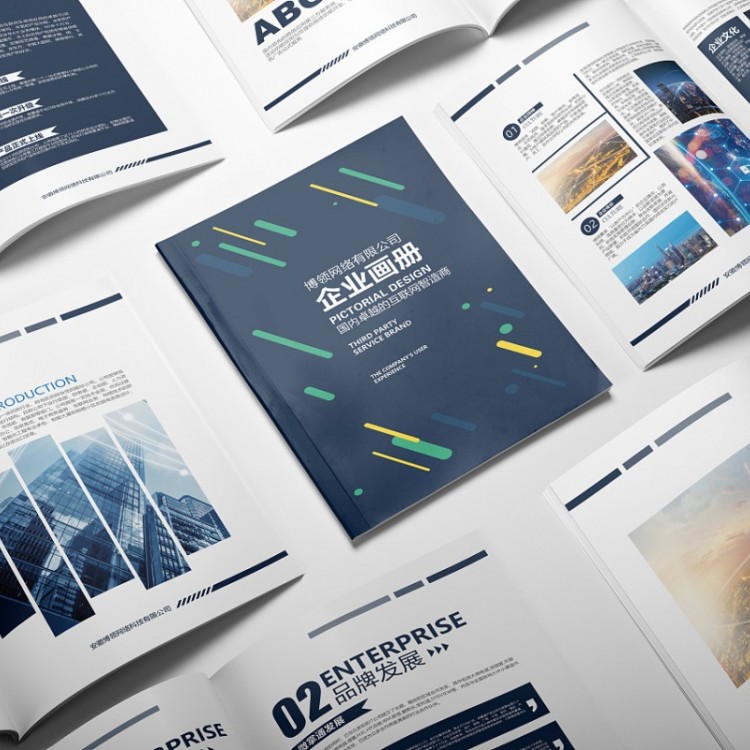












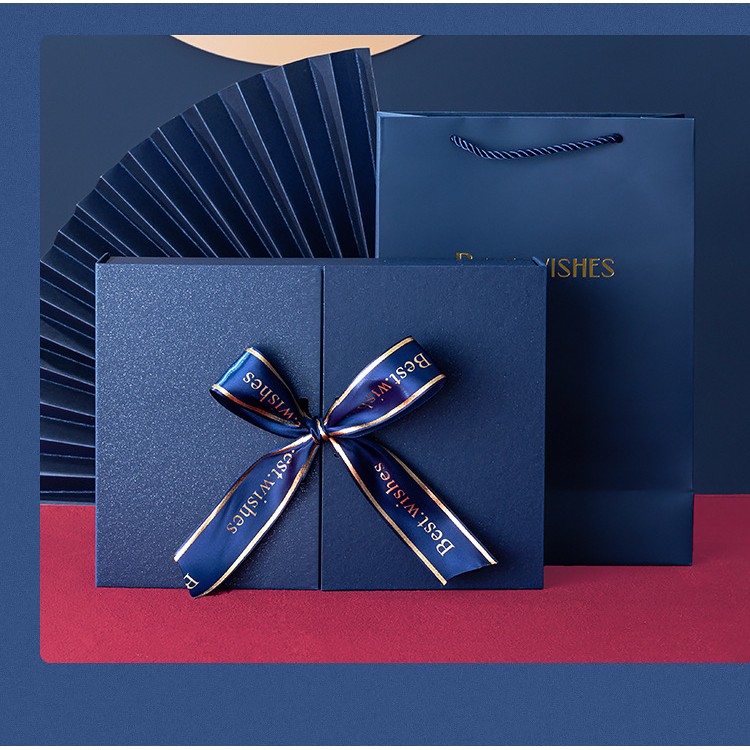
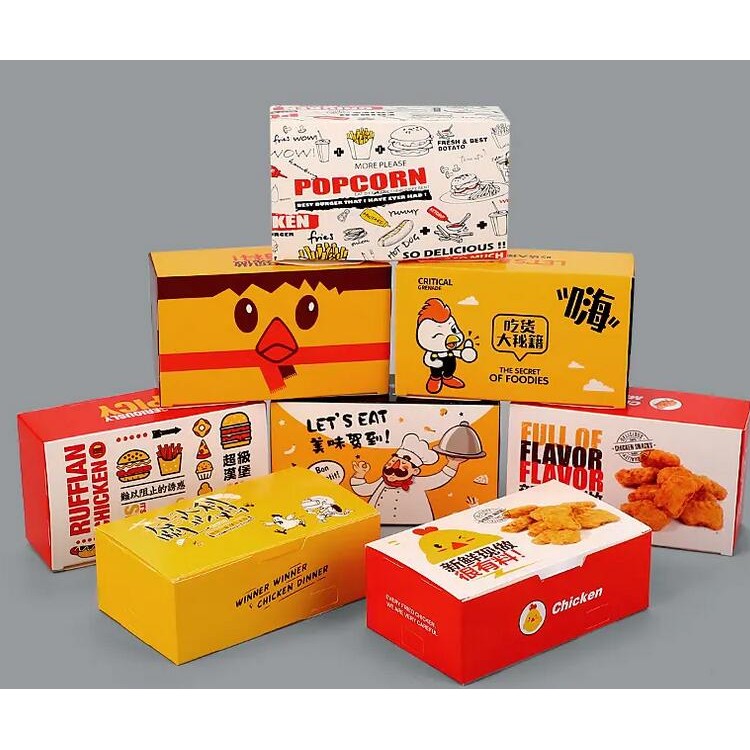
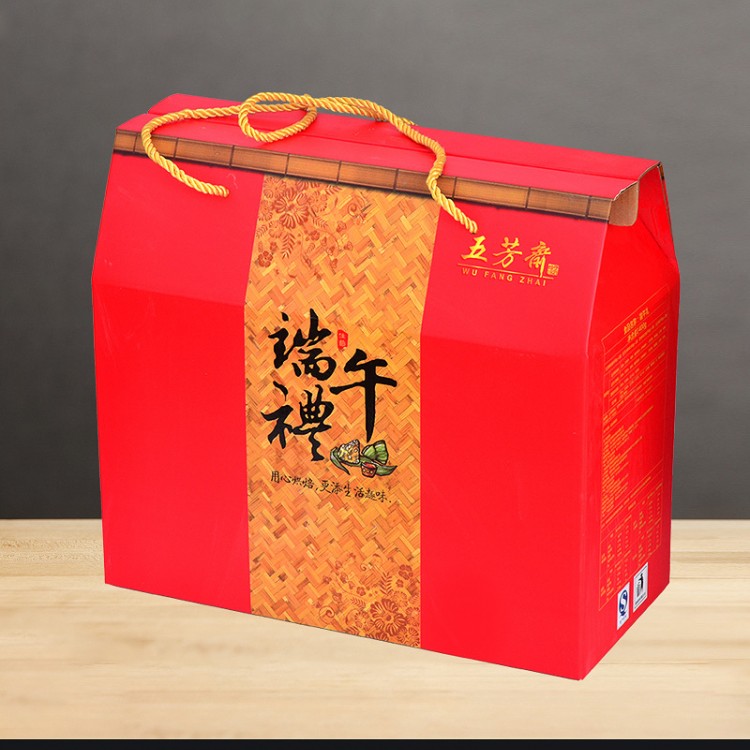
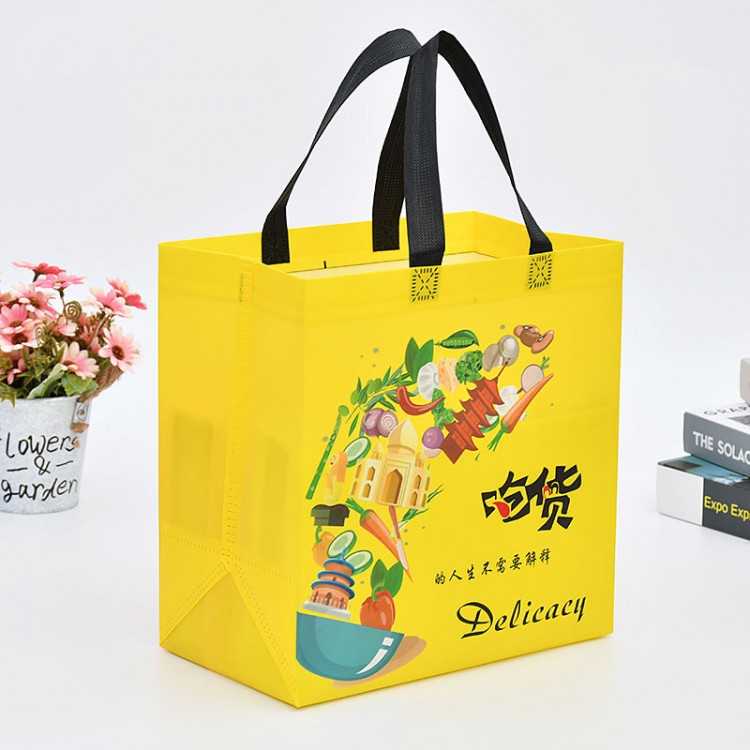
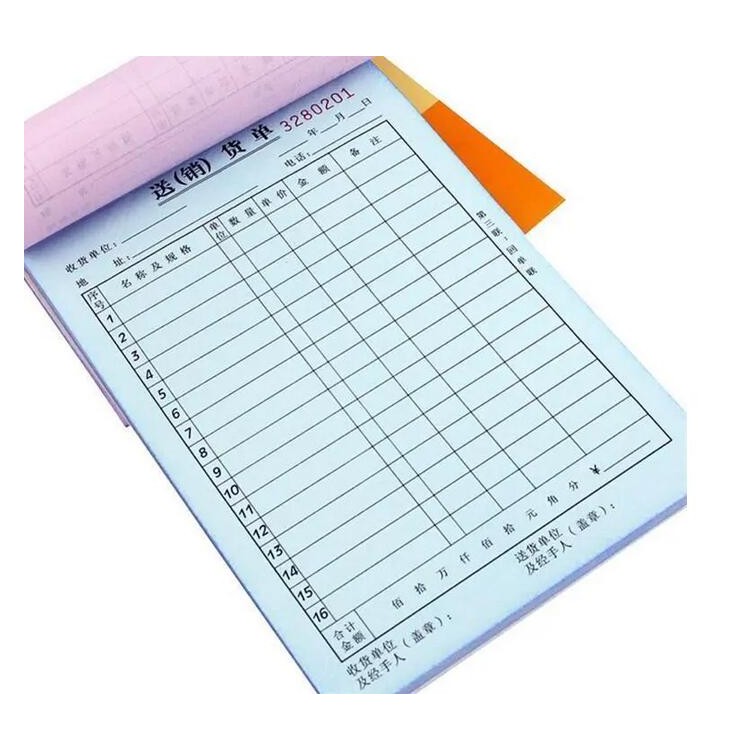
Brochures Printing Options: During the printing process, designers decide on the brochures printing options based on different materials, design styles, and production requirements. Printing companies then fulfill these specific requirements. To ensure print quality and outcomes, designers make different choices for each material based on their experience and convert them into printing effects through color analysis and other methods. This is why designers select brochures printing options based on material, design style, and production needs.
Digital Printing
Digital printing involves completing the entire traditional printing process on a digital camera, scanner, digital printer, or computer, then digitizing the image and directly transmitting the digital image to the substrate using a computer. This method is highly efficient and can accurately replicate and reproduce the colors from the original document.
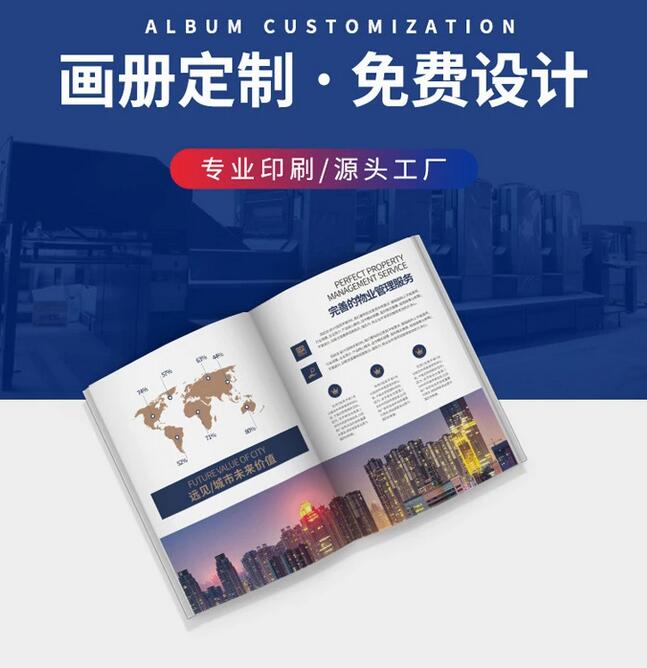
Screen Printing
Screen printing is a printing method that utilizes the mechanical properties of a mesh to transfer text, patterns, etc., onto paper. Booklet printing includes various types, which also use the mechanical properties of the mesh to transfer ink onto the substrate. Standard meshes are typically made of high molecular materials like polyethylene, polypropylene, and nylon. These materials can be formed into many different types of meshes, all of which can be either translucent or opaque. For objects with a small thickness and smooth surfaces without obvious raised or indented points, an opaque mesh can be used for printing.