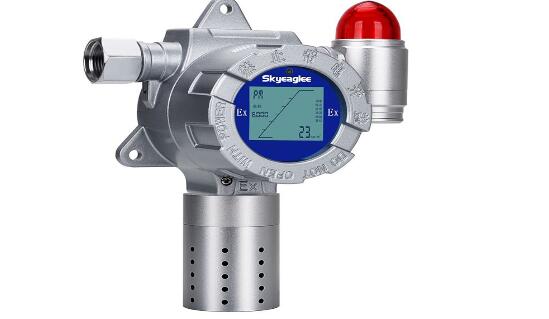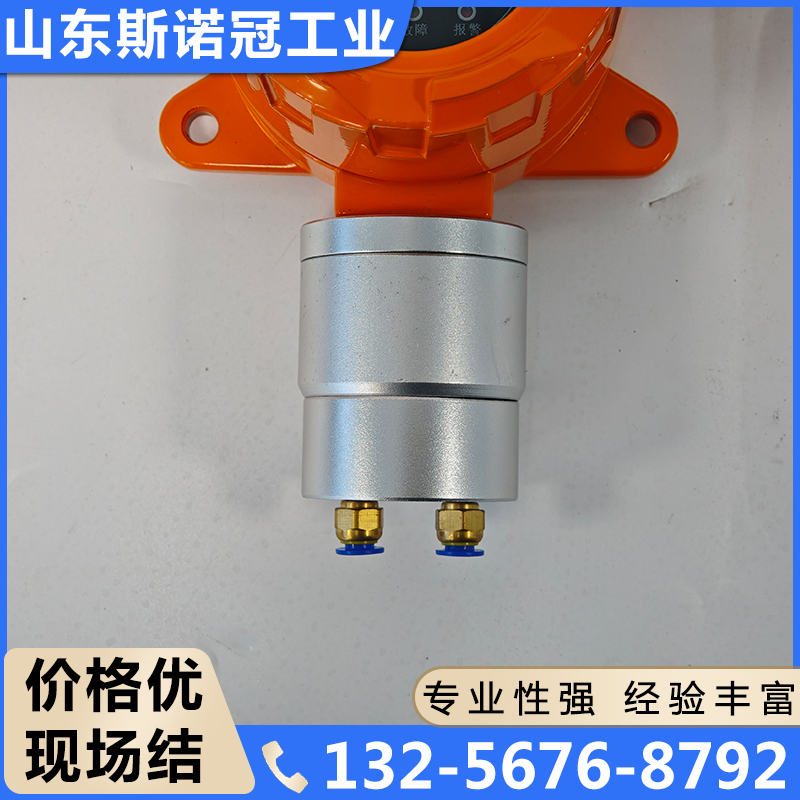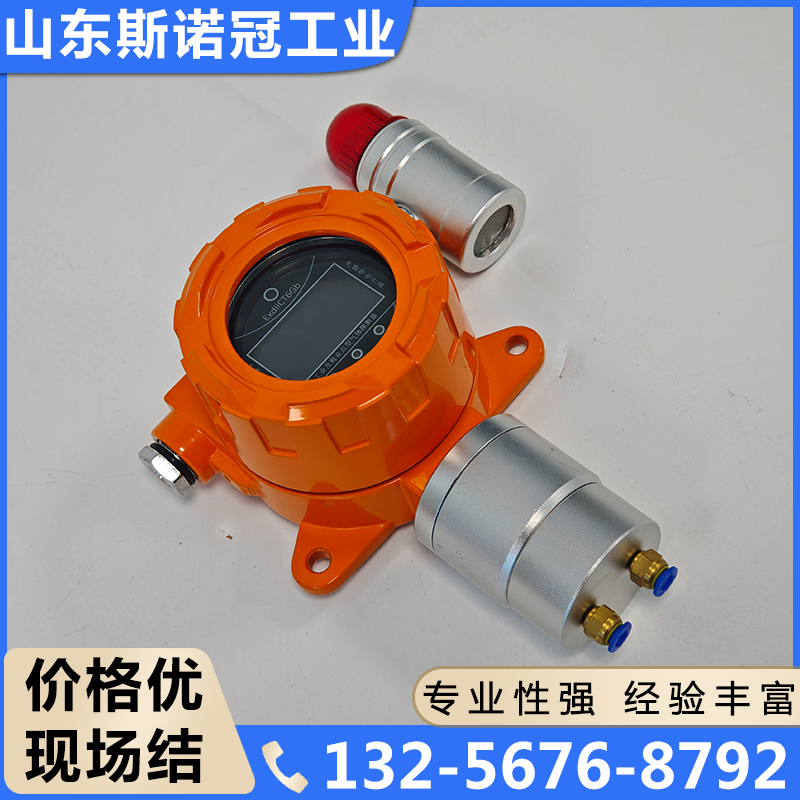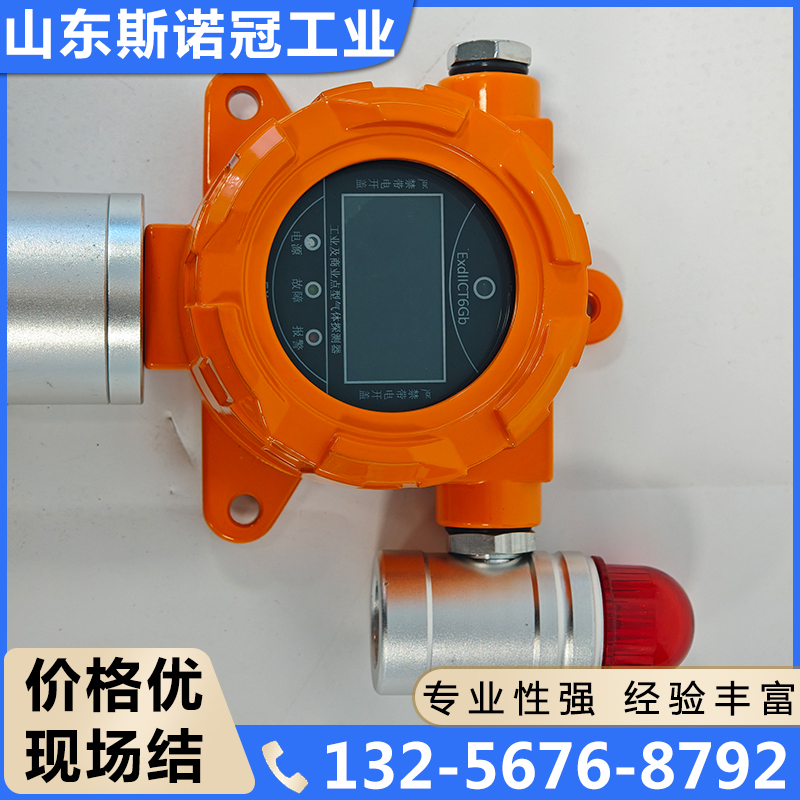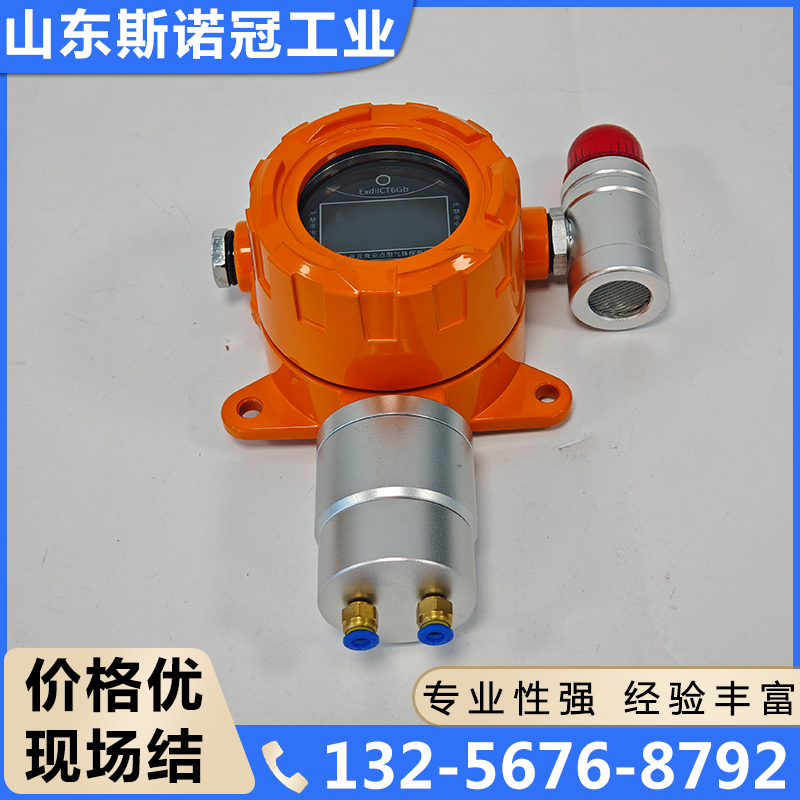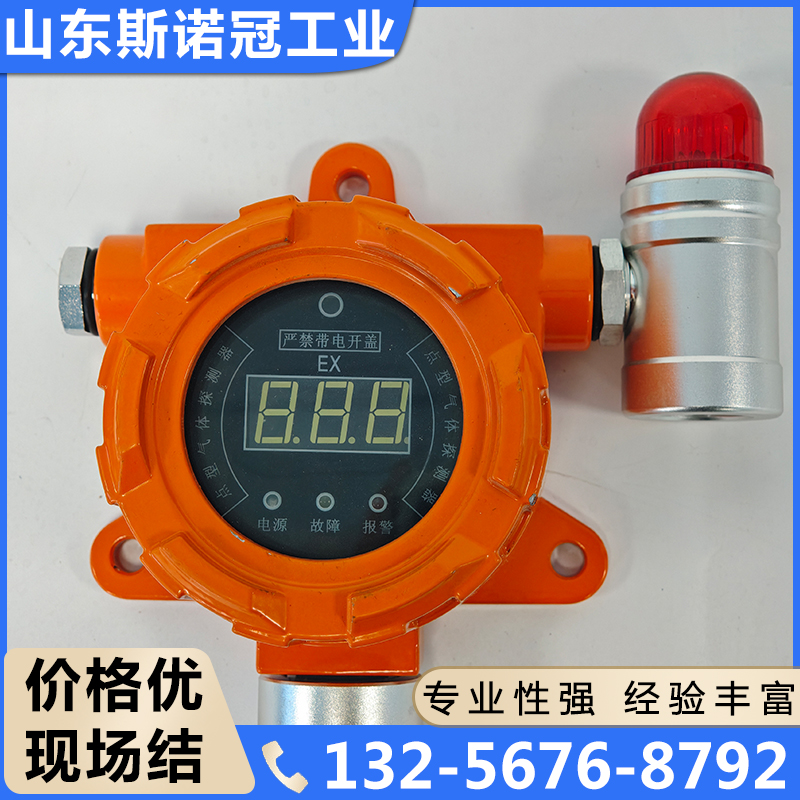
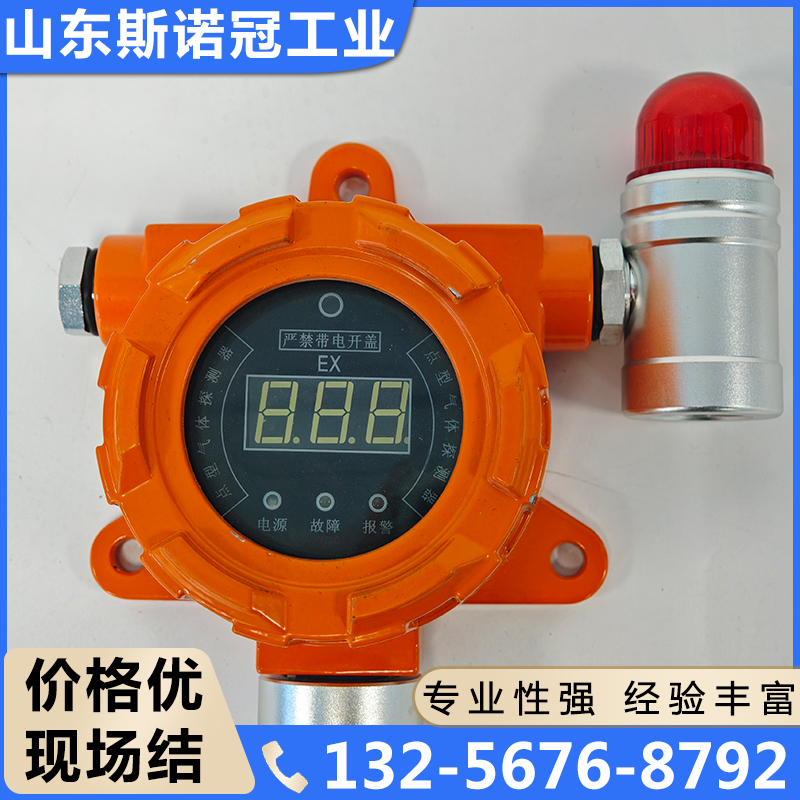
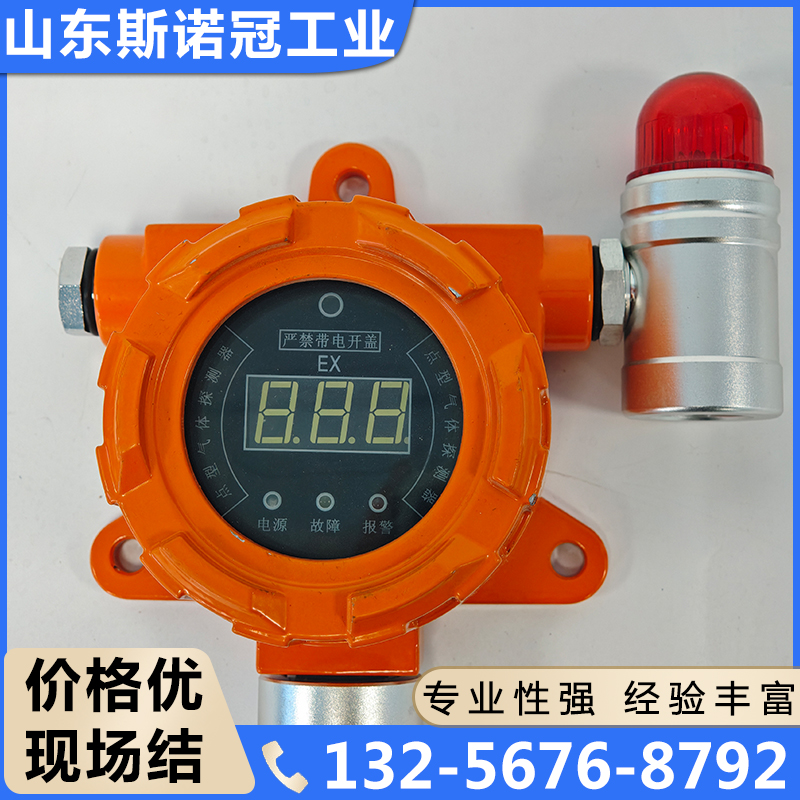
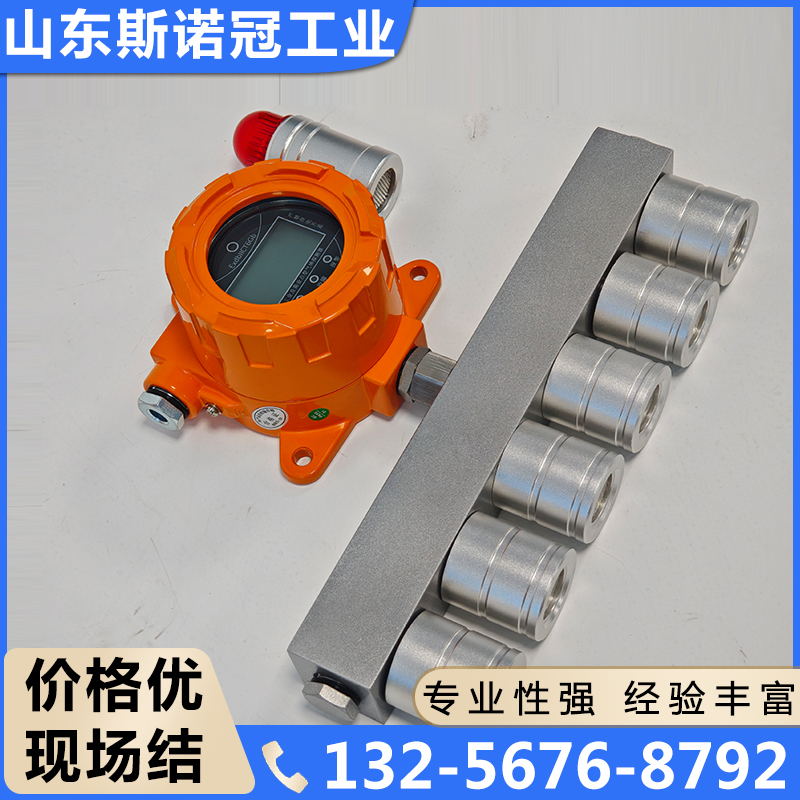
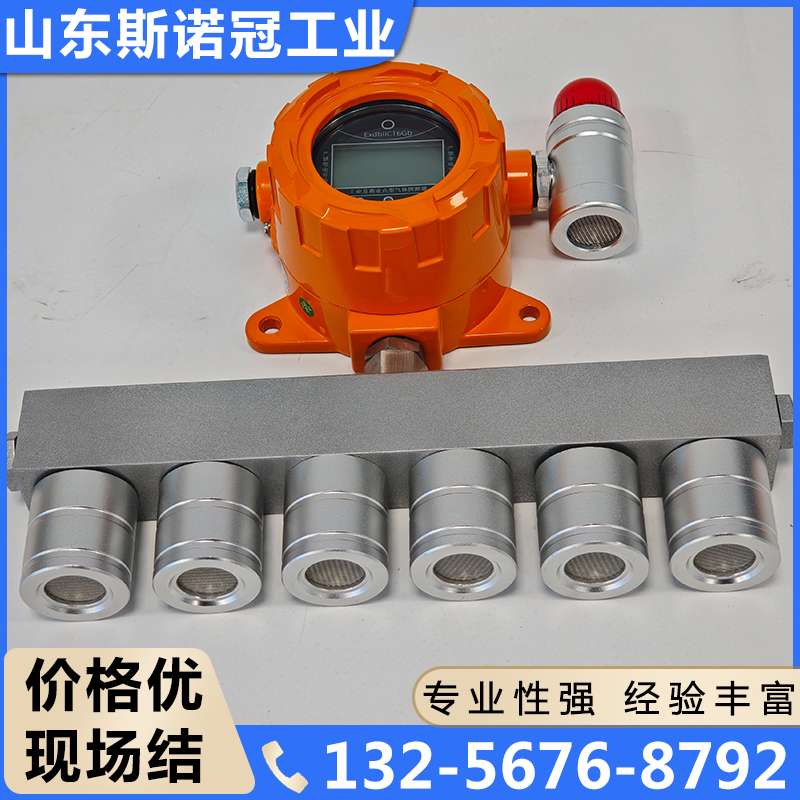







Gas detectors are devices used to monitor harmful gas concentrations in the air, primarily employed in industrial, laboratory, chemical plant, and mining environments to ensure personnel safety. They detect harmful gas concentrations in the environment and emit sound and light alarm signals once concentrations exceed safe levels, prompting individuals to take appropriate actions to ensure safety.
Gas detectors typically feature the following characteristics and functions:
Real-time Display: Capable of displaying the concentration of various harmful gases in the environment in real time, allowing users to understand the safety status of the environment at any time.
Audio-Visual Alarm: When harmful gas concentrations exceed the safe range, the alarm device will emit an audio-visual alarm signal to remind people to take appropriate measures to ensure personnel safety.
Data Recording and Export: Capable of recording monitoring data and supports data export for easy analysis and archiving by users, for future reference.
Compact and Portable: Handheld design, compact and lightweight, easy to carry and operate, suitable for various complex environments and occasions.
Gas detectors have a wide range of applications, suitable for various industrial sites, laboratories, chemical factories, mines, and petrochemical environments. In industrial production, they are used to monitor harmful gas concentrations in industrial exhaust emissions, ensuring safety for workers and the environment. In laboratories, they are employed to monitor harmful gases produced during experiments, safeguarding the health of laboratory personnel. In hazardous environments like mines and petrochemical facilities, they are used to monitor concentrations of flammable and toxic gases, ensuring worker safety.