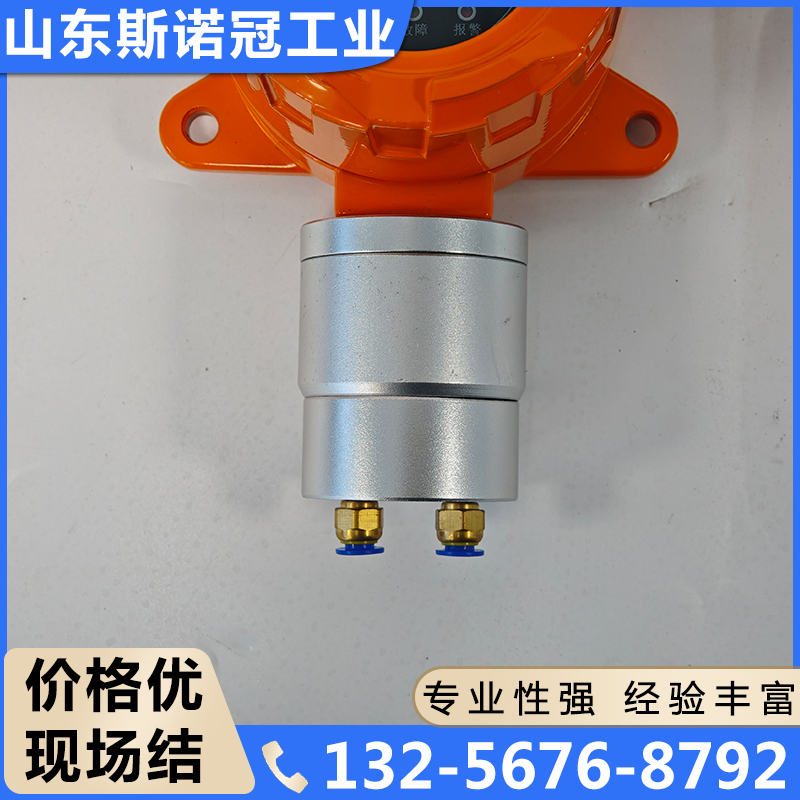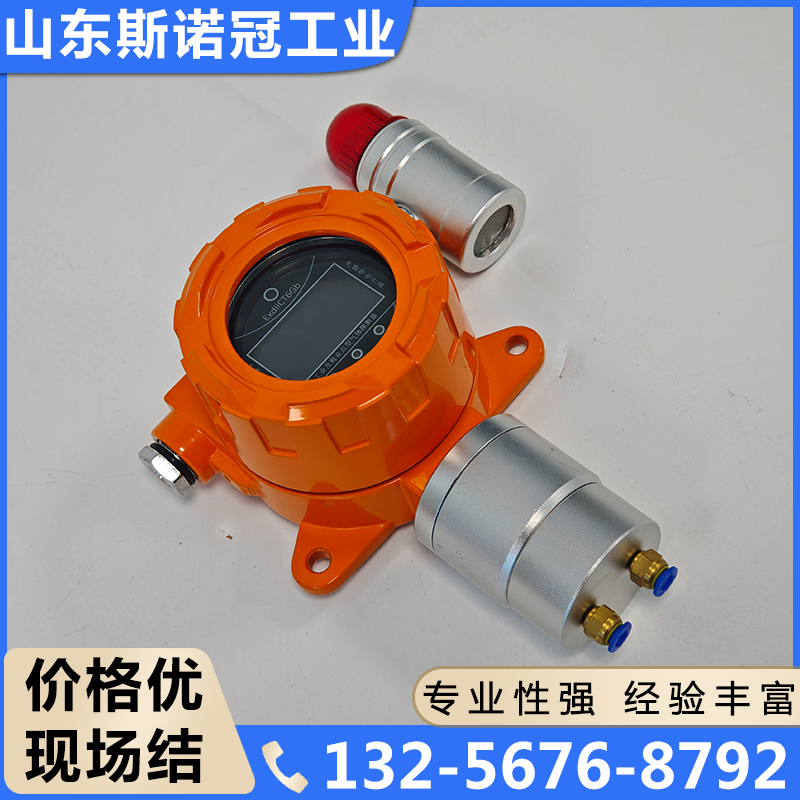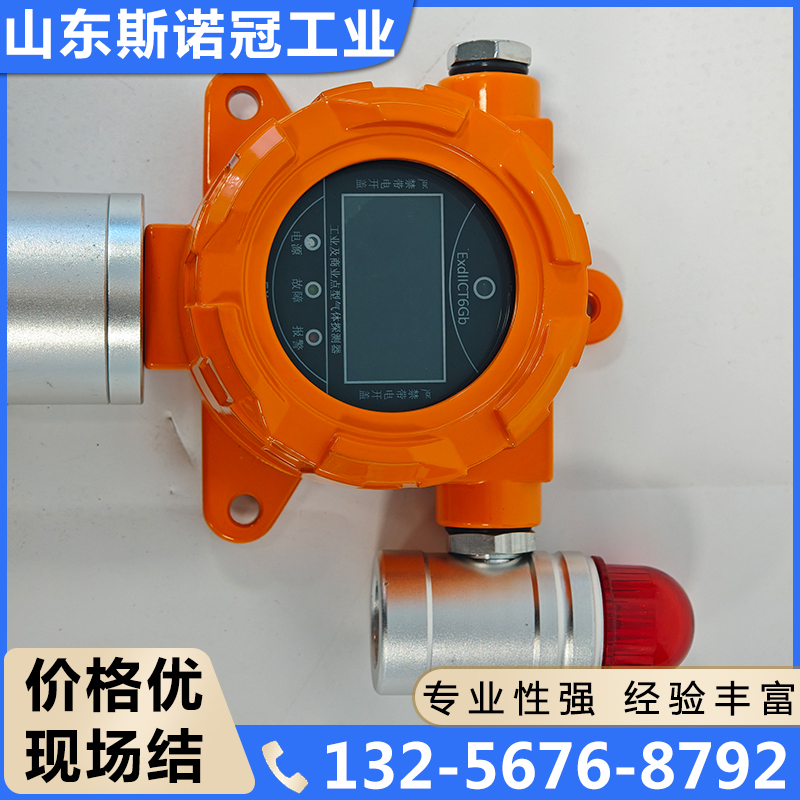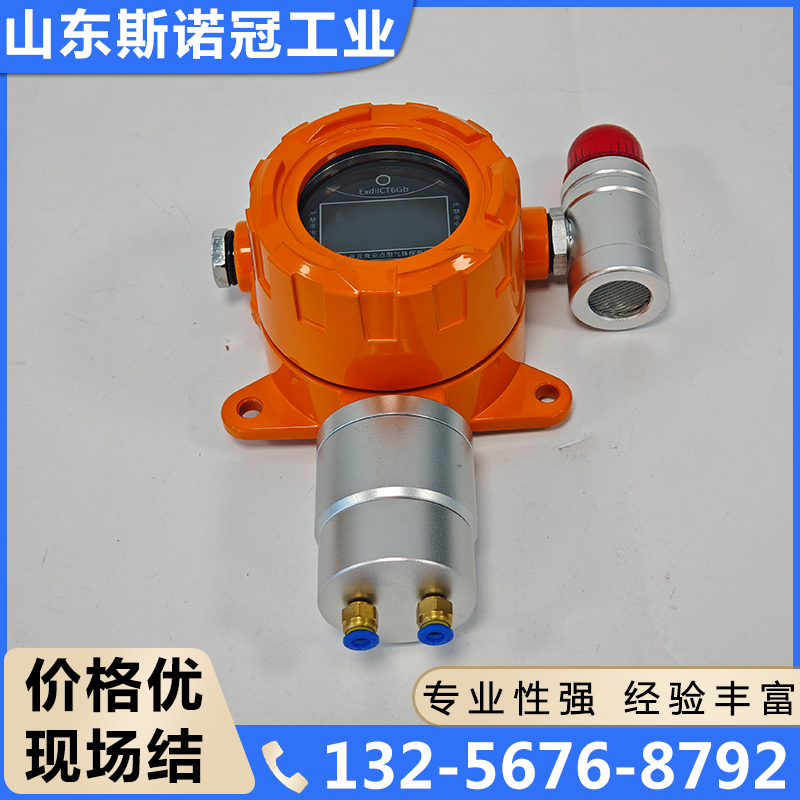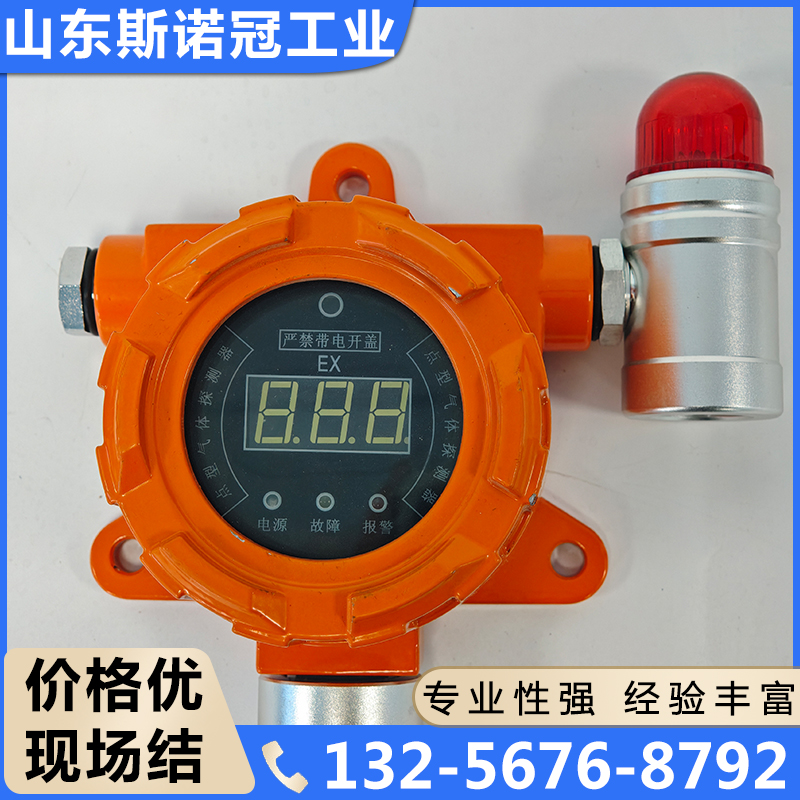
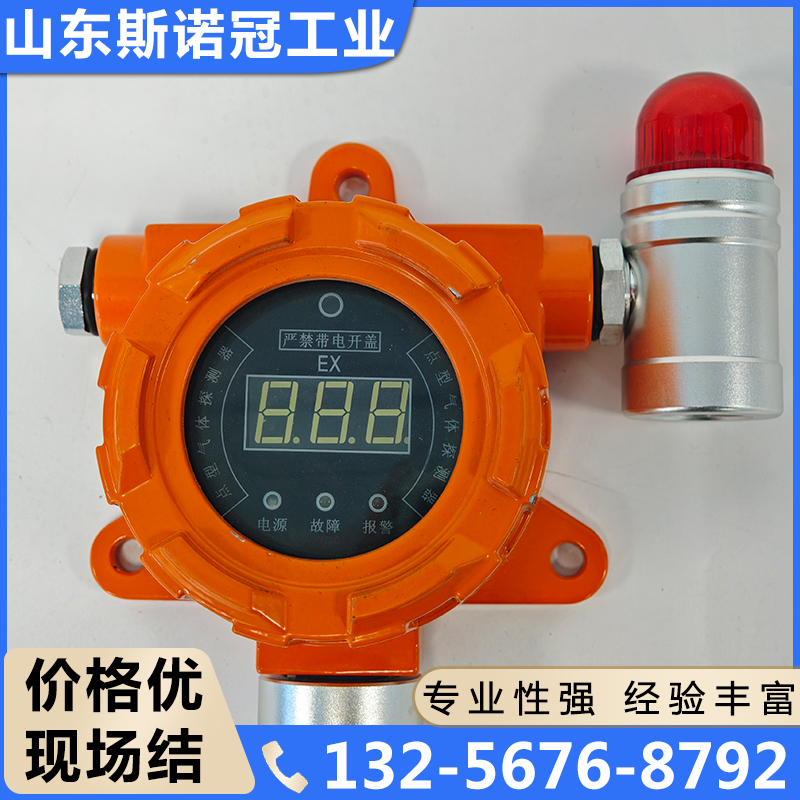
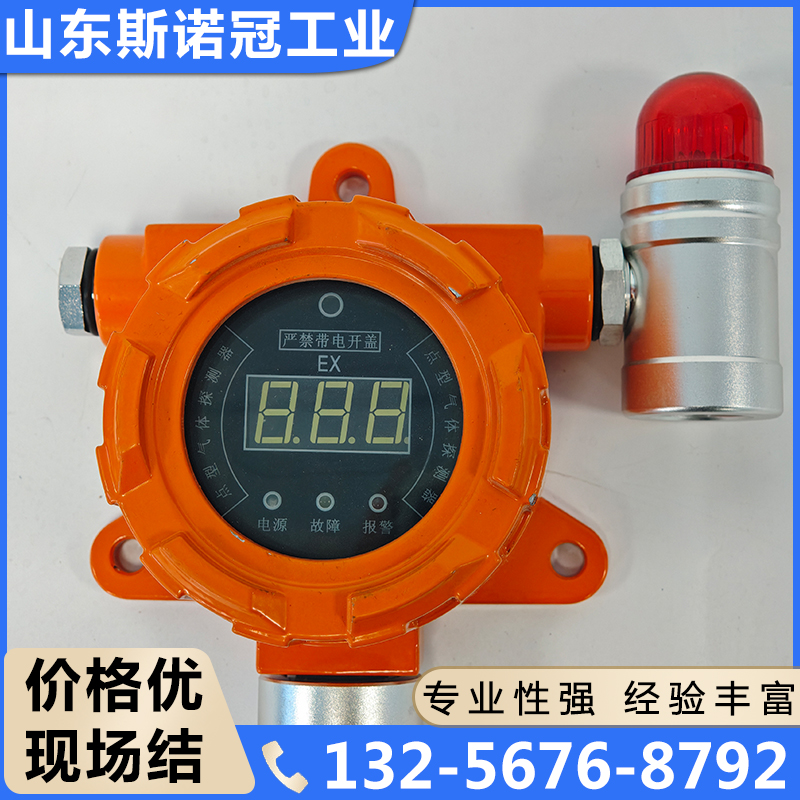
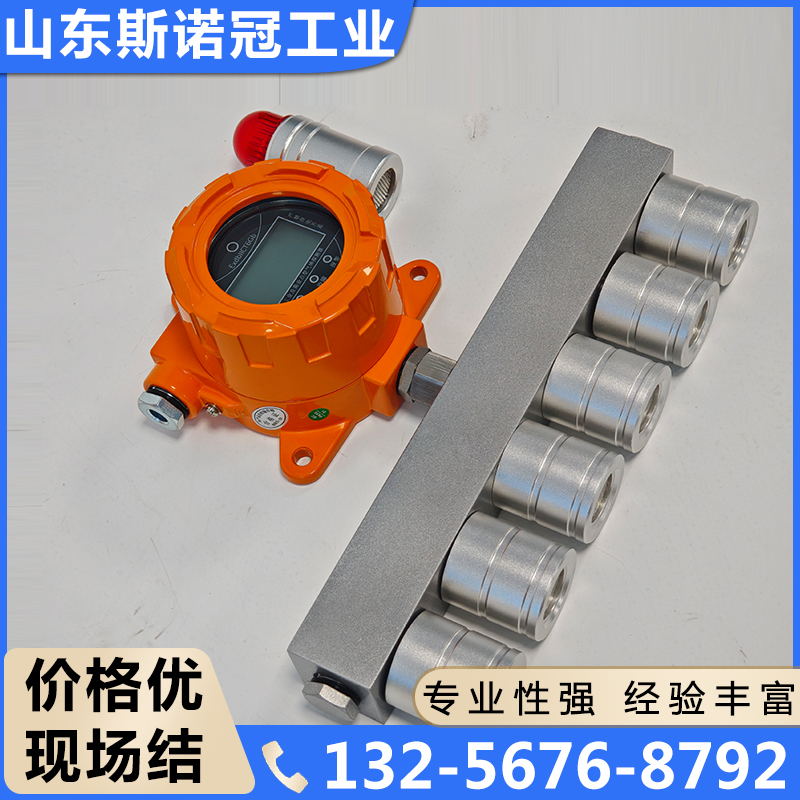
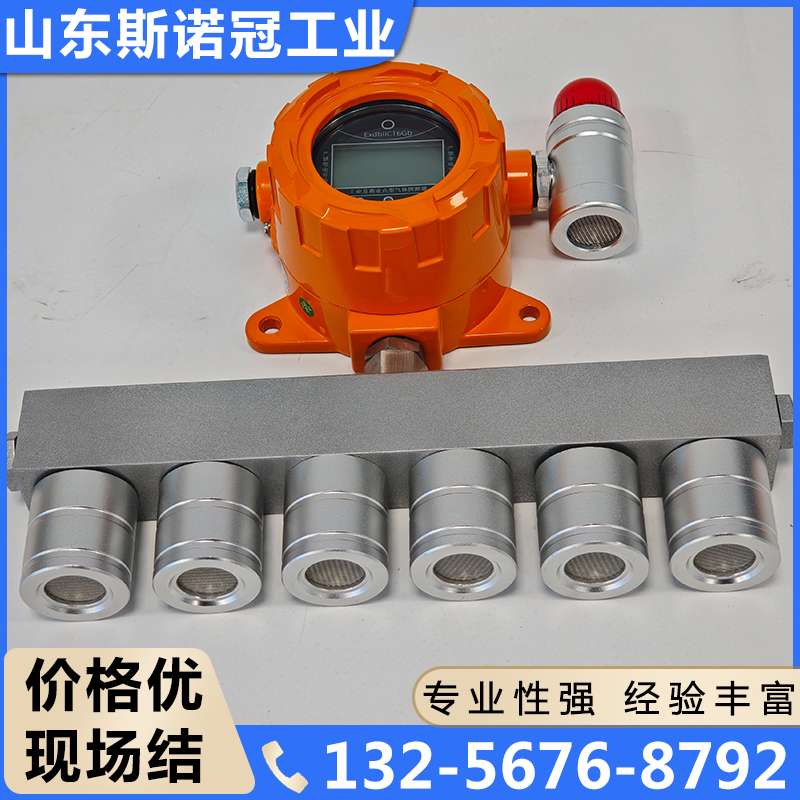







Handheld gas detectors have a wide range of applications, including various industrial sites, laboratories, chemical factories, mines, and petrochemical environments. In industrial production, they can be used to monitor harmful gas concentrations in industrial emissions, ensuring the safety of workers and the environment. In laboratories, they can monitor harmful gases produced during experiments, safeguarding the health of lab personnel. In hazardous environments like mines and petrochemicals, they can detect concentrations of flammable and toxic gases, ensuring worker safety.
When selecting a handheld gas detector, various factors must be considered, such as the monitoring range, sensor type, accuracy and stability, response time, device reliability, and maintenance costs. First, determine the specific gases and quantities to be monitored based on your monitoring needs, then choose the appropriate sensor type and controller. Additionally, consider the operating environment and working conditions of the device, as well as its performance and reliability.
In summary, the handheld gas detector is a crucial safety monitoring device, capable of real-time monitoring of various harmful gas concentrations in the environment, allowing for the timely detection of potential safety hazards and ensuring the safety of personnel and cleanliness of the environment. With the enhancement of industrial safety awareness and technological advancements, handheld gas detectors are expected to see wider application and development.