








Guangzhou Lego Building Materials Co., Ltd. Main Products: Aluminum Single Sheet, Aluminum Channel Grid, Aluminum Ceiling Tiles, Aluminum Grille Ceiling, Aluminum Perforated Ceiling Tiles, Aluminum Honeycomb Panel, Aluminum Profiles, Sunshade Aluminum Louvers, Galvanized Steel Plate, Aluminum Ceiling Panels, Color Steel Channel Ceiling, Aluminum Alloy Window Grilles, Aluminum Air Conditioning Enclosures.
Considerations for selecting aluminum ceiling tiles:
1. The quality of aluminum ceiling panels does not lie in their thickness but in the texture of the aluminum. Some unbranded panels use aluminum from cans, which, due to poor material, cannot be uniformly thinned out and must be thicker. Therefore, when making a purchase, be cautious of deceptive practices by sellers; it's not the thicker the better in terms of quality.
2. Aluminum ceiling panels used in home renovations are sufficient at 0.6mm thick. Typically, the length of aluminum ceiling panels used in home renovations does not exceed 4 meters, and there are no heavy items on the ceiling. Only for larger projects, longer aluminum ceiling panels are required to prevent deformation, thus thicker and harder aluminum panels are used.
3. Tap the sample a few times and listen carefully to the sound. If the sound is crisp, it indicates good base material; if it sounds muffled, it suggests there is a higher amount of impurities in the base material.
4. Bend a sample repeatedly to check if the paint surface peels off. High-quality aluminum ceiling panels only have cracks, not large chunks of paint peeling off. Reminder: Standard aluminum ceiling panels are painted on both sides, as the backside is more humid. Aluminum ceiling panels with back paint have a longer lifespan than those with paint only on one side.
5. The backbone material for aluminum ceiling tiles is typically galvanized steel. When purchasing, you can observe its flatness and the smoothness of the processing. The smaller the error range of the backbone, the higher the accuracy and quality.
6. To prevent merchants from substituting inferior products, while the surface of both film-coated plates and roll-coated plates may look similar, there is a significant price difference. When selecting, you can use a lighter to blacken the plate surface. The film-coated plate is easy to wipe off the black stains, whereas the roll-coated plate will leave marks no matter how much you try to擦.
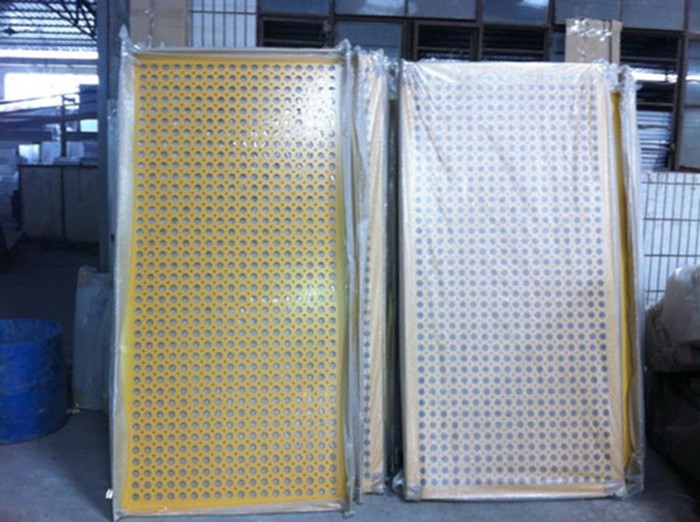
The surface treatment processes for aluminum ceiling panels currently include five main methods: spraying, baking paint, film coating, rolling paint, and anodizing. Among them, spraying and baking paint panels are prone to color variation and have a shorter lifespan. Film-coated and rolling paint panels do not have color variations and have a longer lifespan. Anodizing involves placing aluminum and its alloys in a corresponding electrolyte (such as sulfuric acid, chromic acid, oxalic acid, etc.) as the anode. Under specific conditions and with the application of external current, electrolysis is conducted to alter the molecular structure of the aluminum. This results in the formation of a protective layer on the surface, where the aluminum or alloy components are oxidized, creating a thin layer of aluminum oxide that enhances wear resistance and hardness, improves corrosion resistance, heat resistance, and electrical insulation. The breakdown voltage can reach up to 2000V. The large number of micropores in the anodized film layer have strong adsorption capabilities, and the anodizing process ensures the film does not fade.
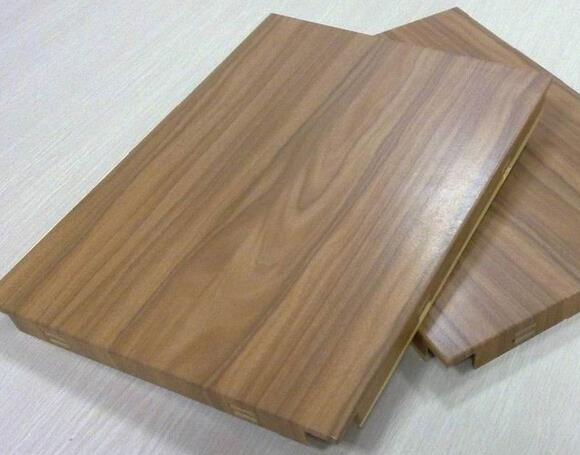
Aluminum ceiling tiles and aluminum-plastic panels differ significantly in composition and usage: The base material of aluminum ceiling tiles is aluminum alloy sheet, generally suitable for suspended ceilings; aluminum-plastic panels consist of a plastic core with an aluminum foil surface layer. They can be used for decorative construction on both indoor and outdoor ceilings and walls, depending on the material.
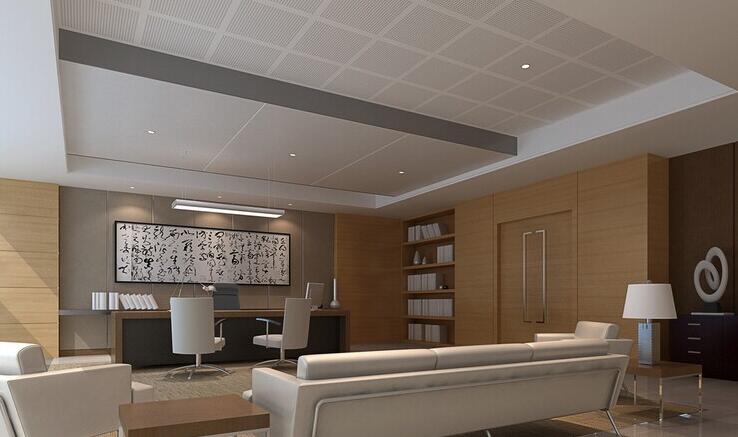
Aluminum ceiling tiles are durable, resistant to deformation and cracking, and offer superior texture and decorative appeal compared to plastic tiles. They also feature fire-retardant, moisture-proof, anti-corrosive, anti-static, sound-absorbing, and noise-insulating properties. They are commonly used for ceiling decoration in kitchens and bathrooms during home renovations.
Guangzhou Lego, with its skilled personnel, superior quality, and exceptional service, enjoys widespread acclaim and preference from customers both domestically and internationally. Our products are exported to various markets. Lego boasts an experienced team in design, production, and sales, a comprehensive pre- and after-sales system, and fully implements the ISO9001:2000 quality management system, achieving comprehensive development in production, supply, and sales.