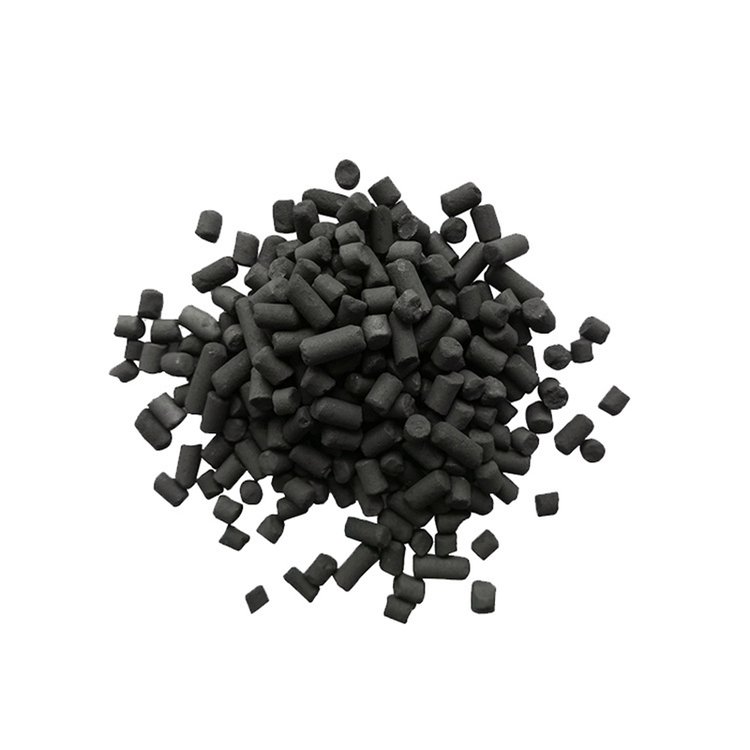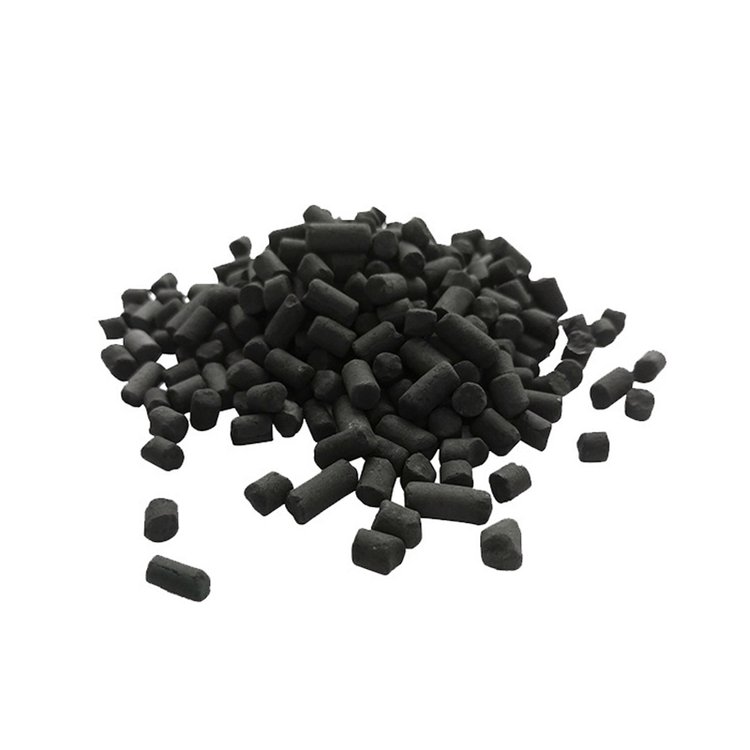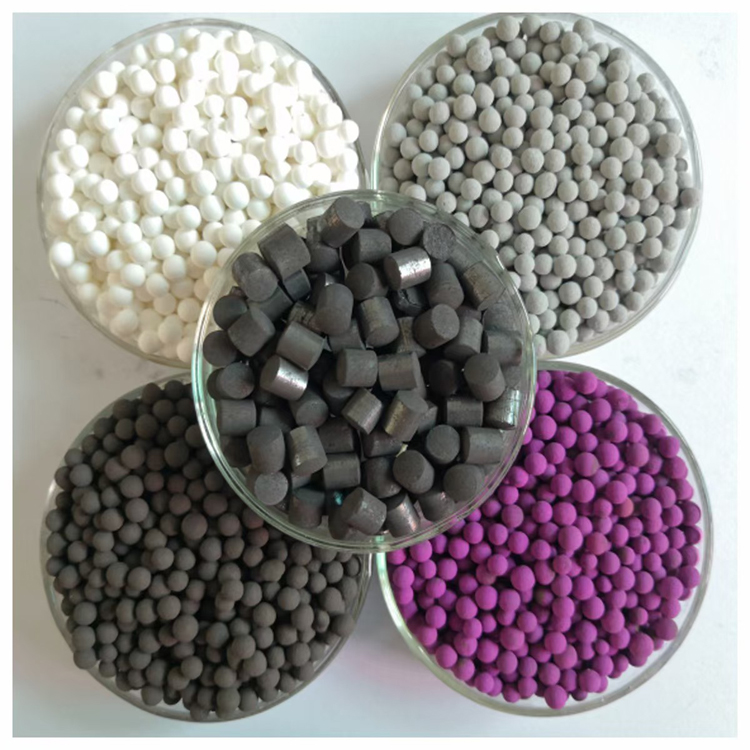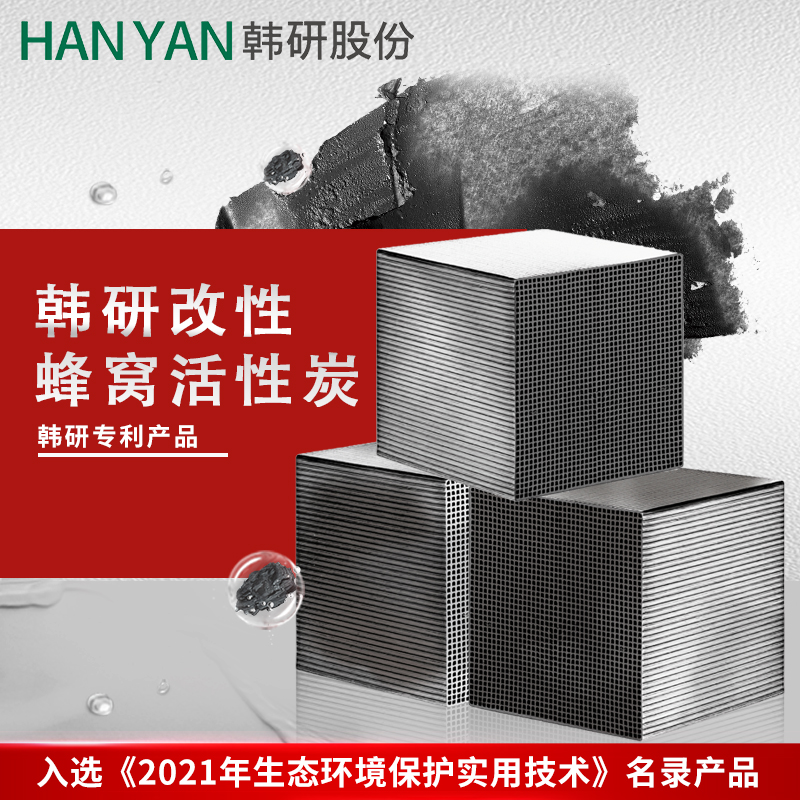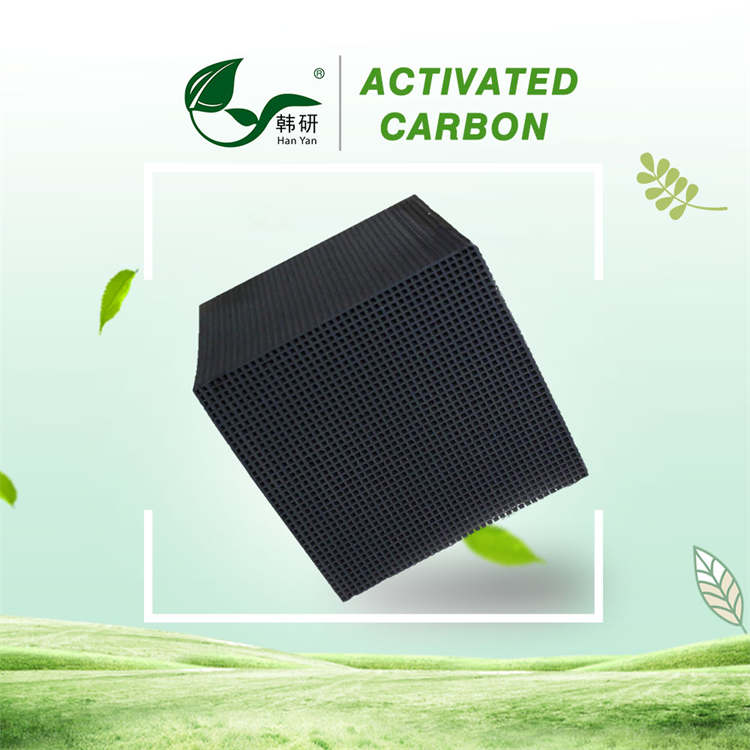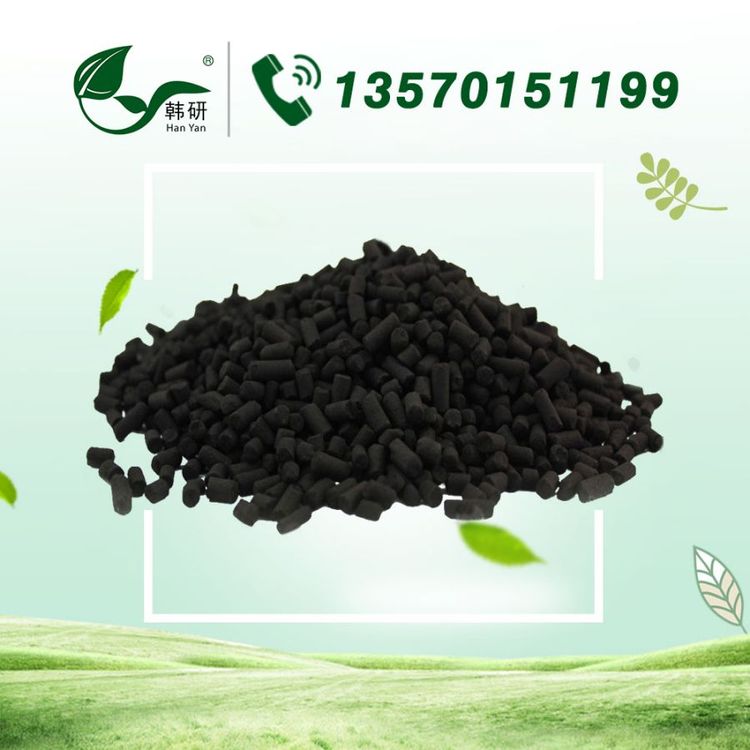

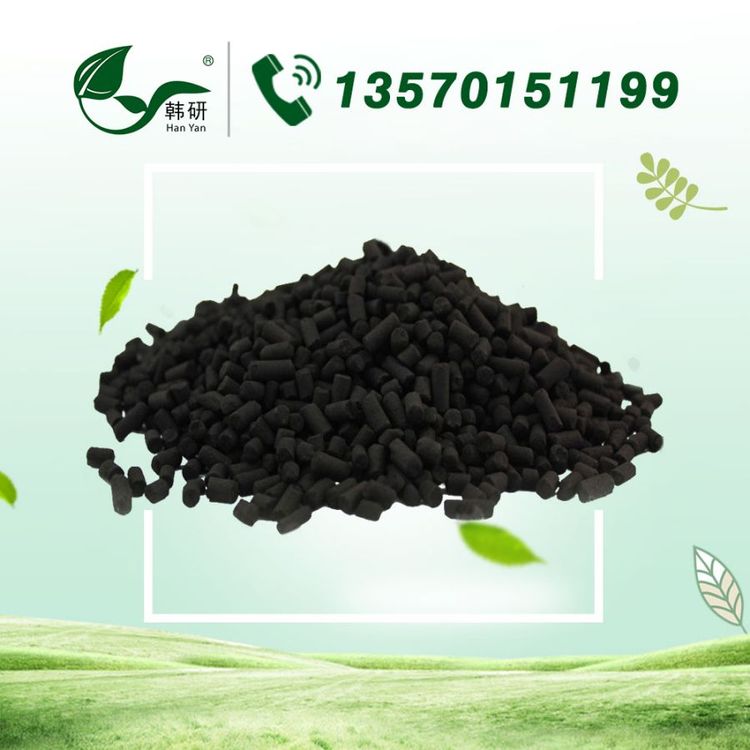
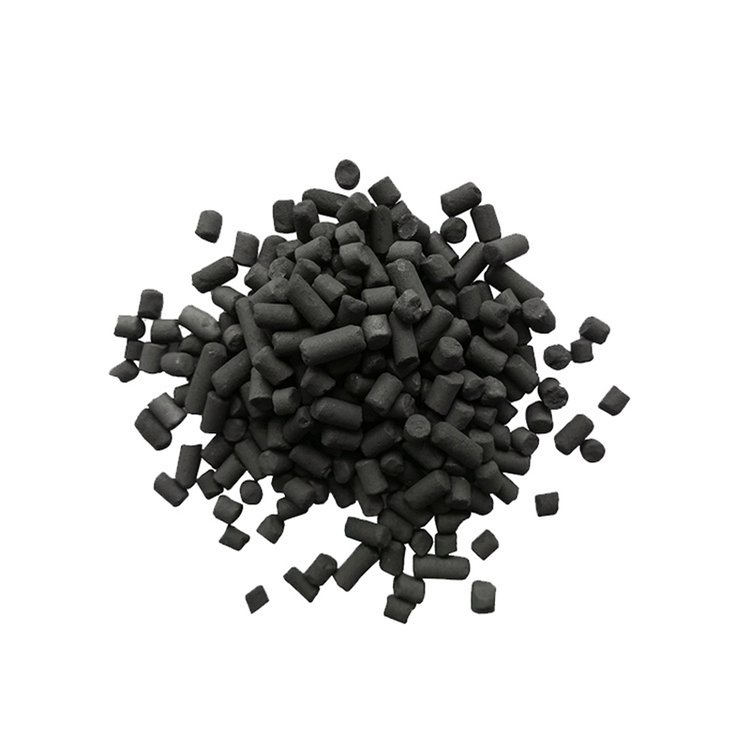
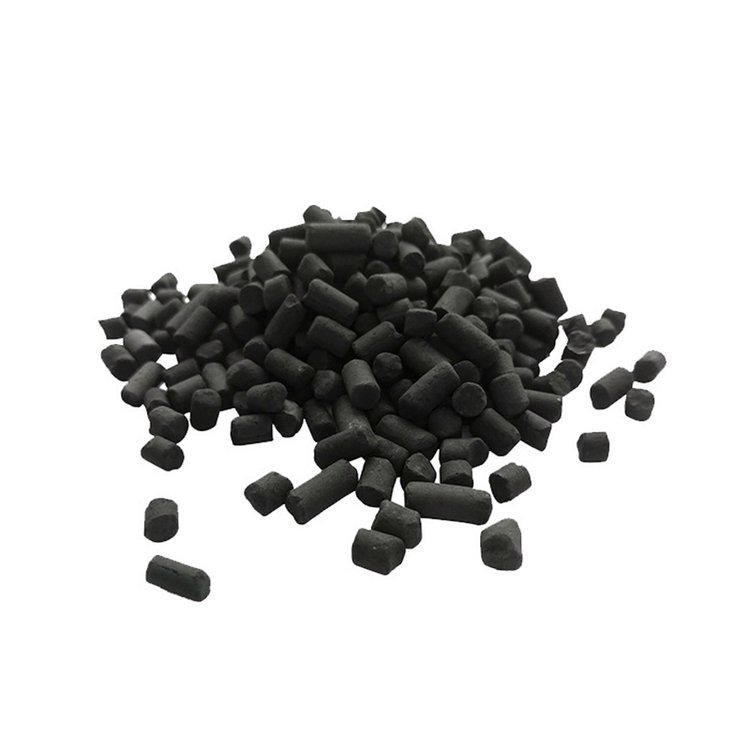


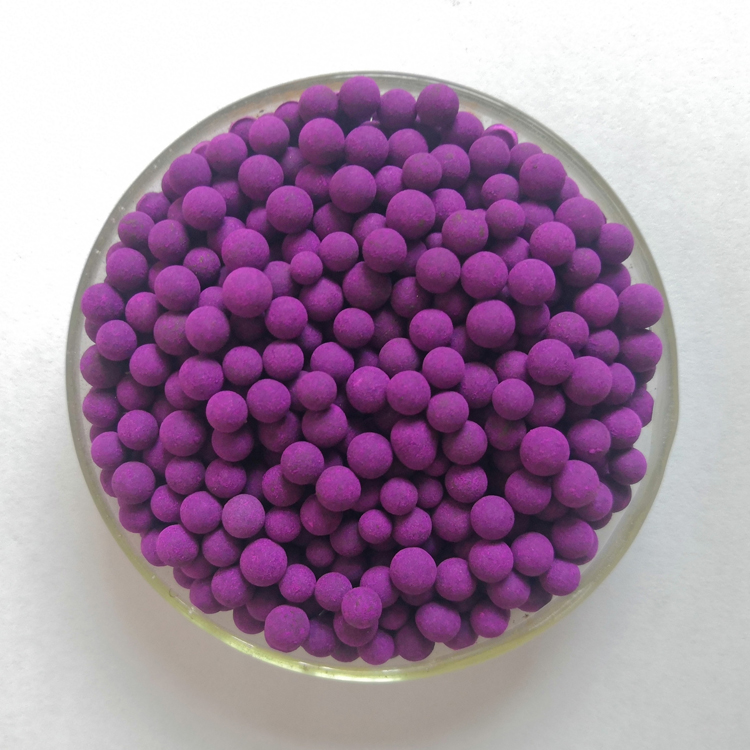
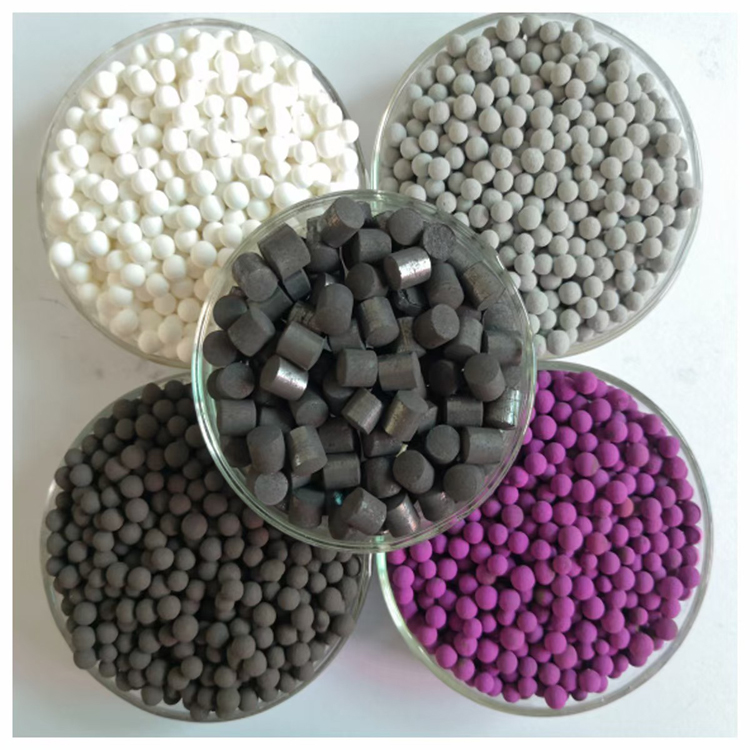






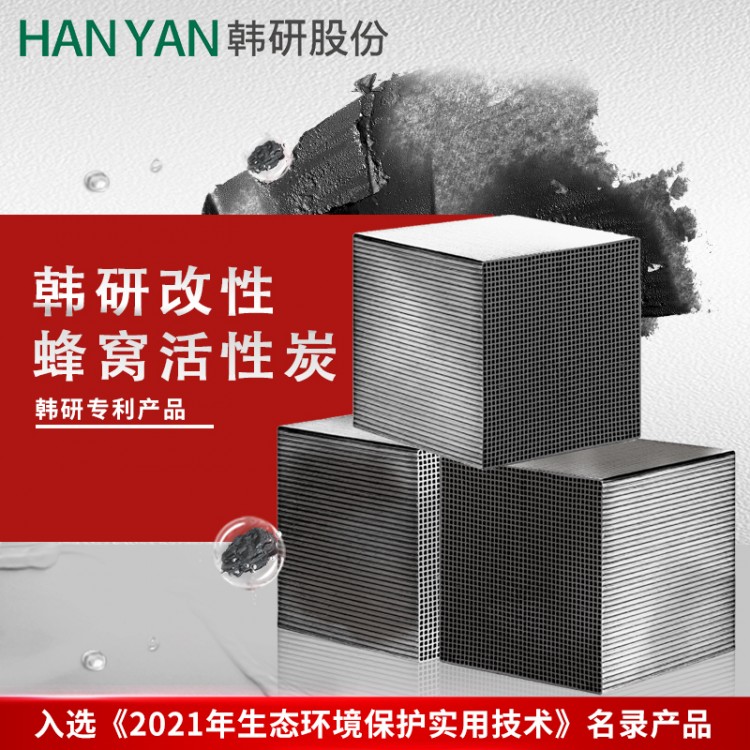
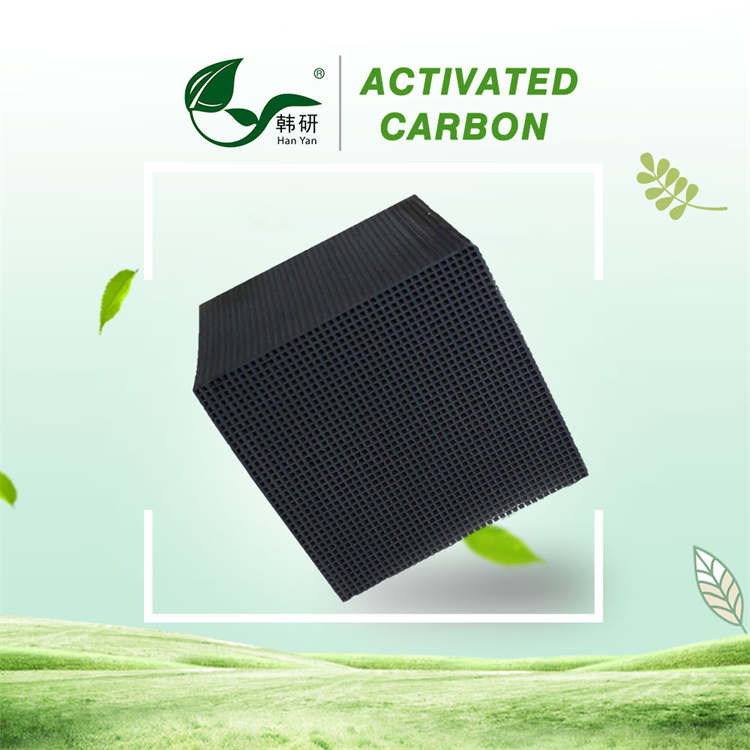
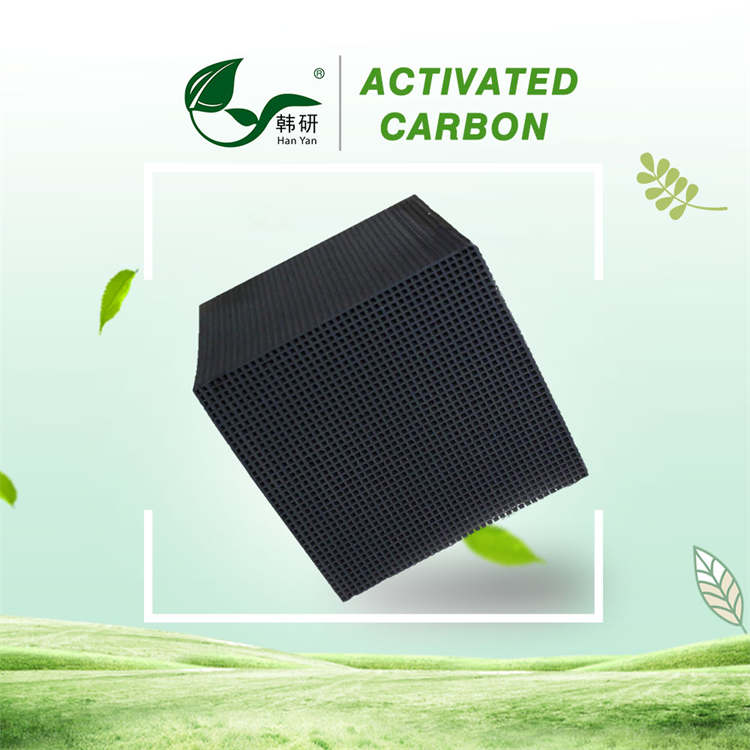

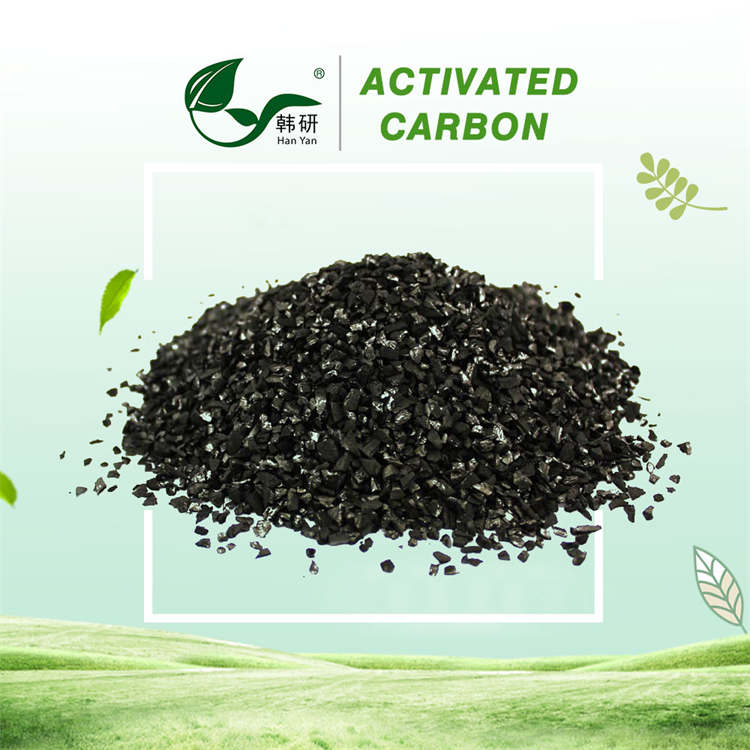
Activated carbon is produced from high-quality coal, coconut shell, and wood shavings through a series of sophisticated production processes. It features black, cylindrical granules and is widely used in gas treatment, wastewater treatment, desulfurization and denitrification, solvent recovery, nitrogen generators, air separation equipment, and paint spray shops, among other applications.
Granular activated carbon is widely used for the purification of toxic gases, waste gas treatment, purification of industrial and domestic water, solvent recovery, and other applications.
Activated Carbon for Wastewater Treatment: Made from high-quality coal, processed through crushing, carbonization, activation, and refining. The pore structure is rational, capable of effectively purifying domestic and industrial wastewater.
Desulfurization and Denitrification Products: High activity, large porosity, large sulfur capacity, high desulfurization efficiency, high mechanical strength. Good water resistance, low gas resistance, easy to regenerate, and not easily broken under high pressure.
Activated Carbon for Solvent Recovery Treatment: Offers strong adsorption capacity for most vapors across a wide concentration range.
Activated Carbon for Sewage Treatment: Made from high-quality coal, processed through crushing, carbonization, activation, and refining. It features a rational pore structure, effectively purifying domestic and industrial sewage.
Activated Carbon for Waste Gas Treatment: Features a large specific surface area, well-developed pore structure, reasonable pore distribution, strong adsorption capacity, uniform particle distribution, and high wear resistance. Used for chemical raw material gases, chemical synthesis gases, and pharmaceutical industry gases.