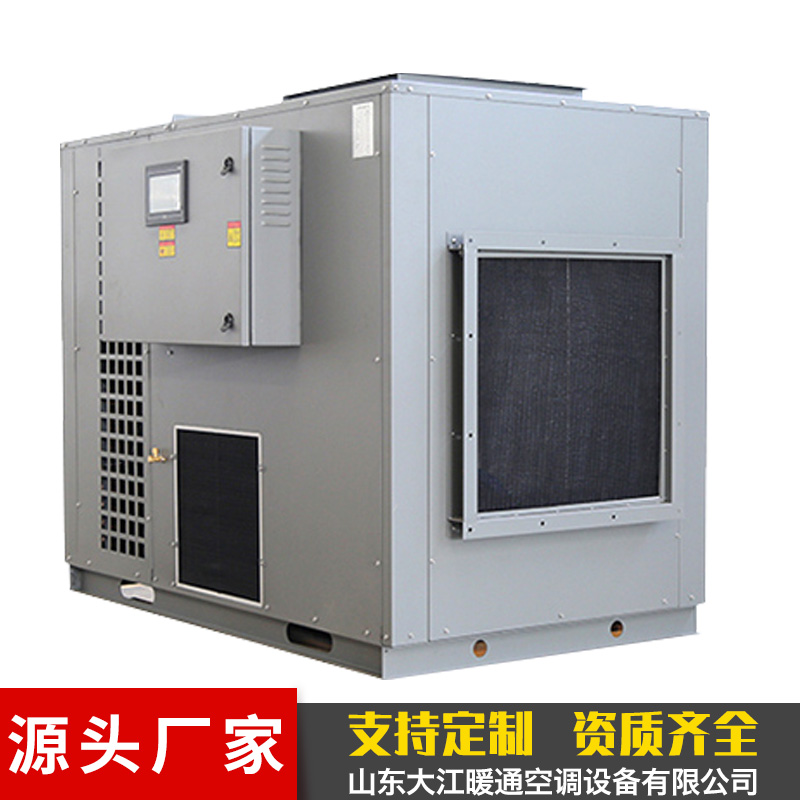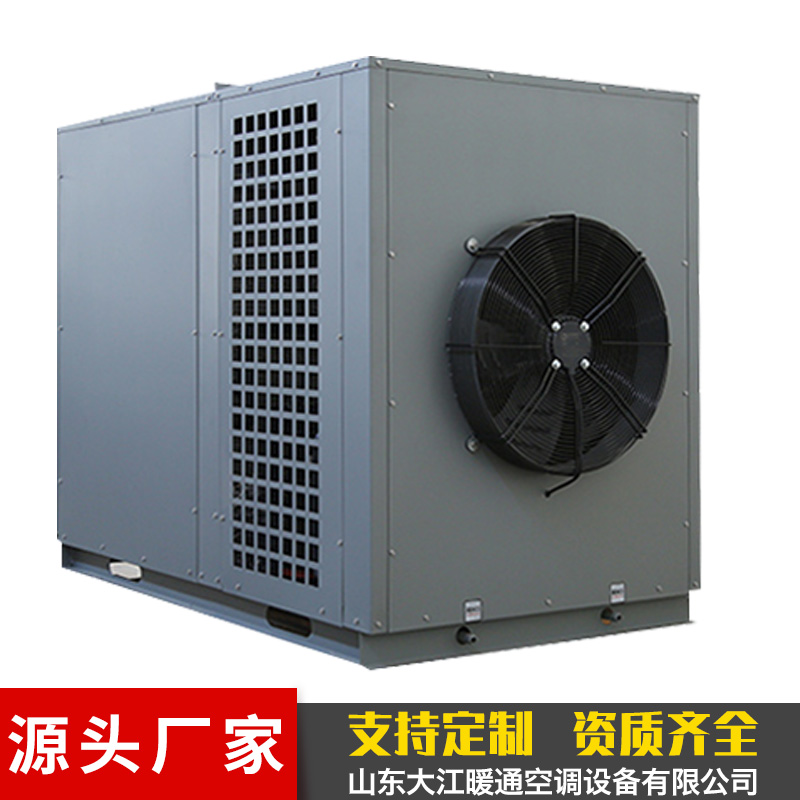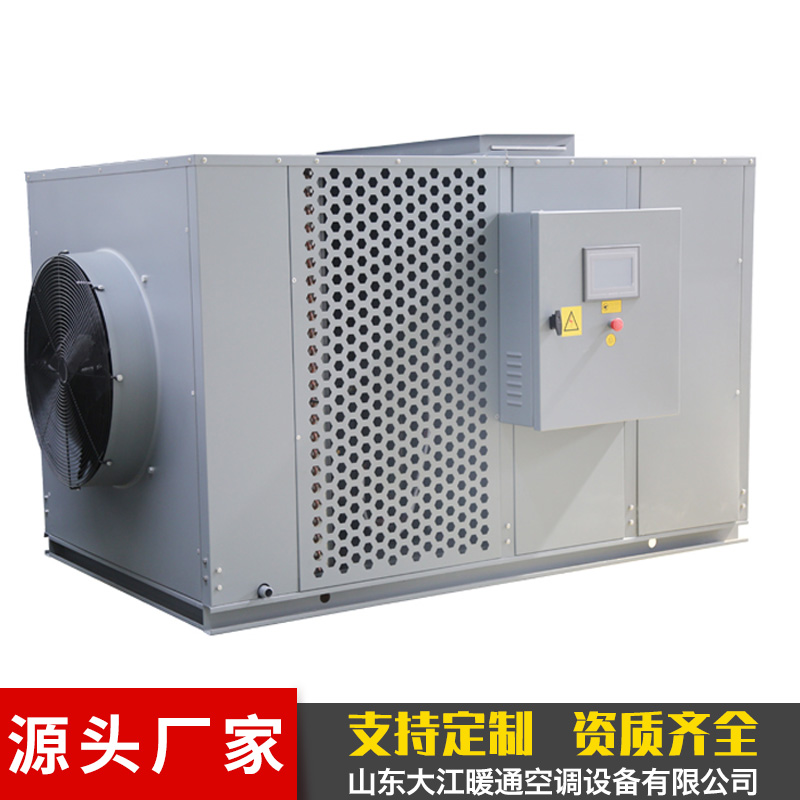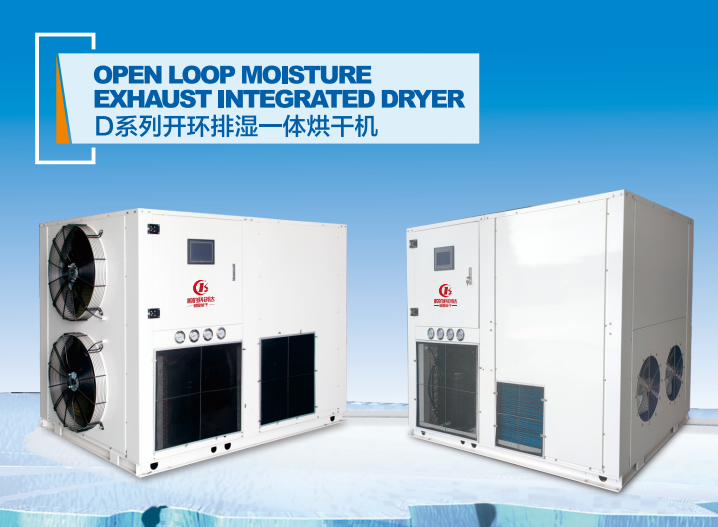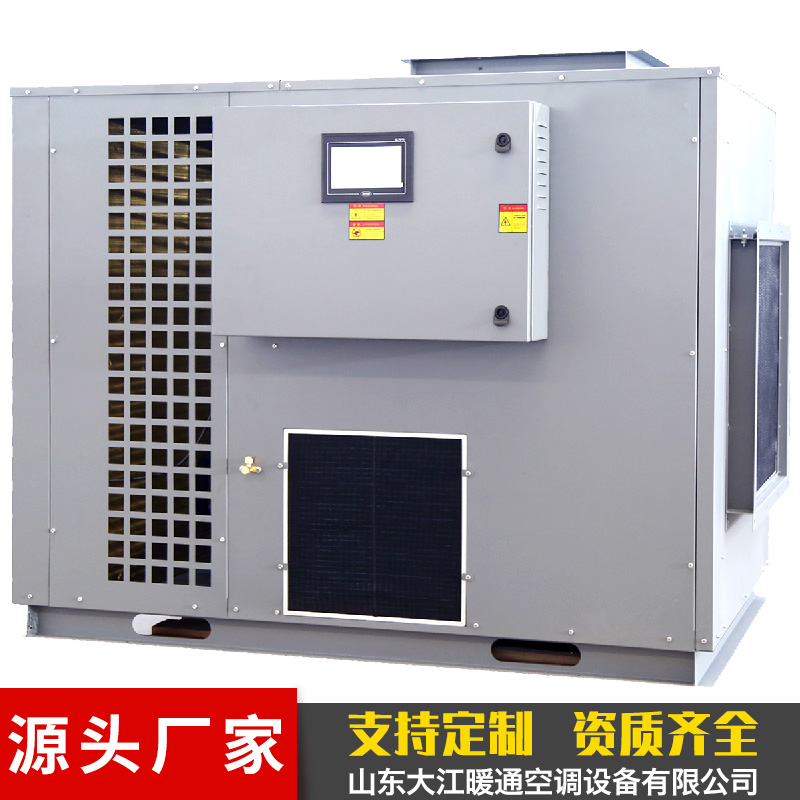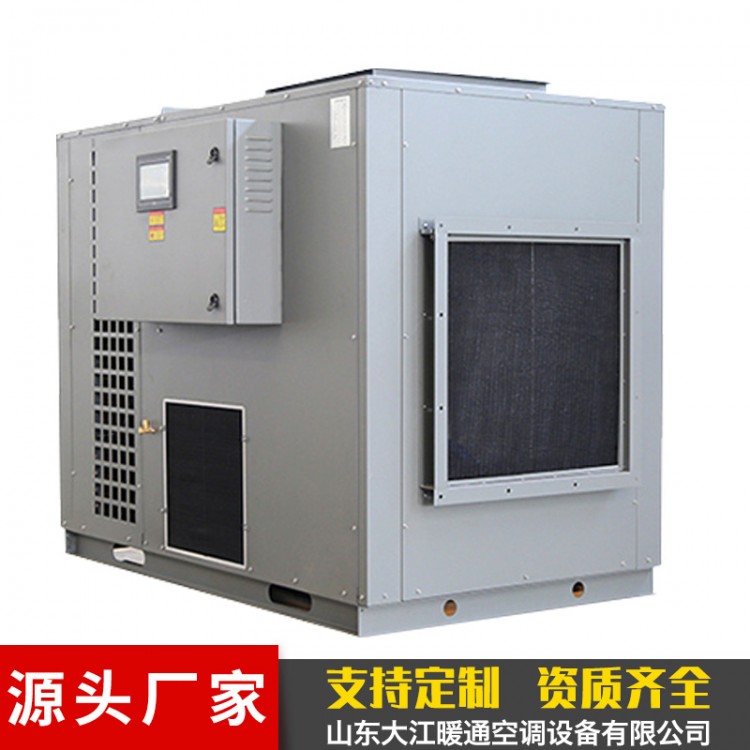

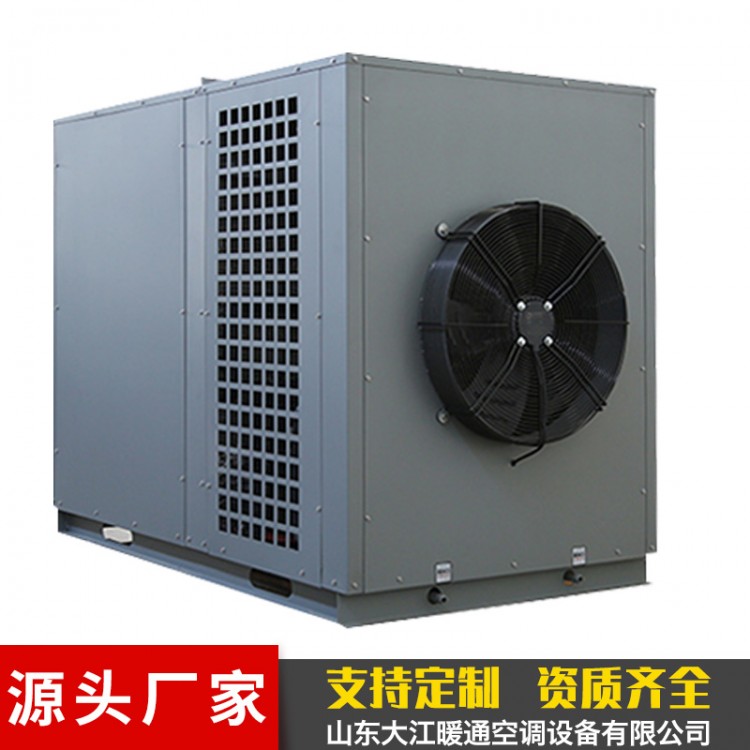







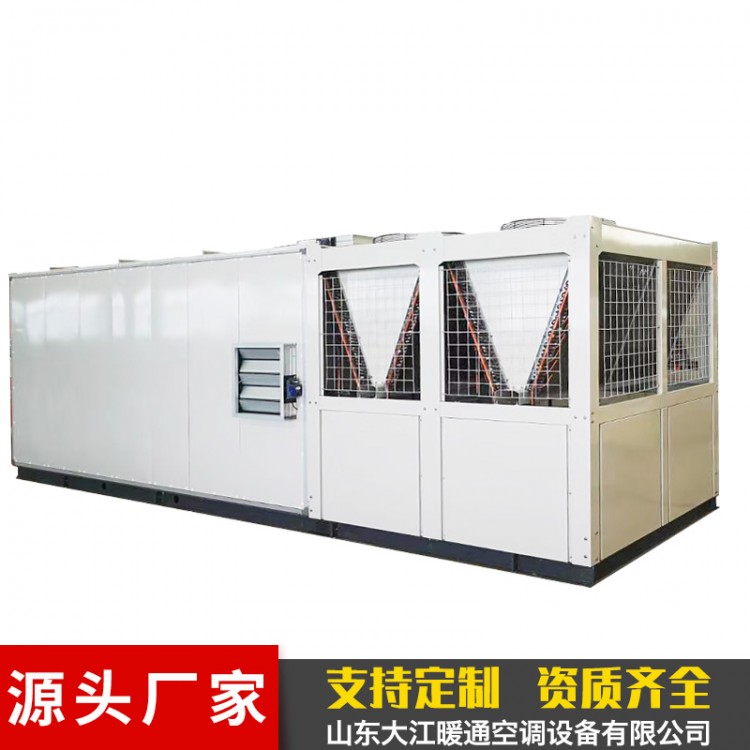
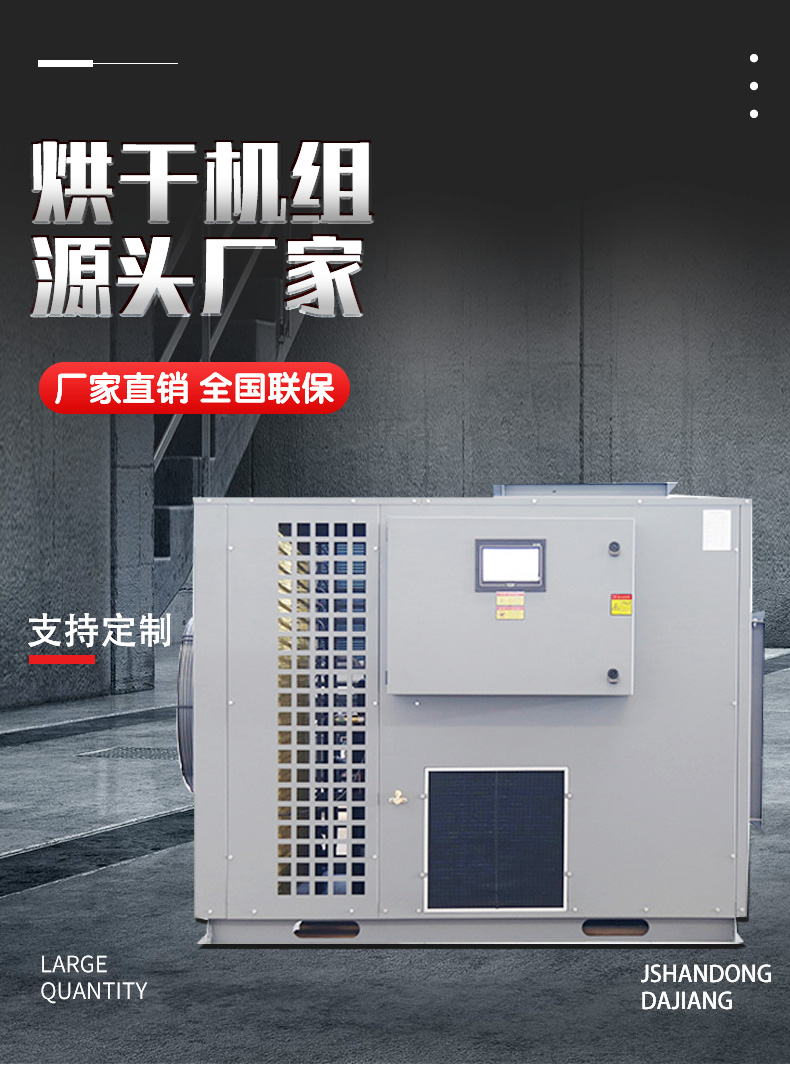

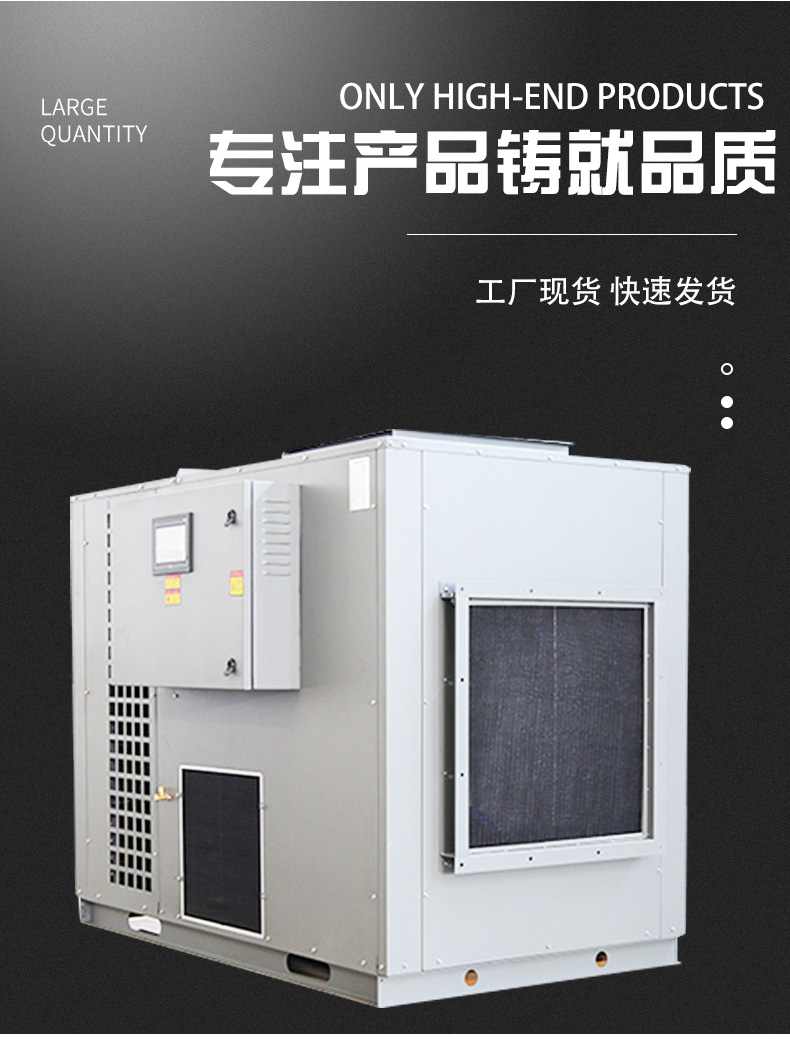
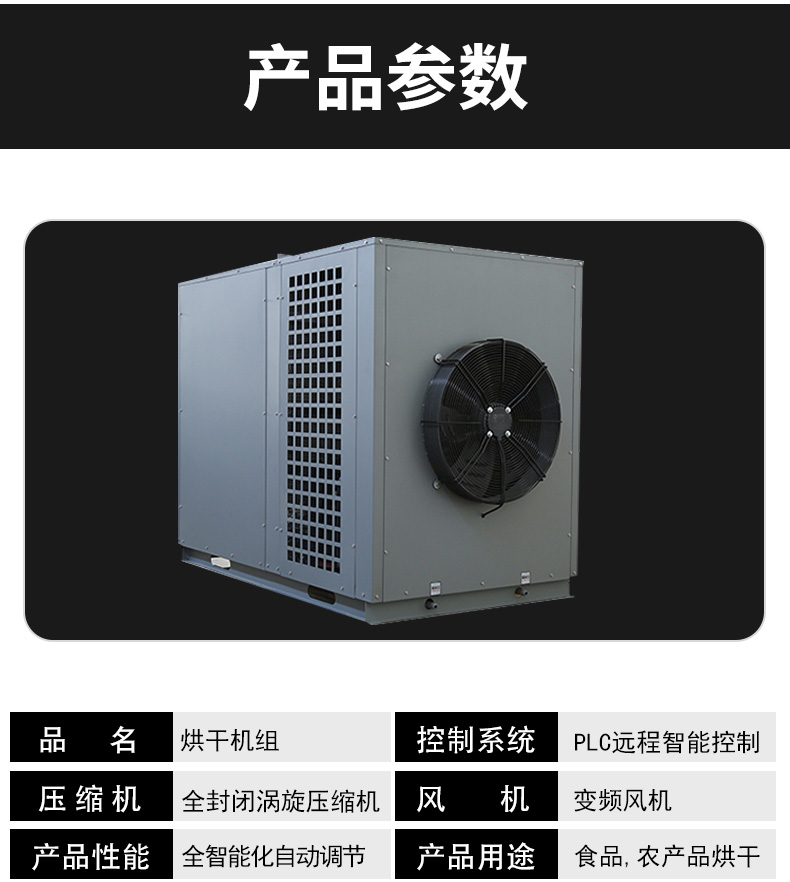
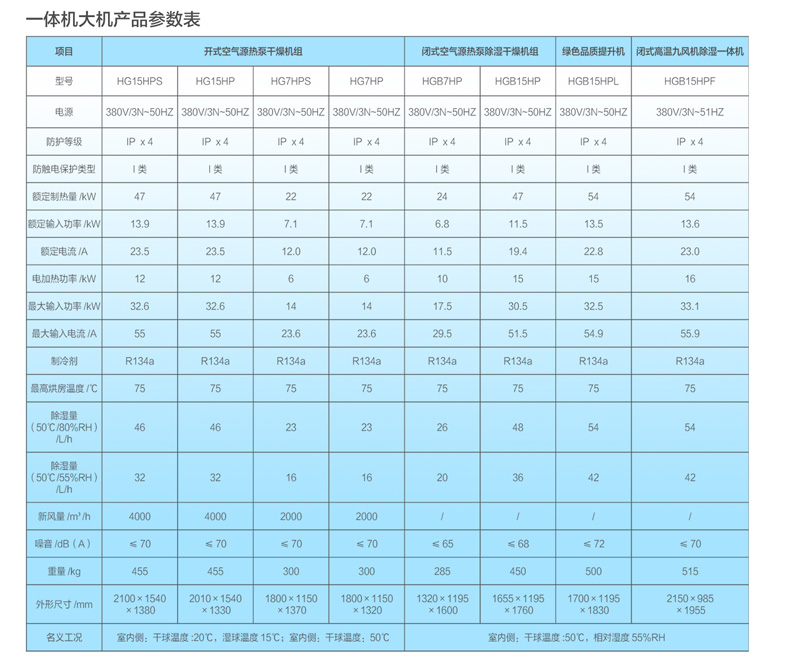
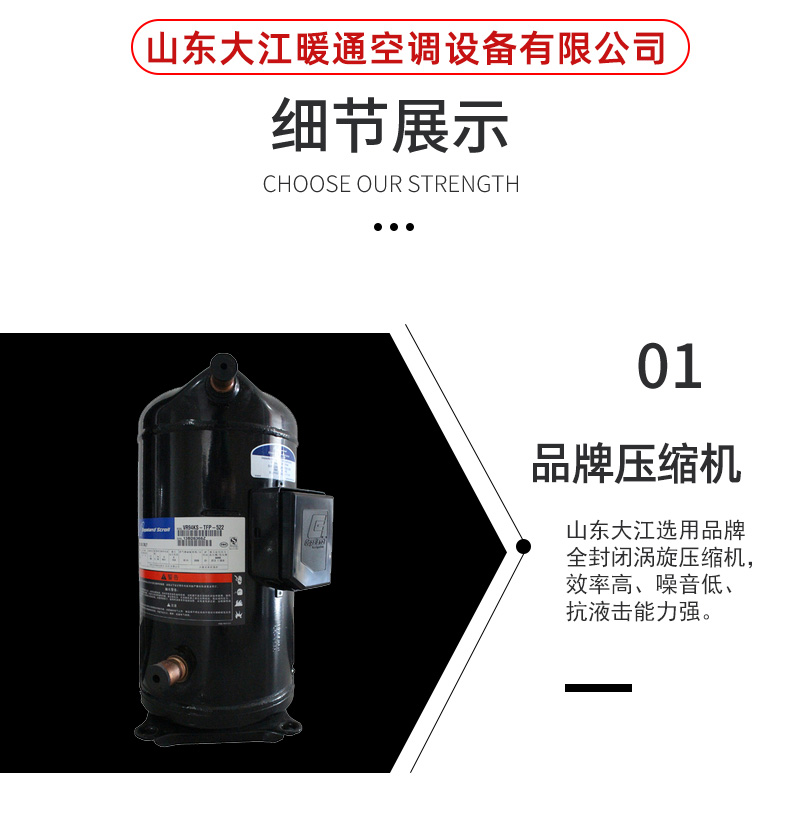
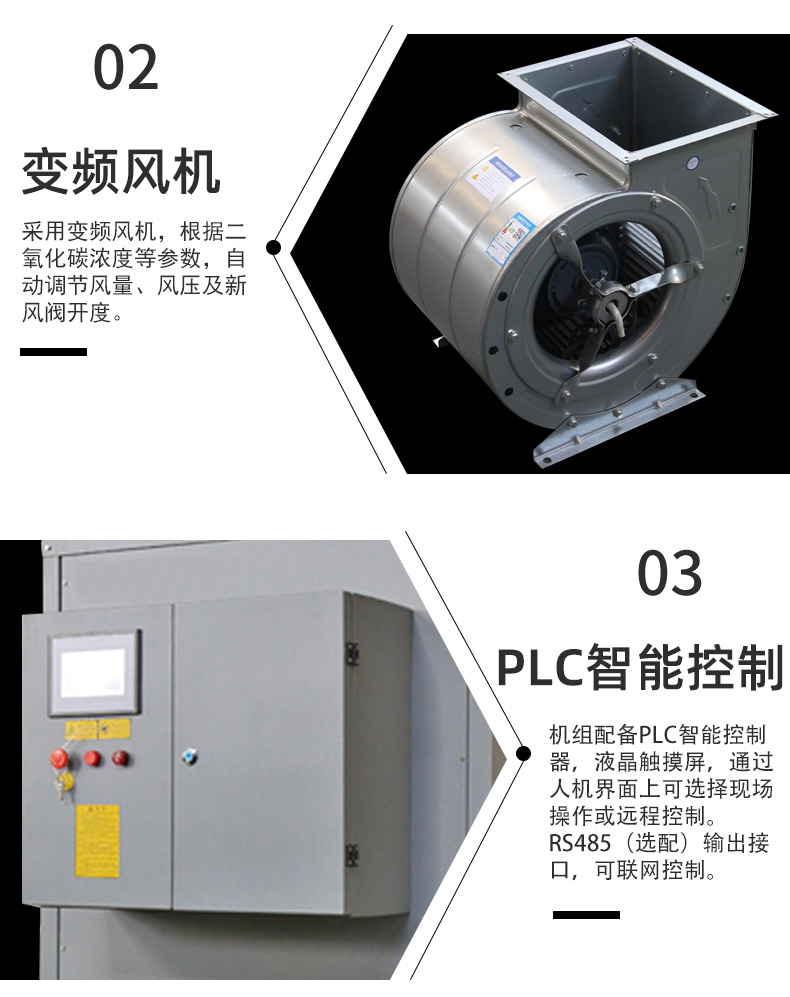
1. Multi-functional Drying: The unit features four functions - heating, dehumidifying, moisture exhaust, and automatic operation.
2. High Efficiency and Energy Saving. The heat for heating the air in the heat pump dryer primarily comes from the sensible and latent heat contained in the warm and moist air exhausted from the drying chamber. The energy required is only the work consumed by the heat pump compressor. Since heat pumps have the advantage of producing a large amount of heat with a small amount of work, the SMER (Specific Moisture Removal) of the heat pump drying unit is typically 1.0 to 4.0 kg/kWh, whereas the SMER value of traditional convection dryers is about 0.2 to 0.6 kg/kWh.
3. Precise Temperature and Humidity Control: When materials have high requirements for the temperature and humidity of the incoming air in the drying chamber, the evaporation temperature and condensation temperature of the working medium in the evaporator and condenser can be adjusted to meet the material's requirements for texture and appearance.
4. Recovery of Volatile Components: Certain materials contain volatile components (such as fragrances). During the heat pump drying process, both volatile components and moisture evaporate into the air within the drying chamber. As the air containing volatile components is cooled by the evaporator, the components are also liquefied and discharged along with the condensate water. Collect the condensed water containing volatile components and separate the useful volatile components using an appropriate method.
5. Eco-friendly and Non-polluting: The drying medium in the heat pump drying unit circulates in a closed loop, without any material dust, volatile substances, or odors being emitted into the environment along with the drying exhaust, thus avoiding pollution. The excess heat in the exhaust of the drying chamber is directly recovered by the heat pump to heat the cold dry air, without causing any thermal pollution to the environment by the equipment.
6. Low-Temperature Drying: By controlling the operational conditions of the equipment, the temperature of the hot dry air in the drying chamber is maintained between 20-80°C, which can meet the high-quality drying requirements for most heat-sensitive materials; the closed-loop circulation of the drying medium avoids potential contamination from external gases, which is particularly important for food, pharmaceuticals, or biological products.
7. Flammable Material Drying: When materials are sensitive to oxygen in the air (e.g., prone to oxidation or combustion explosion), inert media can be used instead of air as the drying medium to achieve oxygen-free drying.
8. The heat pump dryer is suitable for a wide range of materials. Materials suitable for drying typically have a tolerance temperature between 20-80°C during the drying process, or those that can withstand higher temperatures but are more energy-efficient or safer to dry using a heat pump. Materials that have been extensively researched and applied include wood, grains, seeds, edible mushrooms, medicinal herbs, seafood, bioactive products, tea, paper, and more.
9. Compared to other low-temperature drying systems (such as microwave drying, vacuum drying, and freeze drying) where the air temperature in the drying chamber is less than 40°C, the heat pump dryer offers significant economic advantages due to its lower initial investment and operating costs. The equipment cost of the heat pump drying system primarily consists of the heat pump and the drying chamber sections. The drying chamber section meets the same requirements as a conventional convection drying chamber, with no special requirements for airtightness or pressure resistance.
10. Compared to standard drying equipment (air temperature in the drying chamber > 40℃), due to the higher initial investment of heat pump dryers compared to air electric heating units, gas, or coal-fired hot air furnaces, the initial investment of the drying equipment is generally higher than that of standard drying equipment. However, the heat pump drying equipment boasts high energy efficiency and low operating costs, still retaining a certain economic advantage in terms of overall cost-effectiveness.