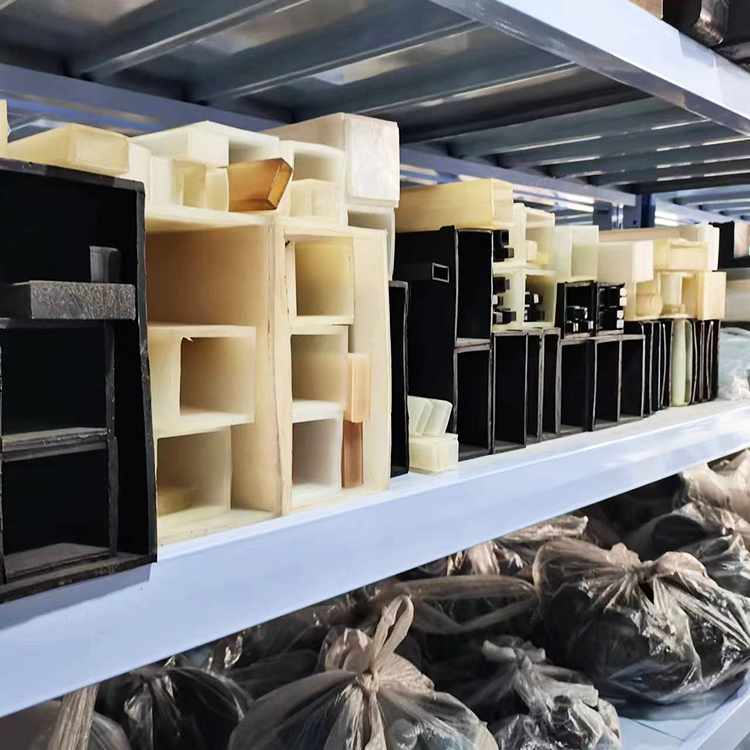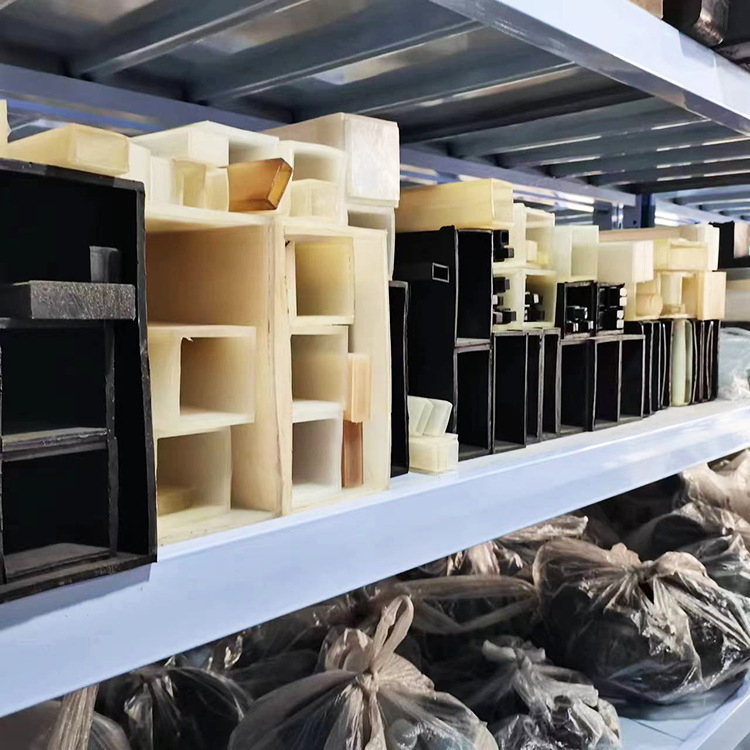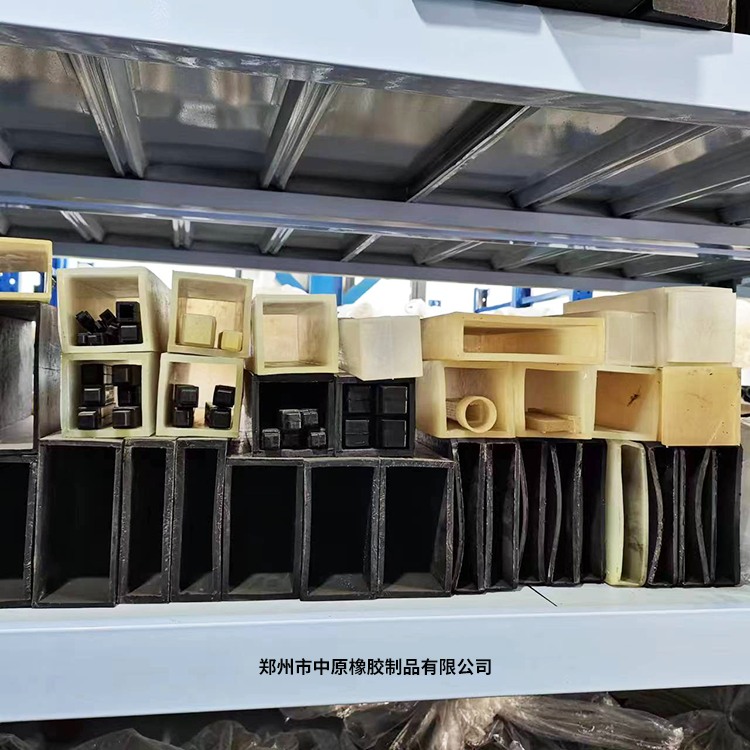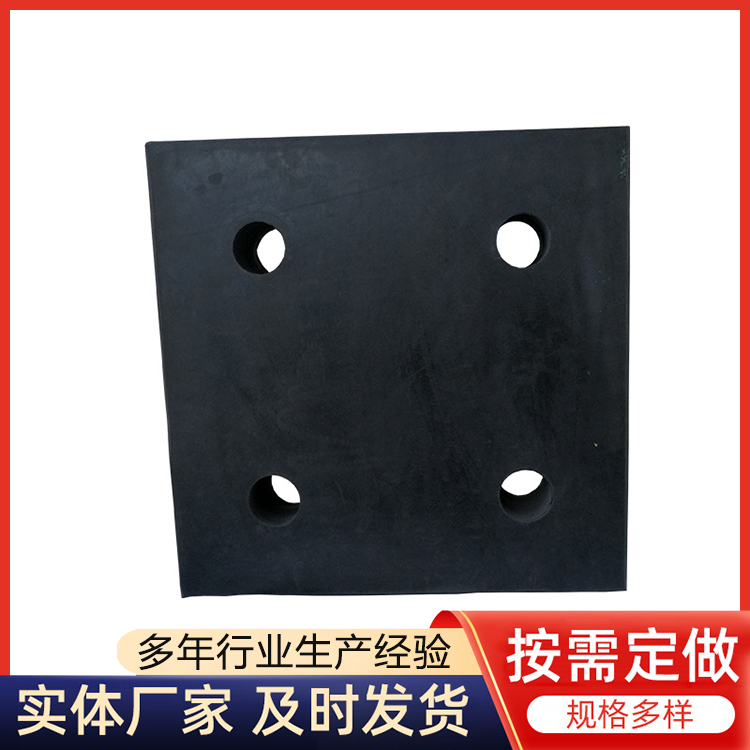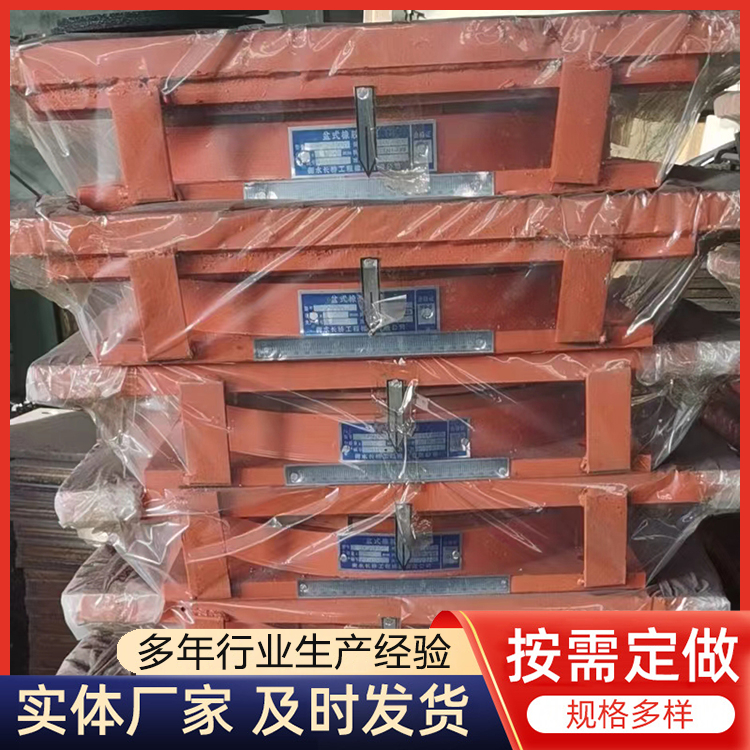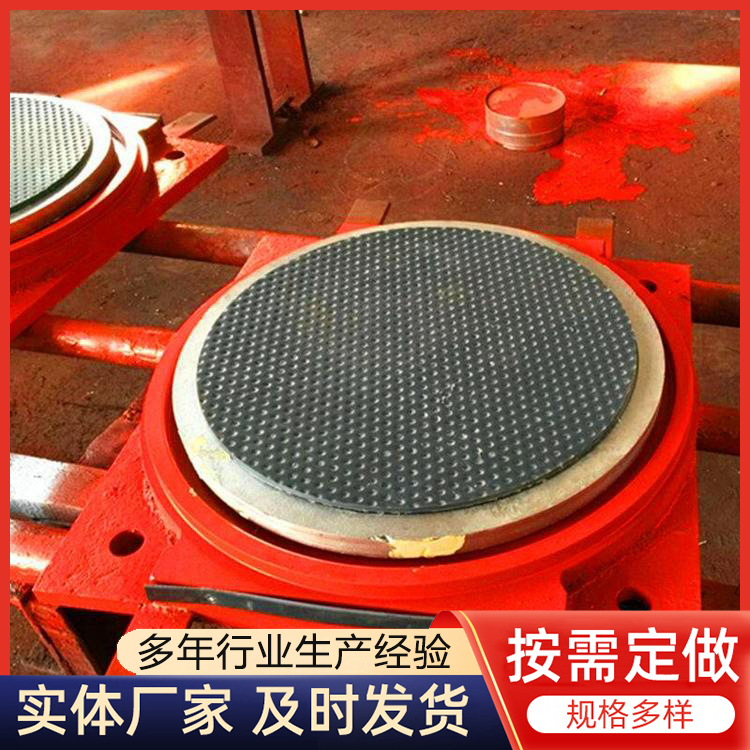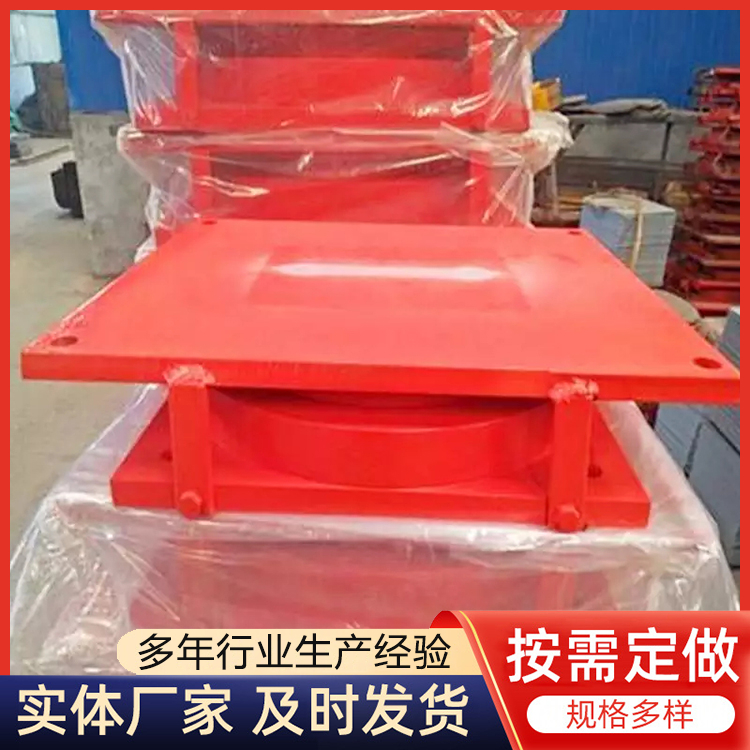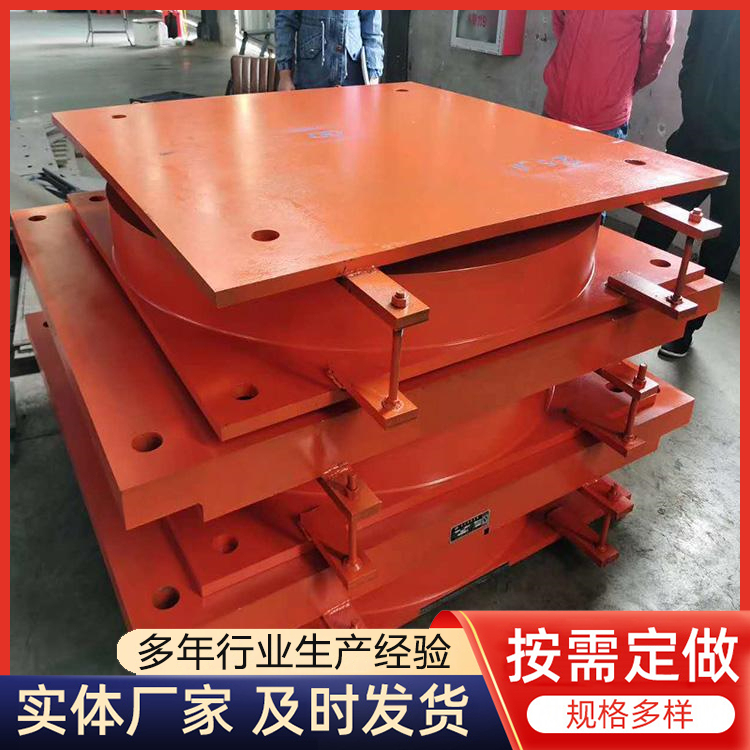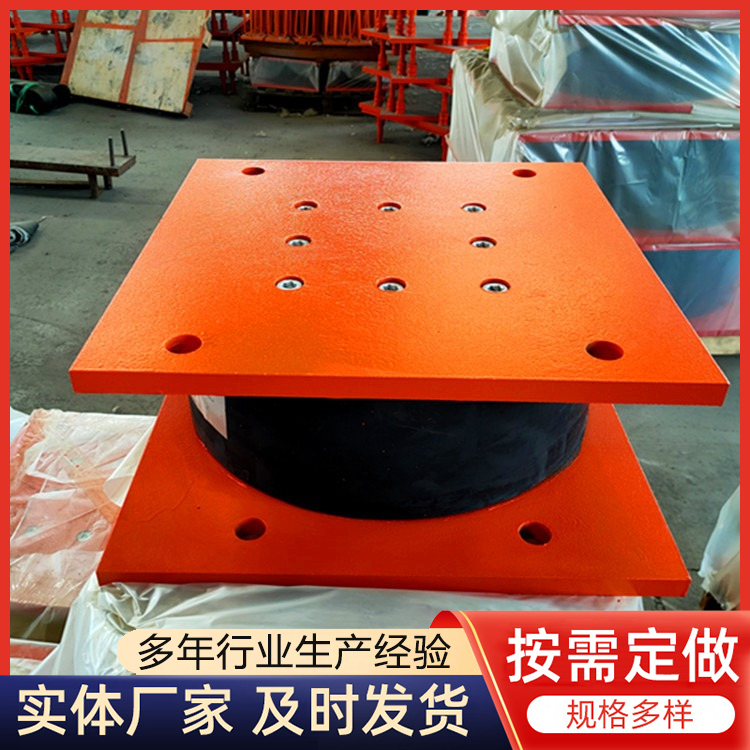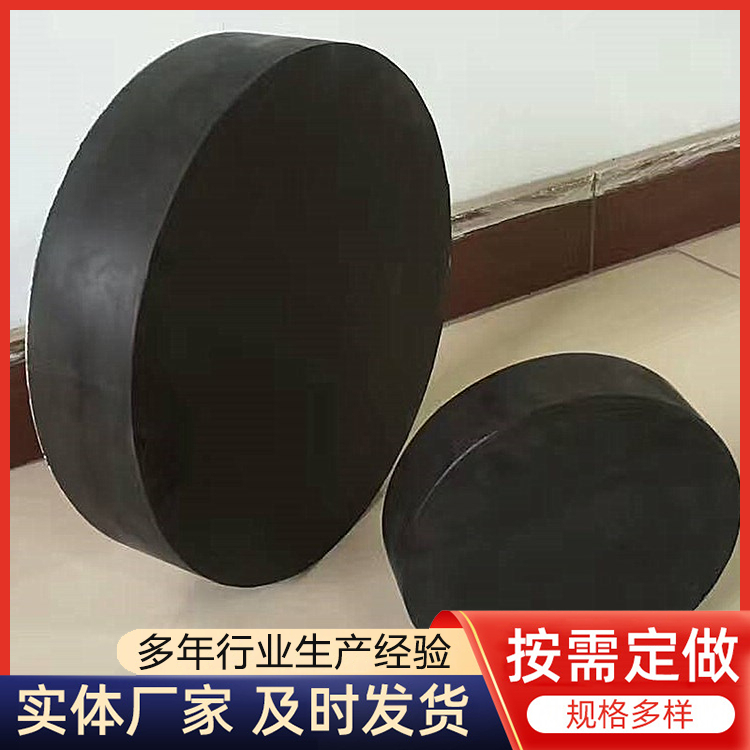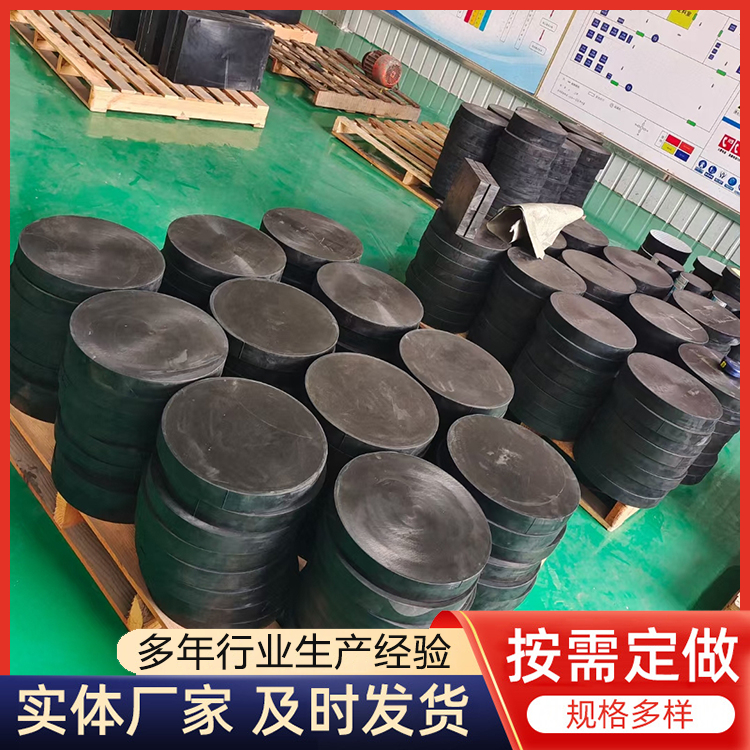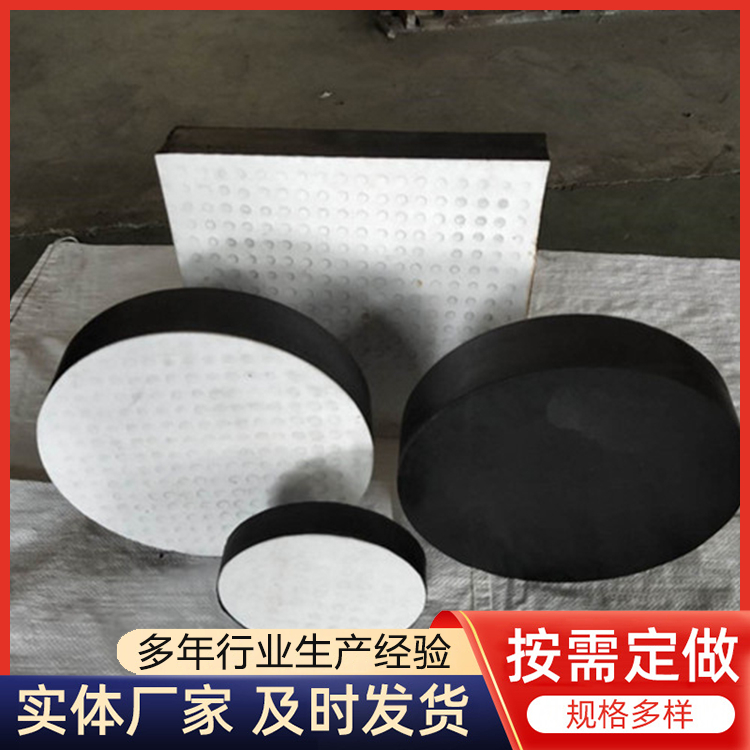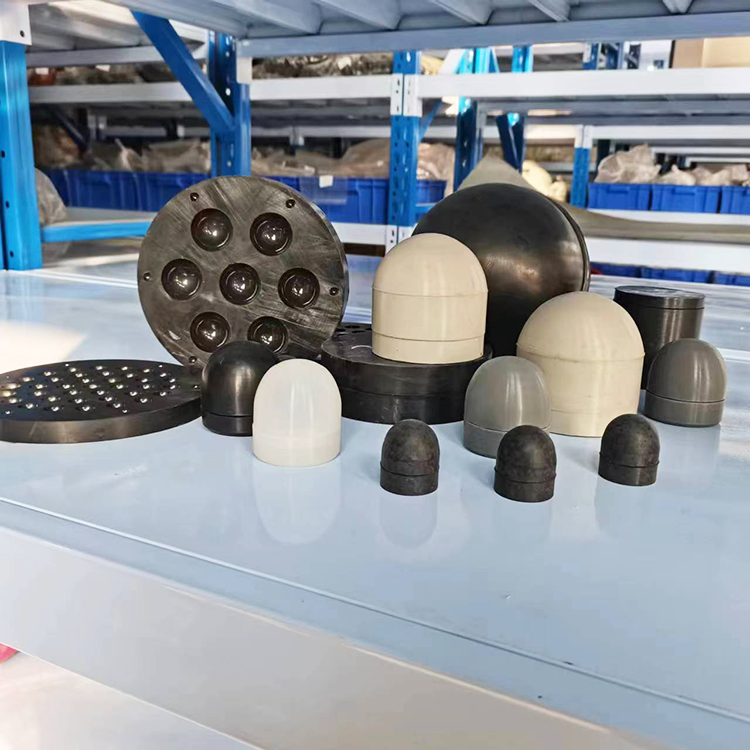

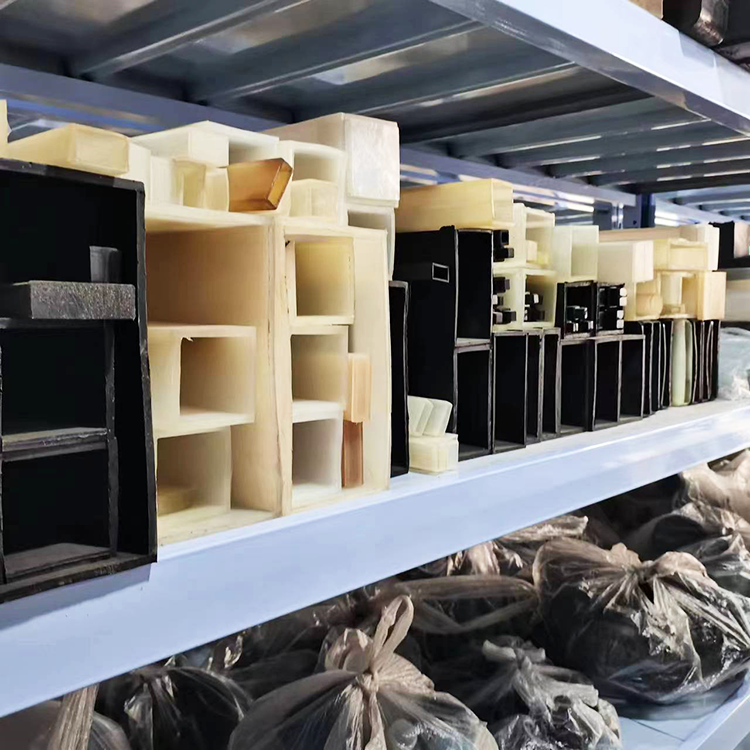


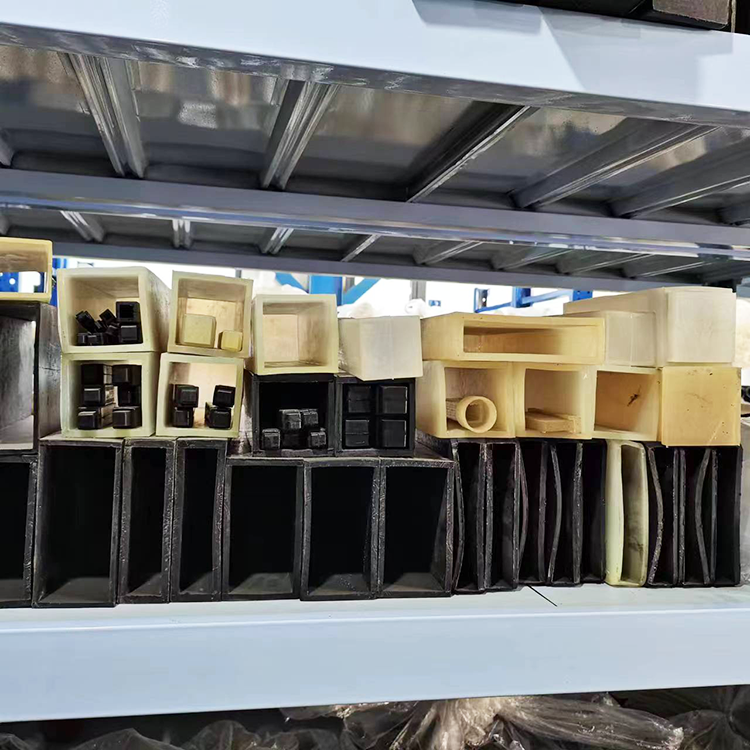
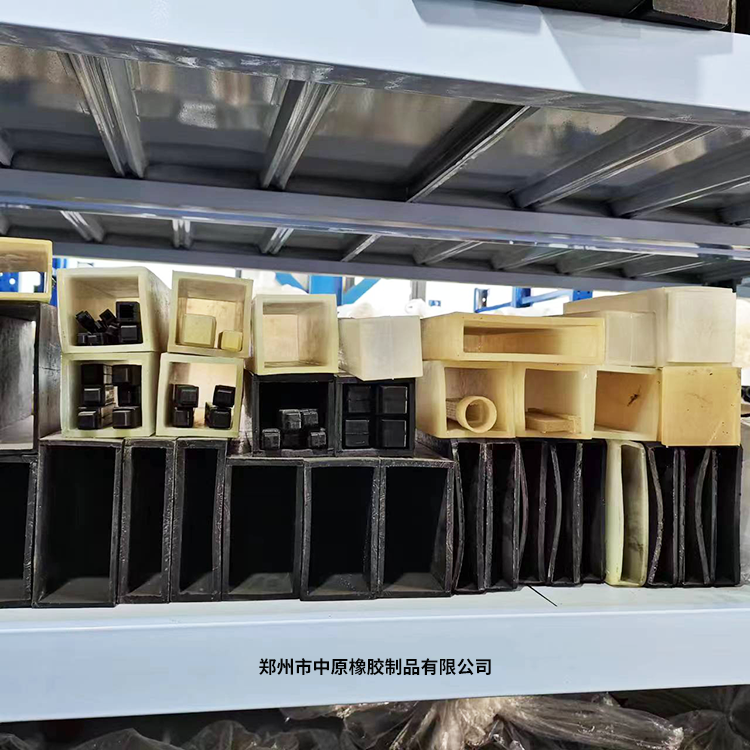



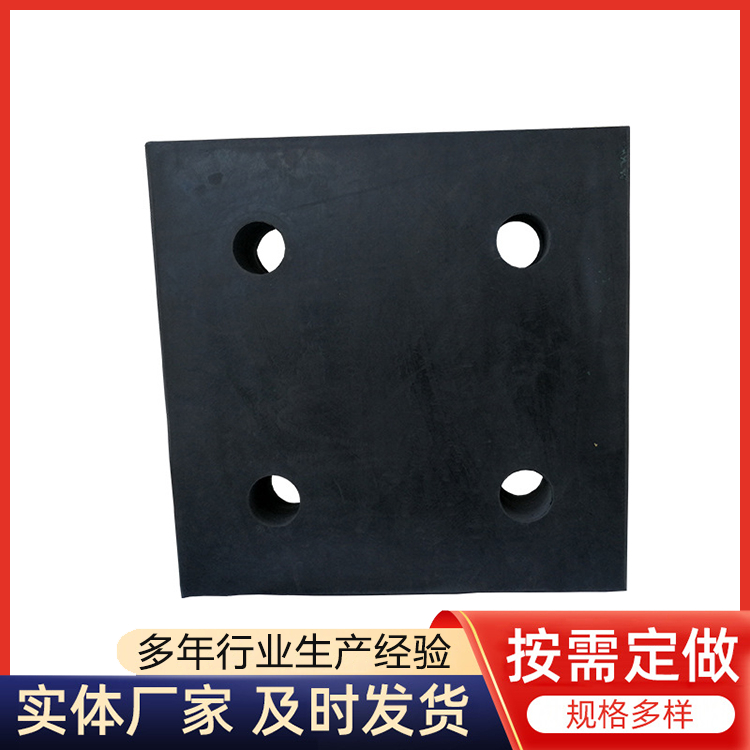







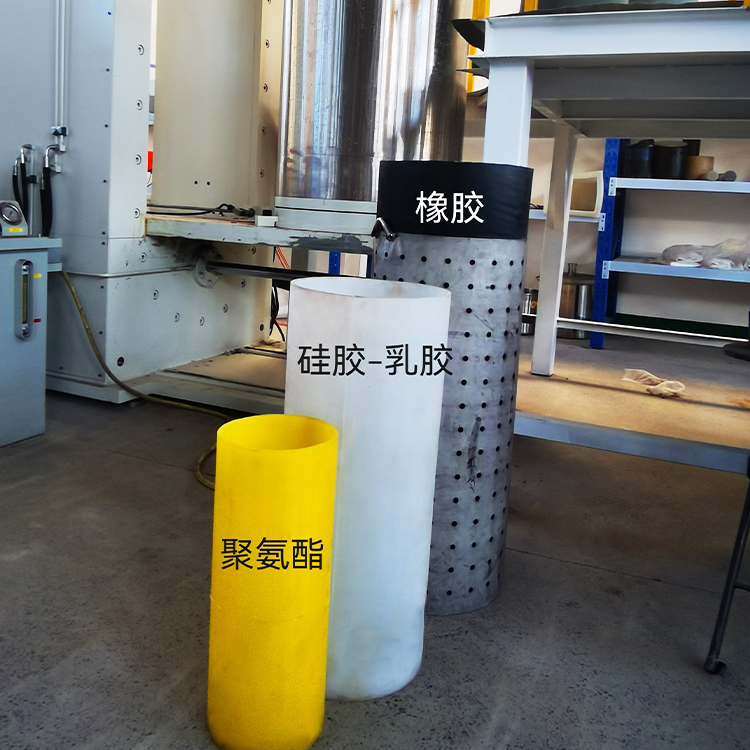
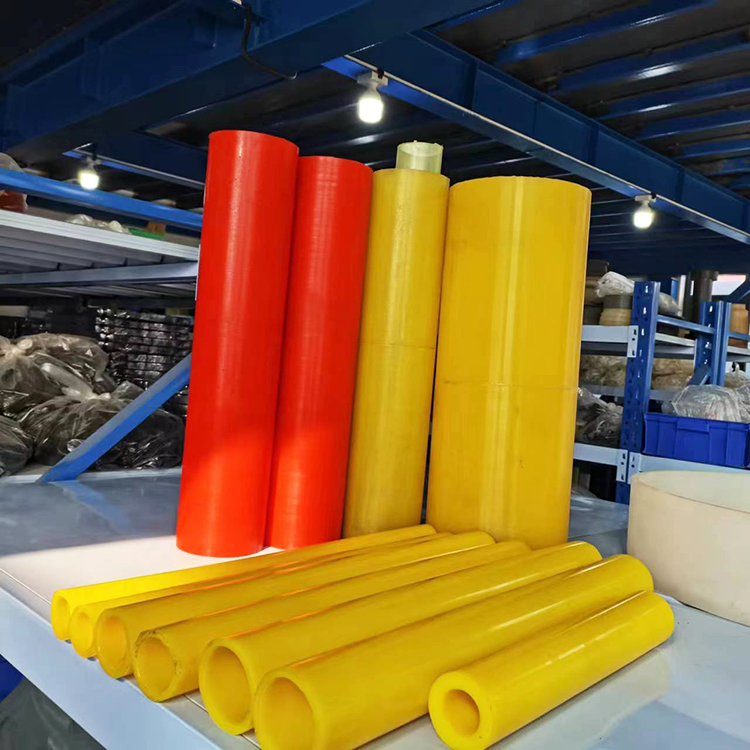
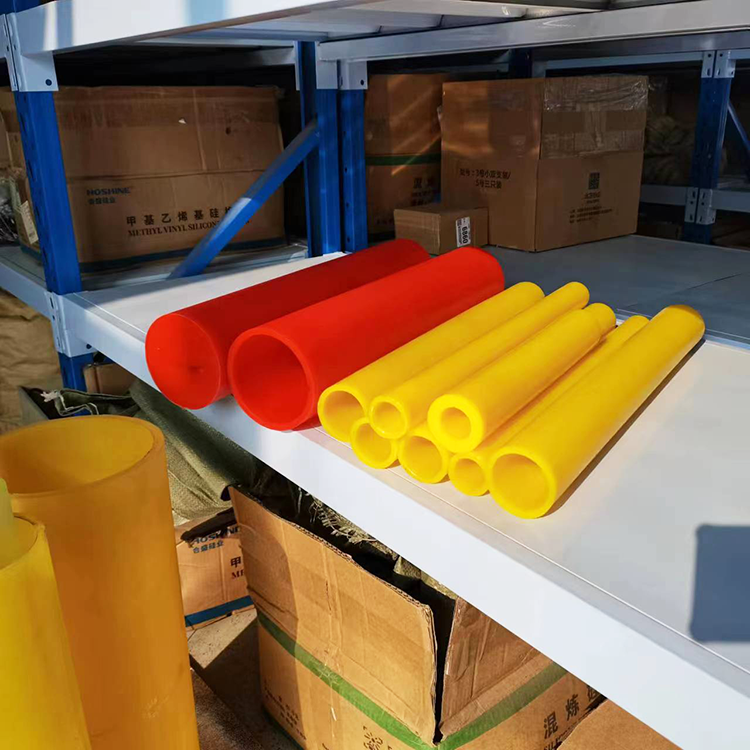
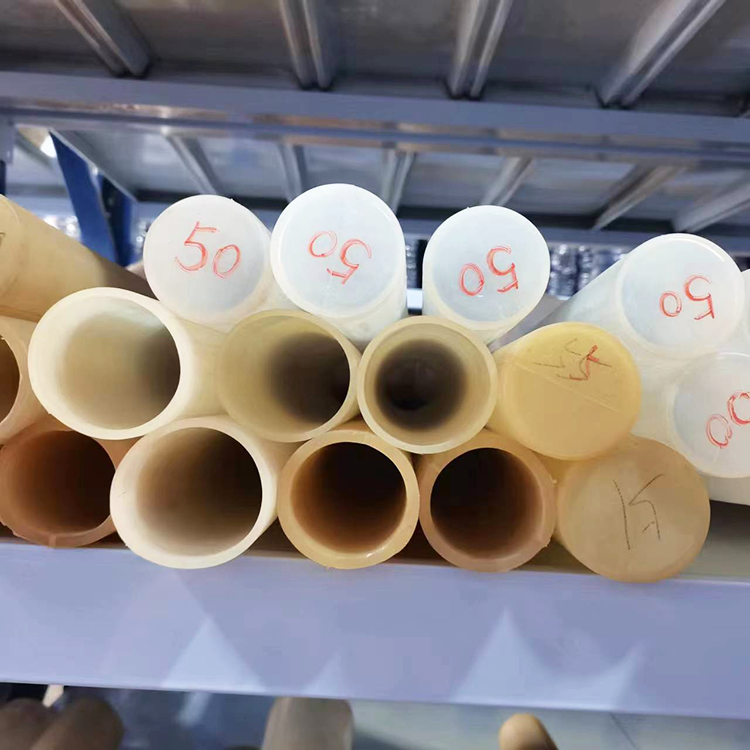

Square isostatic mold, billet isostatic mold sleeve, square plate isostatic mold cover, cube isostatic molding mold sleeve, isostatic molding involves placing the sample to be compressed in a high-pressure container, using the non-compressible nature of the liquid medium and its uniform pressure transfer properties to apply even pressure from all directions. When the liquid medium is injected into the pressure vessel via a pressure pump, according to the principles of fluid mechanics, its pressure remains constant and is uniformly transferred in all directions. At this point, the powdered material within the high-pressure container is subjected to even and consistent pressure from all sides. The method of forming dense billets from friable powdered materials through this process is called isostatic pressing. It includes the initial stage with lower molding pressure, where particle migration and re-accumulation occur; the intermediate stage where pressure increases, resulting in local powder flow and fragmentation; and the later stage with high pressure, where powder volume compression and gas pore expulsion occur, reaching the densification stage. The pressure transmitted by the liquid medium during isostatic molding is equal in all directions. The deformation of the elastic mold when subjected to the pressure of the liquid medium is transferred to the powdered material within the mold, resulting in minimal friction between the powder and the mold wall. This ensures even material stress and uniform density distribution, significantly improving product performance.