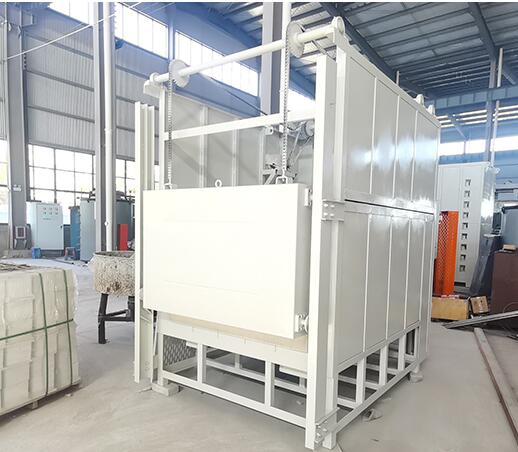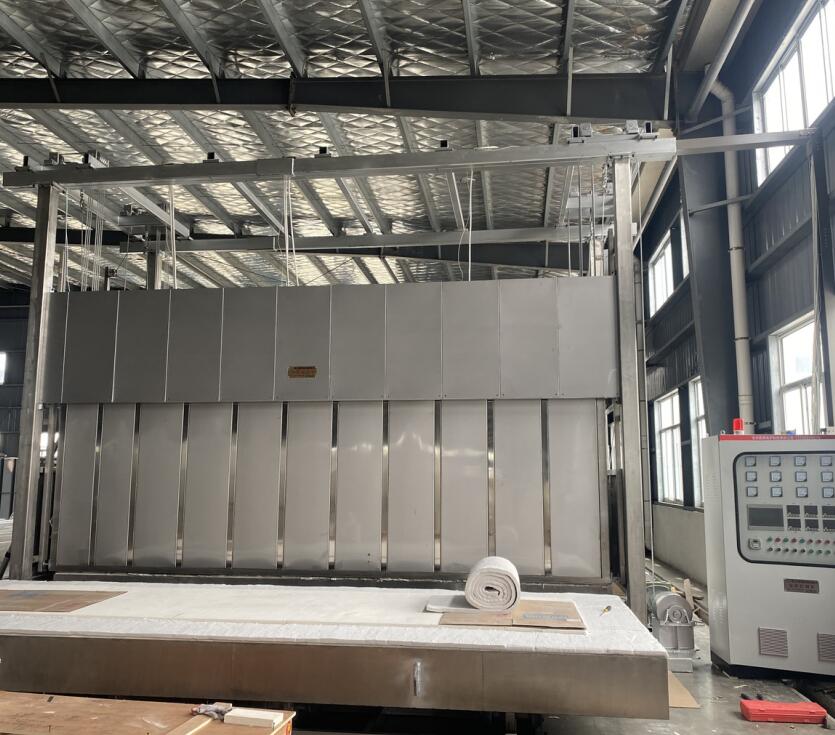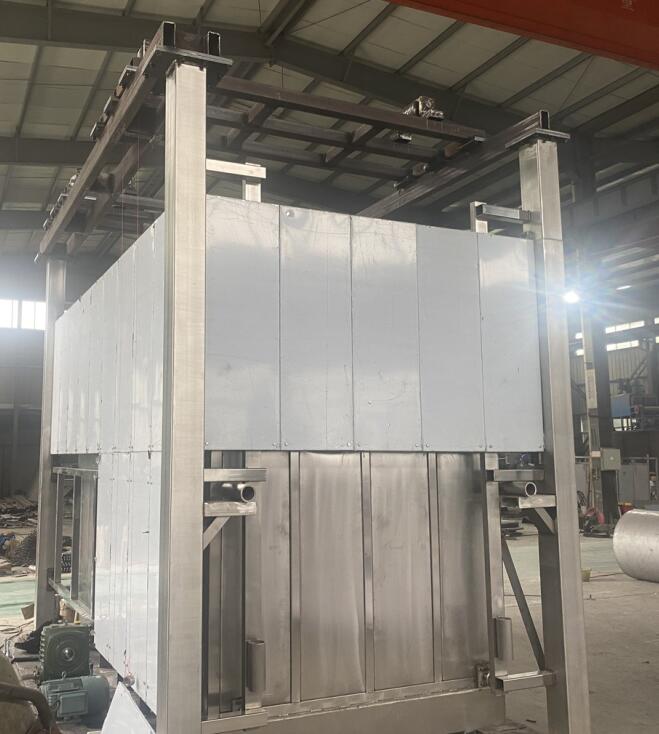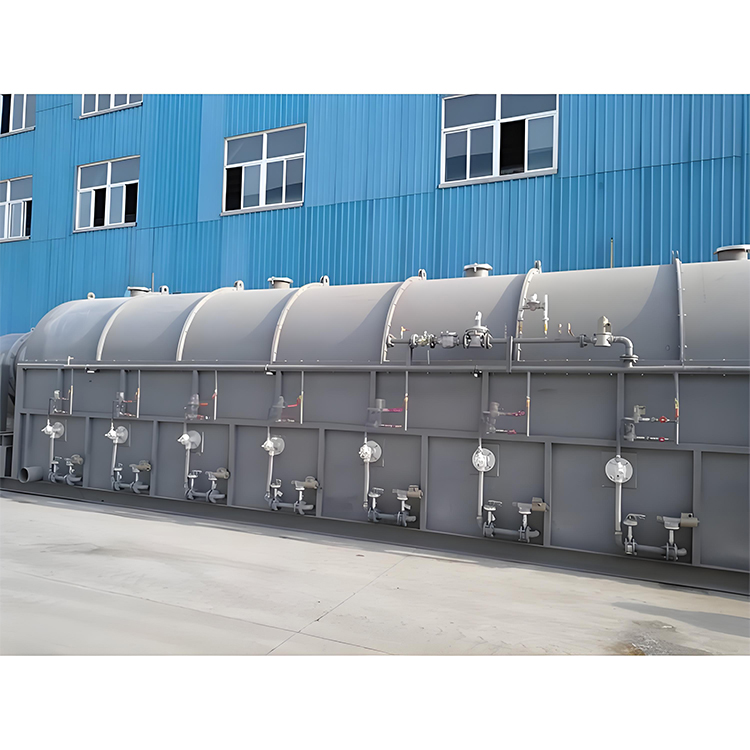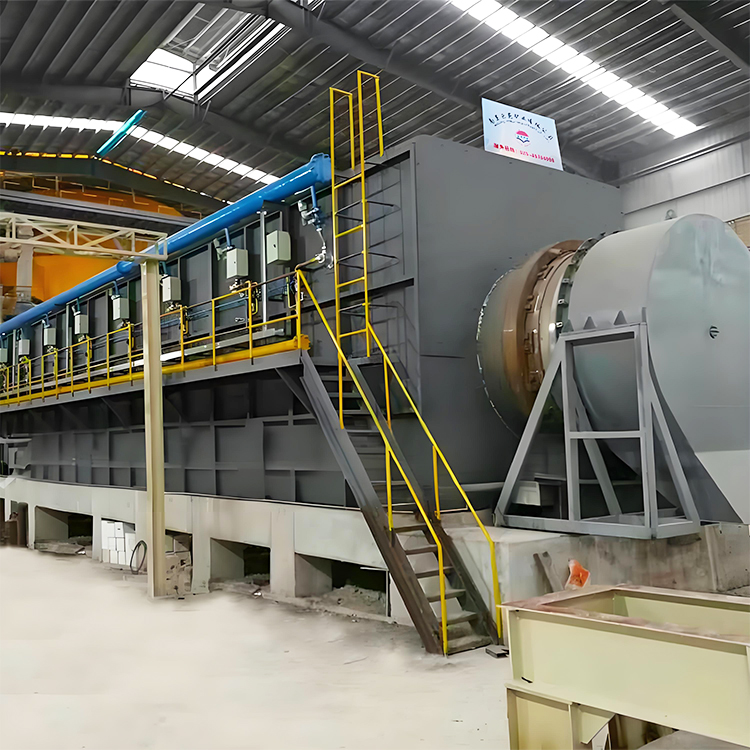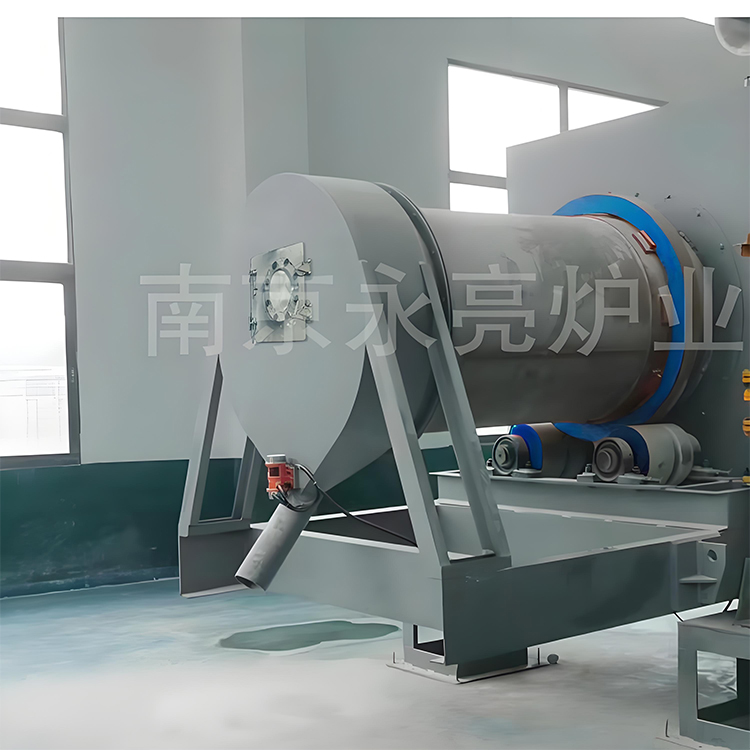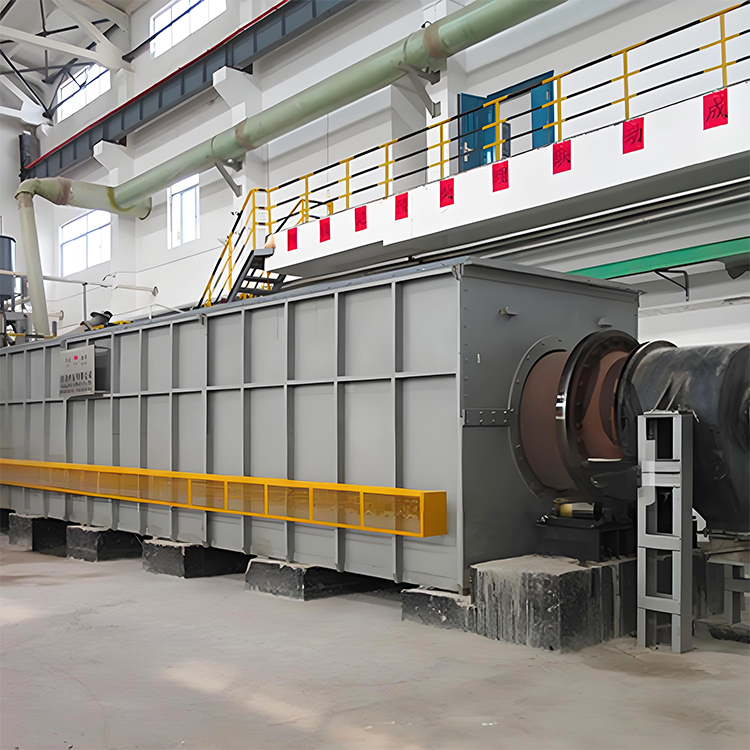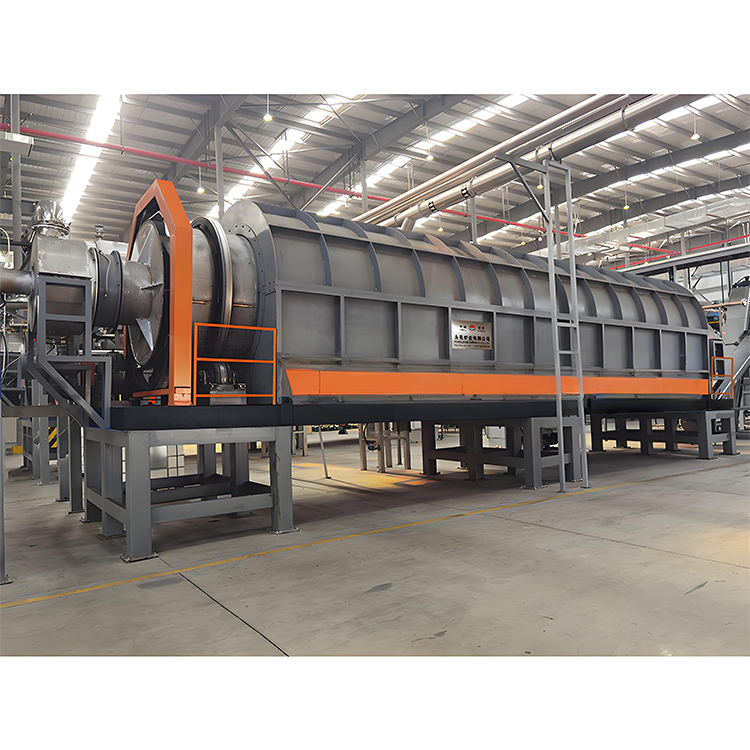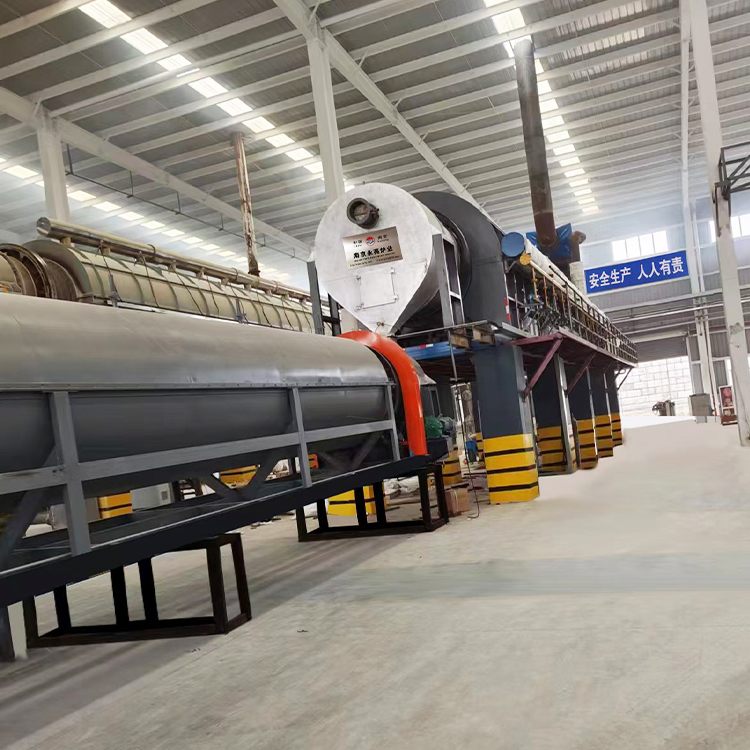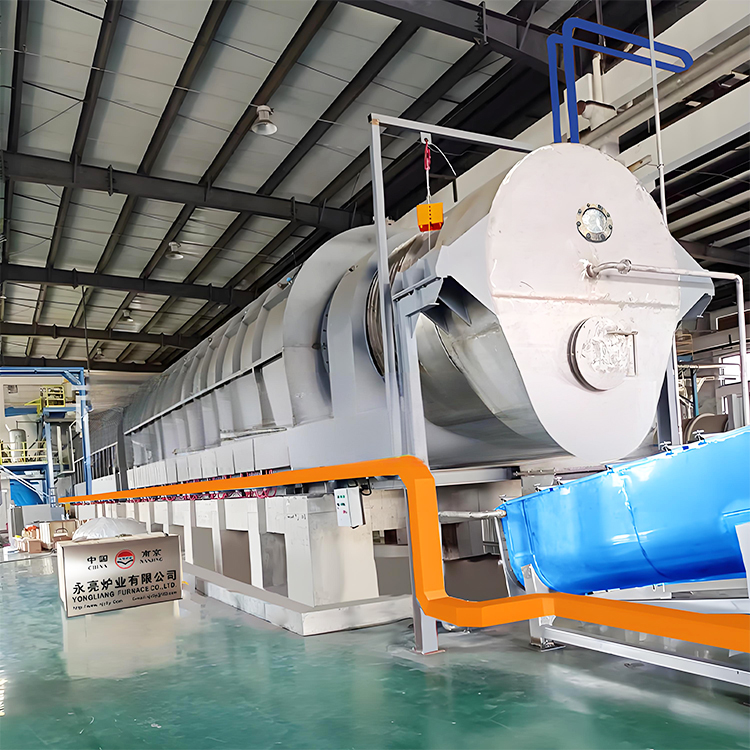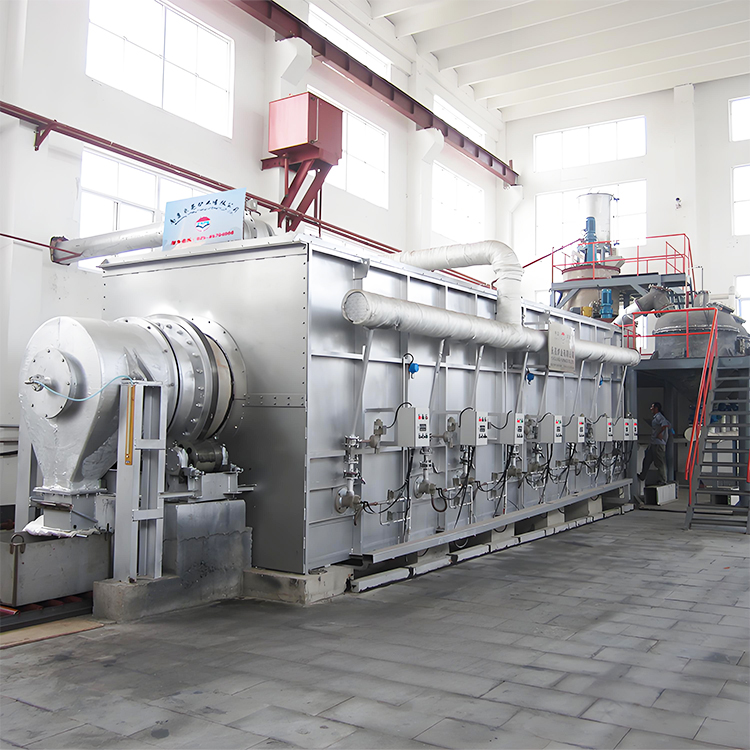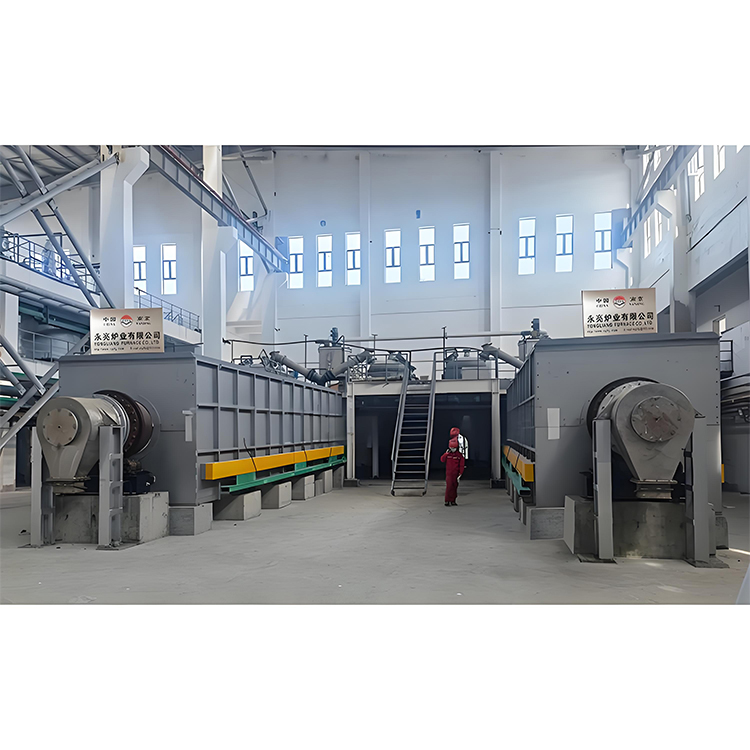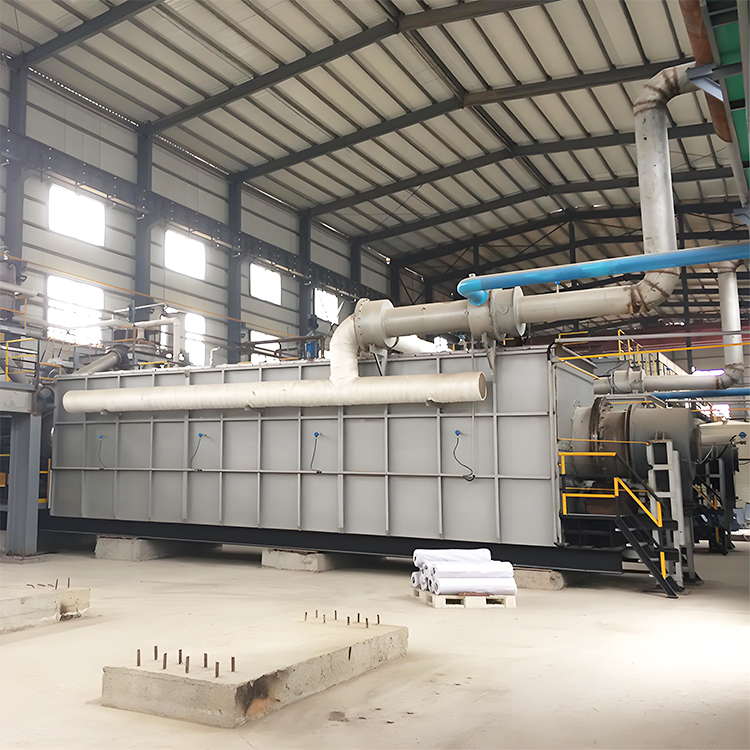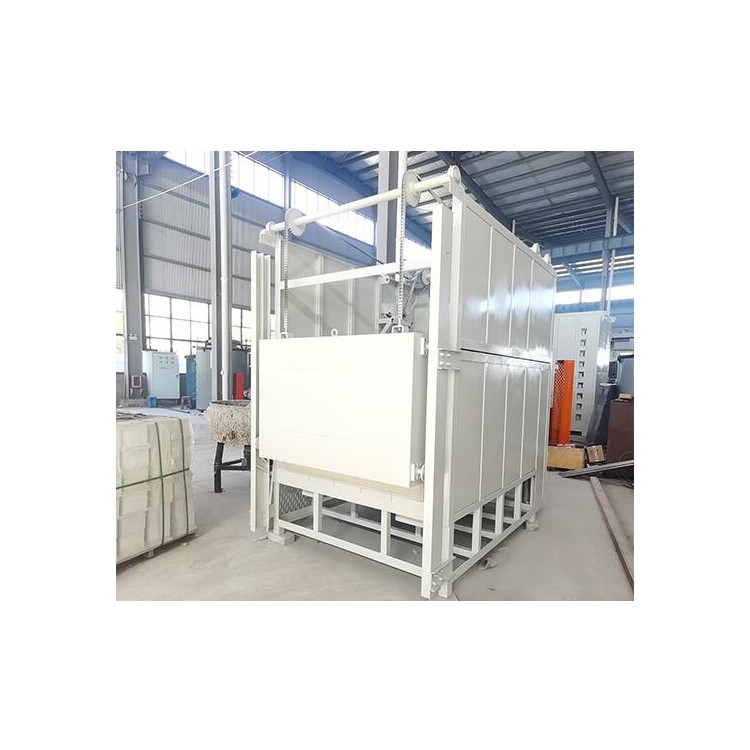

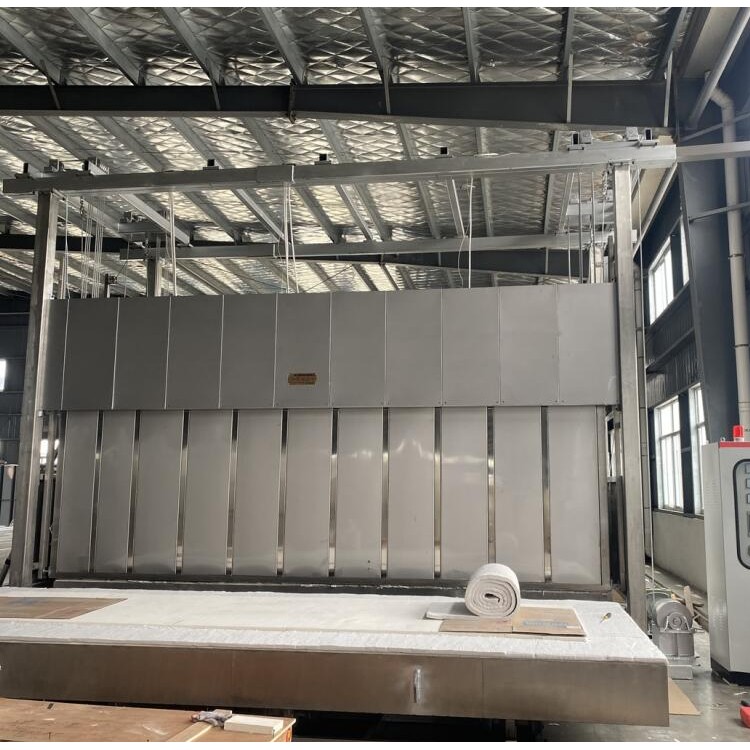


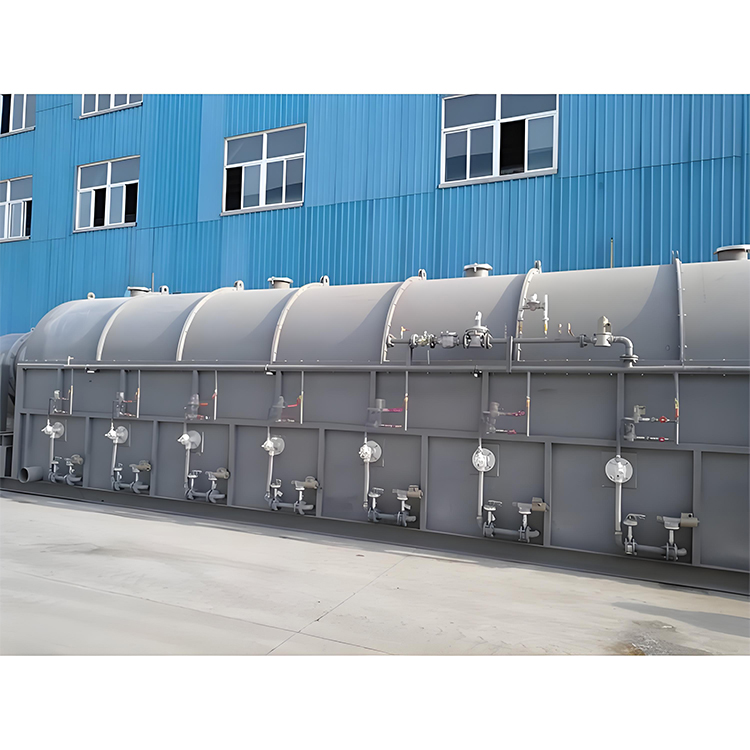
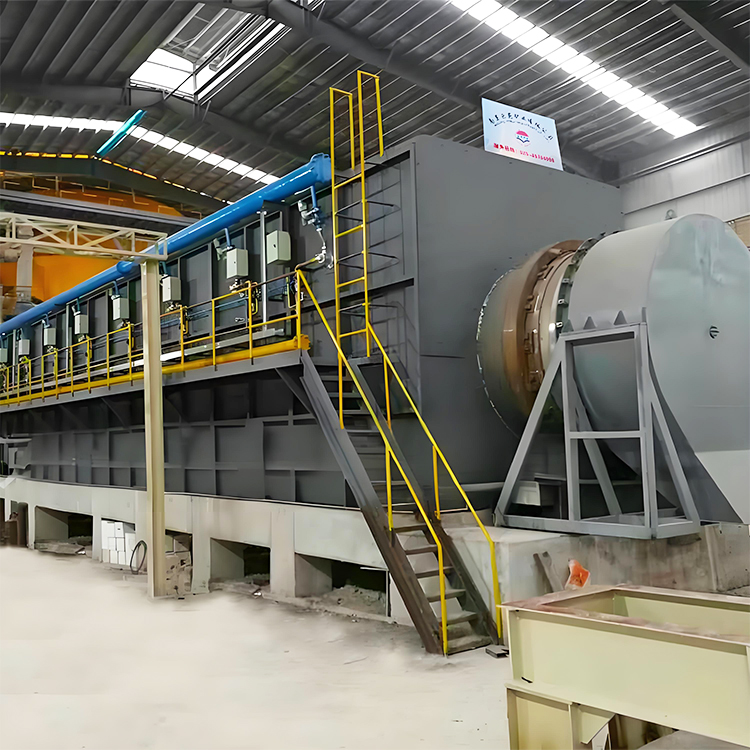
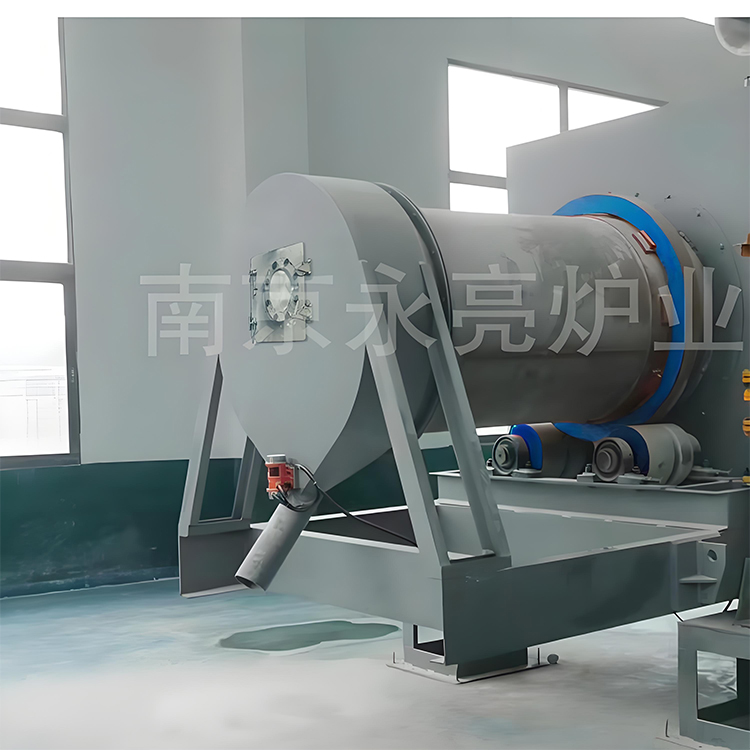
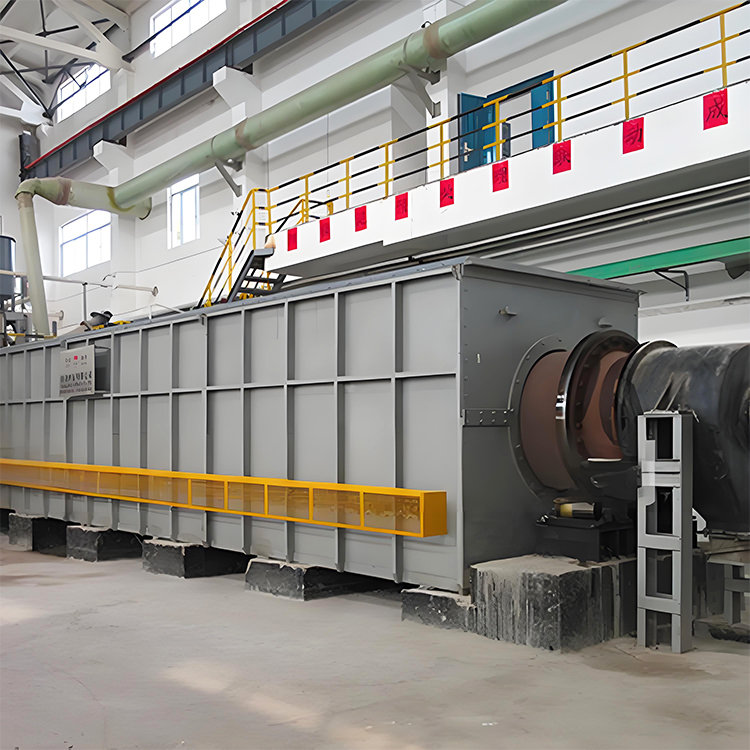
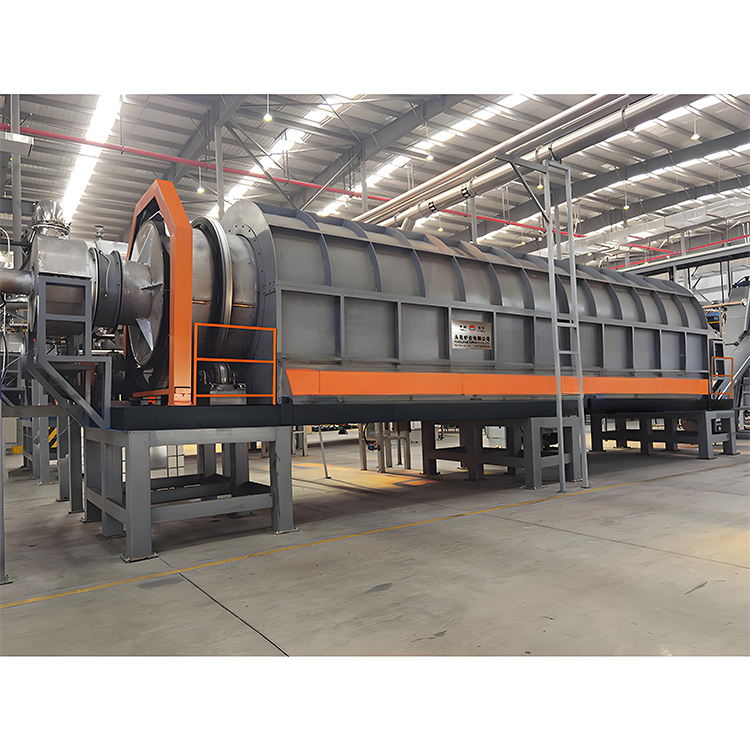





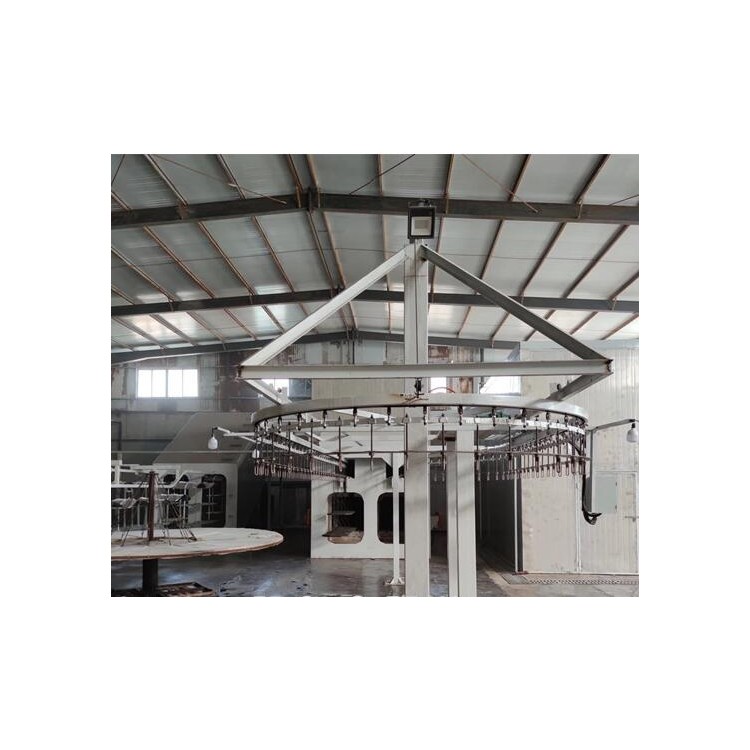
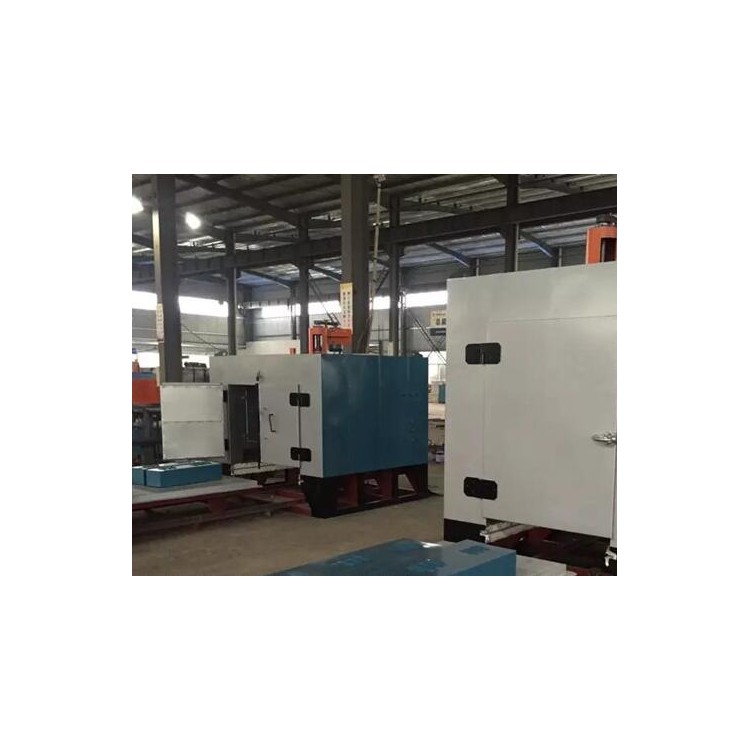
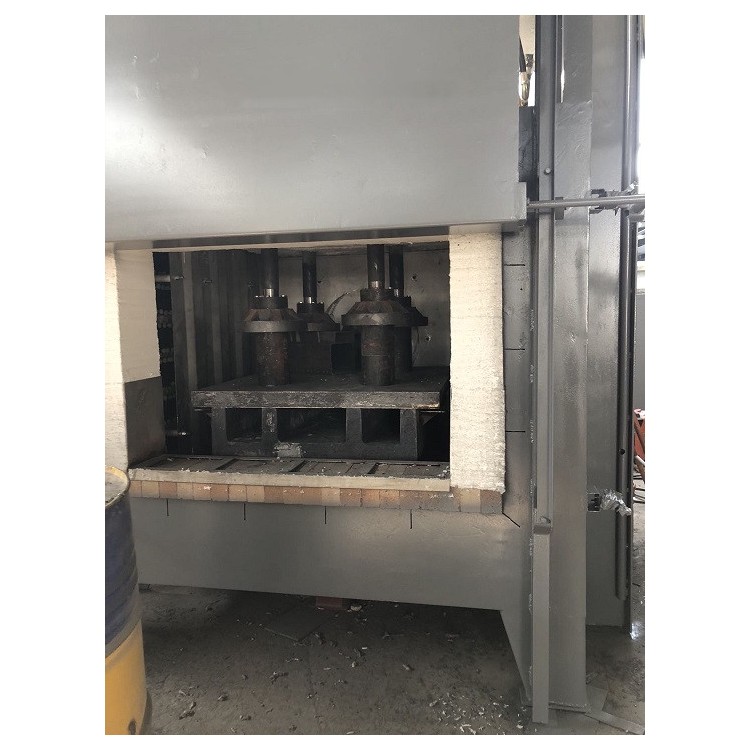
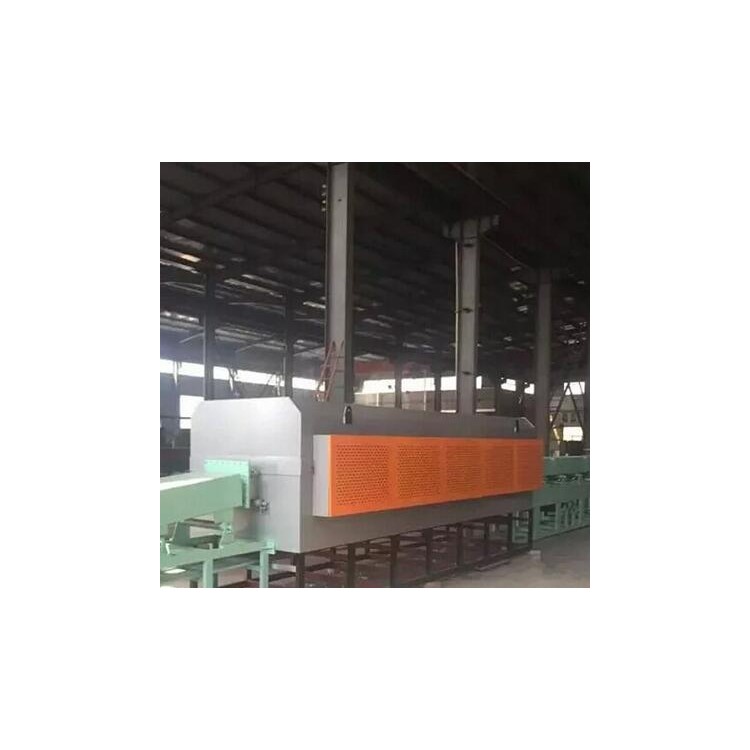
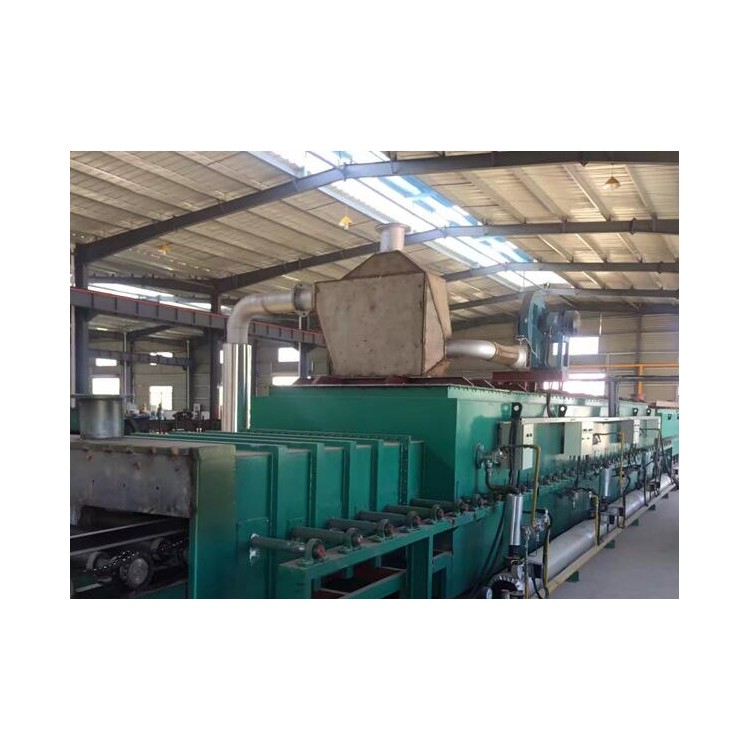
A quartz annealing furnace is a device that utilizes high temperatures to process materials, reducing internal stresses and improving their microstructure and physical properties. "Annealing" is a heat treatment process commonly used for materials such as metals and glass, involving maintaining them at high temperatures for a period, followed by controlled cooling to achieve the aforementioned goals.
Quartz annealing furnaces specifically refer to those using quartz glass as the primary material for the furnace chamber. Quartz is often used in such high-precision and high-purity heat treatment equipment due to its high melting point (about 1650°C or 3000°F), low coefficient of thermal expansion, and excellent chemical stability and transparency.
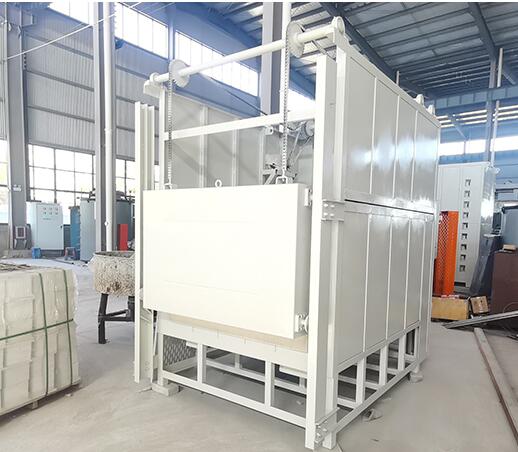
Here are some common features and applications of quartz annealing furnaces:
High-Temperature Stability: Quartz annealing furnaces can withstand extremely high temperatures, usually higher than those of ordinary metal or ceramic furnaces.
2. Chemical Purity: The chemical stability and non-reactivity of quartz with most substances make the quartz annealing furnace highly suitable for processing materials with high purity requirements in the semiconductor, solar, and optical industries.
3. Temperature Control Accuracy: Quartz annealing furnaces can precisely control the rates of heating and cooling, which is crucial for ensuring the quality of the annealing process.
4. Transparency: Some quartz annealing furnace designs allow operators to directly observe the interior of the furnace chamber, which aids in monitoring the processing process.
5. Uniform Heating: High-quality quartz annealing furnaces typically offer excellent temperature uniformity, ensuring that the material is heated evenly without localized overheating or cooling.