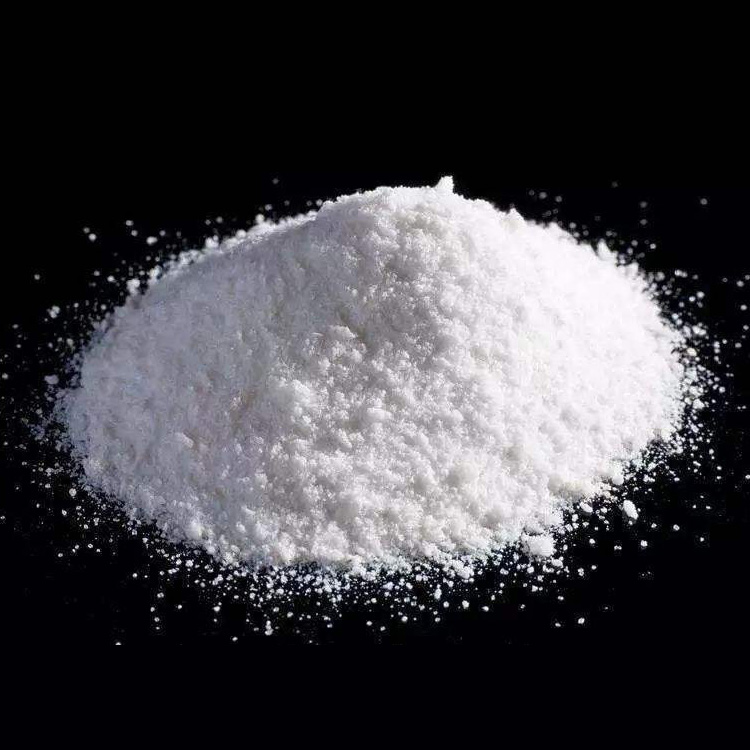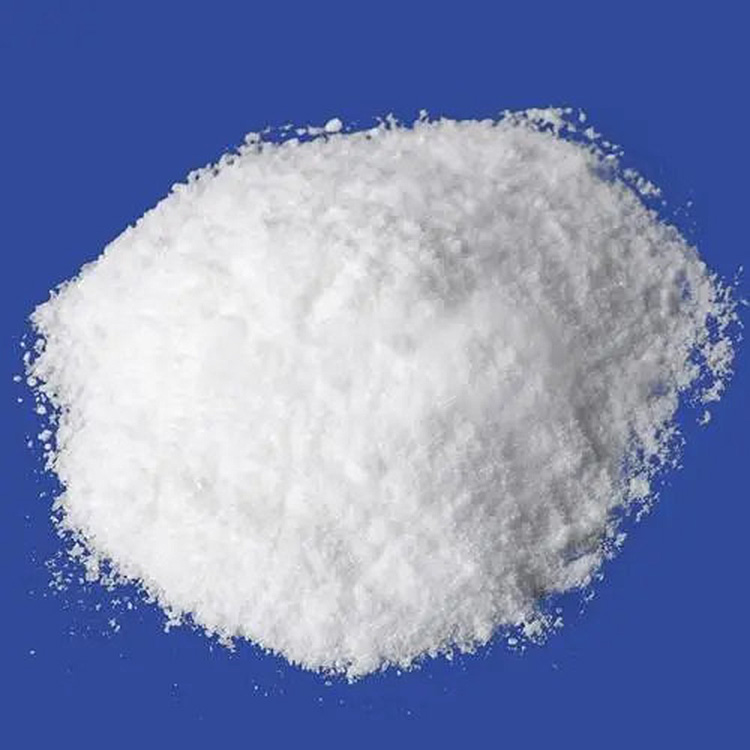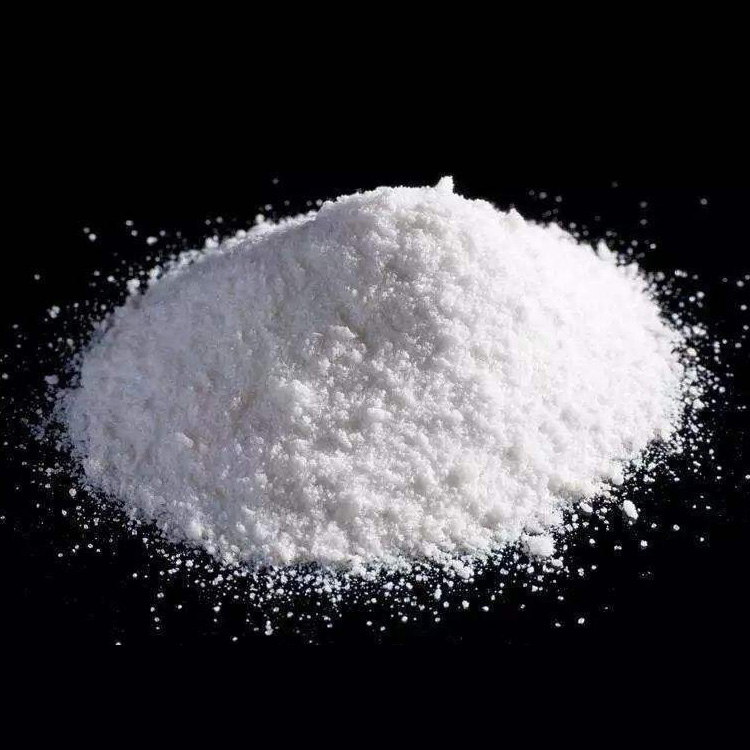

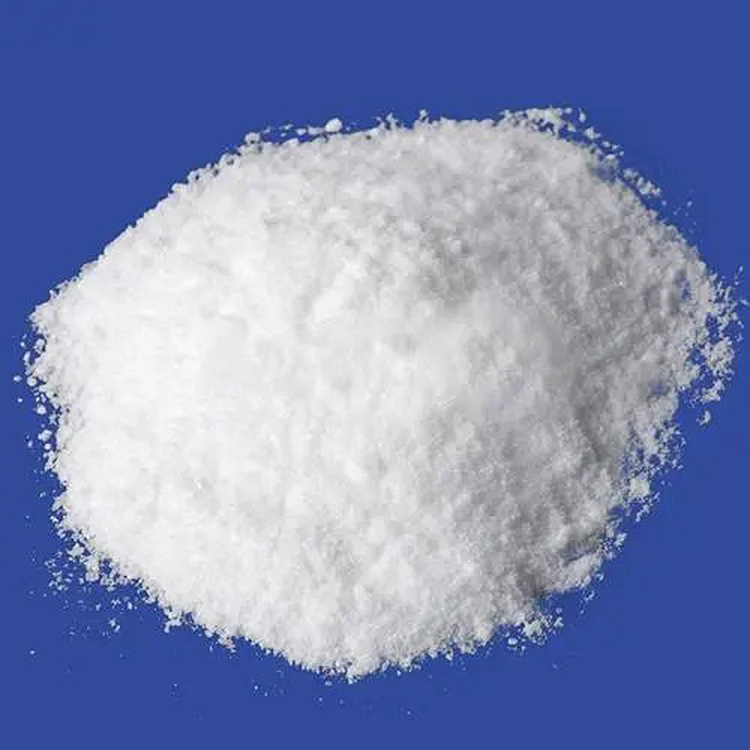







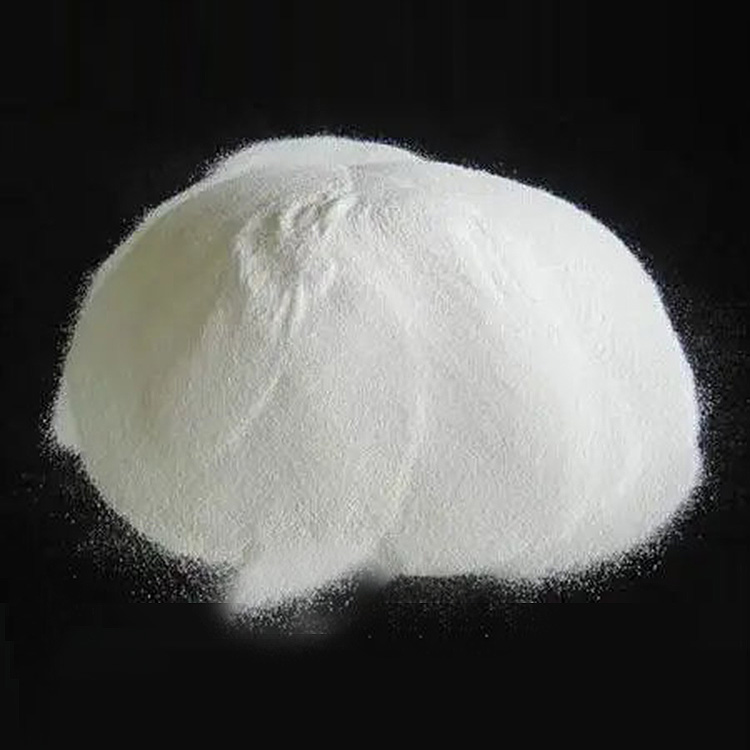
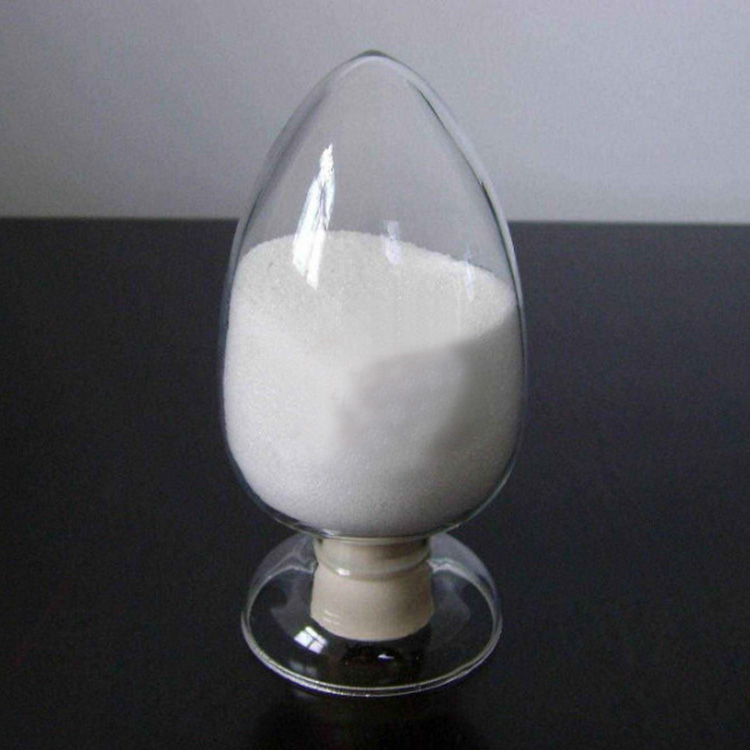
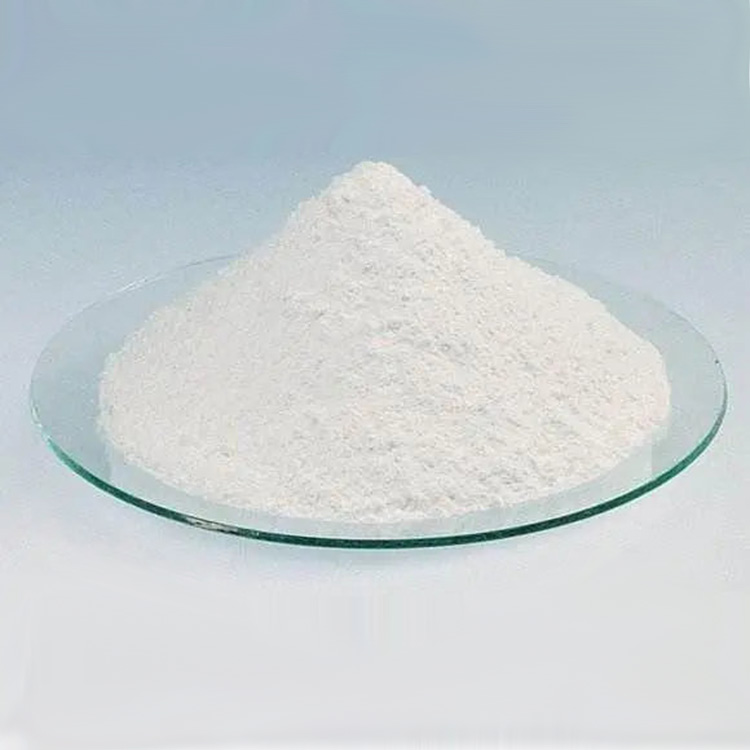


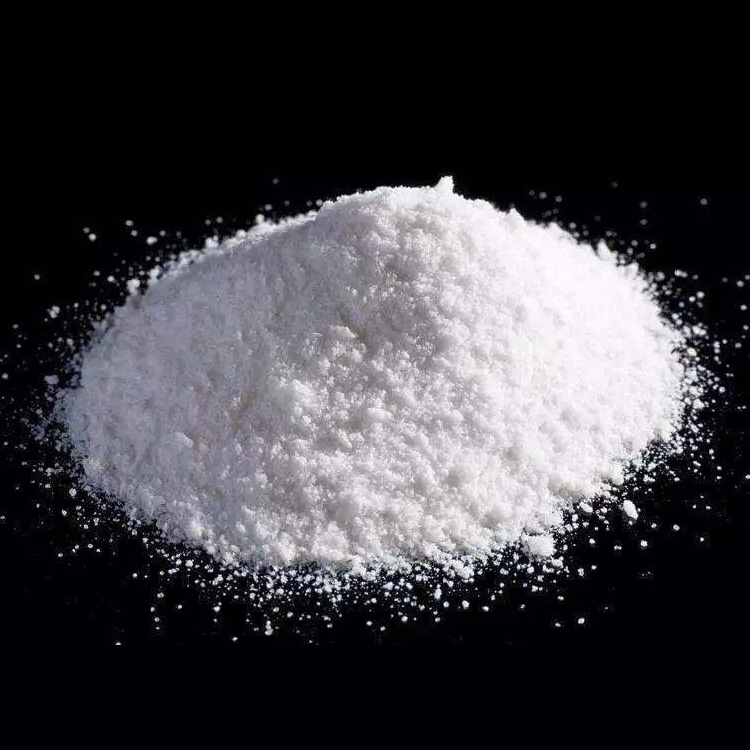
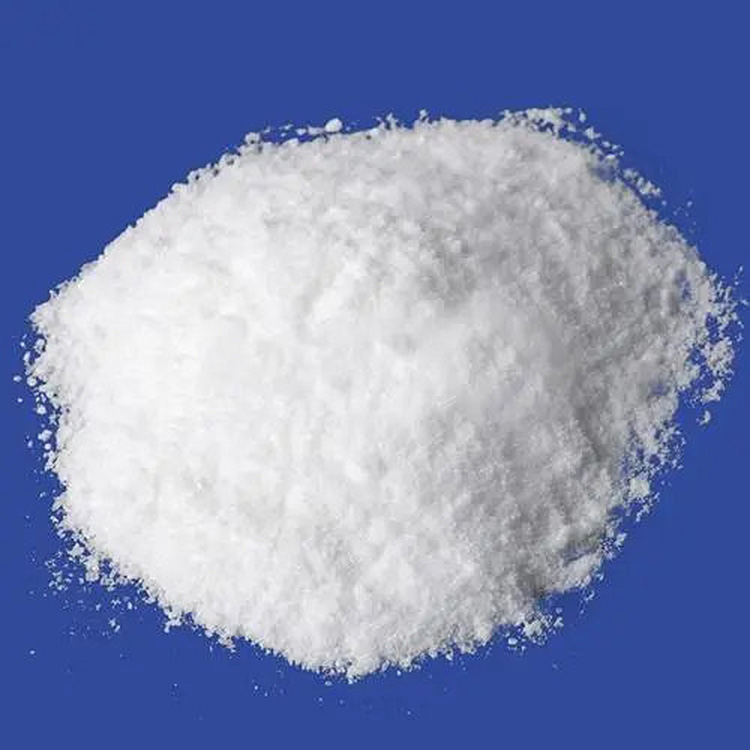
Lithium chloride is an inorganic substance with the molecular formula LiCl and a molecular weight of 42.39. It is a white crystalline material with hygroscopic properties. It has a salty taste and is easily soluble in water, ethanol, acetone, pyridine, and other organic solvents. It is classified as a low-toxicity material, but it has a strong irritant and corrosive effect on the eyes and mucous membranes.
Lithium chloride is a white crystalline substance, readily soluble in water, with a solubility of 67g/100ml at standard conditions. It is also soluble in organic solvents such as ethanol, acetone, and pyridine, but is not soluble in ethylme. Therefore, when preparing alkyl lithium, if chlorinated alkyl halides are used and lithium chloride precipitates in ethylme, it is possible to obtain the free alkyl lithium reagent (lithium bromide and lithium iodide form adducts with alkyl lithium, acting as stabilizers). [1] The melting point of lithium chloride is 605°C, and its boiling point is 1350°C, with a lattice energy of 853 kJ/mol.