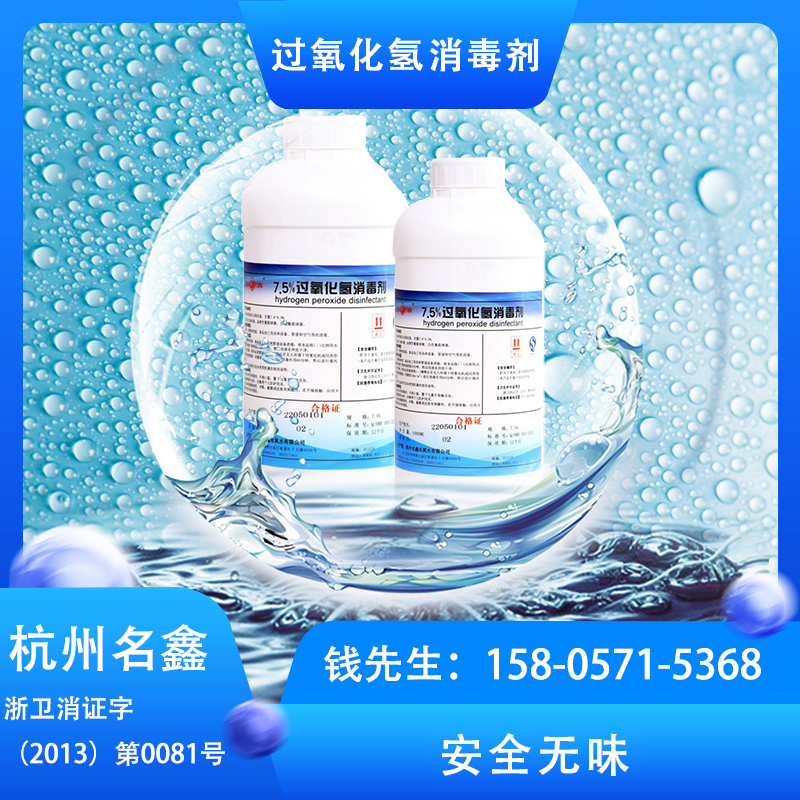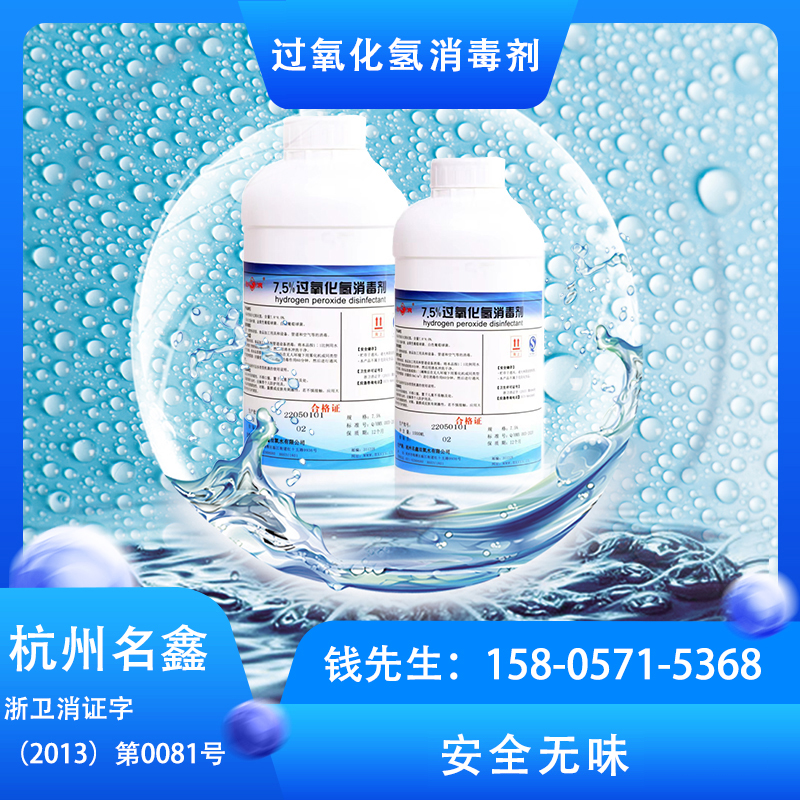


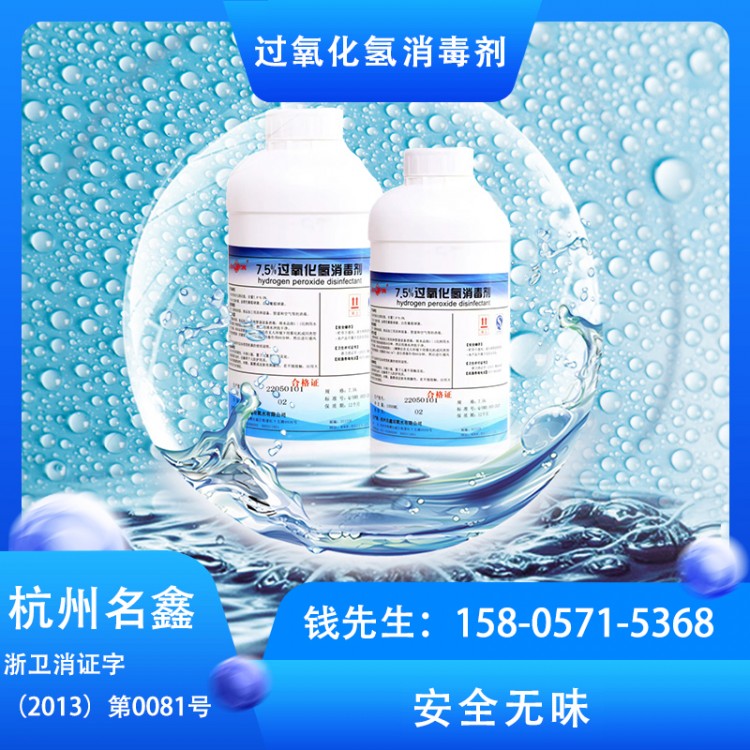







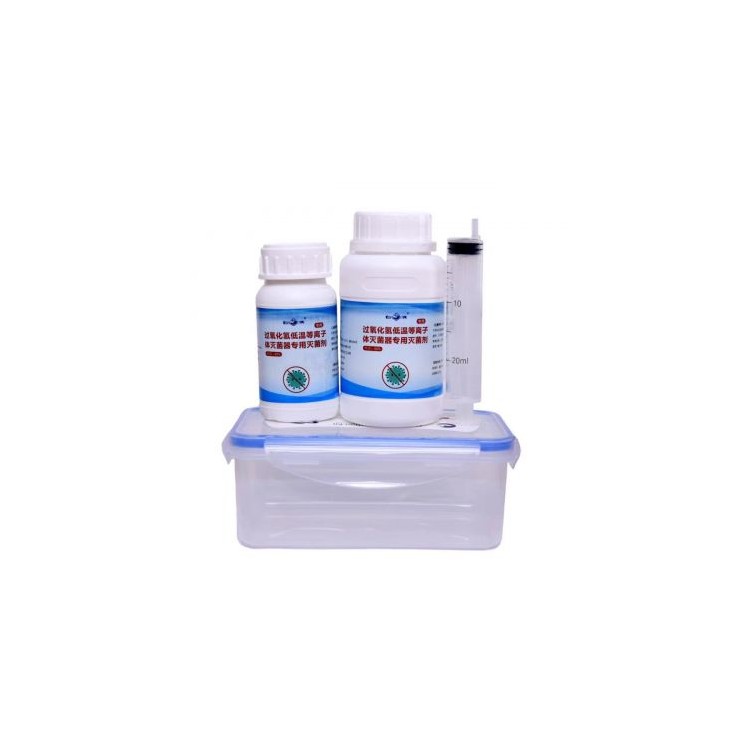
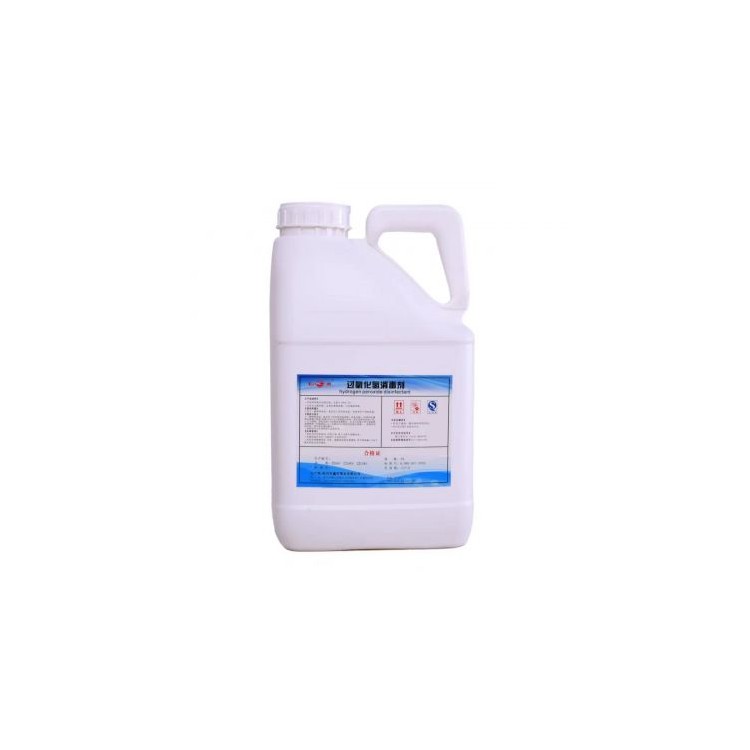

Hydrogen Peroxide Disinfectant
Manufacturing Sanitation License:Zhejiang Health Administration Approval No. (2013) 0084
Standard of Execution:GB/T26371-2020
Usage:Hydrogen peroxide disinfectant can kill a variety of bacterial spores, fungi, tuberculosis bacteria, bacterial endospores, and viruses. After sterilization, it decomposes into oxygen and water, leaving no toxic residues. It does not require rinsing with water, thus avoiding secondary contamination, and is an environmentally friendly disinfectant. It is used for disinfecting surfaces of common objects, food utensils and equipment, air, corrosion-resistant instruments, and the sites of infectious diseases.

Quality Specifications
| Project | Indicator |
|---|---|
| Hydrogen Peroxide, ω/% ≥ | 85%-115% of the marked value |
| Heavy metals, mg/kg ≤ | 5 |
| Arsenic, mg/kg ≤ | 3 |
| pH Level | 3.0-5.0 |
| Acidity (as H)2SO4ω/% ≤ | \ |
Packaging
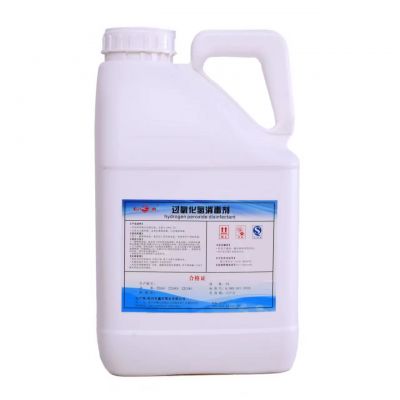
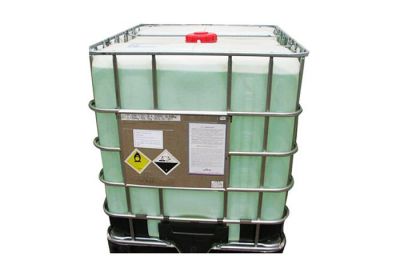
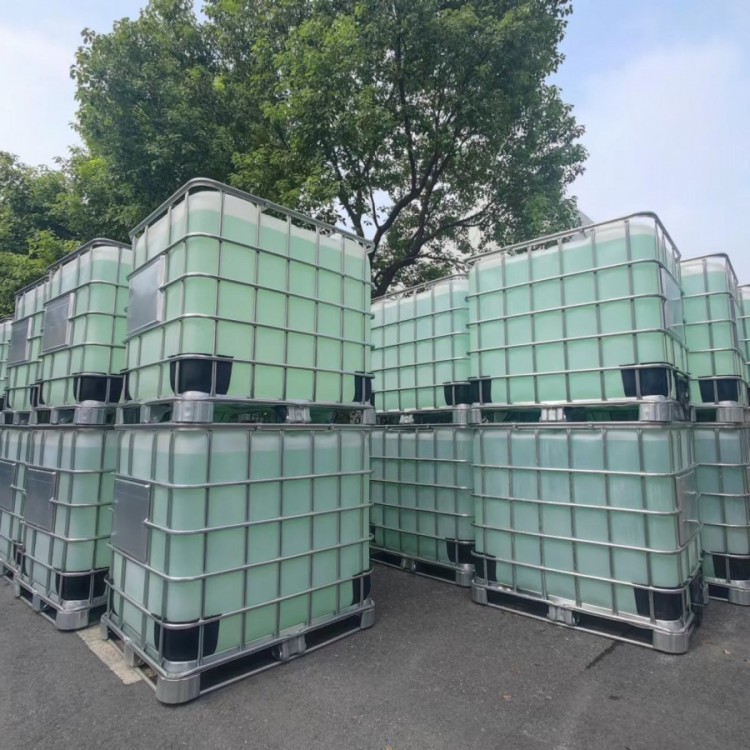
10L/25L polyethylene plastic drums and other packaging, available for customer-specific requirements.
Cautionary Notes
This product is a strong oxidizing agent; avoid contact with organic substances and other incompatible materials, such as organic substances, strong alkalis, reducers, heavy metals, and copper alloys.
2. This product releases oxygen upon decomposition, thereby increasing the fire risk.
3. This product has some corrosive properties and can be irritating to eyes, mucous membranes, or skin, posing a risk of burns. In case of accidental contact, rinse thoroughly with plenty of water and seek medical attention promptly.
4. Wear a respirator mask during disinfection operations.
Storage Conditions
Transport and storage should prevent direct sunlight or heat exposure. They should be stored in cool, clean, and well-ventilated warehouses, away from fire sources and heat. The warehouse temperature should not exceed 40 degrees Celsius. Keep containers sealed, with the openings facing up, and avoid upside down or dropping. Separate from flammable or combustible materials, reducing agents, alkalis, metal powders, etc., and avoid contact with paper fragments or wood shavings. Handle with care during transportation to prevent damage to packaging and containers. In case of damaged packaging or leakage, clean and replace it immediately, and flush the leakage with water. The storage area should have sufficient water supply and use fireproof and explosion-proof electronic equipment and devices.