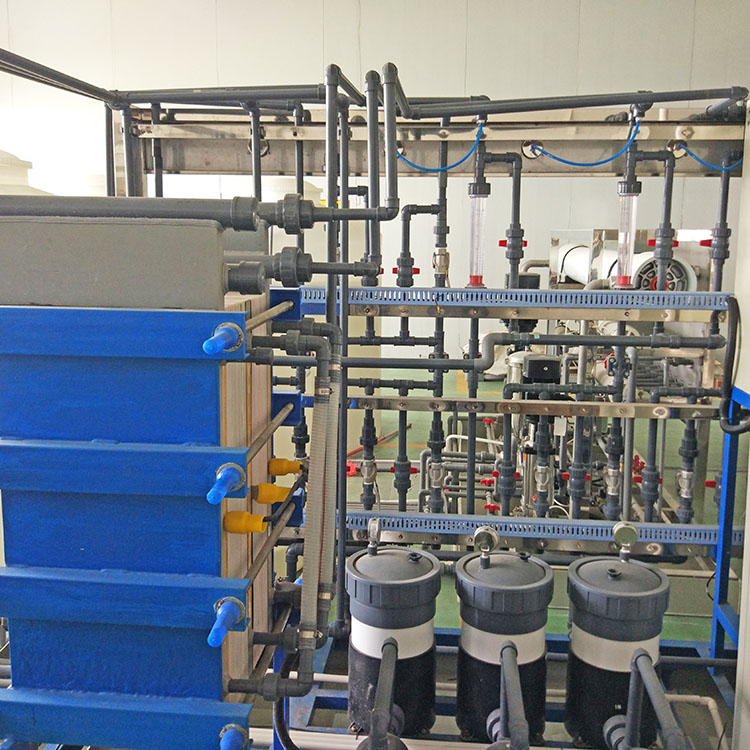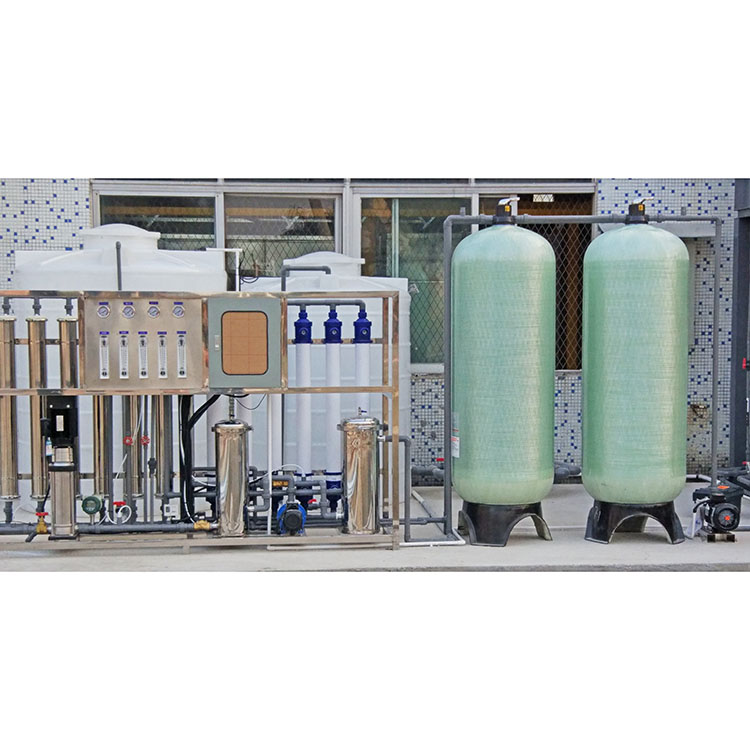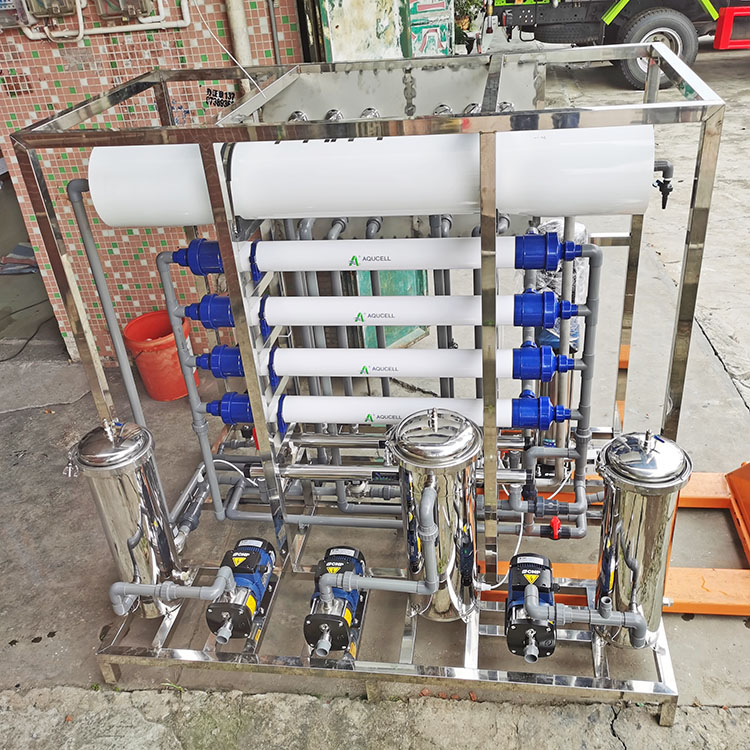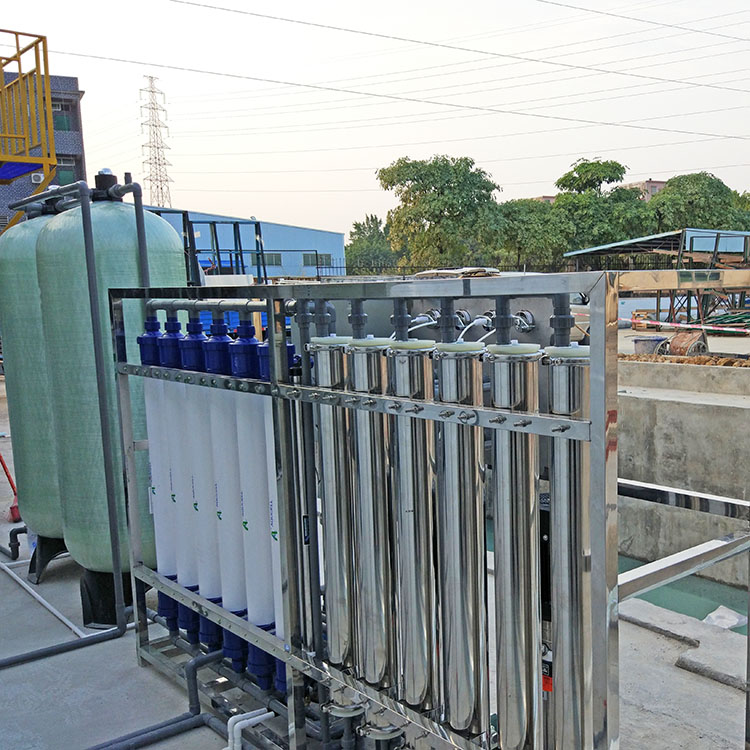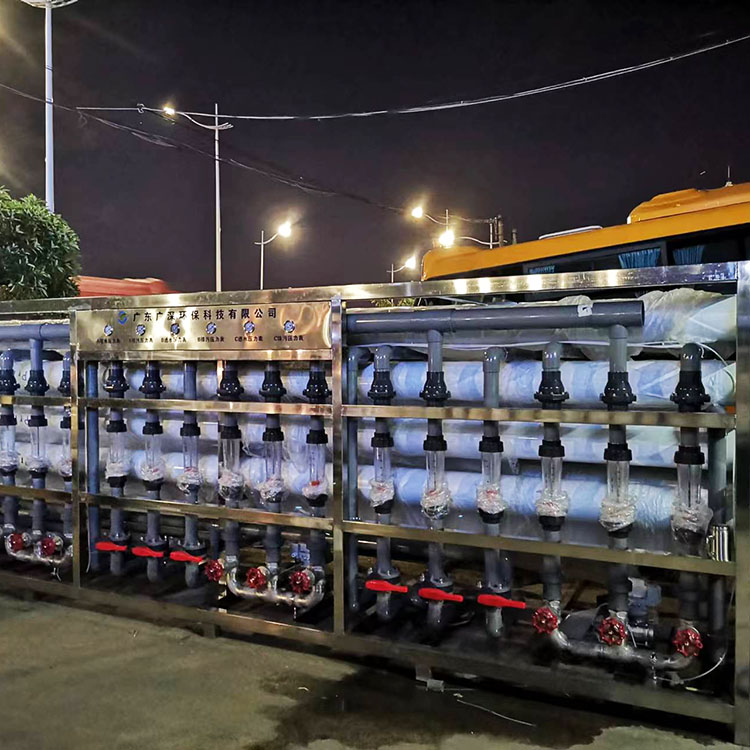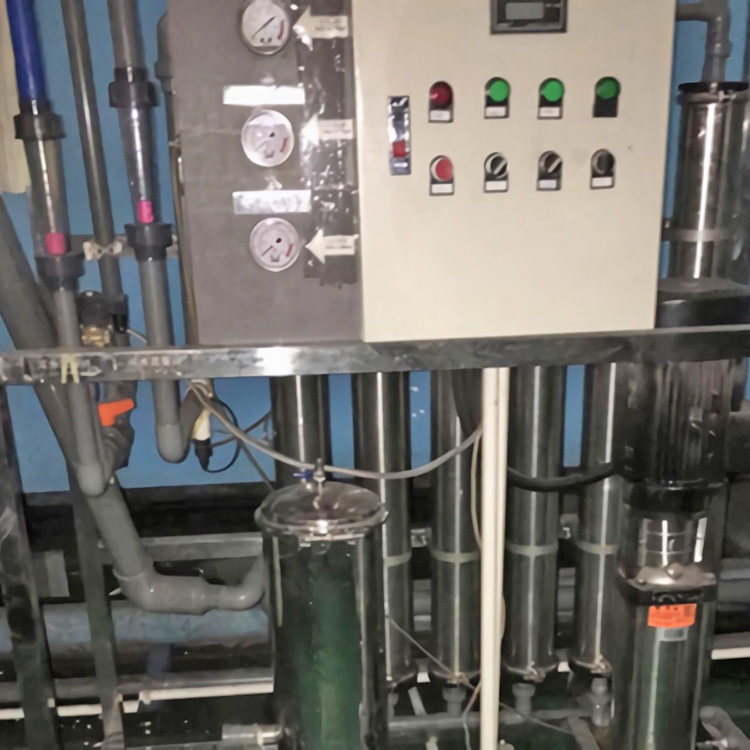




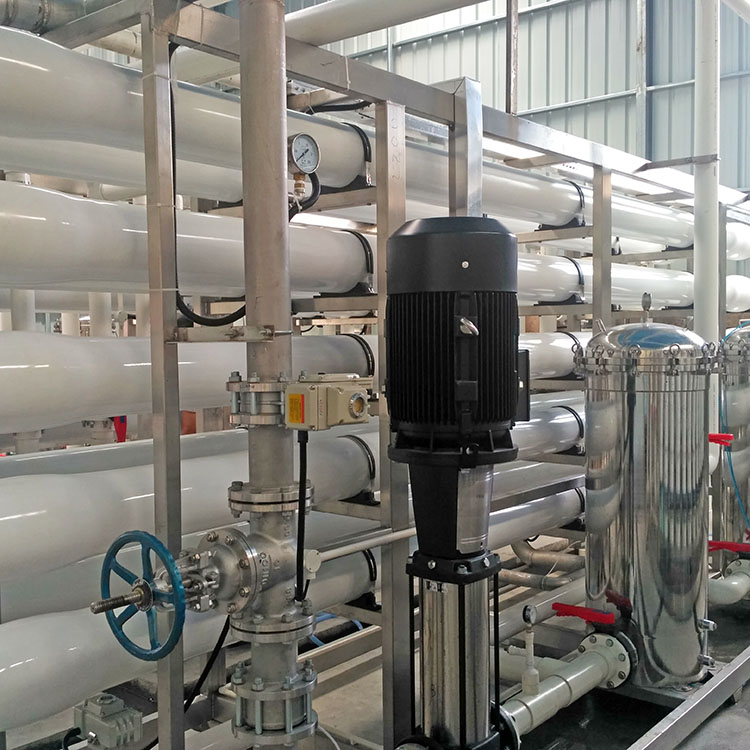
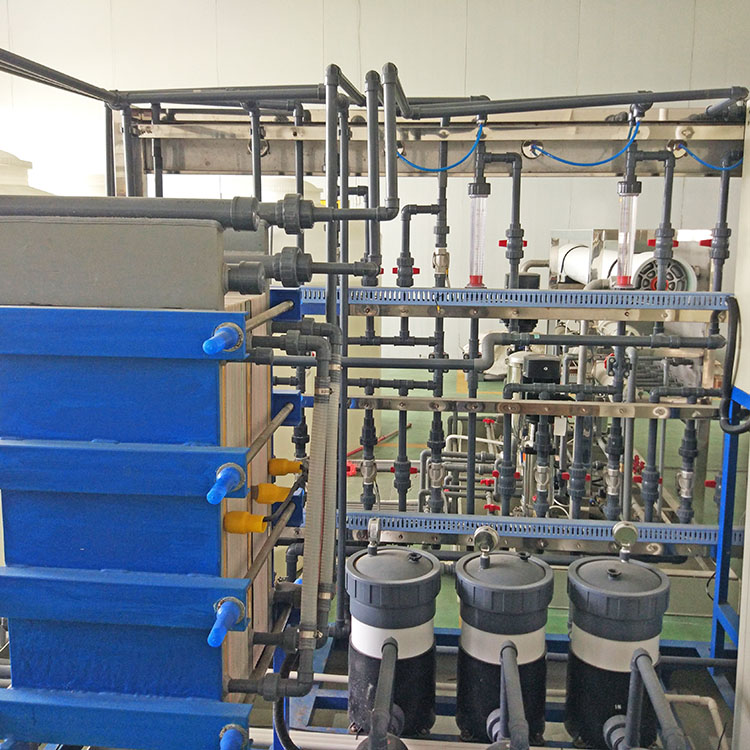
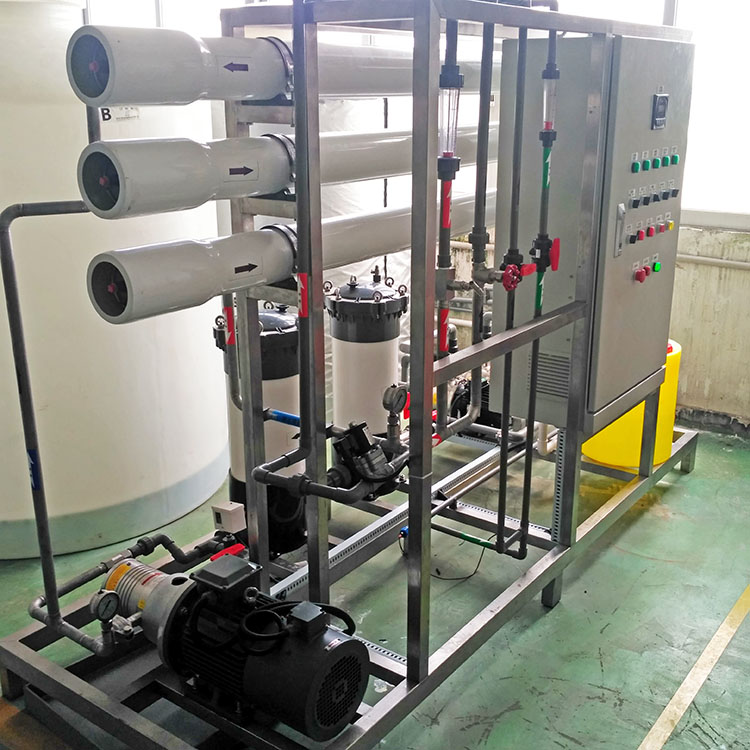
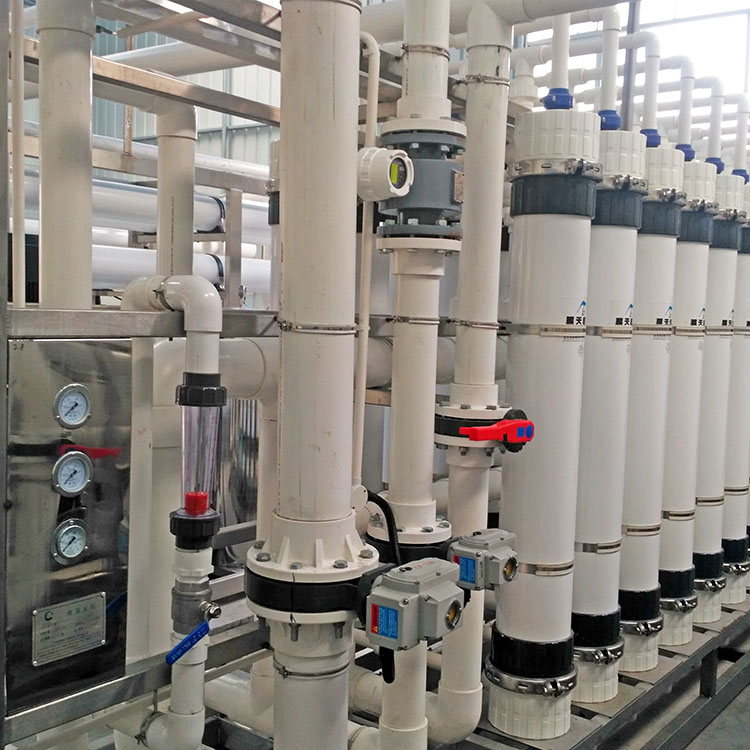
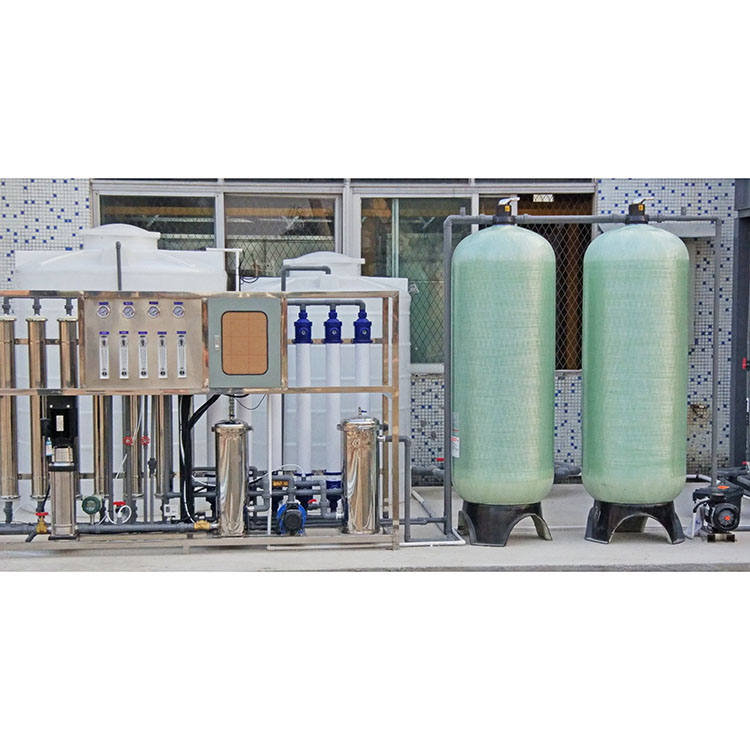





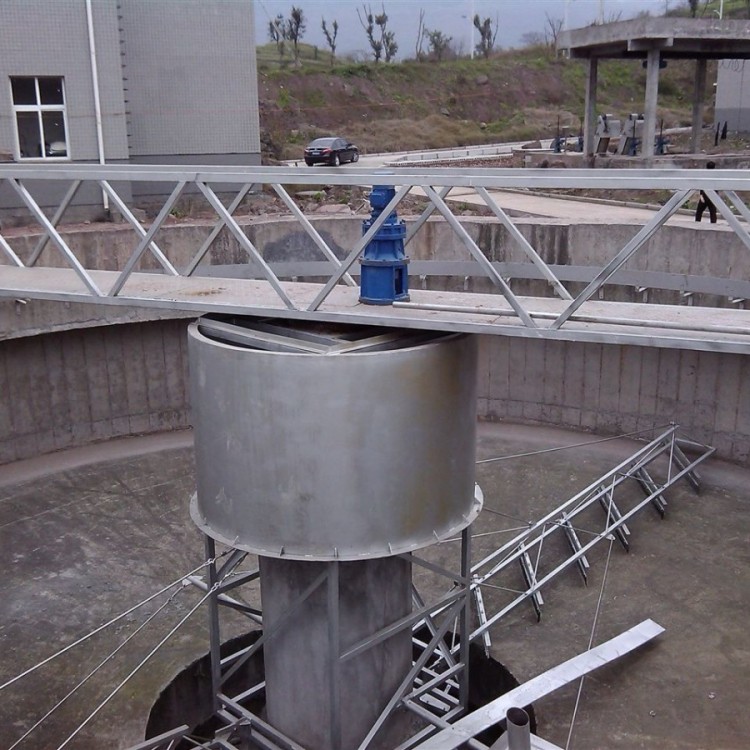
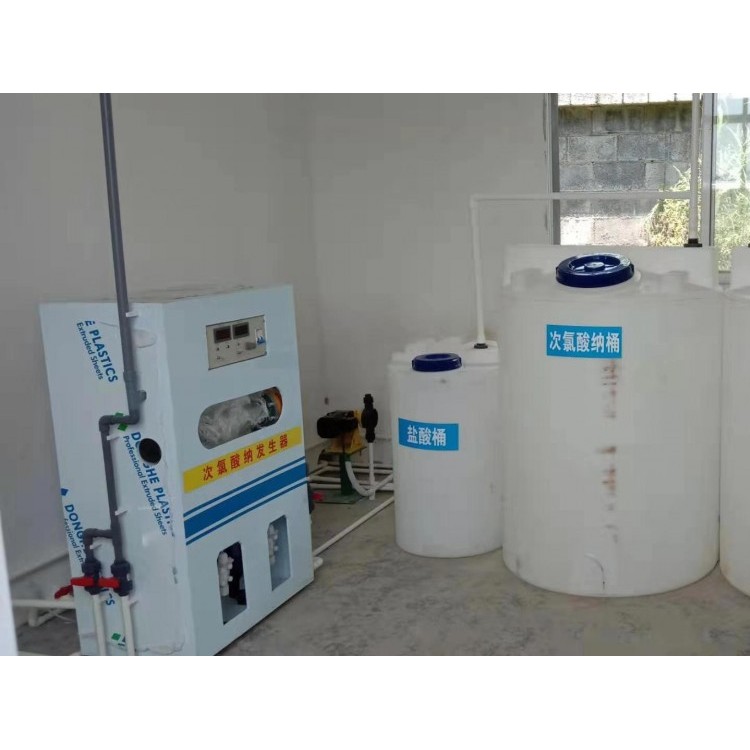
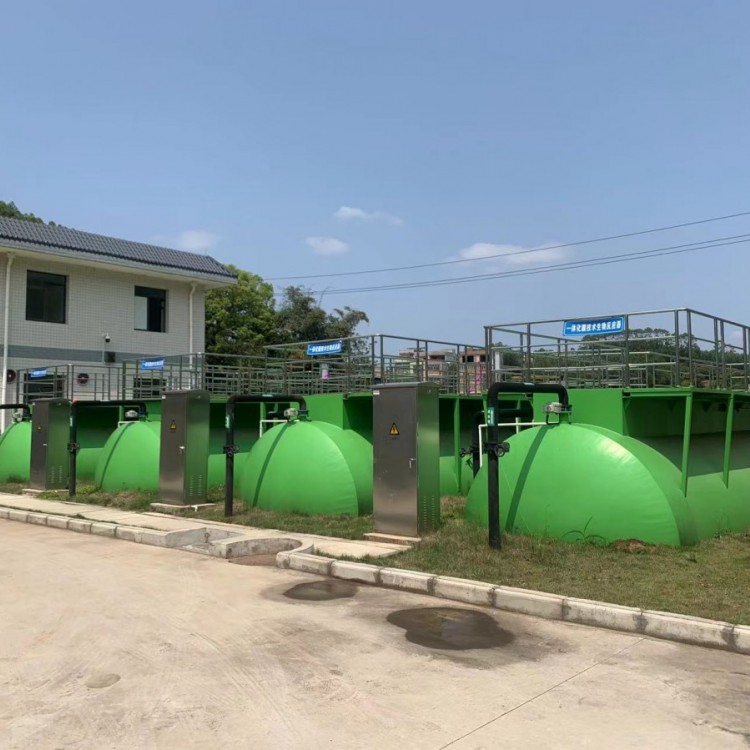
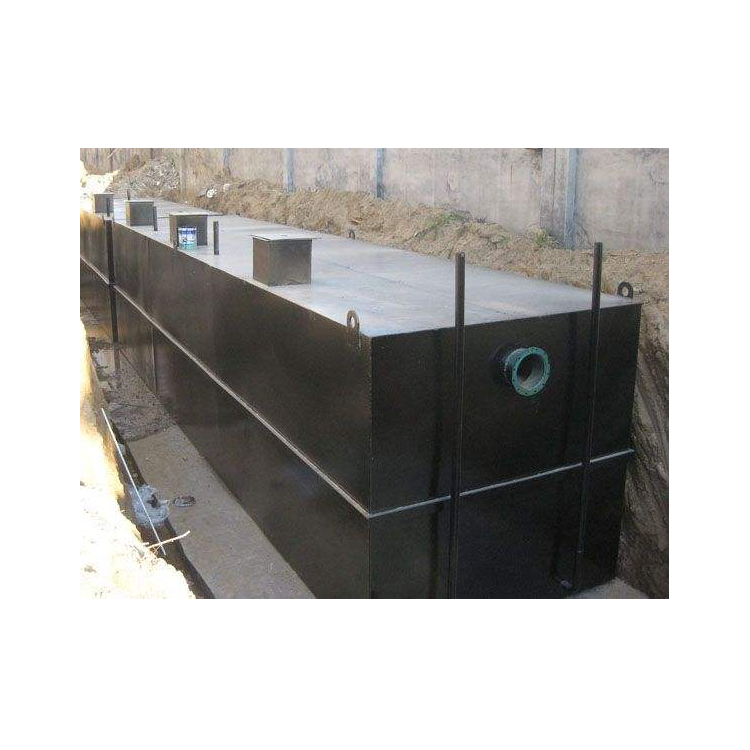
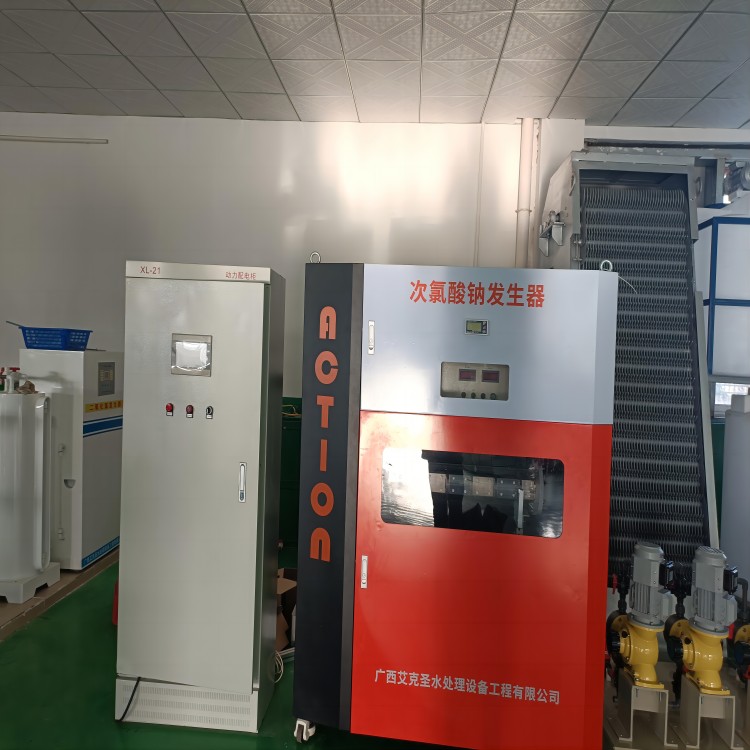
Reclaimed water technology refers to the treatment of residential wastewater (bathing, washing, laundry, kitchen, toilet) from a community, which is then reused for purposes such as landscaping irrigation, vehicle washing, road cleaning, and flushing household toilets, thereby achieving water conservation goals. Reclaimed water utilization is a crucial measure for wastewater resource recovery, effectively addressing water scarcity issues.
Our Company's Technical Features:
(1) Double-layer Membrane Structure: The涤饵DEAR inorganic ceramic membrane system, applied on the membrane filtration layer, prepares TiO2 sol using the sol-gel method, and applies nano-TiO2 photocatalytic material onto the ceramic membrane via the dipping and pulling method, endowing the ceramic membrane with an "auto-cleaning" function to reduce organic accumulation and clogging on the membrane surface. This not only decreases membrane fouling but also enhances the strength and filtration flux of the ceramic membrane tubes, improving flux stability. Al2O3-ZrO2 Composite Membrane Structure: Enhances the mechanical properties of the membrane tubes. Due to inherent material defects or practical issues in the manufacturing process, a single inorganic membrane material often fails to meet practical needs. Consequently, the development of inorganic loaded composite membranes has rapidly progressed. The涤饵DEAR inorganic ceramic membrane utilizes overall composite technology, preparing Al2O3-ZrO2 composite membranes via the sol-gel method. As compared to Al2O3, SiO2, and TiO2, the ZrO2 material exhibits superior mechanical strength, chemical durability, and resistance to alkaline erosion. The涤饵DEAR inorganic ceramic membrane boasts enhanced mechanical strength and thermal stability, and the composite membrane has a narrow pore size distribution with a single peak.
(2) Achieves online backflushing with stable membrane flux: Thanks to the unique structure and mechanical properties of the composite ceramic membrane, it can effectively withstand backflushing pressures below 0.4 MPa, enabling online backflushing for a stable membrane flux. This overcomes the issues of high cost, easy contamination, low flux, and large equipment size commonly associated with inorganic membrane systems in water treatment applications, making the use of inorganic ceramic membrane systems in water treatment feasible. The DEAR inorganic ceramic membrane is specifically designed for wastewater treatment, featuring a high membrane flux, up to 10-100 times that of organic membranes and 50-10 times that of conventional porous ceramic membranes, with high mechanical strength, resistance to contamination, and the ability to perform online backflushing.



.jpg)


.jpg)