







Chemical Filter Bag Precautions
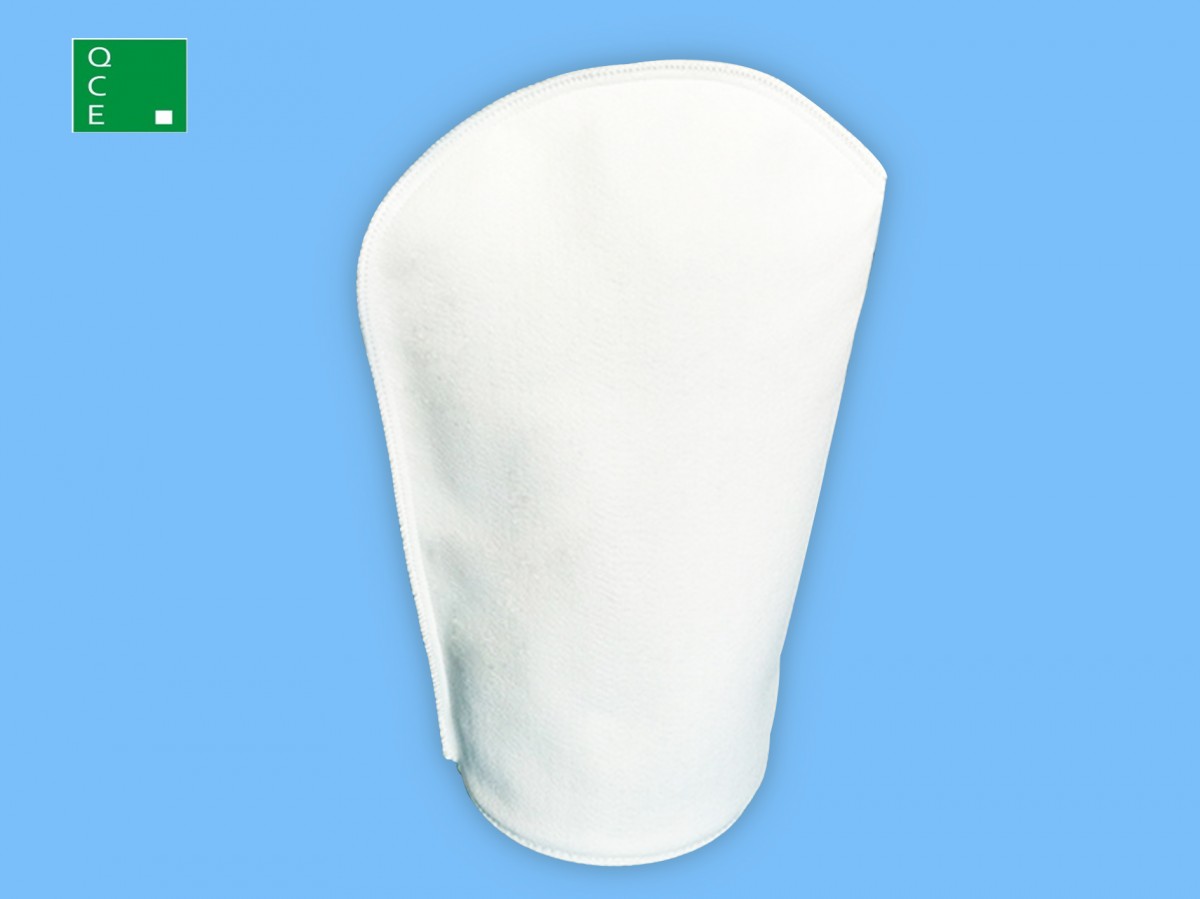
Chemical filter bags are commonly used filtration materials in chemical production, primarily used for filtering out impurities, particles, and suspended matter from chemical solutions. When selecting and using chemical filter bags, attention should be given to the following aspects:
Chemical Compatibility: The material of the chemical filter bag must be chemically compatible with the properties of the chemicals to avoid a chemical reaction between the chemicals and the filter bag, which could lead to damage of the filter bag or contamination of the chemicals.
Filter Precision: The filter precision of chemical filter bags should be selected based on actual requirements, typically available in different levels such as micrometer, sub-micrometer, and nanometer grades. An excessively low filter precision may result in insufficient purity of chemicals, while an overly high filter precision may lead to inadequate filtration efficiency.
Mechanical Strength: Chemical filter bags must possess adequate mechanical strength to withstand pressure and impact during the production process, preventing deformation.
High-Temperature Resistance: Select high-temperature-resistant chemical filter bags according to actual needs to accommodate the high-temperature environment during the production process.
Cleaning and Maintenance: Regularly clean and maintain chemical filter bags to maintain their filtration efficiency and mechanical strength, preventing damage to the bags and potential contamination of chemicals.
In summary, when selecting and using chemical filter bags, attention should be given to their chemical compatibility, filtration accuracy, mechanical strength, high-temperature resistance, and cleaning maintenance to ensure the efficiency and quality of chemical production.

Dust Bag Precautions
During the use of dust bags, the following points should be noted:
Select the Right Dust Bag: Choose the appropriate dust bag material and size based on the operating environment and conditions. For instance, in high-temperature and corrosive environments, select dust bags that are resistant to high temperatures and corrosion.
Proper Installation of Dust Bags: When installing dust bags, strictly follow the manufacturer's provided installation diagrams and operating instructions. Pay attention to the precautions for dust bags to ensure they are securely and sealedly installed, preventing dust leakage from the joints.
Regularly inspect dust collector bags: During the operation of dust removal equipment, it is necessary to regularly check the condition of the dust collector bags. If any damage or blockage is found, replace or clean them promptly.
Avoid Overuse: The lifespan of dust bags is related to the frequency of use. It is advisable to avoid prolonged use of the same dust bag to prevent excessive wear and aging. Dust bag introduction.
Please note storage and maintenance: During the replacement and maintenance of dust collector bags, the removed bags should be stored in a dry, well-ventilated area, away from direct sunlight and moist conditions. Additionally, regularly clean and disinfect the dust collector bags to ensure their performance and longevity.
In summary, during the operation of dust removal equipment, attention should be paid to the above points to ensure the normal operation and prolong the service life of the dust removal bags. Proper selection, installation, maintenance, and care can enhance the efficiency and quality of the dust removal equipment, reduce maintenance costs, and minimize environmental pollution.

Nylon filter bags are a commonly used filtering material, and their manufacturing process is as follows:
Material Selection: Nylon filter bags are generally made from nylon resins such as nylon 6, nylon 10, polyester, and others, with different materials chosen based on varying application scenarios.
Processing Technology: The manufacturing process of nylon filter bags includes raw material processing, weaving, and post-treatment. Initially, nylon resin is processed into yarn bundles, followed by weaving. The weaving process involves controlling factors such as fabric structure, fabric density, and fabric weight.
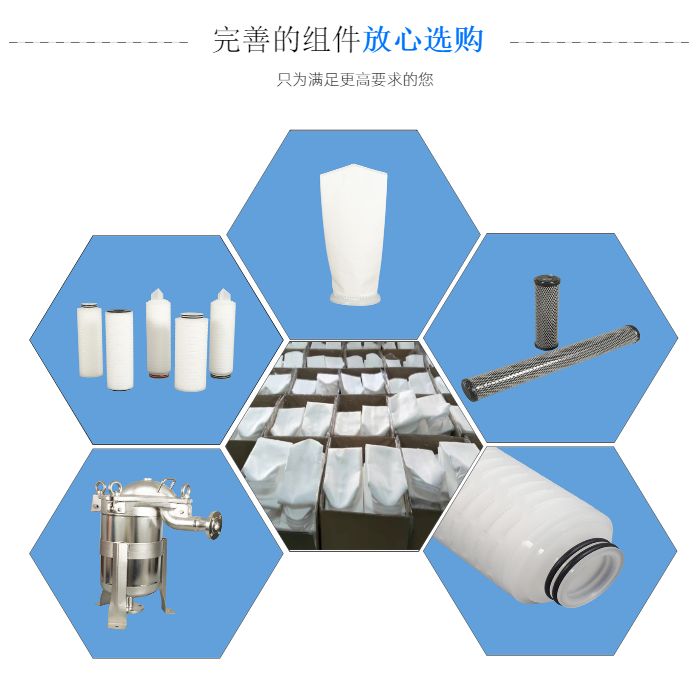
Post-processing: After the nylon filter bag weaving is completed, post-processing is required, including heat setting, finishing treatment, coating treatment, etc. The dust bag image is provided to enhance the filter bag's filtration performance and corrosion resistance.
Inspection: After the nylon filter bags are manufactured, they must undergo inspection, including appearance quality.

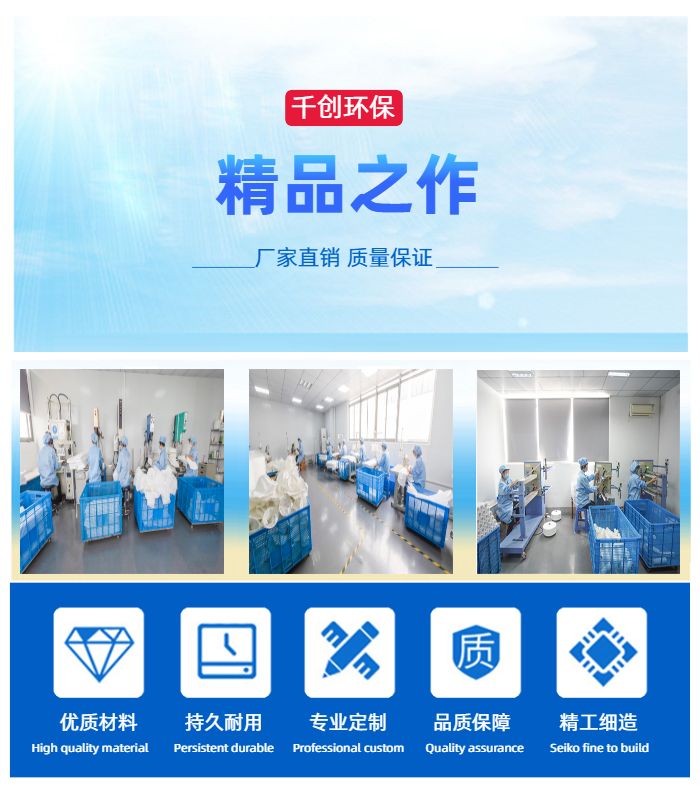
Dust Removal Bags - Qianchuang Environmental Protection - Dust Removal Bag Introduction provided by Kunshan Qianchuang Environmental Protection Equipment Co., Ltd. Kunshan Qianchuang Environmental Protection Equipment Co., Ltd. adheres to the corporate philosophy of "people-oriented" and boasts a team of highly qualified employees. We strive to offer superior products and services to回馈 society and welcome both new and old customers to visit and do business with us, sincerely collaborating to create a brighter future. Qianchuang Environmental Protection - Your Trusted Friend, Company Address: No. 99 Xugong Road, Zhouji Town, Kunshan City, Suzhou, Contact: Manager Zhu.