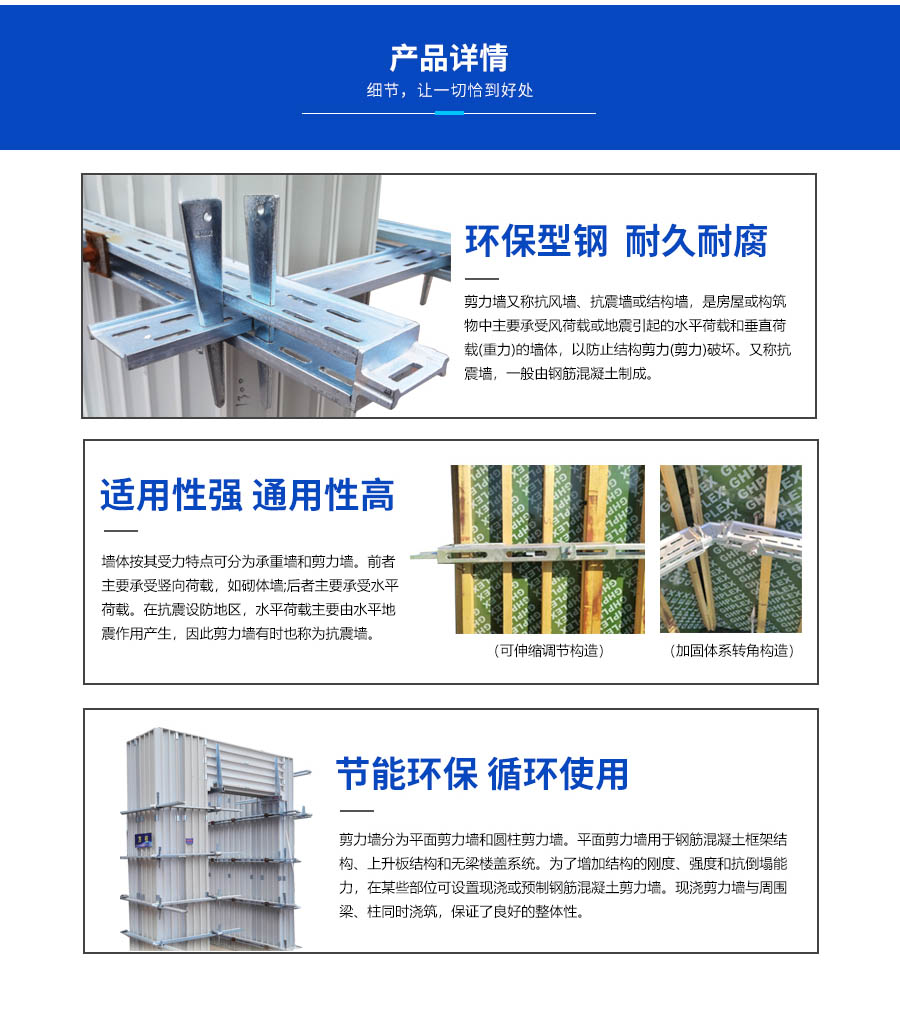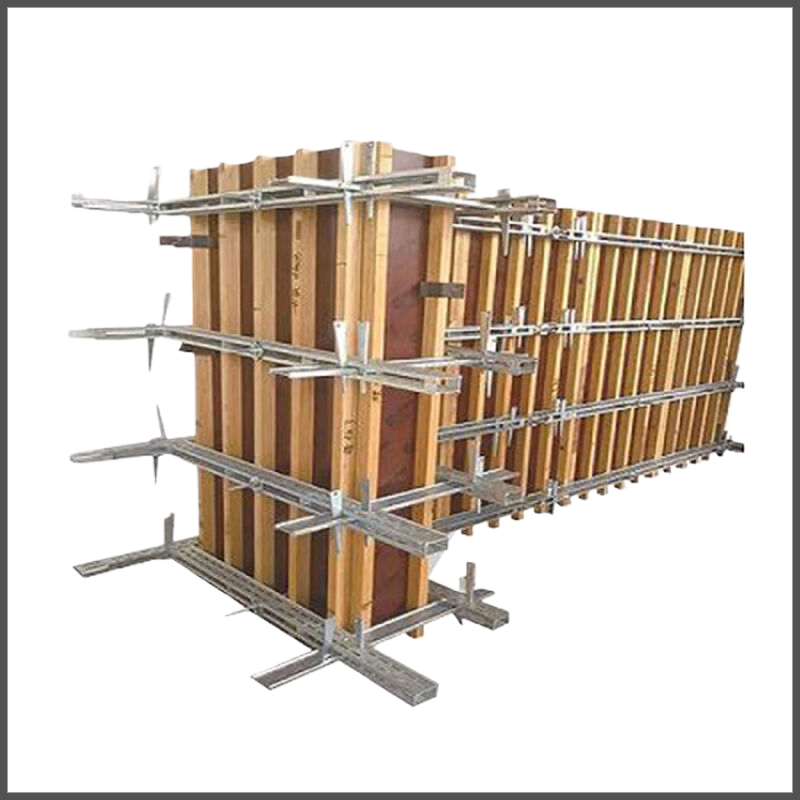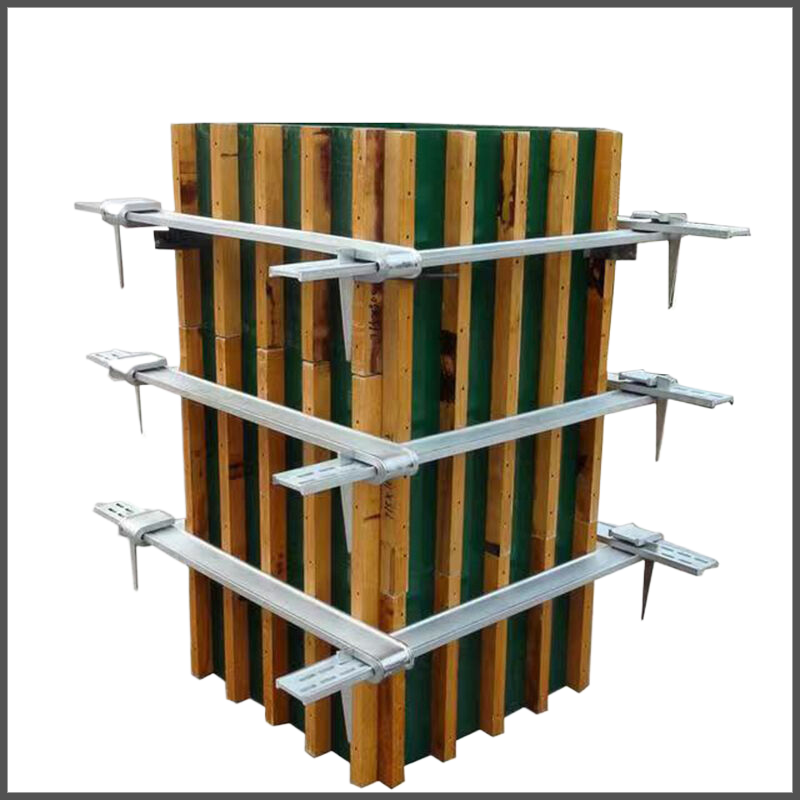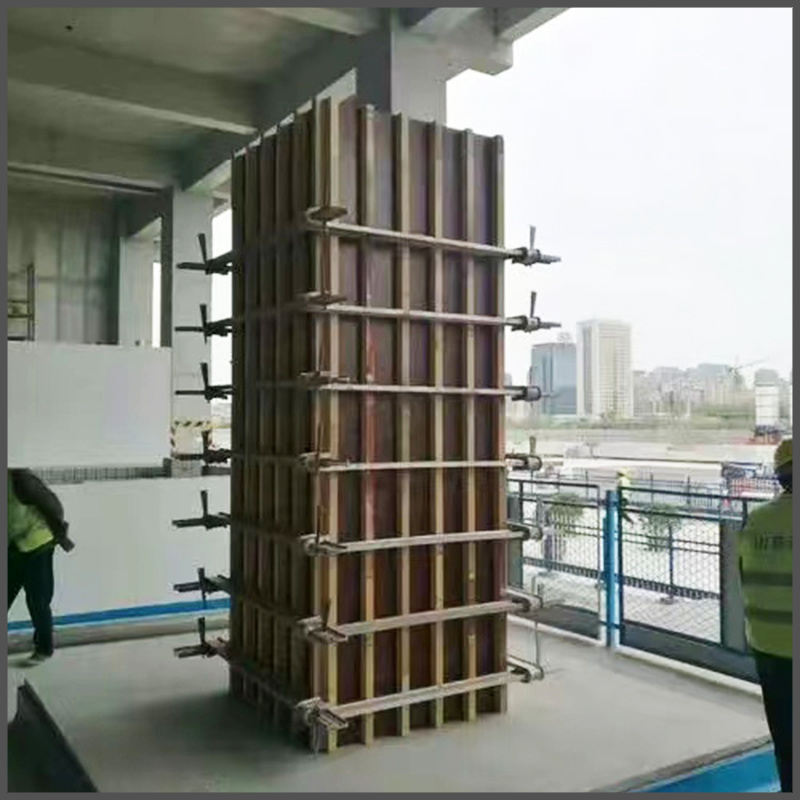


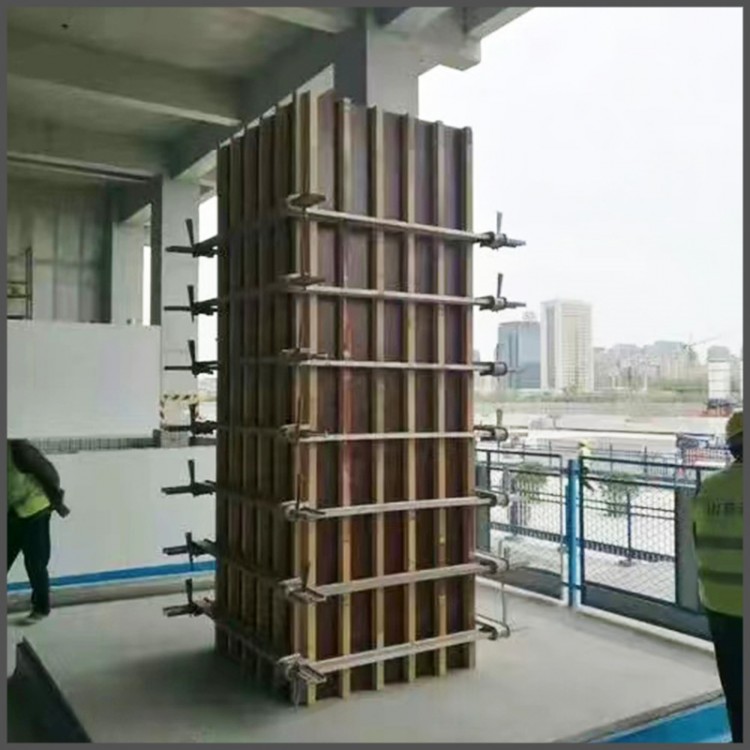













Shear walls, also known as wind-resistant walls, earthquake-resistant walls, or structural walls, are the main walls in buildings or structures that bear horizontal loads from wind and vertical loads (gravity) caused by earthquakes, to prevent structural shear failure. Also referred to as earthquake-resistant walls, they are generally made of reinforced concrete.
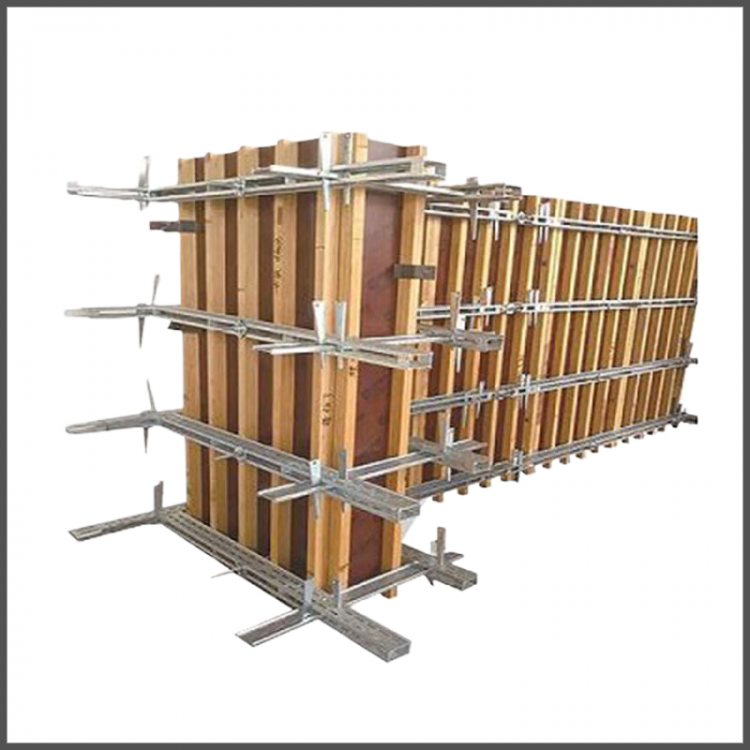
Shear walls are divided into plane shear walls and cylindrical shear walls. Plane shear walls are used in reinforced concrete frame structures, rising slab structures, and beamless floor systems. To enhance the structural rigidity, strength, and resistance to collapse, cast-in-place or precast reinforced concrete shear walls can be installed in certain areas. Cast-in-place shear walls are poured simultaneously with surrounding beams and columns, ensuring good overall integrity. Cylindrical shear walls are used in high-rise buildings, tall structures, and suspended structures. Surrounding walls include elevator shafts, stairwells, equipment rooms, and auxiliary spaces. The cylindrical walls are all cast-in-place reinforced concrete, with greater stiffness and strength than plane shear walls, capable of withstanding significant horizontal loads.
Walls can be classified into load-bearing walls and shear walls based on their load-bearing characteristics. The former primarily bears vertical loads, such as masonry walls; while the latter primarily withstands horizontal loads. In seismic-resistant areas, horizontal loads are mainly generated by horizontal seismic actions, hence shear walls are sometimes also referred to as seismic walls.