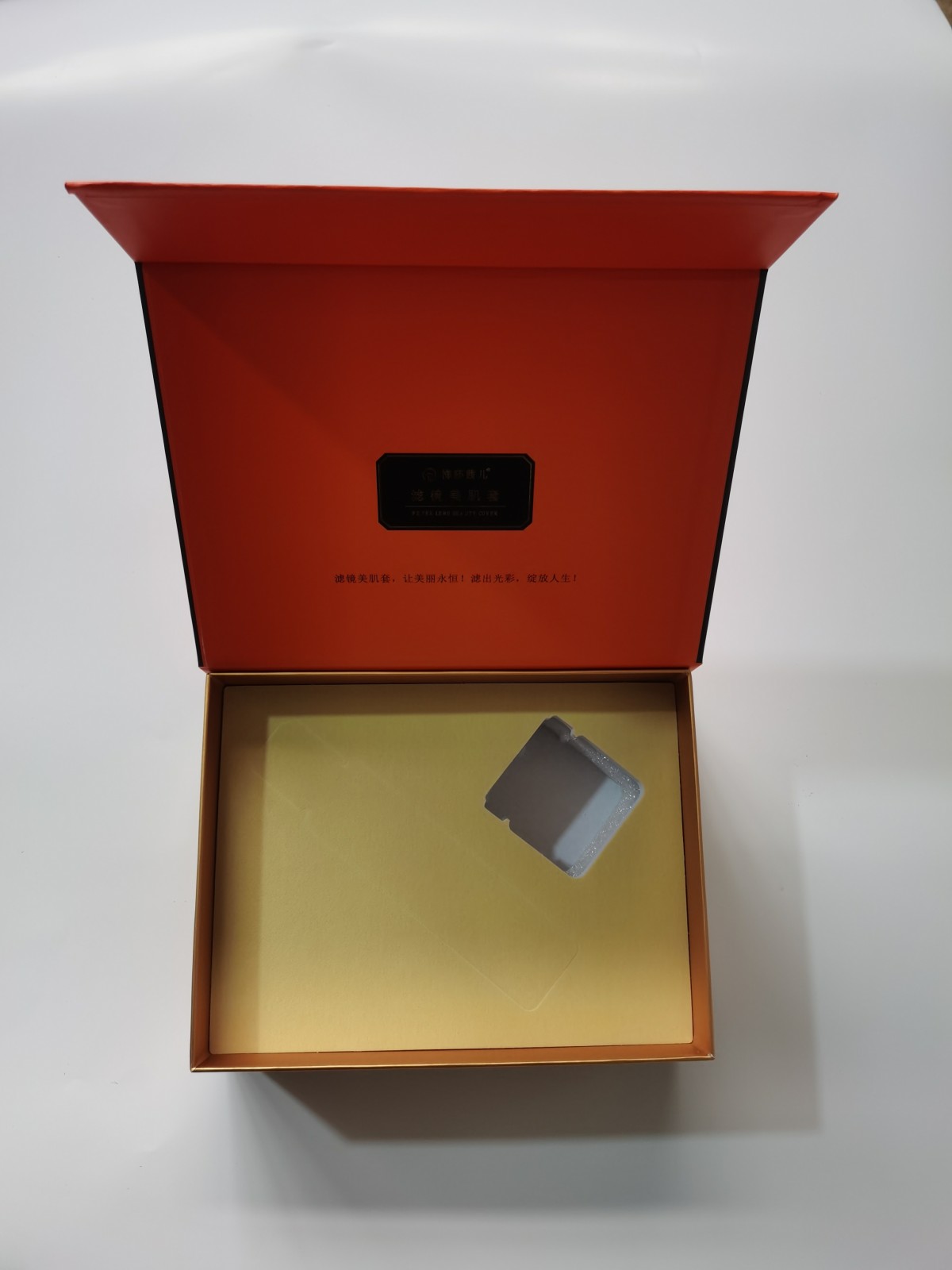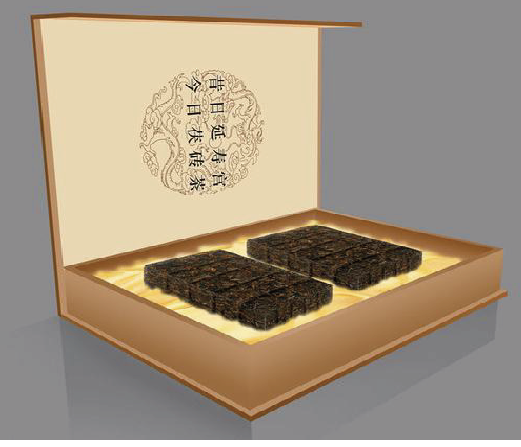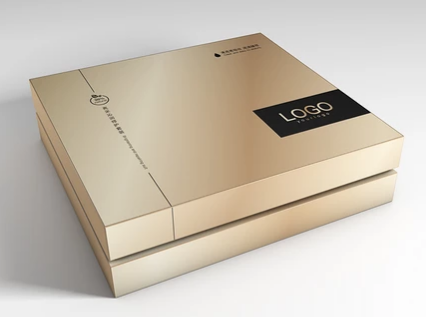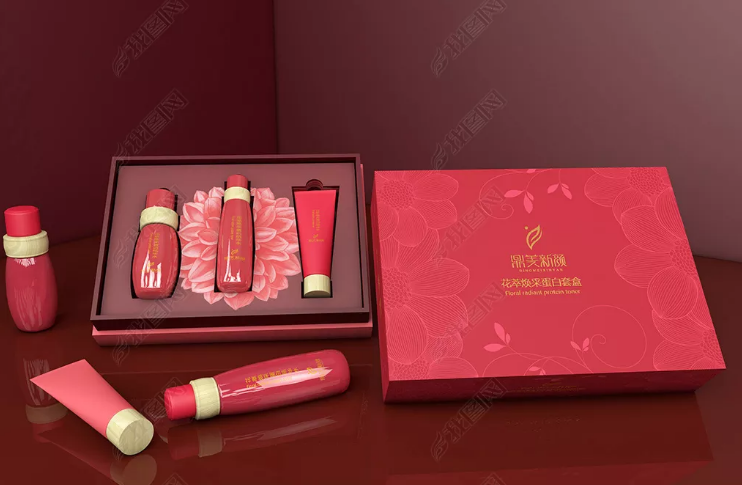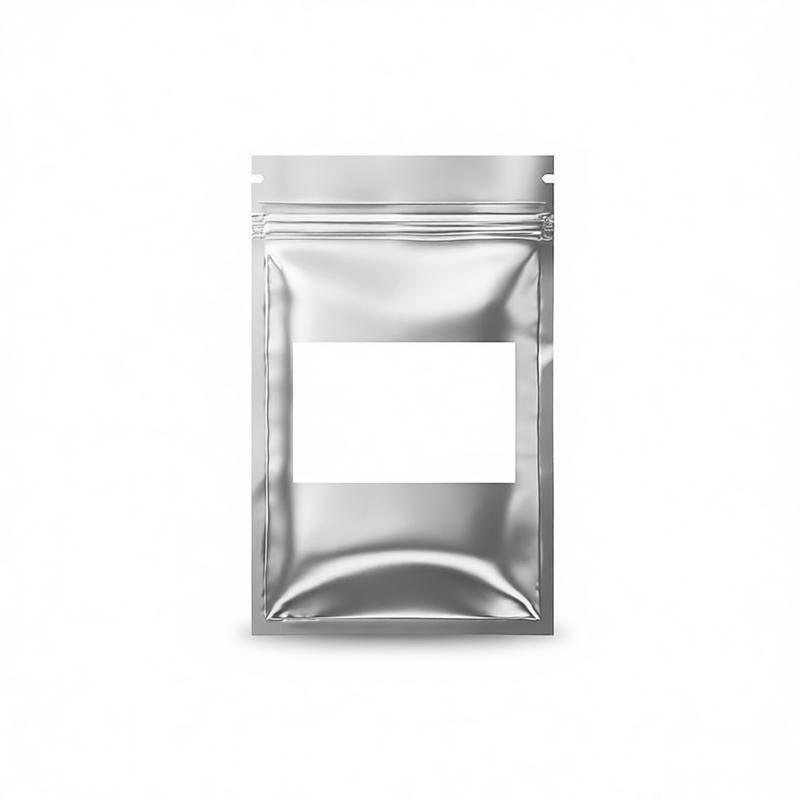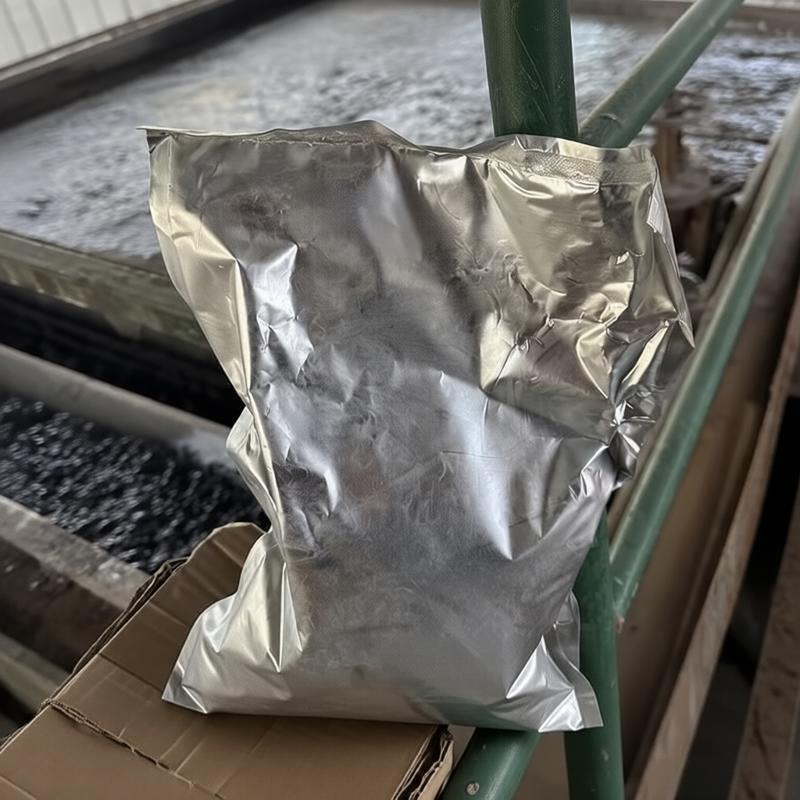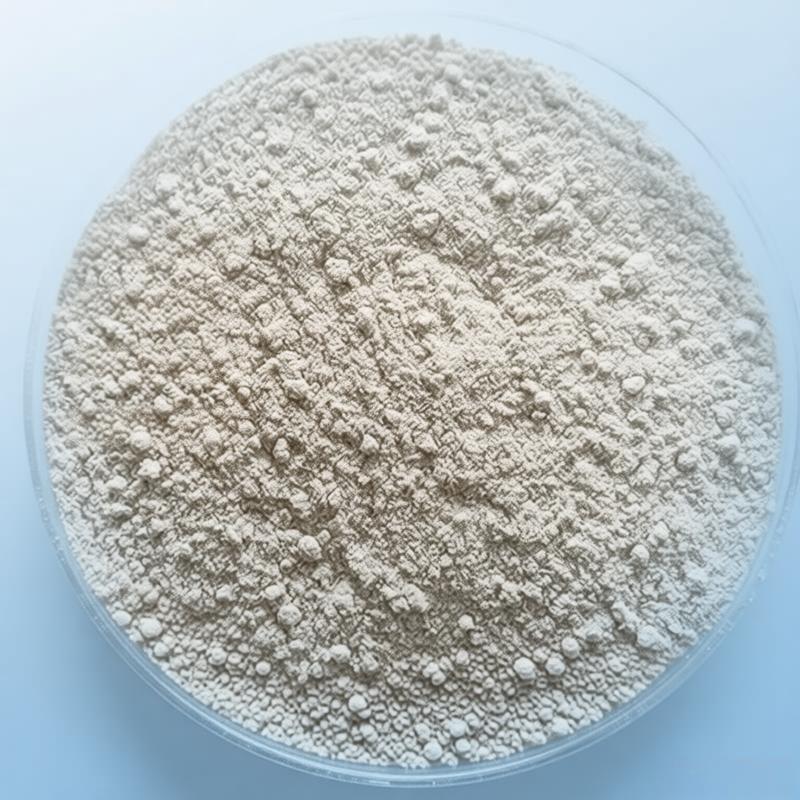

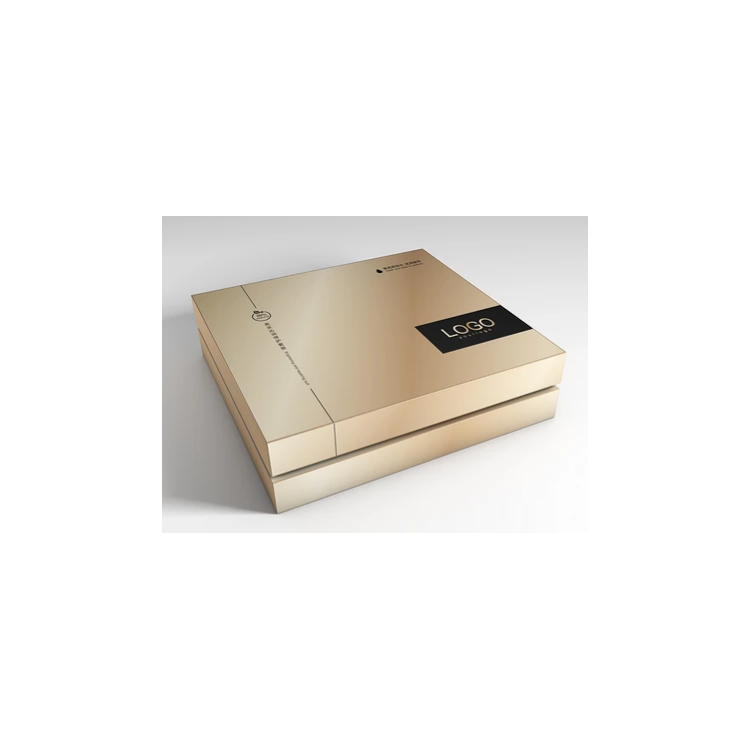
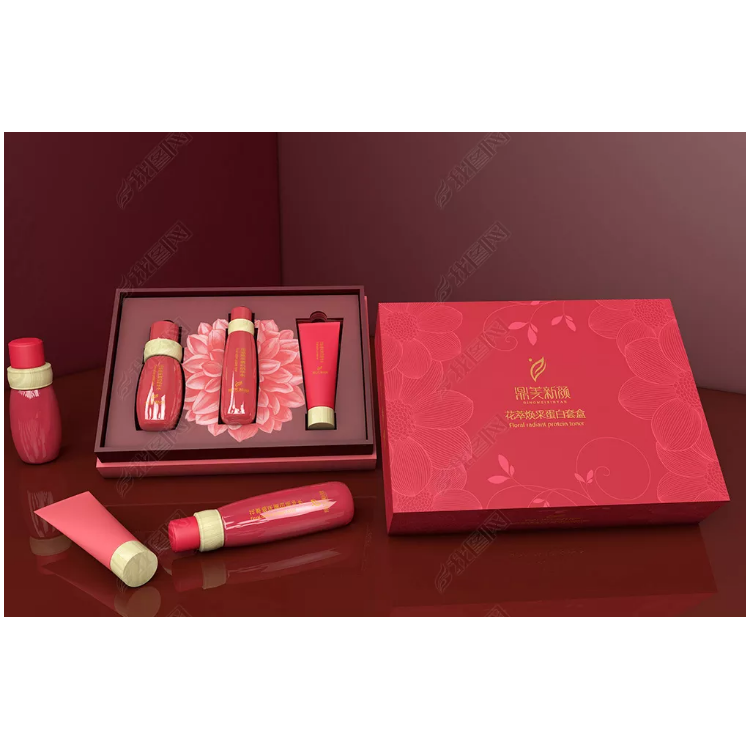









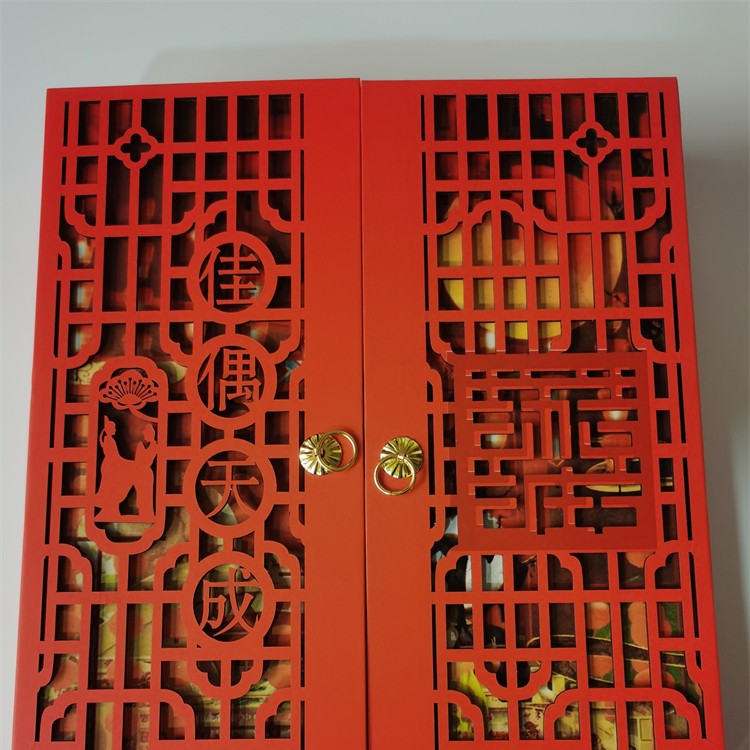

The process of making packaging boxes may vary depending on materials (such as paper, plastic, metal, etc.) and specific requirements (like size, shape, design, etc.), but the following is a possible common process:
Design: Firstly, the packaging box needs to be designed. This may involve selecting appropriate materials, designing the size and shape, and drawing or designing patterns and colors.
2. Acquire Materials: Select appropriate materials based on the design. For instance, if paper is used, you may need to purchase cardstock, kraft paper, or white paper, along with adhesives, scissors, and other tools. If plastic is chosen, plastic sheets or suitable molds may be required.
3. Cutting Material: Cut paper or other materials according to the design. Scissors or knives may be needed for smaller packaging boxes, while cutting machines may be required for larger boxes.
4. Folding and Adhesive Materials: Materials are bonded together using glue or other adhesives. This may involve adhering edges to form the box's frame, as well as attaching the lid to complete the shape.
5. Decoration and Details: As per design requirements, decorations and details can be added to the packaging box. This may include printing, stickers, foil, illustrations, etc.
6. Testing and Correction: After completing a box, it should be tested for both functionality and appearance. For instance, try opening and closing the box, check if the edges are smooth, and if the color and pattern are correct, etc. After any necessary corrections, proceed with making other boxes.
7. Packaging and Shipping: The completed packaging boxes should be properly packaged and shipped to prevent damage during transit.
Please note that the above process may need to be adjusted according to actual circumstances, such as due to material limitations or special design requirements. It is recommended to refer to the specific information and guidelines provided by the material supplier during the production process.