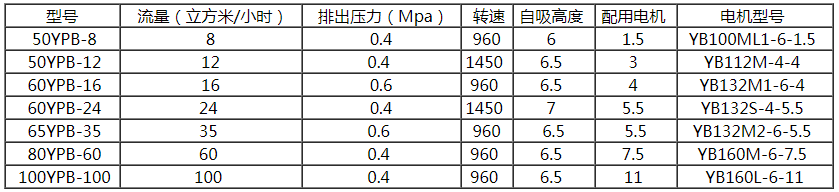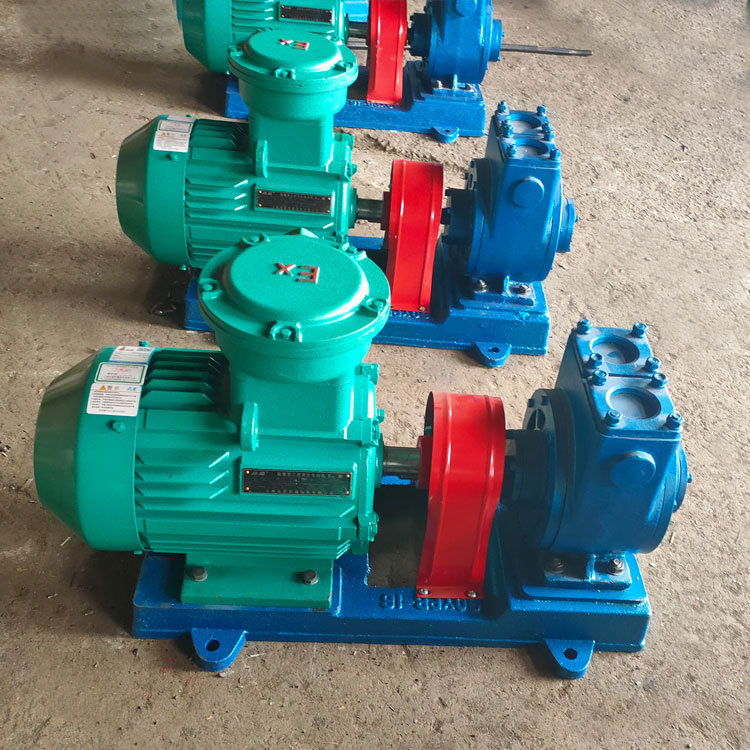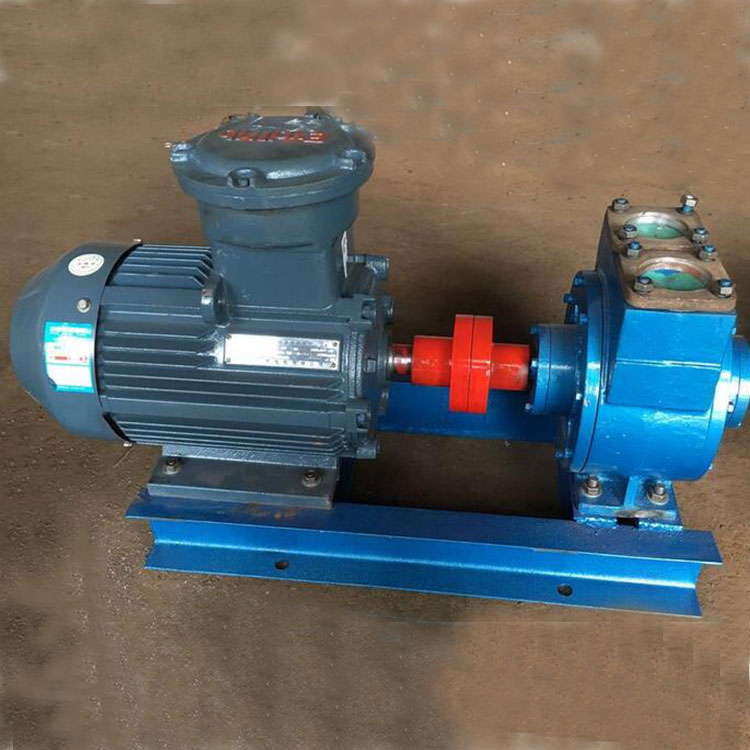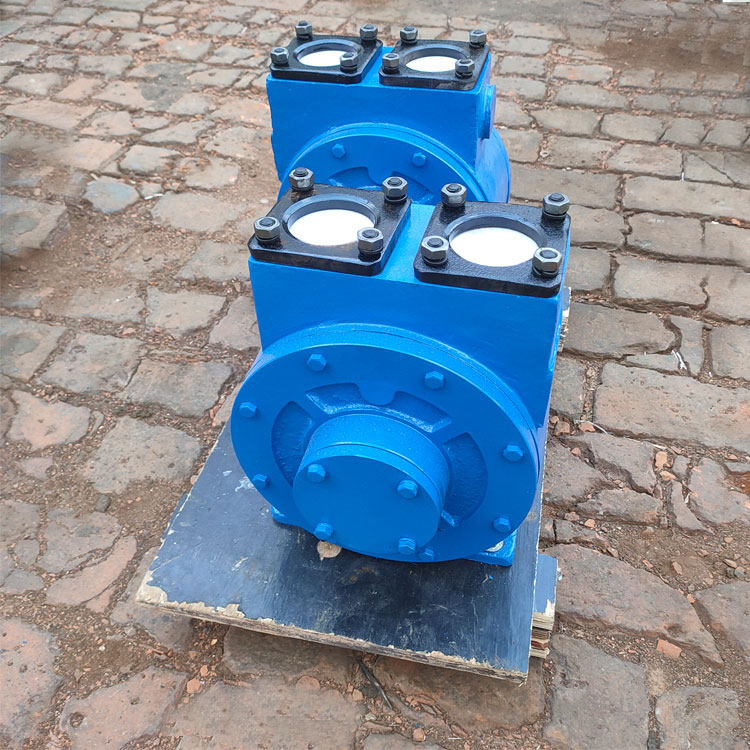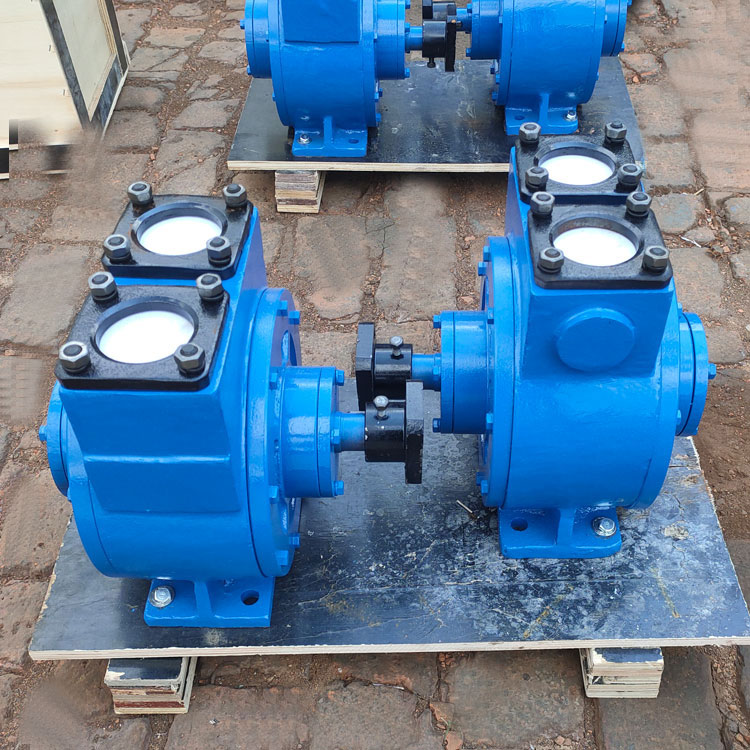
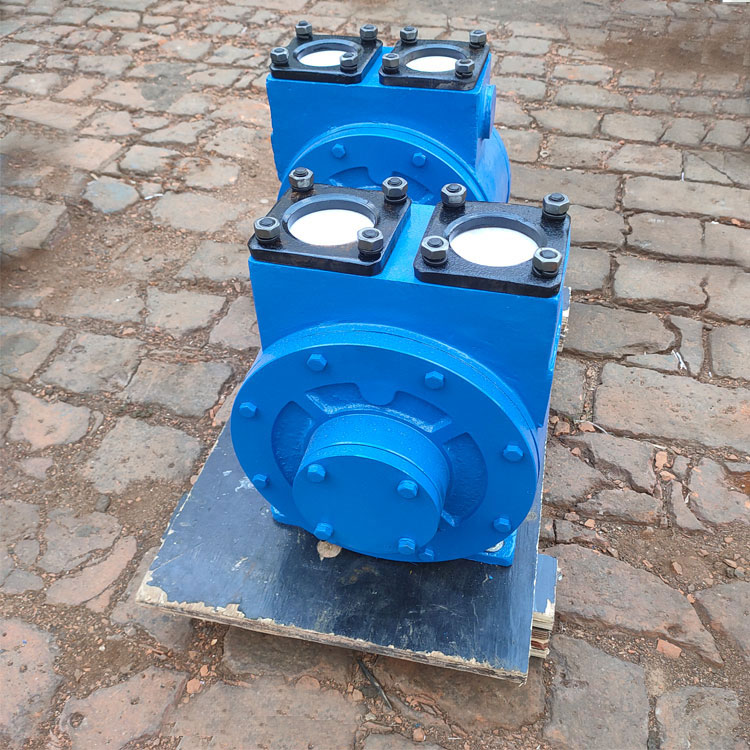


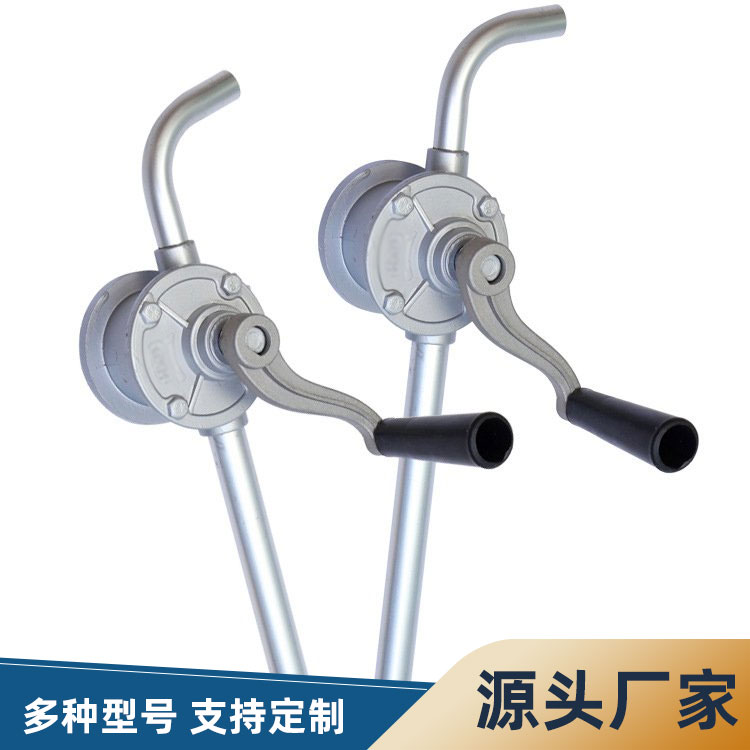
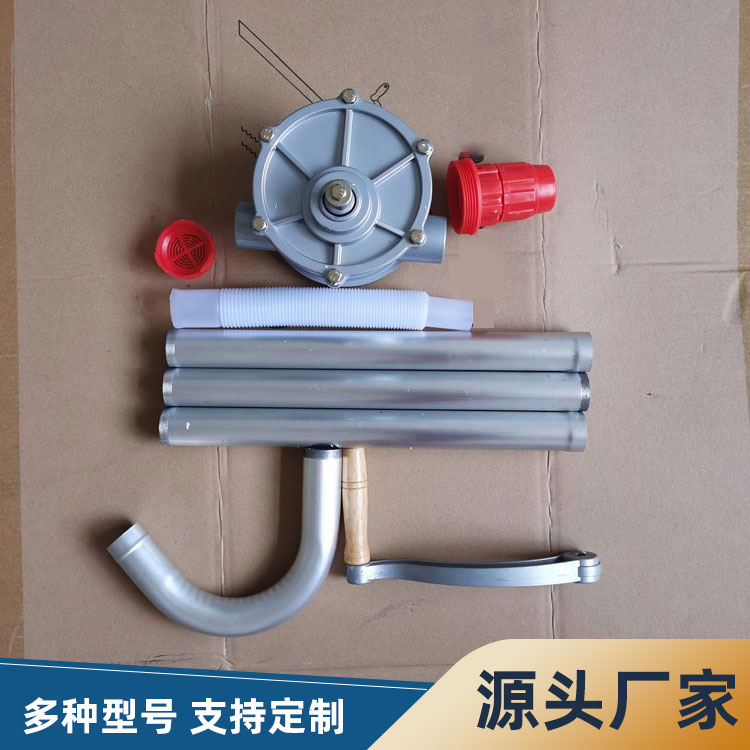






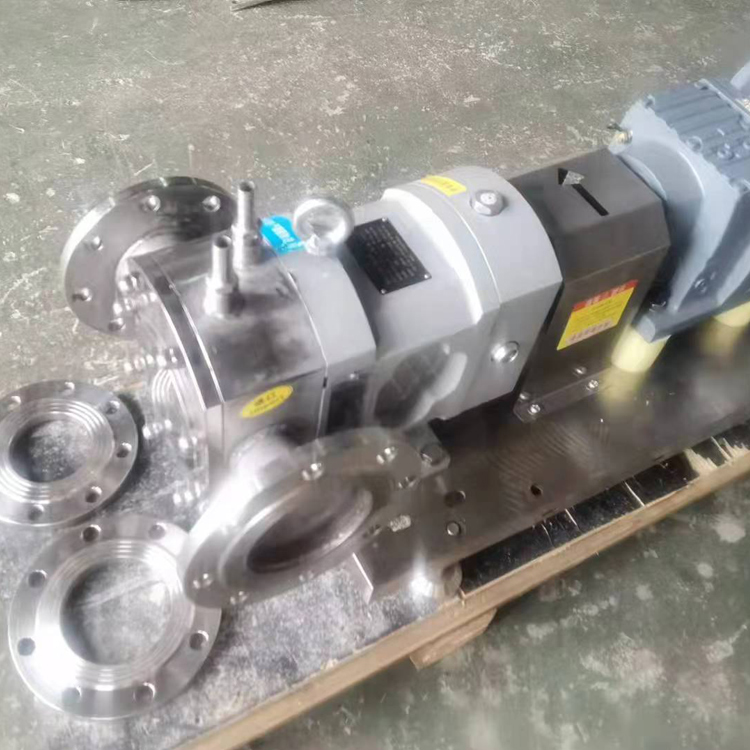
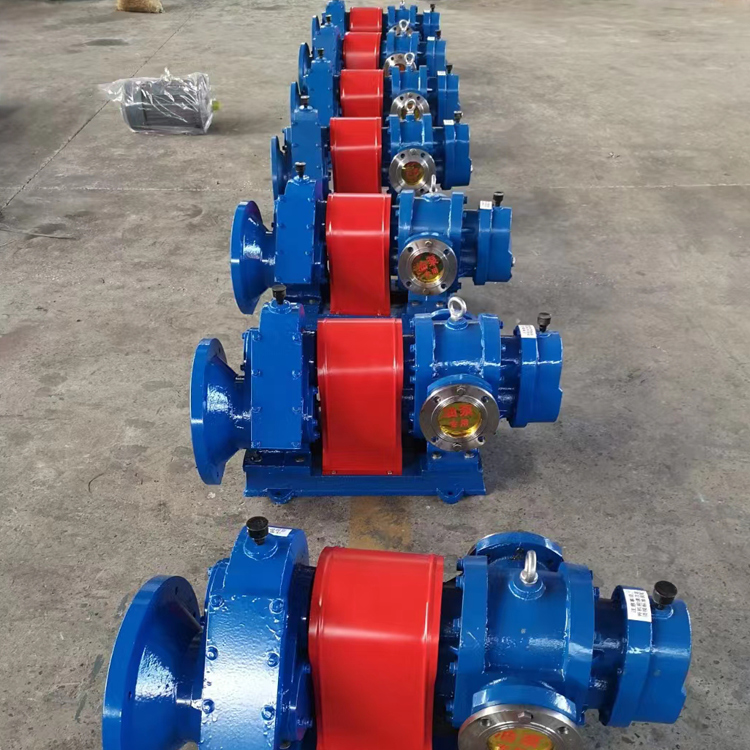
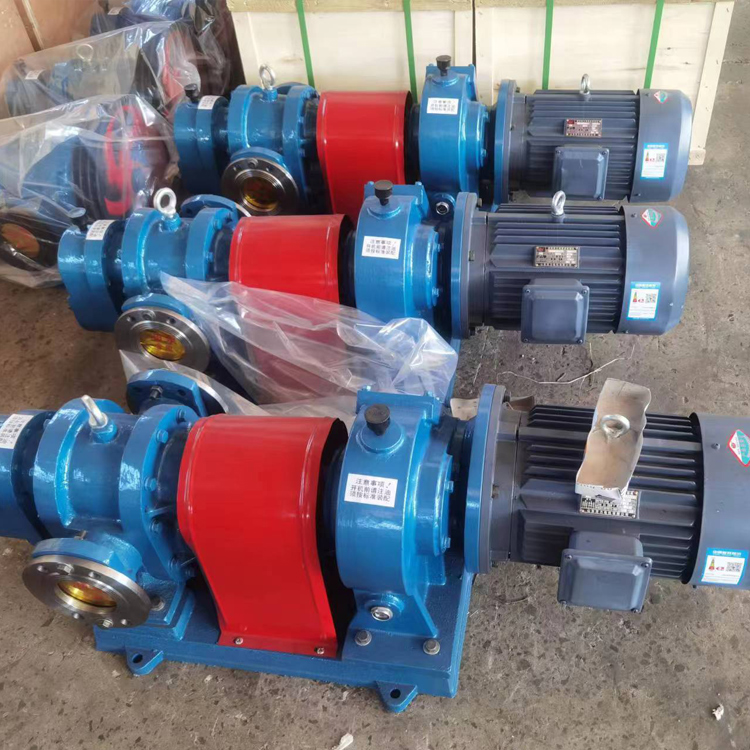
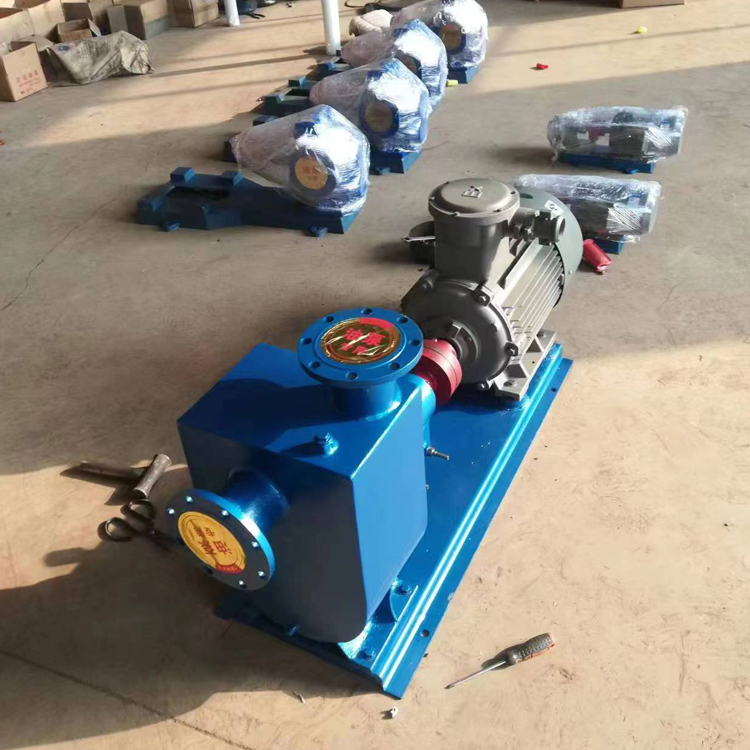

YPB Sliding Vane Pumps and Vane Pumps operate on the principle that vanes are mounted in slots on the eccentrically positioned rotor within the pump body. As the rotor rotates, the vanes slide out from the rotor and glide against the pump body surface. The chamber formed by the rotor, vanes, and pump body undergoes periodic changes in size as the rotor turns. When the chamber expands, it draws in the medium; when it contracts, it discharges the medium. This cycle repeats, completing the medium transportation process.
Product Performance Features:
(1) Strong self-priming capability; capable of lifting up to 4.5 meters when suctioning from underground tanks.
(2) The pump's sliding vanes are tightly adhered to the stator's inner curve due to the combined effects of centrifugal force, mechanical thrust, and hydraulic pressure, thereby giving the pump its unique flow characteristics.
(3) Self-adjusting slider maintaining performance; the slider slides out of the rotor slot, continuously compensating for wear without diminishing the pump's performance. This differs fundamentally from gear pumps.
(4) Ability to Transport Shear-Sensitive Liquids: The design of the hydraulic vane ensures that the pump reduces the shear and agitation on the fluid during operation, thereby avoiding any changes in the fluid properties caused by this.
(5) Reliable Sealing: For sticky and high-temperature media, a special mechanical seal structure is adopted, featuring safety, durability, and reliability.
(6) Simple and convenient maintenance: Just open the pump cover, remove the old slider, and insert the new one. In just a few minutes, your pump is back up and running. Routine inspections are equally easy.
(7) Safety-sensitive pressure assurance: The pump is equipped with a safety overflow valve, ensuring that the pressure rise at the outlet does not exceed 0.15 Mpa when the outlet system is suddenly closed. This not only guarantees the safety of the pump and system but also prevents the motor from being overloaded.
2. Overview:
YPB series plunger pumps, vane pumps, and gear pumps are volumetric pumps.
(2) The YPB series sliding vane pumps are mainly used for conveying lubricating oils with a medium viscosity of 10-200 mm²/s and are also suitable for transporting various similar chemical products. The temperature range for the medium conveyed is 0°C to 120°C, and these pumps have self-priming capabilities.
(3) Lubes for conveying media with viscosities of 10 to 20,000 mm²/s, crude oil, chemical, and food slurries, also suitable for transporting various similar media. The temperature range of the conveyed media is 0℃ to 200℃, and this series of pumps has self-priming capability.
3. Advantages: The YPB series self-priming rotary vane pumps are equipped with an internal relief valve and driven by a rotor with vanes to move liquids. They are made of spheroidal cast iron combined with self-lubricating vanes. Due to their superior performance, they can transfer viscous and volatile liquids with lower power consumption compared to similar pumps. They excel in low-speed, high-flow transmission. They offer rapid, low-noise long-term use; the vane structure ensures stable performance and trouble-free operation.
The YPB sliding vane pump boasts the aforementioned advantages, with strong self-priming capability, long service life, compact size, and high efficiency. It offers significant advantages in transferring gasoline, diesel, or similar media, serving as a substitute for self-priming centrifugal oil pumps and copper wheel gear pumps.
4. Application Range: Tank trucks, ship fueling, lubricants, aviation fuel, petroleum, chemicals, gasoline, diesel, biofuel, solvents, etc. transportation
5. Installation and Use: This pump is widely used in both mobile and fixed installations. When paired with a universal joint or hydraulic motor, it can be mounted on any oil tanker and connected to an electric motor or diesel engine. It is suitable for use on metal floors and can replace copper-rotor gear pumps, making it ideal for any high-flow refueling station or mobile refueling equipment.