

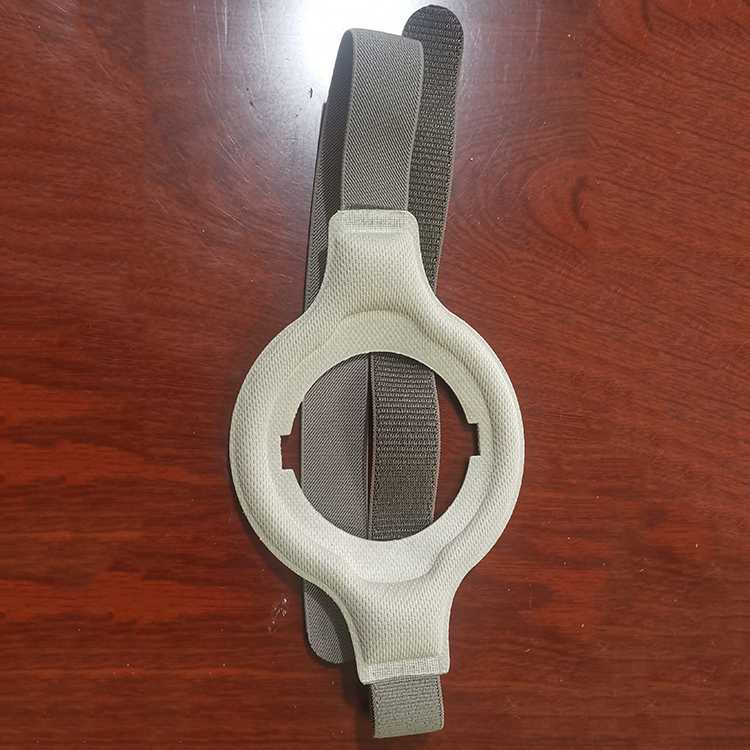
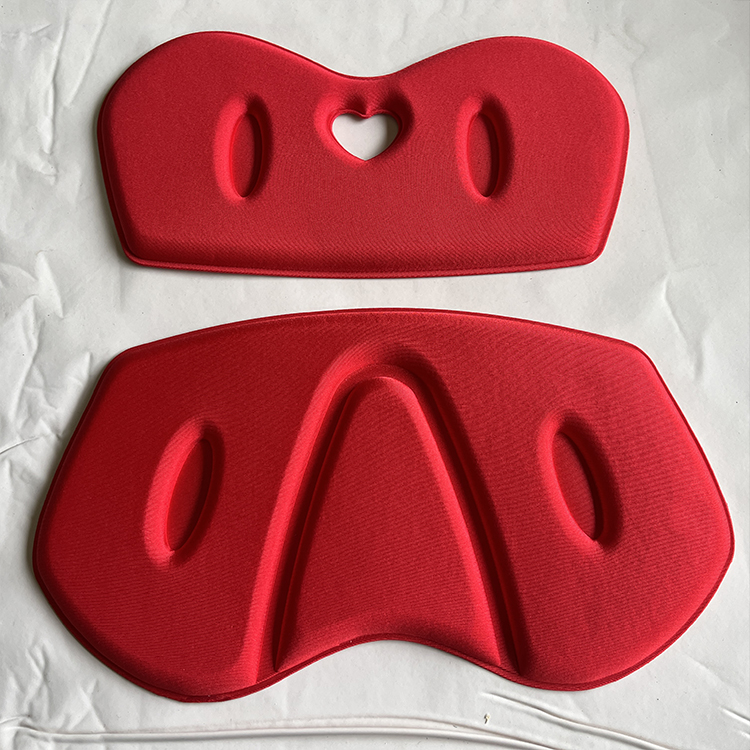
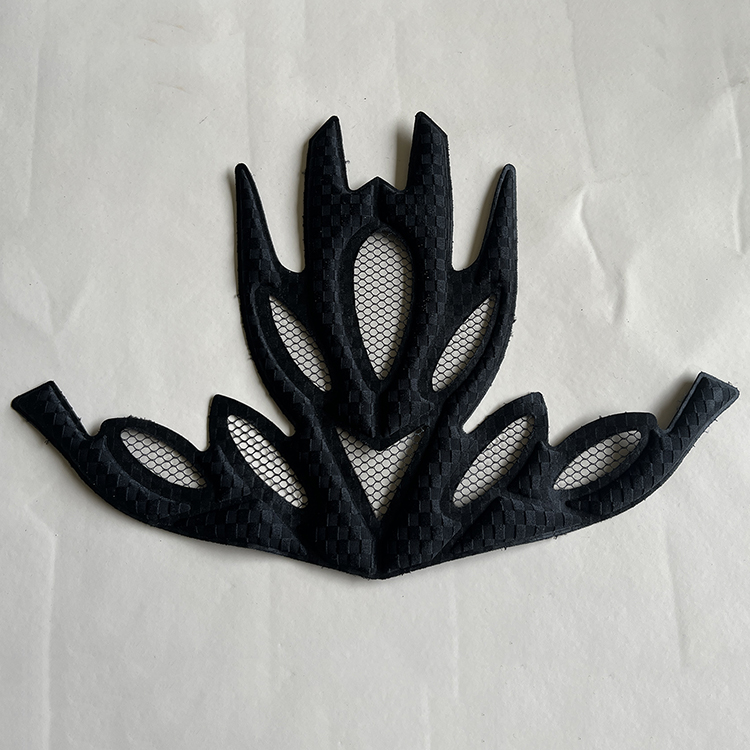












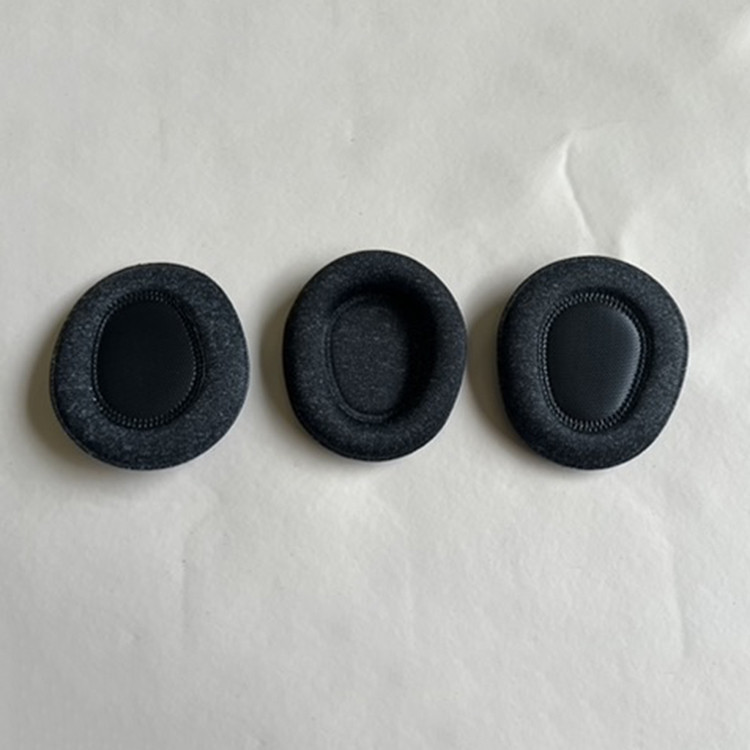
I. Basic Principles
Cold forming and hot forming are two common molding methods, with different basic principles. Cold forming involves applying pressure at room temperature to shape the raw material into the desired form. Hot forming, on the other hand, requires heating the raw material to a specific temperature before applying pressure to create the finished product.
Section II: Applicability Range
Cold forming is suitable for producing various simple-structured components, such as electronic parts, connectors, thin films, etc. It requires less equipment and costs, but has lower forming efficiency and a longer production cycle. Hot forming, on the other hand, is ideal for making more complex components, ensuring high precision and quality production. However, it comes with higher equipment costs and is more challenging to scale up.
Section 3: Molding Efficiency
Due to the requirement of heating the raw materials, the molding efficiency of hot pressing is generally higher than that of cold pressing. This is because heating can reduce the volume of the raw materials, making them easier to mold, and it can also quickly lower the viscosity of the raw materials, increasing the molding speed. Cold pressing, on the other hand, does not require heating and thus has a lower molding efficiency; the raw materials need to be pressed for a long time to achieve the desired shape.
Section 4: Product Quality
In terms of finished product quality, hot pressing typically ensures higher precision and superior surface quality. Due to the ease of material flow during the hot pressing process, it can fill the cavities in the mold, resulting in a good surface finish. On the other hand, ensuring the quality of cold pressing finished products is more challenging, as the material's粘性is greater, making it difficult to fully fill the mold, leading to issues like uneven surfaces or air bubbles.
In summary, cold pressing and hot pressing each have their own advantages and disadvantages. Selection should be based on your specific needs and actual production conditions.