









Paper cards are a newly emerging, environmentally friendly paper product that is gradually replacing PVC cards. They are widely used in the fast-moving consumer goods and cultural entertainment industries, such as gaming and audio-visual products. Their low cost and ease of production have been widely accepted by society. Paper cards can be made from imported coated paper, available in various thicknesses including 250g, 300g, 350g, 400g, and 450g. They feature low cost, strong confidentiality, and environmental energy-saving properties. Paper cards are printed on both sides with a glossy finish up to 95%, and the front and back of the card are protected with varnish or lamination to preserve the printed images.
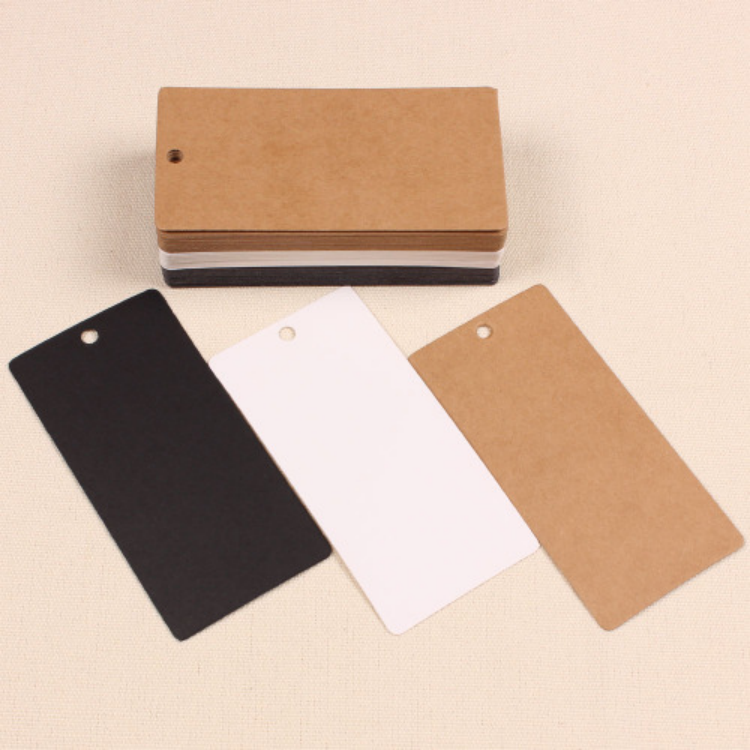
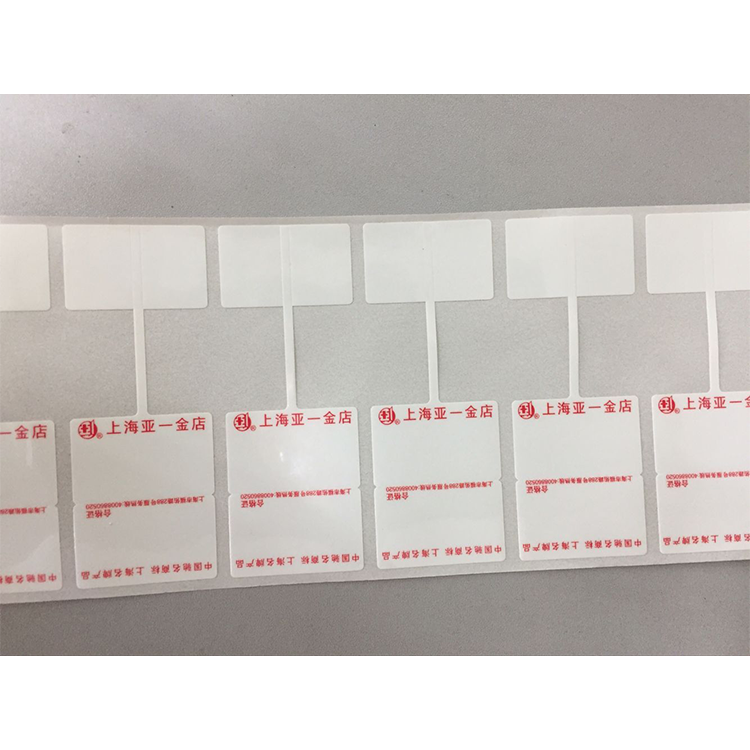
Hanging tags for apparel, which are tags hung on various products, include information such as product materials and washing instructions. In terms of material, the majority of hanging tags are made of paper, but there are also plastic and metal ones. Additionally, new types of hanging tags made from holographic anti-counterfeiting materials have emerged. In terms of design, they come in a wide variety: long strips, folded shapes, round, triangular, pocket-style, and other special shapes, truly colorful and diverse.
When it comes to clothing labels, we're not strangers to them. Made of materials ranging from paper to plastic and metal, these tags have evolved to include holographic anti-counterfeit materials in recent years. In terms of design, they come in a variety of shapes: strips, folded, round, triangular, pocket-style, and other unique forms, offering a colorful and diverse array.
Fashion labels may be small, but they are a vital link between fashion and consumers. They are an inevitable product of modern fashion culture and play a positive role in enhancing and protecting the reputation of clothing companies, as well as promoting their products. Therefore, likening the label to a fashion brand name is quite apt.