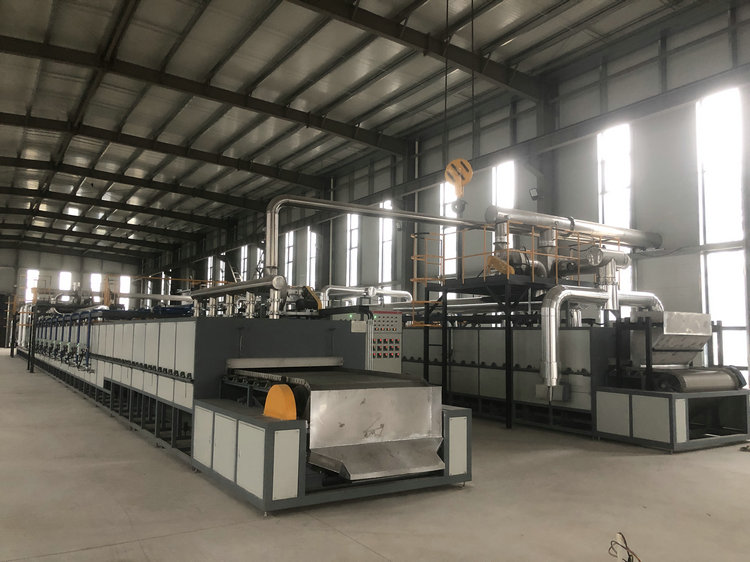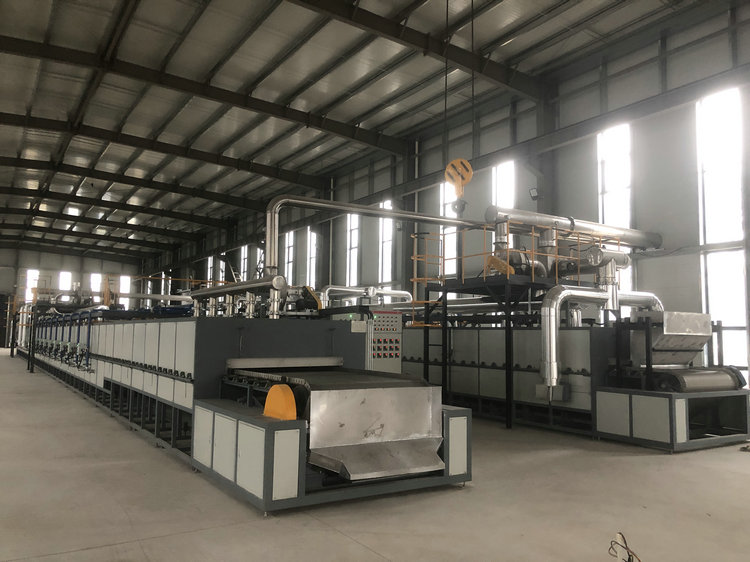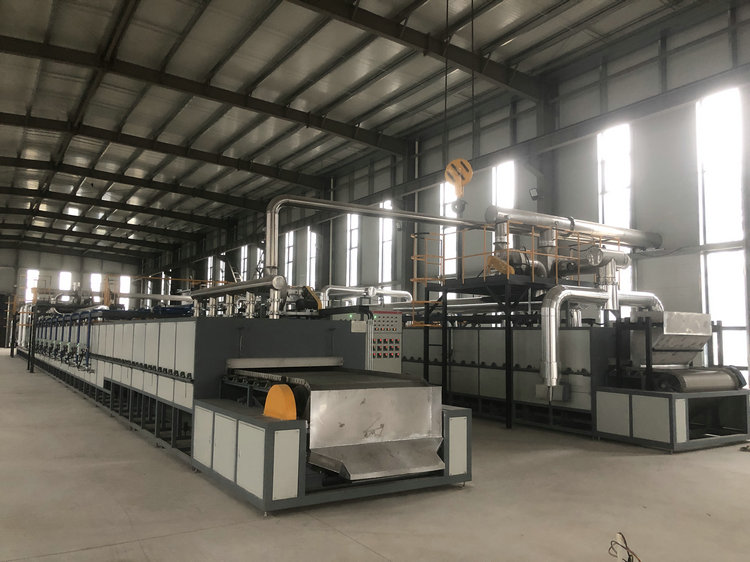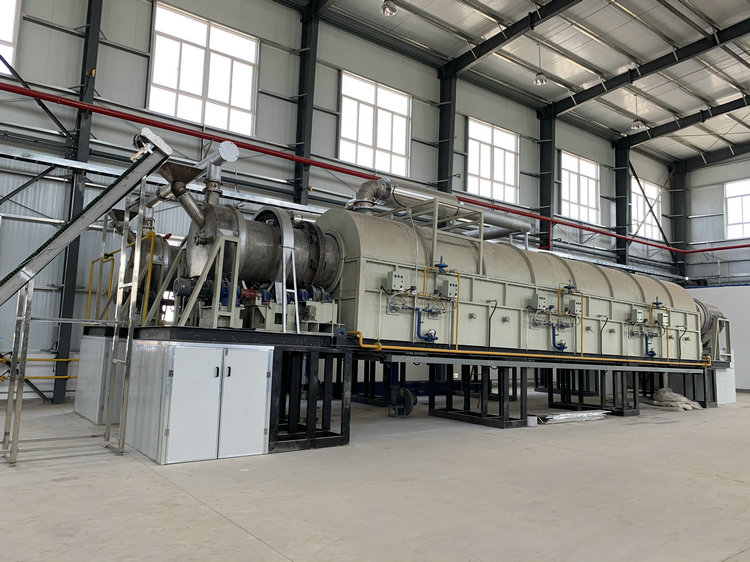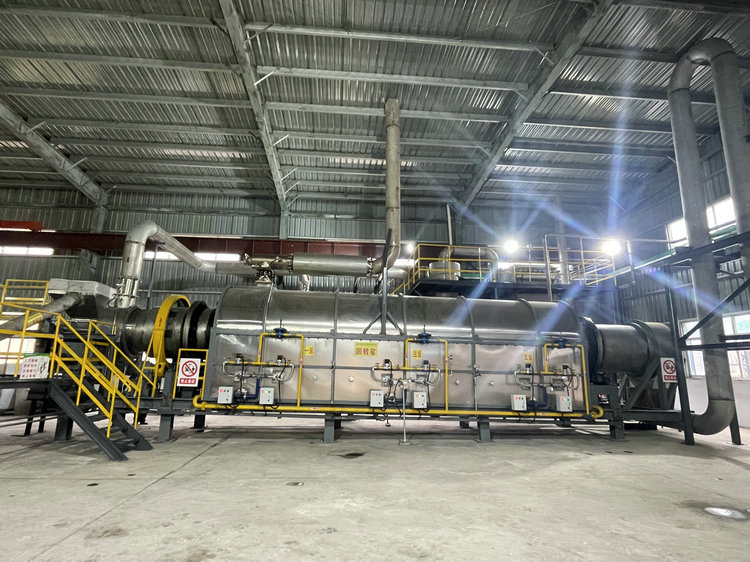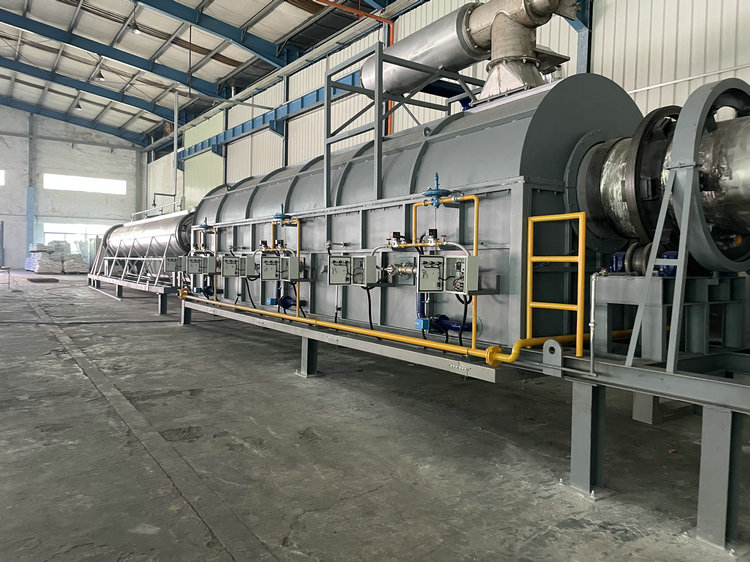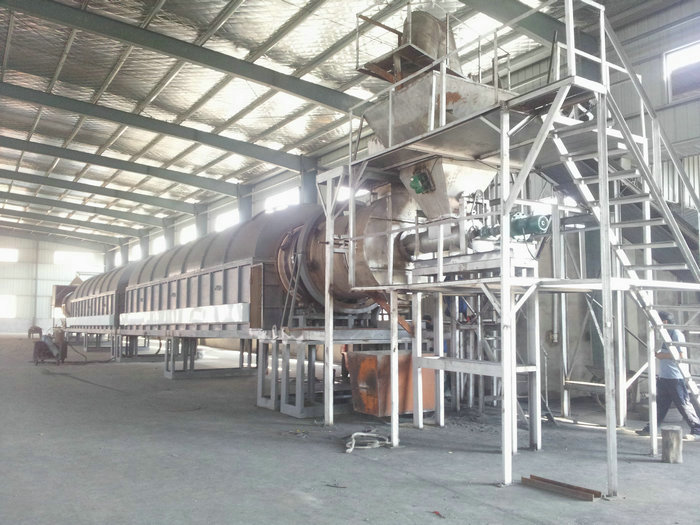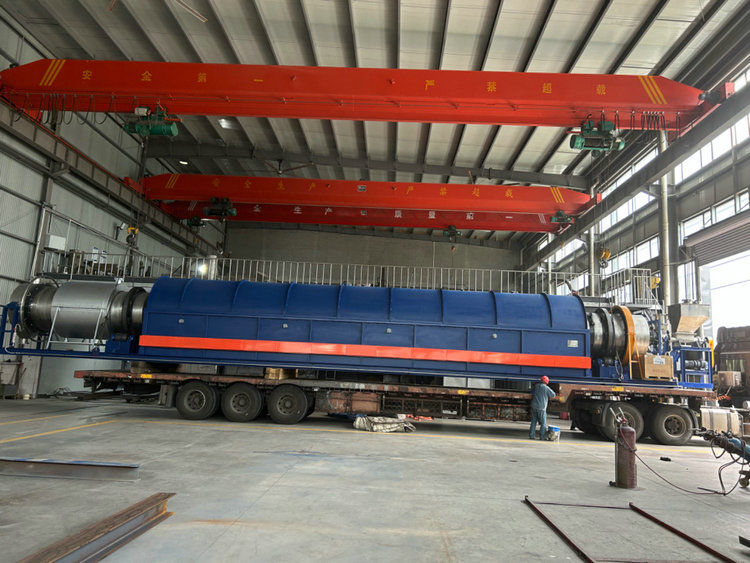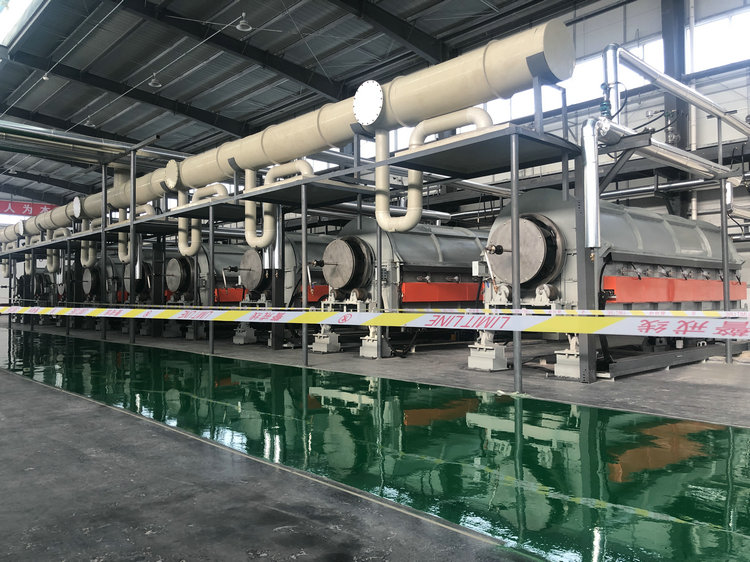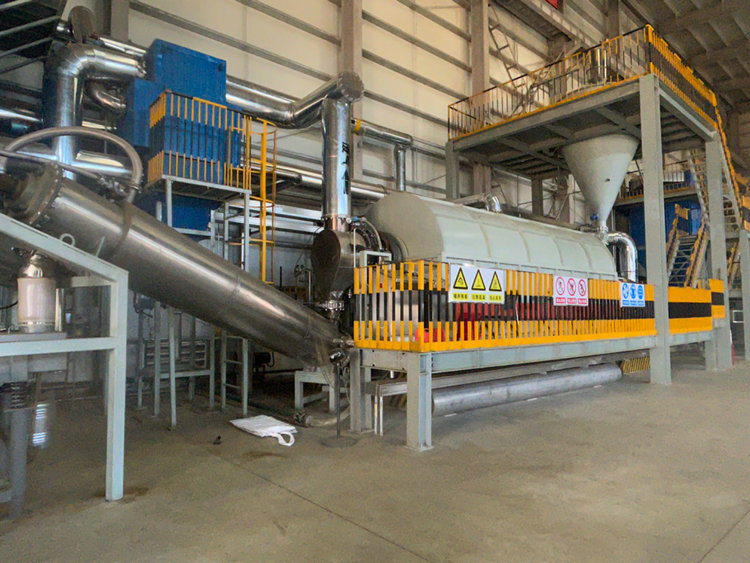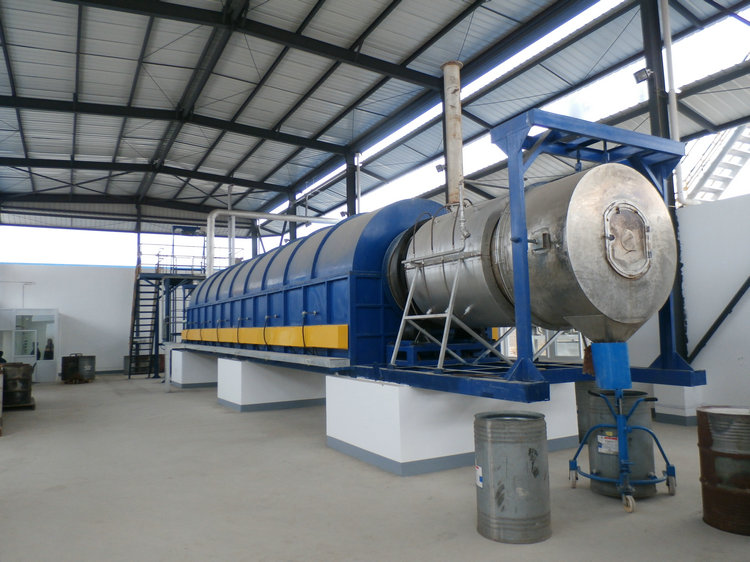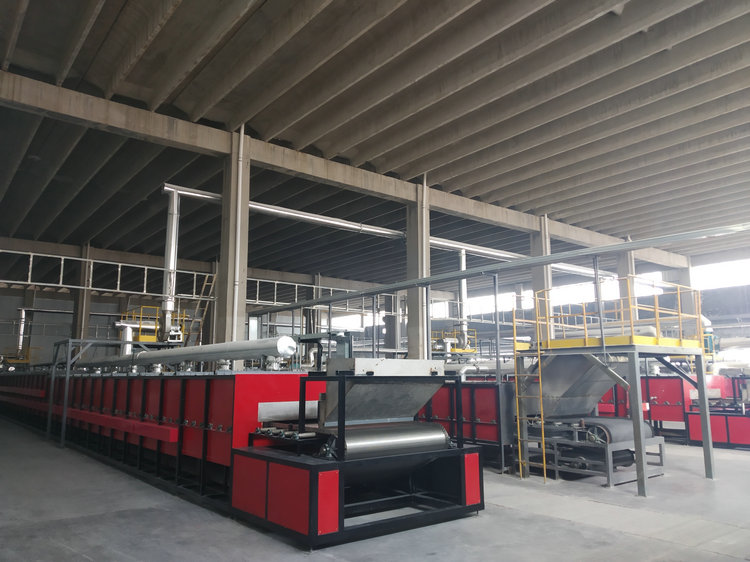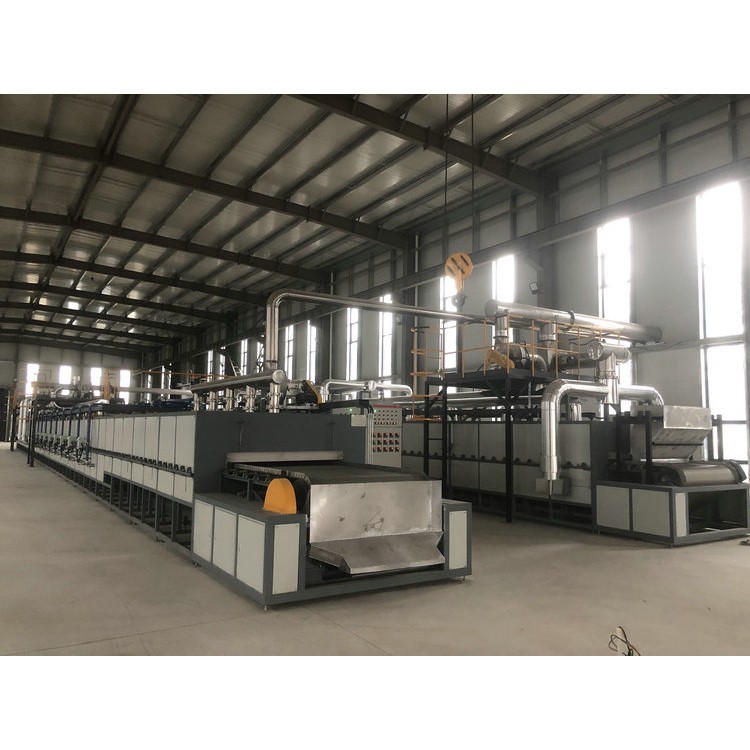

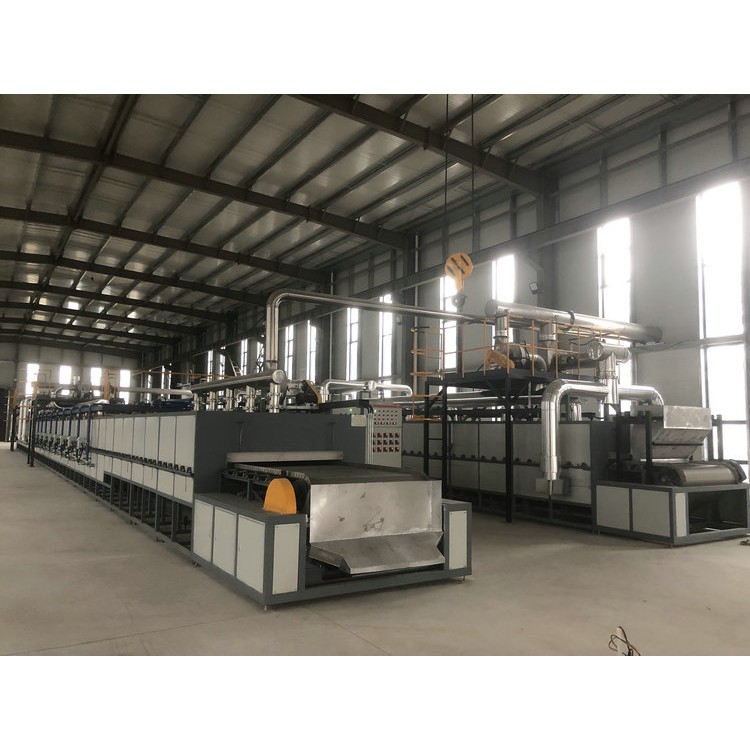
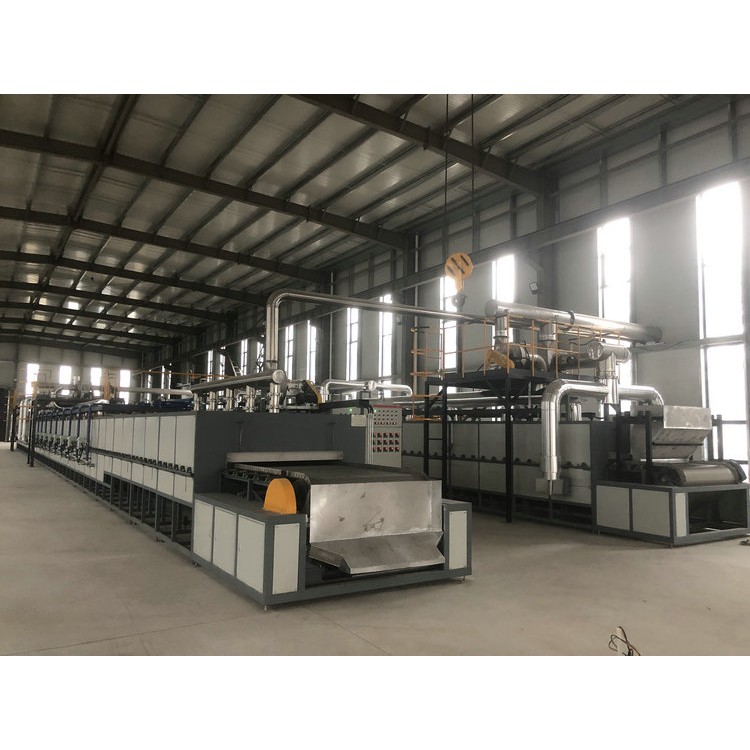
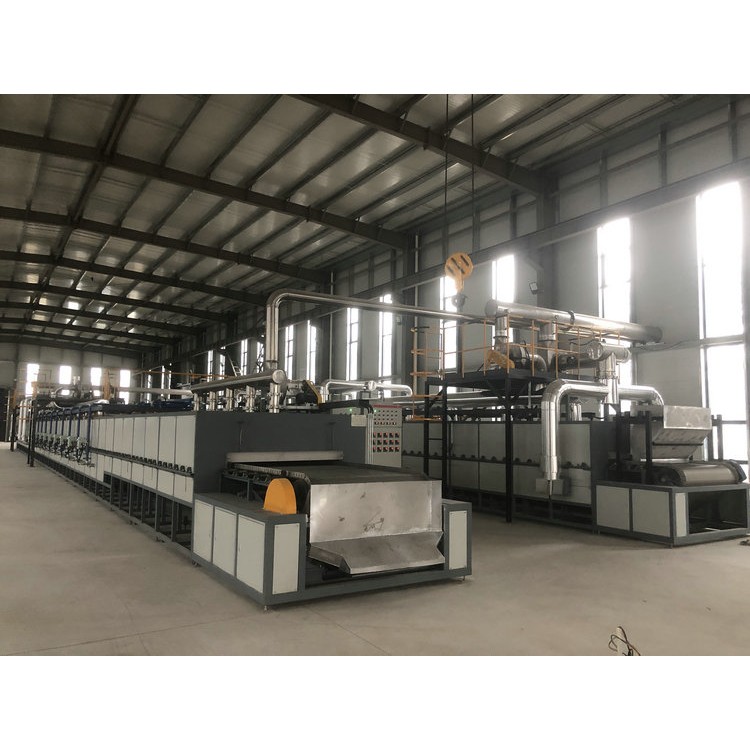


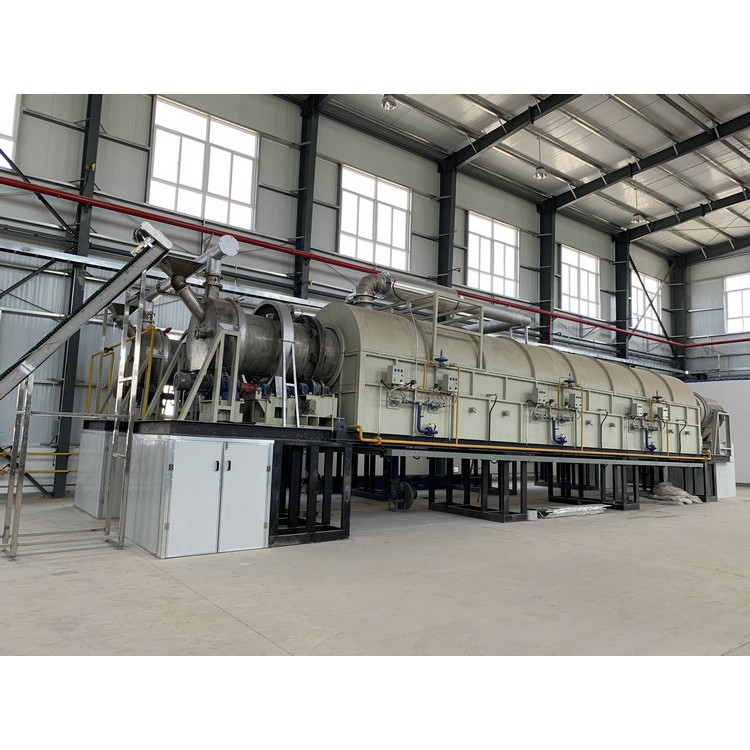
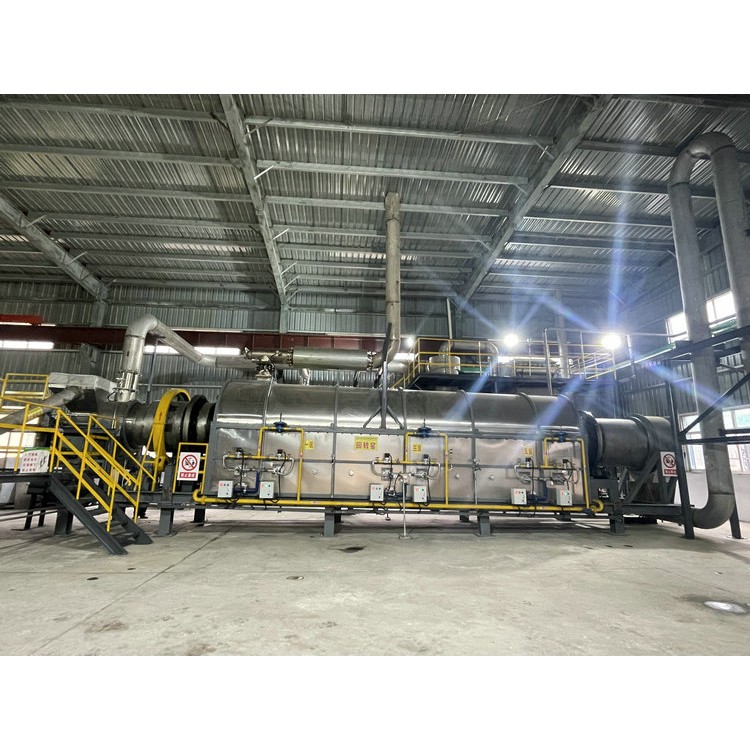
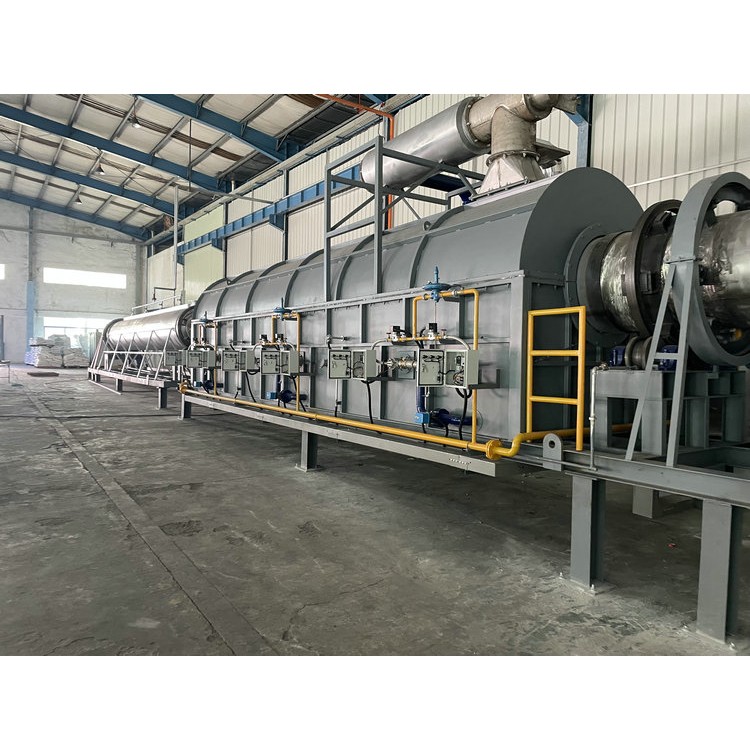
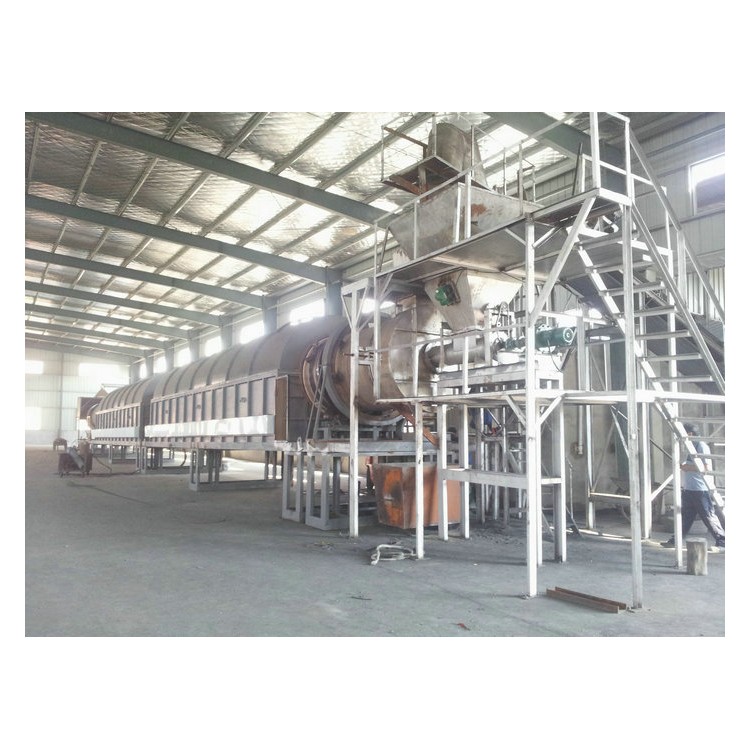





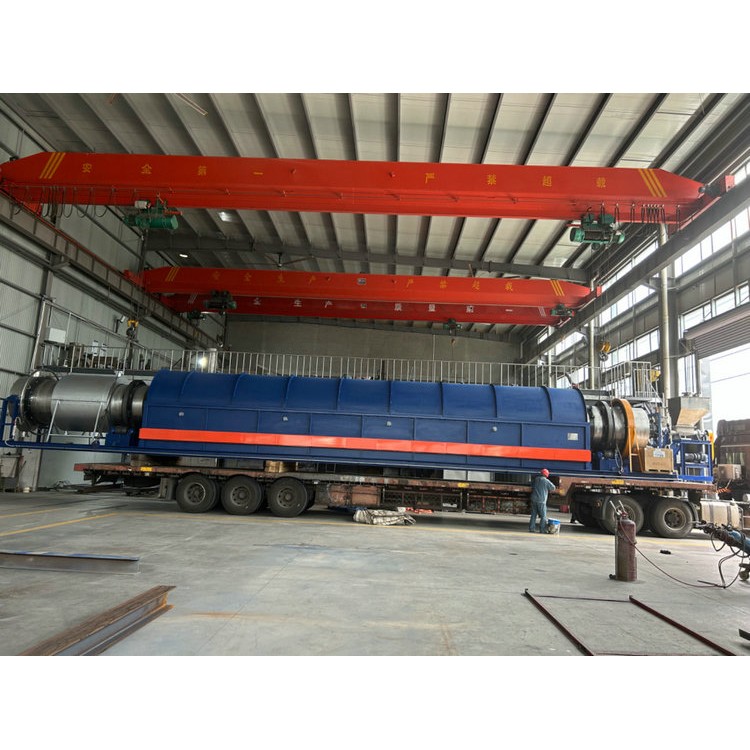
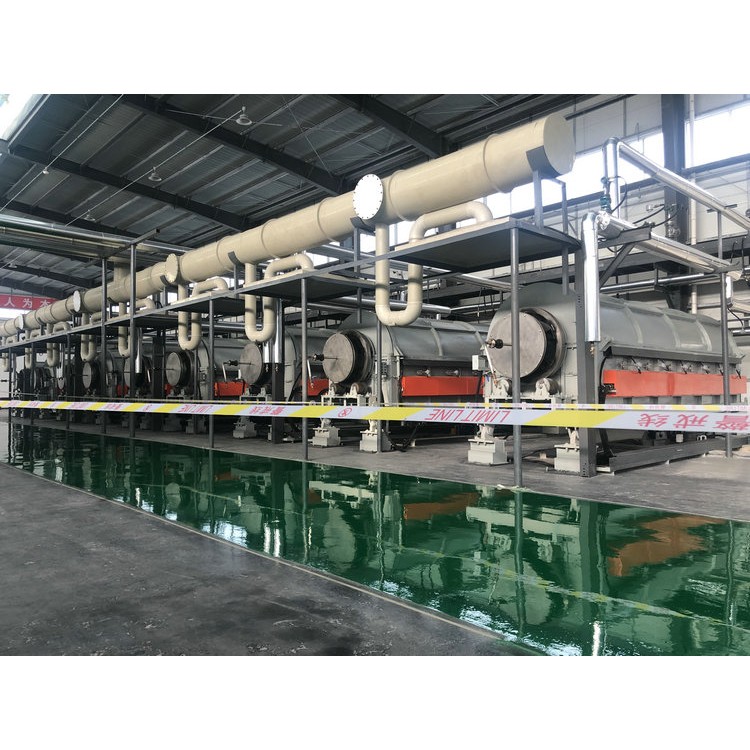
Belt furnaces are continuous furnaces, powered by metal belts. Depending on the temperature, metal belts can be made of different types of heat-resistant stainless steel. The belts are supported by upper and lower rollers, with bearings at both ends for rotation. They are mainly used for drying and calcining catalysts, molecular sieves, chemical powder materials, and shaped products.
Heating methods can be categorized into flame heating and electric heating. Flame heating further divides into open flame heating (where materials can come into contact with flue gas) and shielded flame heating (where materials cannot come into contact with flue gas). The heating energy sources include electricity, natural gas, blast furnace gas, coke oven gas, or diesel.
Due to the limitations of metal materials, the general mesh belt furnace operates at temperatures below 950°C. Atmosphere can be adjusted as required. The mesh belts come in two types: balanced crank type (large-eye mesh belt, powder materials need to be loaded into crucibles and placed on the mesh belt) and V-shaped tightly woven mesh belt (mesh size ≤1mm, granular materials larger than 1mm, strip materials, and finished products can be placed directly on the mesh belt).
The belt furnace typically ranges in length from 10-50 meters, with a belt width of 200-2000mm. Heating energy options include electricity and natural gas.ranGas, blast furnace gas, coke oven gas, or diesel.