







Furnace Control System
The company specializes in manufacturing control cabinets and computer distributed control systems for flame-heating and electric-heating kilns. In addition to supplying systems for our own kilns, we also undertake matching engineering projects for control systems externally. Field-tested, these systems offer high temperature control accuracy, ease of operation, and stable performance.
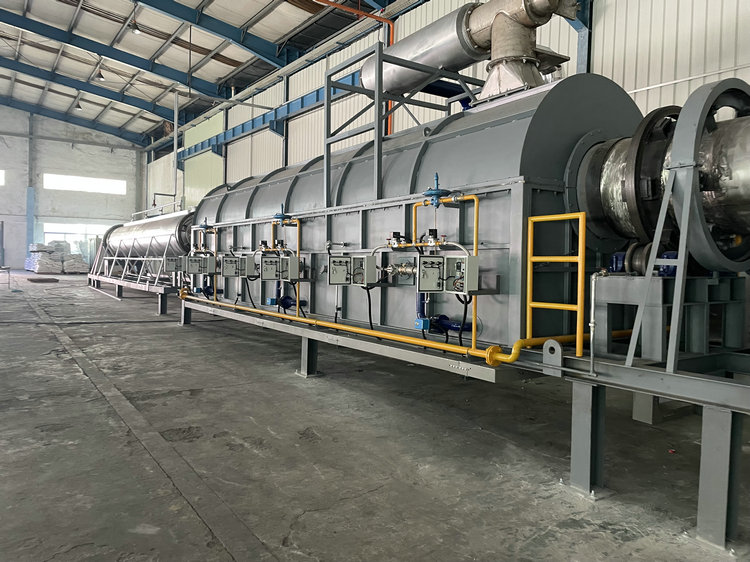
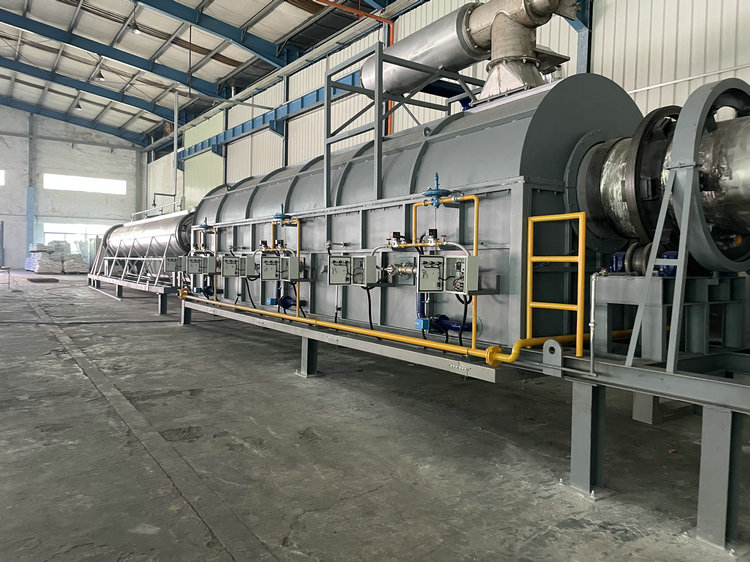
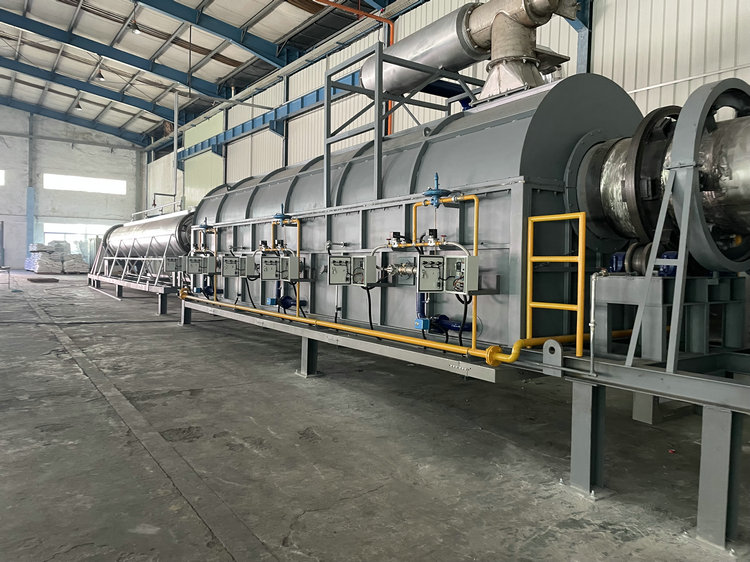
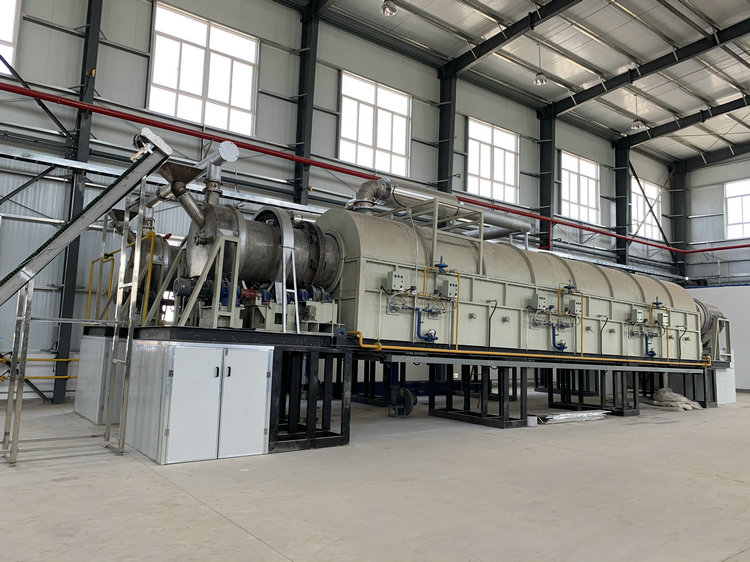
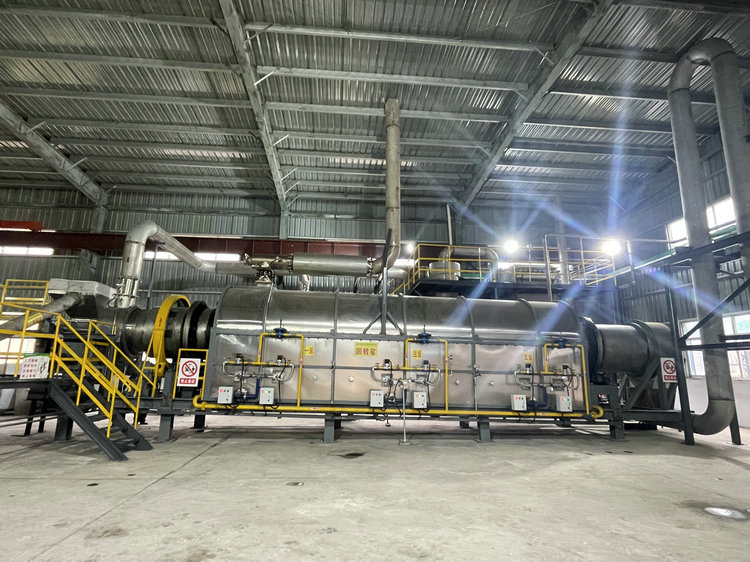
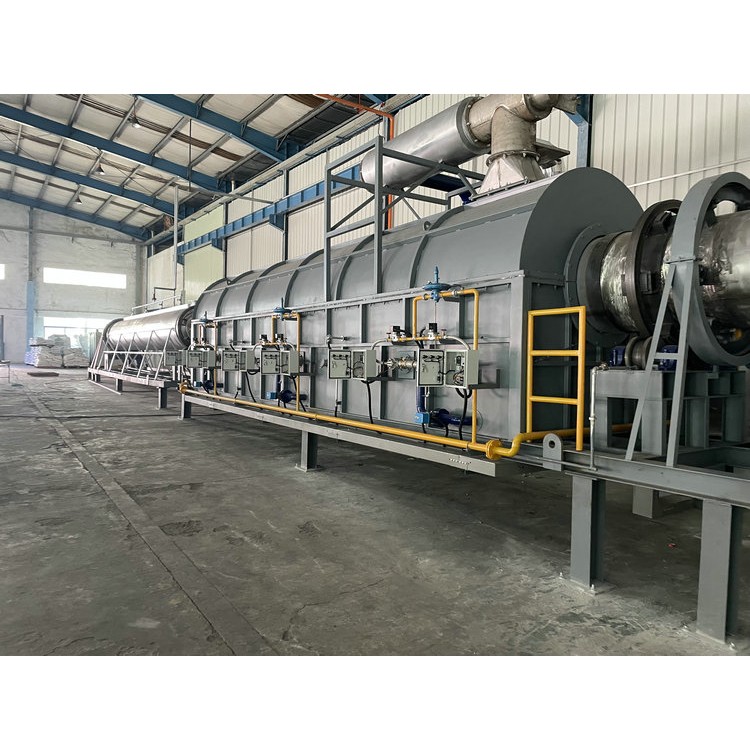
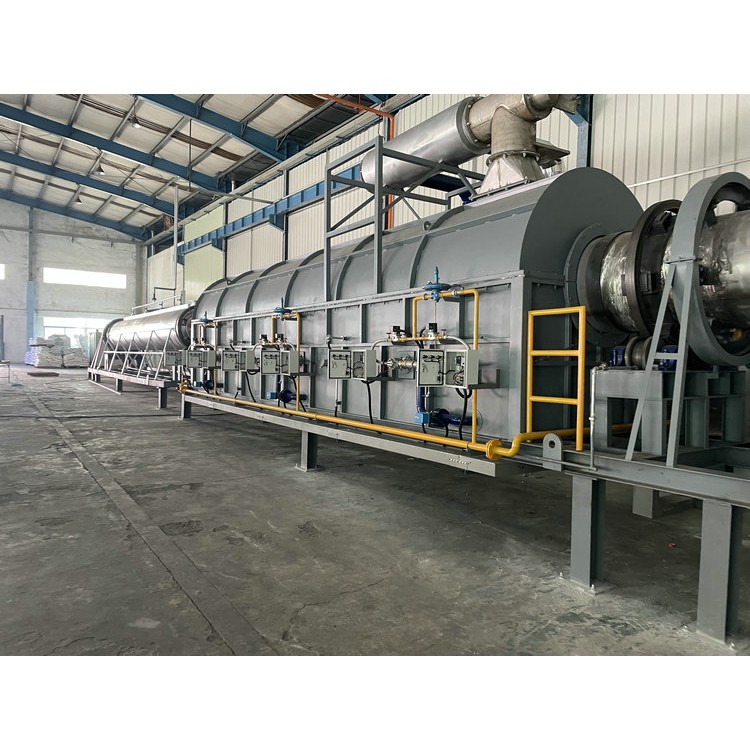
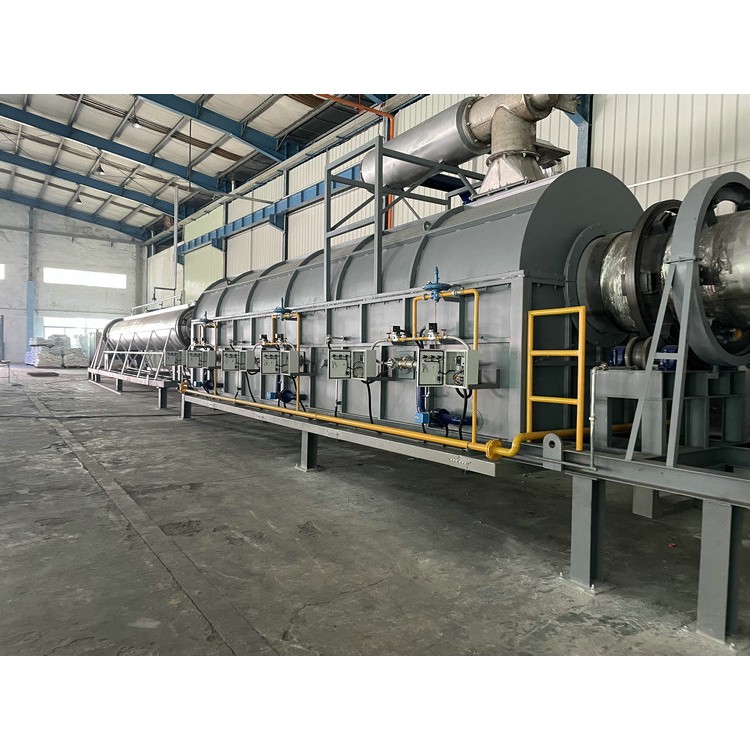
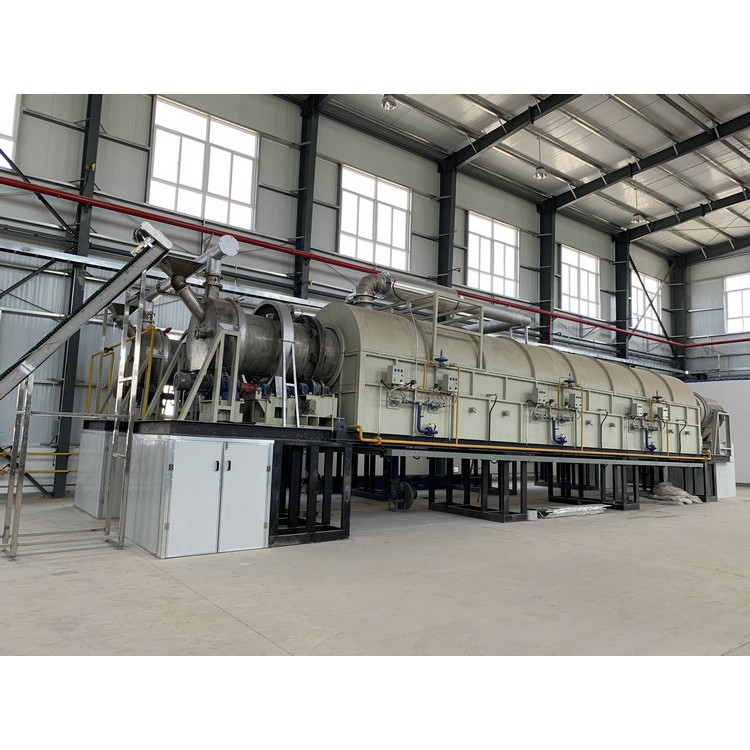
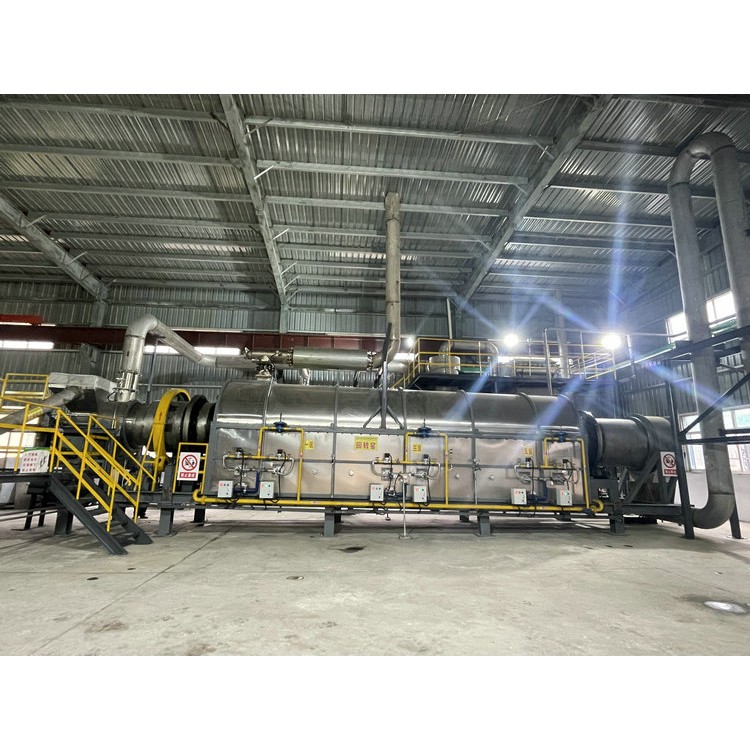
The control panel of the flame-heating furnace can automatically control the temperature in various control zones of the furnace (via intelligent instruments or PLC programming), furnace pressure, combustion air pressure, fuel pressure, furnace atmosphere, and the frequency of mechanical and electrical equipment. The temperature control of the flame-heating furnace primarily uses intelligent instruments, air-fuel ratio valves, and electric actuators for valve elements. The system can be programmed using a PLC programmable controller to complete the sequential start-up of various mechanical and electrical equipment.
The electric heating furnace control cabinet can automatically control the temperature in each control zone of the furnace (via intelligent instruments or PLC programming for temperature control), the internal pressure of the furnace, and the frequency of mechanical and electrical equipment. The temperature control of the electric heating furnace primarily utilizes the principle of automatic temperature control with silicon-controlled rectifier power modules. The system can be programmed using a PLC programmable controller to complete the sequential start-up of various mechanical and electrical equipment.
The management of control data can be conducted through either a human-machine interface touch screen or a computer-based distributed control system. The system can connect with on-site control components through software programming to collect, record, display, store, and print data from kiln sites. It can also set, modify, download, and print firing process curves. The computer system can also monitor on-site actuators in real-time, providing operators with an intuitive human-machine interface for convenient operation, reducing the impact of human factors on product quality. In the event of a computer failure, controllers at each control station can脱离 the computer to independently implement control functions, making the configuration of this control system convenient and reliable.