








Classroom Light & Blackboard Light Blue Light Hazard Test Report Processing
If your classroom lighting and blackboard lighting products require blue light hazard testing, RG0 testing, photobiological safety testing, and preparation of the GB20145 test report, as well as the EN/IEC 62471 report, please contact Engineer Li on the right for a phone number or scan the WeChat QR code to reach Mr. Li at Kuiyi Tong Testing for a quote and other information.
Classroom Lighting and Blackboard Lighting Blue Light Hazard Test Report Processing
I. Background Introduction
As the information age progresses, the application of electronic devices in the educational field has become increasingly widespread. Common electronic devices in classrooms, such as classroom lights and blackboard lights, use blue LED as a light source to enhance visibility and brightness. However, with the advancement of numerous studies, people are gradually realizing that blue light may pose certain hazards to our visual health. Therefore, it is imperative to test the blue light hazards of classroom lights and blackboard lights and establish relevant management measures. This report will elaborate on the handling of the blue light hazard testing report for classroom and blackboard lights from four aspects.
II. Testing Methods and Results
1. Test Method
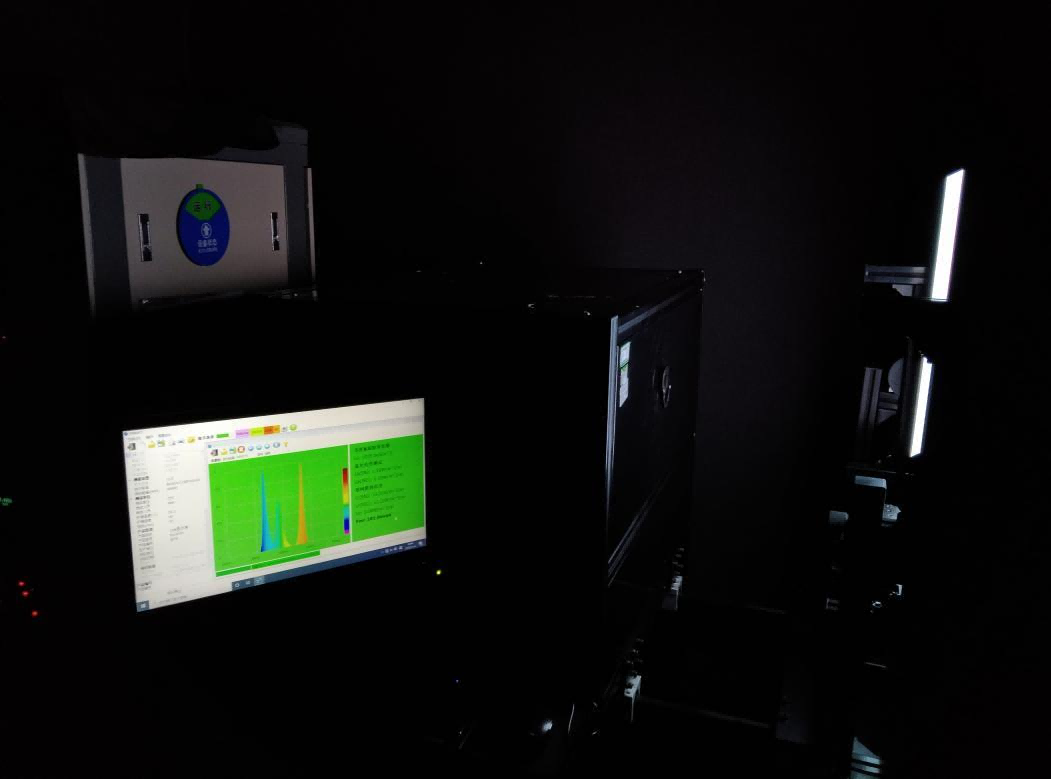
To accurately assess the blue light radiation of classroom lights and blackboard lights, we have utilized our testing equipment and instruments, referencing national standards and relevant research findings. The tests include blue light spectrum analysis, illuminance measurement, and color temperature measurement.
2. Test Results
After testing, we found that the classroom lighting and blackboard lighting emit a relatively high amount of blue light radiation, exceeding the safe range specified by national standards. Moreover, long-term exposure to this intense blue light in the classroom environment may lead to student eye fatigue, dryness, and a decline in vision.
III. Blue Light Hazard Management Measures
1. Replace LED light source
We recommend replacing the blue light LED sources in the classroom with low blue light LEDs, rate fluorescent lights, or warm yellow light sources. This will effectively reduce blue light radiation and minimize harm to the students' eyes.
2. Hazards of using blue light filters.
Adding a blue light filter to the blackboard lamp can filter out most blue light radiation, reducing the strain on the eyes.
3. Timer-controlled dimming system
Enhance the classroom lighting control system with a timed dimming feature, which adjusts the brightness and color temperature of the lights according to different time periods, reducing the stimulation of blue light on students' eyes.
4. Offers excellent natural lighting
The classroom design should fully consider the utilization of natural light, increasing the number and size of windows to ensure sufficient natural light in the classroom, and minimize the adverse effects on the eyes.
Section 4: Educational Promotion
Provide blue light hazard knowledge training
Schools should regularly conduct training on the hazards of blue light, educating teachers and students about the dangers and protective measures, to enhance their understanding and awareness of the risks associated with blue light exposure.
Encourage
Schools can organize activities to help students alleviate eye strain and protect their vision.
3. Increase outdoor activity time
Schools should encourage students to increase their outdoor activity time, allowing their eyes to receive effective rest and relaxation.
In summary, the processing of the blue light hazard test report for classroom and blackboard lights should include the organization of testing methods and results, and propose corresponding management measures based on the test outcomes. By replacing light sources, using light filters, controlling systems, and providing natural light, we can reduce blue light exposure to students' eyes. Additionally, through educational campaigns, we can enhance students' awareness and protection against blue light hazards. Only by advancing both management measures and educational campaigns can we better safeguard students' visual health.