







LED Lighting Blue Light Hazard Testing Application
If your lighting products or LED display screens, LCD products require blue light hazard testing, RG0 testing, photobiological safety testing, and GB20145 test reports, EN/IEC 62471 reports, please contact Engineer Li on the right for a phone number or scan the WeChat QR code to reach QuickPass Testing Engineer Li for quotes and other information.
LED Lighting Blue Light Hazard Testing Application
In recent years, with the widespread use and application of LED lighting, there has been an increasing concern about the potential harm of blue light emitted by these lamps. Studies have shown that prolonged exposure to the blue light from LED lighting may pose potential risks to vision. Therefore, the testing procedures for the blue light hazard of LED lighting are particularly important. This article will discuss the specific content of the blue light hazard testing of LED lighting from four aspects.

Establishment of Test Standards
To conduct blue light hazard testing for LED lighting, it is first necessary to establish corresponding testing standards. Currently, there is no unified standard for blue light hazard testing of LED lighting both domestically and internationally. Therefore, formulating a standard for the blue light hazard testing of LED lighting is an urgent task at hand. This standard should cover parameters such as how to measure the wavelength, luminance, and blue light radiation intensity of the light, as well as the evaluation of blue light hazards. Only by establishing a comprehensive testing standard can the blue light hazard level of LED lighting be assessed more accurately.
Selection of Test Methods
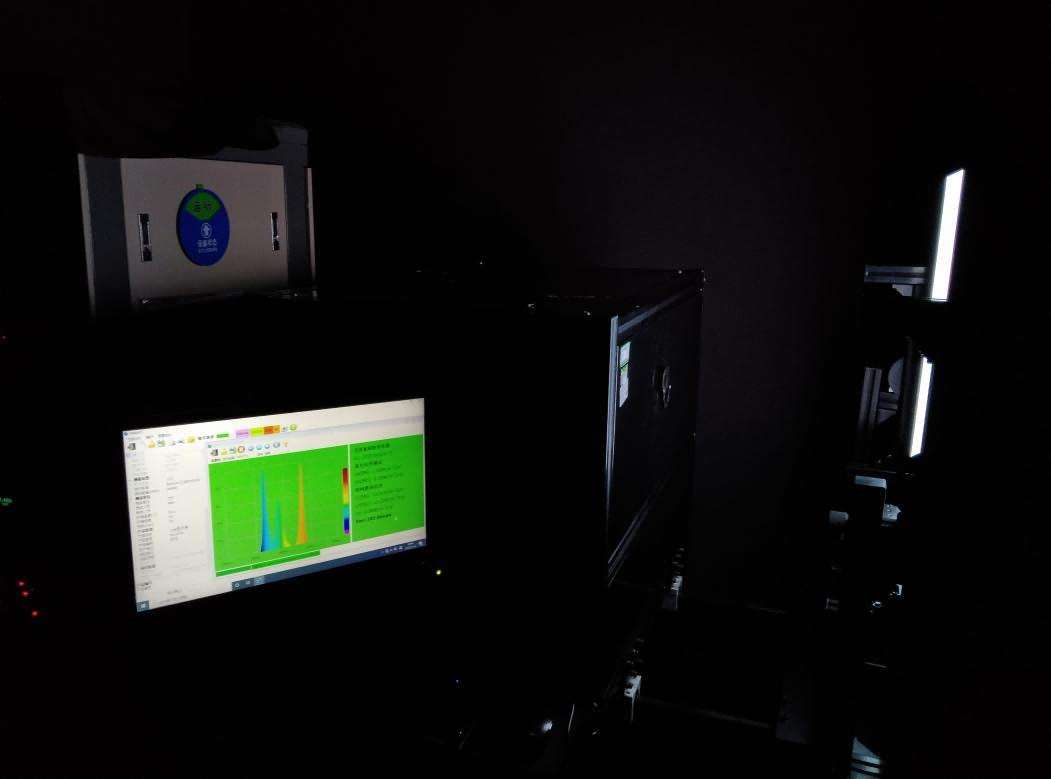
After establishing the testing standards, the next step is to select an appropriate testing method for implementation. The two most commonly used testing methods currently are laboratory testing and clinical testing. Laboratory testing measures the blue light radiation of LED lighting fixtures by simulating light environments artificially, offering high accuracy and reproducibility. Clinical testing, on the other hand, evaluates the potential harm to eyesight from blue light by directly observing and measuring human eyes. The choice of testing method should be based on actual needs and resource availability. Different testing methods can complement each other, enhancing the accuracy of the test results.
Collection and Analysis of Test Data
During the testing process, a substantial amount of data must be collected and accurately analyzed. This data includes measurements of blue light wavelengths, illumination intensity, and radiation strength, as well as the test subject's visual condition. By statistically and analytically processing this data, the level of blue light hazard produced by LED lighting under various conditions can be determined. Additionally, a suitable database must be established to store and manage these test data, providing a basis for future research.
Hazard Assessment and Regulation
Based on the data and analysis from testing, the potential blue light hazard of LED lighting can be assessed, and corresponding regulatory measures can be established. According to the assessment results, consumers can be provided with information on the blue light hazard level and guidelines for using LED lighting correctly. Additionally, relevant departments can formulate regulations and standards based on the assessment to guide manufacturers in producing safer and more environmentally friendly LED lighting products. Moreover, enhanced supervision of LED lighting on the market is necessary to ensure product quality and compliance with blue light radiation standards.
In summary, the processing of blue light hazard testing for LED lighting requires a detailed explanation of four aspects: testing standards, methods, data collection and analysis, and hazard assessment and regulation. Through scientifically effective processing, an accurate evaluation of the blue light hazards in LED lighting can be achieved, providing a scientific basis for product design, manufacturing, and use to ensure people's visual health.
If your lighting products or LED display screens, LCD screen products require blue light hazard testing, RG0 testing, photobiological safety testing, and GB20145 test reports, EN/IEC 62471 reports, please contact Engineer Li on the right via phone or scan the WeChat QR code to get a quote and other information from Quick Pass Testing, Engineer Li.