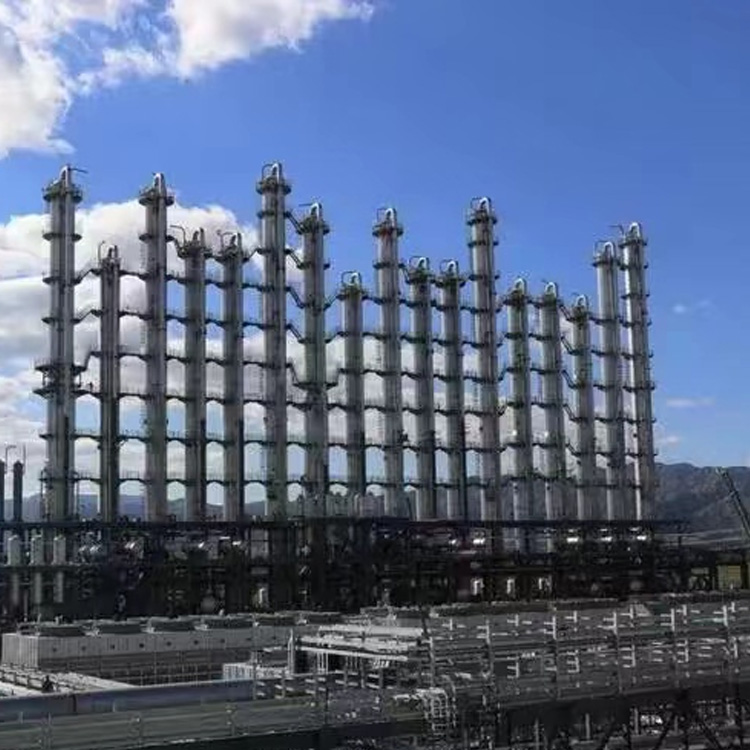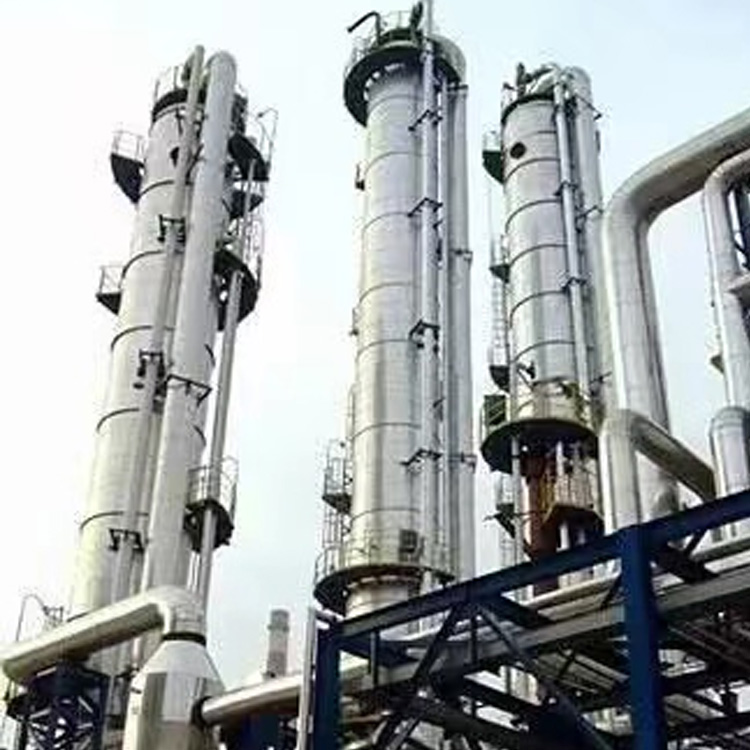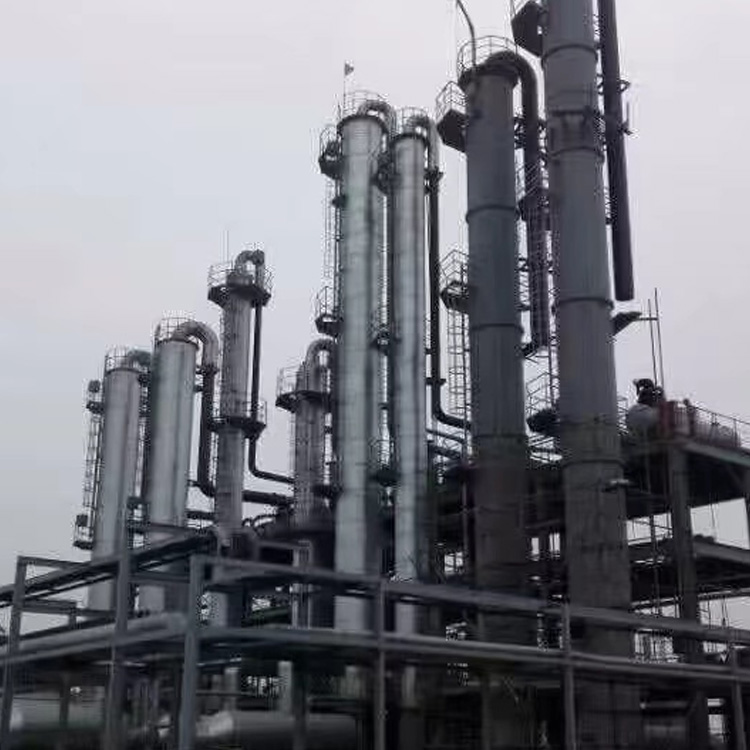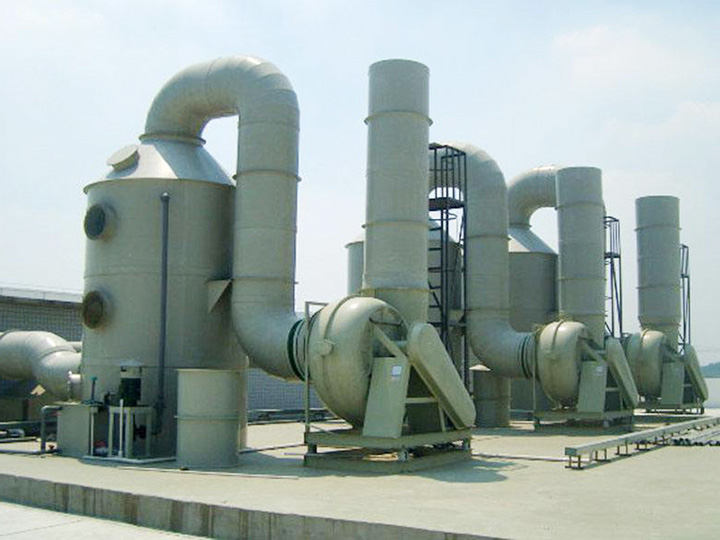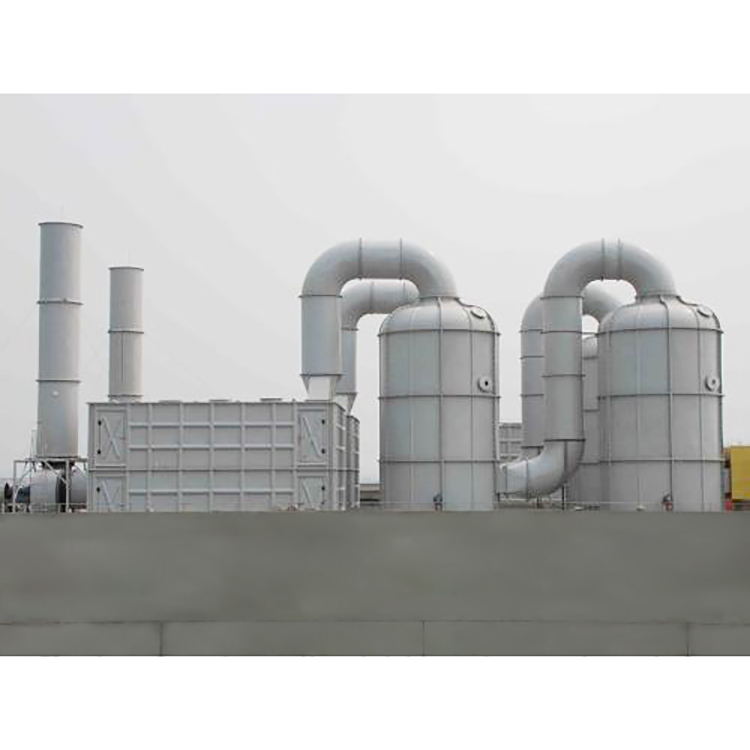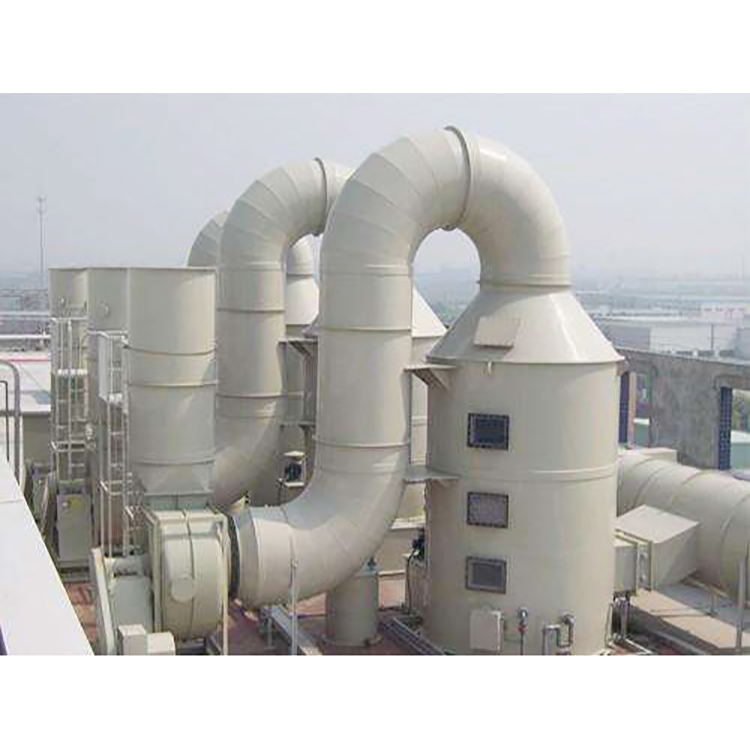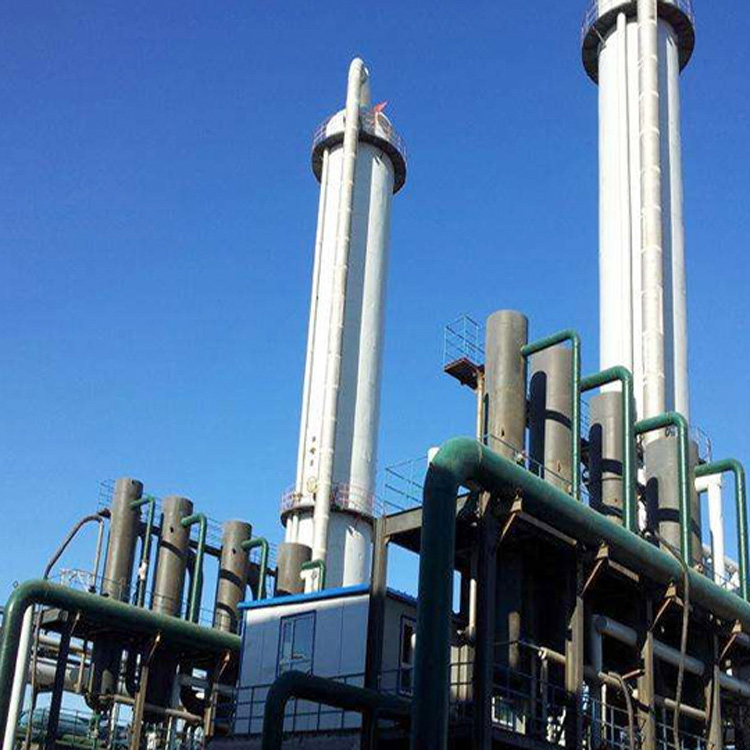









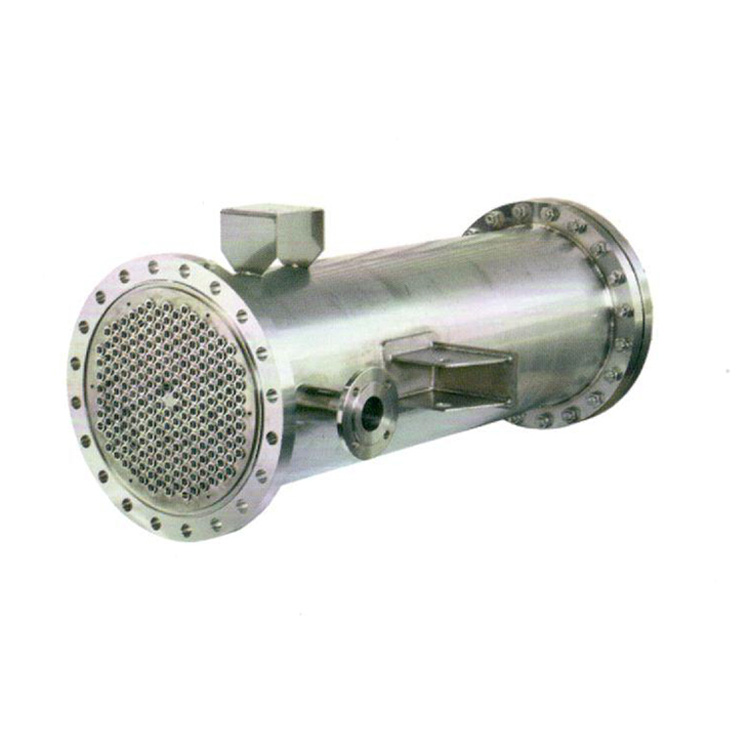
Ethanol Distillation Tower
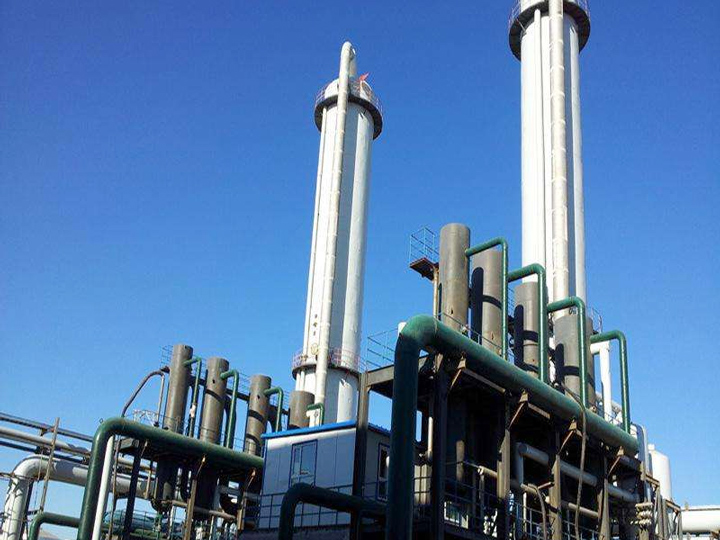
The concept of a distillation tower
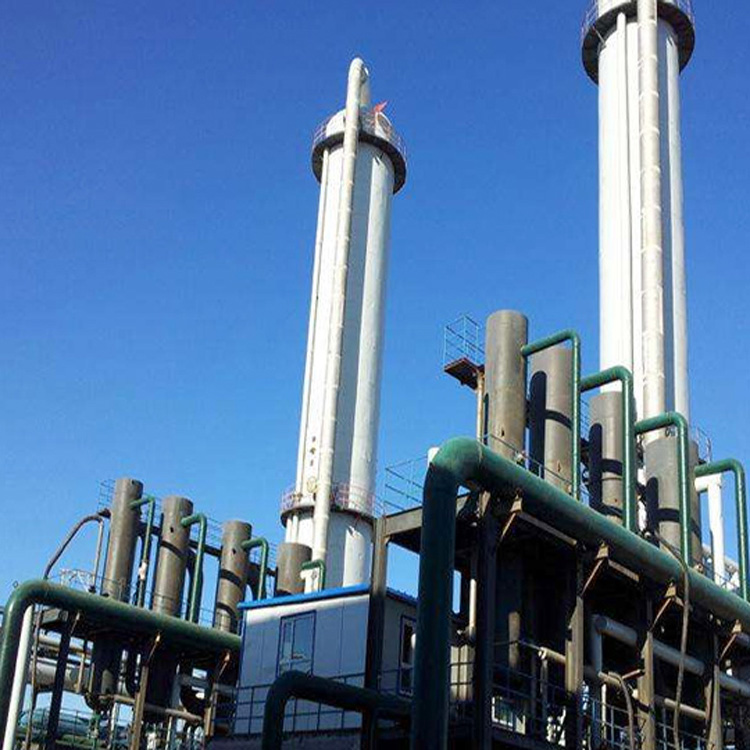
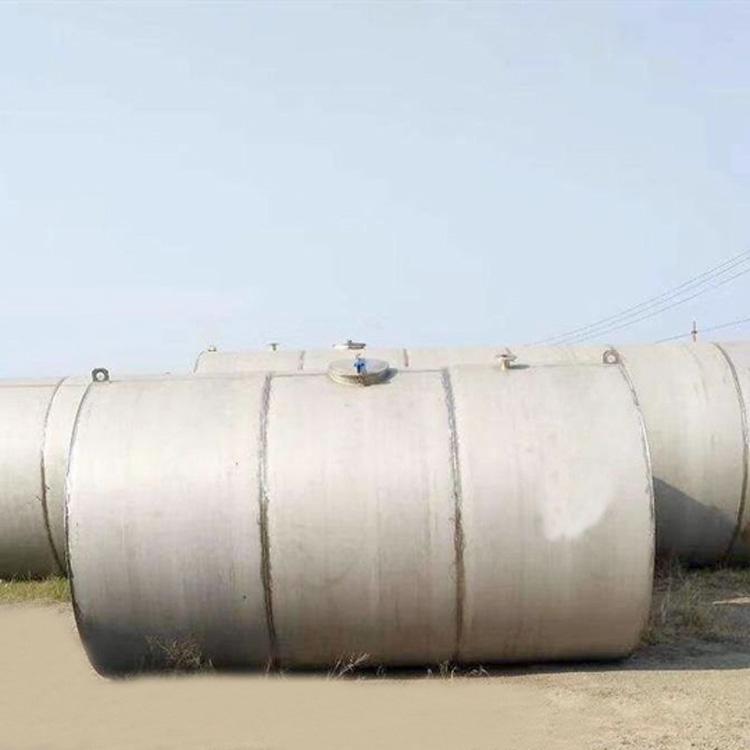
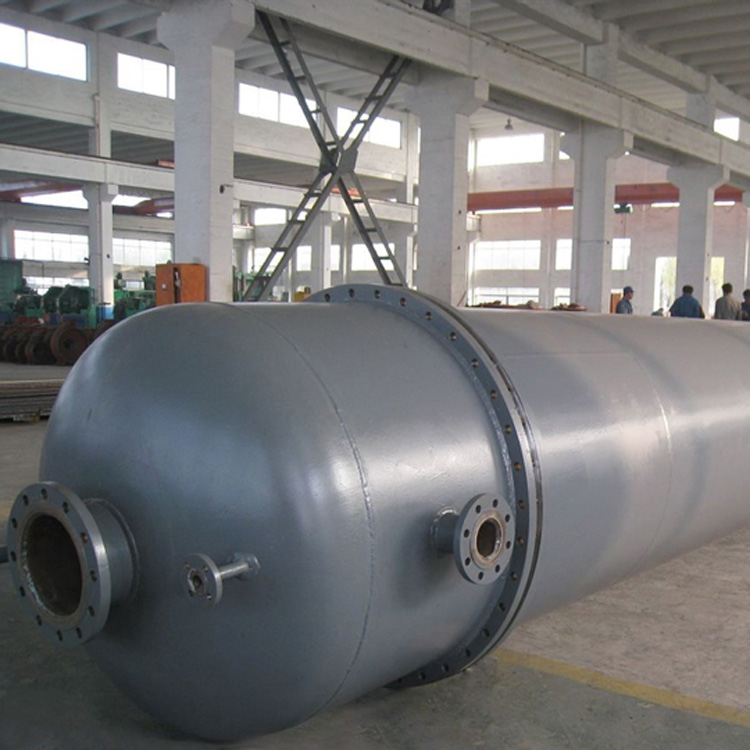
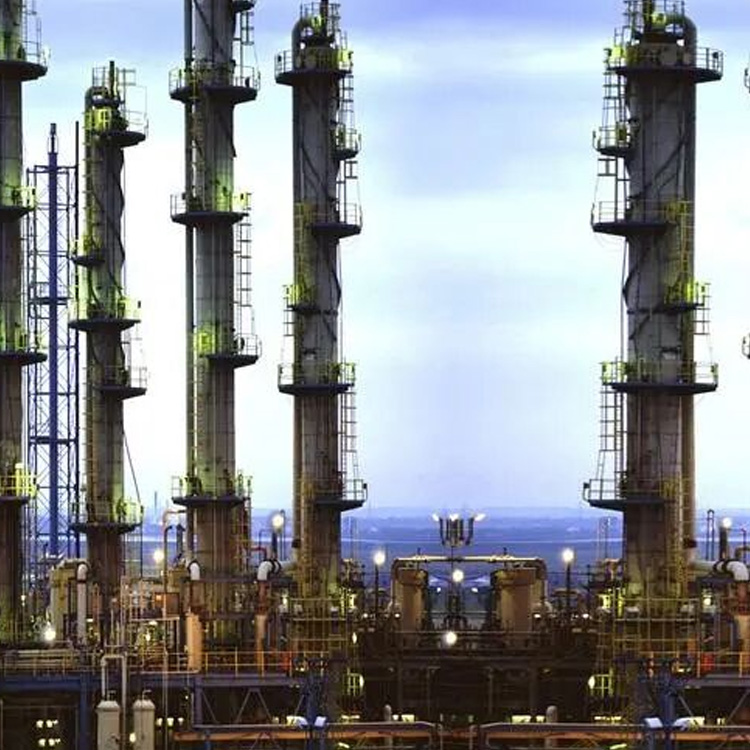
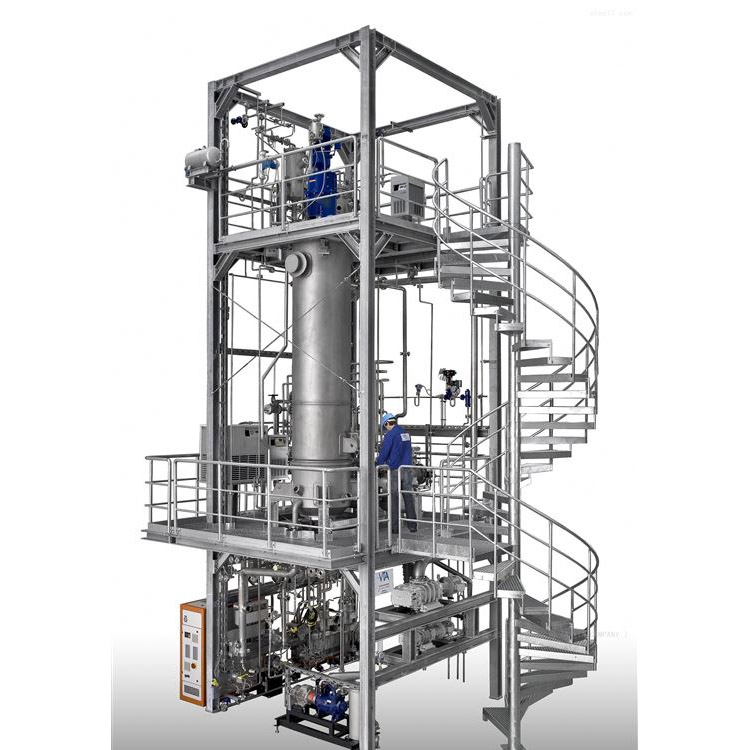
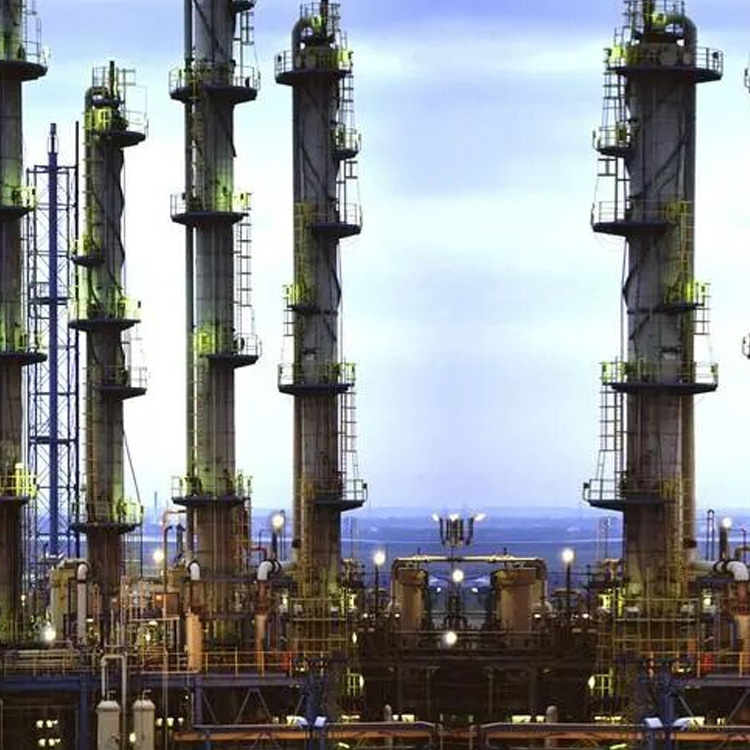
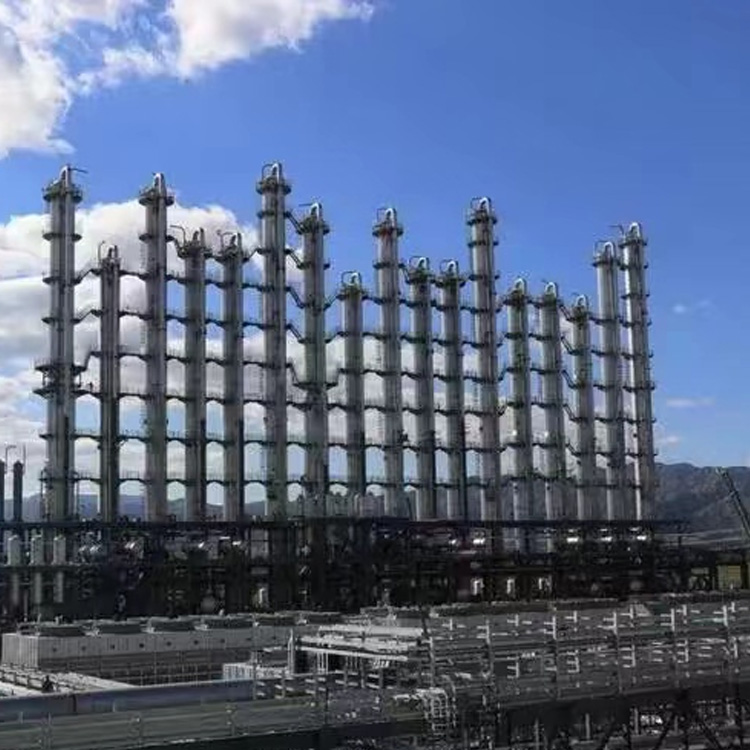
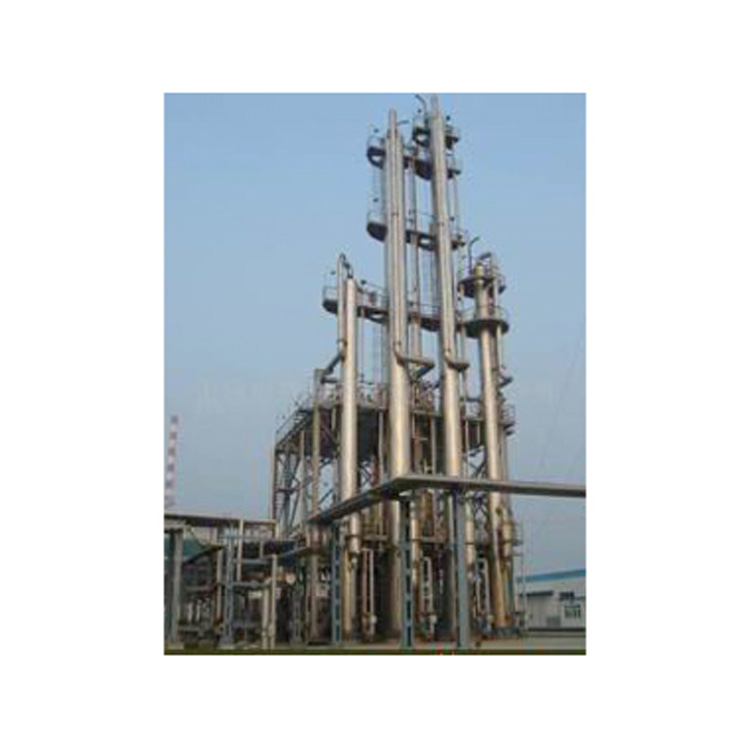
A distillation column is a tower-type gas-liquid contacting device used for distillation. By utilizing the property that different components have varying volatility, i.e., different vapor pressures at the same temperature, the light components (low-boiling substances) in the liquid phase are transferred to the gas phase, while the heavy components (high-boiling substances) in the gas phase are transferred to the liquid phase, thereby achieving the separation. The distillation column is also a widely used mass transfer and heat transfer device in the petrochemical industry.
A distillation column is a tower-type vapor-liquid contacting device used for distillation, also known as a distillation tower. It comes in two main types: plate-type towers and packed towers. It can also be categorized into continuous and batch distillation columns based on the operation method. Operation pressures include atmospheric, pressurized, and vacuum. The basic principle of distillation involves multiple partial vaporization and condensation of the liquid, utilizing the different volatility of its components (relative volatility, α) to achieve separation. Distillation can be classified according to its operation methods into simple distillation, flash distillation, normal distillation, and special distillation, etc.
Distillation Tower - Suitable for solvent concentration and recovery of various types
1. Alcohol Recovery System
Application Range: Recovery and concentration of solvents such as low-concentration ethanol and acetone.
2. Anhydrous Alcohol Recovery System
Recycling and concentration of solvents like isopropanol and acetic acid that form azeotropes with water.
3. DMF DMAC Recovery System
Recycling and concentration of solvents such as N,N-dimethylformamide (DMF), N,N-dimethylacetamide (DMAC), and N,N-2-methylformamide (N-2-MF).
4. Acetic Acid Recovery System
Application Range: Suitable for esters and solvents with low water solubility.
5. Biodiesel Decolorization and Dewatering System
Raw material to be processed: Biodiesel, also known as methyl esters of fatty acids, refers to a fuel produced by modifying various animal and vegetable oils and fats with低碳 alcohols such as ethanol through transesterification reactions, making it suitable for use in internal combustion engines.
Processed product: Light fractions + Golden diesel + Residual oil
6. Waste Oil De-coloring + Dewatering System
Raw materials to be processed: waste oil, including emulsified oil, transformer oil, gear oil, hydraulic oil, and waste engine oil (black oil)
Processed products: Light oil + golden diesel/base oil + residuum oil
7. Self-adhesive Mixed Solvent Recovery System
MCPD Methylcyclopentadiene Dimer + MMT Methylcyclopentadiene Tricarbonyl Manganese
MCP methylcyclopentadiene monomer and resin-based mixed solvent
The above distillation towers/distillation recovery systems can achieve intermittent or continuous recovery, with an original liquid processing capacity range of 0.5t/h to 500t/h.