Product Introduction
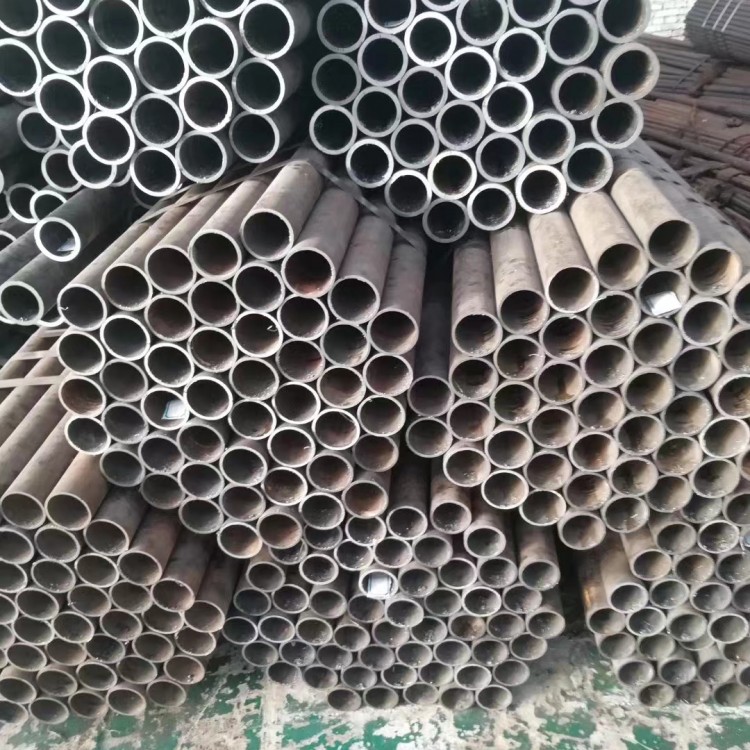
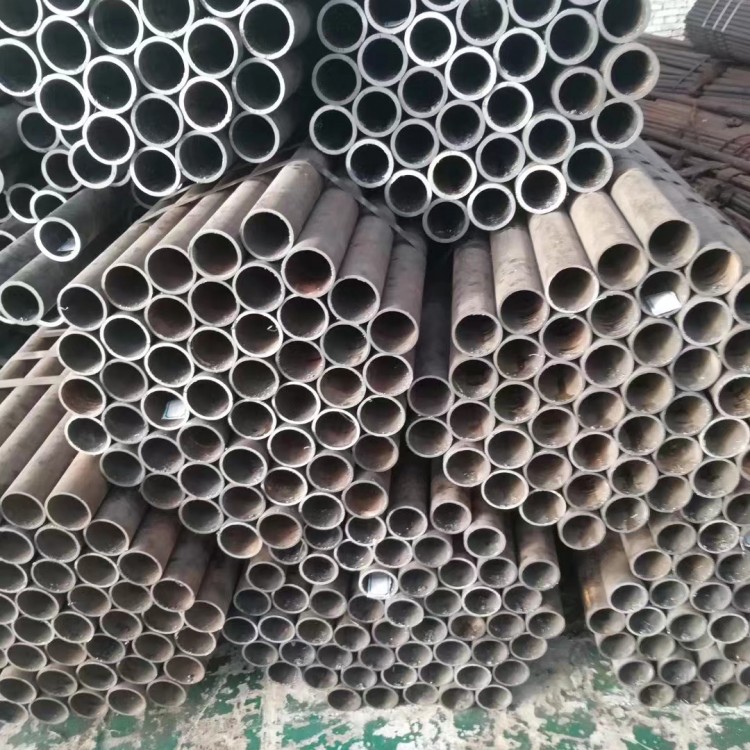
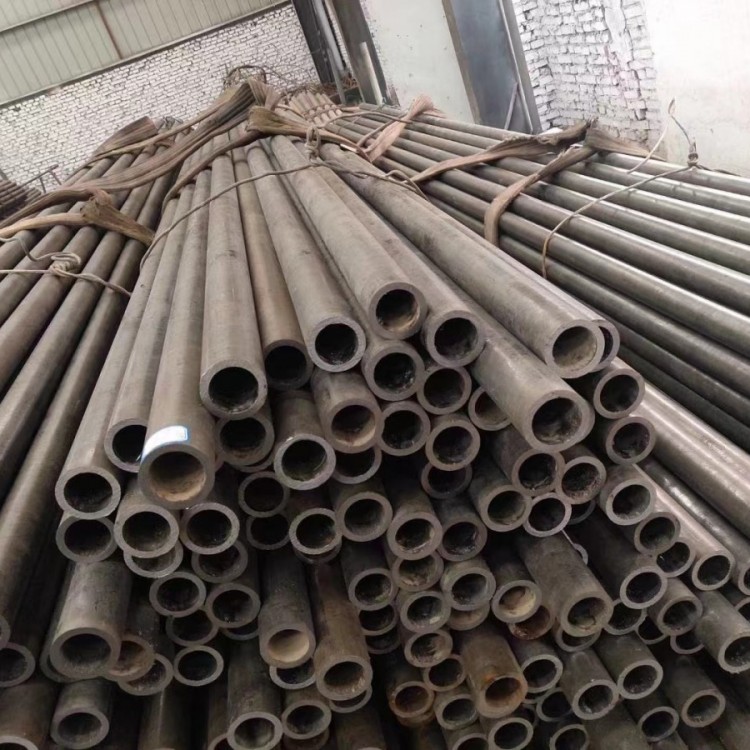
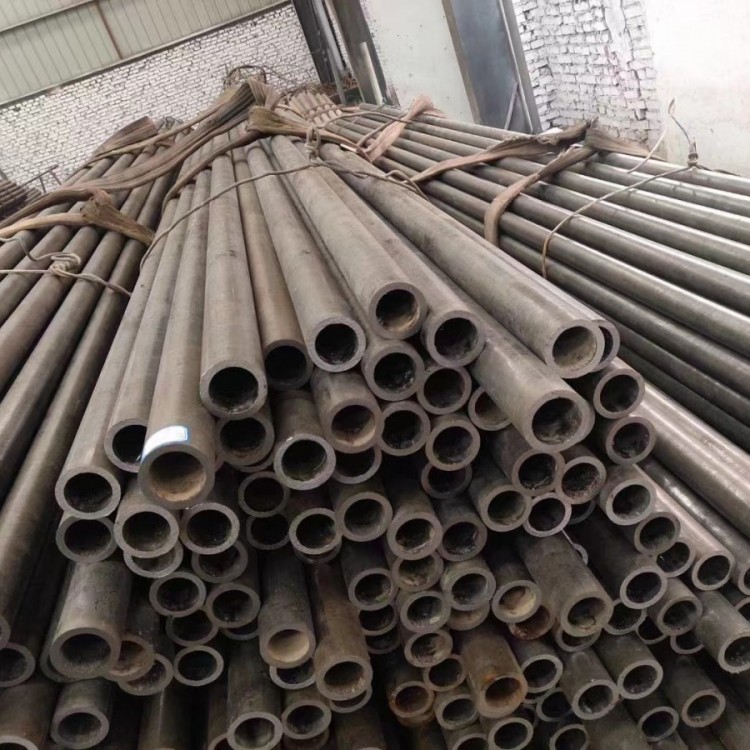
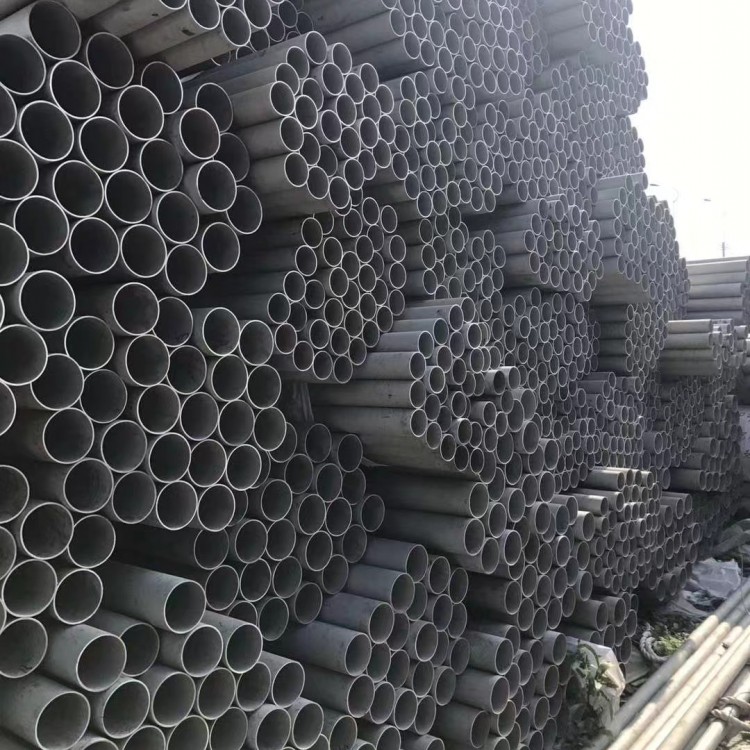
Cold drawn seamless steel tubes are steel tubes produced by methods such as drawing, extrusion, and piercing, which have no seams on the surface of the entire tube. They are circular, square, or rectangular steel bars with a hollow section and no seams around the periphery. These tubes are made from ingots or solid billets by piercing to form rough tubes, and then cold drawn to finish.
Usage
Cold drawn steel pipes are precision cold drawn seamless tubes with high dimensional accuracy and surface finish, used for mechanical structures and hydraulic equipment. Selecting precision seamless tubes for manufacturing mechanical structures or hydraulic equipment can significantly reduce machining time, improve material utilization, and also contribute to enhancing product quality.
Carbon structural steel cold drawn seamless tubes, primarily made from grades 10 and 20 steel. In addition to ensuring chemical composition and mechanical properties, hydrostatic tests, edge rolling, expanding, flattening tests, etc., must be conducted.
Cold Drawn Specifications
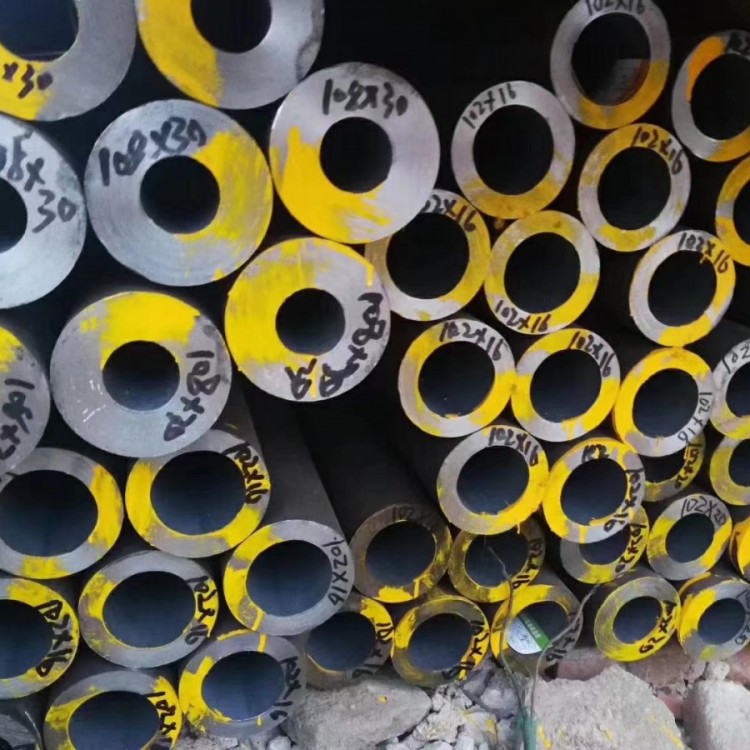
Common specifications of cold drawn steel pipes: 12mm, 14mm, 18mm, 20mm, 25mm, 28mm, 30mm, 32mm, 35mm, 38mm, 40mm, 42mm, 52mm
Steel's mechanical properties are crucial indicators ensuring the final performance (mechanical properties) of steel, which depend on the chemical composition and heat treatment process. In steel pipe standards, based on different usage requirements, specifications are set for tensile properties (tensile strength, yield strength or yield point, elongation), hardness, toughness, and also high and low temperature properties as required by users.
Tensile Strength (σb)
The tensile strength (σb), which is the stress (σ) obtained by dividing the force (Fb) the sample withstands at the moment of breaking during the tensile process by the original cross-sectional area (So), is called the ultimate tensile strength, with units of N/mm² (MPa). It represents the ability of the metal material to resist destruction under tension. The calculation formula is:
In the formula: Fb--The force exerted when the sample is pulled to break, in N (Newtons); So--The original cross-sectional area of the sample, in mm².
② Yield Point (σs)
Materials with yield phenomena, the stress at which the specimen continues to elongate without an increase in force (remaining constant) during the tensile process, is called the yield point. If the force decreases, the upper and lower yield points should be distinguished. The unit of the yield point is N/mm2 (MPa).
Upper Yield Point (σsu): Stress at which the specimen yields and the force first decreases; Lower Yield Point (σsl): Small stress in the yield stage when the initial instantaneous effect is not considered.
The yield point calculation formula is:
In the formula: Fs—Yielding force during the tensile process of the specimen (constant), N (Newton); So—Original cross-sectional area of the specimen, mm².
③ Elongation at Break (σ)
In tensile testing, the percentage increase in length of the gauge section after the specimen is pulled to break, relative to the original gauge length, is called elongation. It is represented by σ and is measured in %. The calculation formula is:
In the formula: L1 -- the gauge length after the sample is pulled to break, in mm; L0 -- the original gauge length of the sample, in mm.
④ Section Reduction Rate (ψ)
In tensile testing, the percentage reduction in the cross-sectional area at the reduced diameter after the specimen breaks, compared to the original cross-sectional area, is known as the reduction in area. Represented by ψ, the unit is %. The calculation formula is as follows:
In the formula: S0 -- Original cross-sectional area of the sample, mm²; S1 -- Reduced cross-sectional area at the necking point after the sample is pulled to break, mm².
⑤ Hardness Index
The ability of a metal to resist indentation by a hard object on its surface is called hardness. Depending on the testing method and scope, hardness can be further divided into Brinell hardness, Rockwell hardness, Vickers hardness, Shore hardness, microhardness, and high-temperature hardness, among others. For piping materials, the commonly used hardness tests are Brinell, Rockwell, and Vickers hardness.