









Ceramic Filter Media
Product Introduction
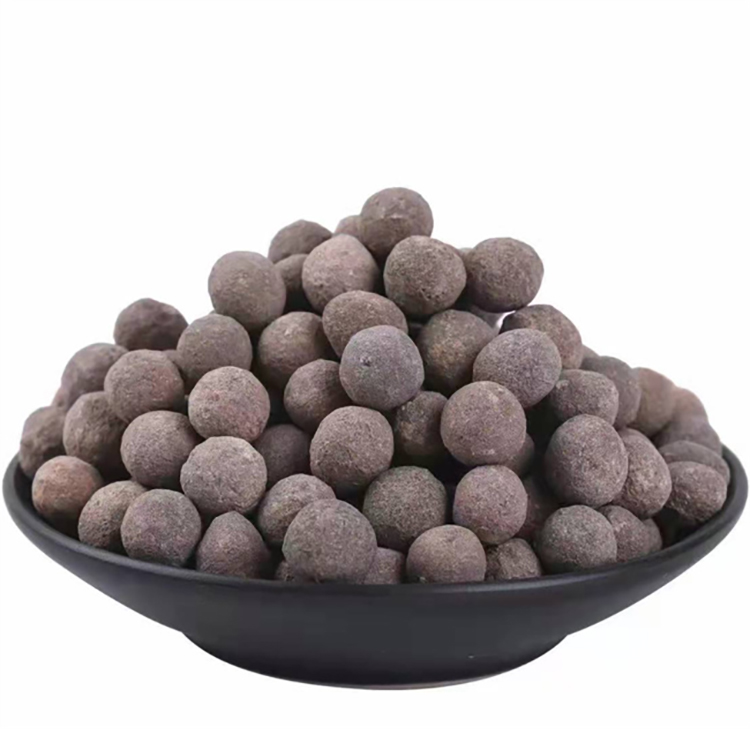
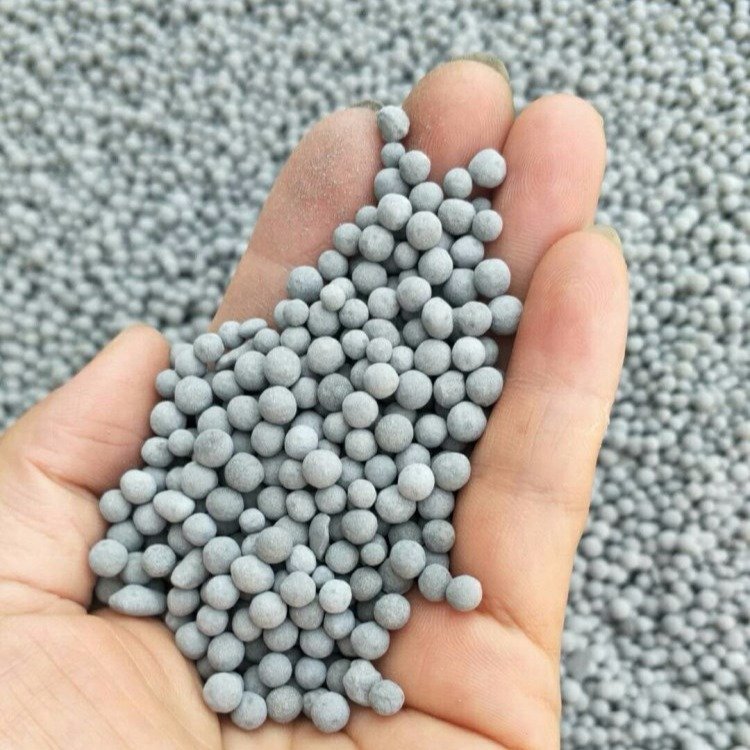
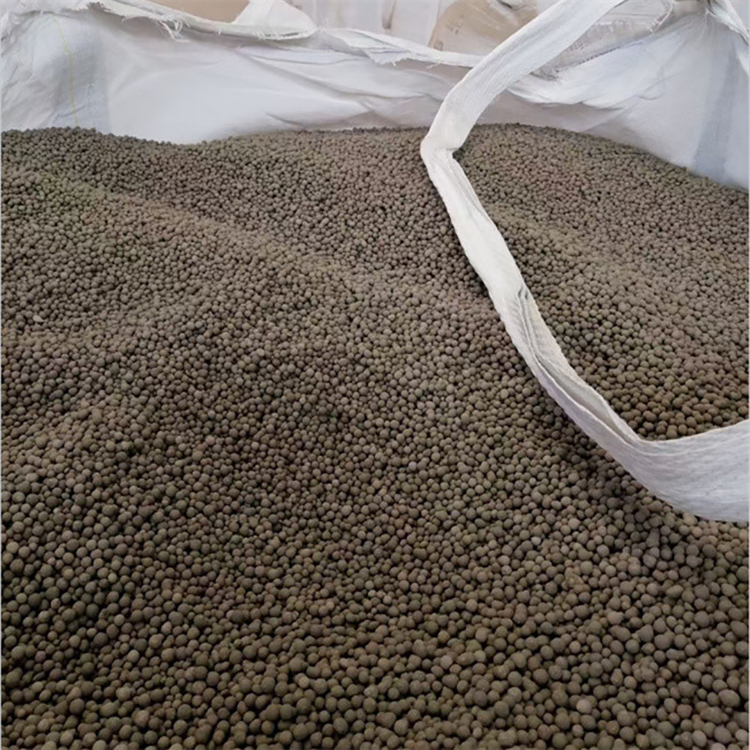
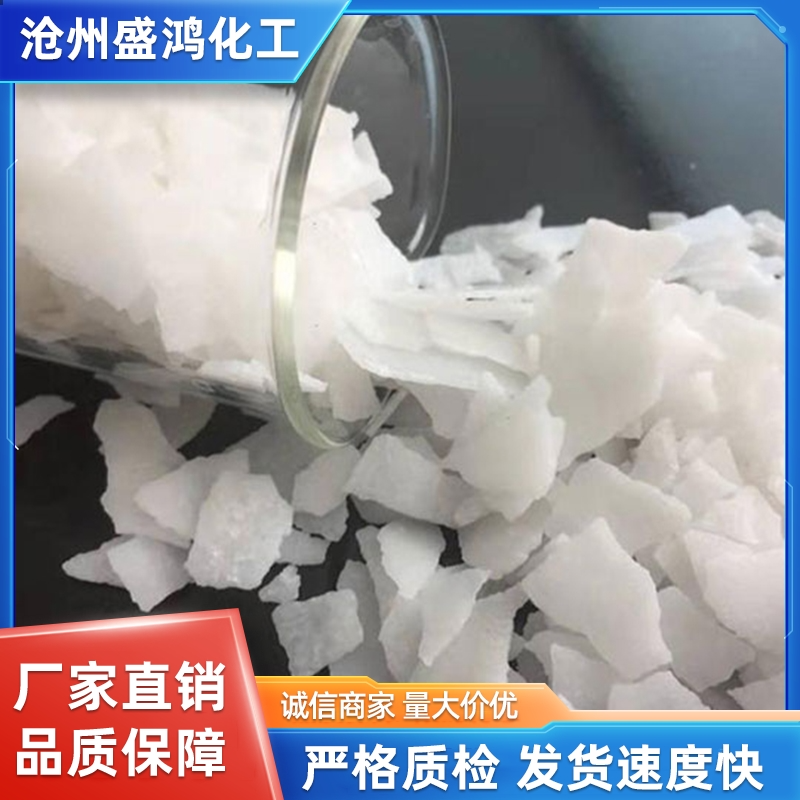
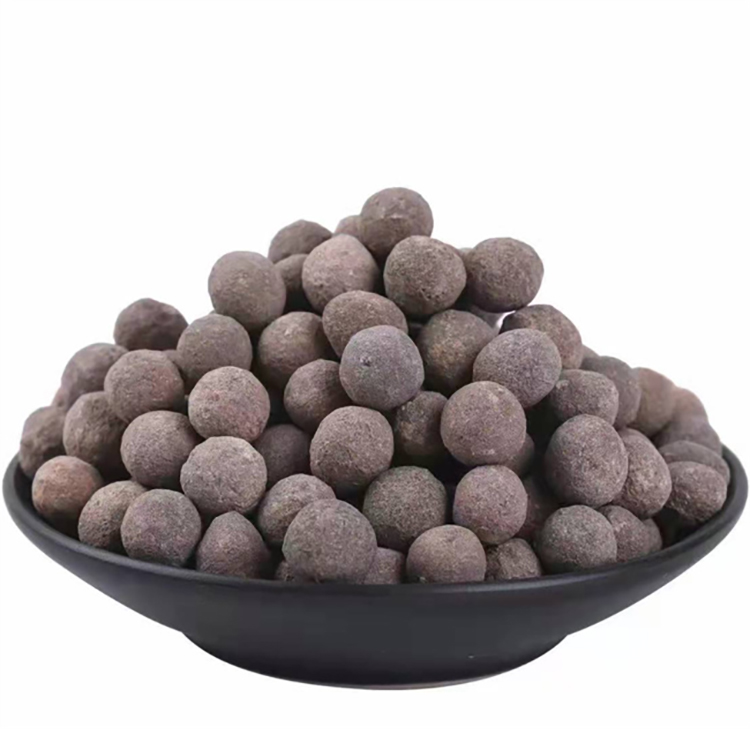
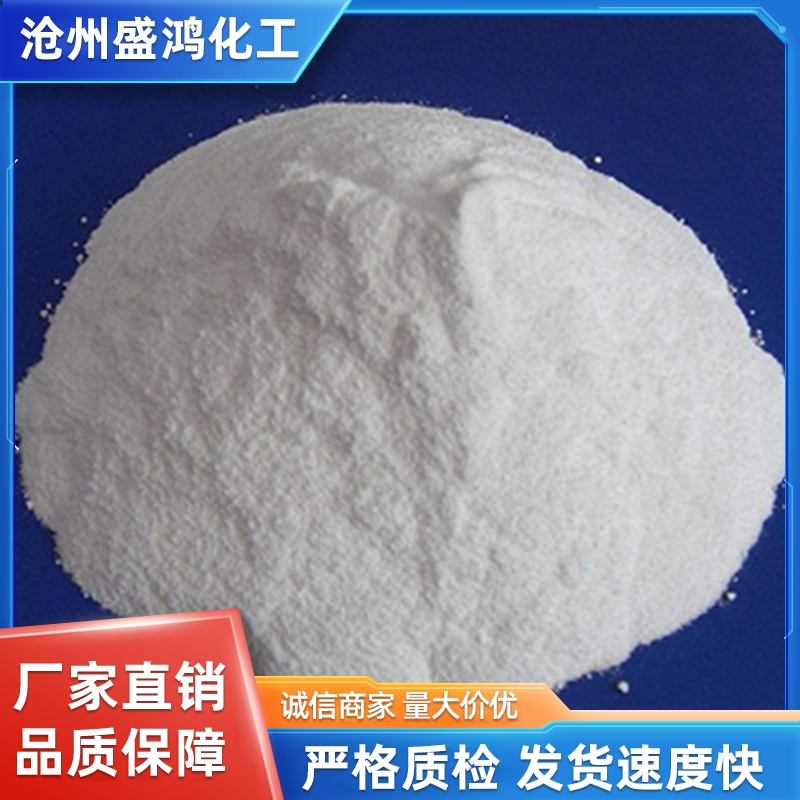
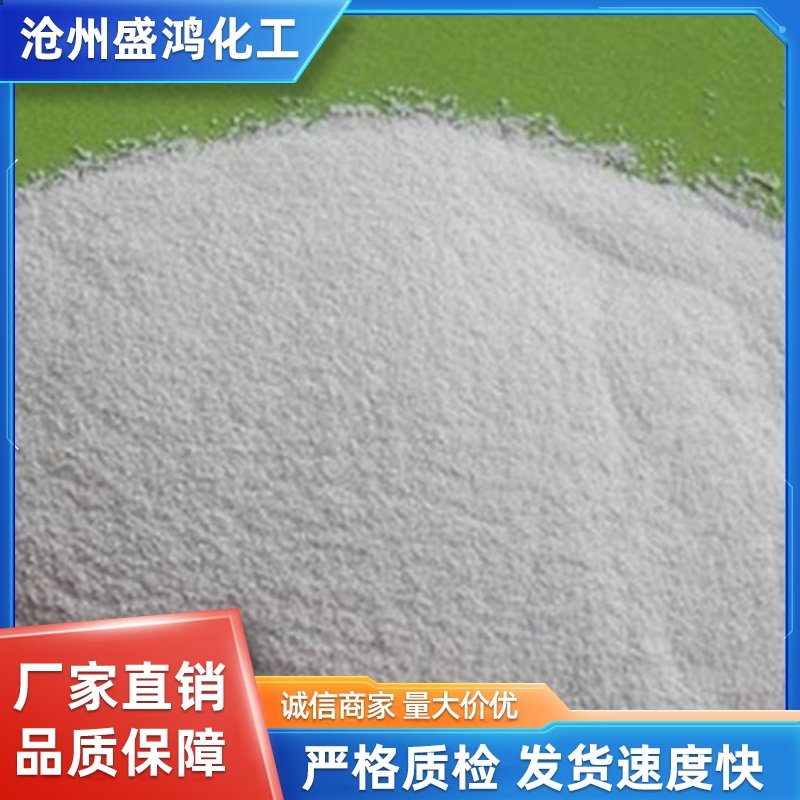
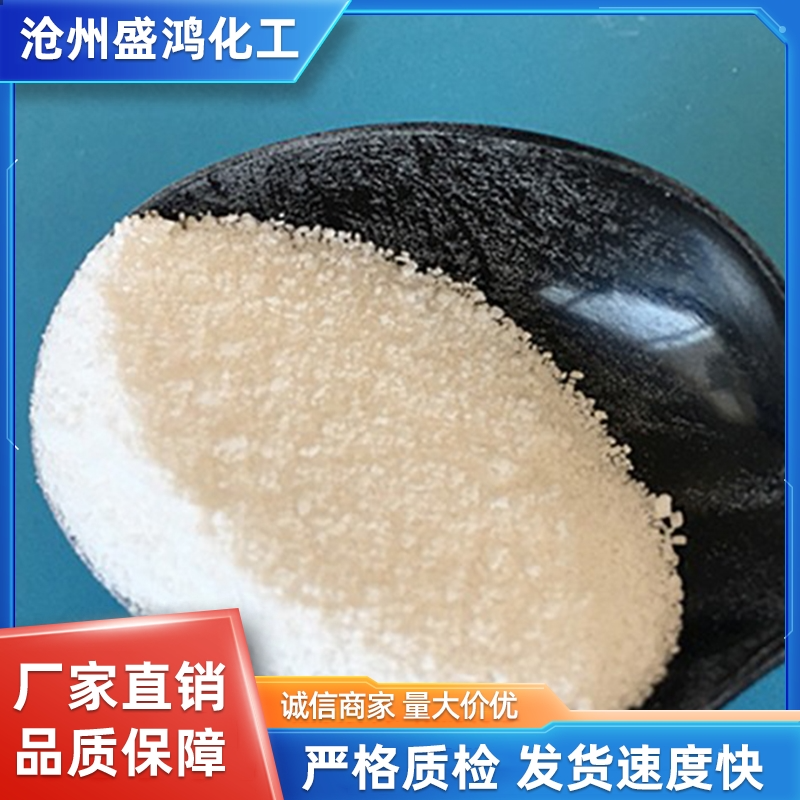
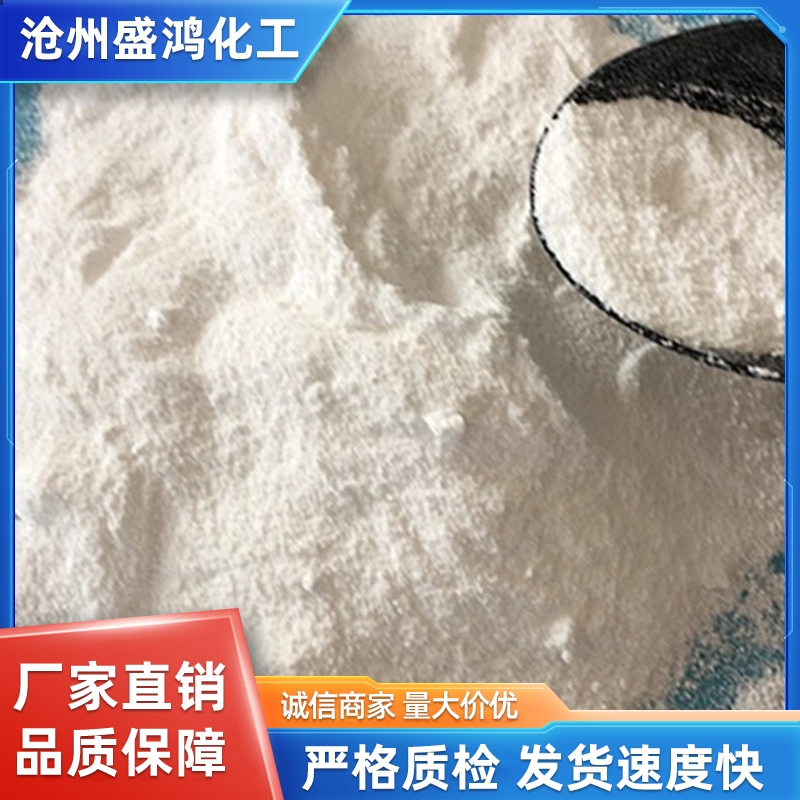
Bio-silica granular filter material is produced mainly from clay, mixed with a certain proportion of binder, porogen, and inorganic aggregates. It undergoes a series of processes including batching, granulating into spherical shapes, high-temperature firing, and screening to form granular materials resembling spheres. Its main component is aluminum silicate, available in deep brown or gray-brown hues, with particle sizes customizable to meet various requirements. Bio-silica features a rough, micro-porous physical microstructure with moderate density, high strength, resistance to abrasion, stable physicochemical properties, and does not release toxic or harmful substances into water bodies. These characteristics make it particularly suitable for microbial attachment, growth, and reproduction on its surface. Modern water treatment processes fully utilize these properties, making it an ideal filter material for water treatment, especially for biological pretreatment of wastewater, slightly polluted water sources, and potable water filtration technology.
Operation Principle
The陶粒filter media exhibits a well-developed and reasonably distributed surface microporous structure, where the microorganisms growing within these pores are less prone to leaching, allowing the biofilter to operate intermittently while still maintaining the bacterial strain even during extended periods of inactivity. Additionally, with a large specific surface area, it can support the attachment and proliferation of a vast number of microorganisms, significantly increasing the volume load of the aeration biofilter and enhancing the degradation rate. Furthermore, the product is lightweight, high in strength, resistant to abrasion and flushing, and does not release toxic or harmful substances into the water, boasting excellent physical, chemical, and hydraulic properties, making it suitable for various wastewater purification requirements.
Key Features
High specific surface area, rough surface, abundant micropores, and well-developed internal pores, resulting in strong biofilm attachment, rapid reproduction, high film formation efficiency, and high ammonia nitrogen removal under low temperature and low turbidity conditions. Long working cycle and large water production per cycle..1. A specific surface area as high as 32×10⁴cm²/g accelerates biofilm formation. The biofilm can be established in about 11 days post-seeding sludge, forming a stable and highly active biofilm biochain. 2. It has a low bulk density and high strength, leading to low backwashing energy consumption and minimal head loss in filter media cleaning. The backwashing water consumption is low, only 30-40% of quartz filter media. 3. Well-developed pores (40%) facilitate anaerobic environments within the filter media, providing simultaneous denitrification effects. The particles are round, light in weight, and have a similar particle size distribution, resulting in minimal weight differences between filter particles, making caking less likely during backwashing. 4. Chemically stable, it boasts strong resistance to acids and alkalis, high cylinder compression strength (>10Mpa), and a long service life. 5. Within a single cycle (15 days) of sludge inoculation, when the dosage is 20g/L, the removal rates for COD and NH3-N reach approximately 80% and 55%, respectively, and phosphorus removal is about 60%.
Technical Specifications

Application Scope
0.5-2mm suitable for BAF-N pools or DN-P filter pools. Used for treating and reusing urban sewage for ammonia concentration, and also for pre-treatment of polluted raw water in water supply processes and industrial water filtration media.
1-3mm suitable for BAF-N pools or DN-P filter pools. Ideal for deep treatment and reuse of urban wastewater for nitrogen and phosphorus removal, as well as for treating slightly polluted raw water in potable water supply and industrial water filtration.
3-5mm suitable for secondary treated urban sewage concentration reuse. Generally used as BAF-N pool media, also applicable for industrial water filtration media.
4-6mm, suitable for urban sewage biochemical treatment.
5-8mm for wastewater biochemical treatment or preliminary industrial wastewater filtration.
8-12mm suitable for supporting layer in sewage biochemical treatment or industrial water filtration