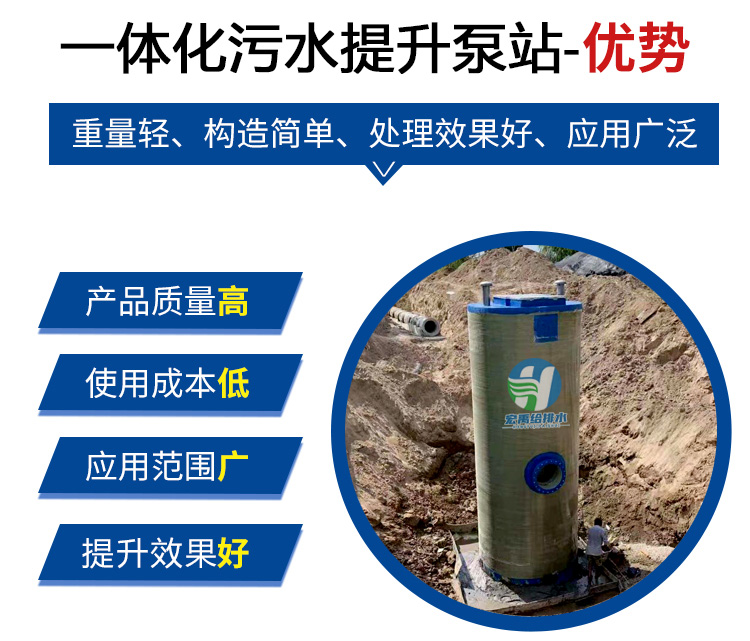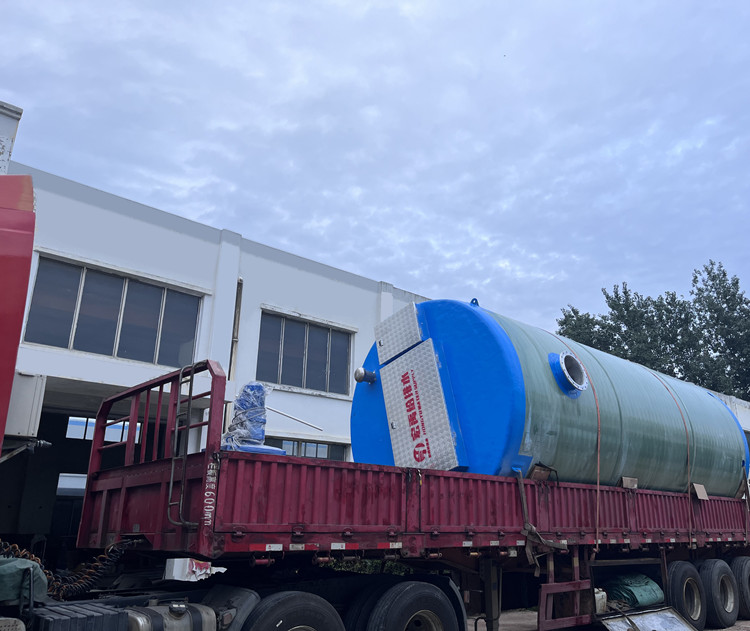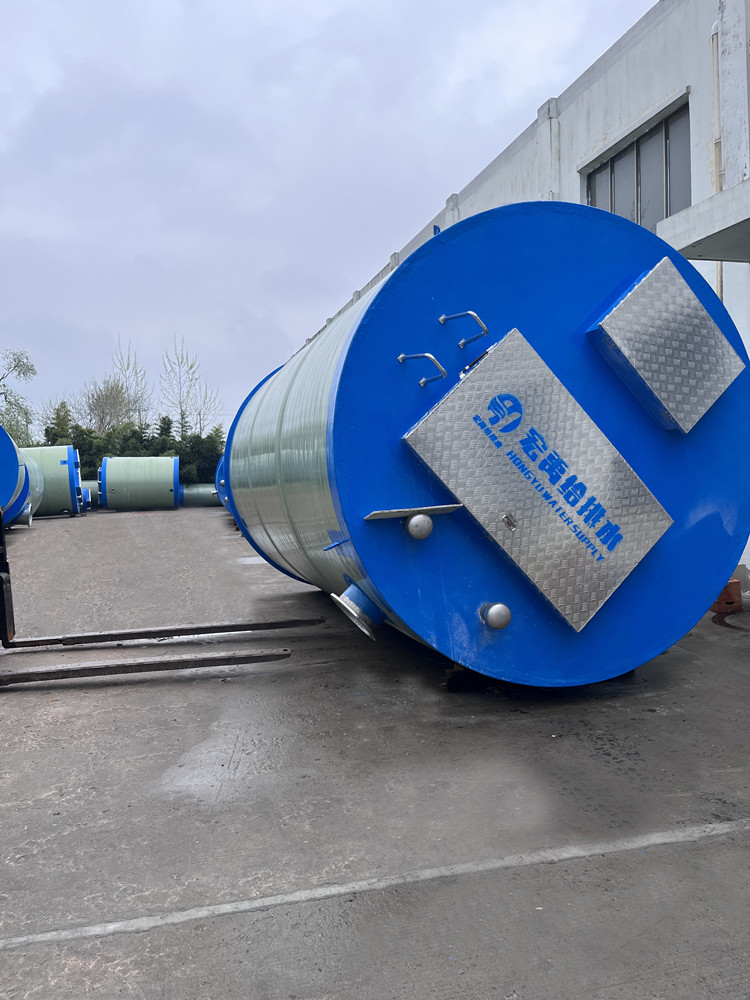

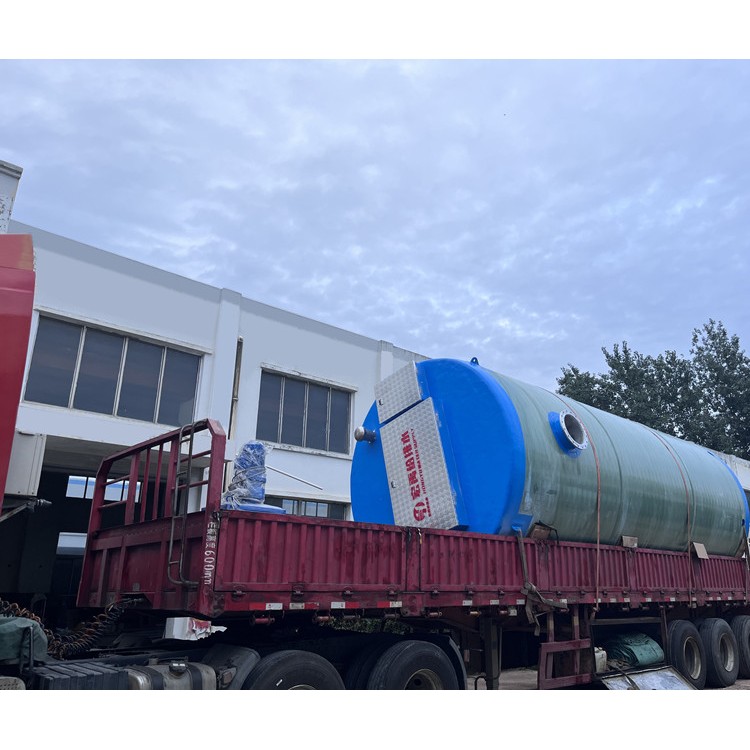

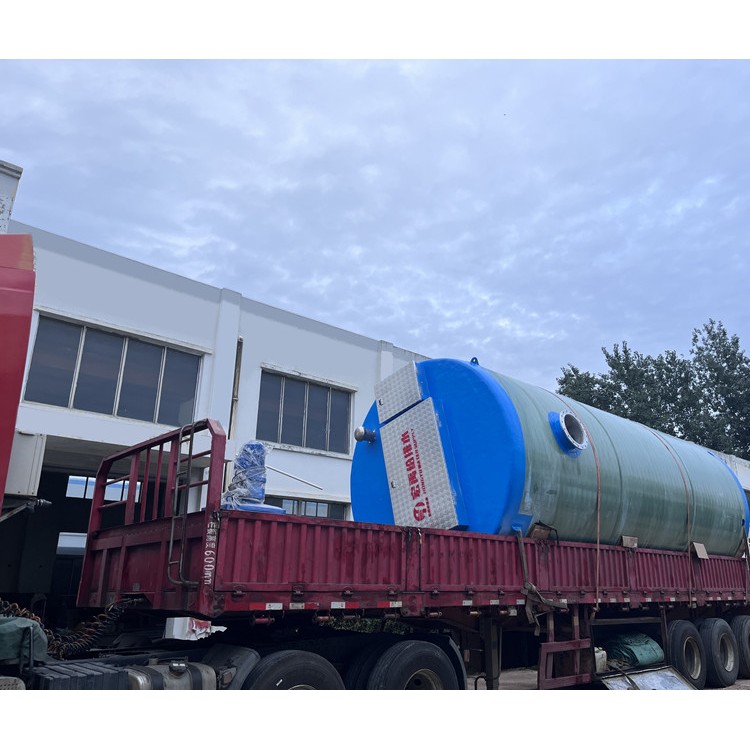


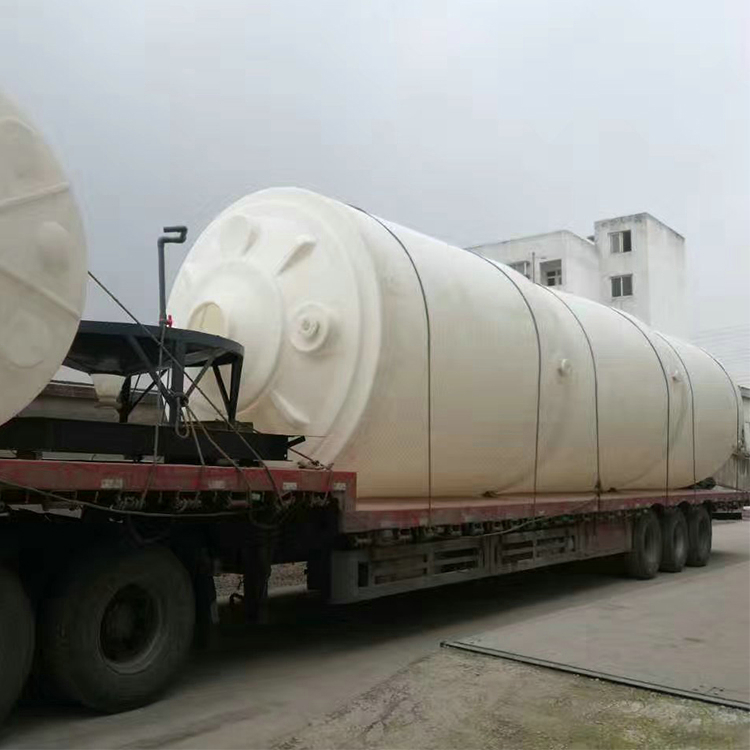

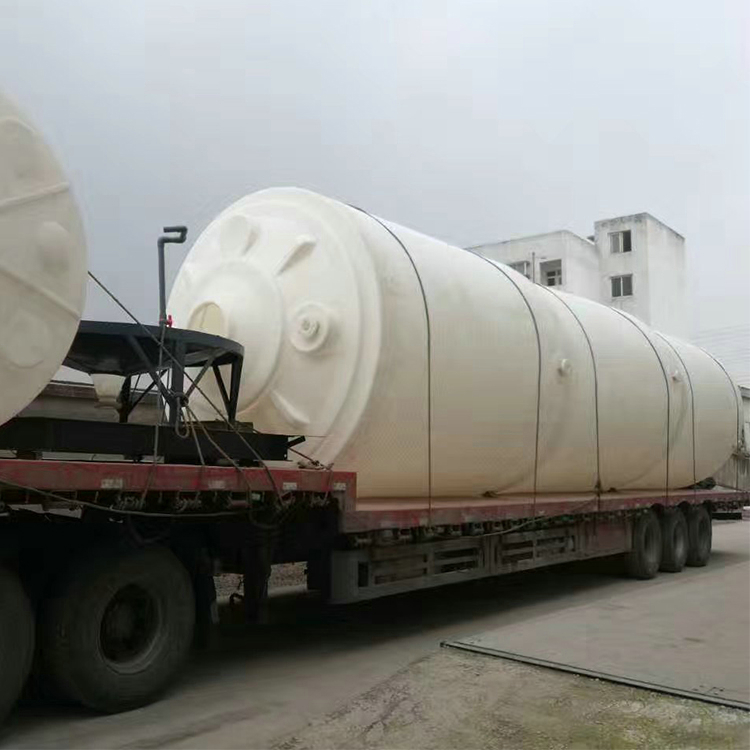








The foundation excavation plan for an integrated sewage lifting pump station should be compiled based on the actual conditions. The location of the pump station should be chosen as close as possible to areas with convenient transportation, flat terrain, and good geological conditions. At the same time, factors such as the surrounding environment, buildings, and underground pipelines should also be considered. When drafting the foundation excavation plan, the following aspects need to be taken into account:
Firstly, construction preparation. Before the construction begins, the site should be cleared and leveled, and safety protection measures should be set up, such as temporary railings and safety warning signs. Additionally, measurement and positioning should be carried out to determine the location and size of the pump station foundation excavation.
Secondly, earthwork excavation. This should be conducted by a combination of mechanical equipment and manual labor. Excavated soil should be promptly removed from the site and disposed of properly. Drainage measures should be set up during excavation to prevent waterlogging on the site. Additionally, the slope should be adjusted according to actual conditions to ensure stability.
Thirdly, the basic treatment. After the earthwork excavation is completed, the foundation of the pumping station should be treated according to the design requirements. This includes compacting the subgrade, leveling it, and pouring the concrete slab. At the same time, the installation of pipeline prefabricated parts and the binding of steel bars should be carried out.
Fourthly, the concrete and reinforced concrete pouring. After the foundation treatment is completed, the pouring of concrete and reinforced concrete should be carried out. The pouring should use concrete and steel reinforcement materials that meet the design requirements, and construction should be done according to the specified thickness and strength. At the same time, the placement of waterstop strips and the treatment of joints should also be considered.
Fifthly, quality inspection. After pouring, quality inspections should be conducted on the pump station foundation. This includes tests on concrete strength, impermeability, and geometric dimensions. Additionally, trial water tests and pump station adjustments should be performed.
Sixth is safe and civilized construction. Throughout the construction process, management of safe and civilized construction should be emphasized. This includes setting up on-site safety warning signs, installing safety protection facilities, managing construction machinery safely, and maintaining cleanliness and hygiene at the construction site. At the same time, attention should be given to protecting the surrounding environment and minimizing the impact on nearby residents.