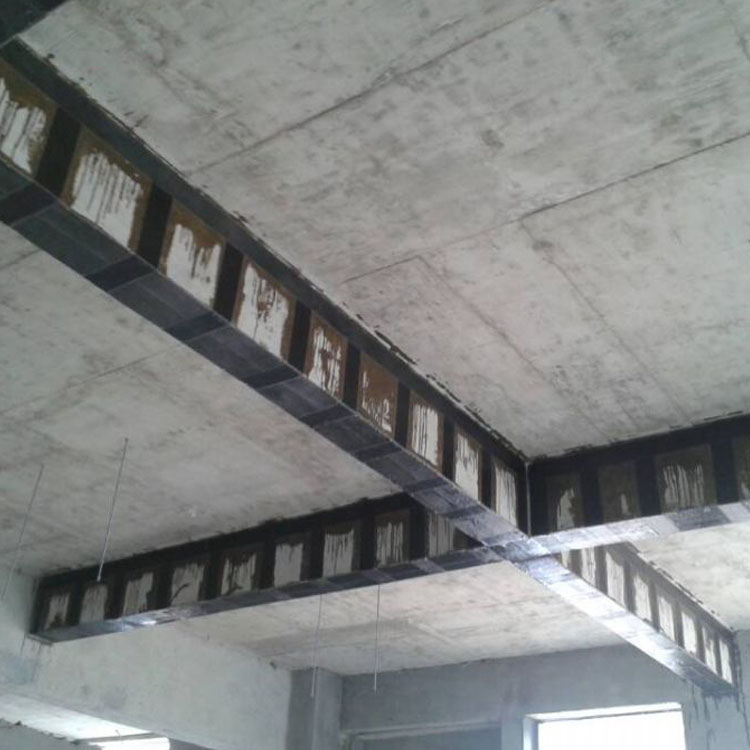
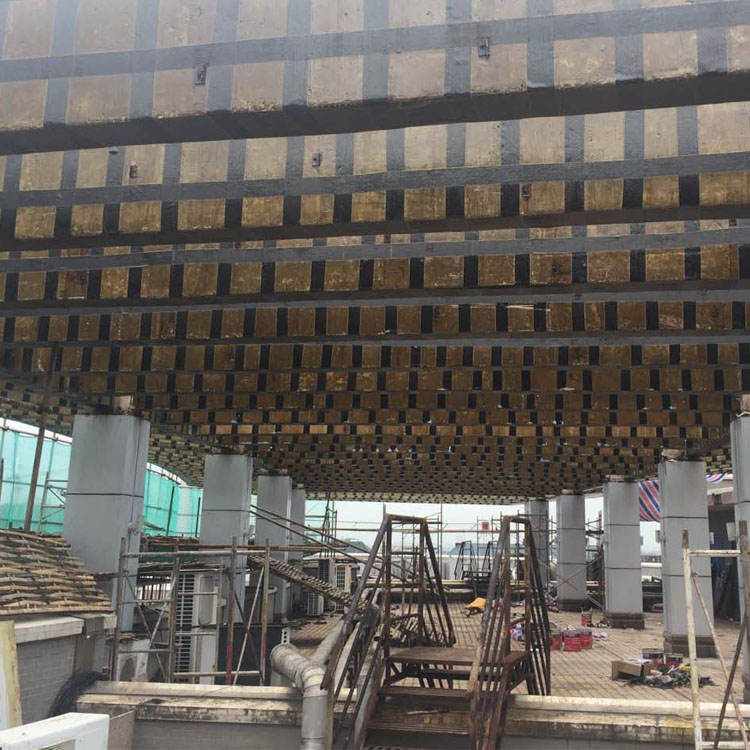







Loft duplex floorboards are widely recognized as a thin, lightweight building material. Due to their versatility, this product is used for roof materials, wall coverings, and interior lining. The durability of fiber cement under various climatic and weather conditions has been fully acknowledged. Continuous development in product design and production keeps pace with contemporary needs, ensuring its status and making it a primary building material.
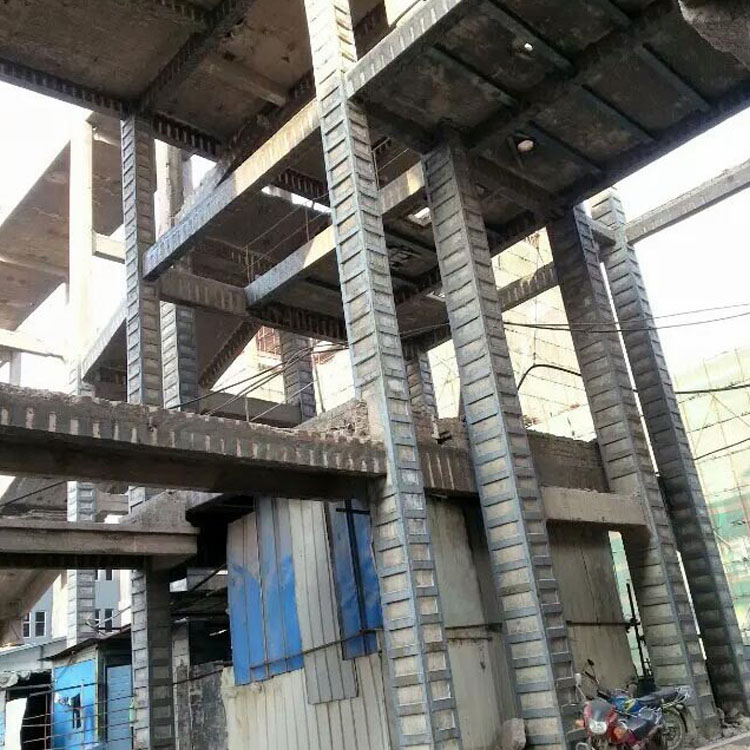
The key highlight of LOFT mezzanine panels is their two-tier design. Some developments opt not to use concrete for the second floor during LOFT construction, instead relying solely on a single layer of channel steel, followed by LOFT mezzanine panels and an additional layer of wood paneling on top. From a load-bearing perspective, the wood paneling is adequate, but without concrete, the sound insulation will be inferior. Initially, the definition of a LOFT was limited to residential use or some commercial spaces. Contact the LOFT mezzanine panel manufacturer. These types of lofts are simply constructed and self-built, involving the purchase of some steel from the steel market and a simple assembly without considering the mechanical aspects. However, since these lofts have low load-bearing requirements, the requirements are relatively simple.

Our loft panels are manufactured using advanced technology and production processes from both domestic and international sources, and are widely used in the construction of factory buildings, industrial facility purification, shopping malls, stores, tunnels, subways, and other types of civil engineering projects for exterior decoration. Particularly suitable for steel structures, these residential buildings feature a rich variety of colors and specifications, making them ideal for exterior renovation projects of old buildings. They offer the advantages of ease and speed of construction, and are superior to cement fiber boards. The edges of the fiber-reinforced cement boards should be securely fastened to the light steel studs, with the fiber-reinforced cement boards on the same side of a light steel stud overlapping in staggered joints. The boards should be fixed with countersunk self-tapping screws, with the spacing between the fasteners in the center of the board not exceeding 250mm. For a 2cm thick loft panel, the spacing at the edge should not exceed 200mm, and the distance from the fastener to the end of the fiber-reinforced cement board should be 10mm to 15mm. After securing, the countersunk head of the self-tapping screw should be slightly concave, sinking 0.5mm to 1mm below the surface of the fiber-reinforced cement board.
Loft floorboardsThe longitudinal and transverse resistance values have slight discrepancies, so the board should be placed parallel to the main beam. Loft floorboards are fire and water-resistant, with the edges of the joints between boards aligned on the same beam, sealed with silicone. When selecting materials for architectural facade shaping, opt for building materials that cause minimal harm to nature. 1) Compared to wooden floorboards, they offer fire, moisture, water, pest, corrosion, and rot resistance, with higher strength and better sound insulation. 2) Compared to concrete floorboards, they are lighter, effectively reducing the load-bearing capacity of the building; thinner, allowing for greater space height in floors; easy to install, reducing labor costs and shortening construction time, and not generating construction waste; and easy to cut to any desired size.
Fireproof and Waterproof Loft Ceiling Boards - Loft Ceiling Boards - Oraide Building Materials, provided by Shandong Oraide New Building Materials Co., Ltd. The Fireproof and Waterproof Loft Ceiling Boards - Loft Ceiling Boards - Oraide Building Materials are newly upgraded and launched by Shandong Oraide New Building Materials Co., Ltd. this year. The above images are for reference only. Please call the contact number on this page or the image to request the contact person: Manager Gao.