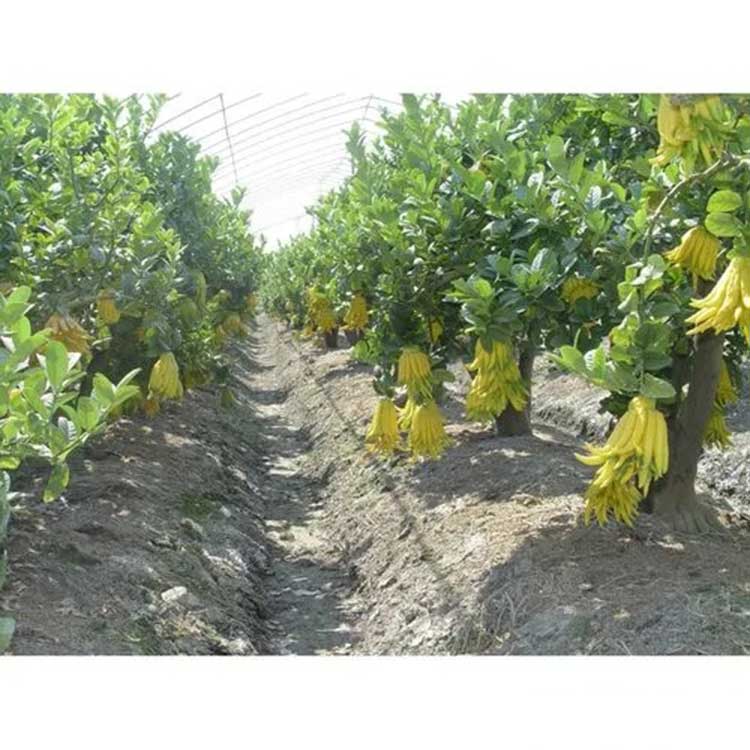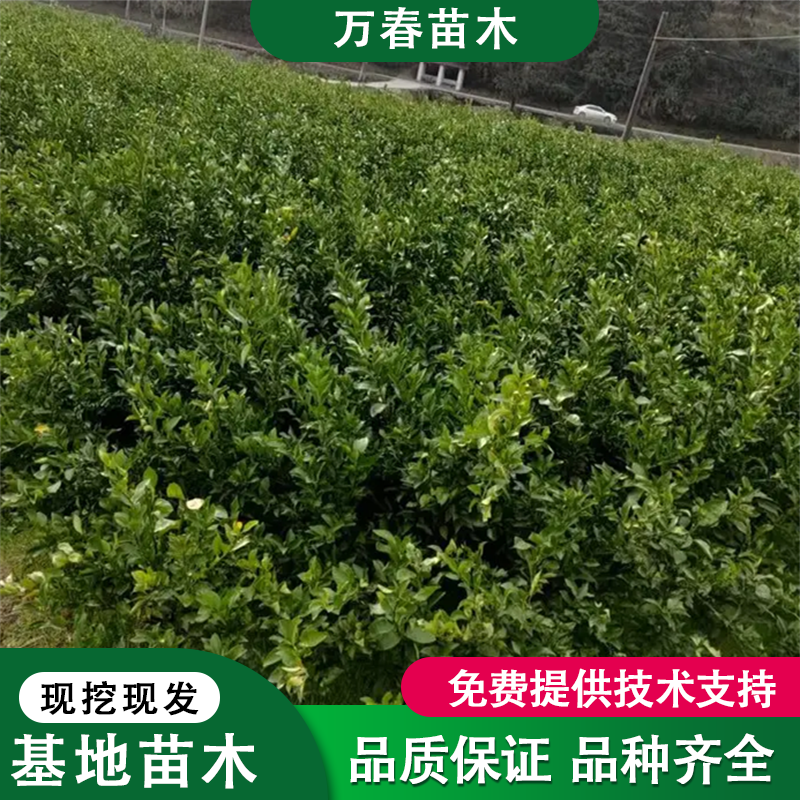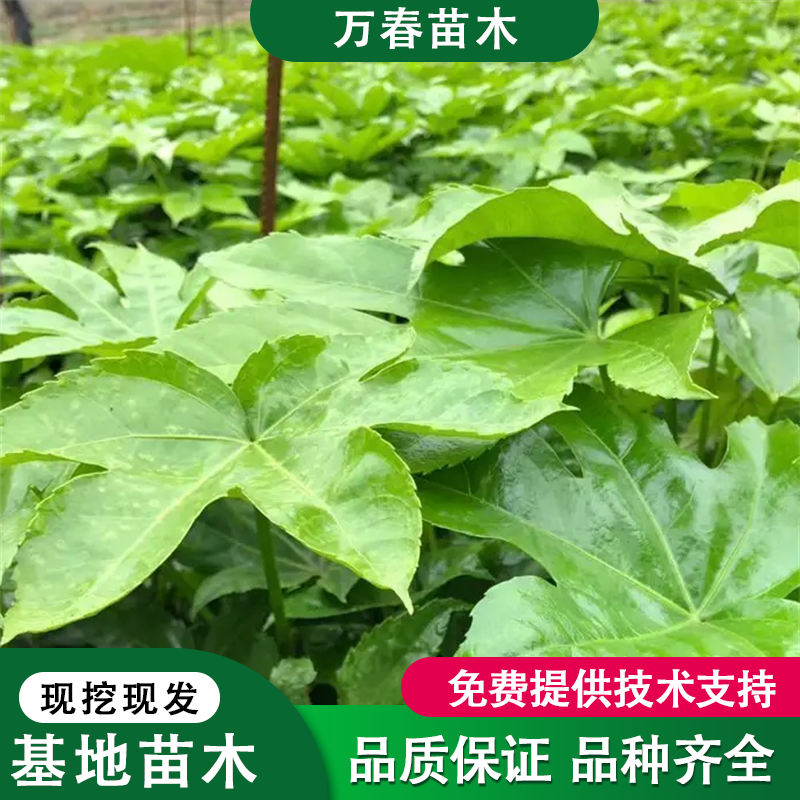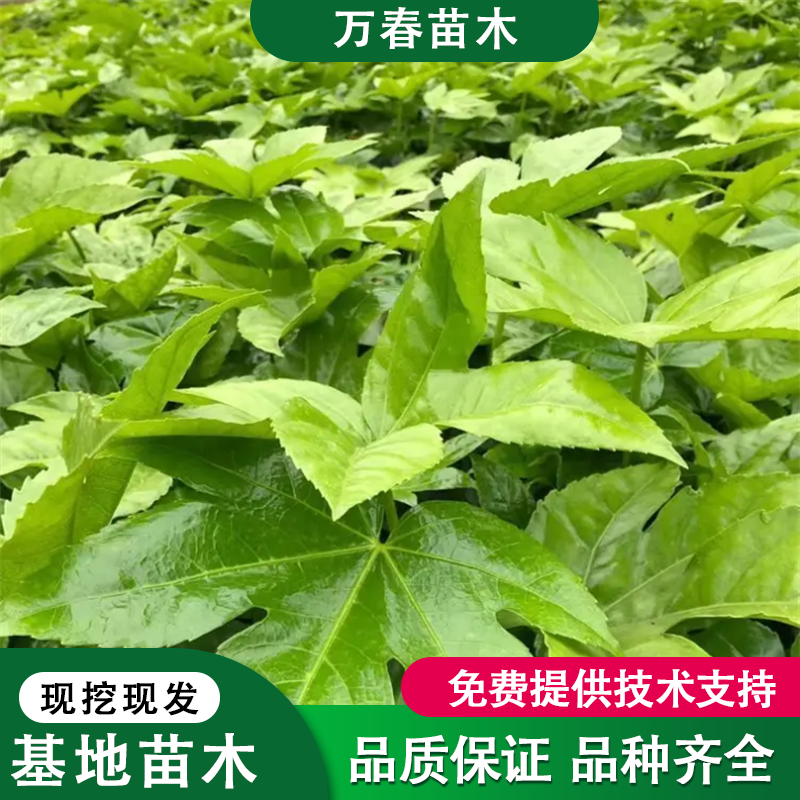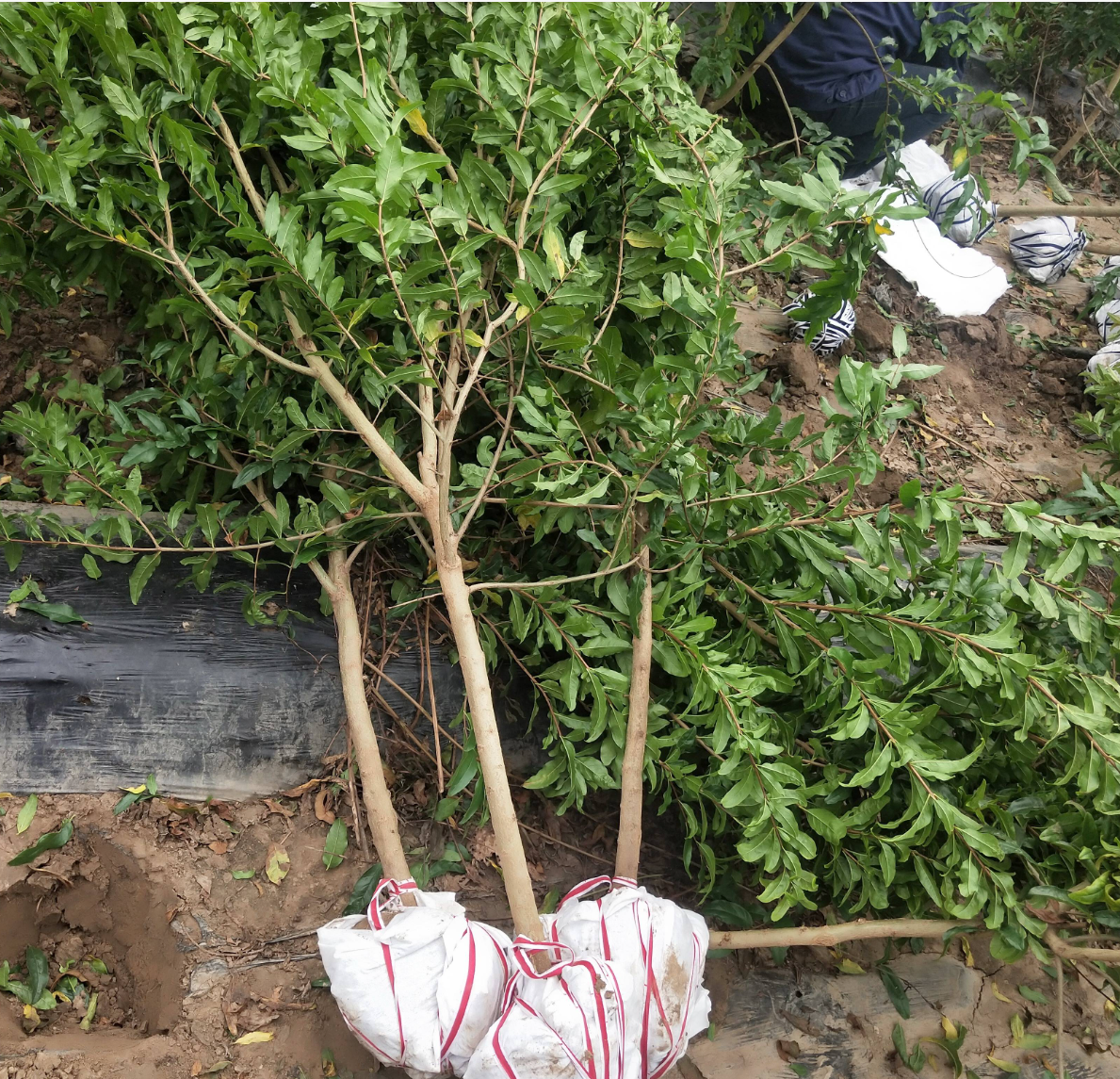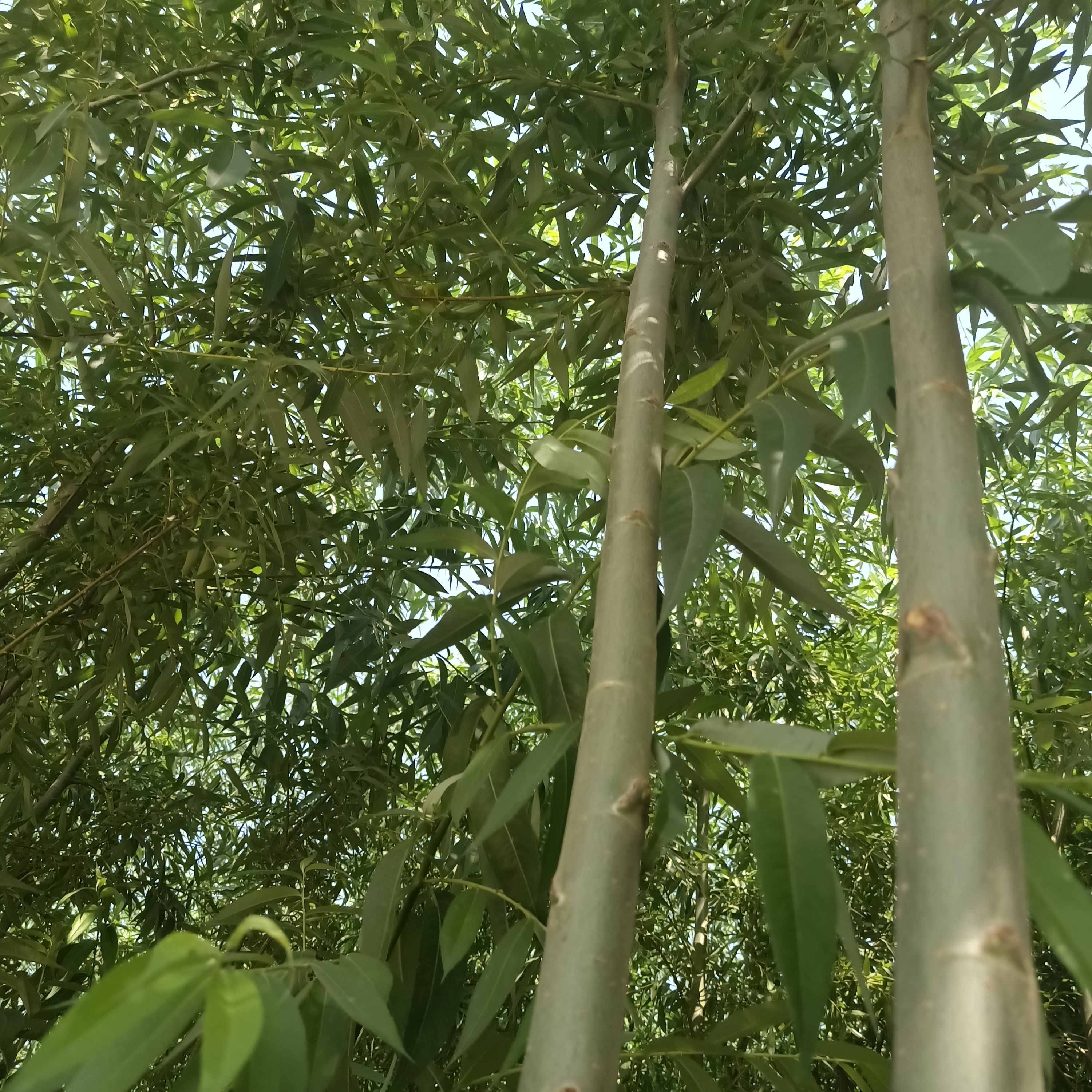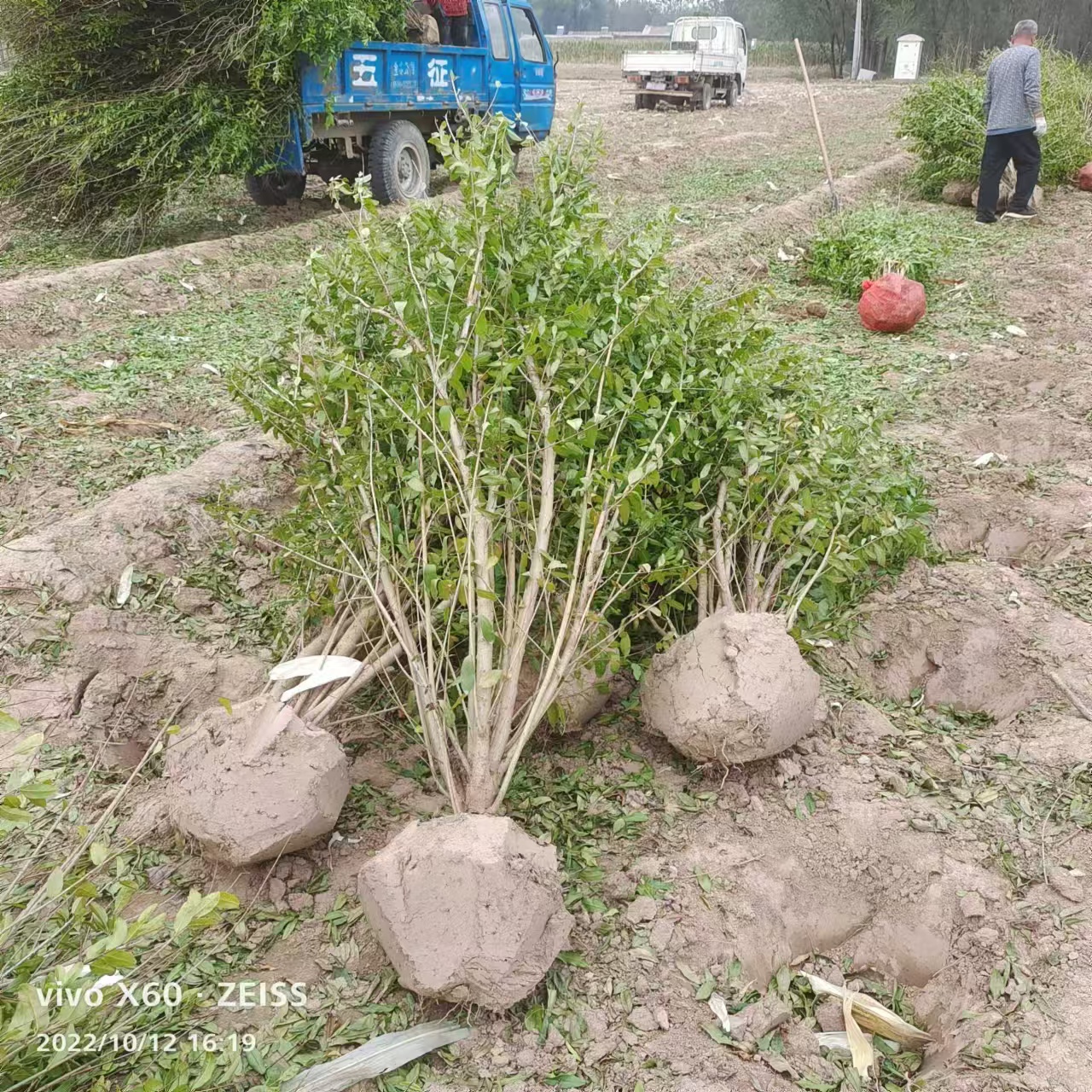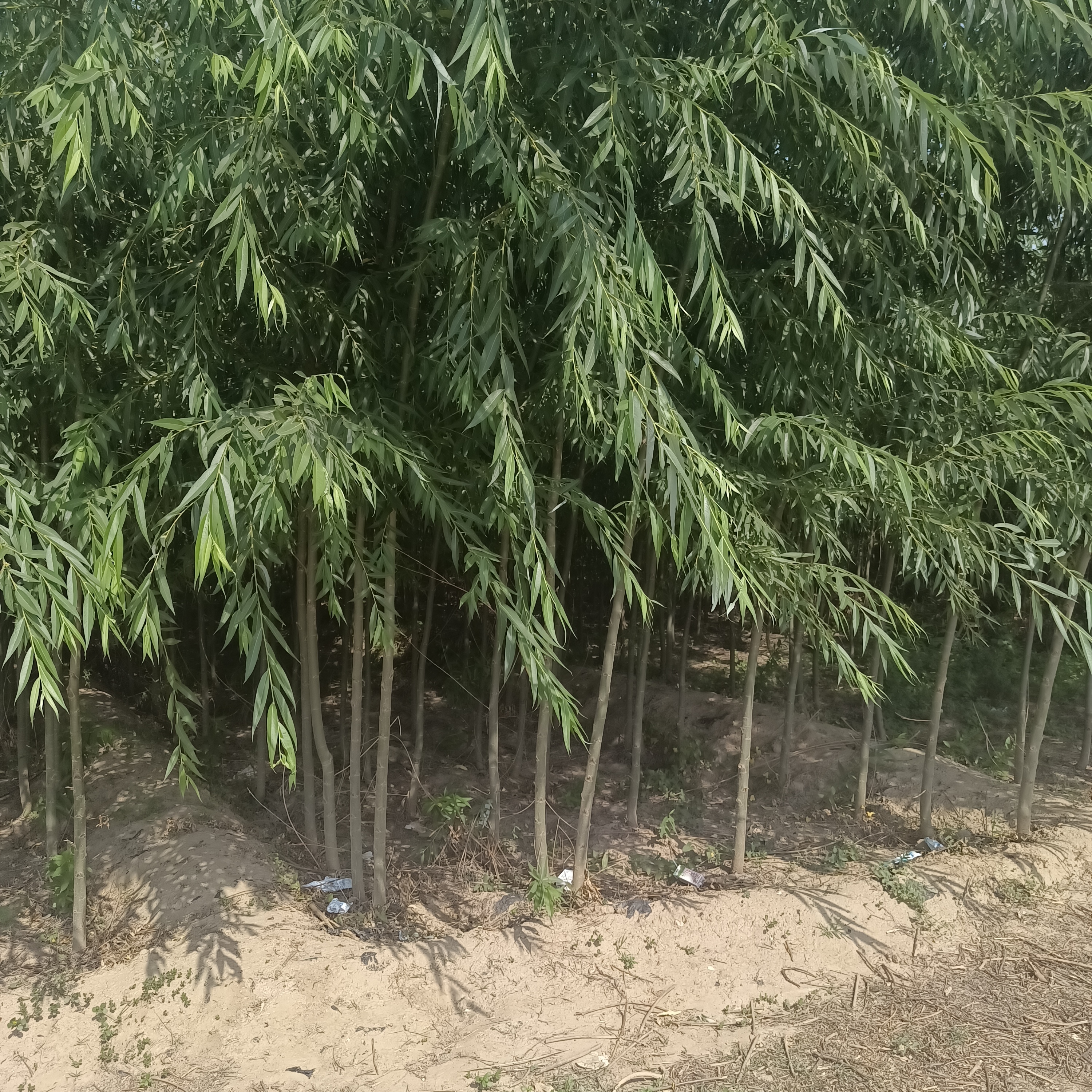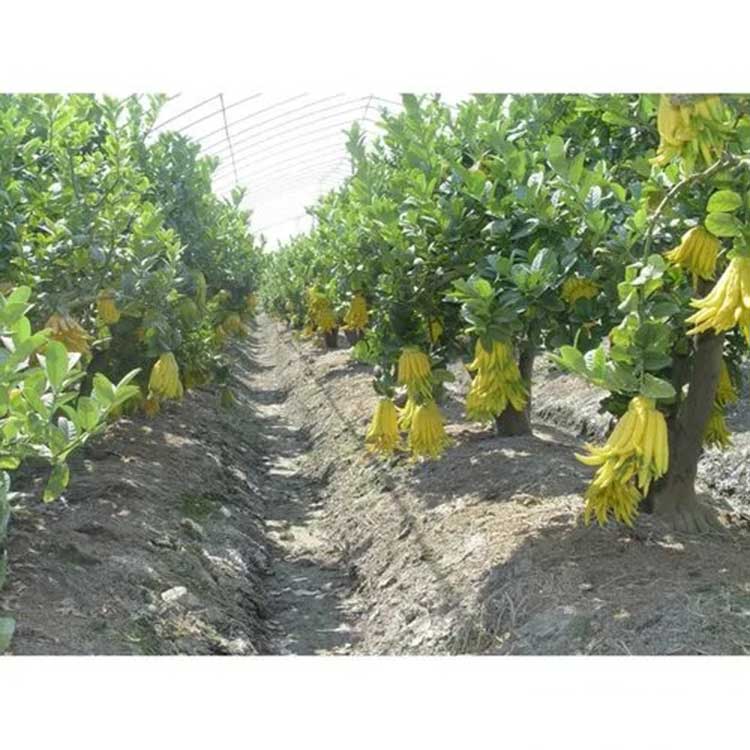

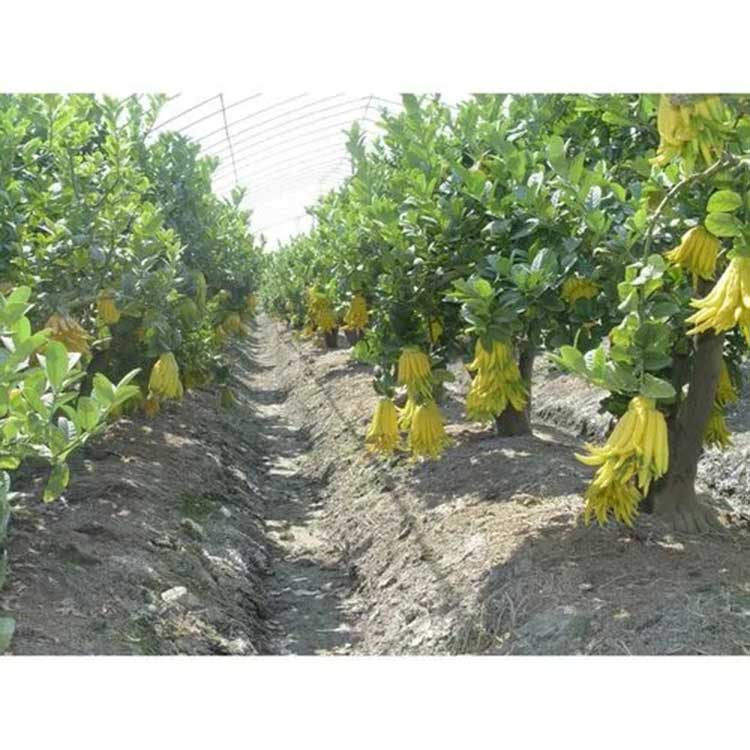
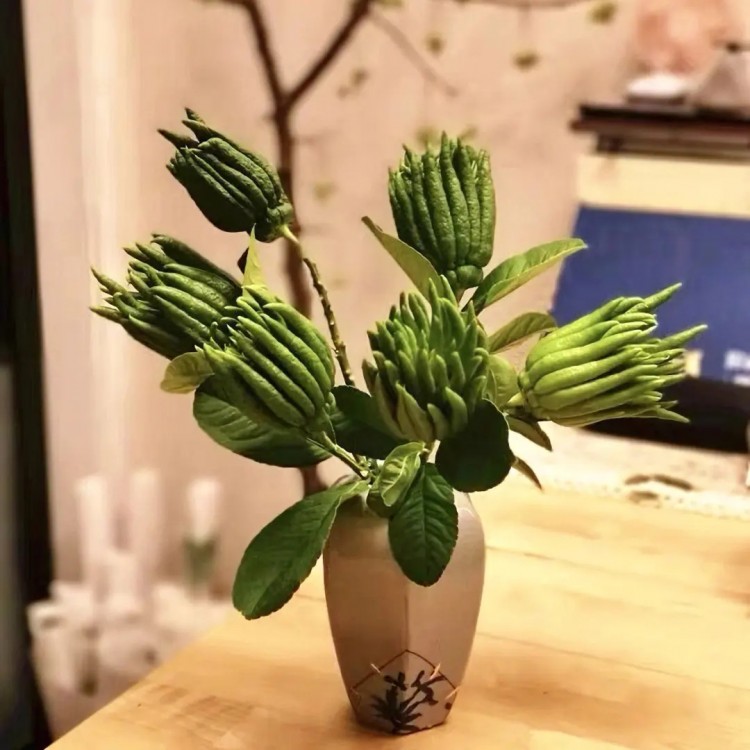
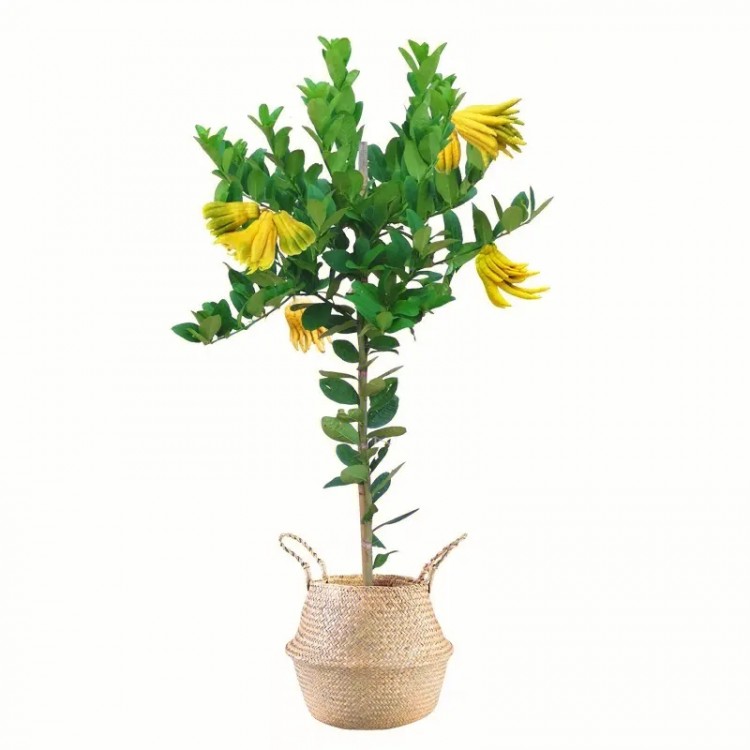


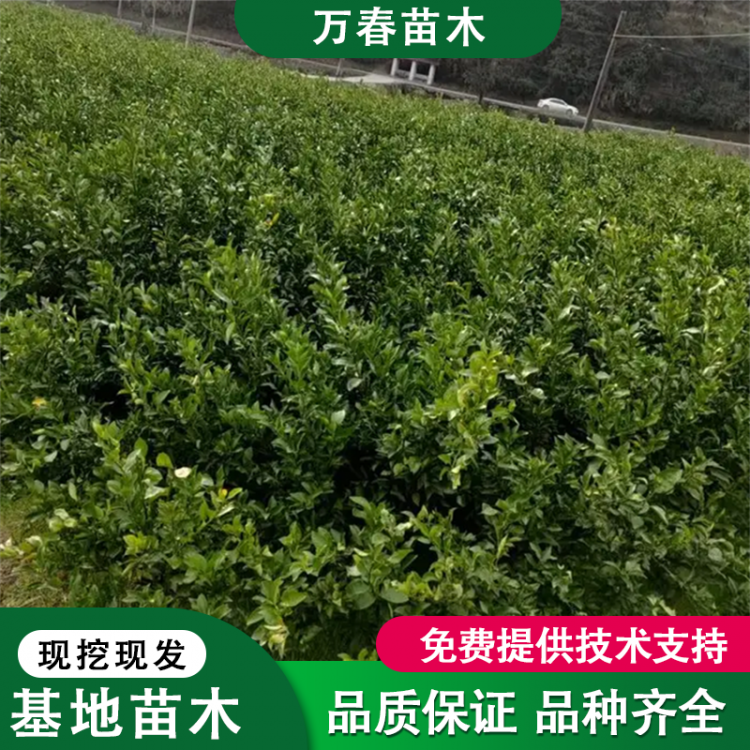





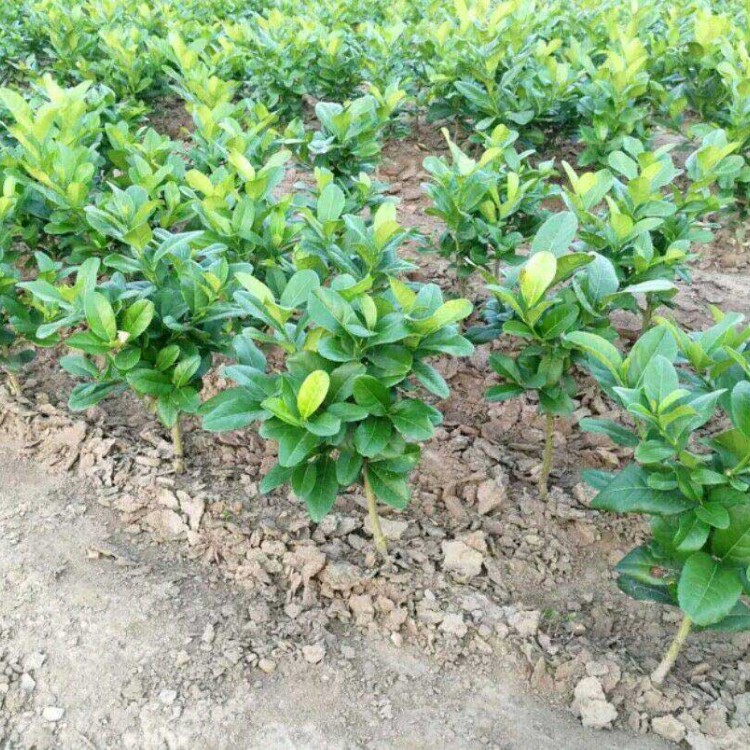
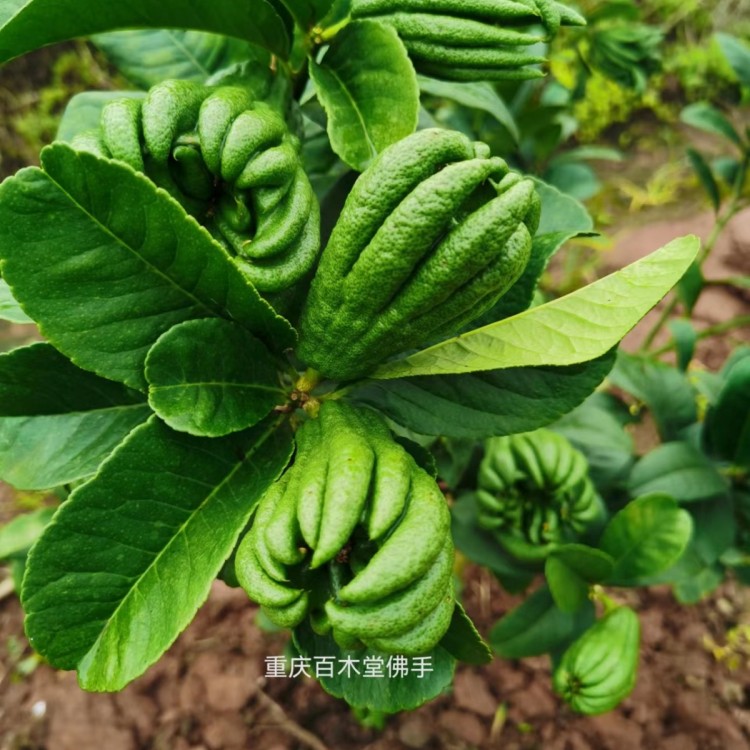
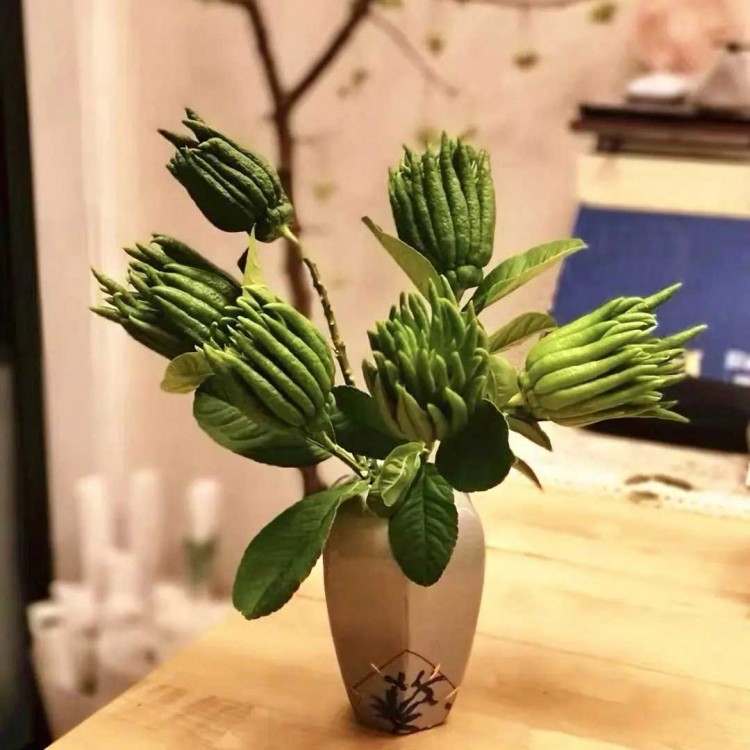
Buddha's Hand seedling transplanting time: March, April, October, November; with October and November having the highest survival rate.
In the prepared plot, dig holes at a distance of 3x2m for the seedlings. The hole should be 60cm in length and width, and 40cm deep. Apply sufficient bottom fertilizer, mix it evenly with the soil before refilling with topsoil, to prevent direct contact between the fertilizer and the roots. Place the prepared finger citron seedlings individually into the holes, arrange the roots properly for maximum soil contact, cover with fine topsoil, gently pull the seedlings up a few times to straighten them, step firmly on them, cover with an additional layer of soil, and then water thoroughly to ensure a survival rate of over 90%. Plant 110 finger citron seedlings per mu. Note that the finger citron should not be planted too deeply, keeping the base of the seedlings level with the ground. If possible, cover with a layer of reed matting after planting to help retain heat and moisture.
Weeding and herbicide application depend on the growth of weeds within the field. When there are many weeds, manual weeding or chemical herbicide can be used. Manual weeding requires more labor and time, resulting in higher unit area costs. In contrast, chemical herbicide is time-saving, labor-saving, and efficient. Therefore, chemical herbicide is commonly used in loquat orchards. However, it is essential to select herbicides safe for loquat and compliant with GAP standards. Based on our company's years of experience, we recommend the primary use of herbicides. A mixture of 250ml of herbicide, 50ml of kerosene, 25g of soap powder, and 15kg of water should be sprayed nationwide to effectively kill various weeds. Throughout the year, chemical herbicide application is needed only 3-4 times.
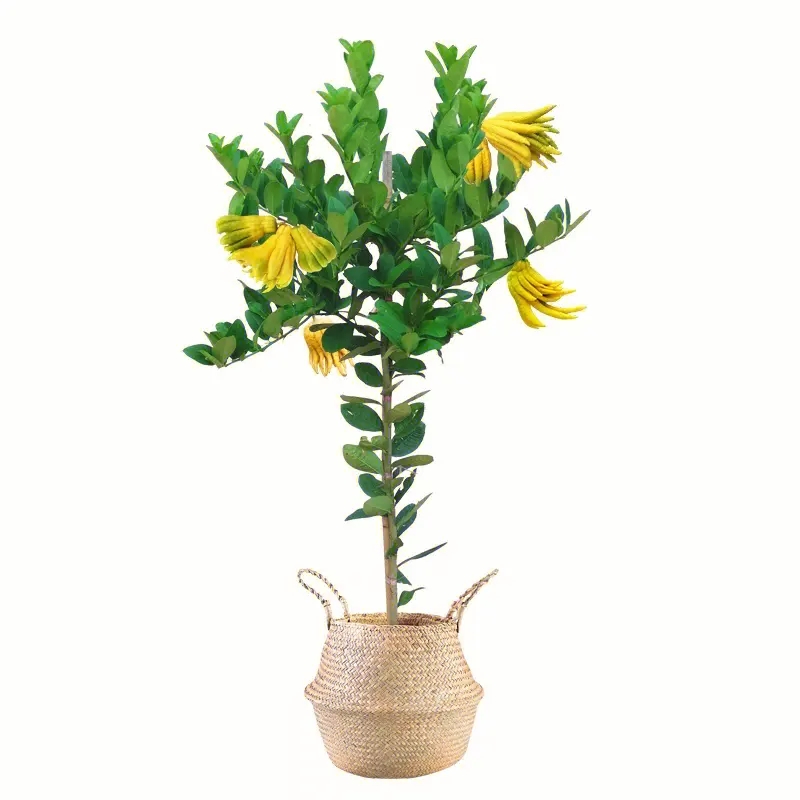
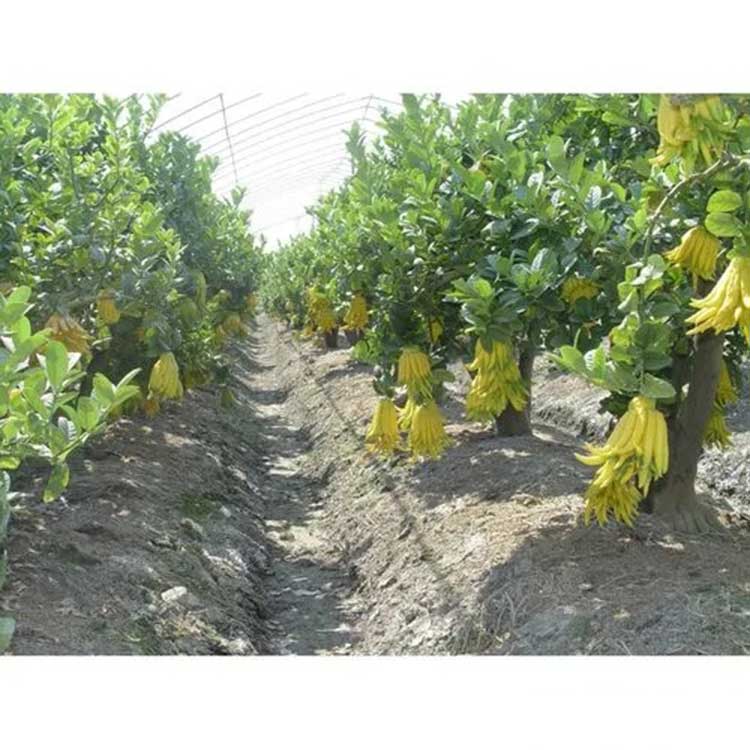
The finger citron grows vigorously, producing four shoots a year and three rootings, thus requiring regular pruning. During pruning, remove suckers, crowded branches, diseased branches, branches with insect cross-overs, and dry branches to encourage the finger citron to grow into a shrub-like shape. The principle of pruning finger citron trees is: prune weak branches to retain strong ones, prune high branches to retain low ones, prune dense branches to retain sparse ones, and preserve fruit-bearing parent branches.
Thinning Young Shoots: Once the new shoots grow a few centimeters, remove them. The main purpose is to "promote the growth of weak branches, achieve balance, enhance the growth of the tree's top, and control the bud sprouting of young fruit trees to reduce physiological fruit drop. However, it is essential to observe the tree shape and adopt a combination of "control" and "release" to achieve an ideal canopy.
Tip pruning: Before the new shoot stops growing, remove the tip. Its purpose is to promote nutrient conservation, control the number of branches, enhance the vigor of new branches, and it is essential for young trees to prune the tip promptly to control their elongation, which benefits early branching, increases the number and grade of branches, promotes branch丰满ness, reduces nutrient consumption, increases the tree's nutrient content, and promotes bud differentiation.
Buddha's Hand requires a significant amount of fertilizer; before transplanting, sufficient base fertilizer must be applied. During the management period, root or foliar fertilization should be carried out gradually and seasonally. The main fertilizers used are well-composted farmyard manure or stable manure, which must be fully decomposed before application. Spring and winter fertilizers are extremely important throughout the year's management.