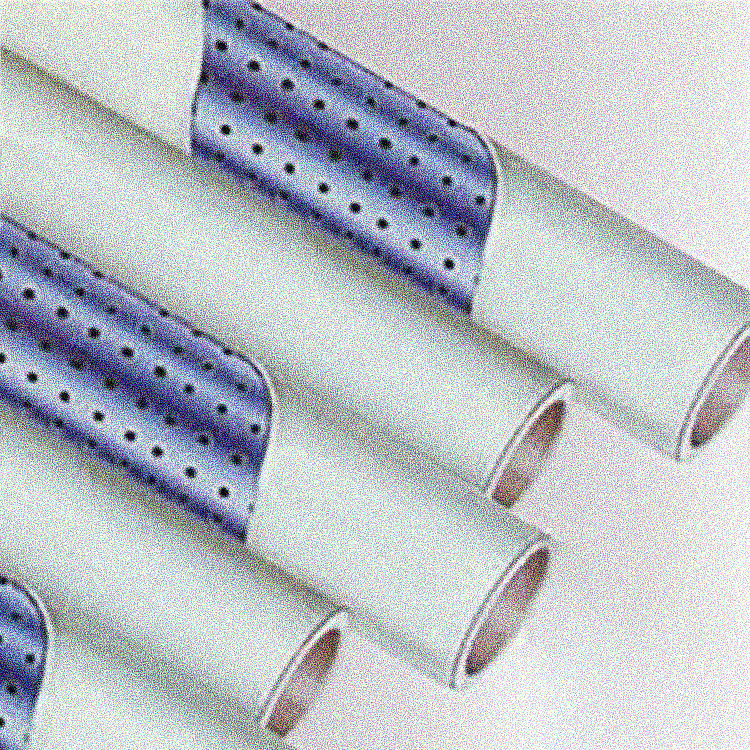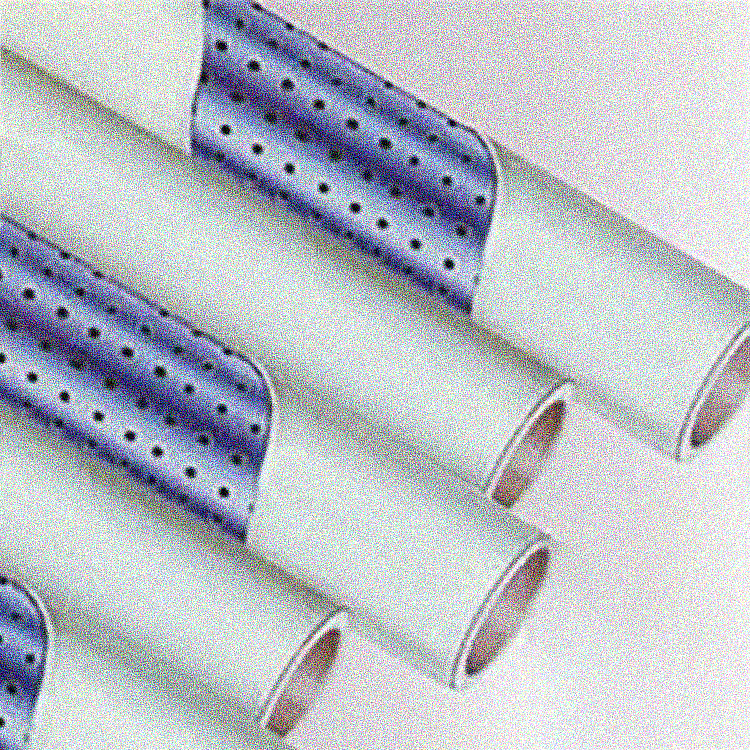

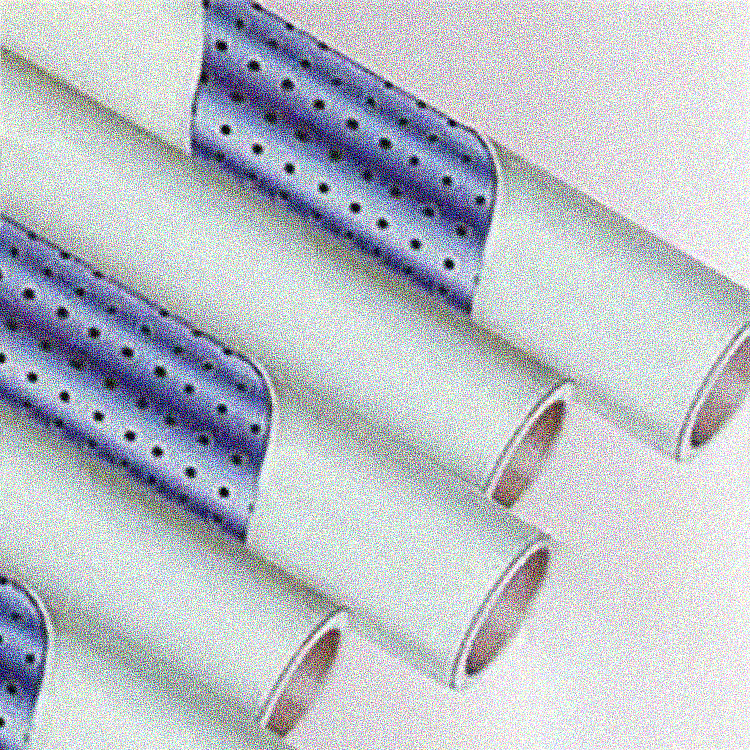
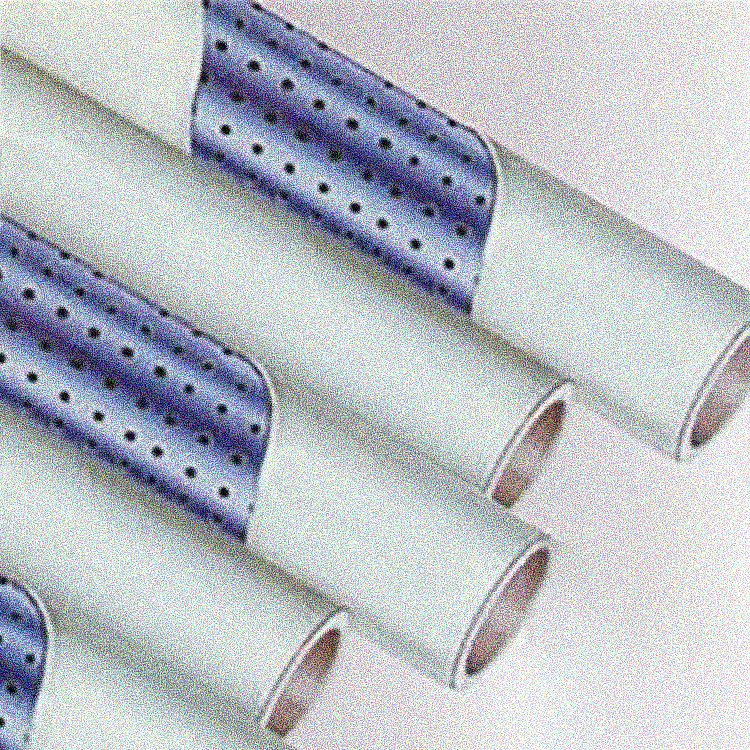


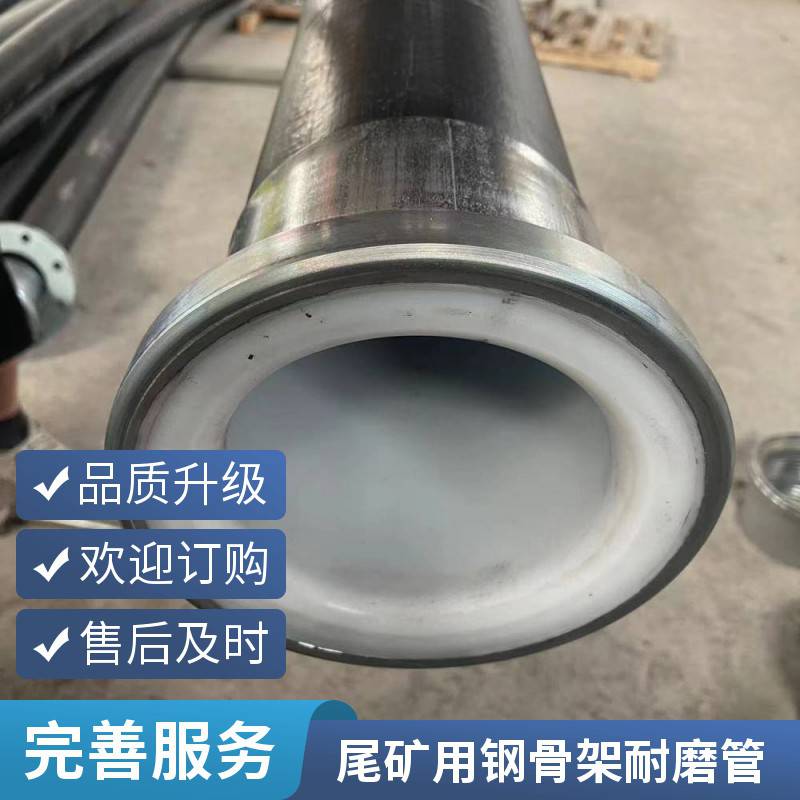
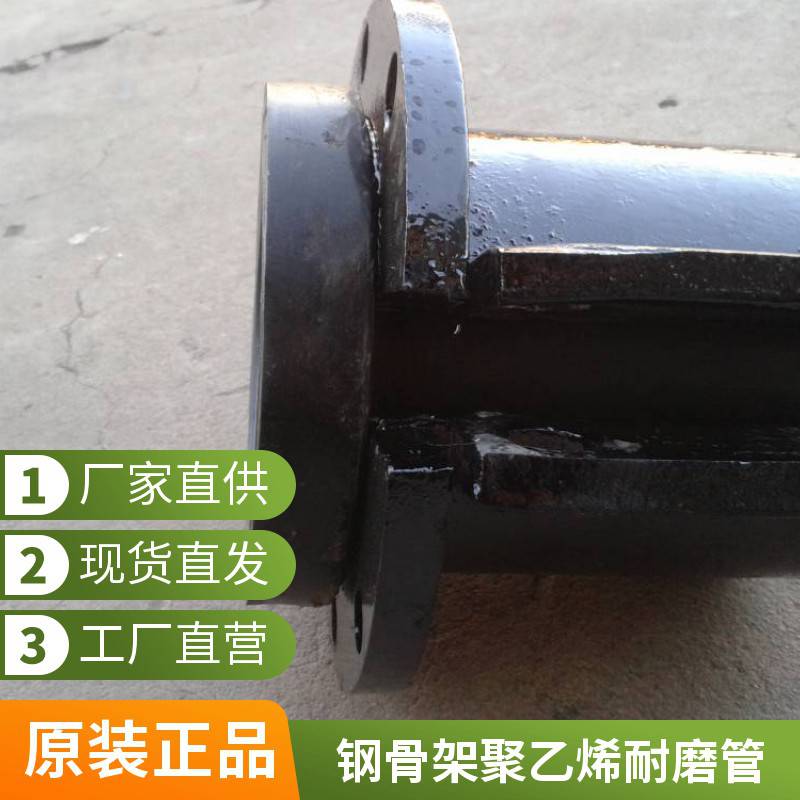
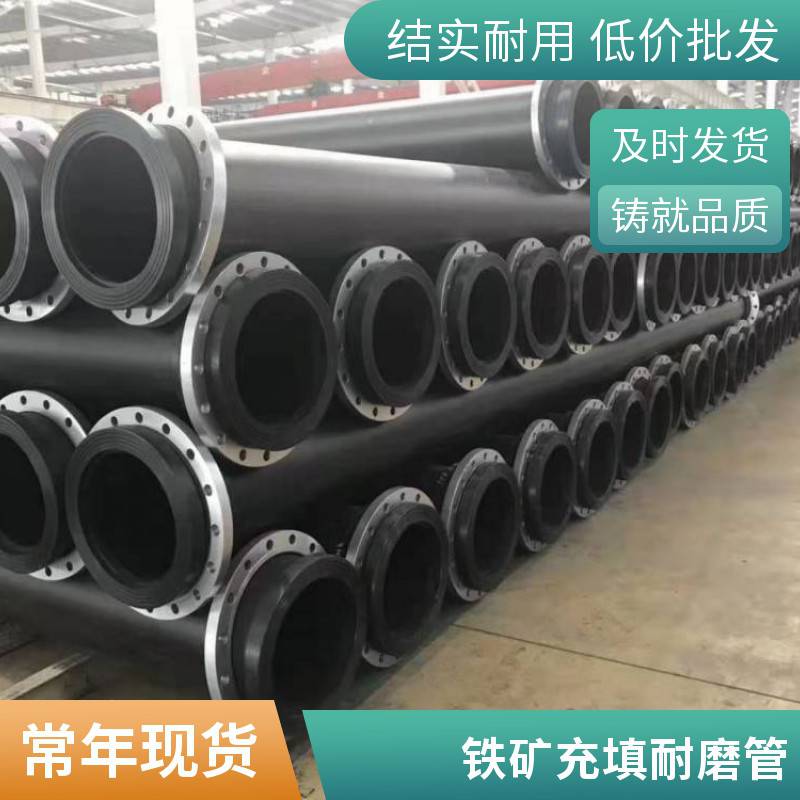





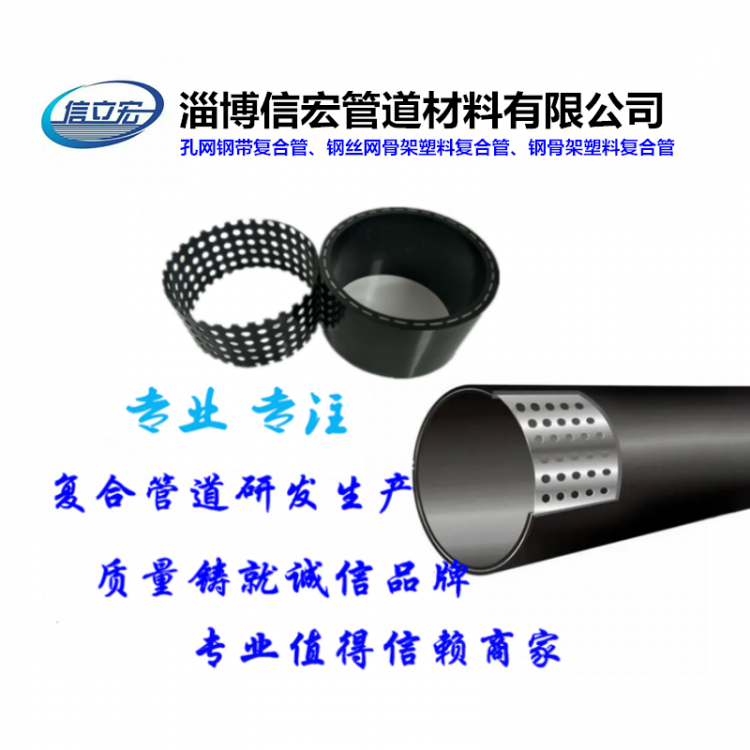
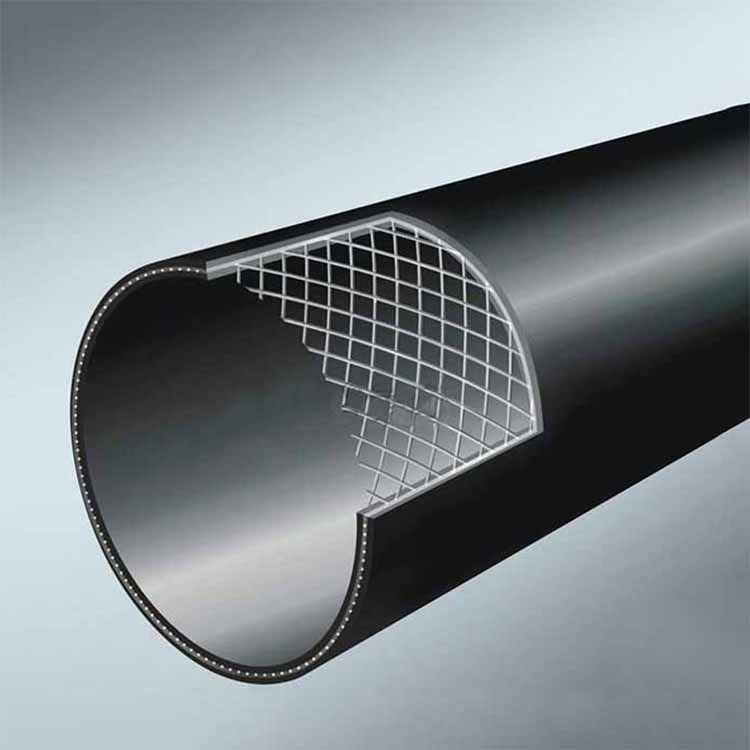
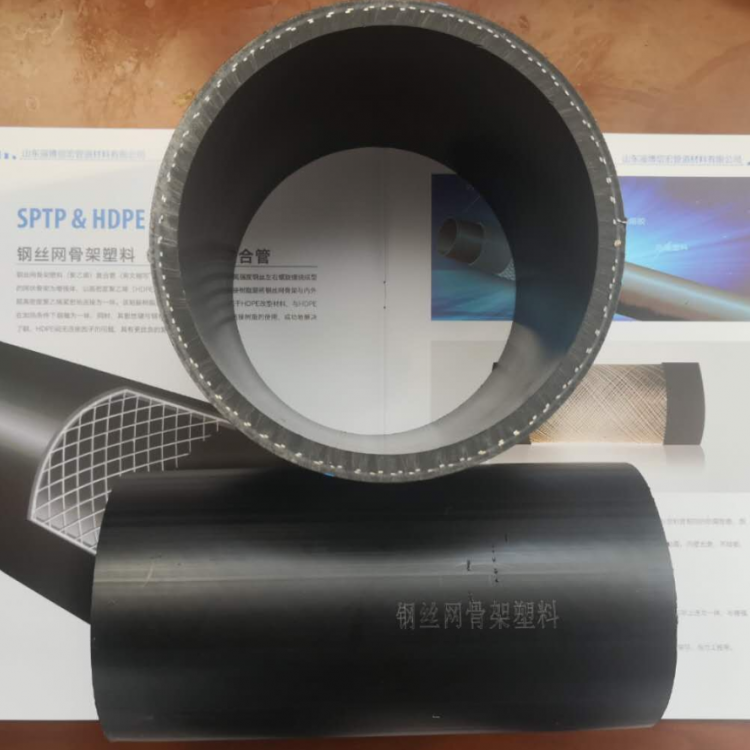
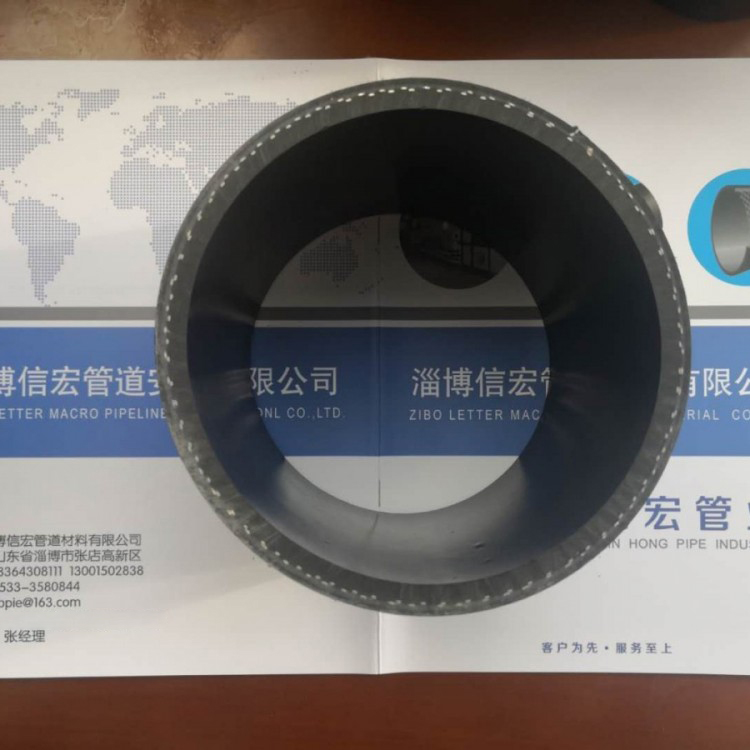
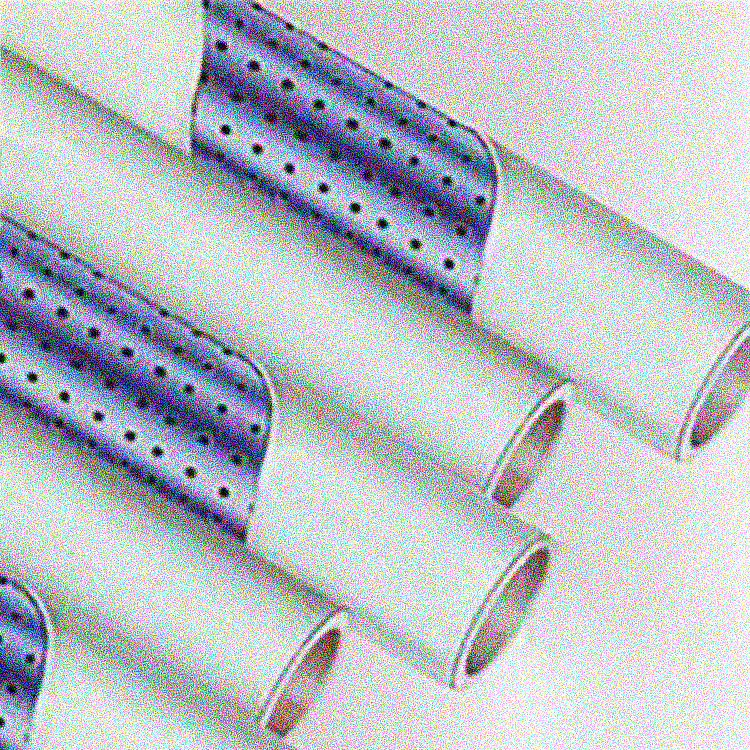
Hole-web steel belt plastic composite pipe product structure:
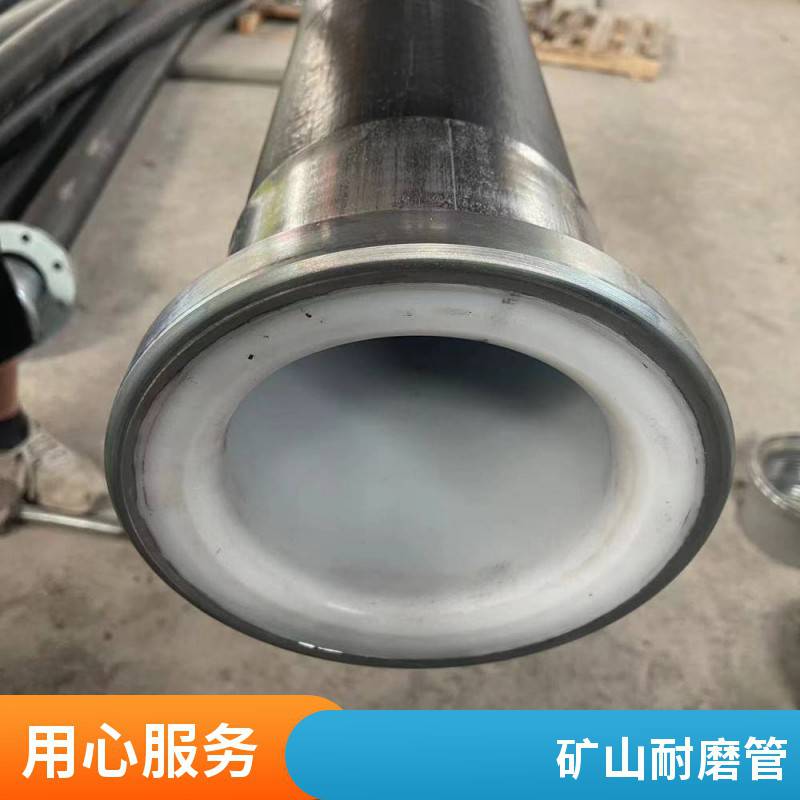
This product is a new type of composite pressure pipe material made of cold-rolled steel strips and thermoplastic plastics. It features a reinforced structure with porous thin-walled steel tubes焊接 using argon arc welding, and both the outer and inner layers are made of double-sided composite thermoplastic plastics. As the porous thin-walled steel tube reinforcement is encapsulated within continuous thermoplastic plastic, this composite pipe overcomes the individual drawbacks of steel and plastic pipes while retaining their combined advantages. It represents a revolutionary technological achievement for addressing the needs of building and municipal water supply main pipelines following the ban on galvanized pipes. It is also an essential pipeline for the urgent requirements of large and medium-sized diameter rigid pipes in the oil, chemical, food, mining, and gas industries, and is a new composite pipeline for the 21st century.
The pipe system for steel plate hole plastic composite pipes uses electro-heat fusion fittings. During connection, the internal heating element of the fitting melts the outer plastic layer of the pipe material with the inner plastic layer of the fitting, securely bonding the pipe material to the fitting.
Hole Mesh Steel Strip Plastic Composite Pipe Product Features:
1. Offers higher strength, rigidity, impact resistance, with a low expansion coefficient and蠕变resistance similar to steel pipes.
2. Double-sided corrosion protection, with the same corrosion resistance as plastic pipes, and also corrosion-resistant. Increased operating temperature.
3. Low thermal conductivity; no need for insulation on the exterior wall in winter, and no condensation in summer.
4. The inner wall is smooth and non-scaling, with a 30% lower head loss compared to steel pipes.
5. Pipeline connections utilize electric heat fusion, a mature technology with a wide variety of pipe fitting specifications and types.
6. Lightweight, easy transportation and construction.
7. Adjust the steel plate and plastic thickness to manufacture pipes of various pressure ratings. It allows for easy modification of reinforcement parameters, enabling the production of pipes with different pressure resistance levels.
8. High-temperature-resistant plastics such as medium-density polyethylene and atactic polypropylene (PP-R) can be used to produce temperature and pressure-resistant piping materials.
9. The overall reliability of the pipe material is high, with a service life of up to 50 years under normal conditions.
10. Low cost, hygienic, and non-toxic, it is a preferred substitute for galvanized pipes.
11. The reinforcement and plastic are integrated into a single structure, with the plastic layers on both inner and outer walls nearly impossible to peel off. The composite layer contains no adhesive, and is sealed using thermal welding rings and electric thermal fusion pipe fittings. As a pipeline connection, it is similar to the hot melt or electric thermal fusion processes for general plastic pipes, without concerns of plastic layers peeling off from the inner and outer walls or the reinforcement.
12. The electrical heat melting接头 exhibits strong resistance to axial tension. Through the pores, the electrical heat melting pipe fittings are actually integrated with both the inner and outer walls of the pipe, as well as with the reinforced frame.
Hole Mesh Steel Strip Plastic Composite Pipe Technical Requirements:
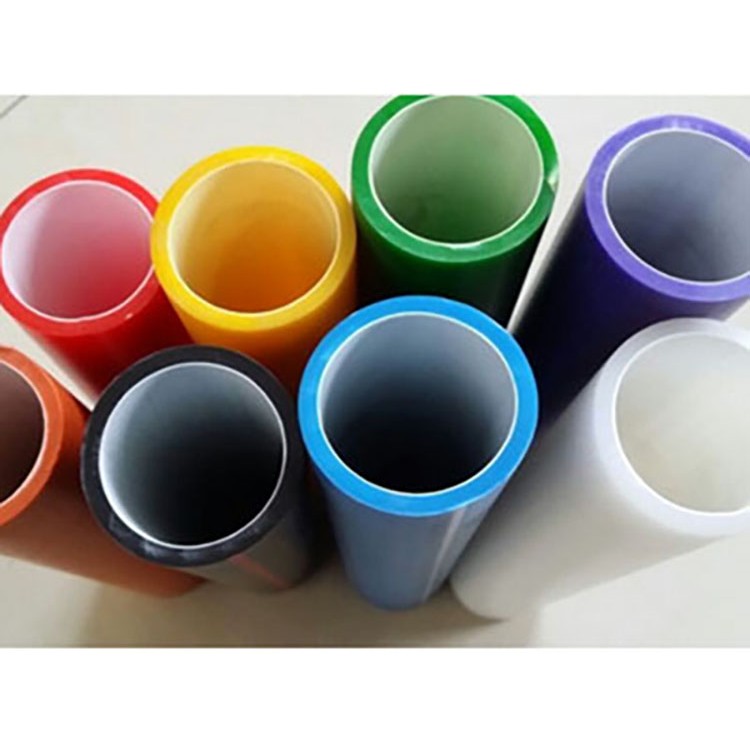
1. Colors are typically black, blue, or white; high-temperature-resistant pipes are usually orange, or can be agreed upon by both parties based on supply and demand.
2. The inner and outer surfaces of the pipe should be smooth and even, allowing for minor indentation and protrusions due to natural shrinkage, but no bubbles, cracks, decomposition变色 lines, or visible scratches are permitted. The ends of the pipe should be cut cleanly.
3. The pipe end caps seal the pipes effectively, with no cracks, smooth joints, and no scratches or burrs.
Hole net steel belt plastic composite pipe product specifications:
| Nominal Outer Diameter Allowable Deviation: De(mm) | Low-Pressure Series | Medium Voltage Series | Length L(mm) | ||
| Wall thickness e (mm) | Nominal Pressure (Mpa) | Wall Thickness e (mm) | Nominal Pressure (Mpa) | ||
| 50。+0.5 | 4.0。+0.5 | 1.6 | —— | —— | 6000。+60 |
| 63。+0.6 | 4.5。+0.6 | 1.6 | 5.5。+0.7 | 2.5 | |
| 75。+0.7 | 5.0。+0.6 | 1.6 | 6.0。+0.7 | 2.5 | |
| 90。+0.9 | 5.5。+0.7 | 1.6 | 6.5。+0.8 | 2.0 | |
| 110。+1.0 | 6.0。+0.7 | 1.6 | 7.0。+0.9 | 2.0 | |
| 160。+1.5 | 7.0。+0.9 | 1.0 | 9.0。+1.0 | 1.6 | |
| 200。+1.8 | 7.5。+0.9 | 1.0 | 10.0。+1.1 | 1.6 | |
| Nominal pressure refers to the working pressure of the pipe when conveying water at 20°C. If the medium temperature changes, an adjustment should be made. 2. Roundness ≤ 3%. 3. Special requirements proposed by the user shall be agreed upon by both parties. | |||||
Nominal Pressure Correction Coefficient for Holes Net Steel Strip Plastic Composite Pipe
| Temperature t (°C) | -40 | 20 | 30 | 40 | 50 | 60 | 70 |
| Calibration Coefficient | 1 | 0.95 | 0.90 | 0.86 | 0.81 | 0.76 | 0.71 |
Bendability of plastic composite pipe material with perforated steel strip:
| Nominal Outer Diameter of Pipe (mm) | 50 | 63 | 75 | 90 | 110 | 140 | 160 | 200 | 250 | 315 | 400 |
| Bendability (%) | ≤1.5 | ≤1.0 | ≤0.8 | ||||||||
| Note: Bend refers to bending in the same direction; S-bend is not permitted. | |||||||||||
Hole-web steel strip plastic composite pipe product performance:
| Project | Index | |
| 1. Stress Cracking Resistance | No cracks. | |
| 2. Vertical dimension change rate (110°C, 1 hour hold) | <0.3% | |
| 3. Tube joint tensile property (axial tensile force F, sustained for 5 minutes) | No visible residual deformation | |
| Hydrostatic Test | Temperature 20°C, duration 1 hour, hoop stress 22 MPa | Unbreakable and leak-proof |
| 80°C, 165h (60h) Circumferential stress 8Mpa (10Mpa) | ||
| Seal Performance Test | Temperature 20°C, Duration 1 hour, Circumferential Stress 22 MPa | Unbreakable and leak-proof |
| Temperature 80°C, time 165h (60h) Circular stress 8 Mpa (10 Mpa) | ||
Holeweb Steel Strip Plastic Composite Pipe Application:
1. Chemical Industry: Manufacturing of acids, alkalis, salts, petrochemicals, chemicals, mining, rubber and plastics industries, process pipes and exhaust pipes for conveying corrosive gases, liquids, and solid powders.
2. Oil and Gas Fields: Collection and transportation pipelines for oil-containing wastewater, gas field wastewater, oil-gas synthetic materials, and polymer solution for re-injection into oil wells, as well as secondary and tertiary oil recovery and collection pipelines.
3. Mining: Ore slurry, tailings, ventilation pipes, and engineering pipes.
4. Textile, dyeing, and paper industry: Process piping and exhaust pipes for corrosive mediums.
5. Municipal Engineering: Urban construction water supply and drainage, drinking water, heat network return water, natural gas, gas transmission pipelines.
6. Non-ferrous Metals: Used for transporting corrosive media in non-ferrous metal smelting.
7. Agriculture: Deep well pipes, filter water pipes, culvert pipes, drainage pipes, ballast water pipes, ventilation pipes, etc.
8. Shipbuilding Industry: Ship's sewage pipes, drainage pipes, ballast water pipes, ventilation pipes, etc.
9. Sea Water Transportation: Desalination Plants, Coastal Power Plants, Sea Port City Sea Water Transportation, Submarine Pipelines and Cable Trenches (Conduits), etc.
10. Thermal Power Engineering: Process water return conveyance, waste residue conveyance.
11. Highway: Buried drainage pipes, cable conduit.
Packaging:
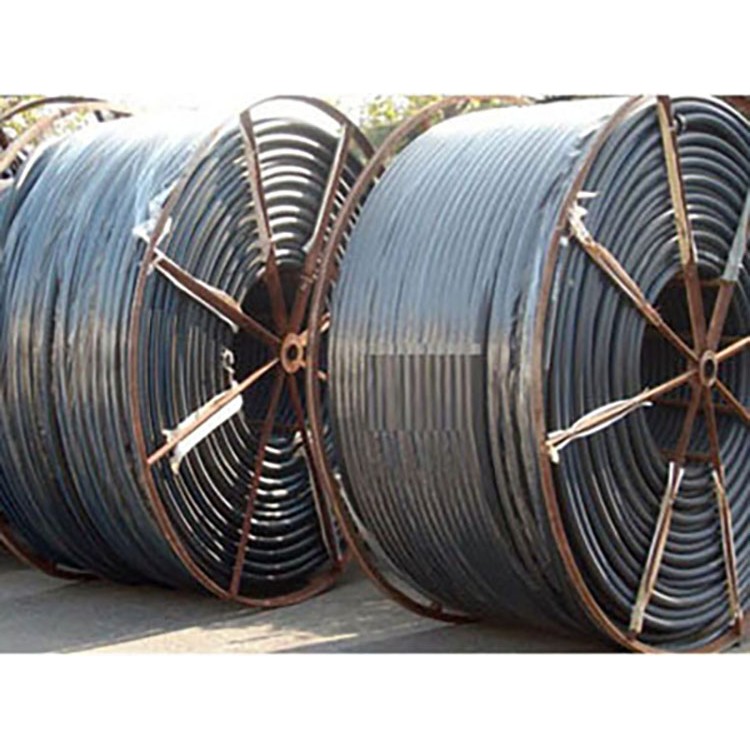
Tubing should be bundled, with both ends protected using paper shells or plastic end caps, and accompanied by a product quality certificate issued by the quality inspection department.
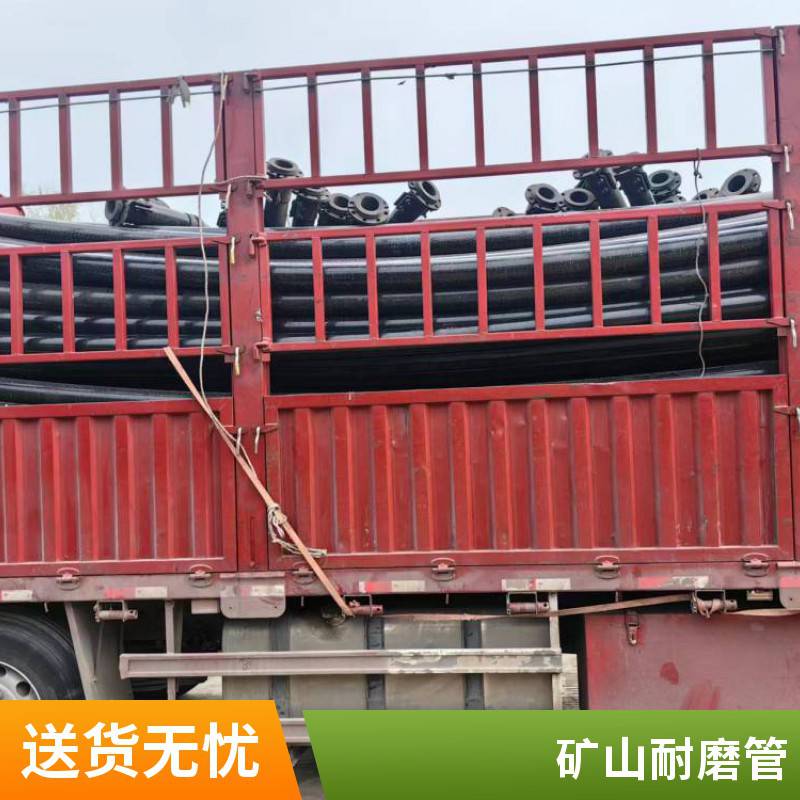
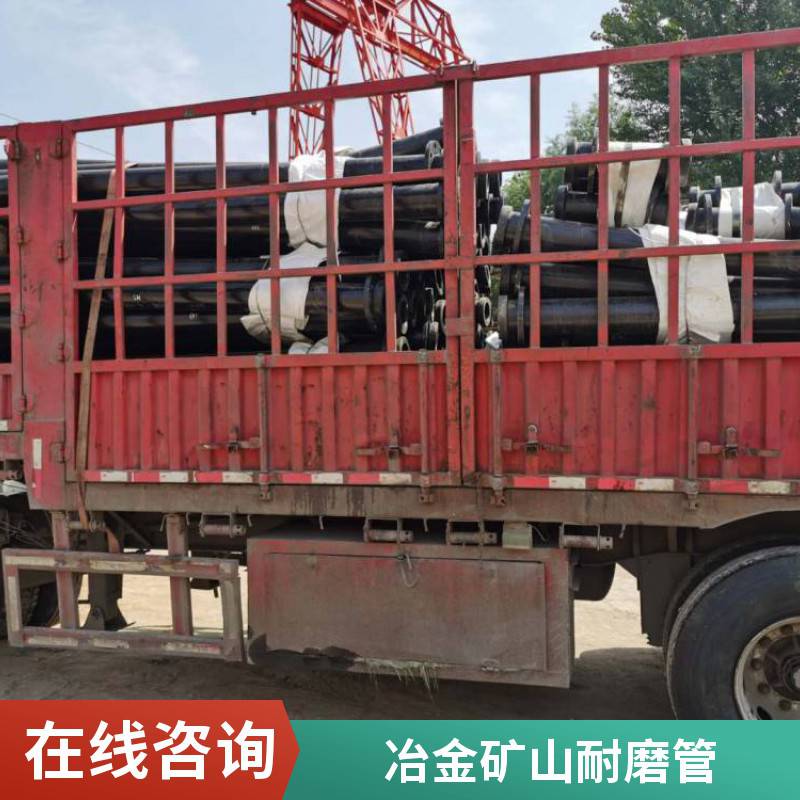
Transportation:
During transportation, pipe materials must not be subjected to severe impacts or cuts from sharp objects, and should not be thrown or exposed to sunlight.
Storage:
Tubing and pipe fittings should be stored in well-ventilated rooms or under canopies that provide shade, with temperatures not exceeding 40°C, and should not be kept outdoors or too close to heat sources. The protective plastic sheath and end caps should not be removed before use.
Tubing should be stacked horizontally on flat supports, with neither end exceeding 0.5m. The supports should be made of wood, with a width not less than 75mm, and the spacing between them should not be less than 1m. The stacking height should not exceed 1.5m.
Hole Net Steel Strip Plastic Composite Pipe Fitting Equipment and Installation:
Electrical heat-fused steel plate hole plastic composite pipes offer safety and convenience, and are particularly easy to connect with various types of pipes such as aluminum-plastic, PP-R, and steel pipes.
(1) Sealing Machine (2) Electric Heat Fusion Welder, featuring easy portability and simple operation. (3) Weldment Sectional View (4) Flanged Electric Heat Fusion (5) Electric Heat Fusion (6) Carefully Installed.