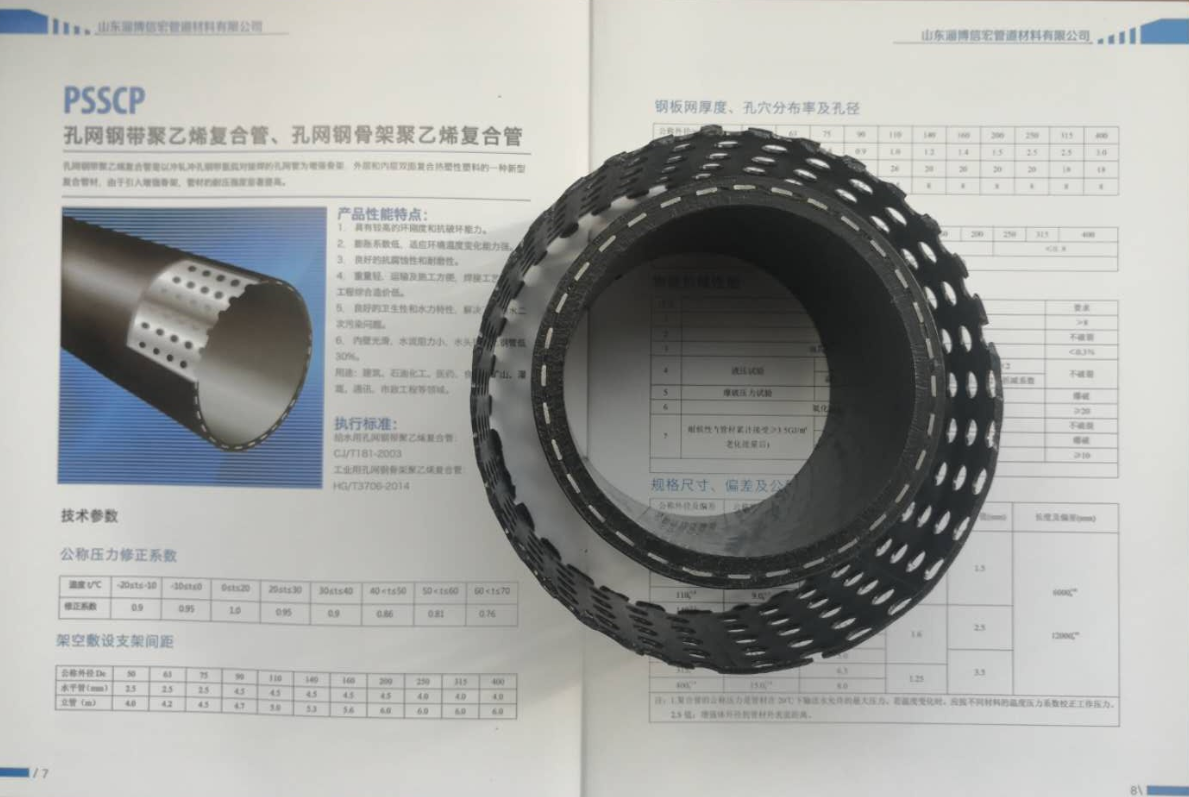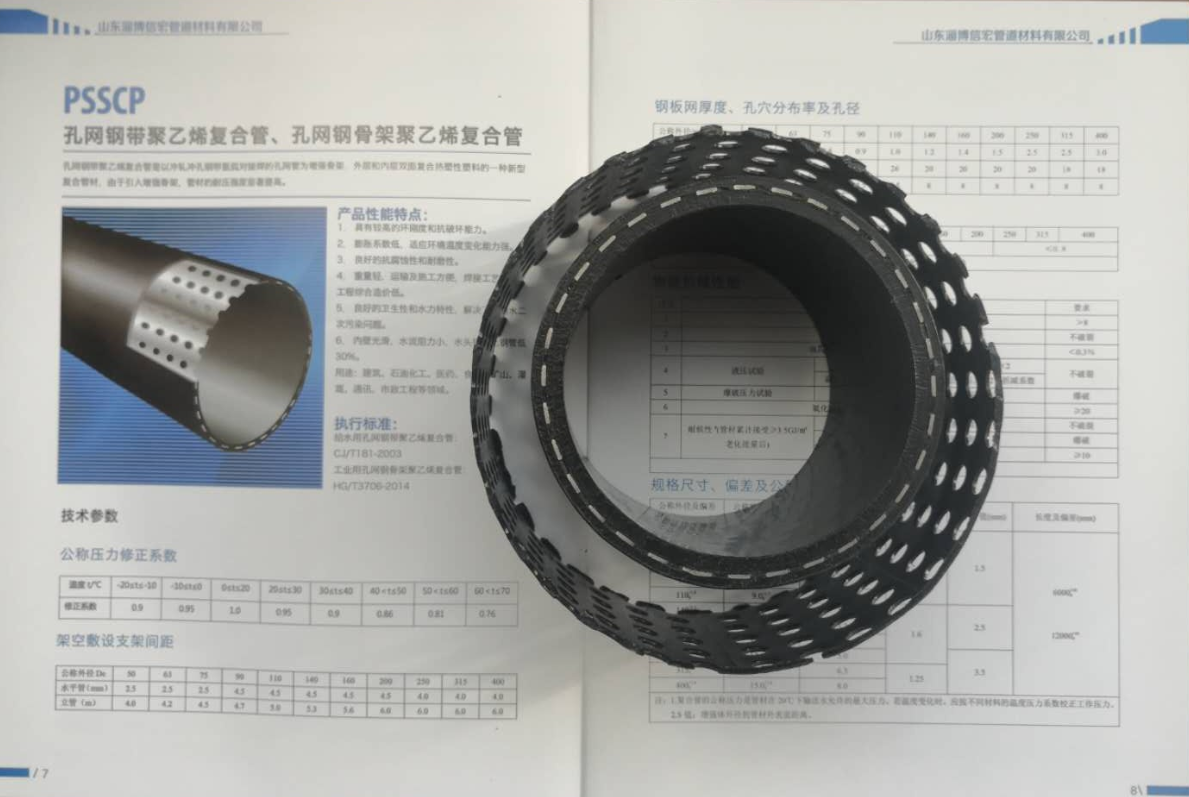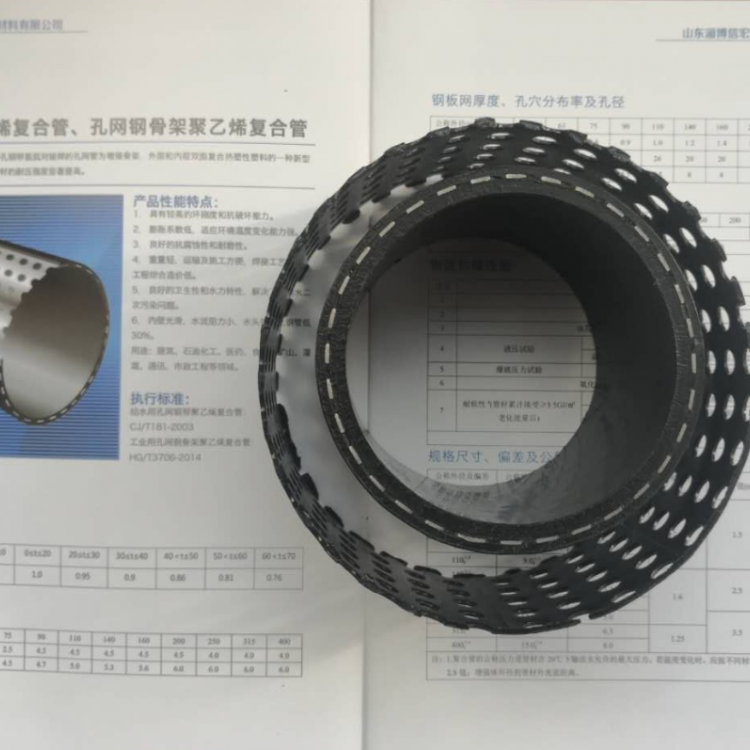

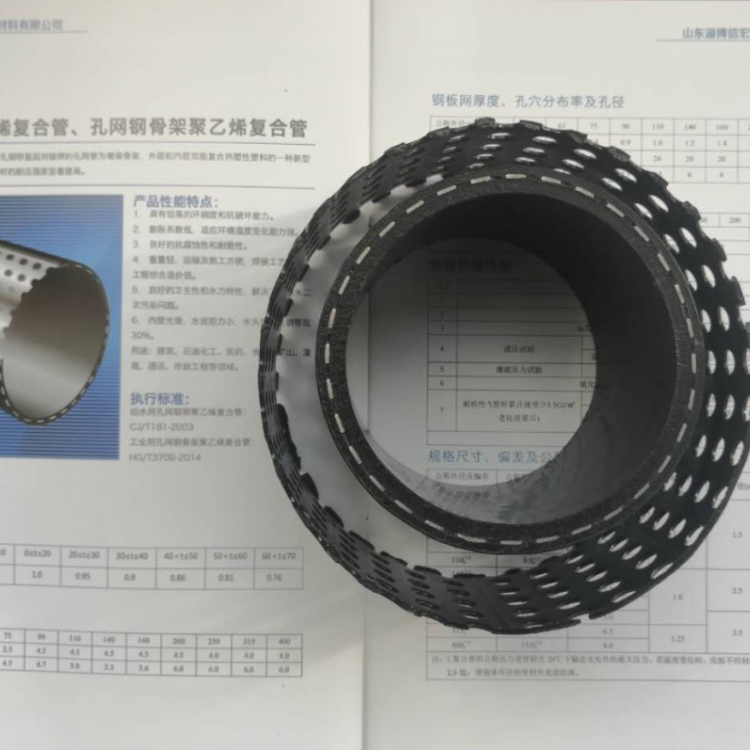


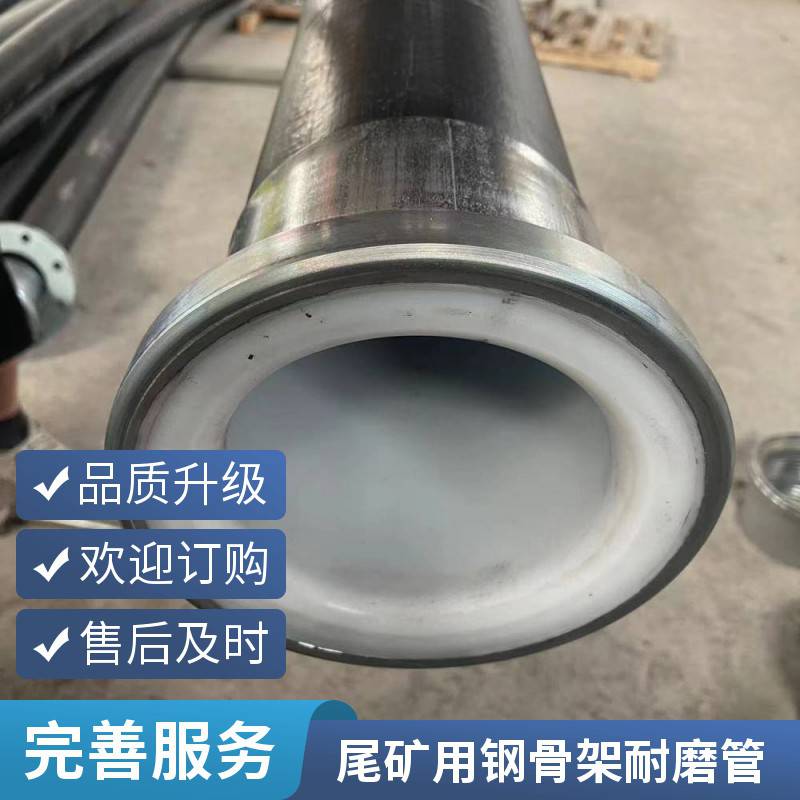
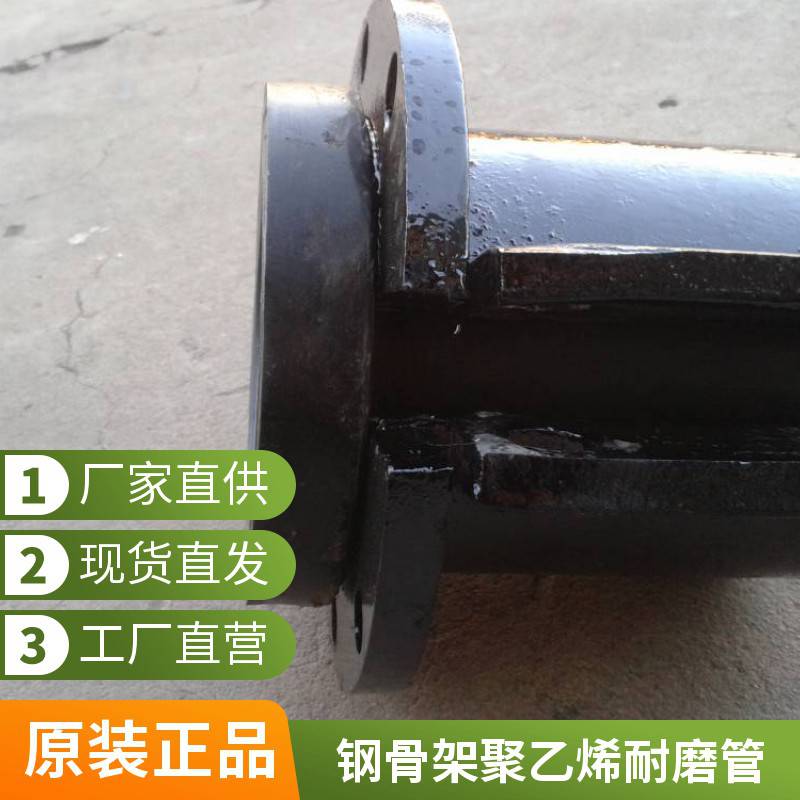
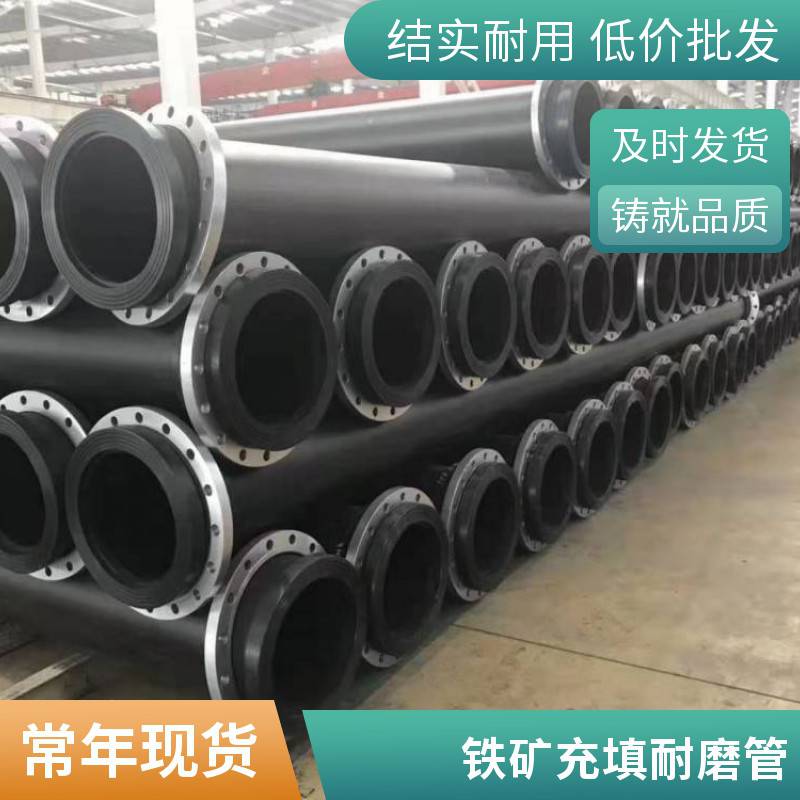





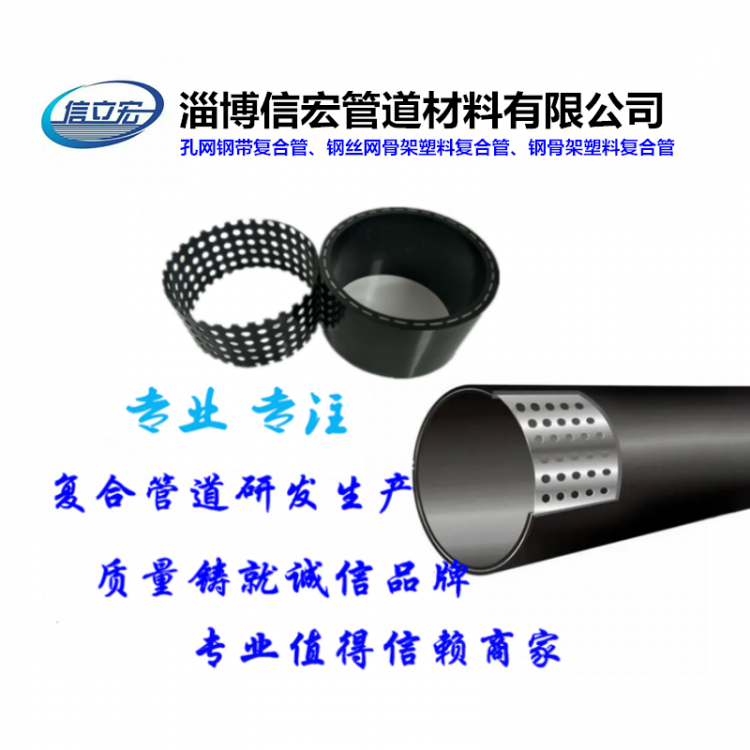
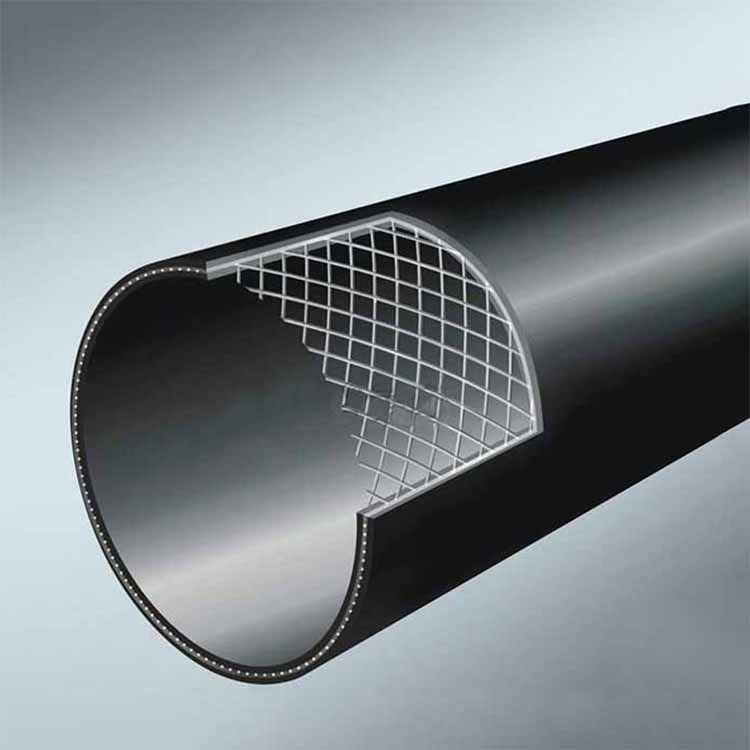
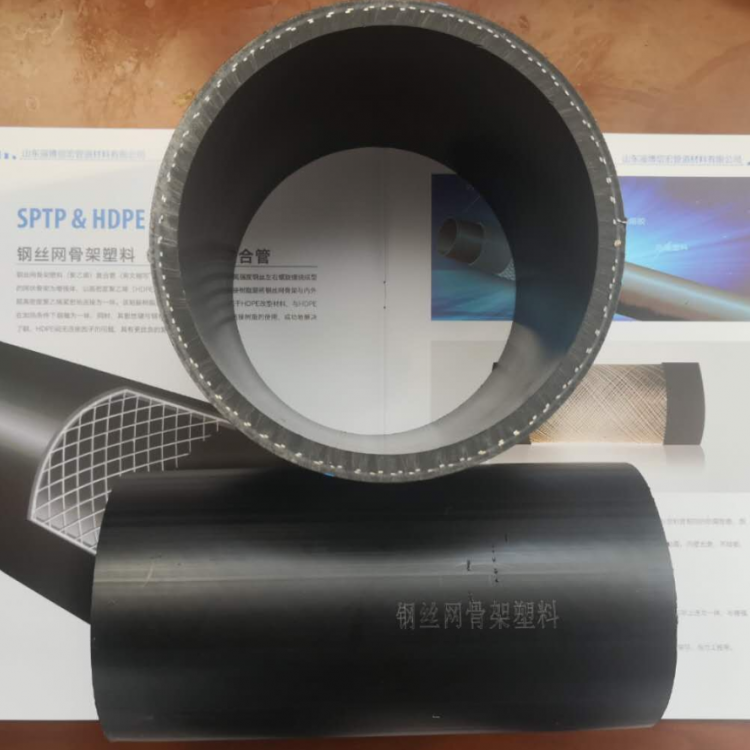
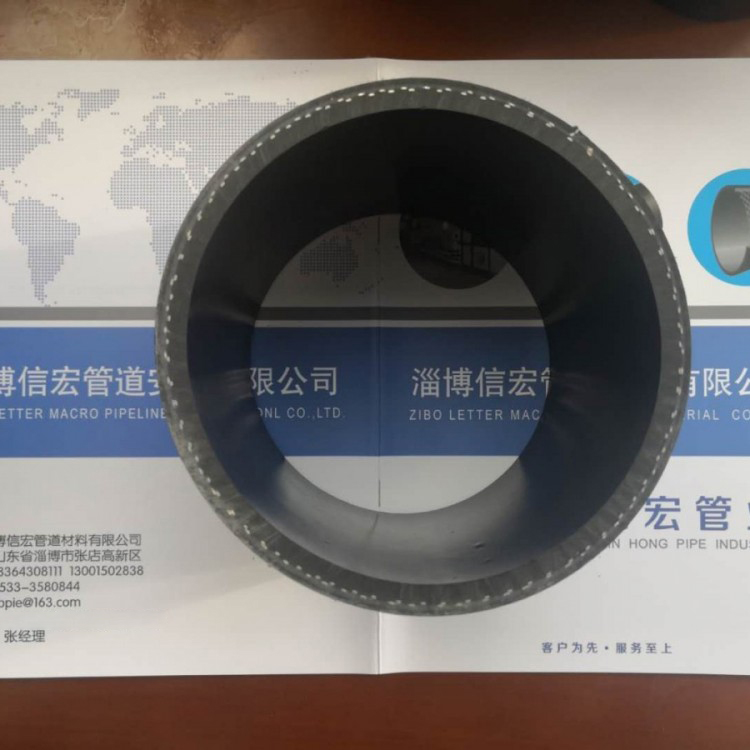
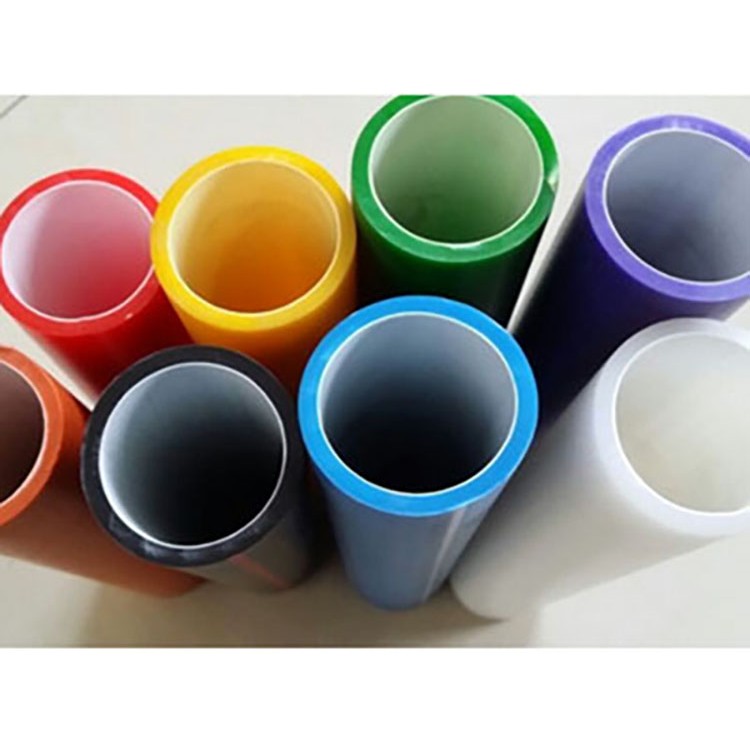
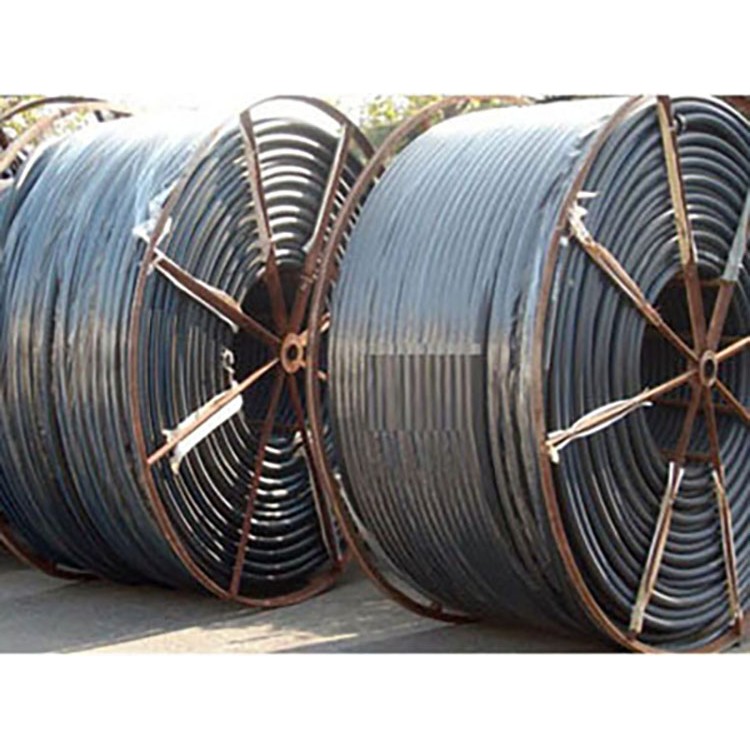
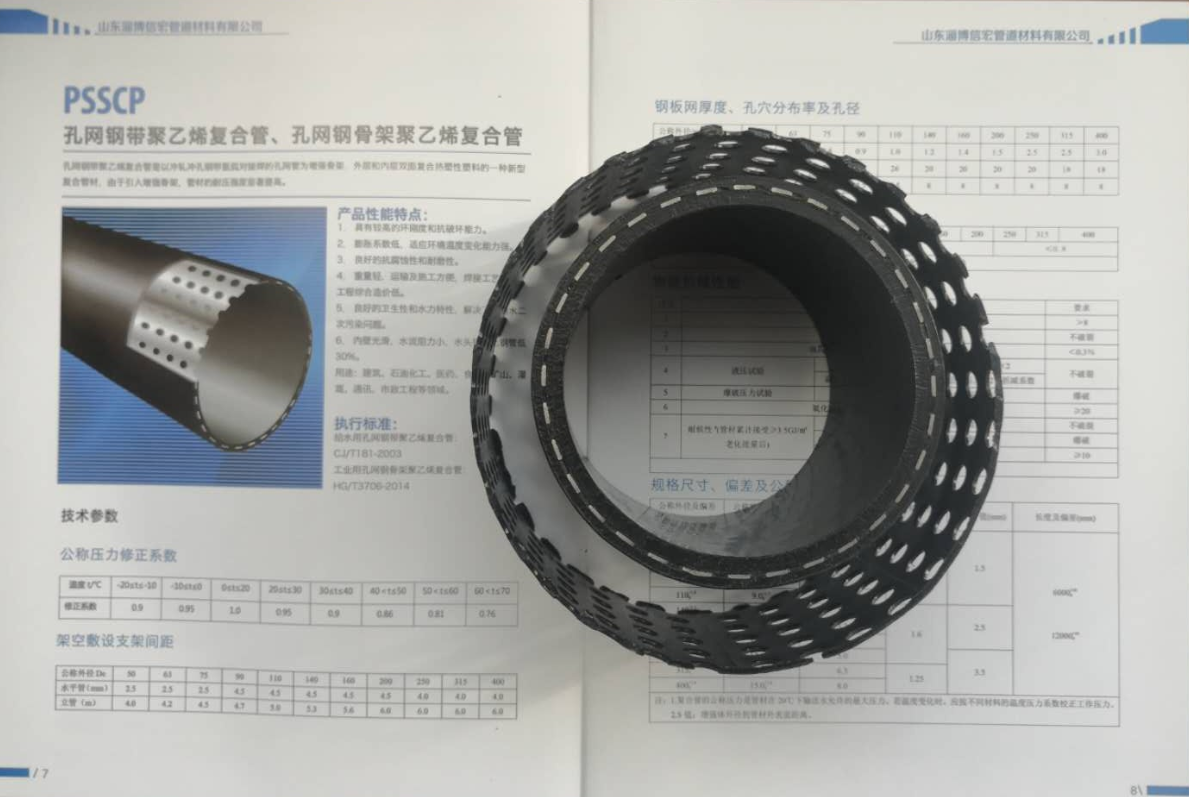
Hole Mesh Steel Strip Plastic Composite Pipe Product Features:
1. Higher strength, rigidity, impact resistance, and a low expansion coefficient and creep resistance similar to steel pipes, exceeding that of plastic tubes.
2. Double-sided corrosion resistance, with the same corrosion resistance as plastic pipes, and also resistant to corrosion. Increased operating temperature.
3. Low thermal conductivity; no need for insulation on the outer wall in winter, and no condensation in summer.
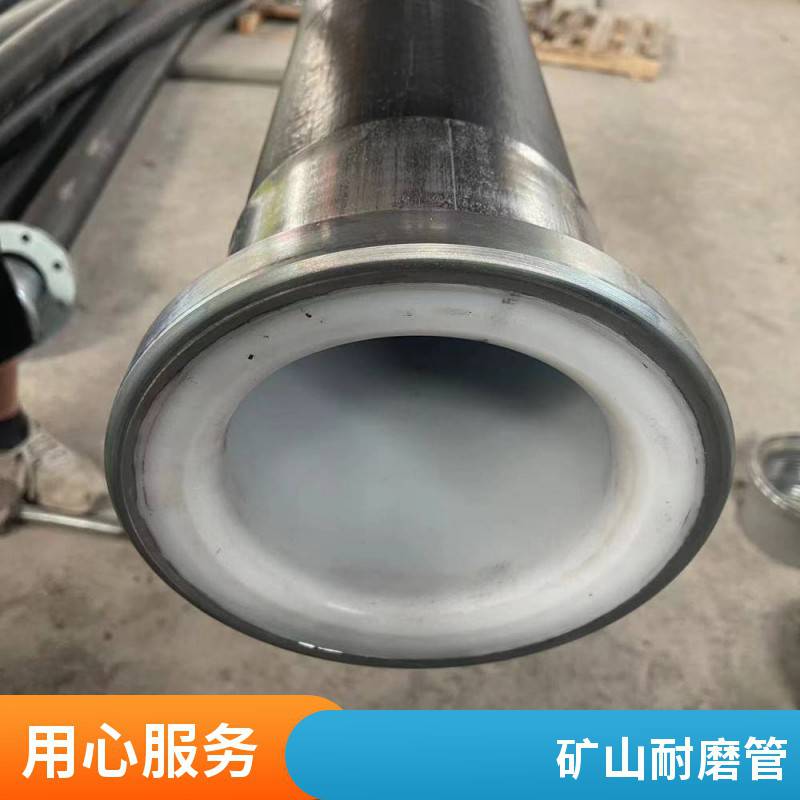
4. The inner wall is smooth and non-scaling, with a water head loss 30% lower than that of steel pipes.
5. Pipe connections are made using electric heat fusion, a mature technology with a wide variety of pipe fitting specifications and types.
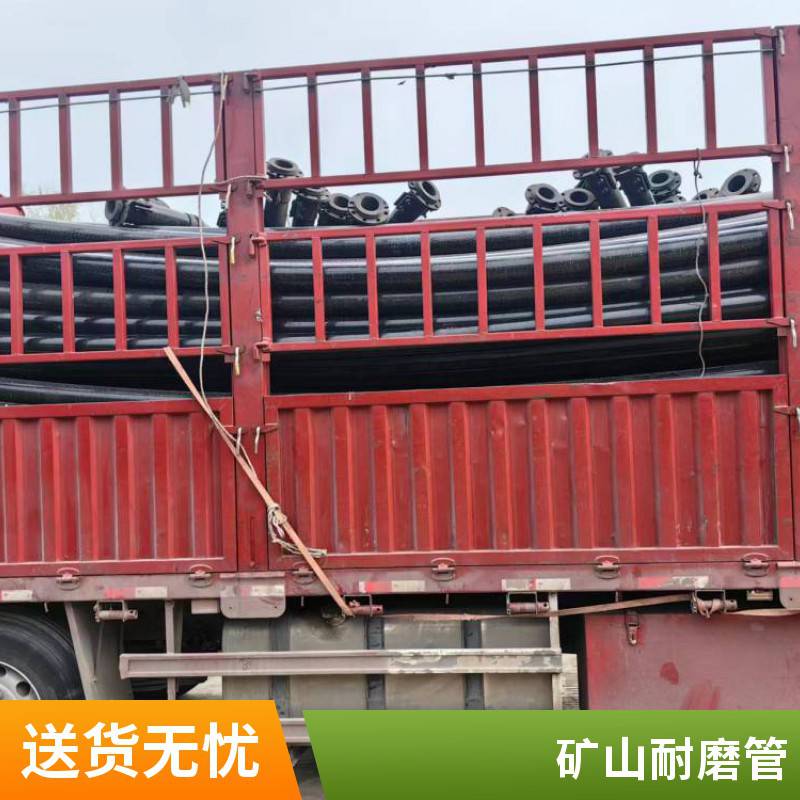
6. Lightweight, easy transportation and construction.
7. Adjust steel plate and plastic thickness to manufacture pipes of various pressure ratings. Allows for easy alteration of reinforcing parameters, enabling the production of pipes with different pressure resistance levels.
8. High-temperature-resistant plastics, such as medium-density polyethylene (MDPE) and random copolymer polypropylene (PP-R), can be used to manufacture temperature and pressure-resistant pipes.
9. The piping has high overall reliability, with a service life of up to 50 years under normal conditions.
10. Low cost, hygienic, and non-toxic, it serves as an alternative to galvanized pipes.
11. The frame and plastic are integrated into a single unit, with the inner and outer wall plastic layers almost impossible to剥离. The composite layer contains no adhesive, and is sealed with heat-fused closure rings and electric heat-fused pipe fittings. As a pipe connection, it shares similarities with the hot melt or electric heat-fused processes of general plastic pipes, without concerns of plastic layers or reinforcing materials peeling off.
12. Electric heat melting joints possess strong resistance to axial tensile forces. Through the pores, the electric heat melting pipe fittings are actually integrated with both the inner and outer walls of the pipe material, forming a single entity with the reinforcing frame.