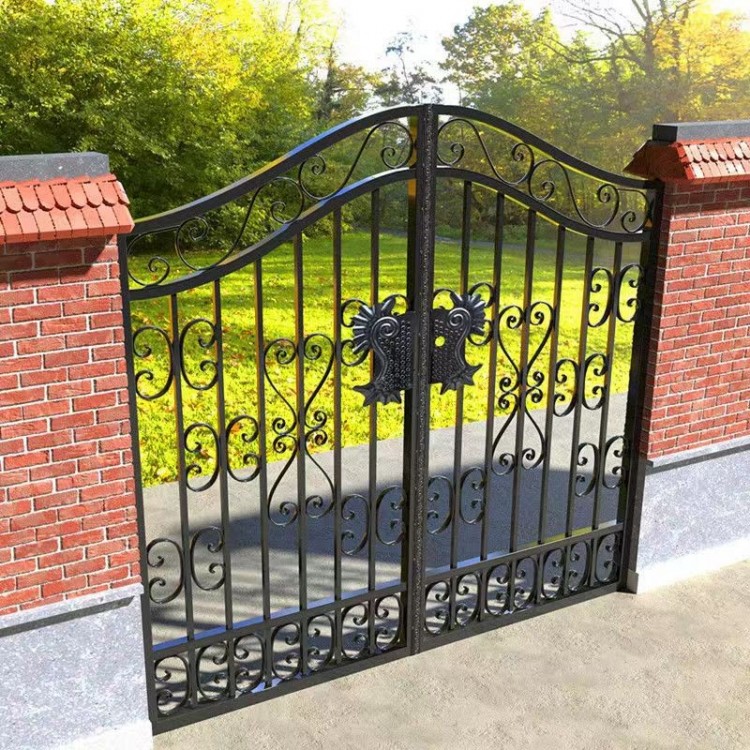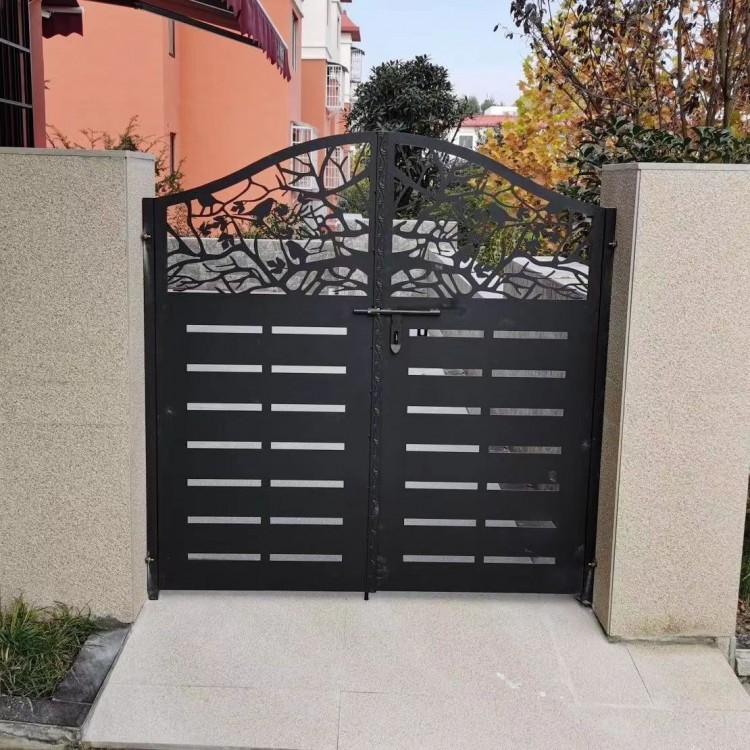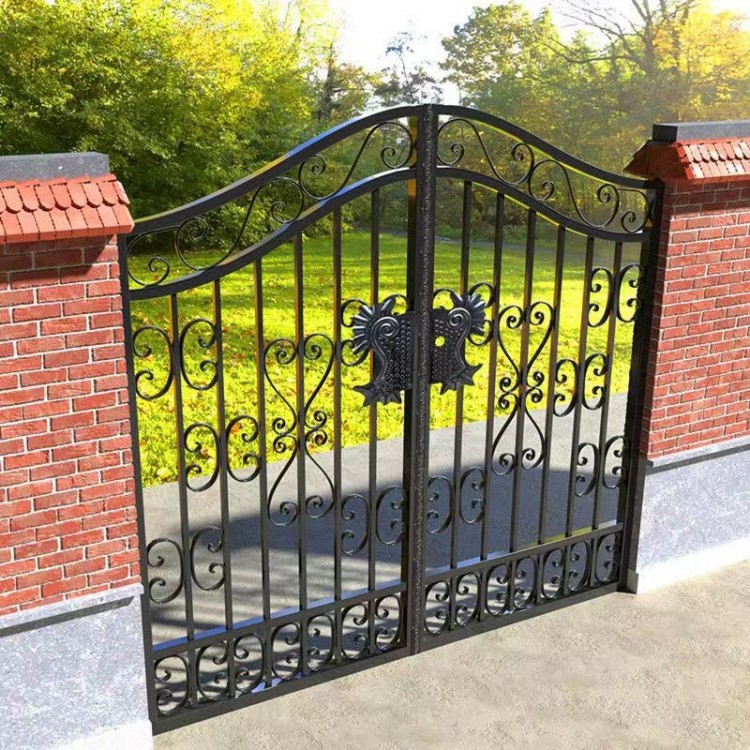












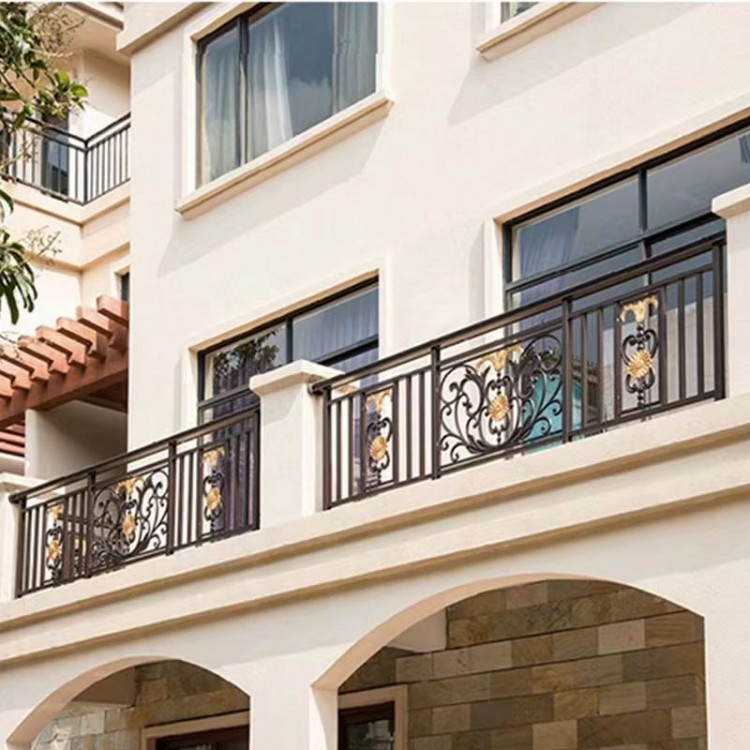


Important Considerations for Choosing and Maintaining a Villa Iron Art Fence and Railings
Many wrought iron fence railings on the market today have quality issues. New railings start to peel, rust, and corrode in no time, looking anything but attractive. Some might say: Rust and corrosion on iron railings are quite normal.
Generally speaking, wrought iron fence railings of average quality are indeed prone to rust and corrosion. However, when selecting wrought iron railing, be mindful that opting for low-quality villa wrought iron fence railings not only means dealing with rust on the railing but also, after rain, the rust stains may leave marks on the walls, severely affecting their aesthetics.
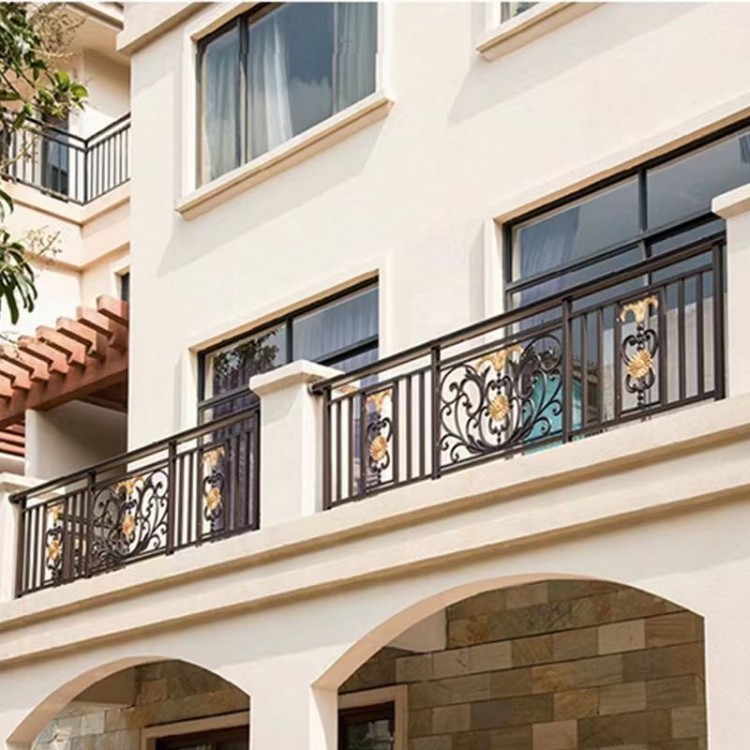
To avoid the hassle of rust and rust spots, when selecting ironwork fence, opt for corrosion and rust-resistant ironwork fence. Generally, corrosion and rust-resistant ironwork fences are made from high-quality raw materials, meticulously treated, and subjected to multiple sanding and three coats of paint, resulting in a smooth finish with no fine burrs. The product quality is significantly better than average, and usually, it will not rust.
Although the anti-corrosion and anti-rust railing has higher product quality than the average ones, regular maintenance is still essential.
1. Avoid磕碰 (bumps and collisions)
Villa ironwork fence railing and villa iron gate, especially pay attention to avoid bumps. During the transportation and handling of ironwork products, they should be handled with care. The place where ironwork railing products are placed should be a flat ground where hard objects cannot reach. Additionally, ensure the stability of the ironwork fence railing during installation. If the railing wobbles or is unstable, it will deform over time, severely affecting the service life of the ironwork railing.
2. Dusting should be performed regularly.
Since fence railing products are definitely installed outdoors, where the environment is poor with dust and debris in the air, over time, ironwork products will accumulate a layer of dust. This can affect the luster of the ironwork and lead to damage to the protective coating. Therefore, regularly wiping the railing with a soft cotton cloth is essential.
3. Be mindful of moisture protection.
If faced with heavy fog, wait for the fog to dissipate and then wipe the water droplets off the guardrails with a dry cotton cloth. In case of rain, dry the water droplets after the rain stops, avoiding direct sunlight to prevent damage to the ironwork guardrails. As most regions in our country are affected by acid rain, it's essential to dry the remaining water on the ironwork immediately after the rain.