











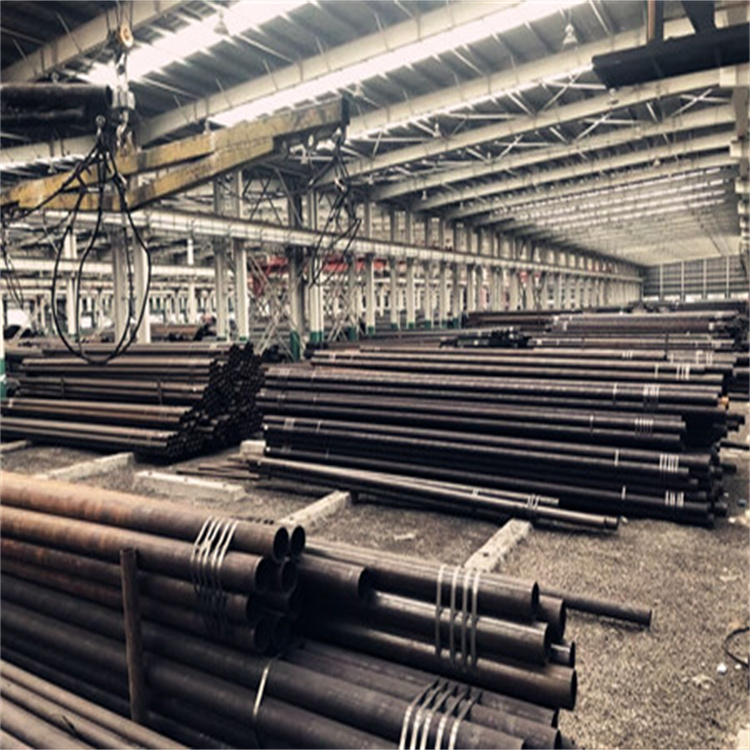
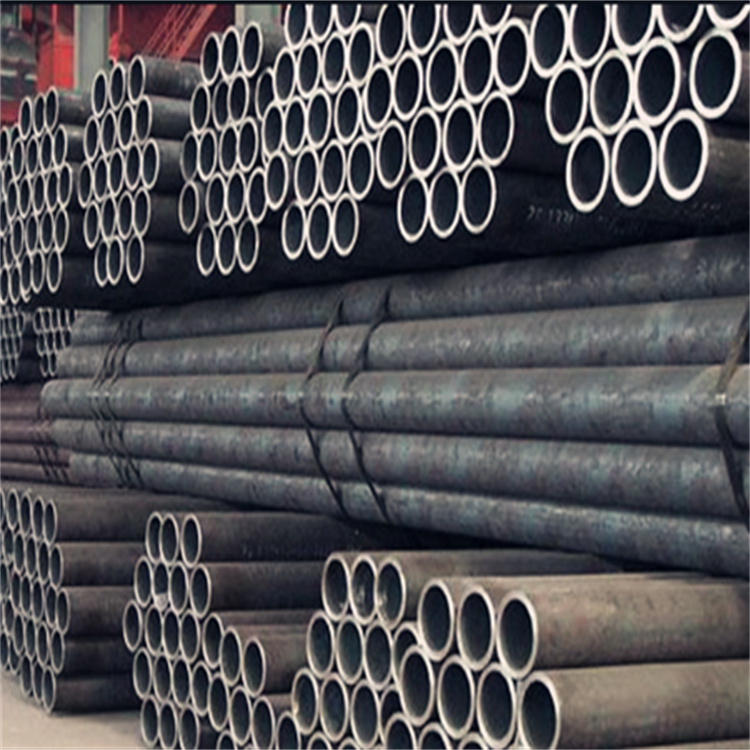
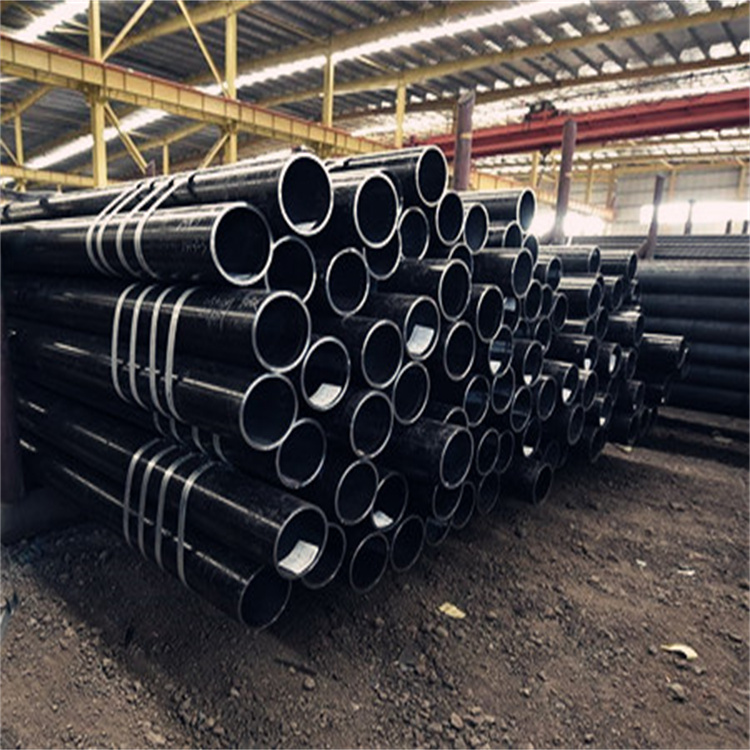
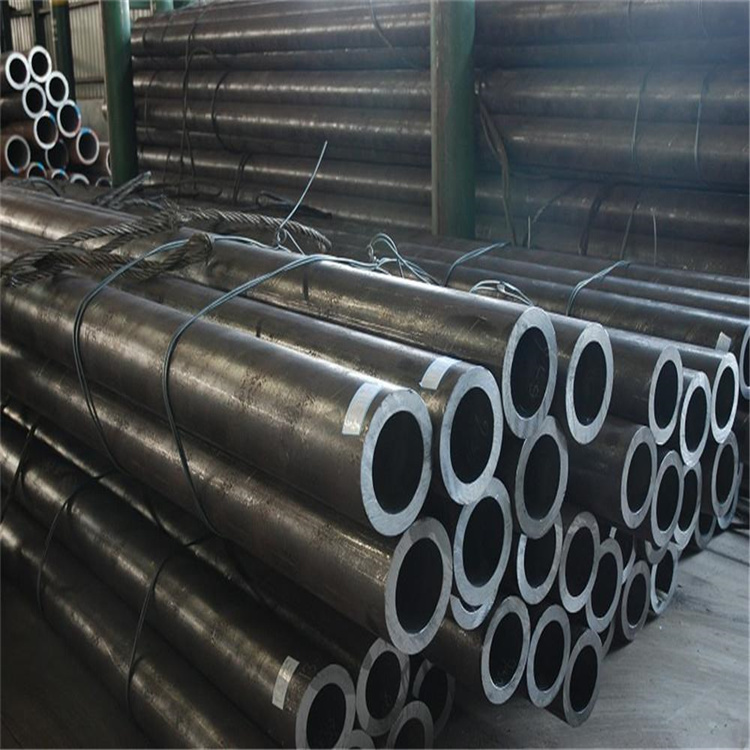
Brief introduction:
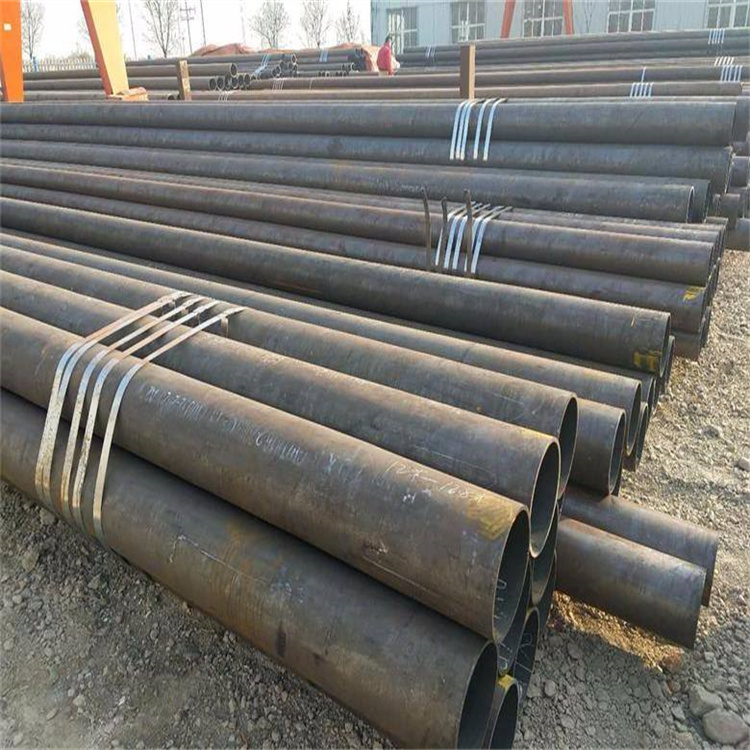
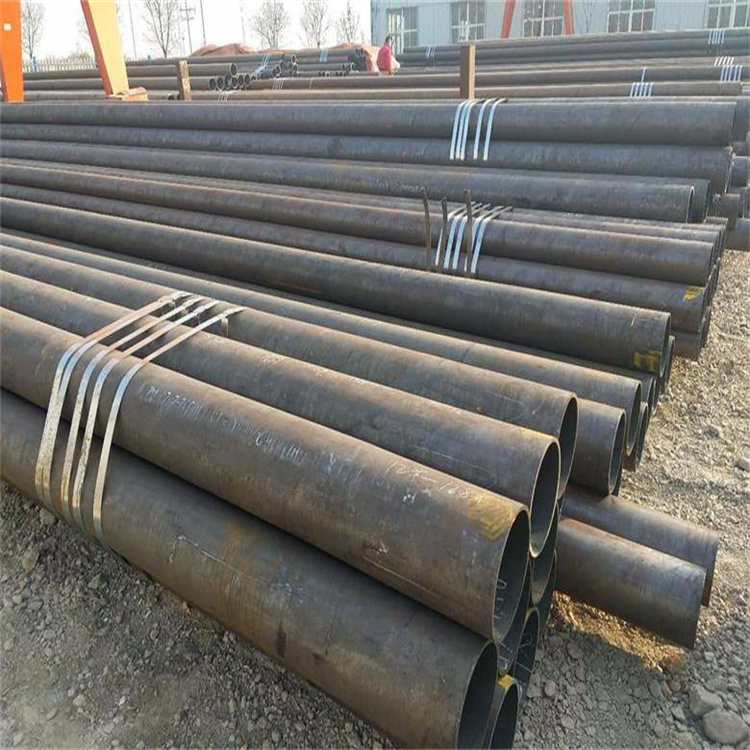
GB 3087 20-grade steel pipes for manufacturing hot-rolled (extruded, expanded) and cold drawn (rolled) seamless steel tubes for various structural low and medium pressure boilers, and locomotive boilers.
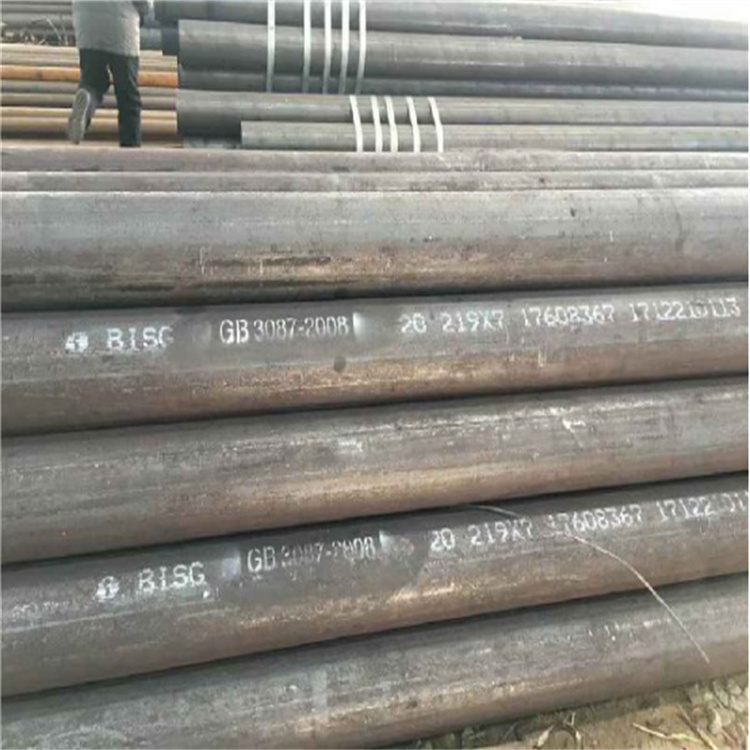
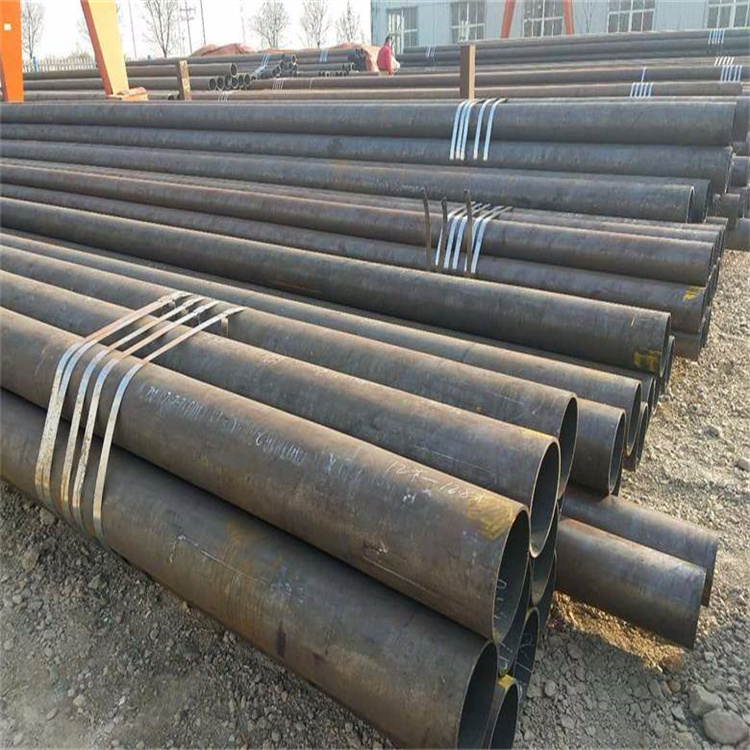
GB 3087 20 Grade Seamless Boiler Tubes Standard: GB 3087 GB 3087 - Seamless Steel Tubes for Low and Medium Pressure Boilers The GB 3087 standard is applicable to the manufacture of hot-rolled (extruded, expanded) and cold drawn carbon structural steel seamless tubes for various structural low-pressure, medium-pressure boilers and locomotive boilers. GB 3087 20 Grade Low and Medium Pressure Seamless Boiler Tubes GB 3087 20 Grade Seamless Boiler Tubes Details Manufacturing: Seamless process, hot precision finishing or cold precision finishing Wall Thickness (WT): 3.2mm - 21mm Outer Diameter (OD): 33mm - 323mm Length: 6M or custom length as required Ends: Flat, tapered, threaded
Additional Information
Payment Methods: T/T, LC
Delivery: 7-15 days after payment
Surface: Tubes will be painted (only externally) to prevent rust.
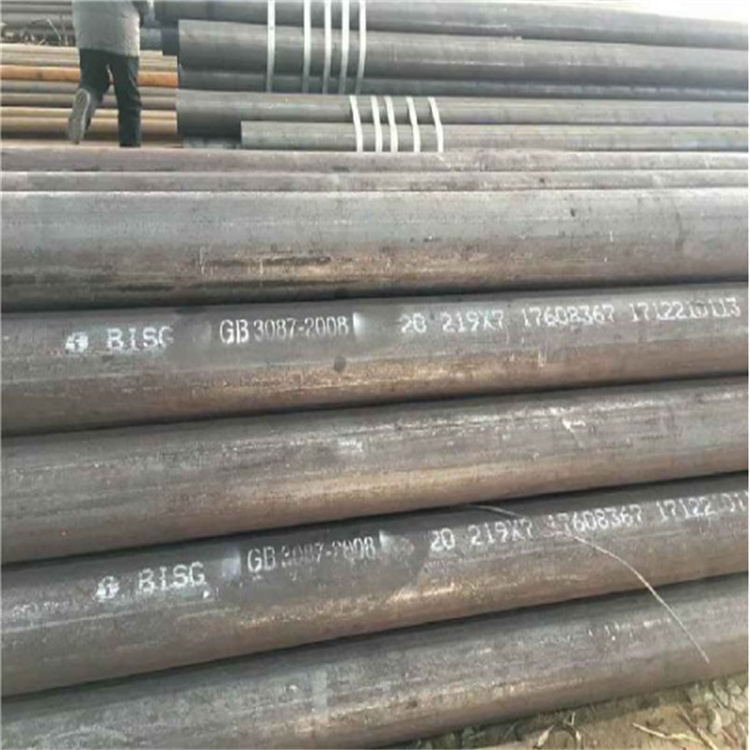
Mark: Standard + Steel Grade + Size + Heat Number + Batch Number
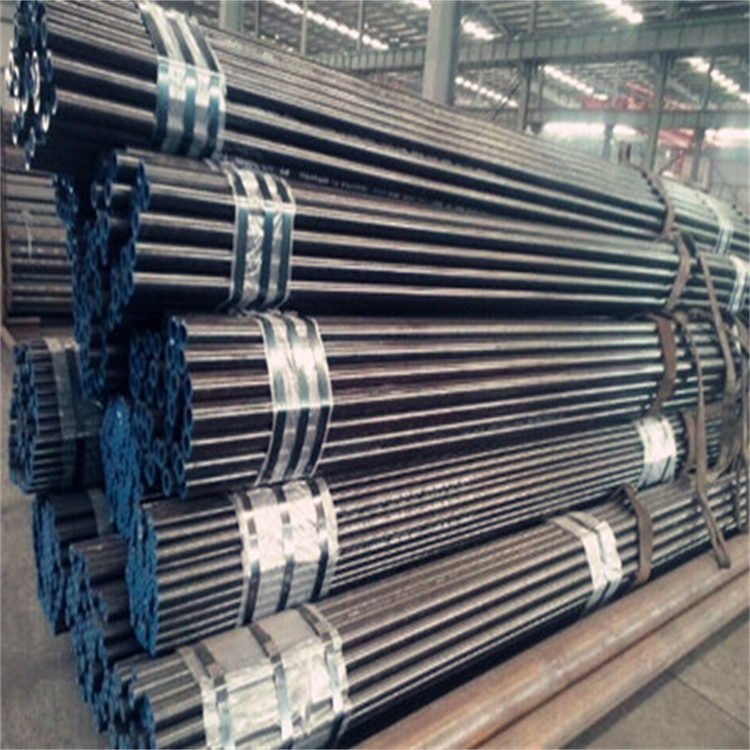
Packaging: Binding (hexagonal), wooden boxes, crates (steel/wood) or as required
Manufacturing Method
Methods of steel manufacturing
Steel is produced through electric furnace, oxygen-making converter process, or open hearth furnace method.
(2) Method of manufacturing billets
Billets can be manufactured through hot rolling, or they can be used in continuous casting or ingot form.
(3) Method of Steel Pipe Manufacturing
Steel pipes can be manufactured using hot rolling (extrusion, expansion) or cold drawing (rolling) seamless methods.
Delivery Status
Steel pipes should be delivered in a hot-rolled or heat-treated condition.
Steel pipes delivered in hot-rolled condition should have a final rolling temperature not less than Ar3.
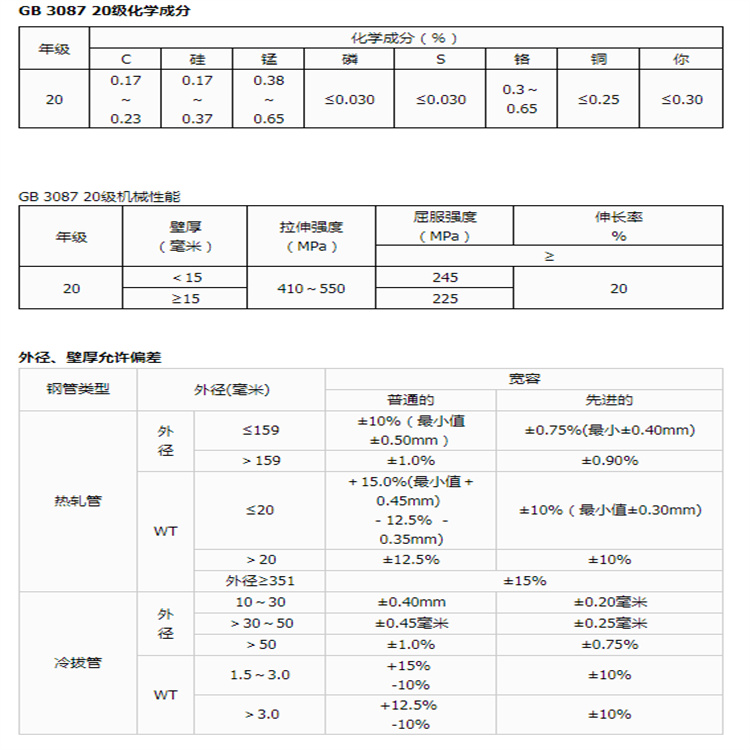
Test
Hydrostatic Test
Steel pipes should be tested individually under hydrostatic pressure.
(2) Compression Test
Steel pipes with an outer diameter greater than 22mm up to 400mm and a wall thickness not exceeding 10mm should undergo flattening tests.
(3) Expansion Test
Steel pipes with wall thickness not exceeding 8mm can undergo expansion tests with a taper angle of 30°, 45°, or 60°.
(4) Bend Test
Steel pipes with outer diameter not exceeding 22mm are to undergo bending tests.
(5) Non-destructive Testing
According to the buyer's requirements, ultrasonic testing is conducted on each steel pipe individually.
Surface Quality
The inner and outer surfaces of steel pipes must not have cracks, folds, creases, scales, or separations; these defects shall be completely removed. The cleaning depth must not exceed the negative deviation of the nominal wall thickness, and the actual wall thickness at the cleaning site must not be less than the minimum value allowed by the wall. Packaging, marking, and quality descriptions for steel pipes shall comply with the provisions of GB/T 2102.