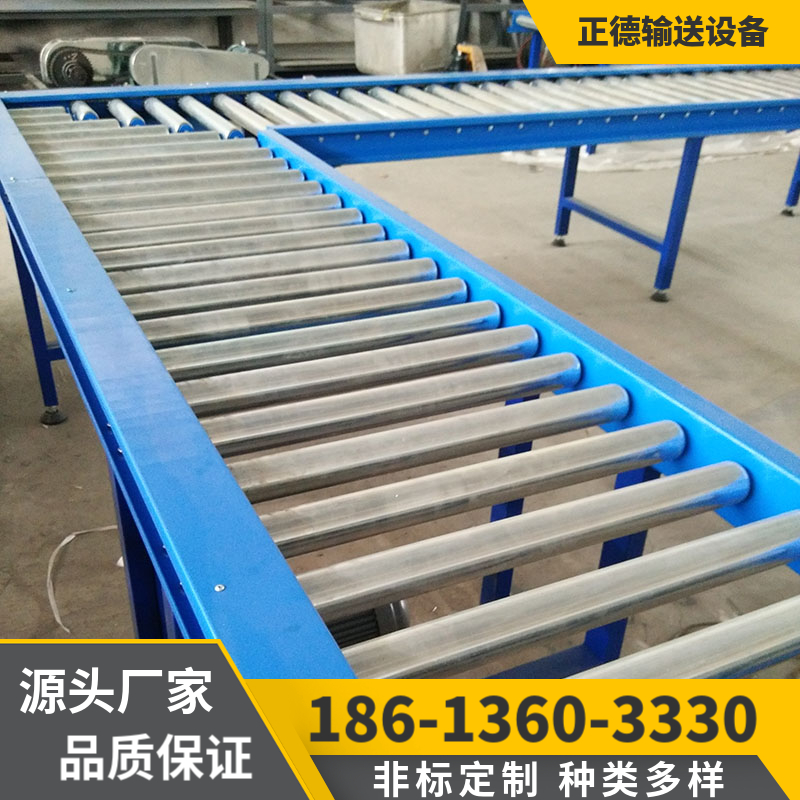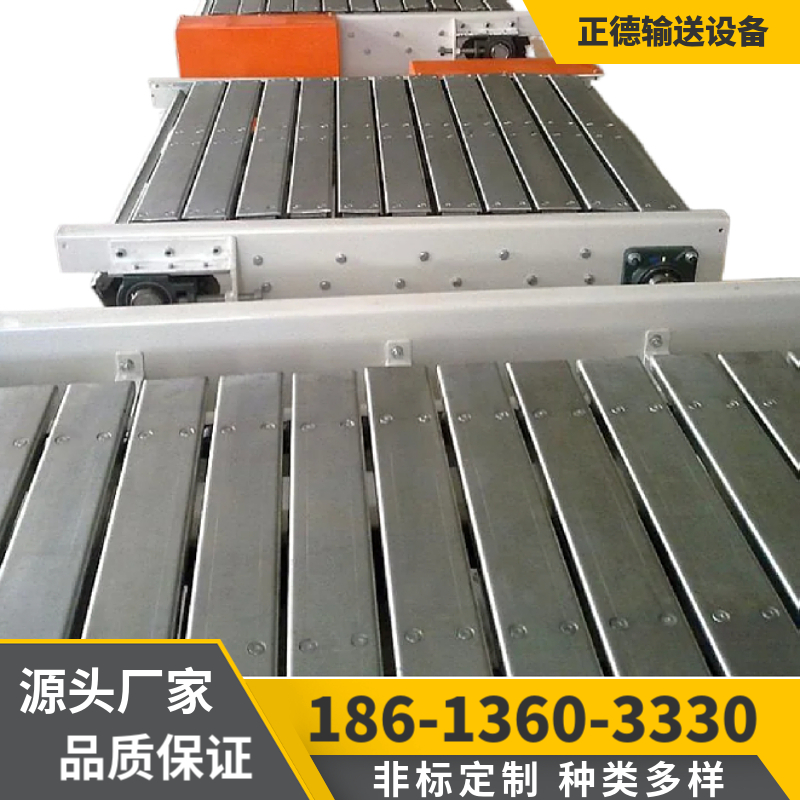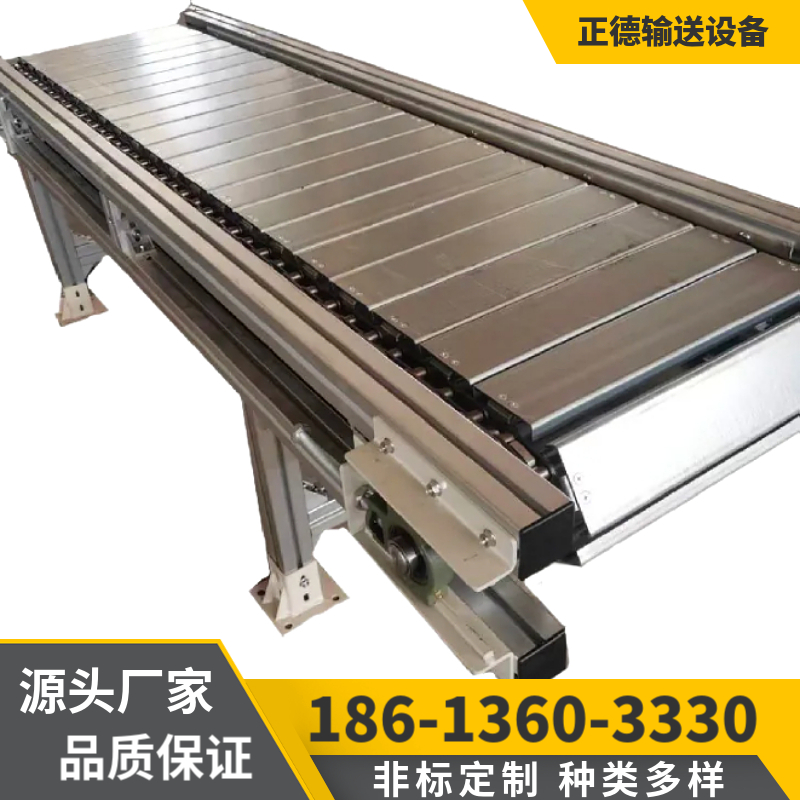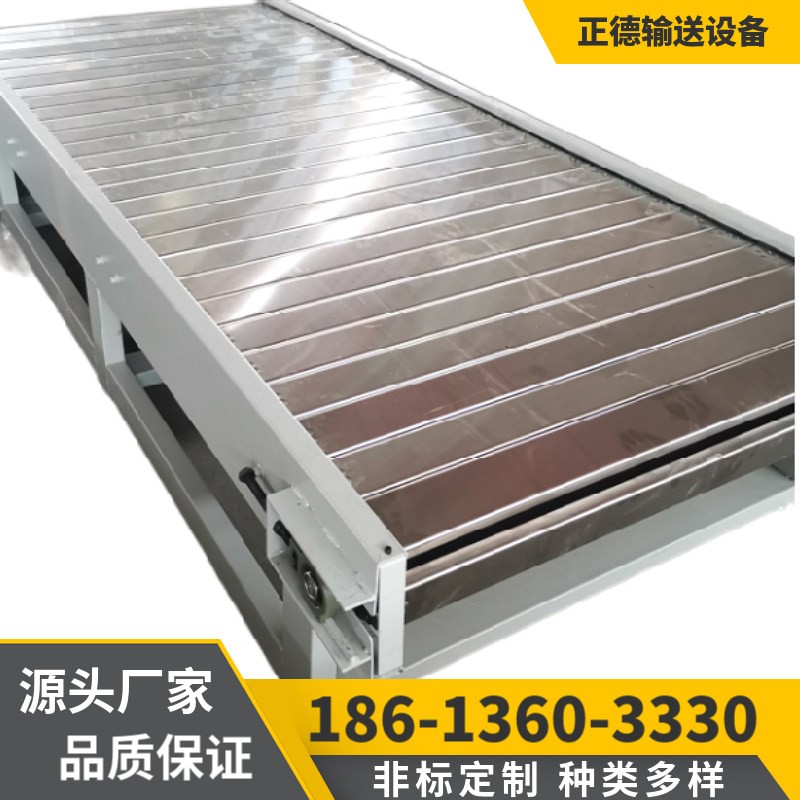
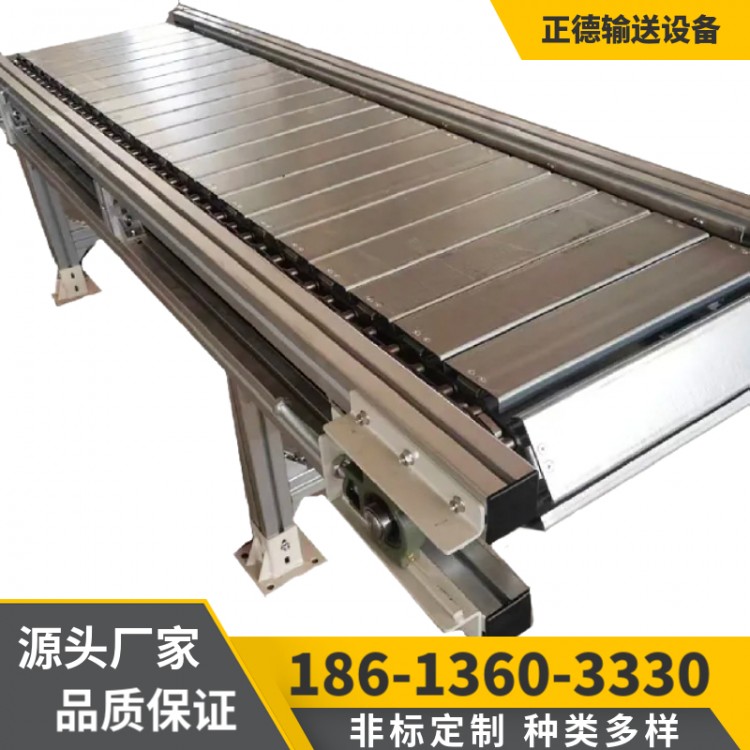







Features of Conveyors
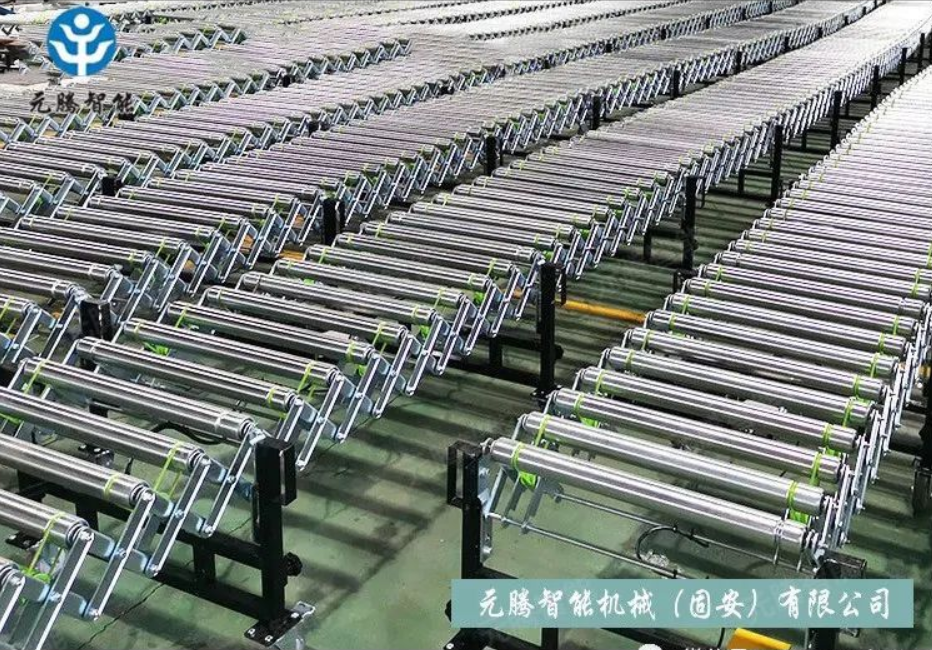
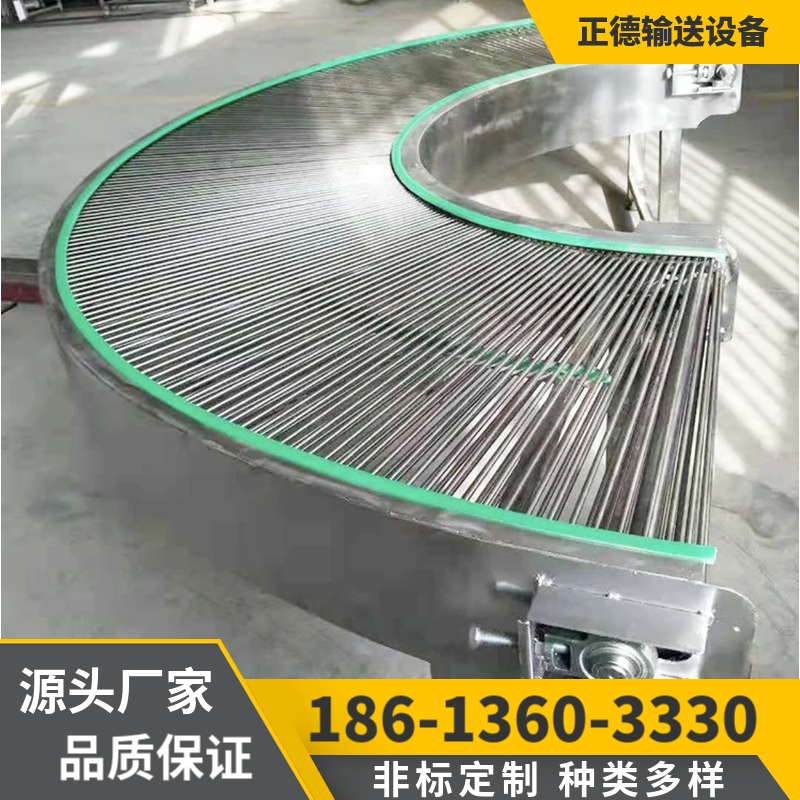
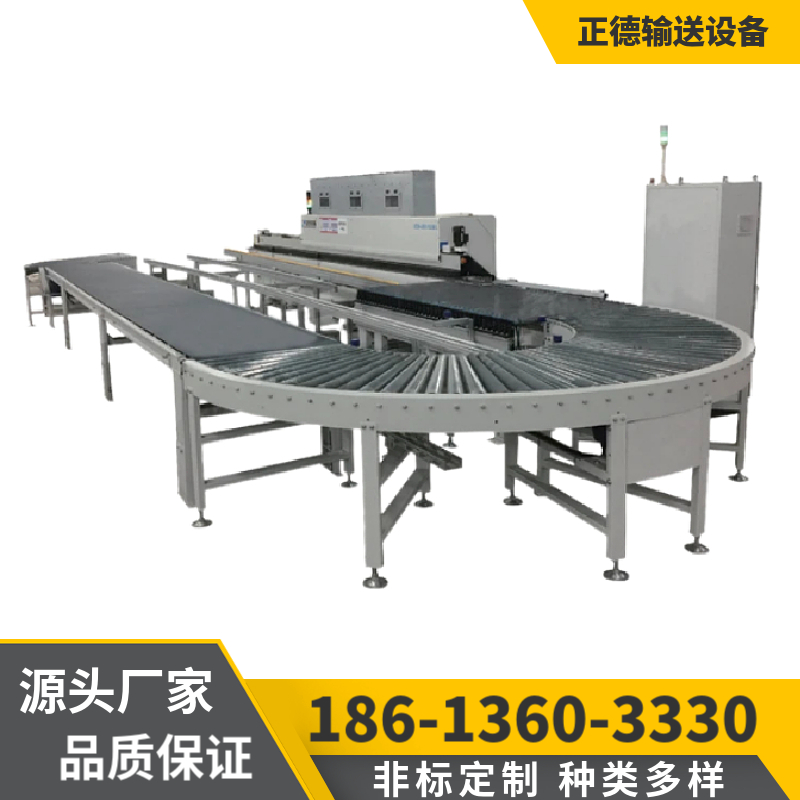
Due to the continuous handling of large amounts of goods within a designated area, conveyor systems offer extremely low handling costs and relatively precise transport times, ensuring a stable flow. Consequently, they are extensively used in modern logistics systems. Observing numerous automated multi-story warehouses, logistics distribution centers, and large storage yards domestically and internationally, it is evident that, aside from lifting equipment, the majority of these facilities utilize continuous conveyor systems. This includes systems like the in-out storage conveyor systems, automatic sorting conveyor systems, and automatic loading/unloading conveyor systems, among others. The entire handling system is controlled by a central computer, creating a comprehensive and intricate system for goods transportation and handling. Tasks such as the incoming and outgoing of large quantities of goods or materials, loading and unloading, sorting, identification, and measurement are all accomplished by the conveyor system. In modern goods handling systems, conveyors play a pivotal role.

History of Conveyors
Ancient Chinese high-speed cylinder waterwheels and water lifters served as the prototypes for modern bucket elevators and scraper conveyors. In the mid-17th century, overhead cableways were used for conveying loose materials. By the mid-19th century, various modern conveyor structures emerged one after another. In 1868, belt conveyors appeared in the UK; in 1887, spiral conveyors in the US; in 1905, steel belt conveyors were introduced by a company in Switzerland; and in 1906, inertial conveyors appeared in both the UK and Germany. Subsequently, conveyors were hindered by advancements in mechanical manufacturing, electrical engineering, chemical, and metallurgical industries, but they continuously improved. They gradually evolved from internal workshop conveyance to steel belt conveyors, progressing to material handling within and between enterprises, and even between cities, becoming an indispensable component of material handling systems' mechanization and automation.

Low-pressure conveying system
Low-pressure conveying systems are also a type of稀相continuous conveying, with common equipment being material-sealing pumps. Systems that use a Roots blower as the air source and a material-sealing pump as the conveying device are also referred to as material-sealing pump conveying systems.
Material-sealed pump conveying system (low-pressure稀phase pneumatic conveying) feeding equipment is a material-sealed pump or pneumatic jet pump, a commonly used equipment for low-pressure conveying systems. In selecting conveying system equipment, our company uses steel belt conveyor systems less frequently than jet pumps.
Our commonly referred to low-pressure conveying system has pressures below 1 kg and conveying distances below 300 meters. It can be used for pneumatic conveying systems of powdered materials in industries such as cement and metallurgy. The material-sealing pump uses a Roots blower as the gas source, eliminating the need for complex compressed air processing facilities. It's low-pressure, making it less prone to clogging and easy to operate.
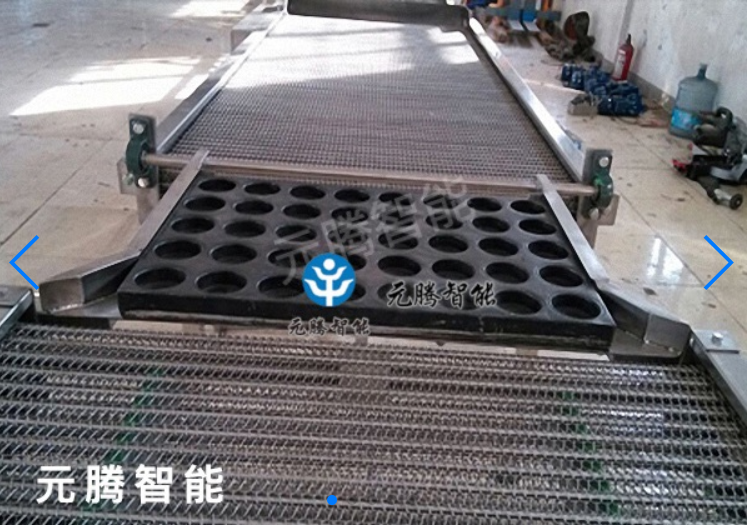
Steel Belt Conveyer System - Steel Belt Conveyer - YuanTeng Intelligent Co., Ltd., provided by YuanTeng Intelligent Machinery (Gu'an) Co., Ltd. YuanTeng Intelligent Machinery (Gu'an) Co., Ltd. has dedicated much enthusiasm and passion to the field of industrial equipment. YuanTeng Intelligent Machinery always focuses on customers, creating value for them, and wins the market with quality and service. We sincerely hope to cooperate with all sectors of society to create success and brilliance together. For related business inquiries, please contact Manager Zhang.