






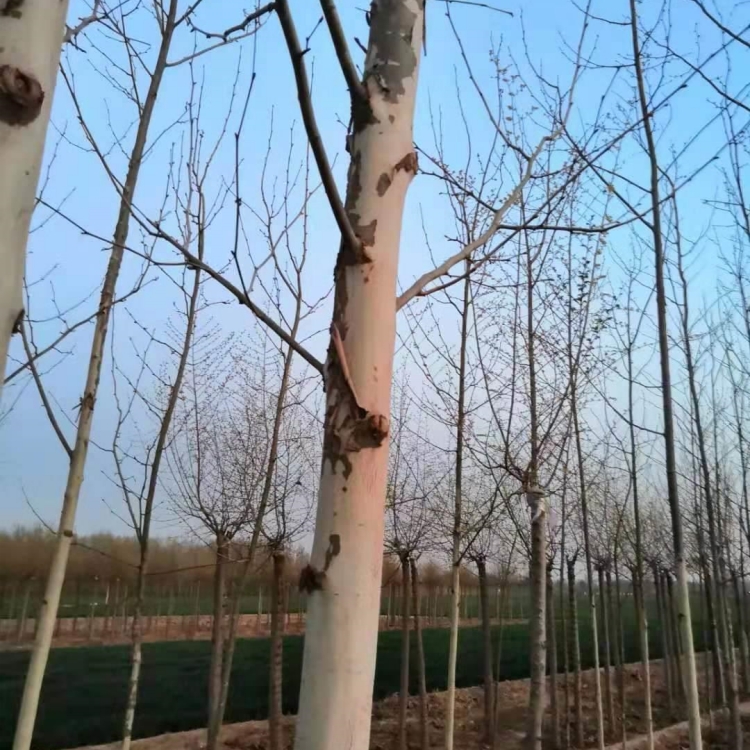
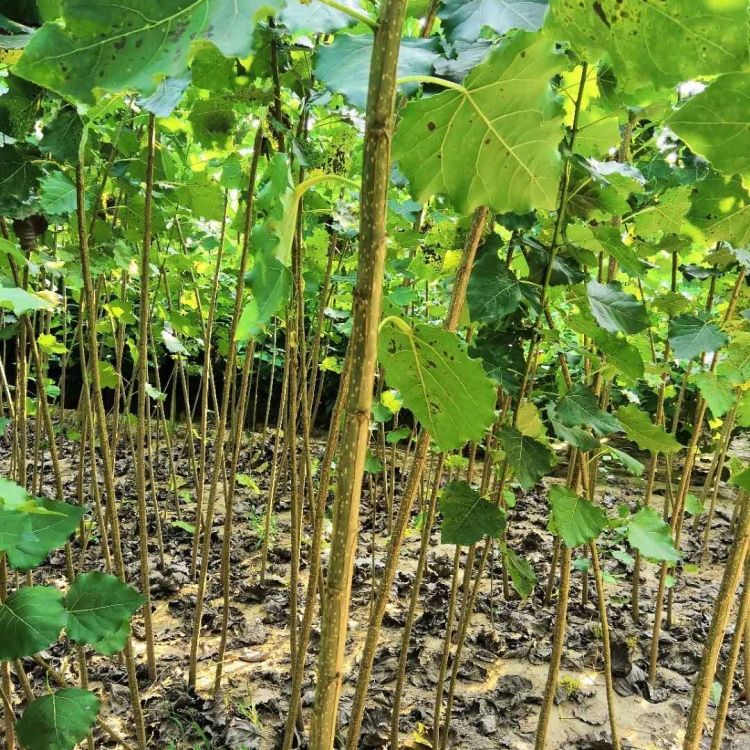
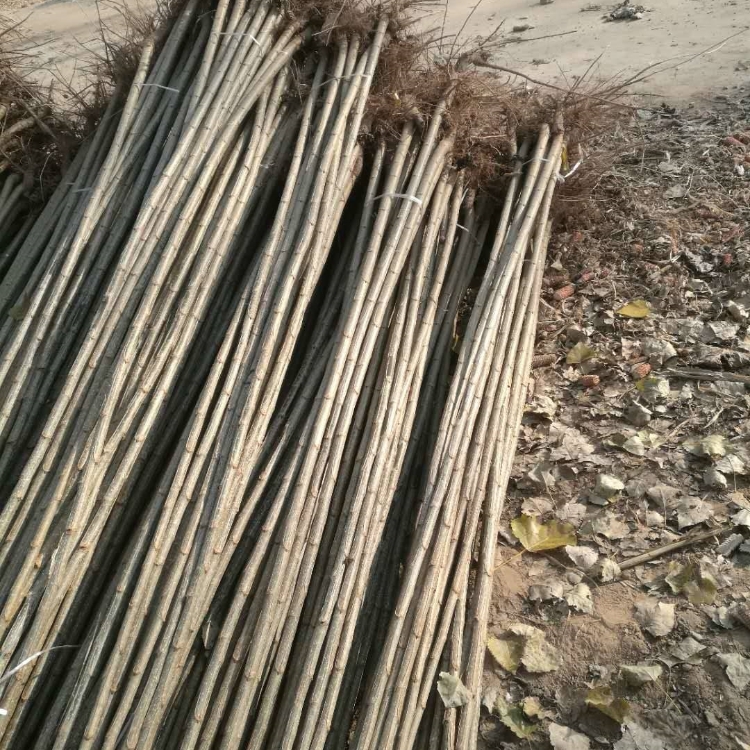
How to prune mulberry branches?
Cut the cut branches into lengths of 15-20 cm, retaining the top growth bud and removing the lower leaves, leaving only the top two leaves. Trim the bottom of the cutting just below the leaf at 0.3 cm. Place the cuttings in a diffused light, avoiding direct sunlight, and frequently spray water. When the river sand and other substrates are dry to 60-70%, water thoroughly without making them too wet. After 2 weeks, gradually move the cuttings to a well-lit area and spray the leaves with a 0.1% urea solution to promote root growth.
If treated with a rooting hormone, the rooting process is more ideal.
Mulberry tree
China harbors a collection of mulberry germplasm that belongs to 15 species and 3 varieties, making it a country with the most mulberry species in the world. Among the cultivated species are Lu Mulberry, White Mulberry, Guangdong Mulberry, and Rui Shu Mulberry; the species include Long Shu Mulberry, Long Fruit Mulberry, Black Mulberry, Chinese Mulberry, Fine-Toothed Mulberry, Mongolian Mulberry, Mountain Mulberry, Sichuan Mulberry, Tang Gui Mulberry, Yunnan Mulberry, and Chicken Mulberry; the varieties include Ghost Mulberry (a variety of Mongolian Mulberry), Large Leaf Mulberry (a variety of White Mulberry), and Drooping Branch Mulberry (a variety of White Mulberry).
China is one of the earliest countries in the world to cultivate mulberry trees and raise silkworms, which is also one of the great contributions of the Chinese nation to human civilization. The cultivation of mulberry trees dates back over 7,000 years. During the Shang Dynasty, characters for mulberry, silkworm, silk, and silk fabrics appeared in oracle bone inscriptions. By the Zhou Dynasty, gathering mulberry leaves and raising silkworms had become common agricultural activities. During the Spring and Autumn and Warring States periods, mulberry trees were planted in large areas.
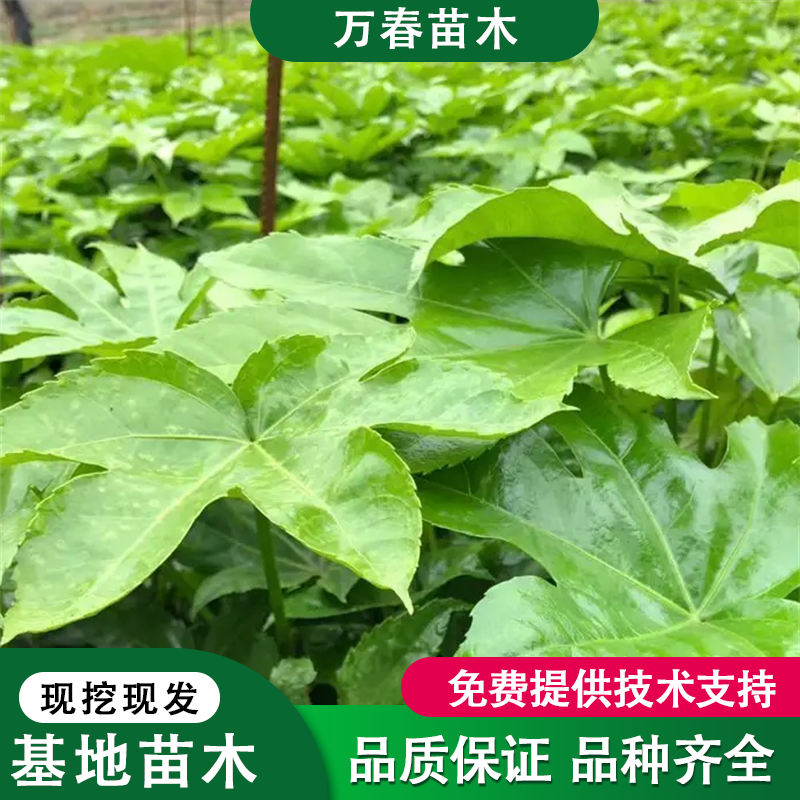
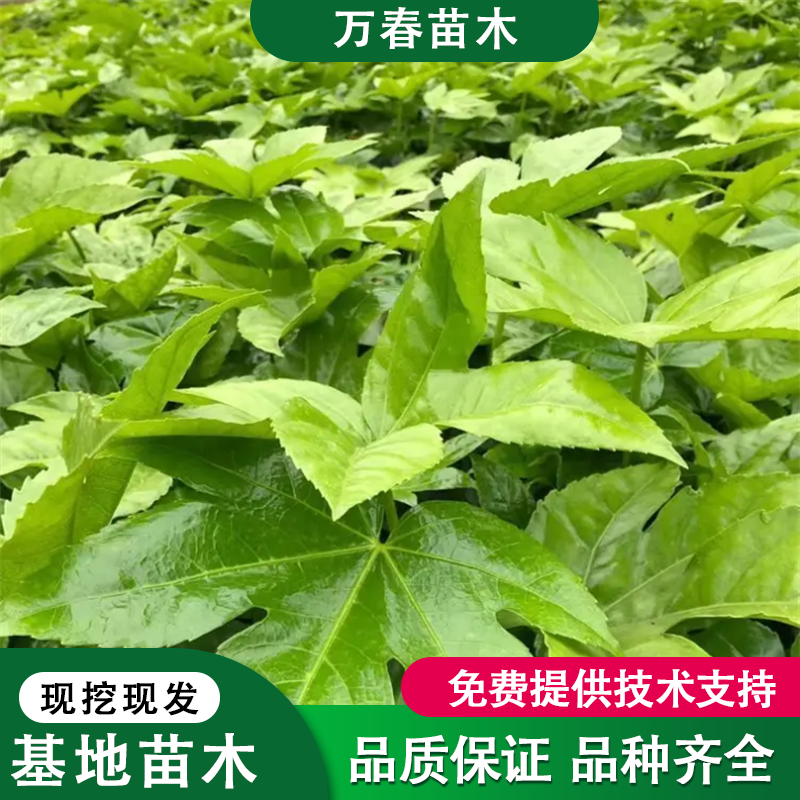
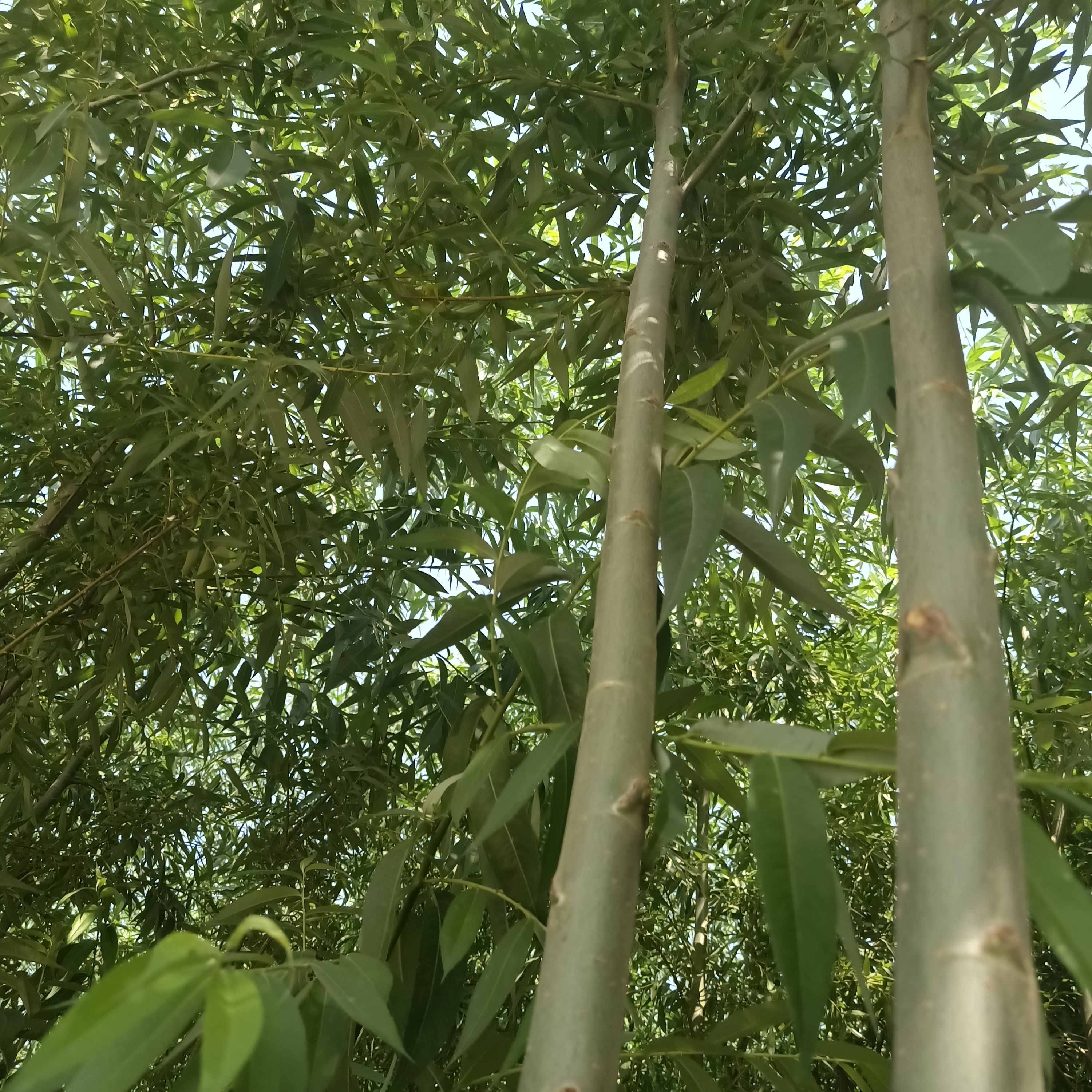
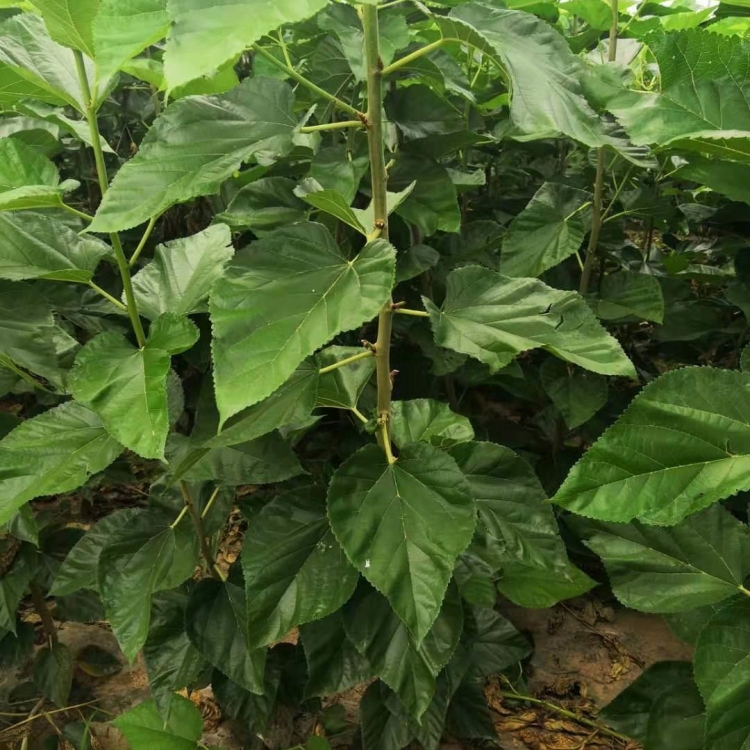
Mulberry trees belong to the Moraceae family and are deciduous trees. The leaves are ovate and serve as feed for silkworms. Our laboring people have improved mulberry trees, cultivating many high-yield and high-quality varieties. Our ancestors early on adopted the layering propagation method, opening up new ways to propagate superior mulberry seedlings. Practices such as intercropping mung beans and soybeans as green manure, using silkworm feces to fertilize mulberry trees, and pruning mulberry trees have all played a positive role in promoting the development of silkworm cultivation.
Garden Use
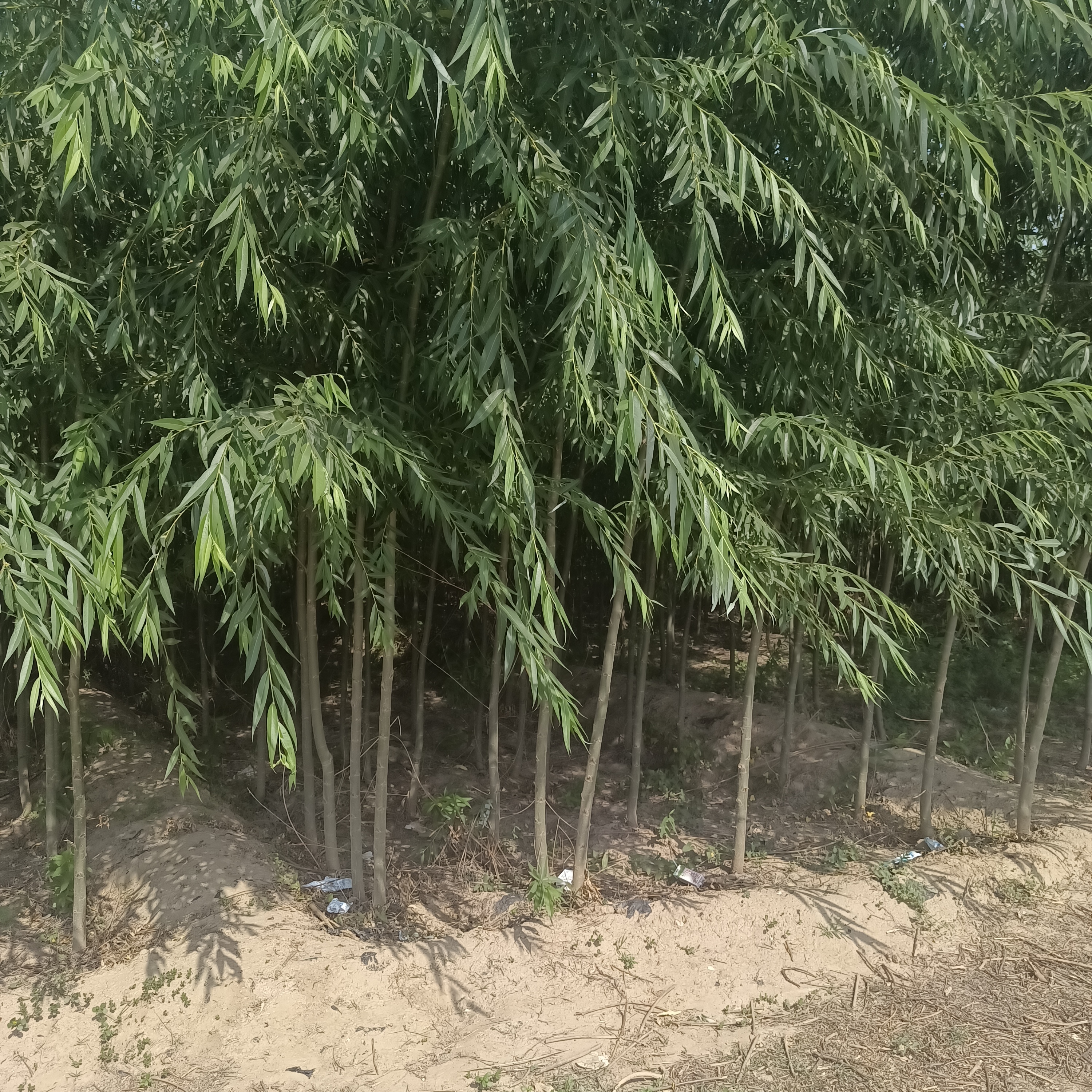
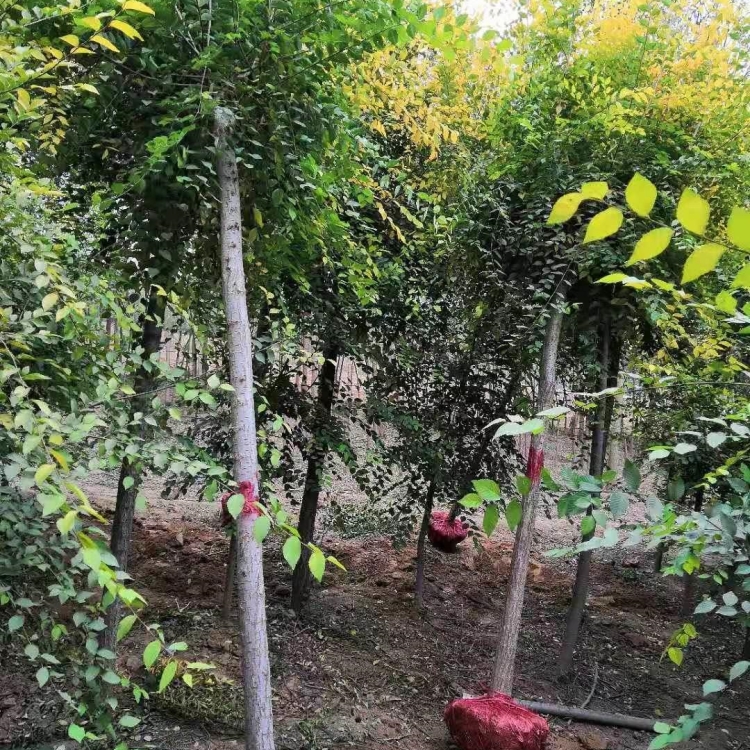
Morus trees have full canopies and lush foliage, with golden leaves in autumn, are easy to manage, and serve as pioneers in urban greening. They are suitable for solitary planting as shade trees in courtyards, as well as for arranging tree beds and clusters with shade-loving shrubs or mixed plantings with other species to create scenic forests. They also attract birds, making them ideal for forming a natural landscape of birdsong and flowers. They can be used in residential new villages and industrial green spaces, and are the main species for greening the "four sides" of rural areas.
Dye Applications
Mulberry branches, leaves, and bark are natural plant dyes of several grades. Dyeing parts: branches, leaves, bark.
Mulberry leaf dyeing produces colors on silk and cotton fabrics that are very similar, capable of producing a khaki yellow, with aluminum and tin mordants offering slightly brighter shades. The yellow-brown color appears as a gray with a yellow tinge.
Utilizing mulberry branches and leaves for dyeing has opened a new path for the mulberry industry's development and provided new raw materials for natural plant dyeing.
Breeding and Cultivation
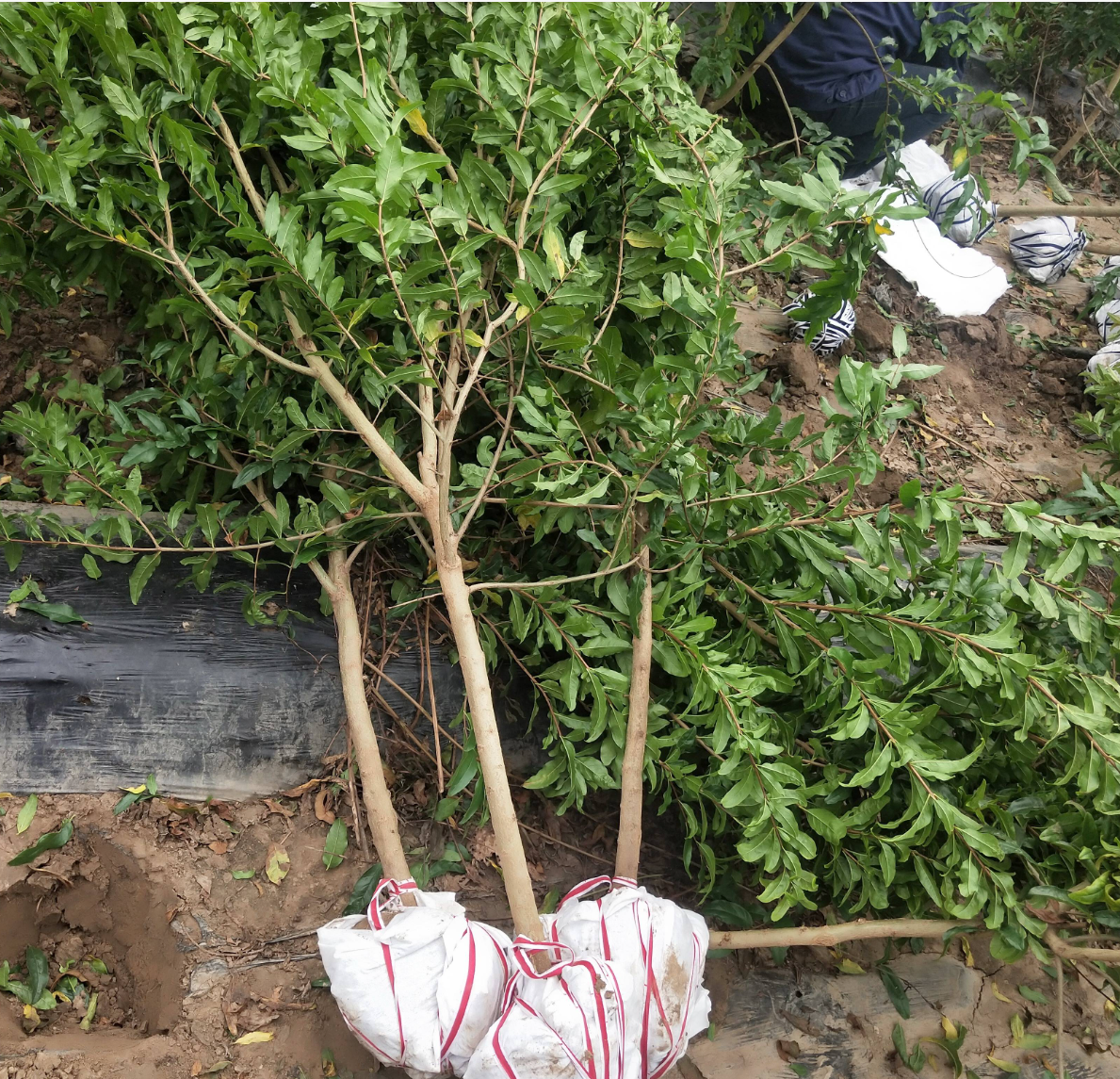
Sowing, cutting, division, and grafting propagation are all possible. Depending on the purpose, they can be cultivated into various forms such as tall, medium, and low trunks. In landscaping, tall trunks with wide, egg-shaped canopies are generally used.
How long does it take for mulberry seedlings to bear fruit after three years of planting?
Three-year-old mulberry trees, these mature trees are definitely fruiting this year.
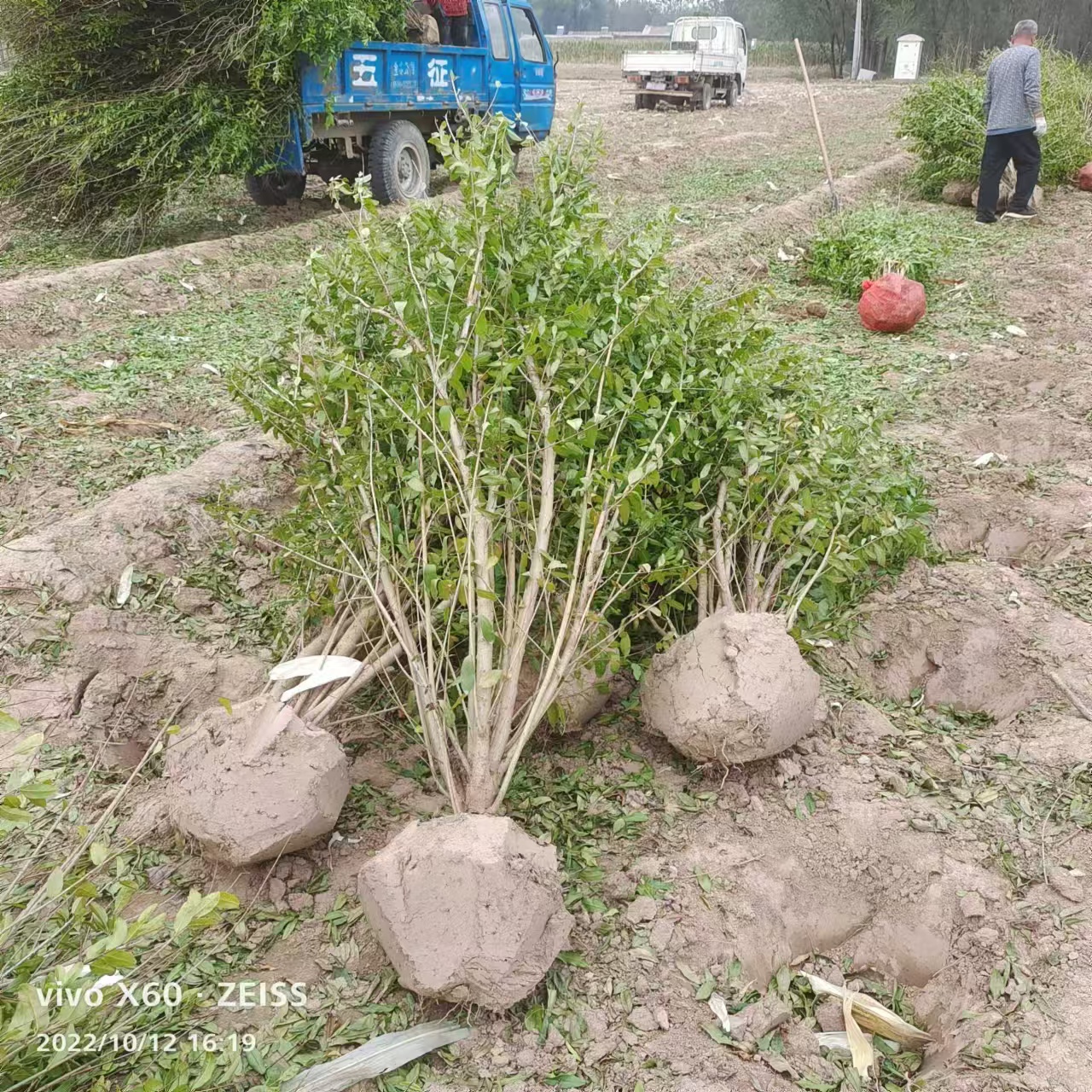
However, purchasing in spring is what's known as "fruit-bearing shipment." But with such large trees, their root systems have grown rather long and deep, which can result in the breakage of some larger roots during digging. Even with the ball of soil for shipment, there will be a significant impact. While it's indeed possible to have fruit in the same year, there will also be considerable effects on yield and taste.