







ProductDisplay

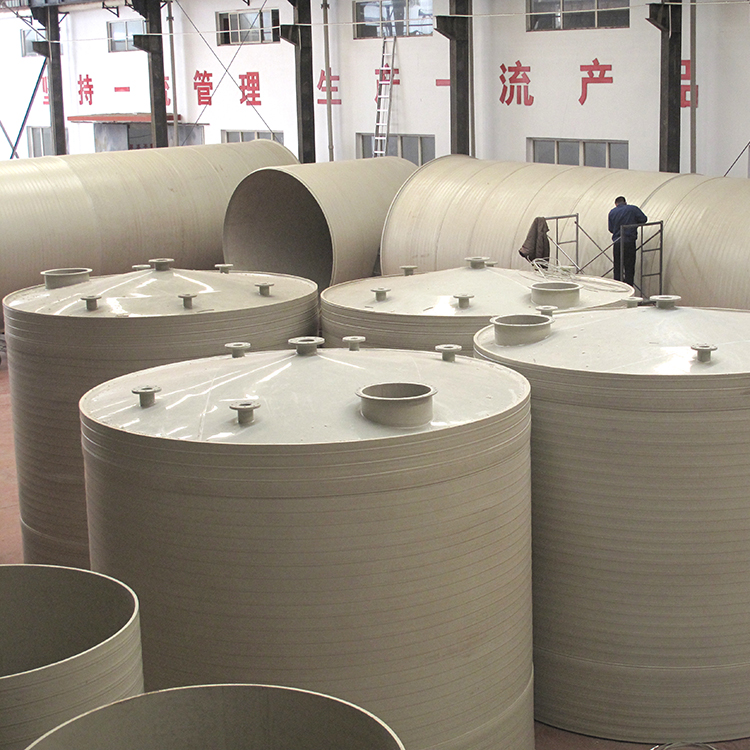
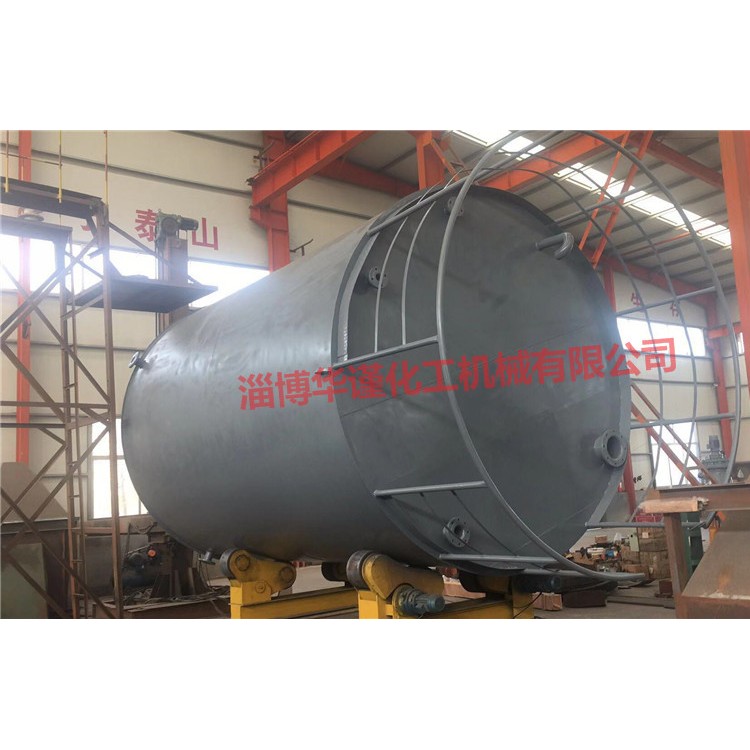
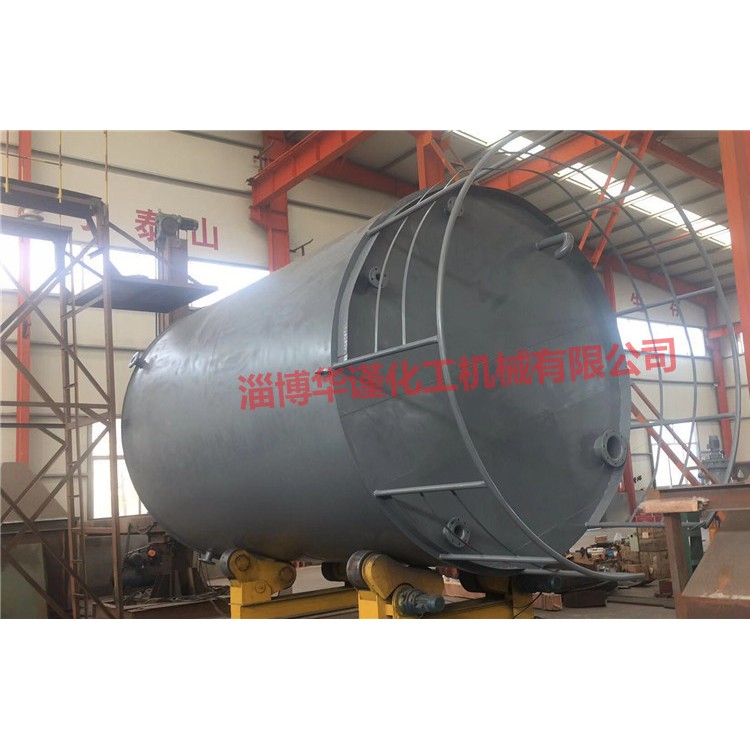
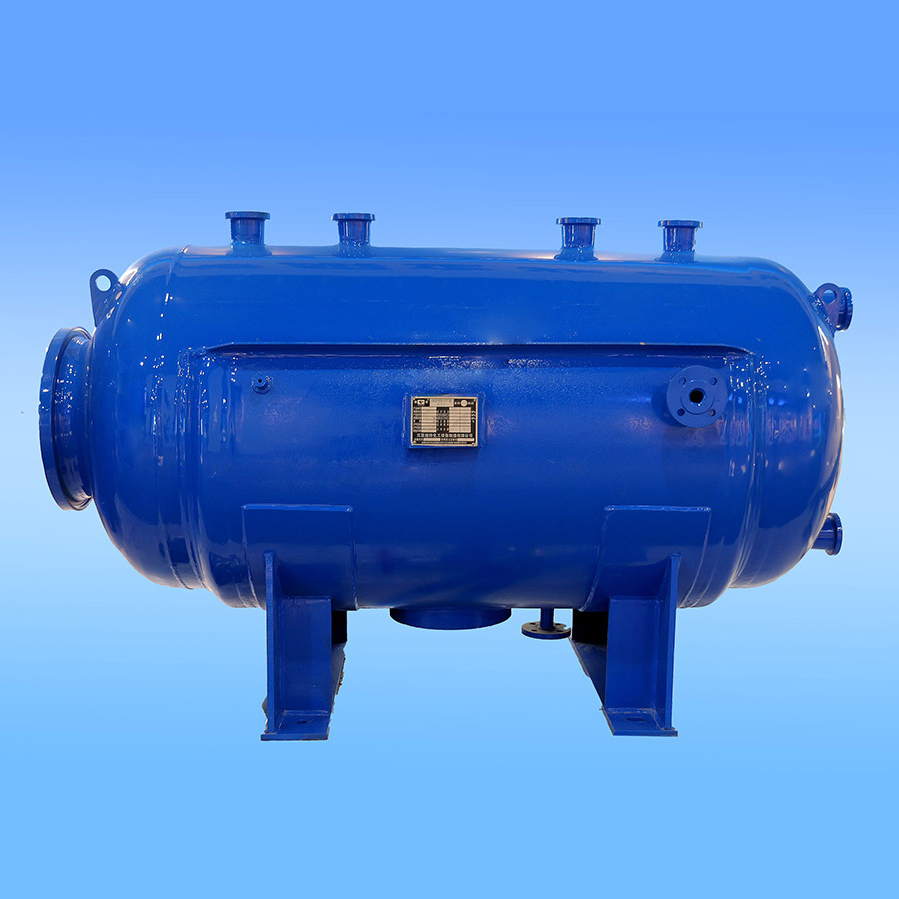
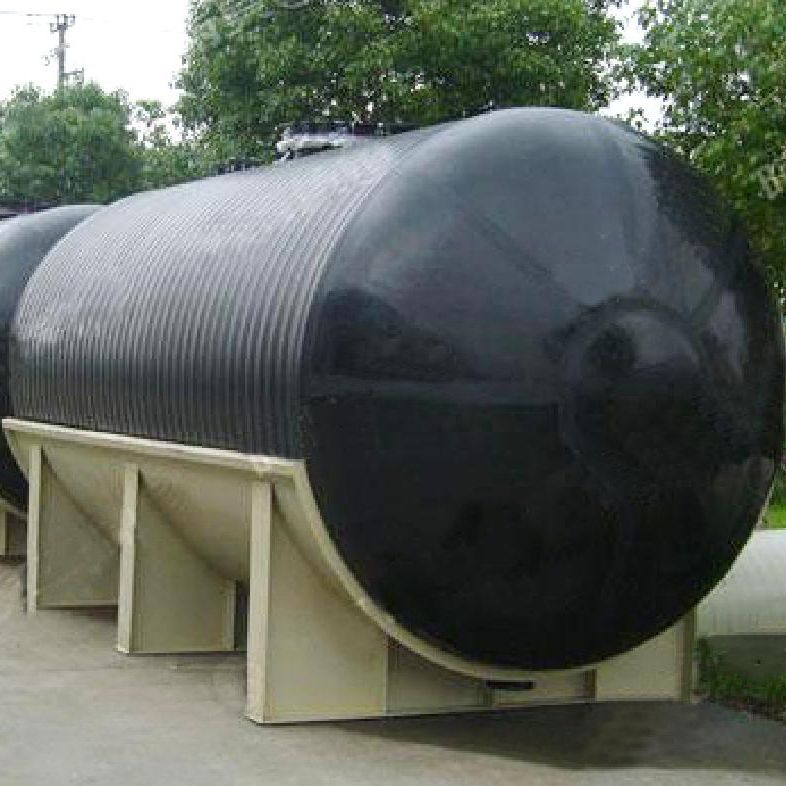
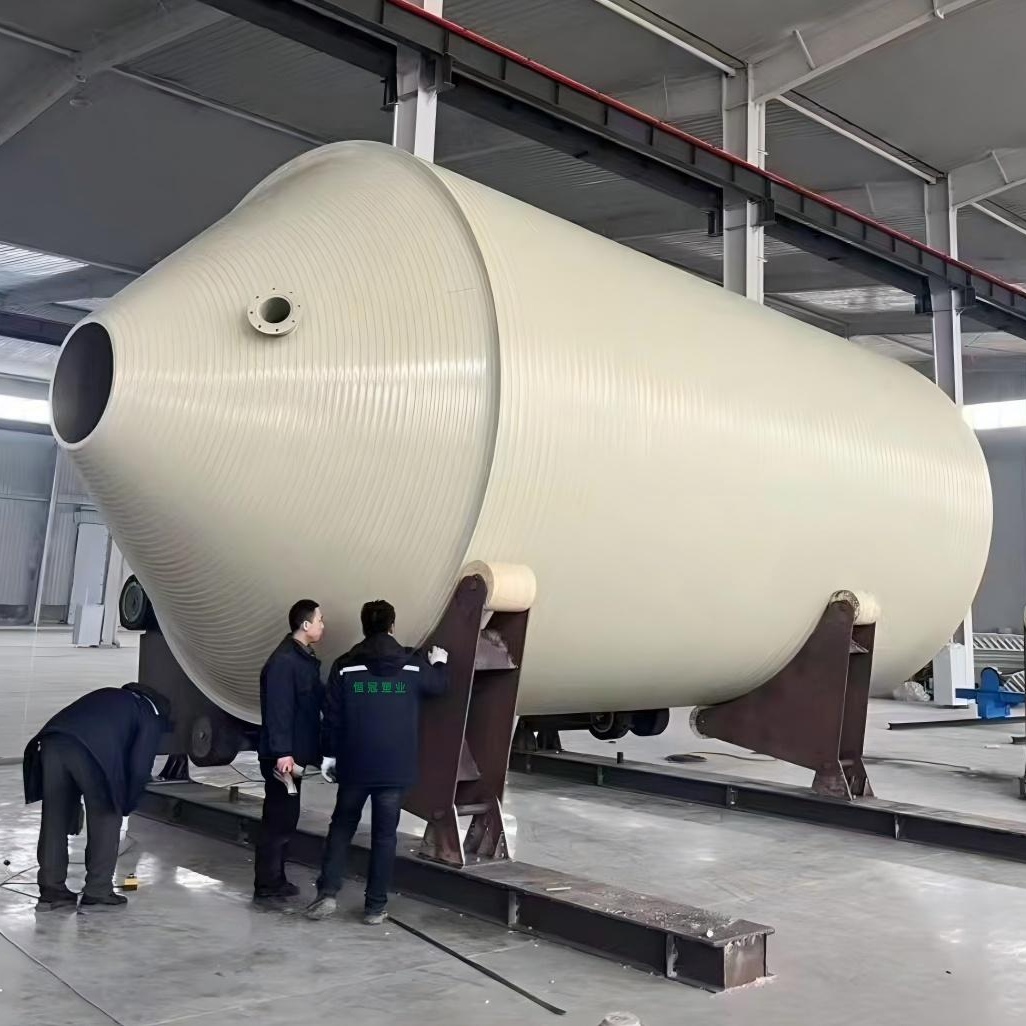
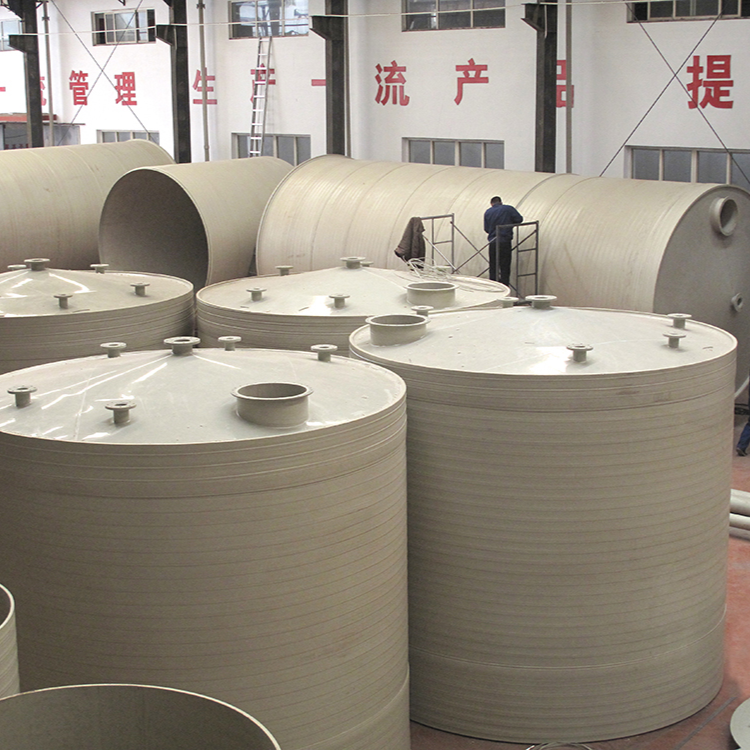
Carbon steel storage tanks are used for containing non-corrosive powdered materials, industrial concentrated sulfuric acid, caustic soda, neutral water solutions, and oil substances, and are now widely employed in various industries such as sanitation, chemicals, and food.
Storage Tanks: Vertical, horizontal, flat-end, elliptical-end, round, square, conical, flat-bottomed, round-bottomed, slant-bottomed, and conical-bottomed, etc.
Regarding carbon steel storage tanks for storing concentrated sulfuric acid:
At certain temperatures, the corrosion rate of carbon steel by dilute sulfuric acid increases with concentration, but after reaching a certain concentration, the corrosion rate sharply declines with further increases in concentration. For concentrated sulfuric acid with a concentration above 80% and a temperature below 60°C, carbon steel and cast iron exhibit good corrosion resistance, although it is not suitable for flowing sulfuric acid. Flow rates exceeding 0.67 m/s can cause turbulent corrosion, especially at the inlets and outlets of pipelines.
2. Sulfuric acid with a concentration greater than 70% can cause passivation when it comes into contact with iron, oxidizing the steel surface to form an oxide layer. Due to the minimal water content in concentrated sulfuric acid and the absence of free ions, this oxide layer will not be further oxidized or corroded. Therefore, it is completely acceptable to use carbon steel tanks for storage, but a certain amount of corrosion allowance should be left.
3. Due to the hygroscopic nature of concentrated sulfuric acid, it is crucial to prevent moisture when storing in carbon steel tanks. You can add desiccants to the tank's breathing line, and for large carbon steel tanks, nitrogen blanketing can be used to isolate moisture vapor.