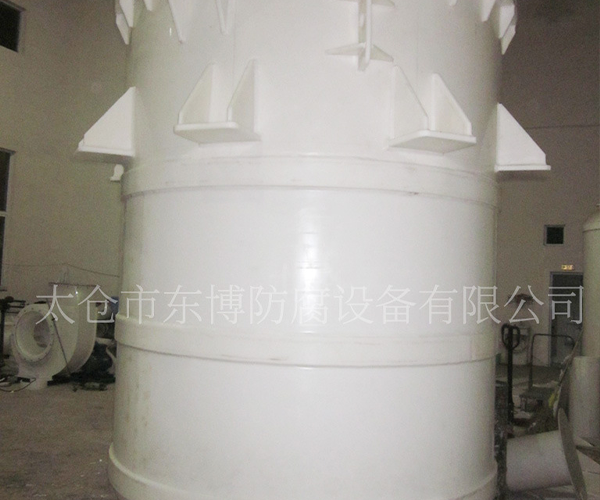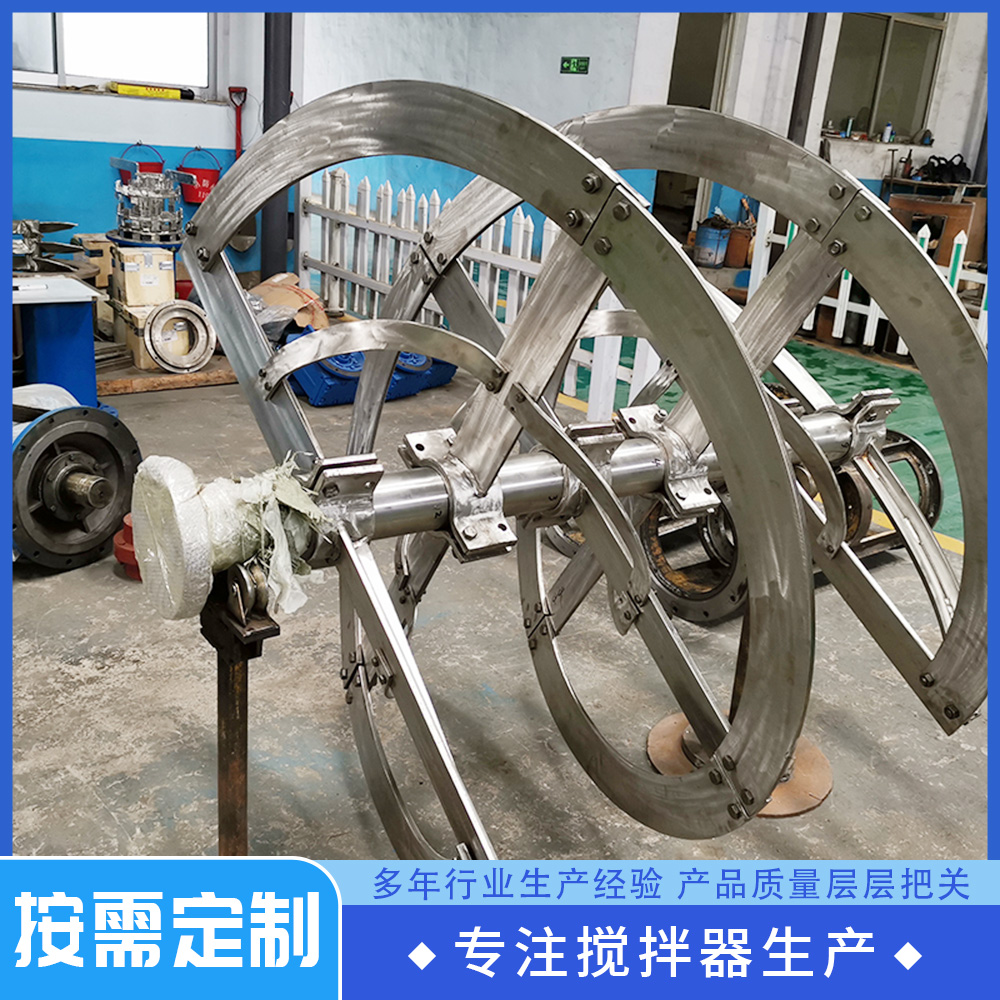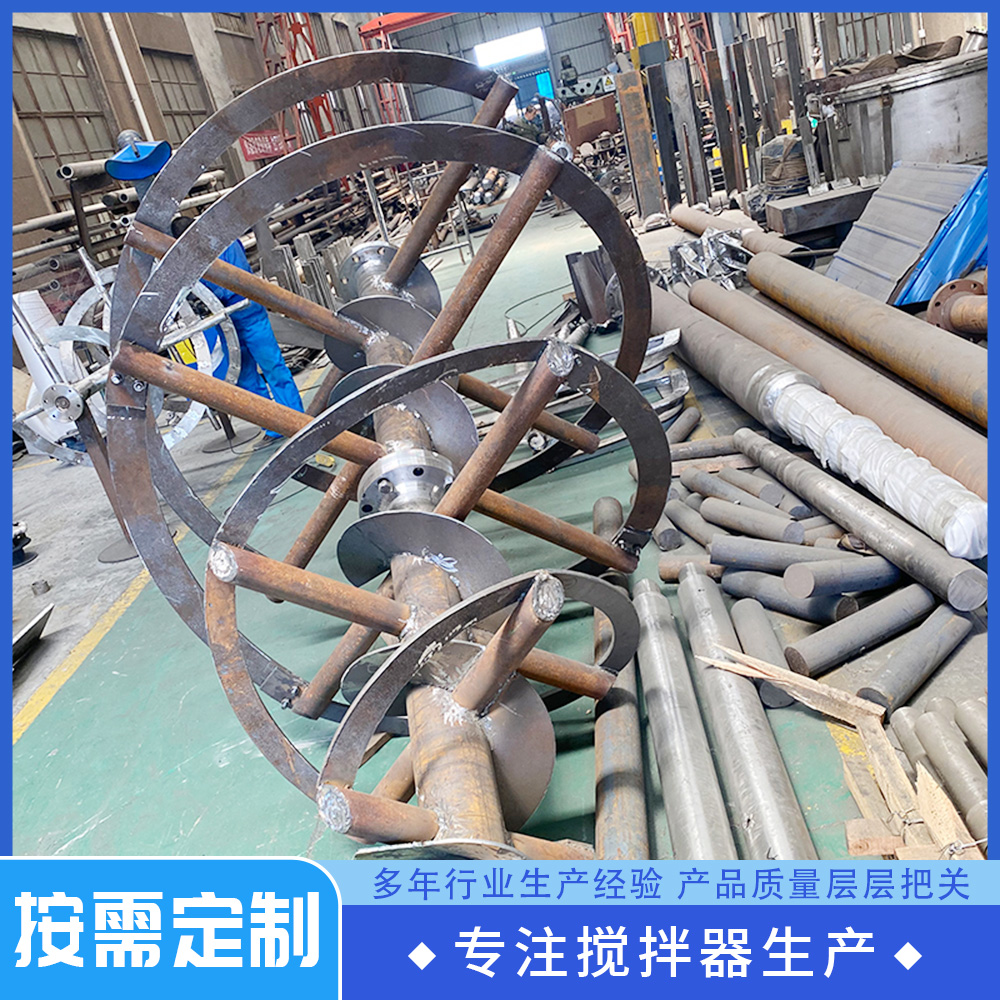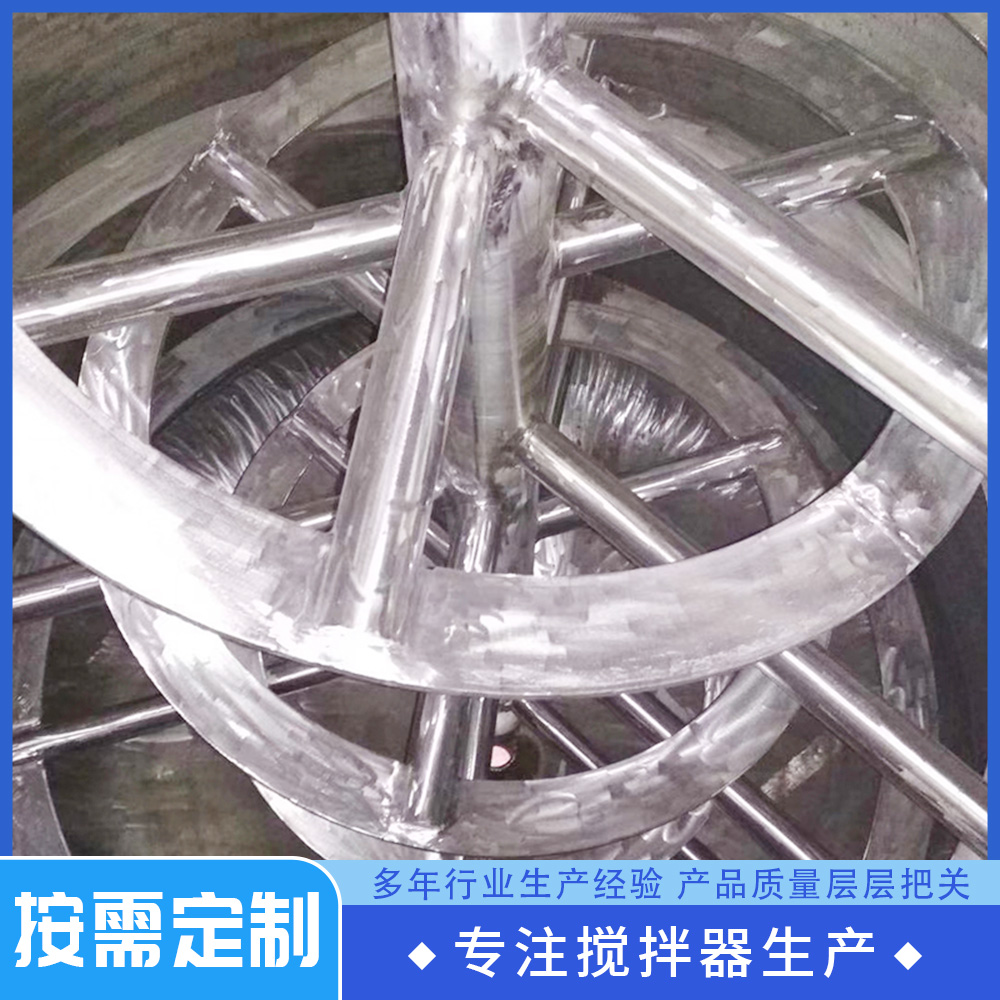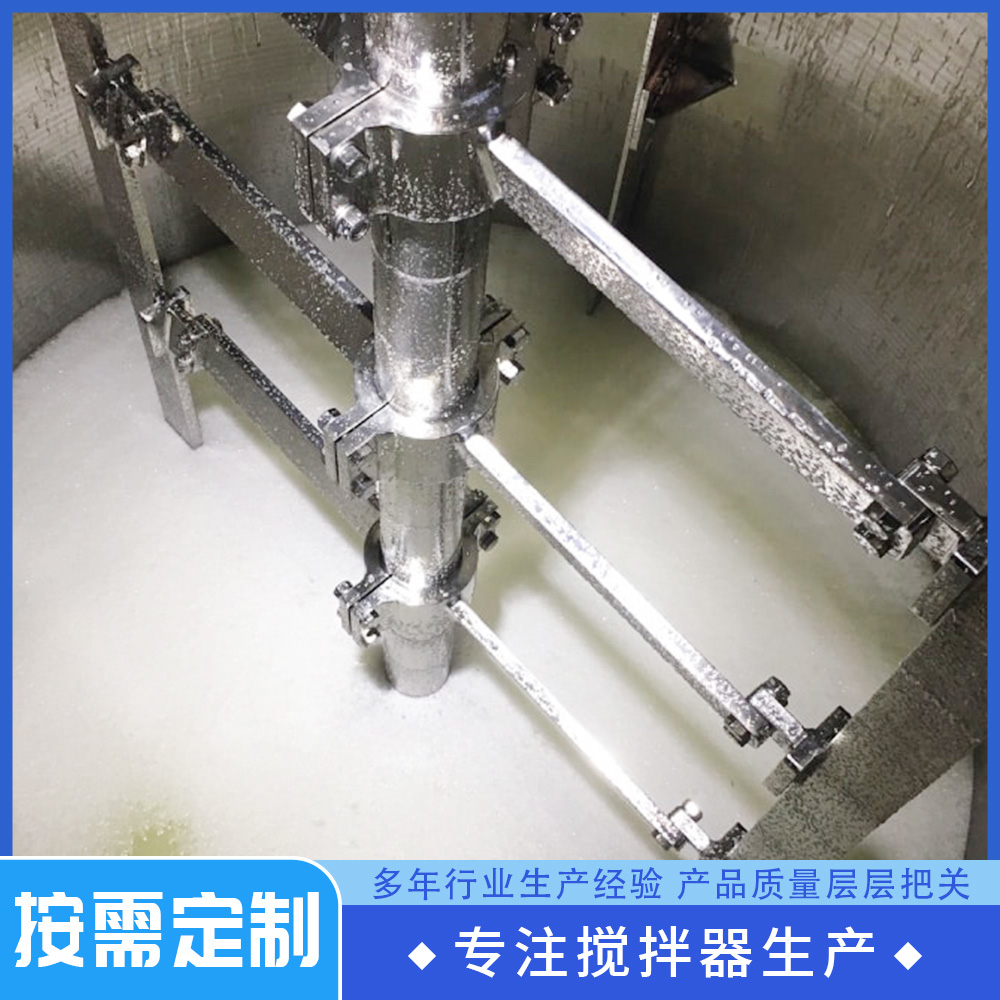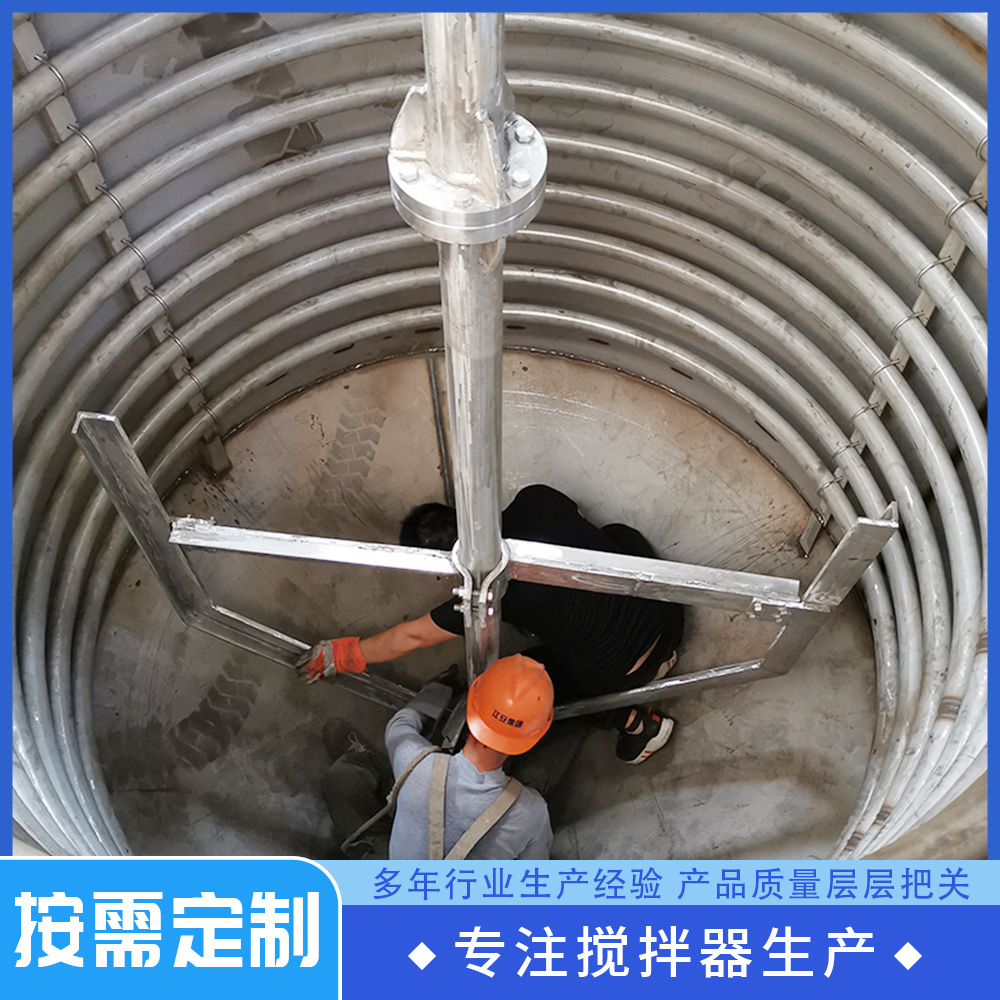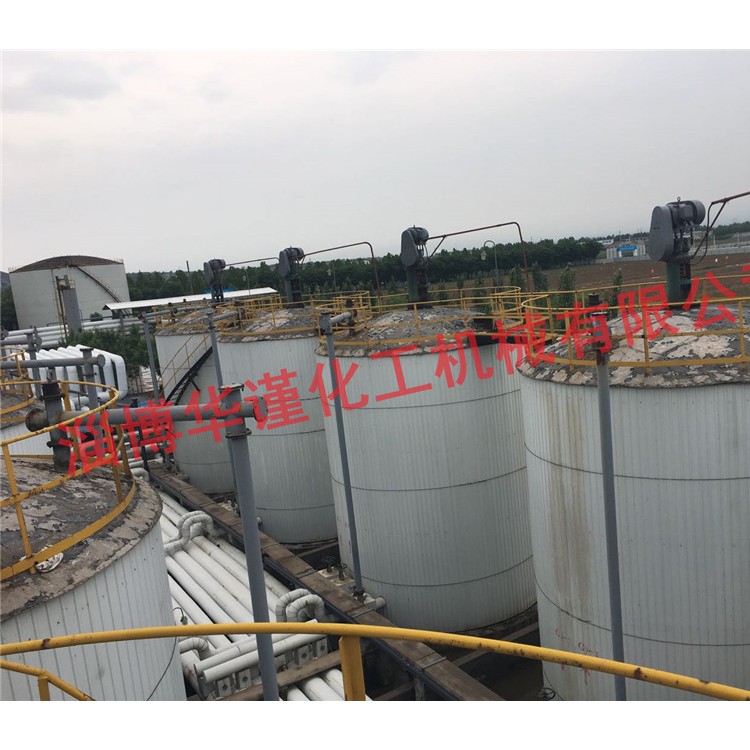


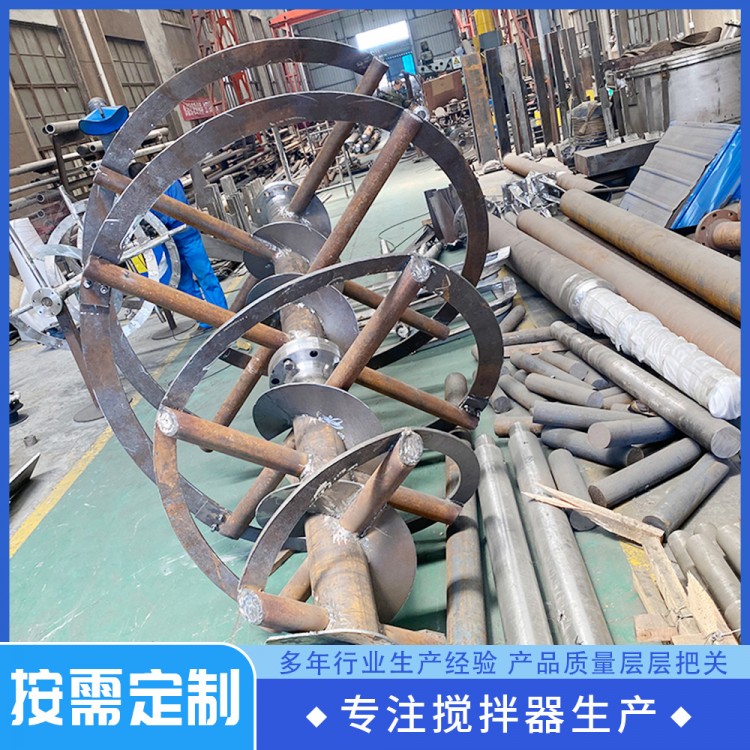

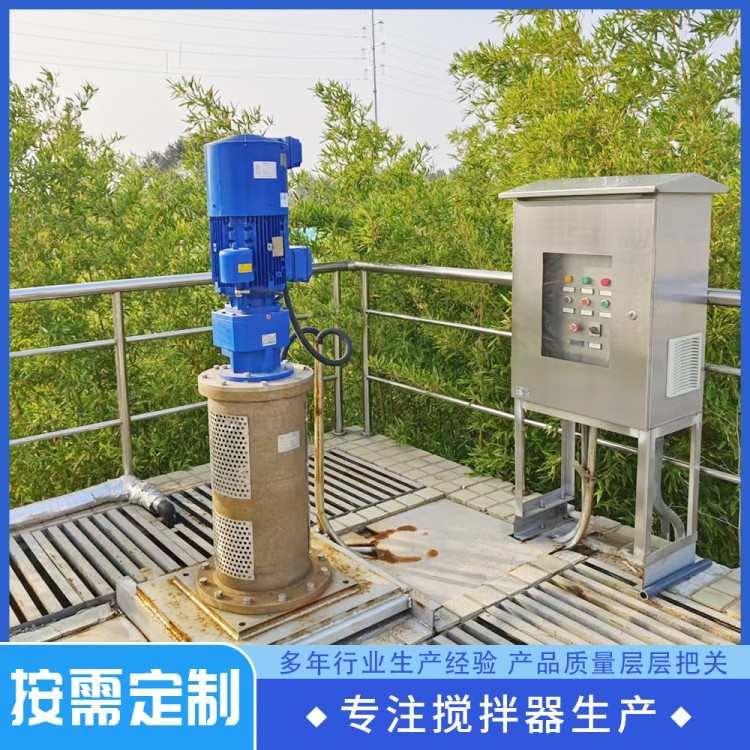





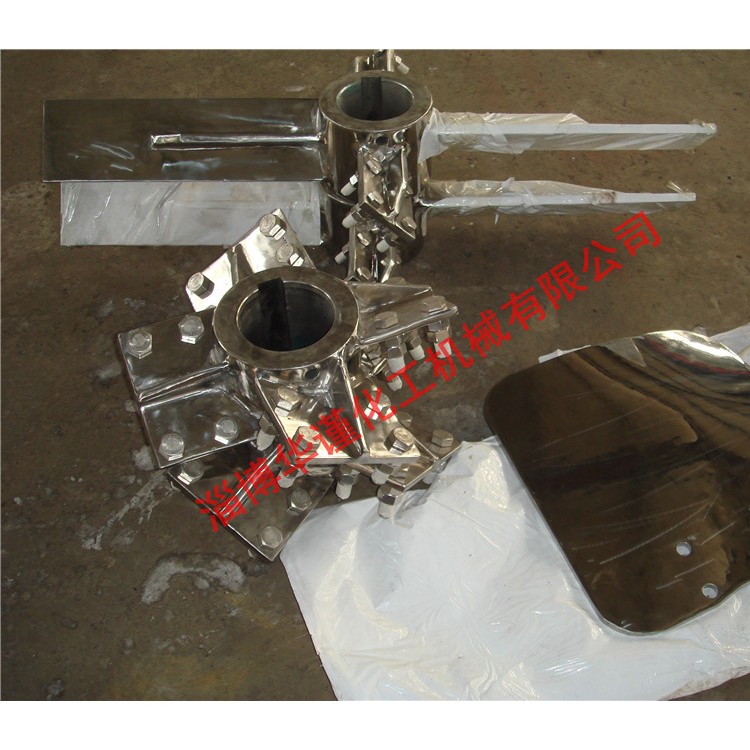
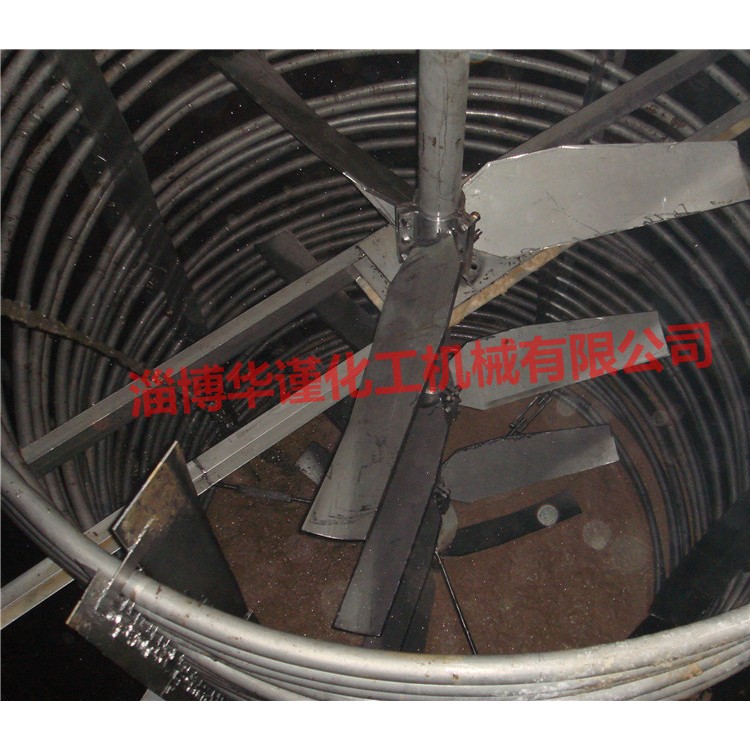
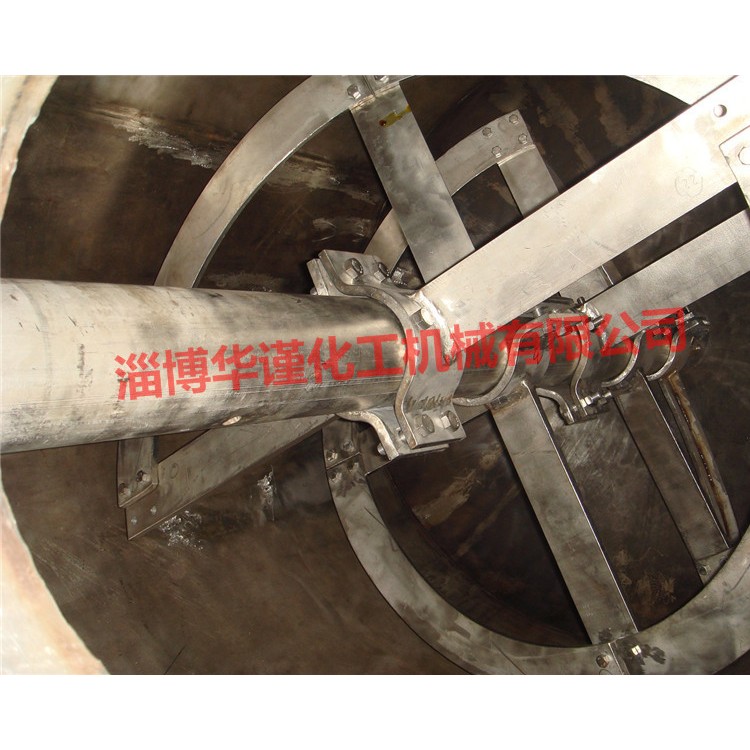
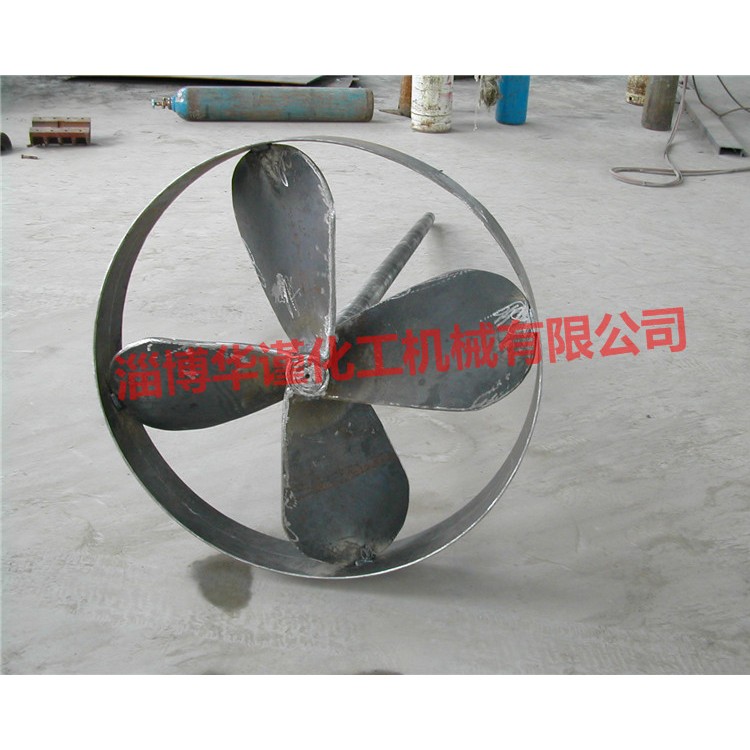
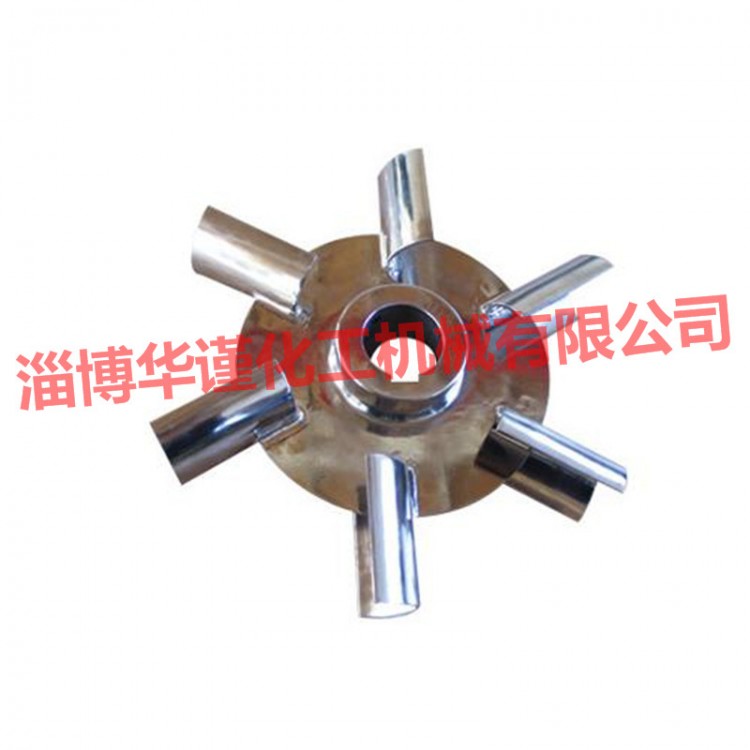
BlenderDisplay

BlenderDetailed Description
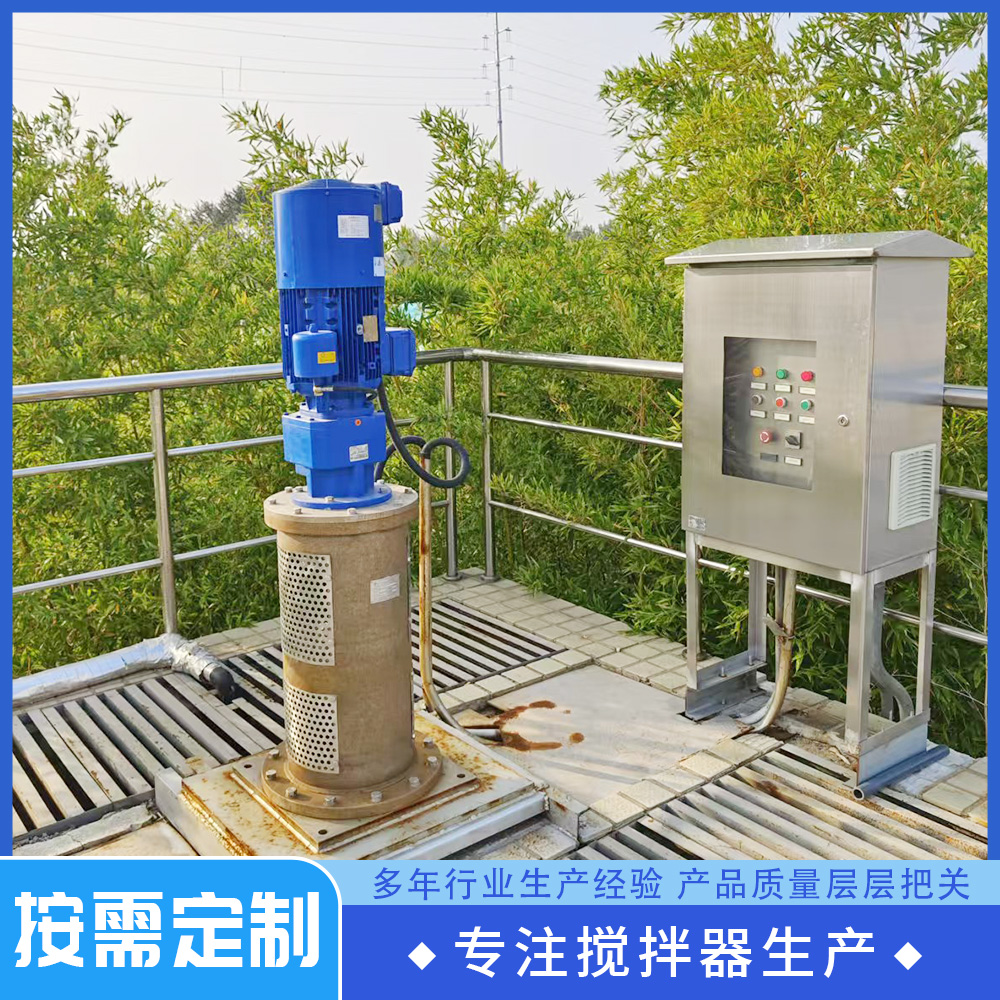
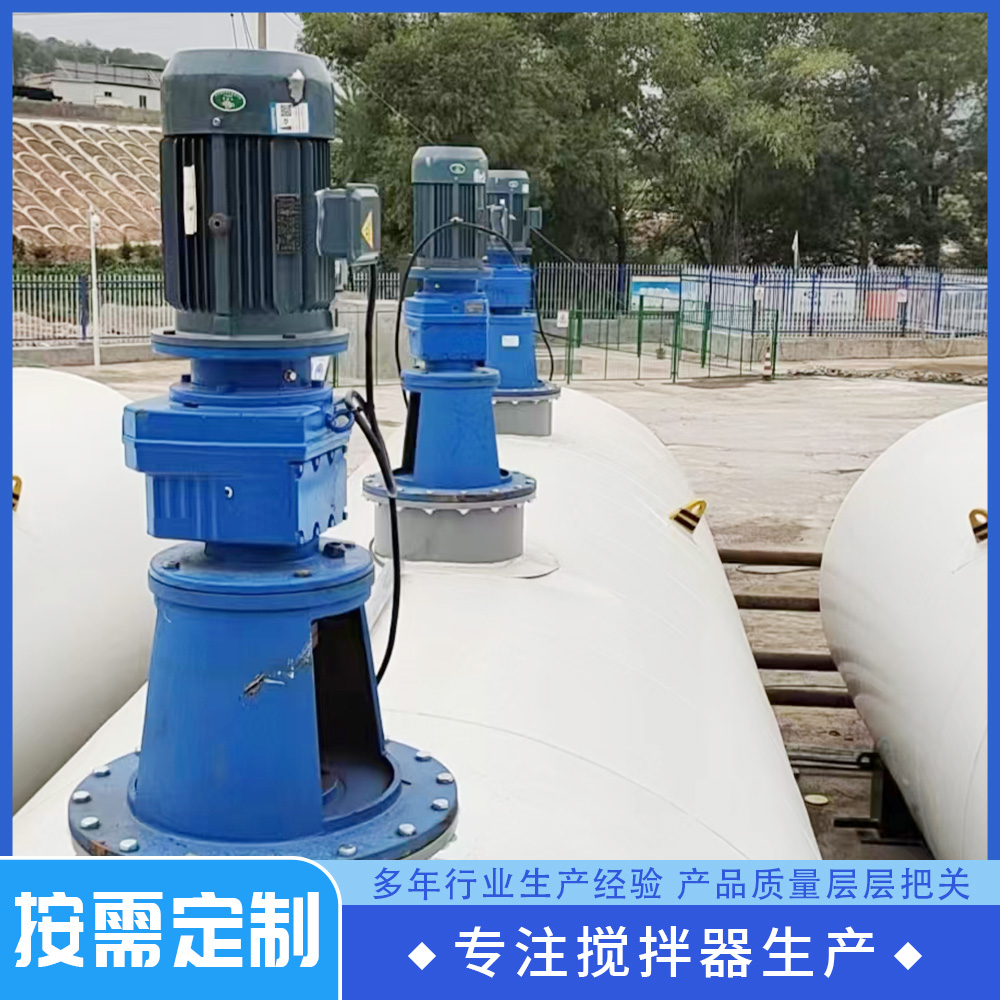
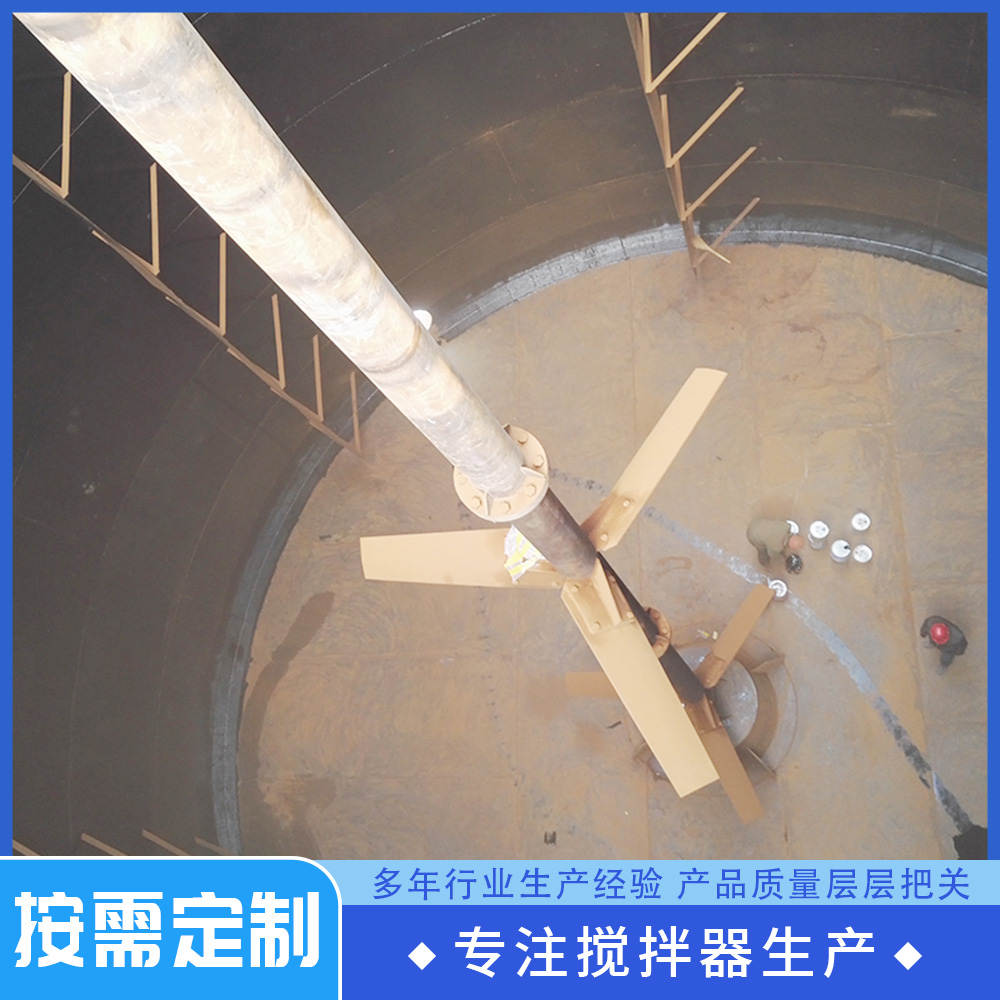
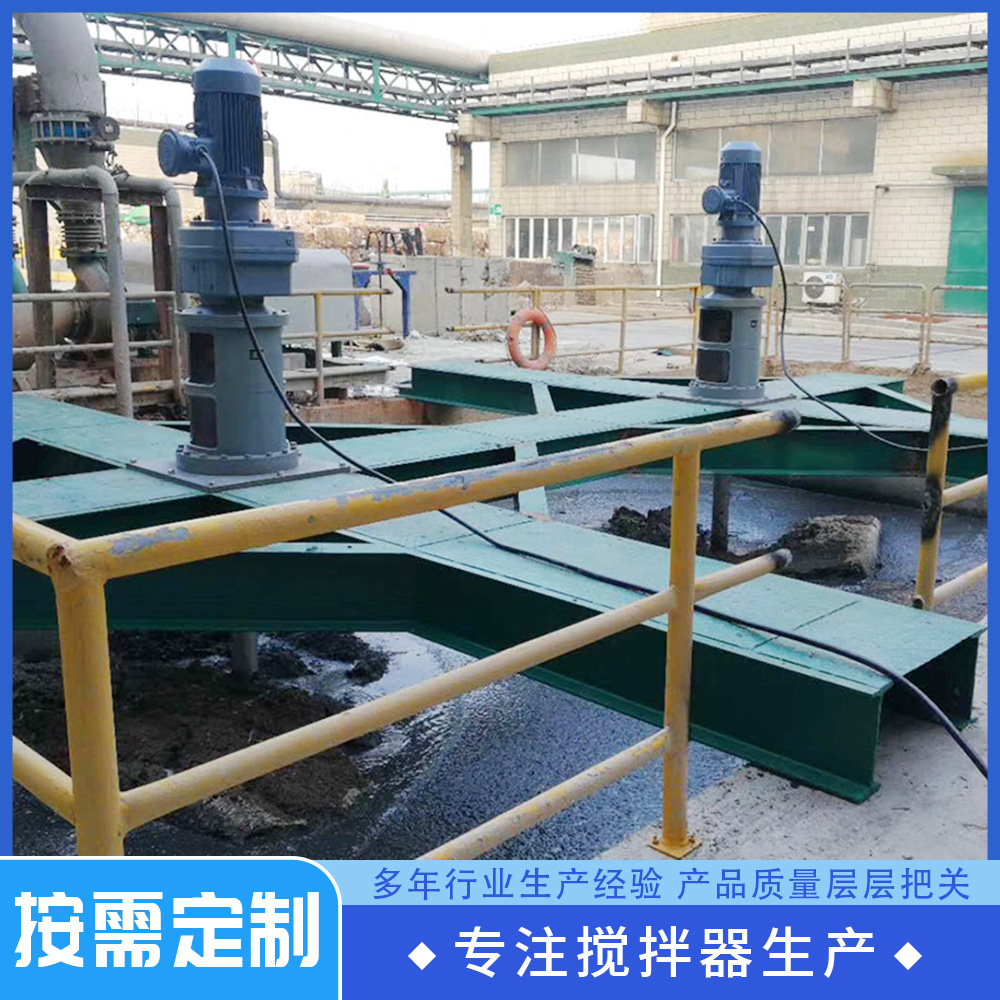
Bitumen mixers vary depending on the type and production process, with significant differences in the required mixing intensity.
1. Modified asphalt mixers, categorized into production reaction and finished product development. In the production process, due to different additives, there are two types: SBS modified asphalt and rubber modified asphalt. When selecting a mixer, it's crucial to note that rubber modified asphalt has a significantly higher viscosity at the same temperature compared to SBS modified asphalt. The mixer in the production reaction stage requires strong shearing and rapid reaction, which needs particular attention. Therefore, choosing a mixer with high shearing force and a faster rotational speed is a vital factor in ensuring the production reaction. The finished product development tank has a much milder requirement for mixing strength. After the production reaction, the material needs a stable development environment, and since the finished product tank is much larger than the production tank, the mixing in the finished product tank should only ensure normal asphalt flow within the tank, while also avoiding the formation of crusts.
2. Emulsified Asphalt Blender
These types of mixers and modified asphalt mixers have entirely different mixing requirements. Emulsified asphalt requires minimal shear force to prevent demulsification, as well as a weaker mixing intensity. Consequently, almost all emulsified asphalt mixers offer a very gentle mixing effect and require less power. Our company's emulsified asphalt mixers feature energy-saving designs, not only low energy consumption but also a technique to reduce shear force, giving them an edge in preventing demulsification.