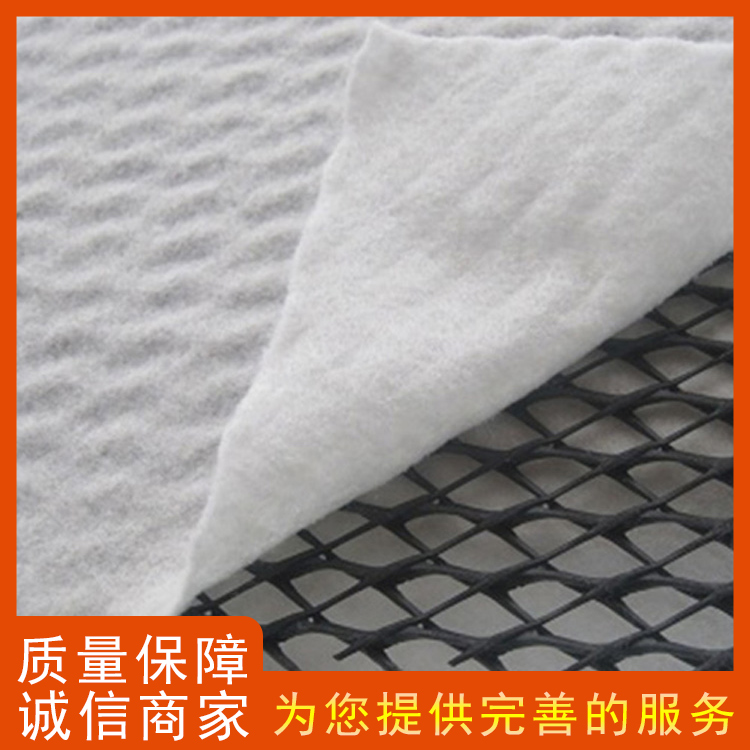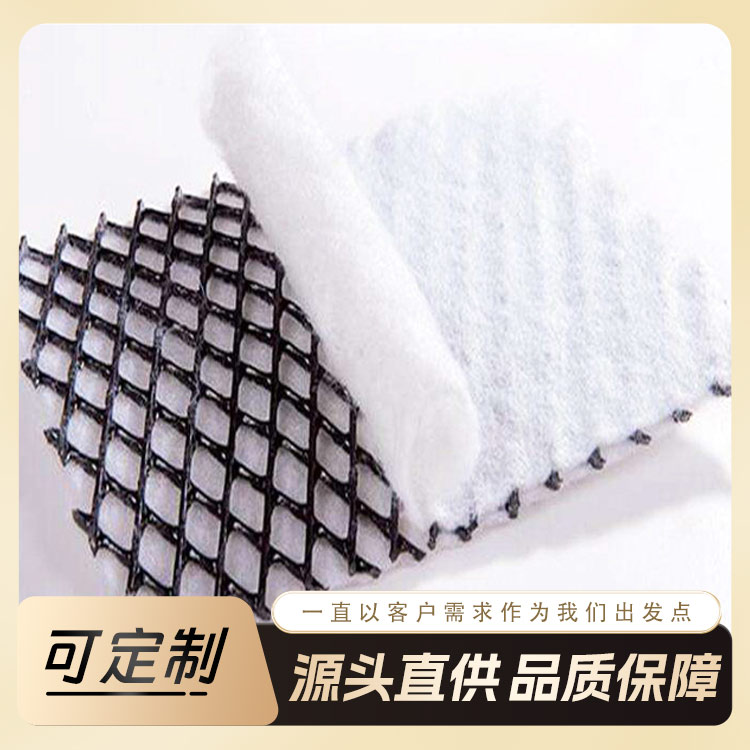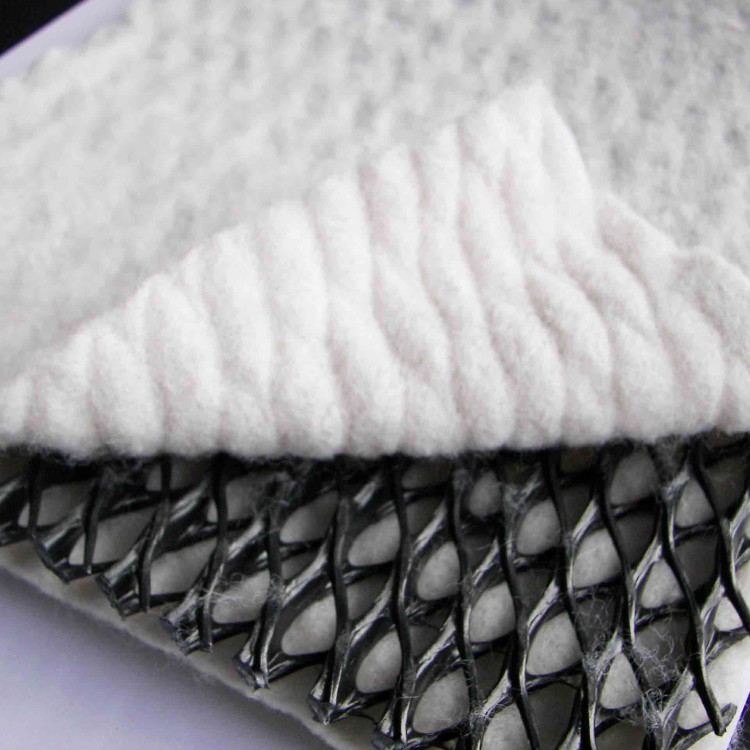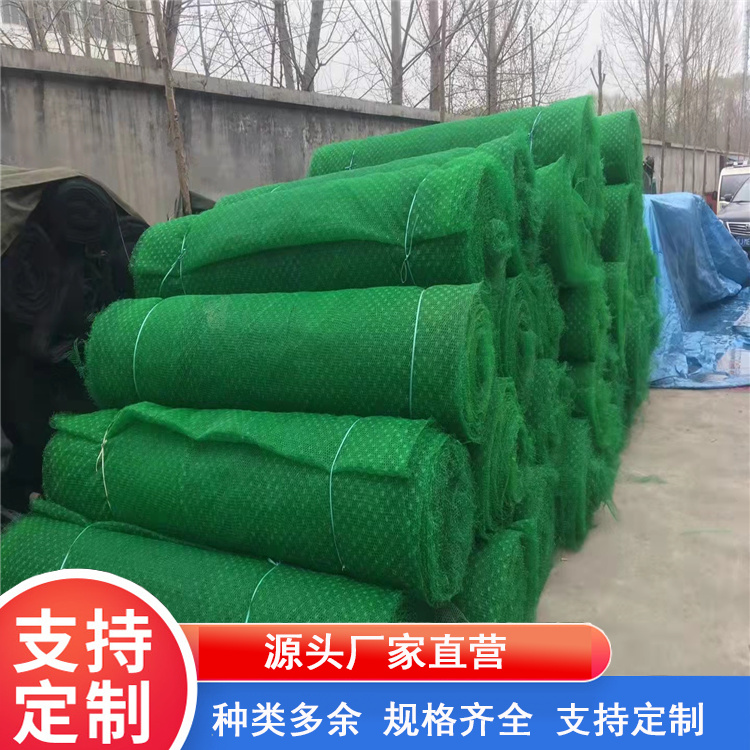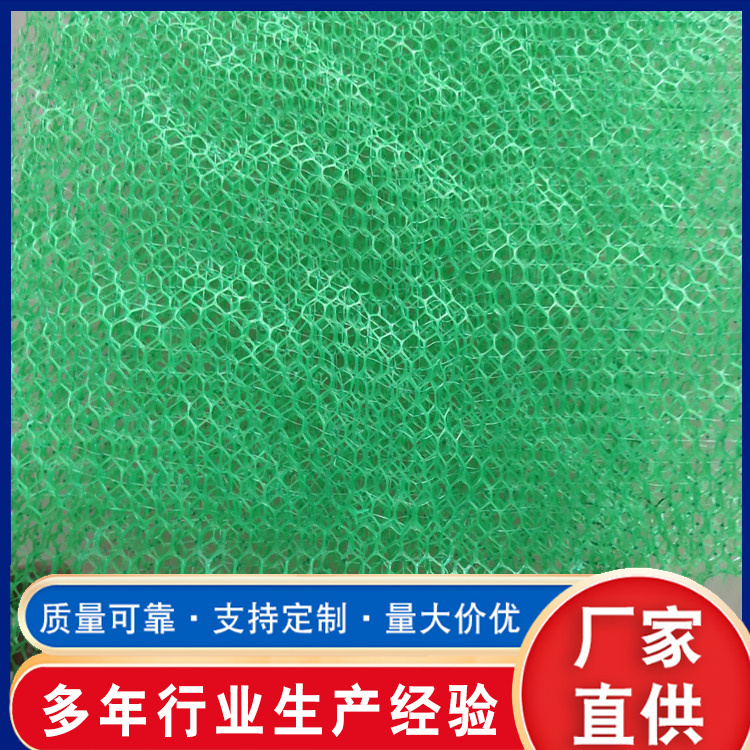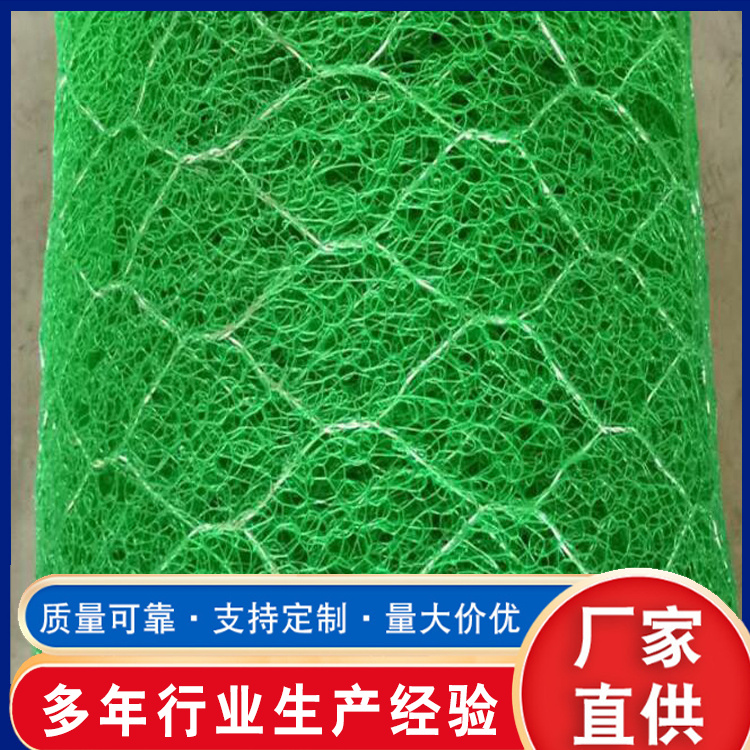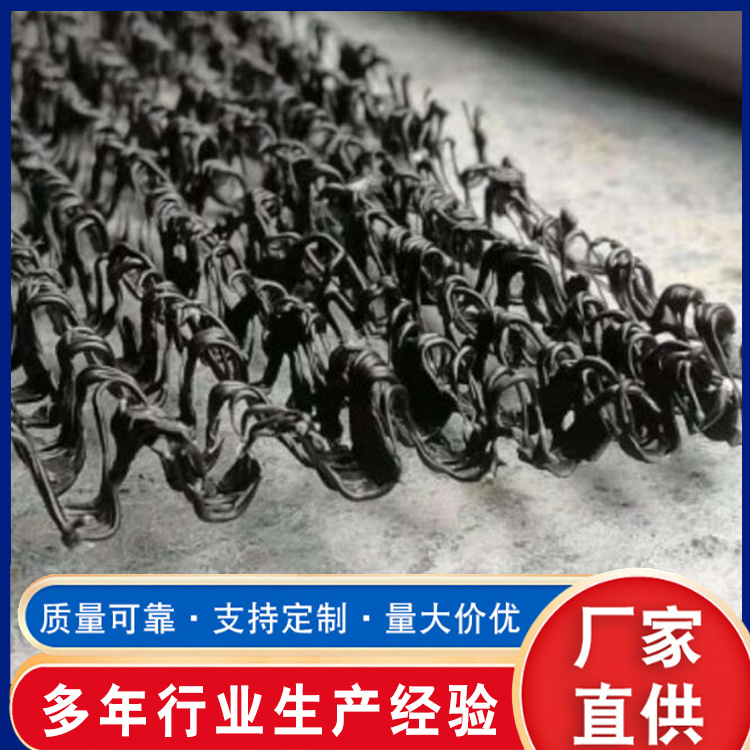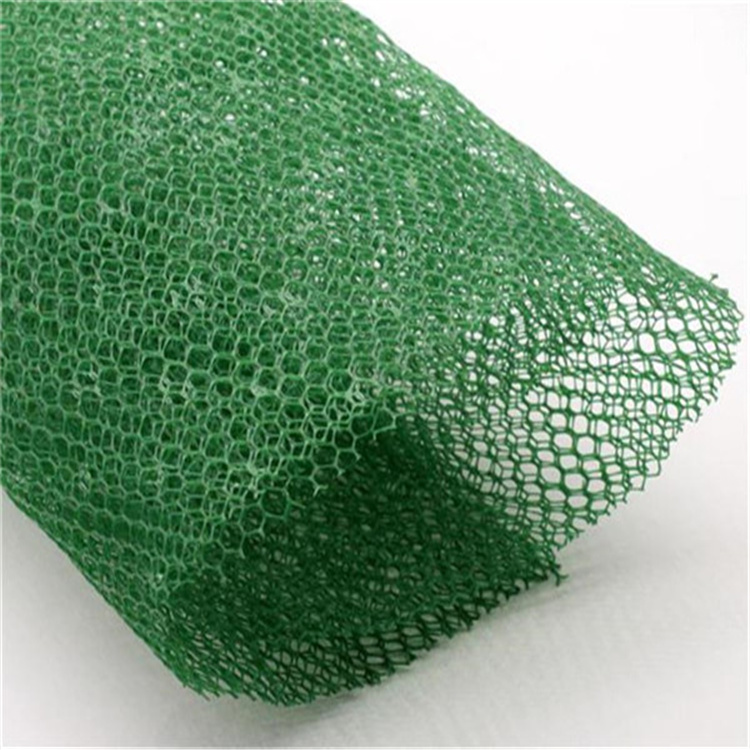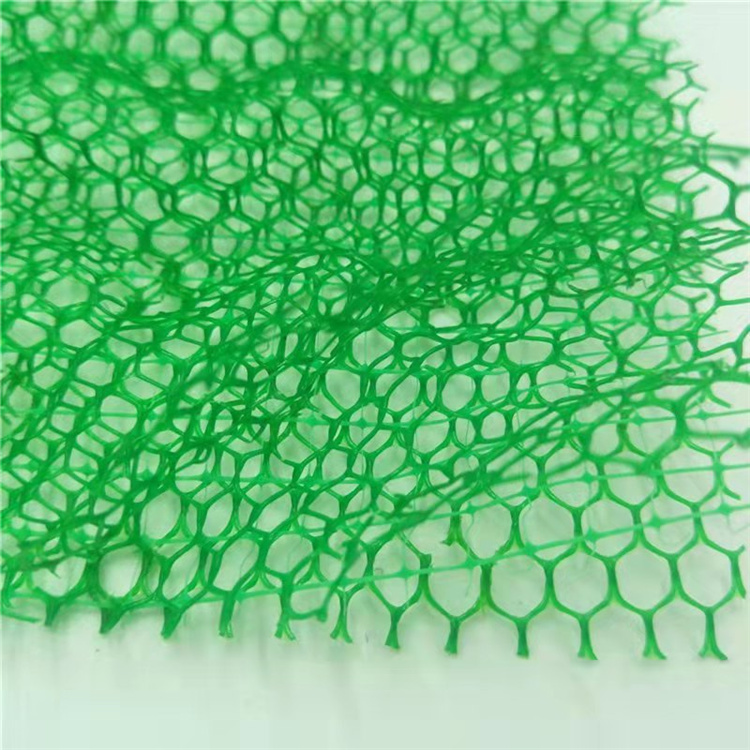


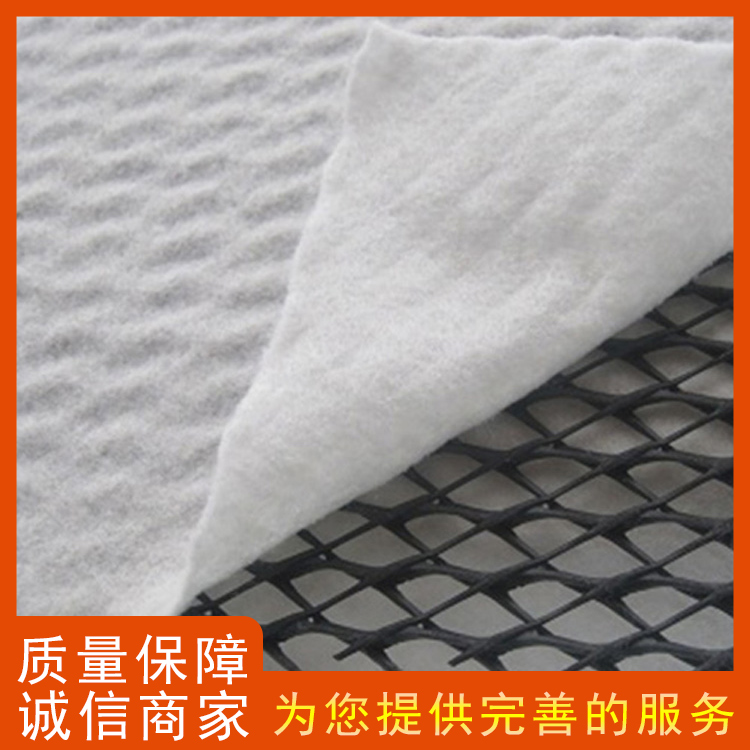
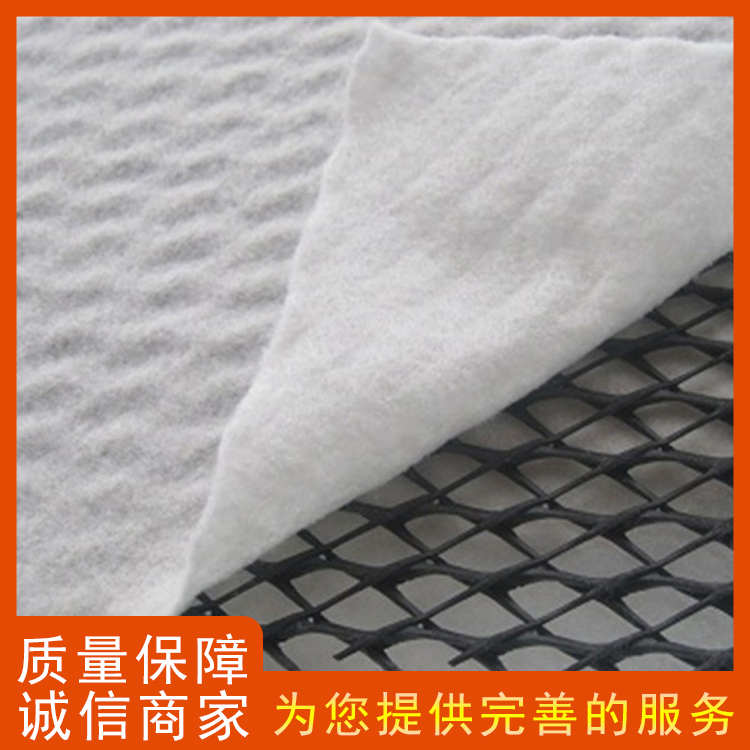
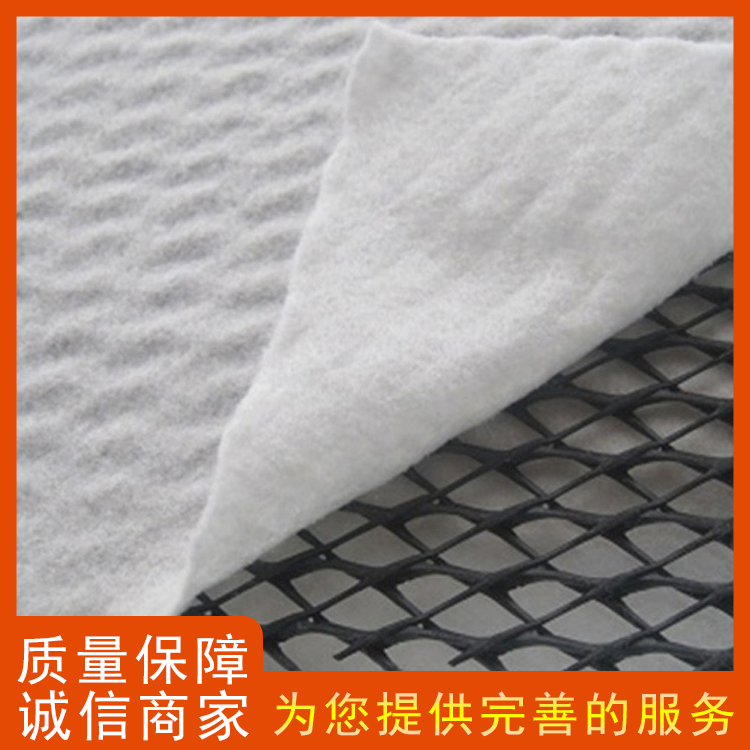


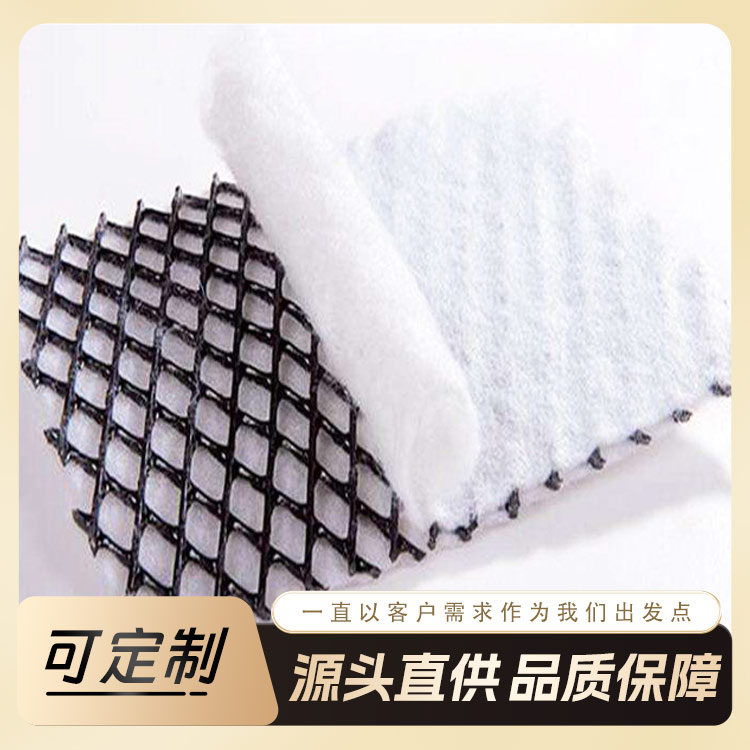
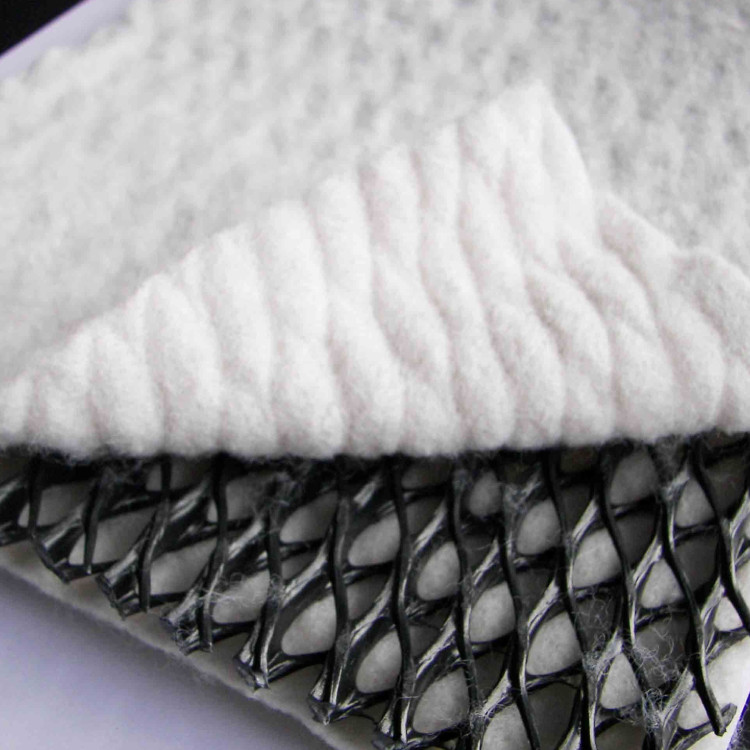

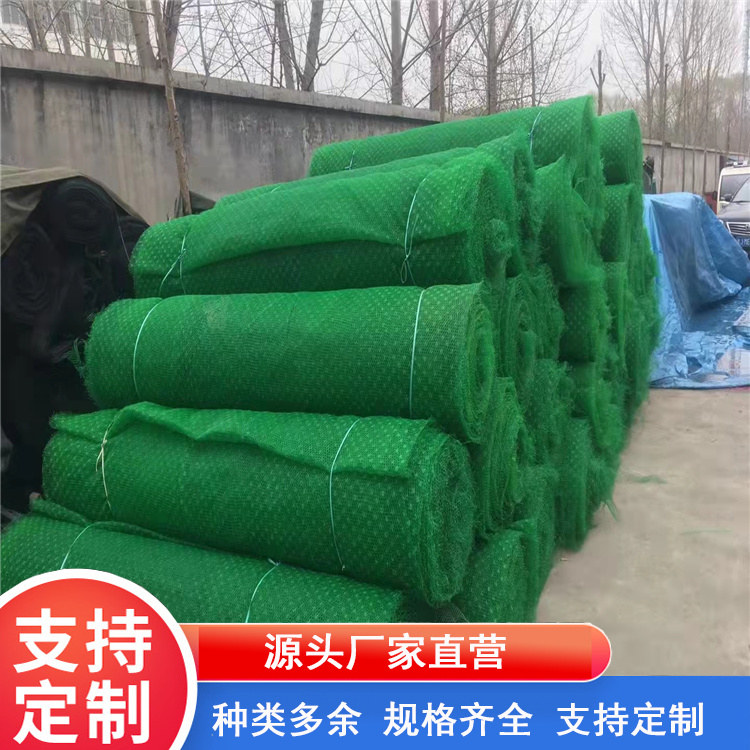





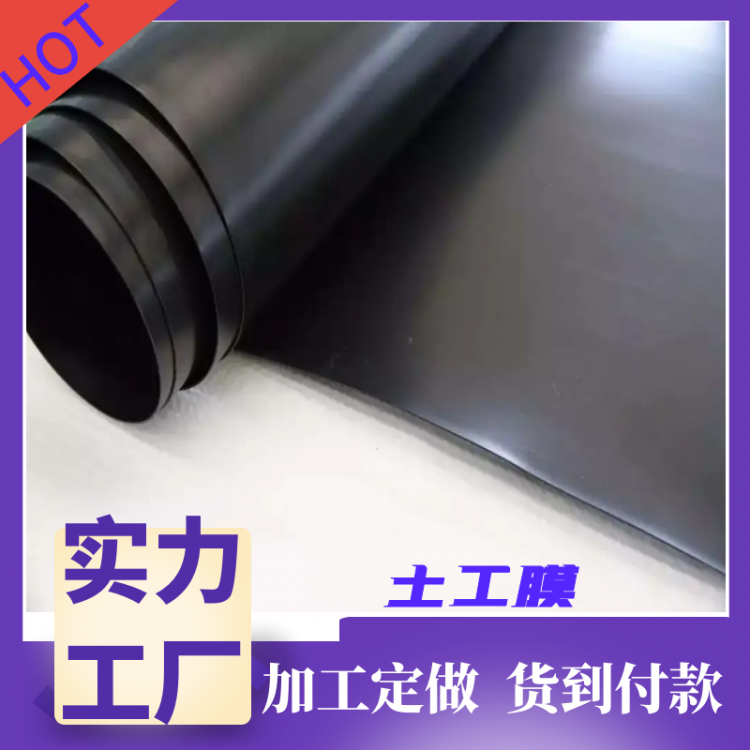
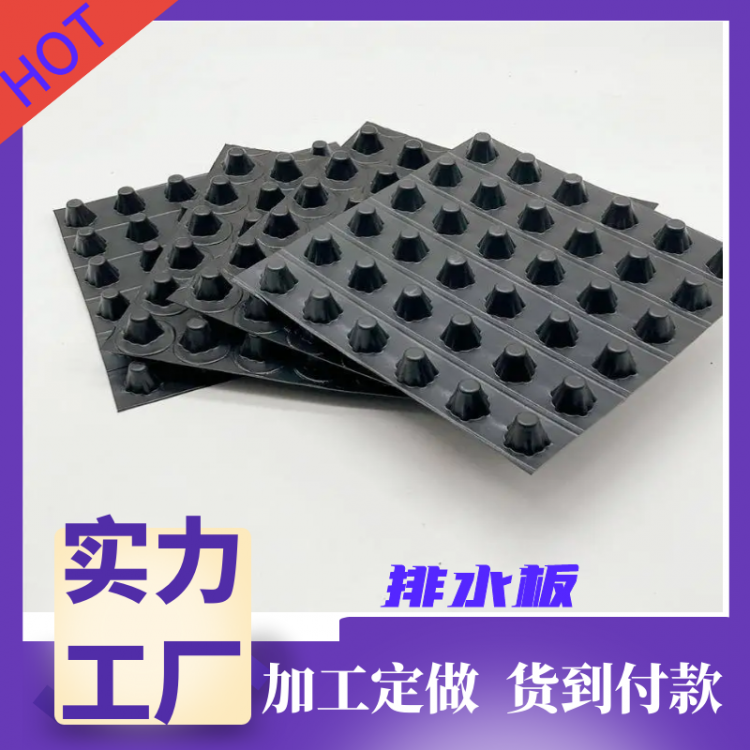

Composite drainage mesh (also known as three-dimensional geosynthetic drainage board, tunnel drainage board, and drainage board) is made by double-sided bonding of a plastic mesh with a three-dimensional structure.
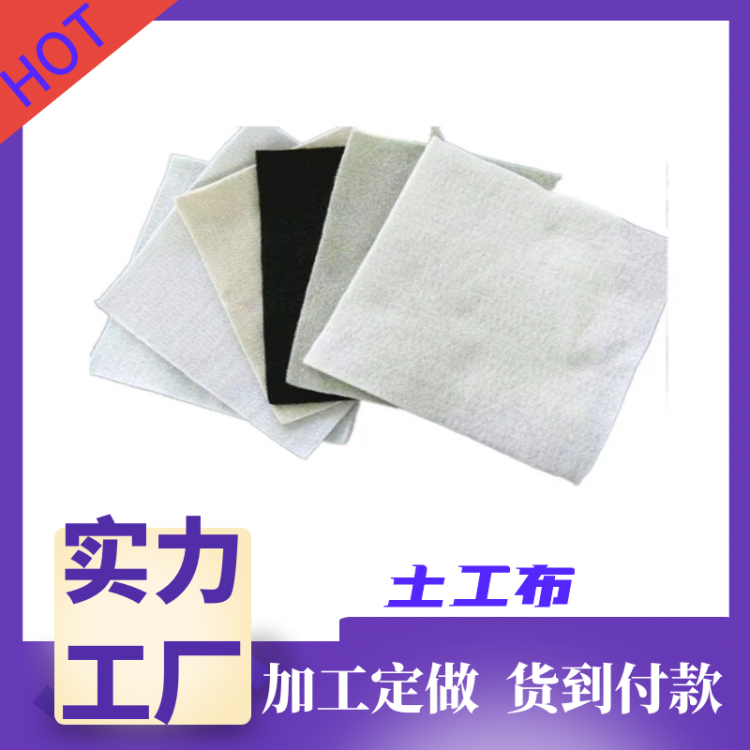
Geotextile composition, capable of replacing traditional sand and gravel layers, primarily used for drainage in landfill sites, roadbeds, and tunnel interiors.
Technical Parameters and Product Specifications of Composite Drainage Mesh
In railway, highway, and other transportation infrastructure, the safety and service life of the project are inextricably linked to its drainage system, particularly
Geosynthetic materials are an essential component of the drainage system.
Composite drainage mesh is a new type of geosynthetic drainage material. Made from high-density polyethylene (HDPE) and formed through a special extrusion molding process.
Crafted with three-layer special structure. The central rib is rigid, arranged longitudinally to form drainage channels, with the upper and lower ribs crossing each other.
The strip forms a support to prevent the geotextile from embedding into the drainage channel, maintaining high drainage performance even under high loads. Double-sided adhesive渗
Geotextile composite usage offers comprehensive properties of "filtering, draining, ventilating, and protecting," making it the ideal drainage material currently available.
Product Application:
Significantly effective in drainage projects for railways, highways, tunnels, municipal engineering, reservoirs, slopes, etc.
Product Features:
High drainage capacity (equivalent to one meter of gravel drainage).
High tensile strength.
3. Minimize the likelihood of geotextile embedding into the core, ensuring long-term stable drainage.
4. Capable of withstanding long-term high-pressure loads (can bear approximately 3,000Ka of compressive loads).
5. Corrosion-resistant, acid and alkali-resistant, and long-lasting lifespan.
6. Easy construction, shortened project timeline, and cost reduction.