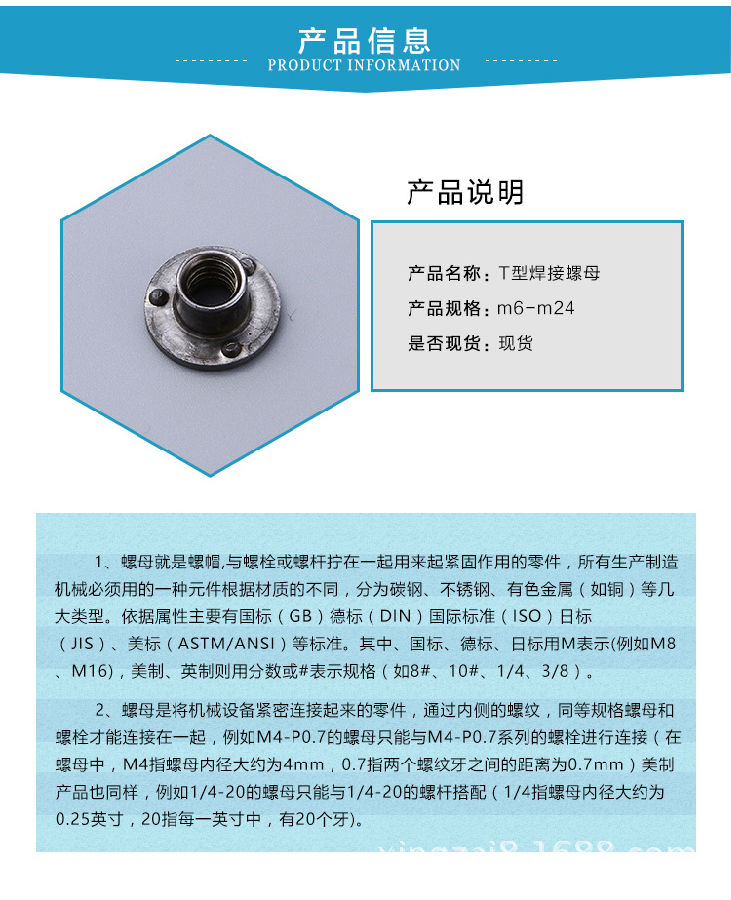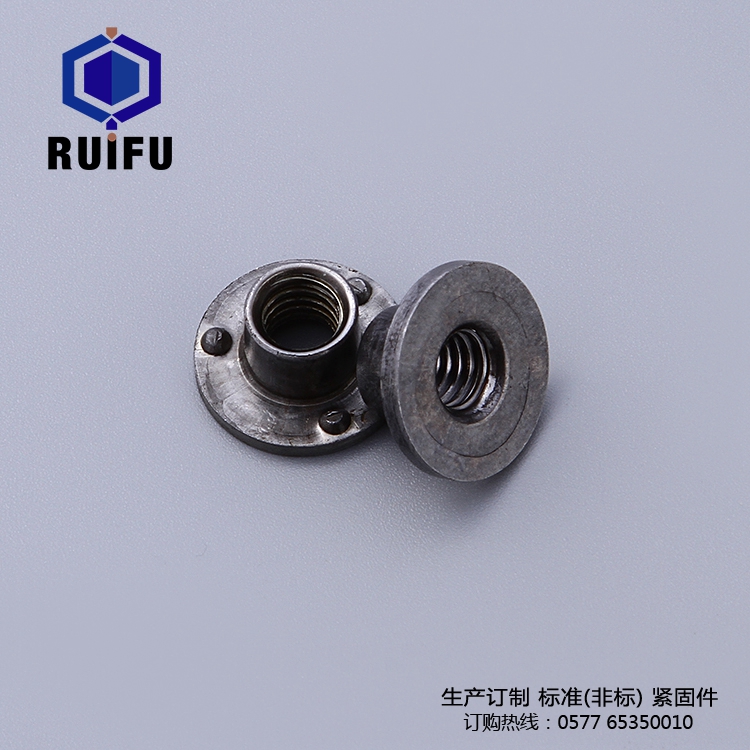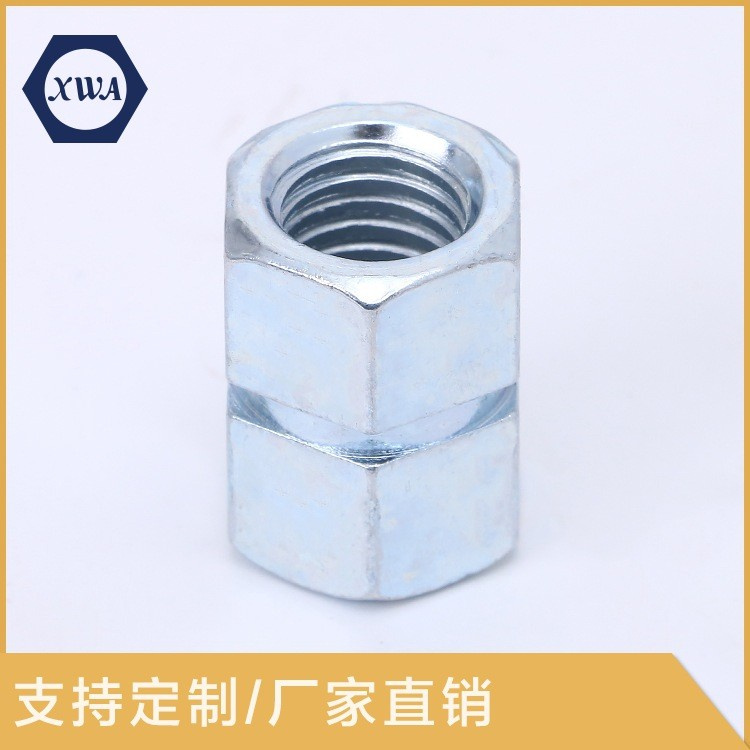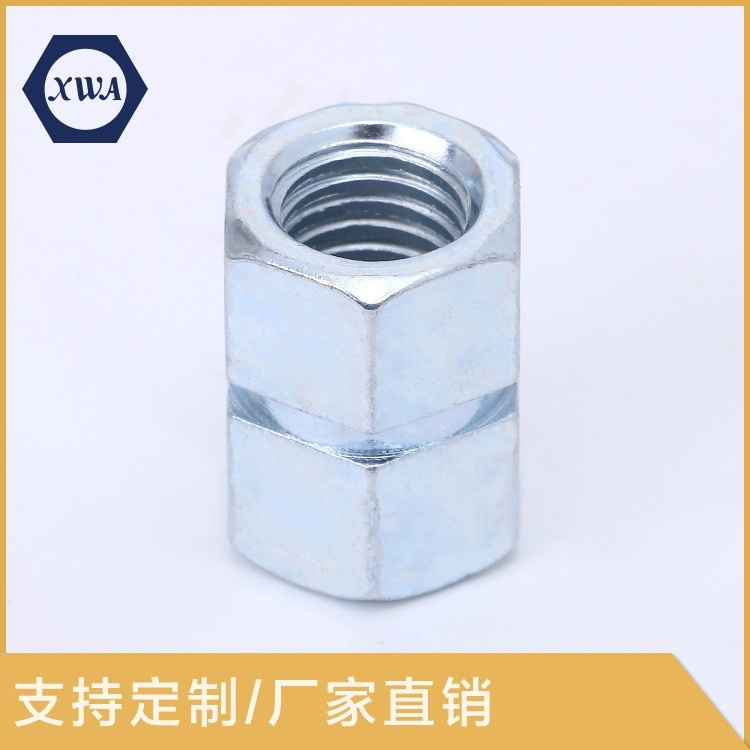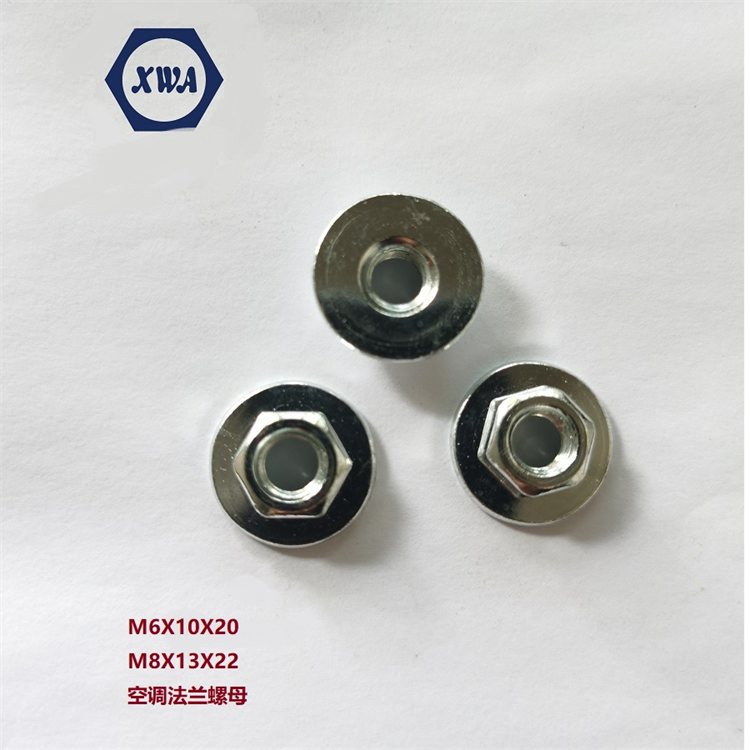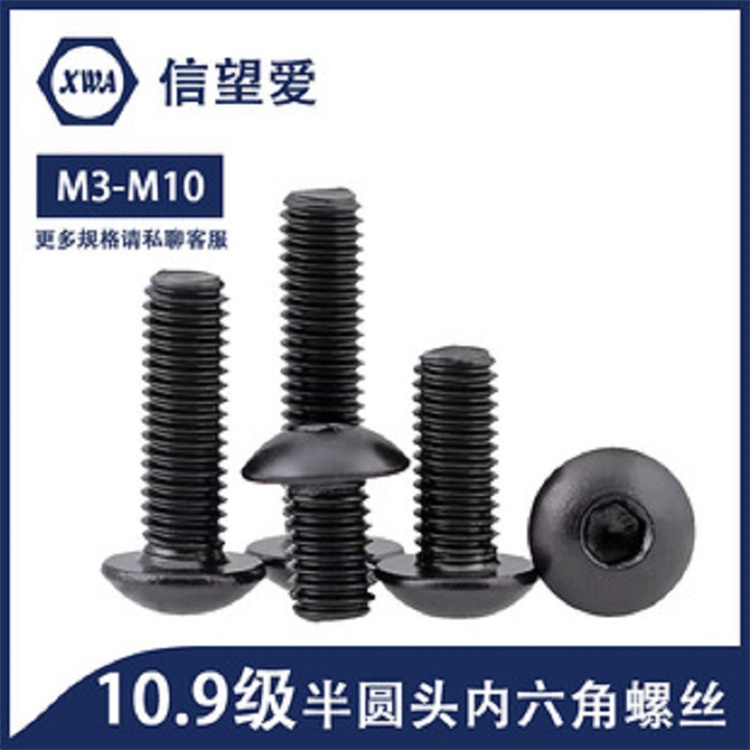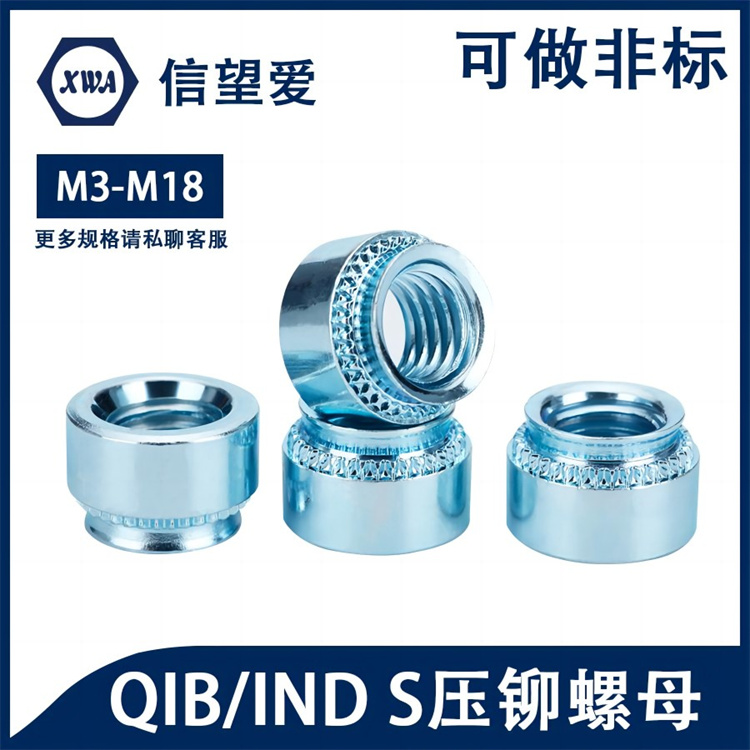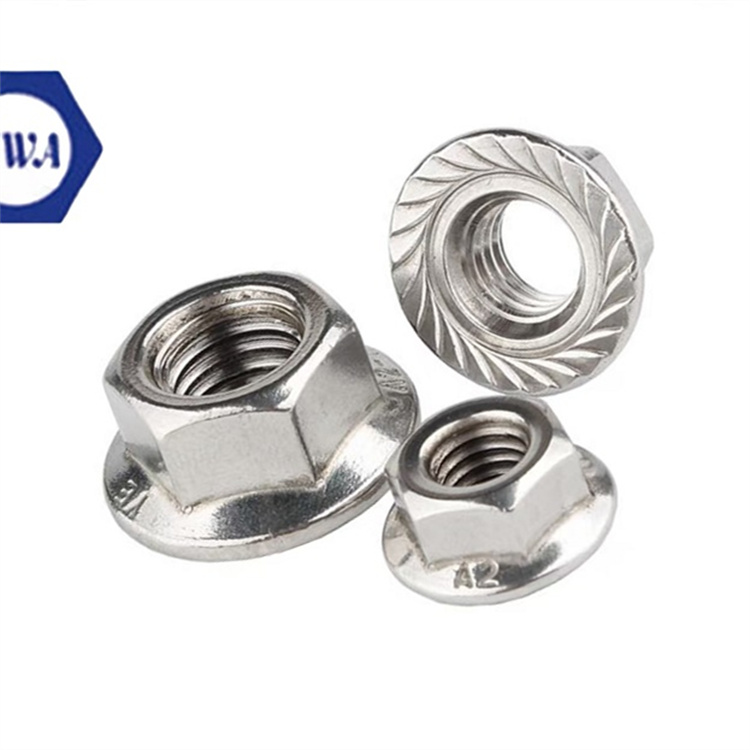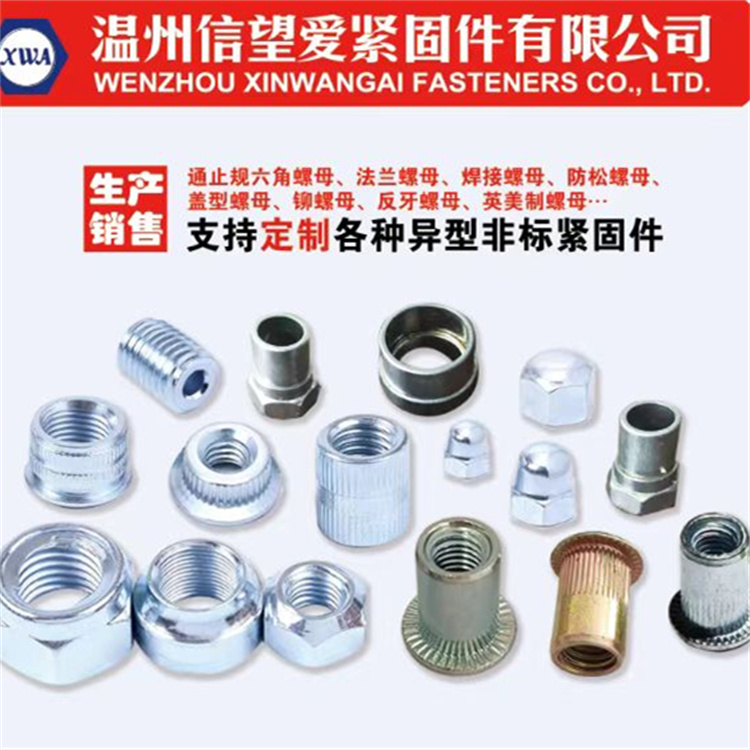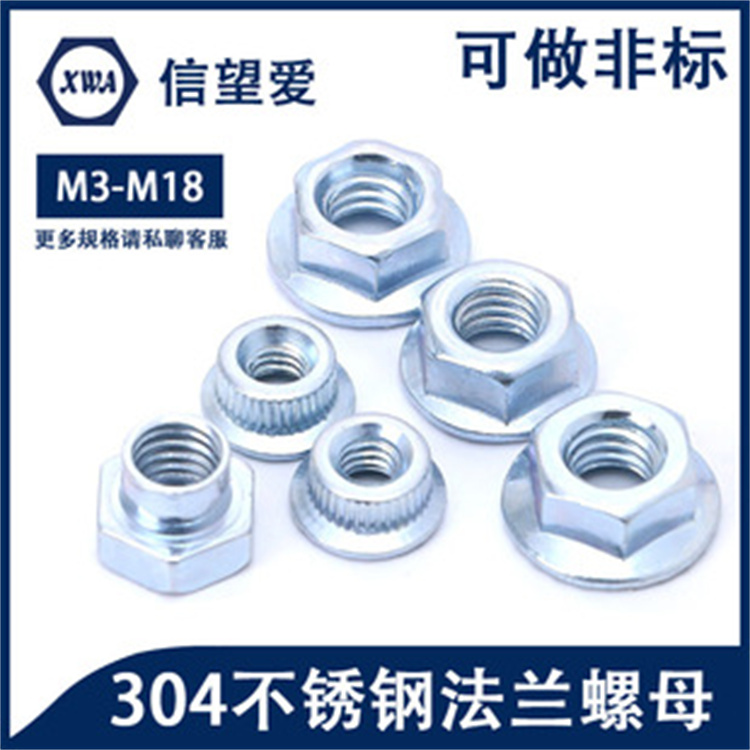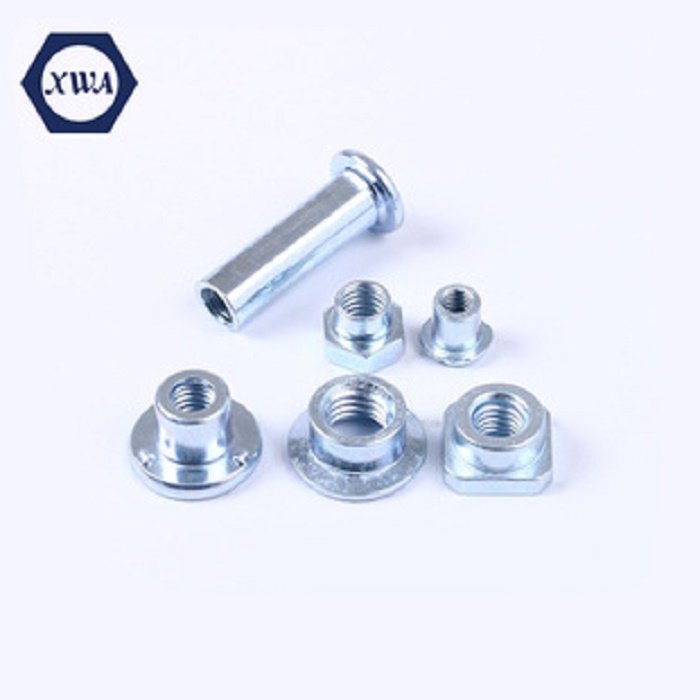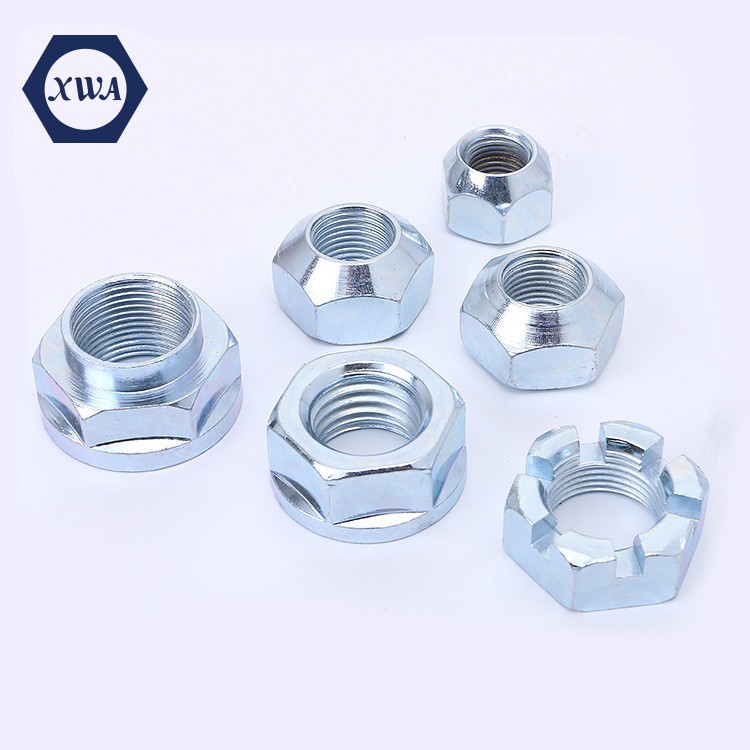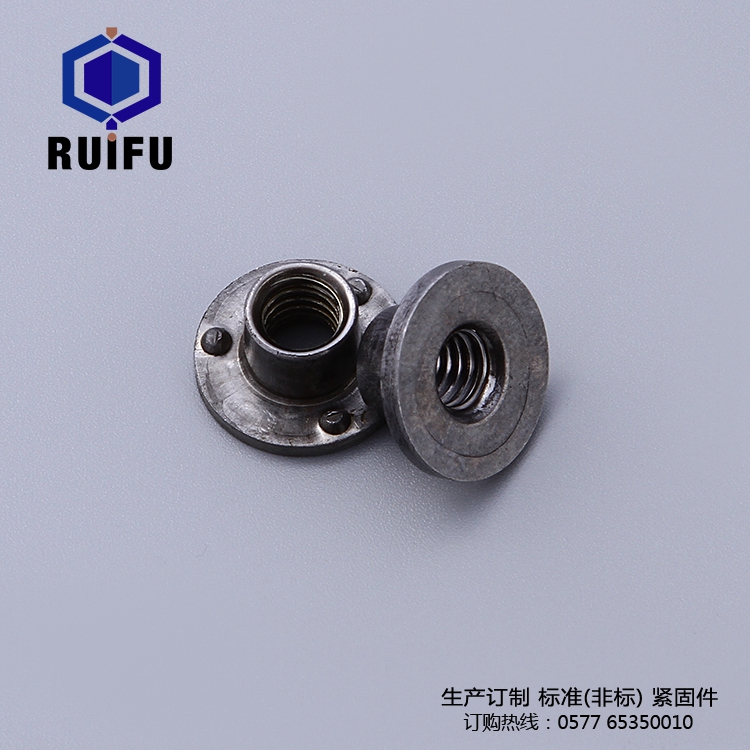

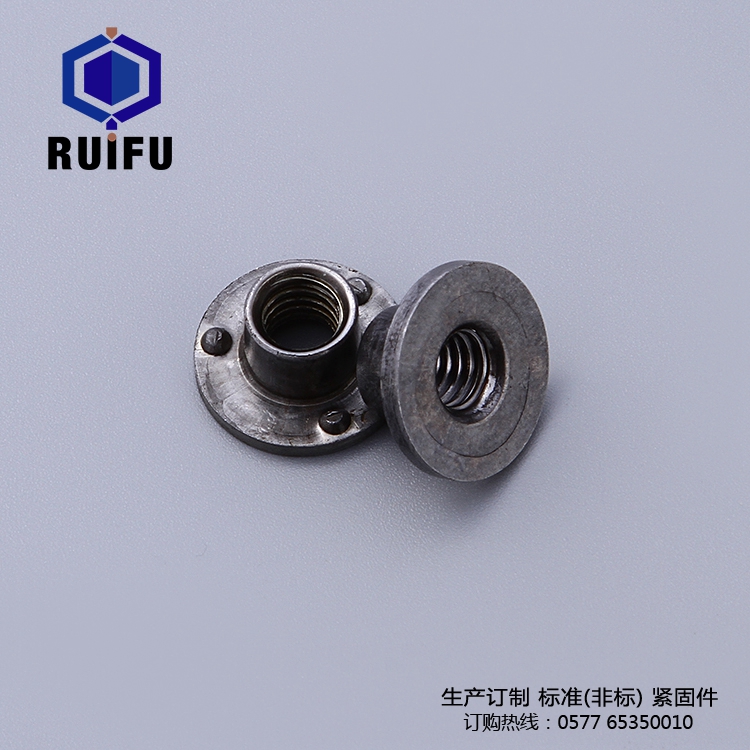
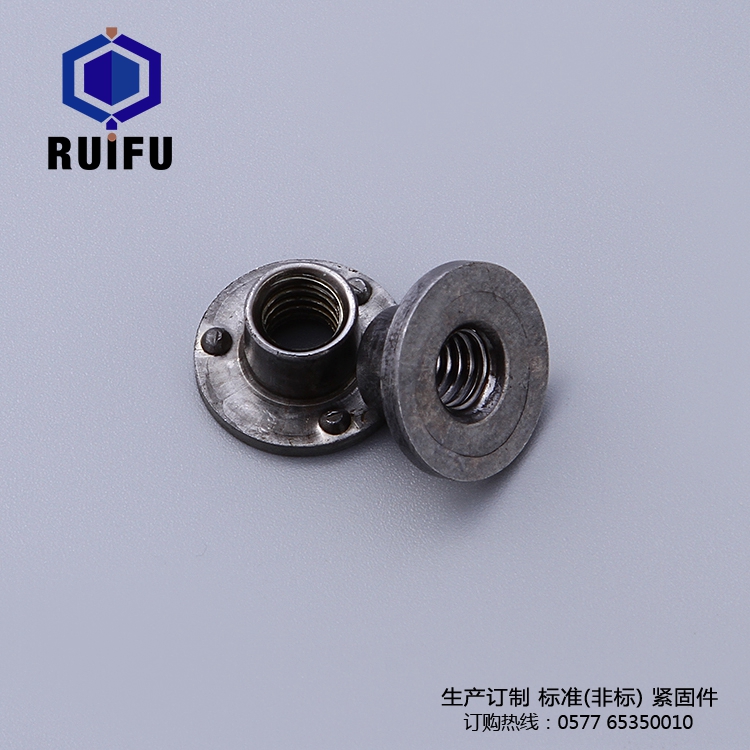
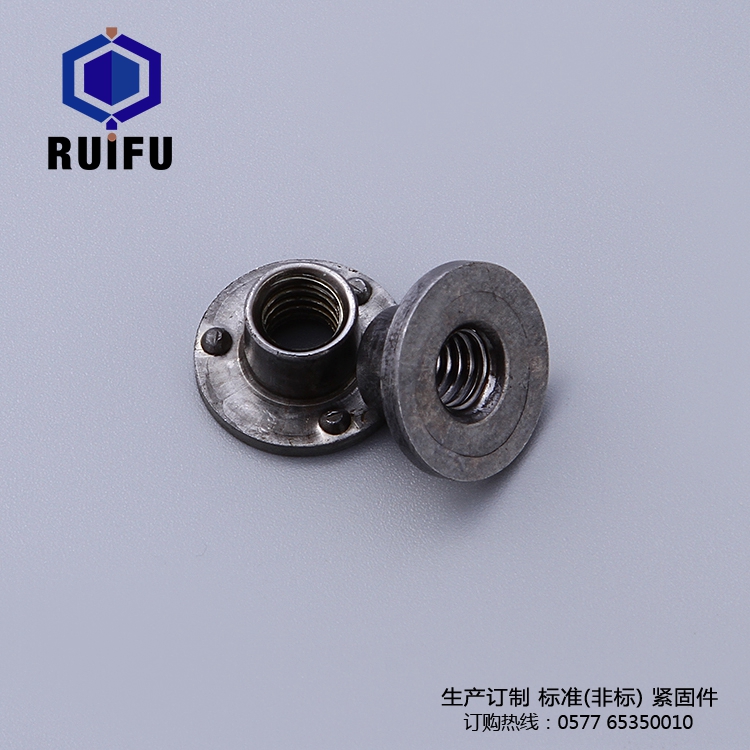







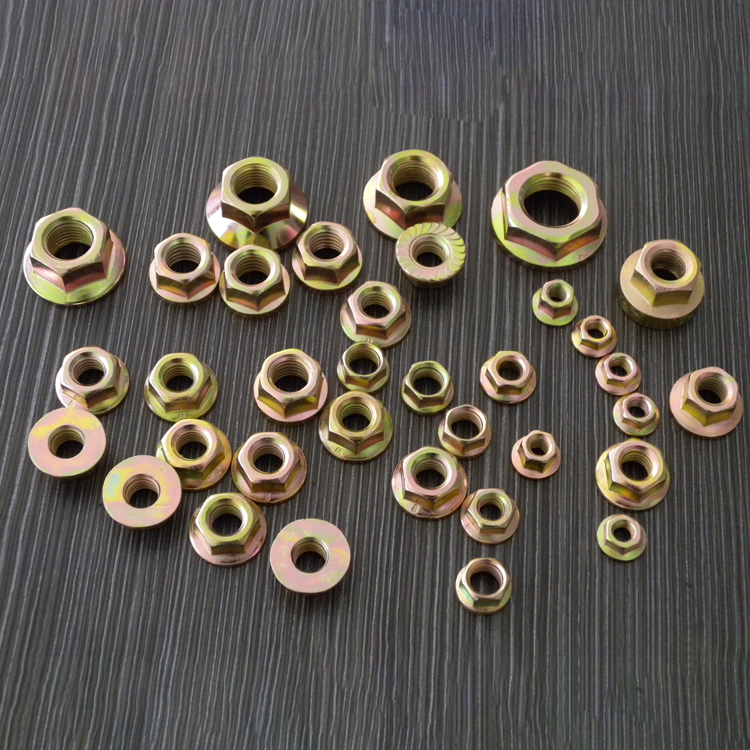
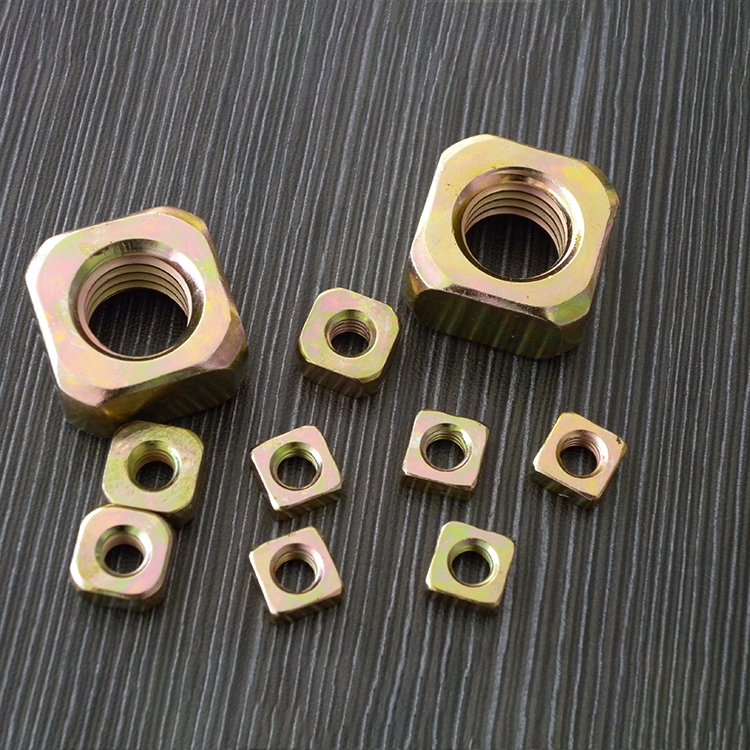
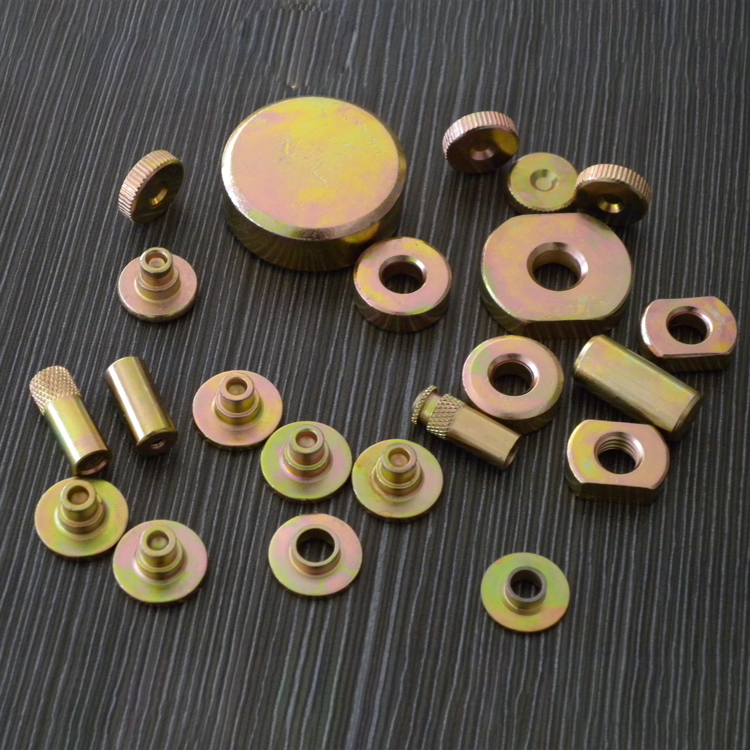
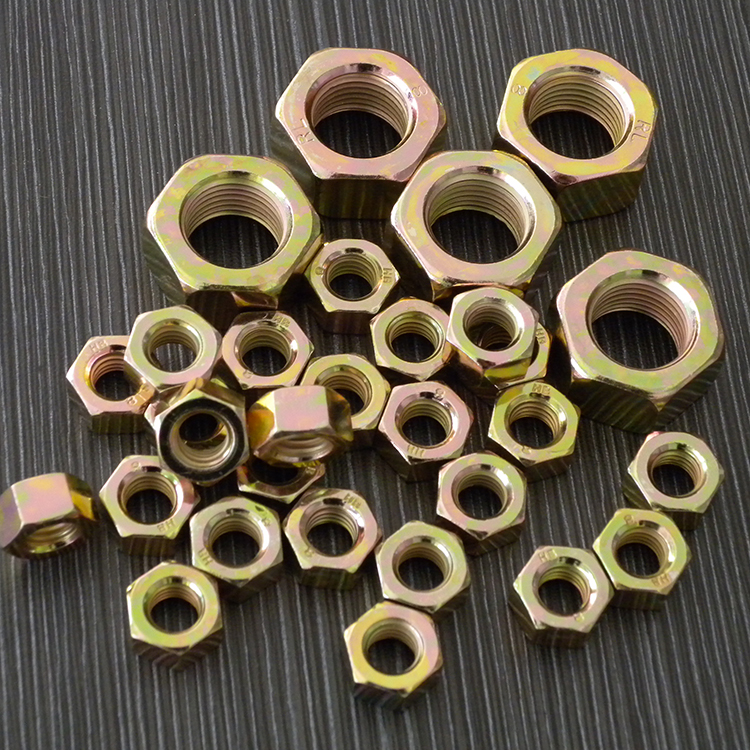
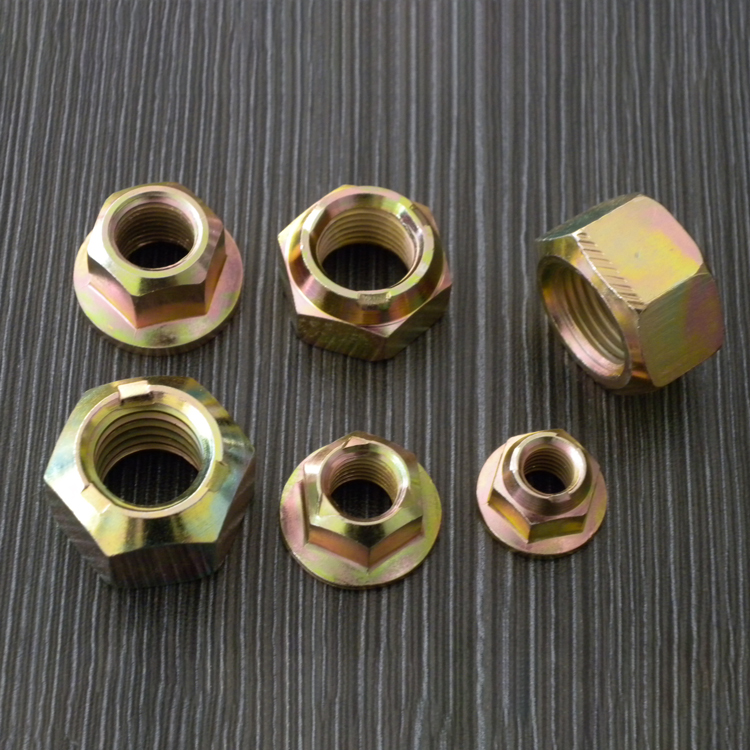
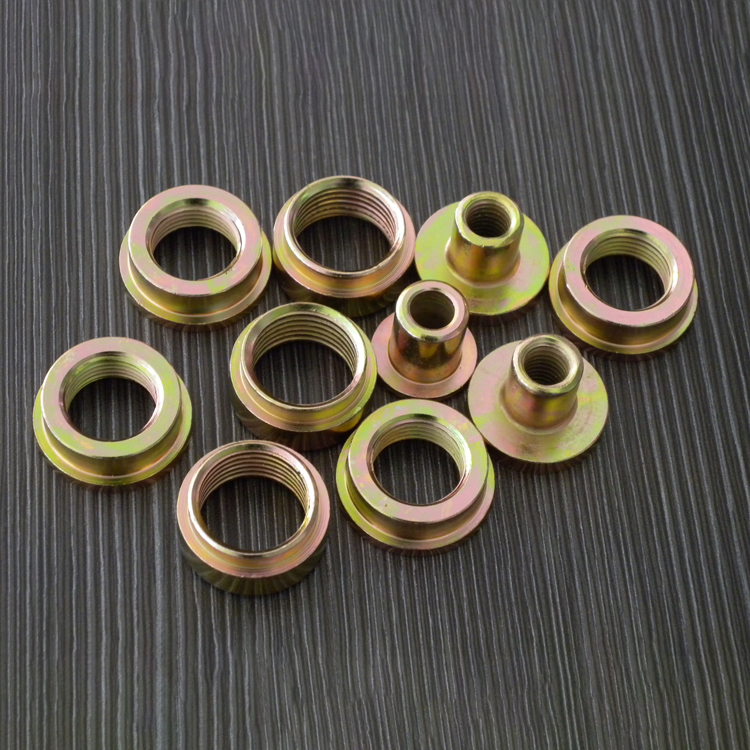
T-welded nut material: Plain, blackened, and galvanized ones are typically carbon steel nuts. T-welded nuts usually have a performance grade. Stainless steel ones are generally A2-70. To differentiate between carbon steel and stainless steel nuts, just use a magnet; stainless steel ones won't be attracted. Stainless steel products usually have a bright silver color.
Insert a tooth of the stopper washer into the slot of the nut. T-weld nuts typically have four slots, which are there for the washer primarily to prevent the nut from loosening after some time of use. The usual practice is to tighten the nut, which prevents it from loosening further. A full-circle tooth is easier to align with the slots than a six-tooth design, and the full-circle teeth can be used more frequently.
The outer teeth of the washer corresponding to the nut's拧拧槽 should be bent and inserted into the slot, thus securing the nut. The T-welded nut stop washer has teeth on both sides, and the external thread that mates with the T-welded nut should be machined with holes or slots to accommodate the washer's inner teeth. Once the T-welded nut is tightened into place.