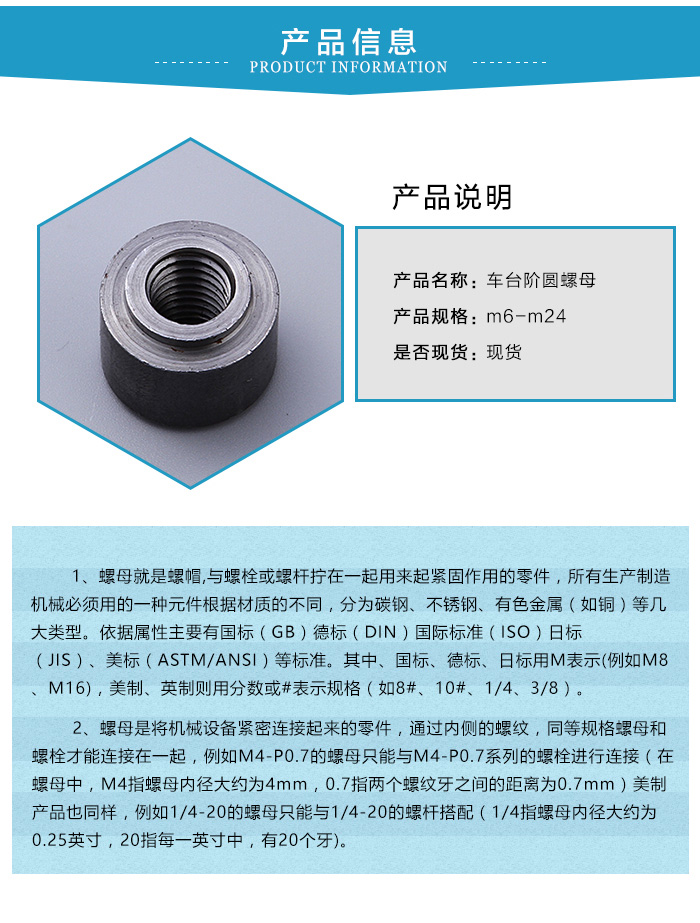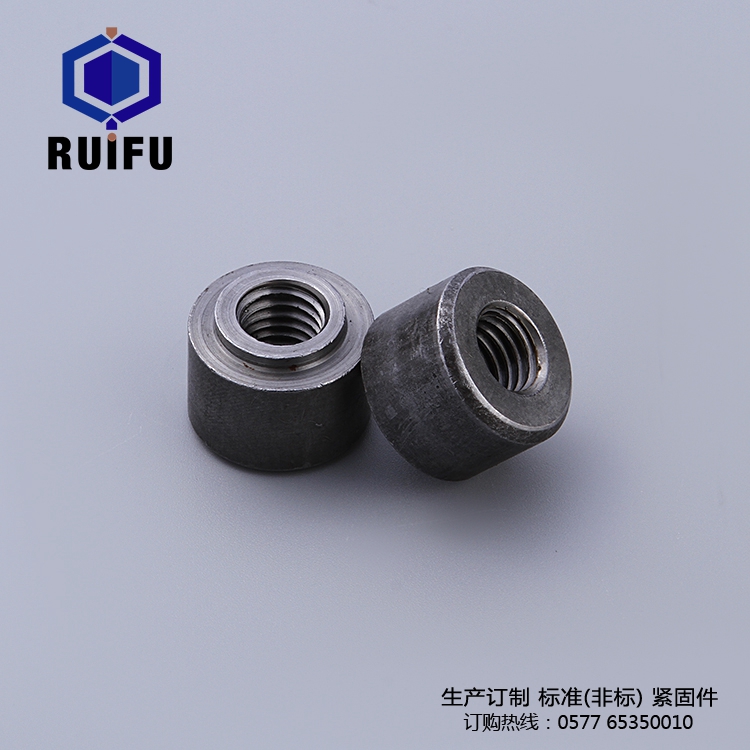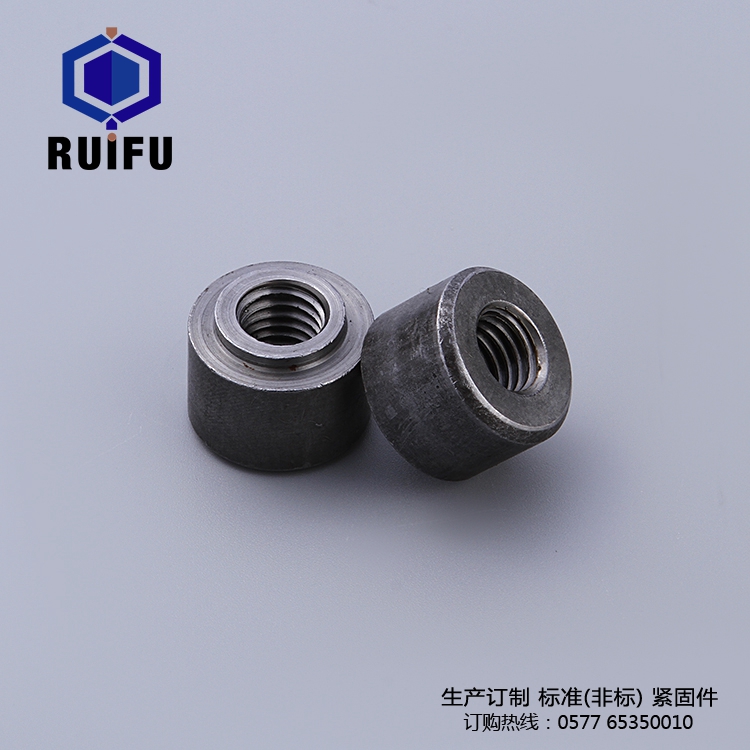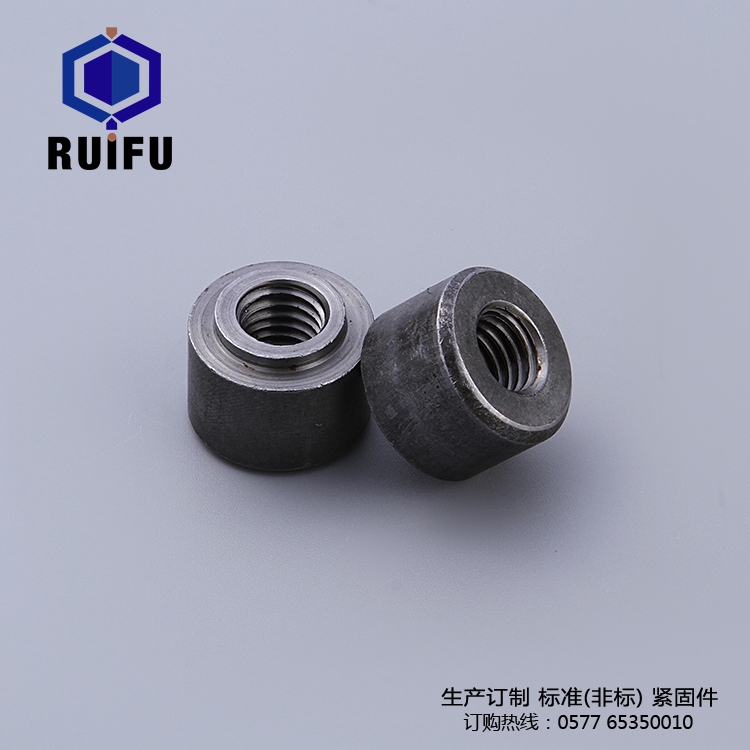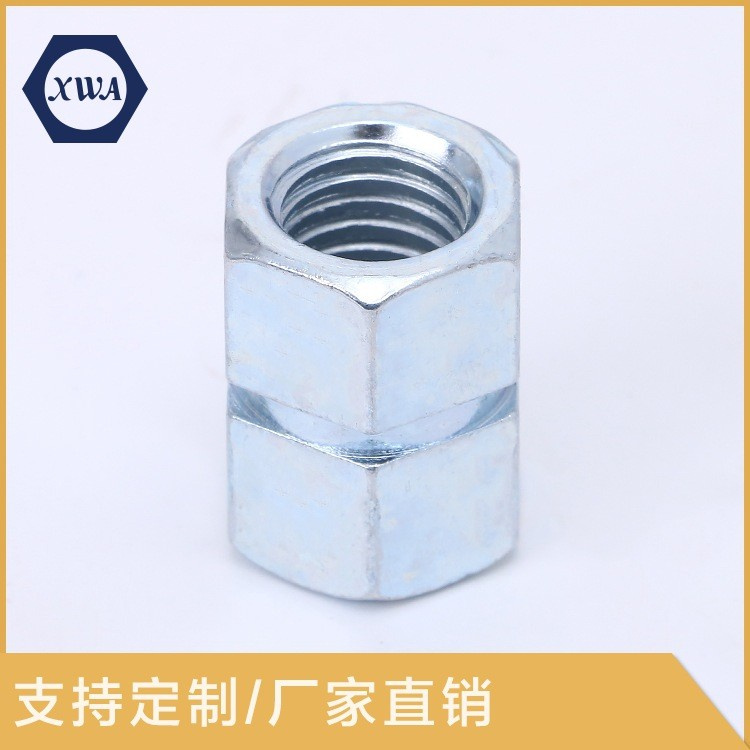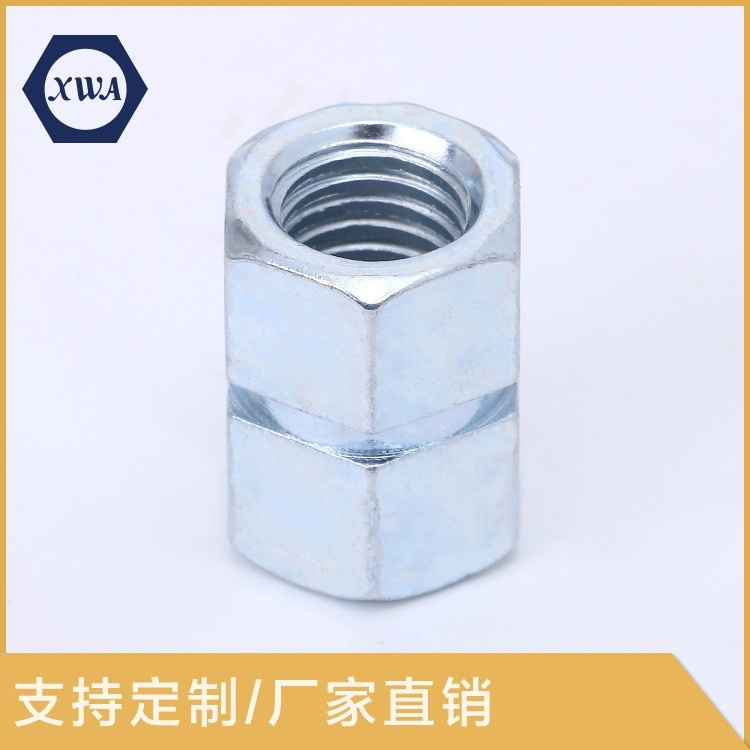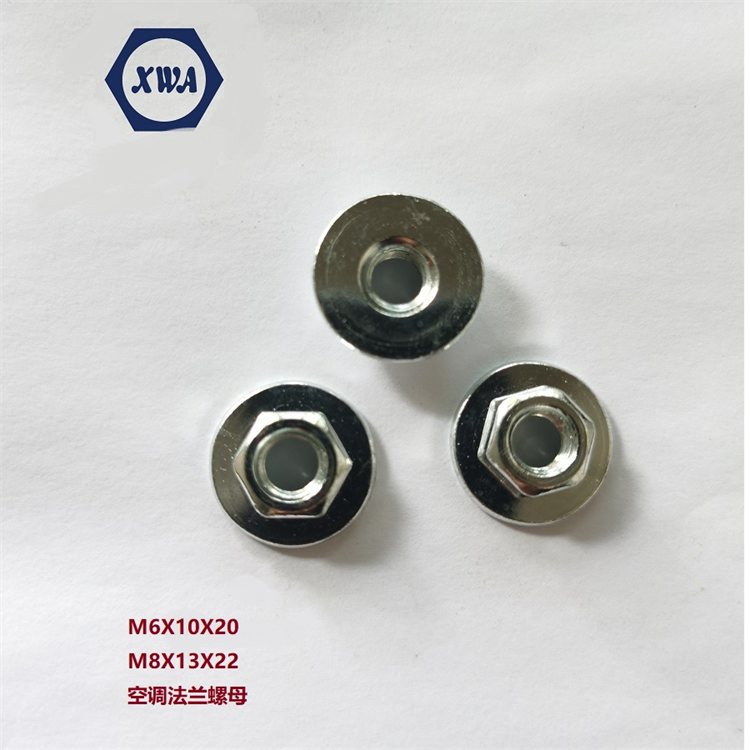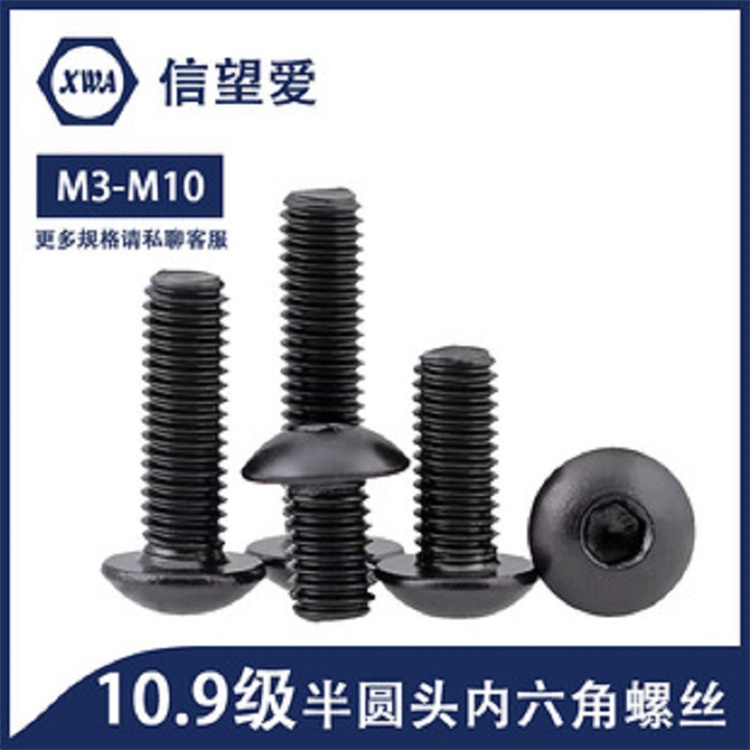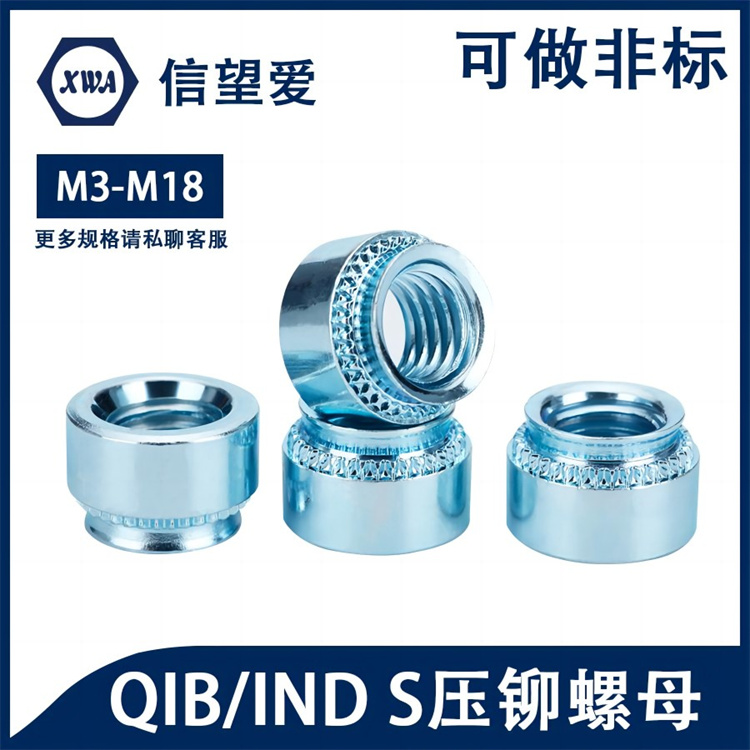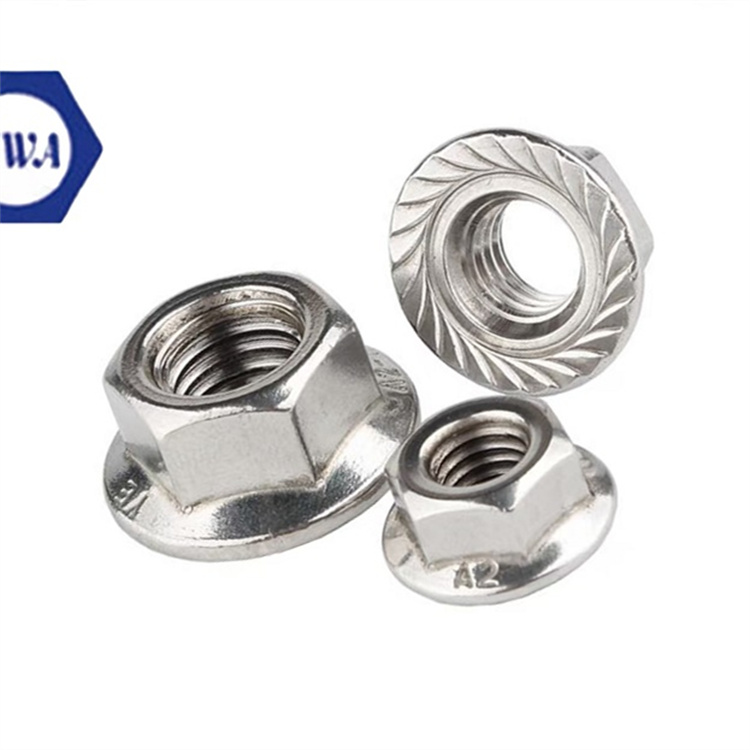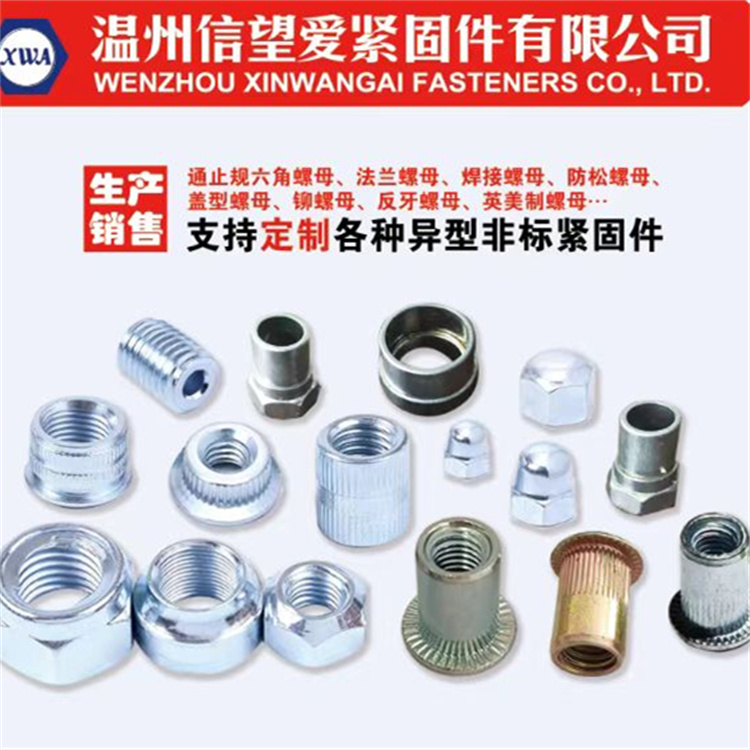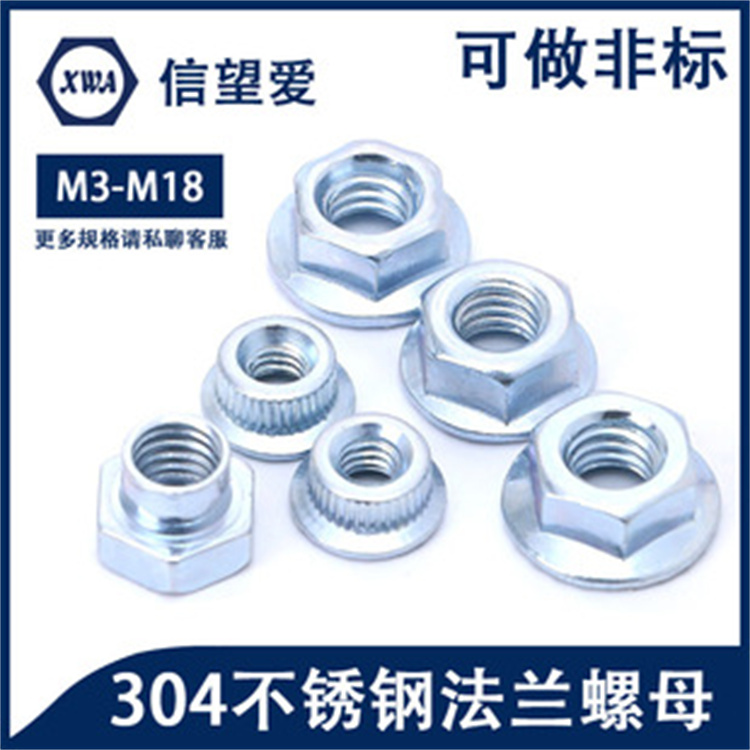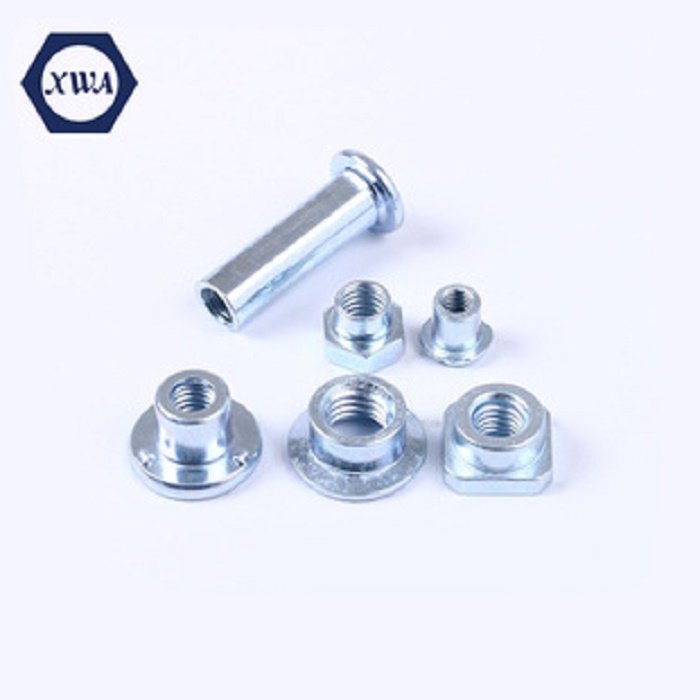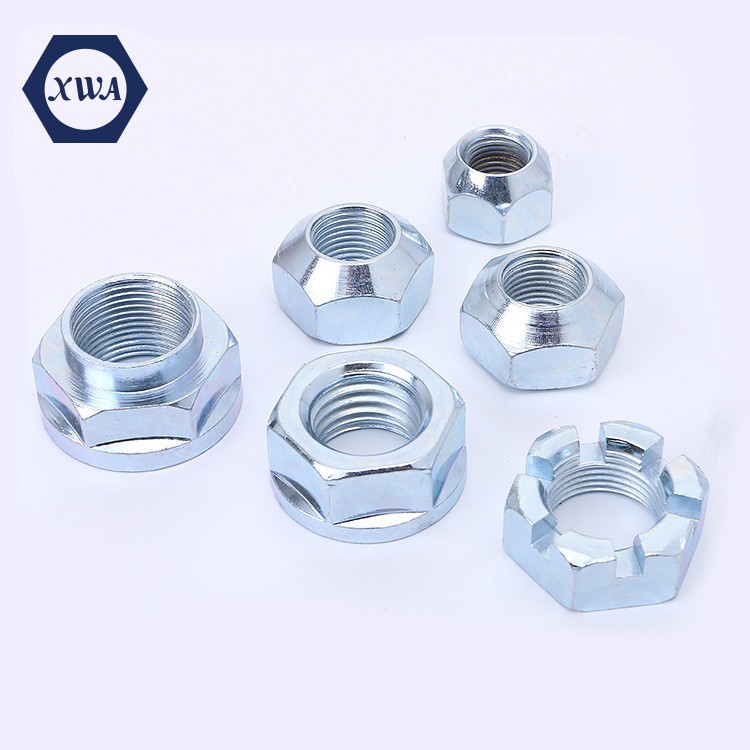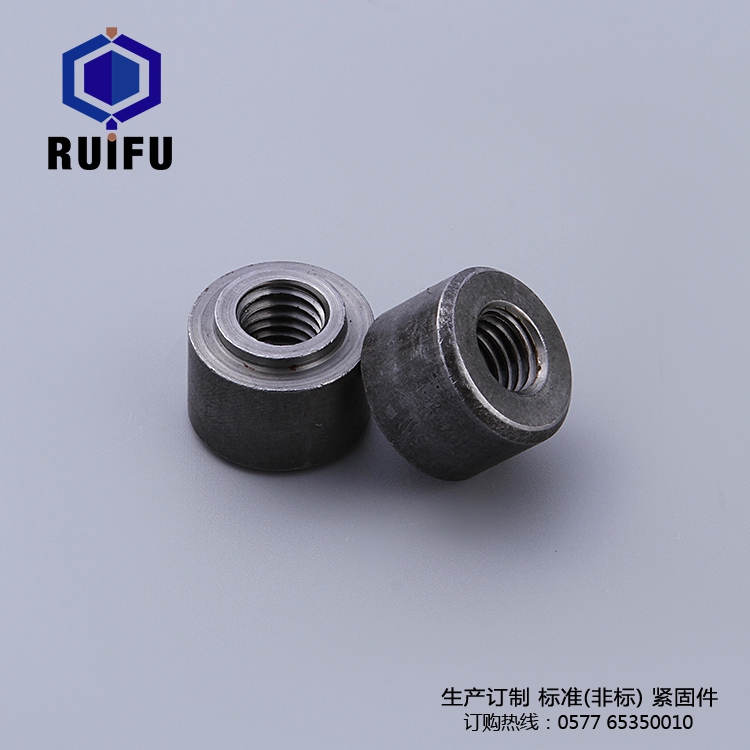

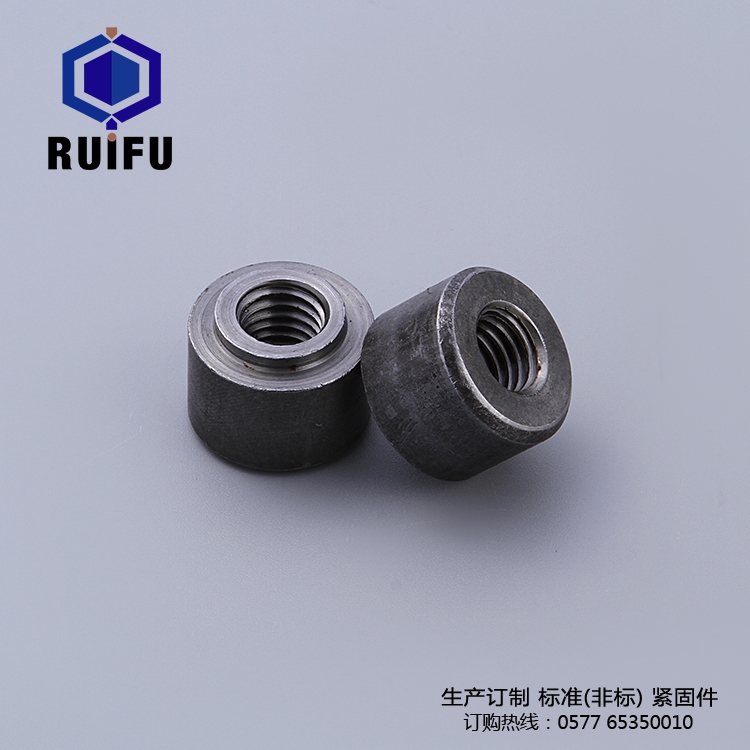







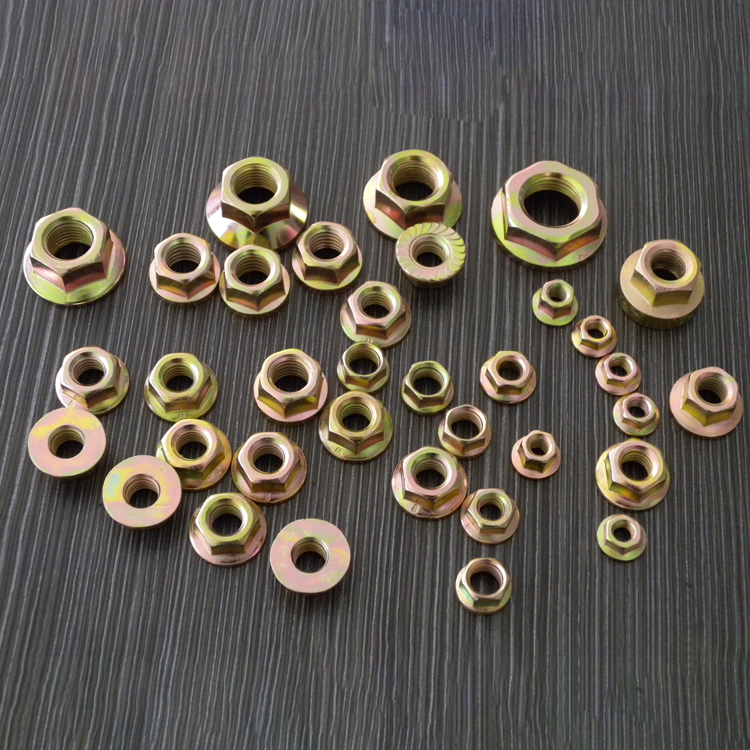
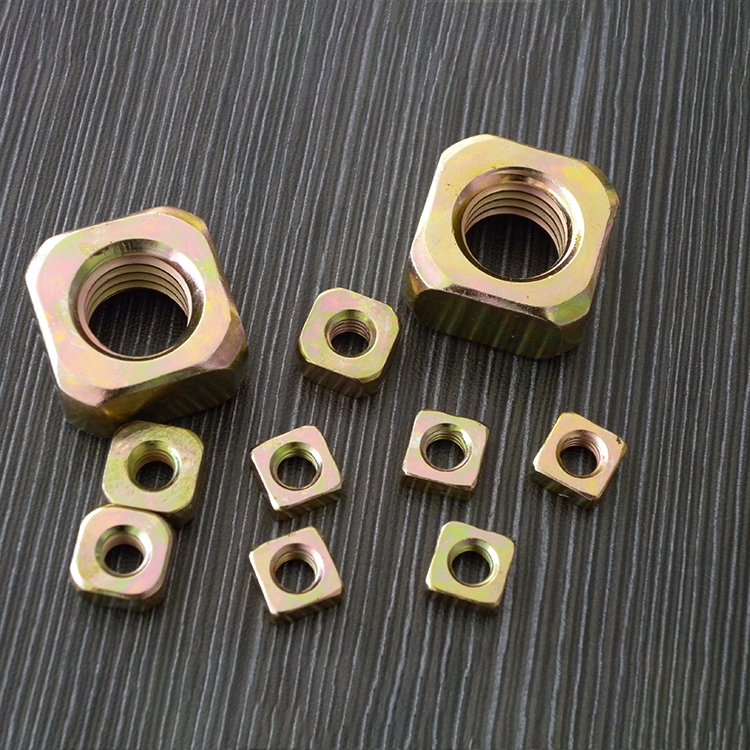
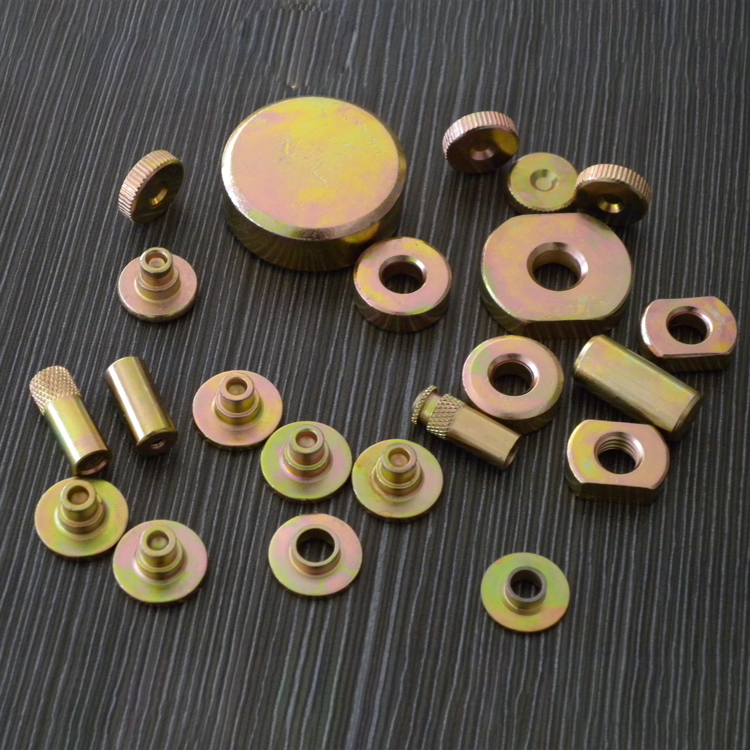
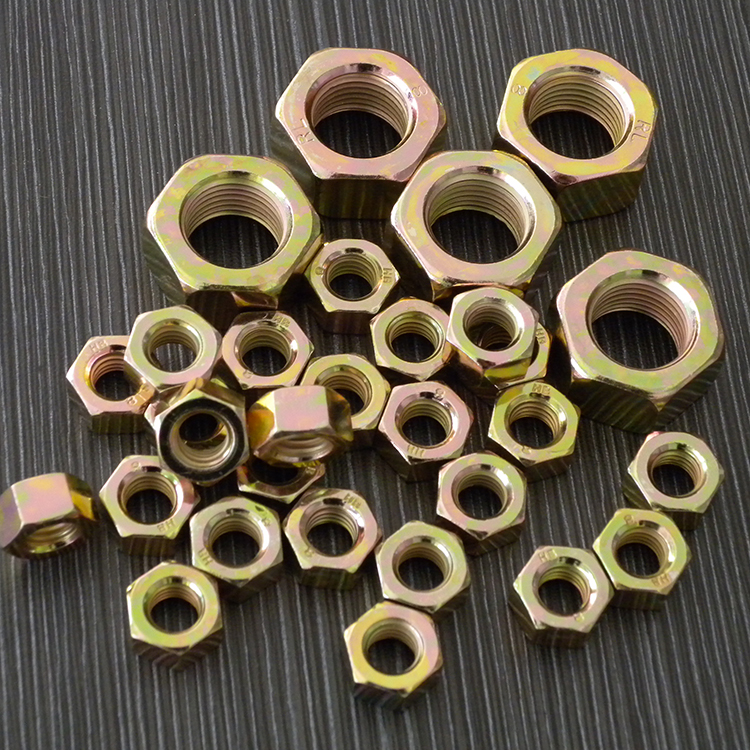
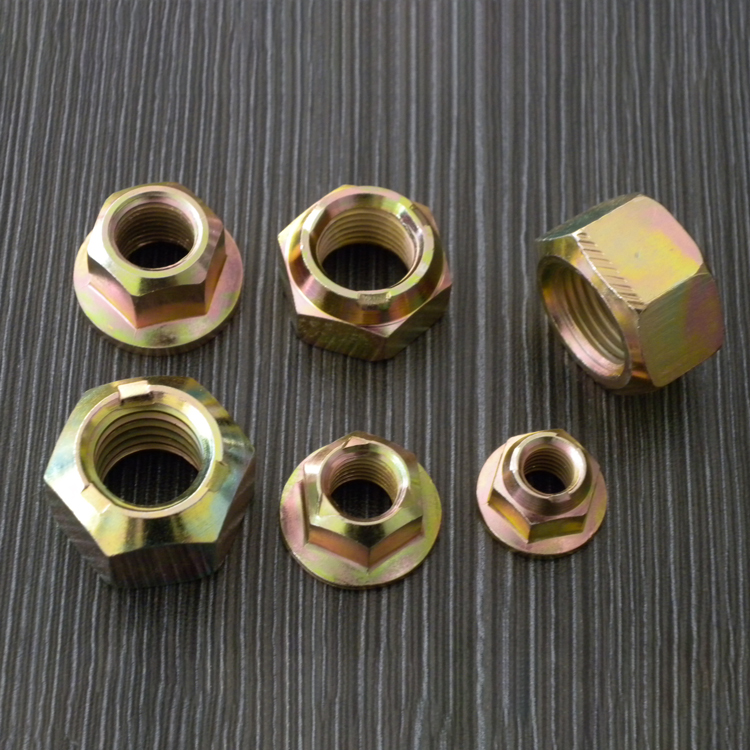
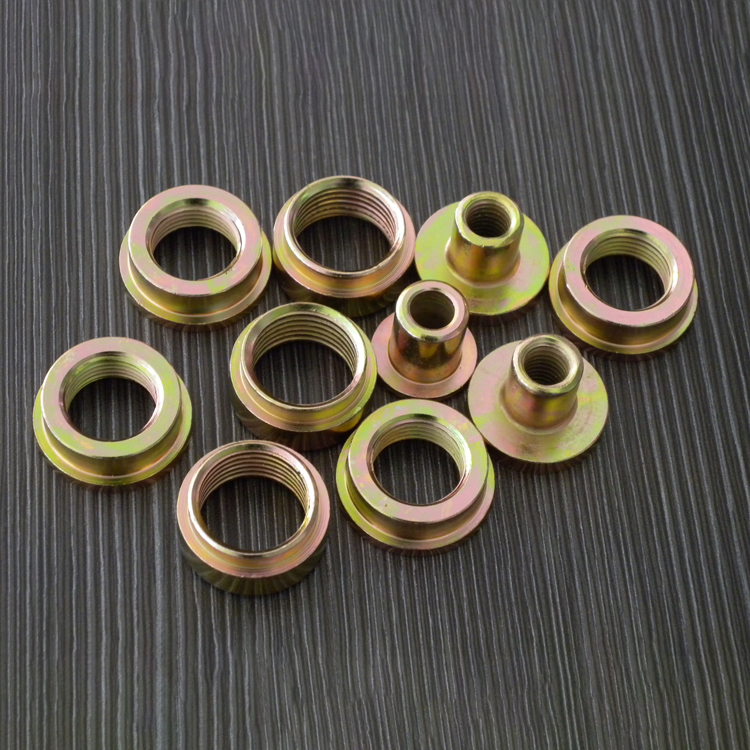
Our range of step-down round nuts is extensive, offering suitable matches for any application condition. For instance, some of the well-known types include: slender screw connecting step-down round nuts, foot screw with step-down round nuts, hexagonal step-down round nuts, lug step-down round nuts, hex flange locknut step-down round nuts, welding step-down round nuts, self-locking step-down round nuts, round step-down round nuts, annular step-down round nuts, and more. Some less conventional ones, we may not be as familiar with, such as four-prong step-down round nuts, threaded step-down round nuts, locking step-down round nuts, clamping step-down round nuts, embeddable round step-down round nuts, slotted round step-down round nuts, side-hole round step-down round nuts, face-hole round step-down round nuts, butterfly step-down round nuts, and so on.
The outer surface of the round nut on the carriage step, to the inner threaded surface, is drilled with through-hole threaded holes (usually two, distributed at 90 degrees on the outer surface), used for screwing in small diameter countersunk screws. The purpose is to apply a centripetal force to the threads, preventing the locking round nut on the carriage step from loosening. Currently, high-quality locking round nuts available on the market have a copper insert embedded in the inner circular surface of the round nut, matching the threads of the locking nut. This is to prevent the radial clamping screw from directly contacting and damaging the locked threads. This type of locking round nut is gradually being applied in locking situations for rotating motion parts, such as the anti-loosening of the bearing at the installation end of ball screw.