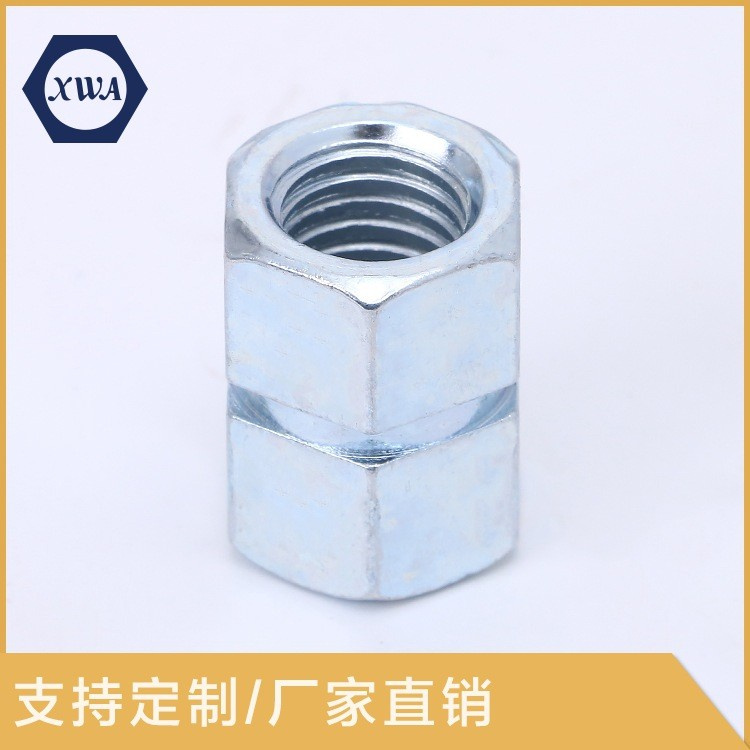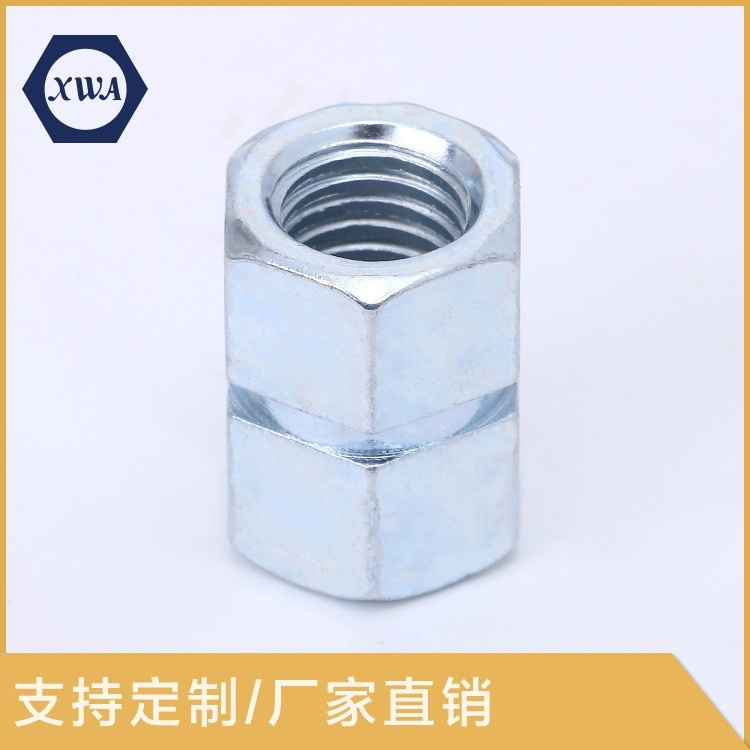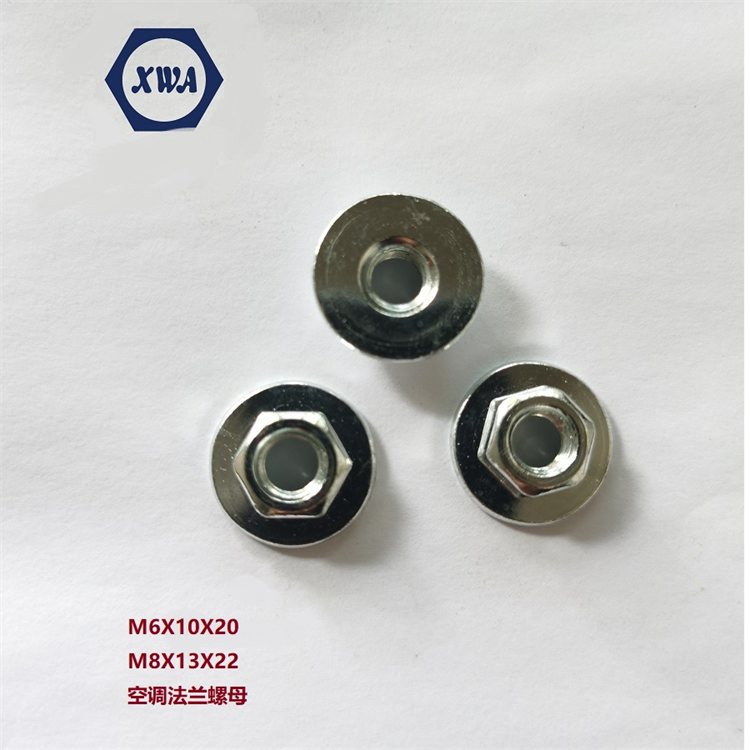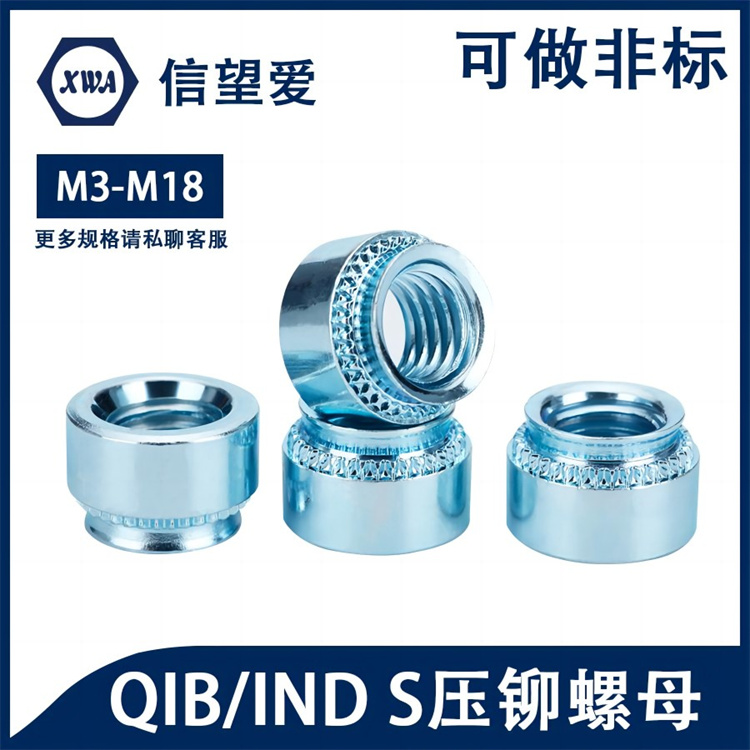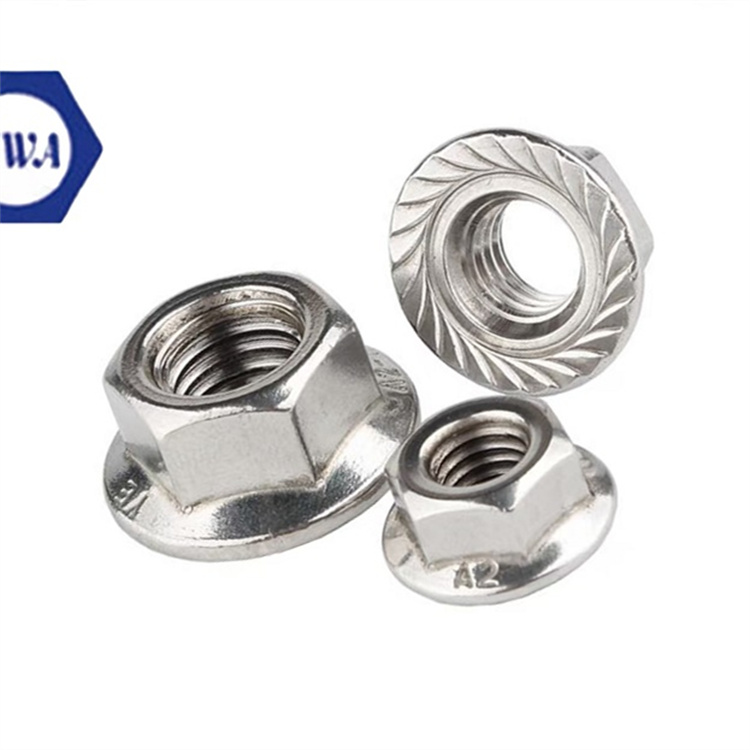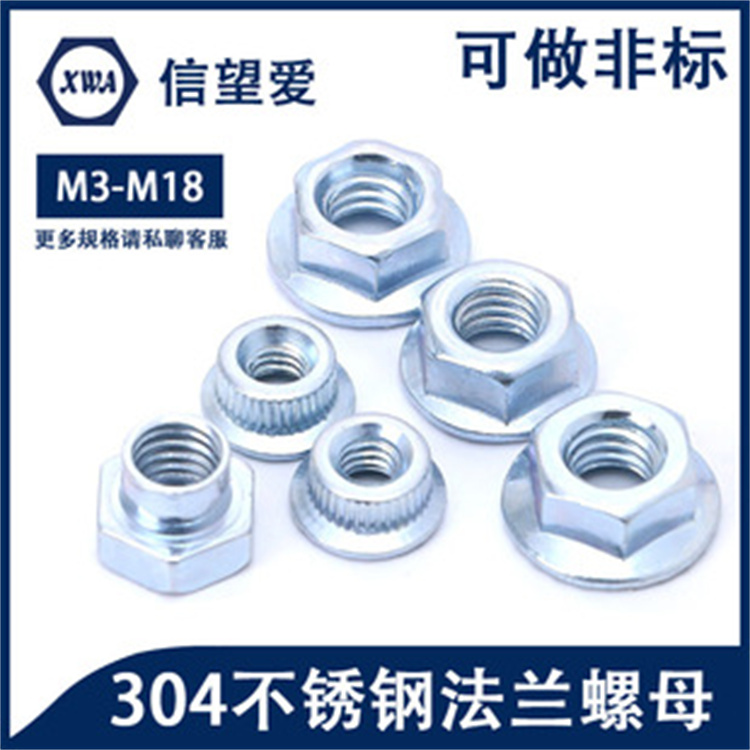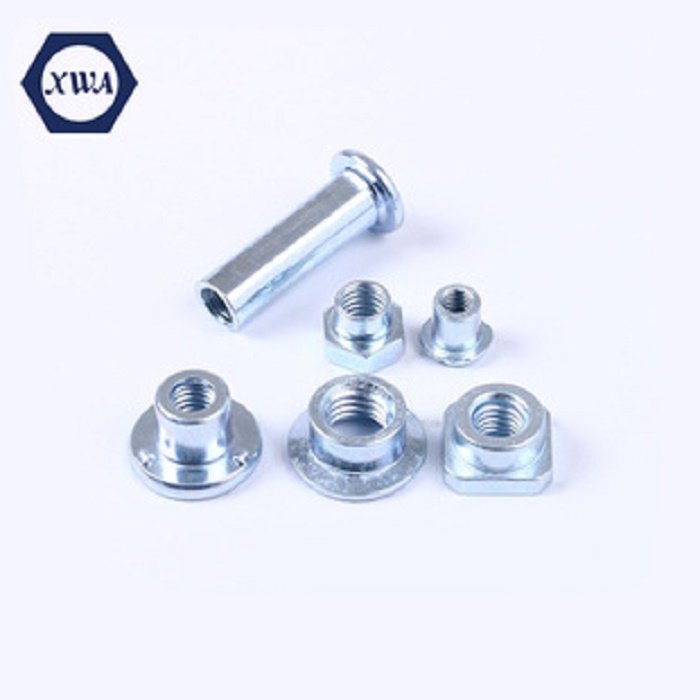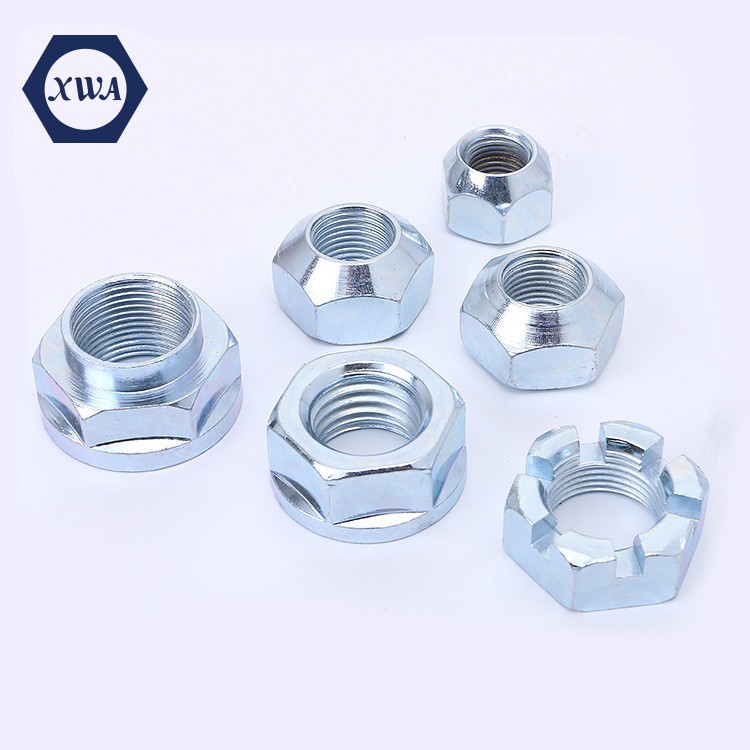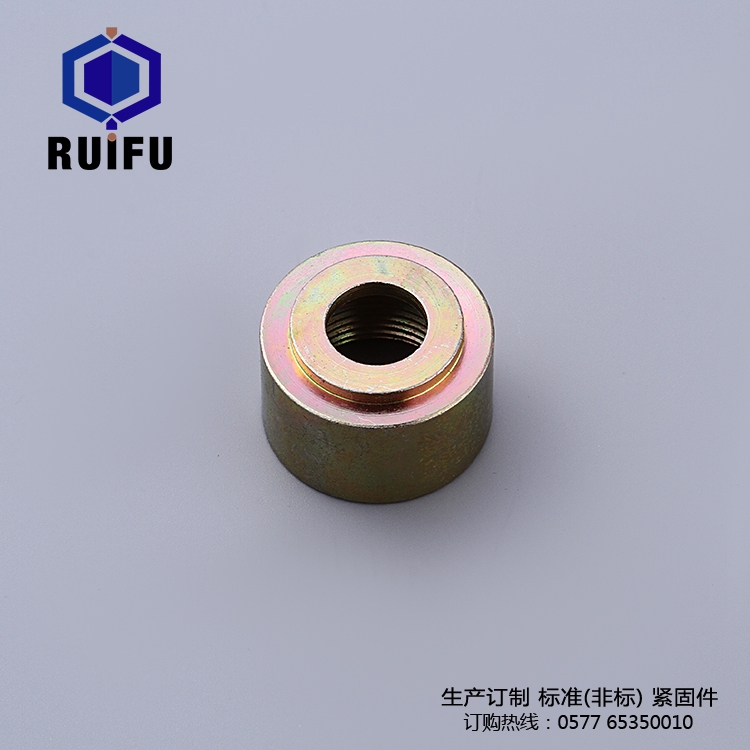


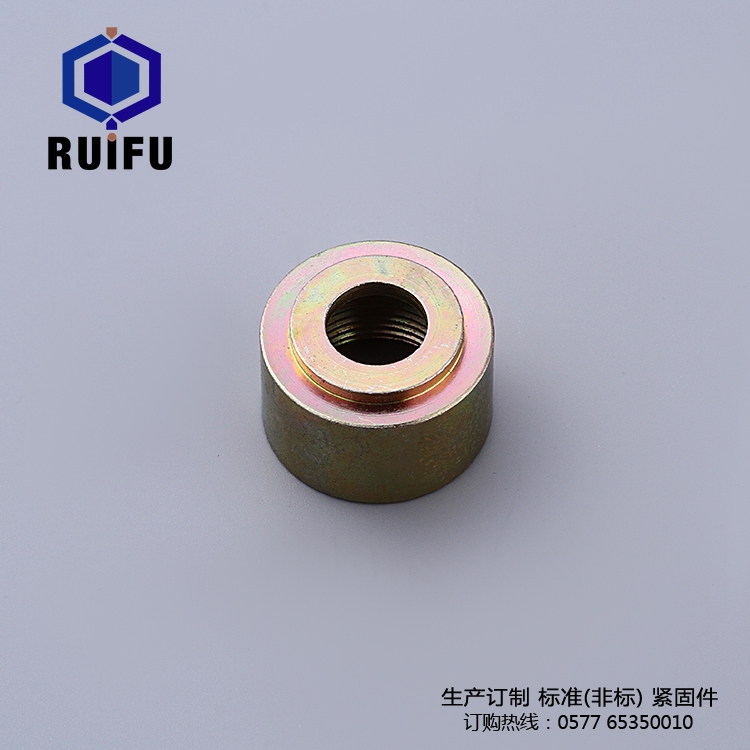
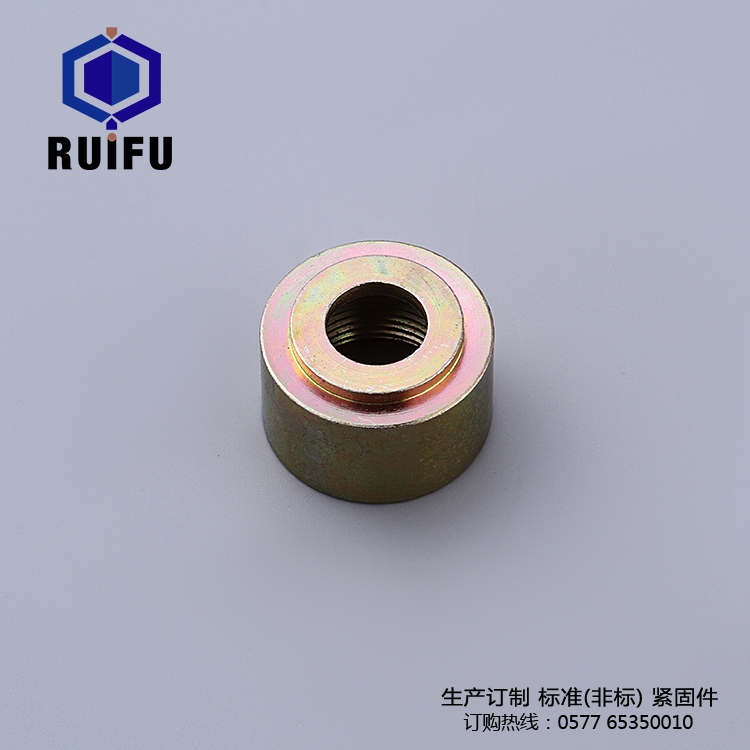







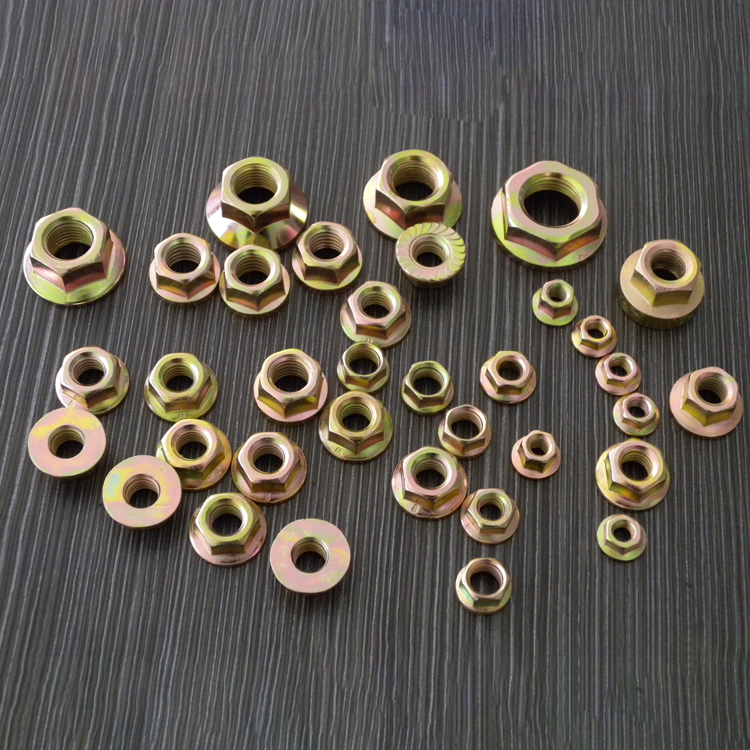
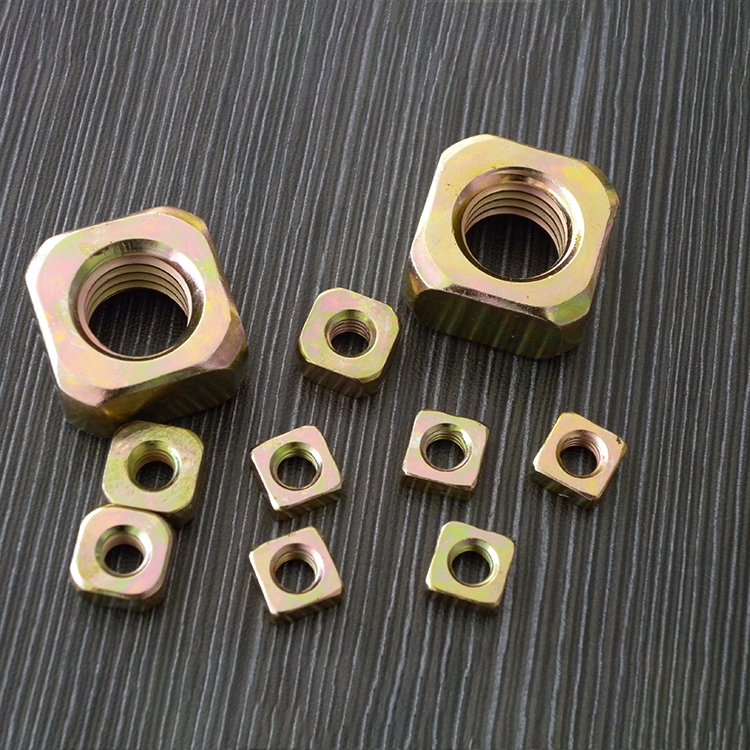
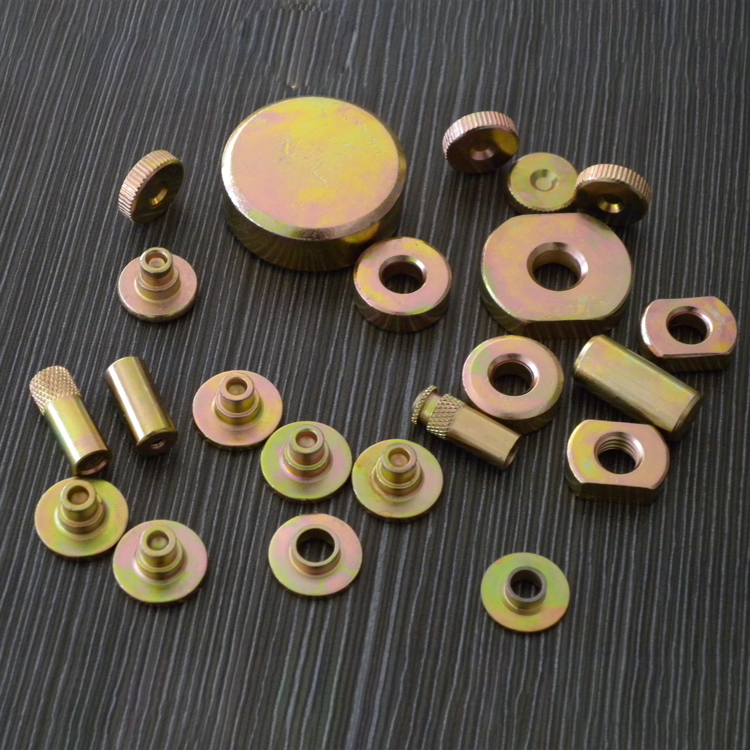
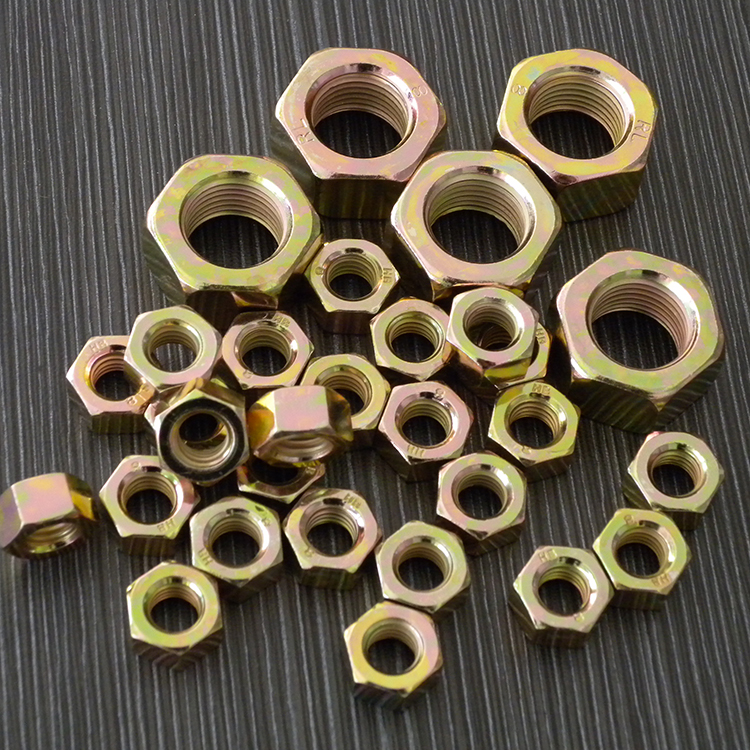
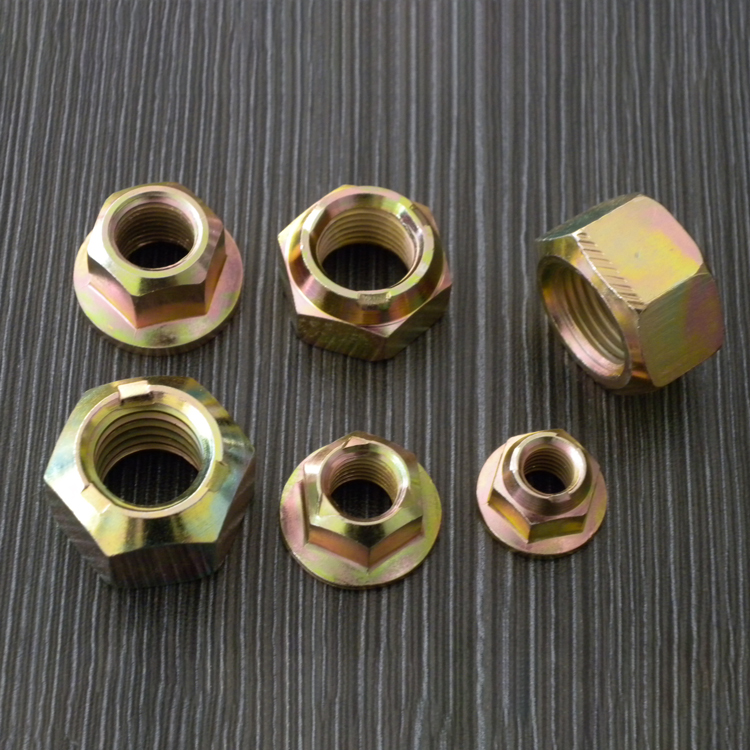
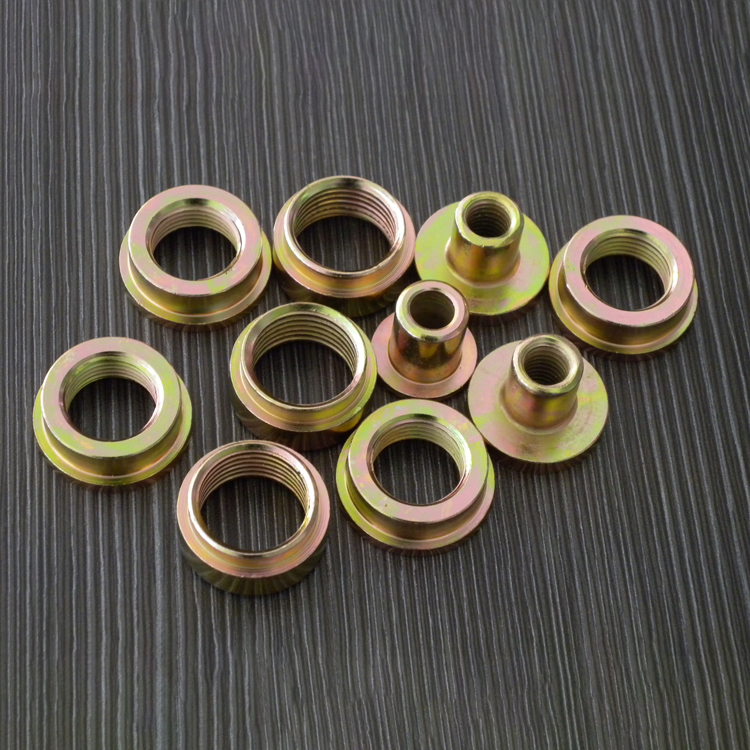
A blind hole hex nut is a component used to tightly connect machinery and equipment. It can only be fastened with a screw of the same specification, such as a blind hole hex nut with a thread size of M4-0.7, which matches with a bolt of M4-0.7 (in a blind hole hex nut, M4 indicates the inner diameter is approximately 4mm, and 0.7 represents the distance between the threads is 0.7mm); American products are similar, for example, a blind hole hex nut with a size of 1/4-20 can only be paired with a bolt of 1/4-20 (1/4 indicates the inner diameter is approximately 0.25 inches, and 20 means there are 20 threads per inch).
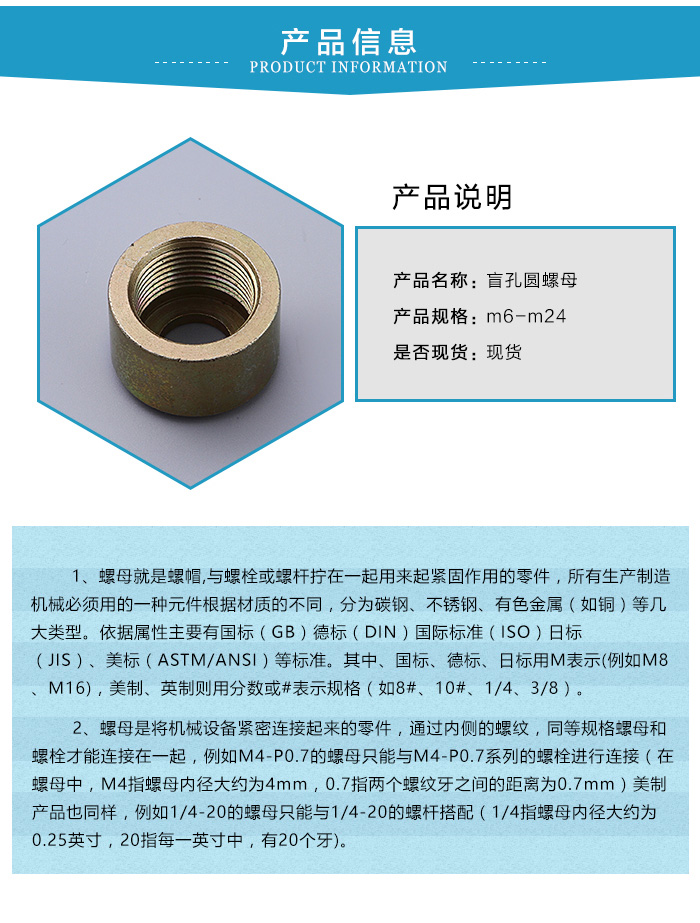
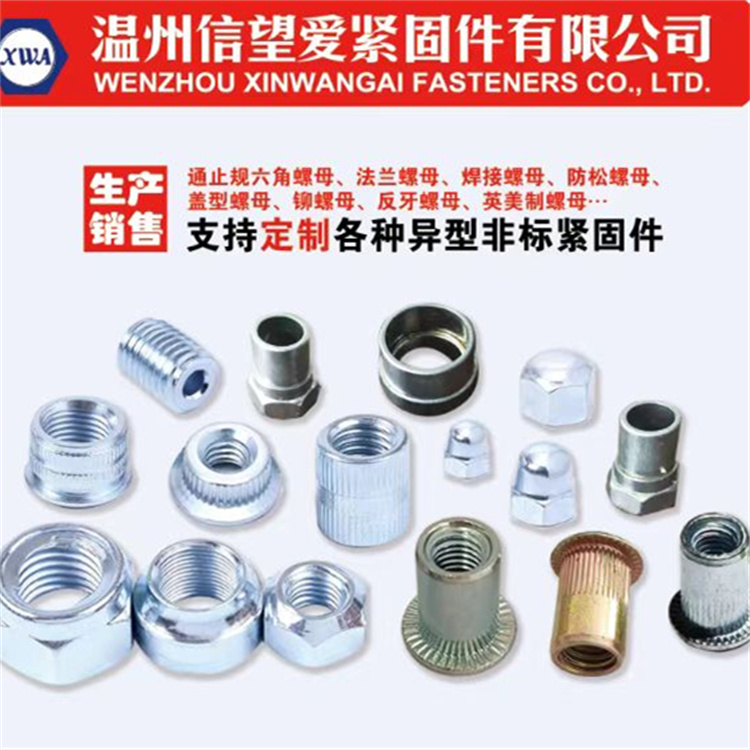
Blind hole round nuts, also known as nuts, are components that are tightened with bolts or studs to serve as fastening elements, an essential original part for all manufacturing machinery. There are numerous types of blind hole round nuts, including those in Chinese, British, American, and Japanese standards. Blind hole round nuts are categorized by material into carbon steel, high-strength, stainless steel, plastic steel, and other major types. They are classified according to product attributes and corresponding national standards into standard, non-standard, (old) Chinese standard, new Chinese standard, American, British, and German. Different sizes and thread pitches are divided into various specifications. Generally, Chinese and German standards are denoted by M (e.g., M8, M16), while American and British standards use fractions or # to indicate specifications (e.g., 8#, 10#, 1/4, 3/8).