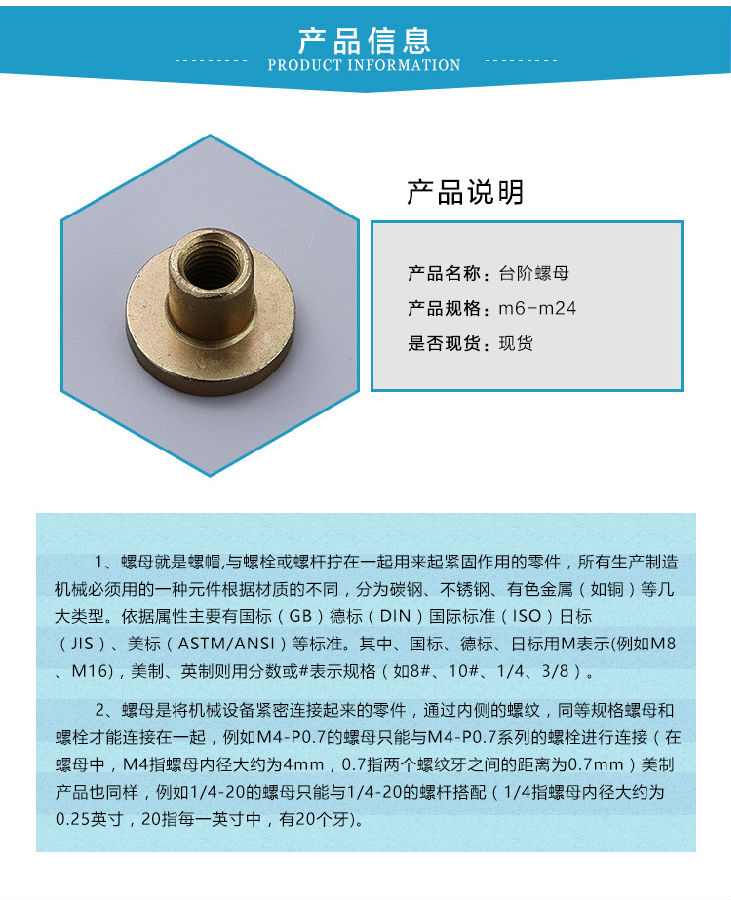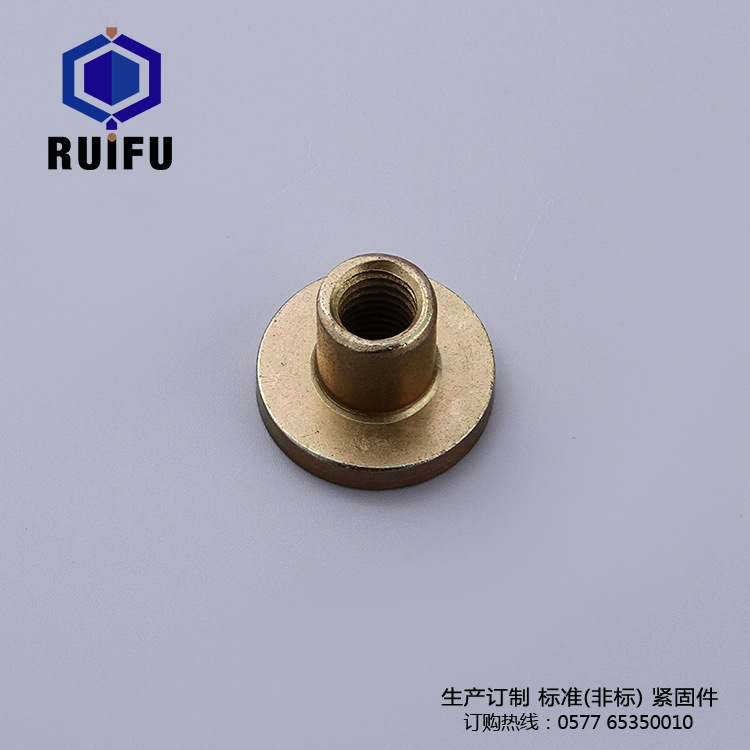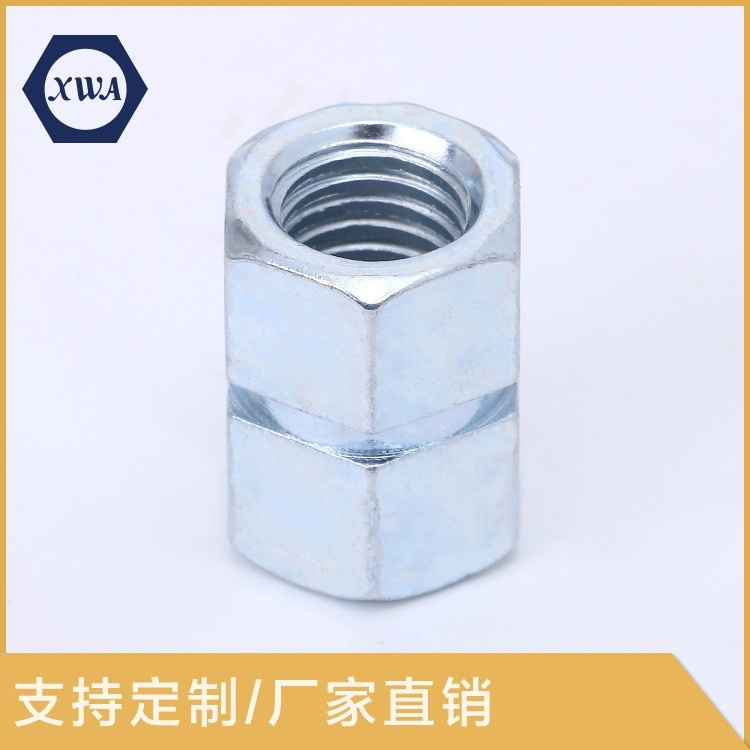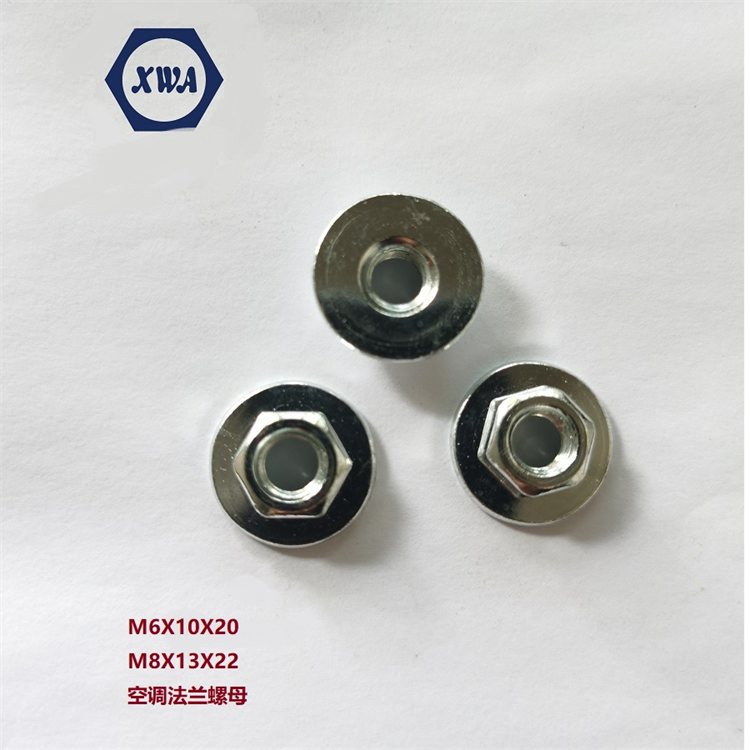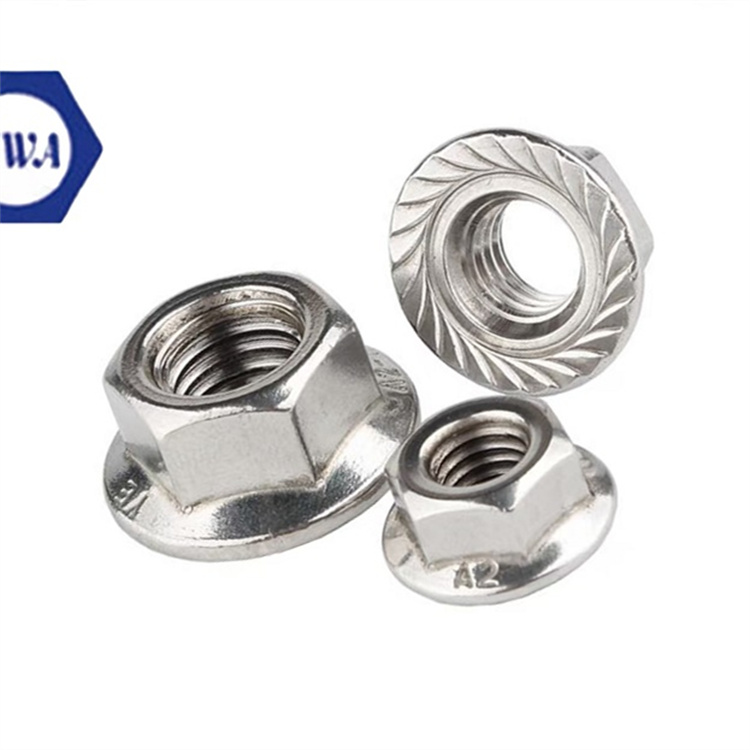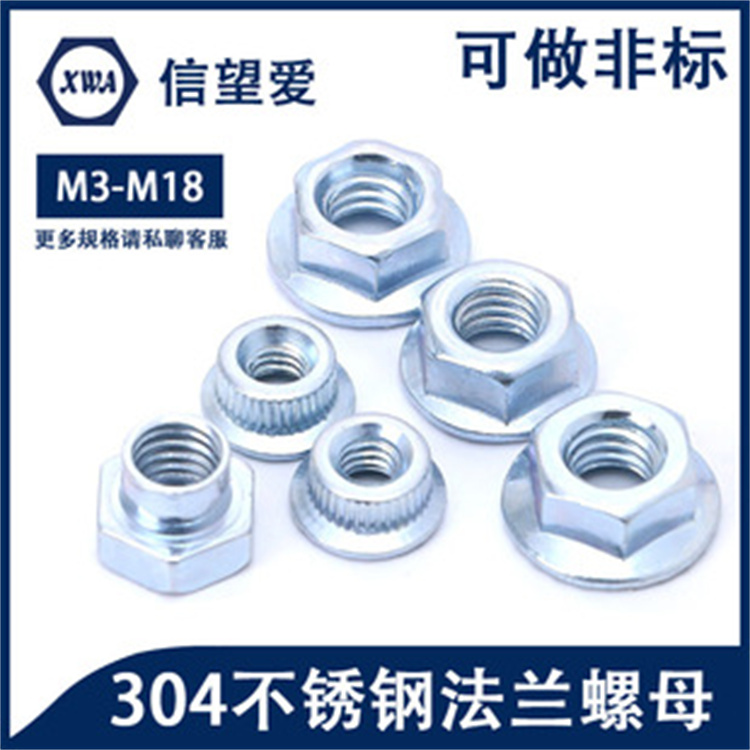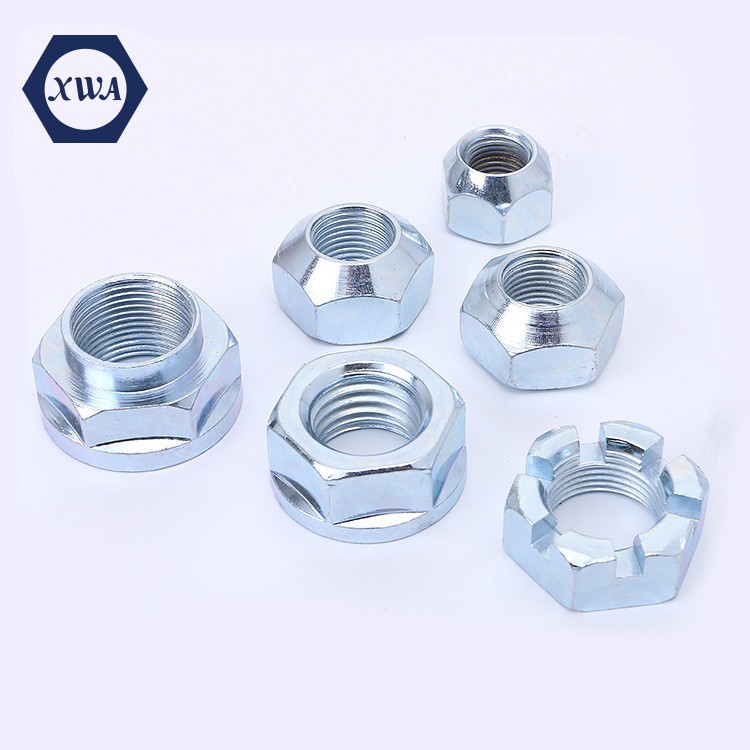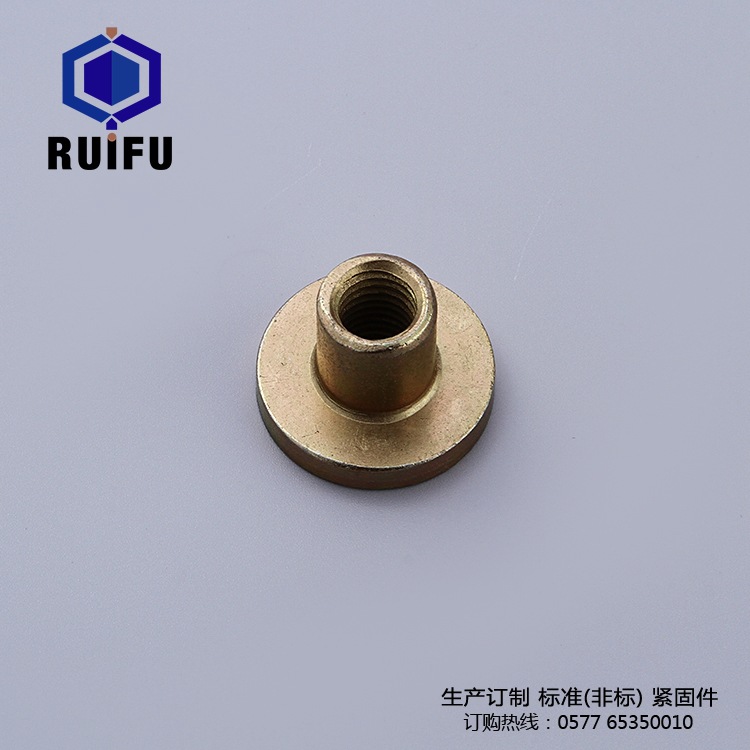

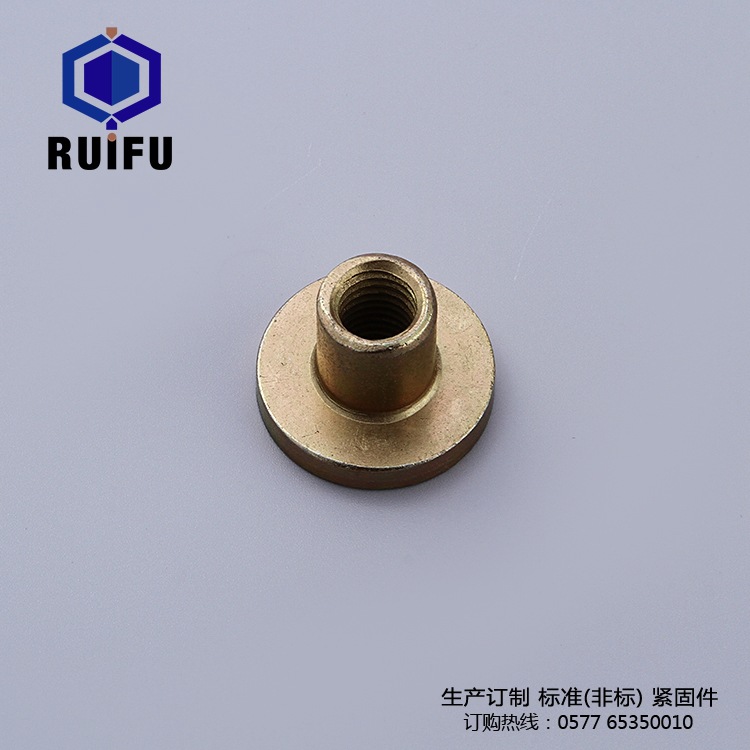
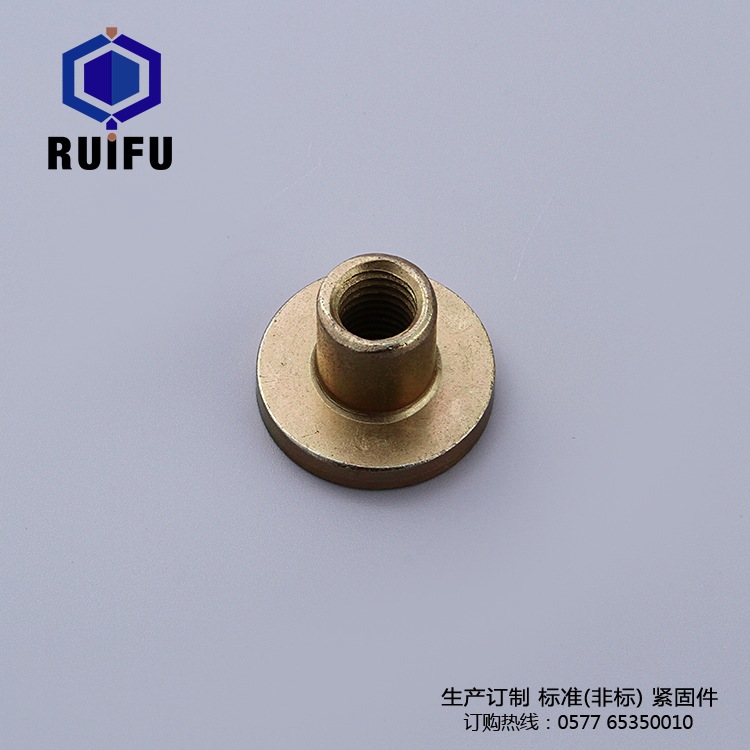








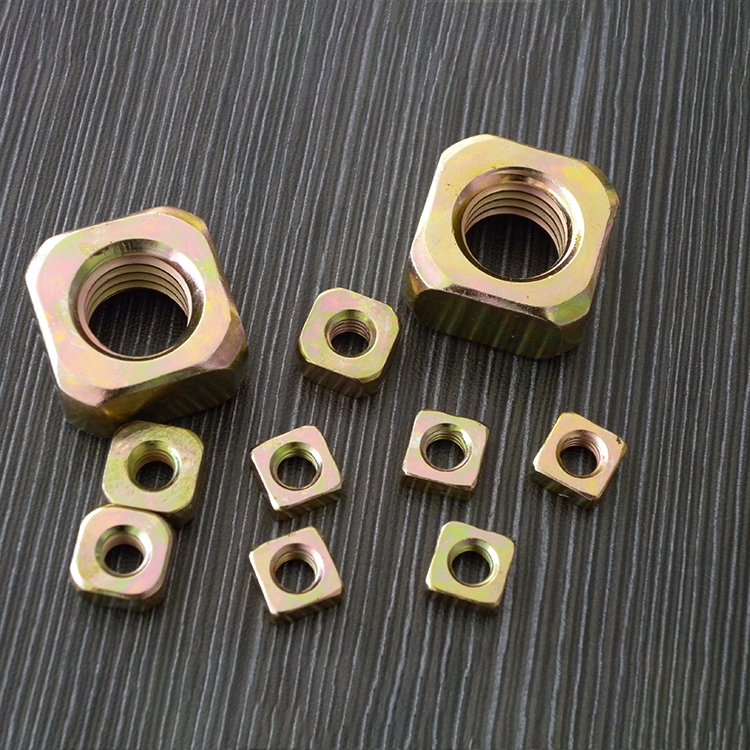
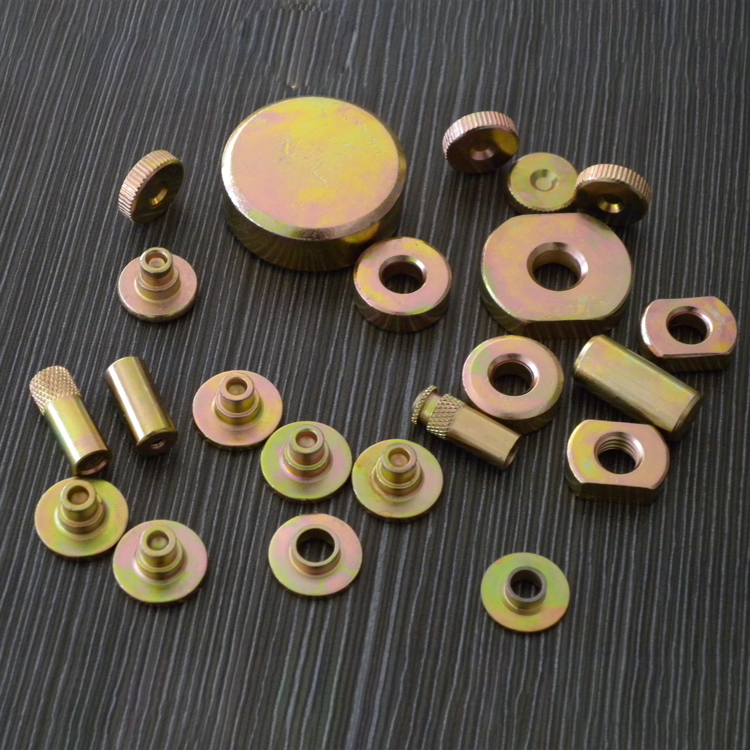
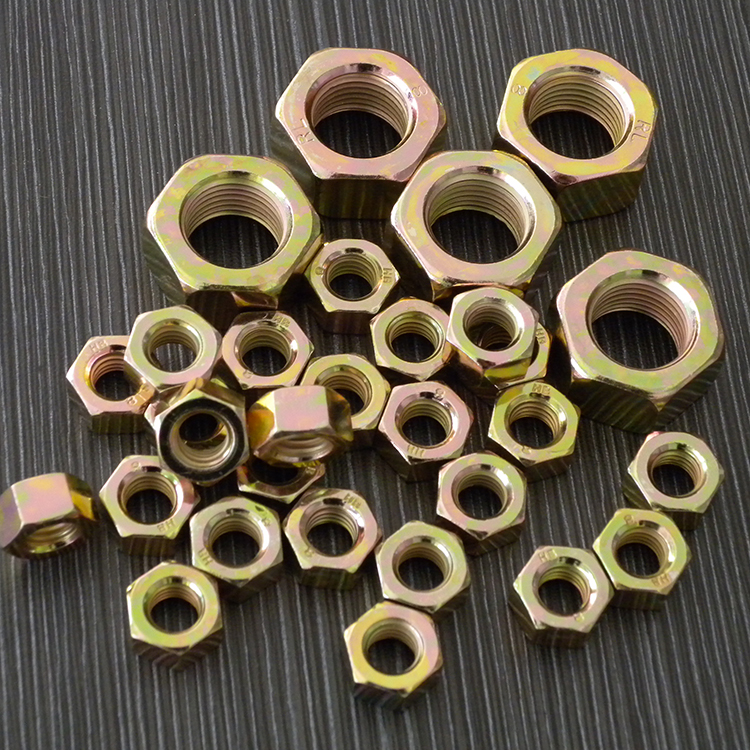
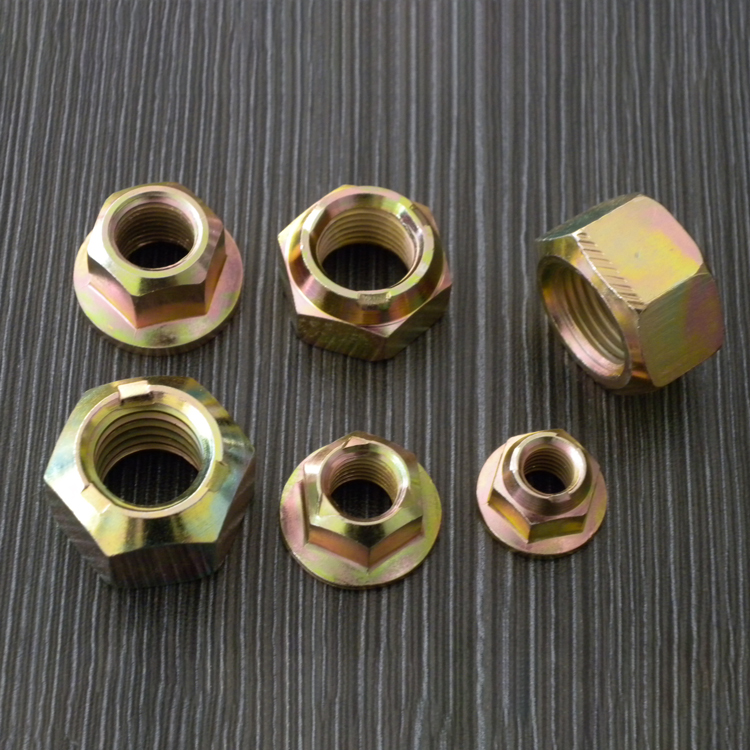
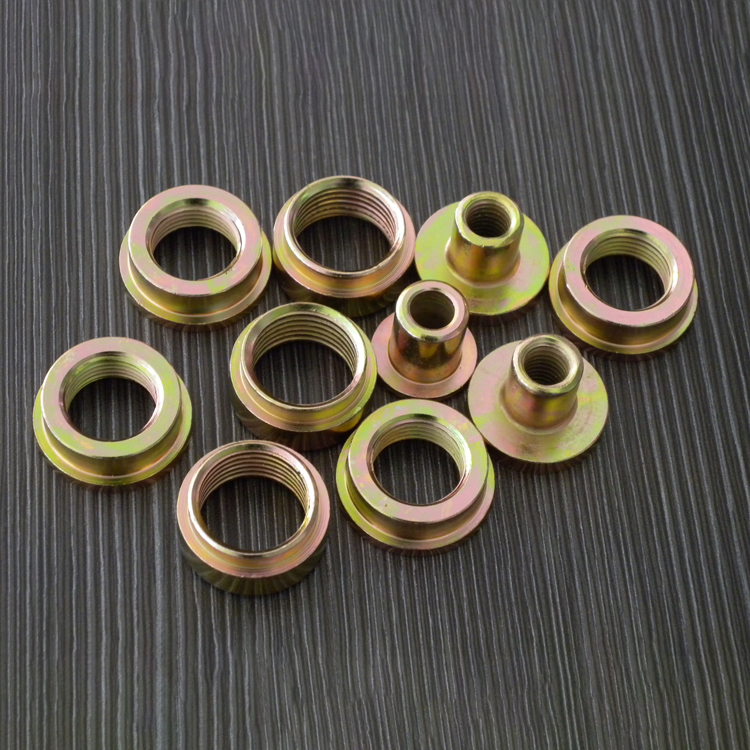
Step nuts must be tightened during assembly to apply a preliminary force to the connecting parts before they bear the working load. This preliminary force is known as the preload, which is the axial force of the flange bolts. The purpose of preloading is to enhance the reliability and tightness of the connection, preventing gaps or relative sliding of the connected parts under load. Experience has shown that selecting a larger preload is beneficial for the reliability of threaded connections and the fatigue strength of the connecting parts.
Step Nut Connection Sequence
1. Pipe cutting: Use a pipe cutter or a saw blade cutting machine to vertically cut stainless steel pipes to the required length, clean the burrs at the ends, and round them off.
2. Welding: The two conical flange plates (with grooves, specifically for inserting double flanged gaskets) are焊接 to the two pipe connection ports required, using tungsten inert gas (TIG) welding [2].
3. Gaskets: Double-sided flanged seals between the left and right flanges.
4. Fastening: Clamp the two flanges with a clamp band, then secure them using a set screw (hex bolt) to the clamp flange or the tightening handle (one end with an external thread connects to the handle's internal thread, the other end has a loose connection with a fixed rivet).