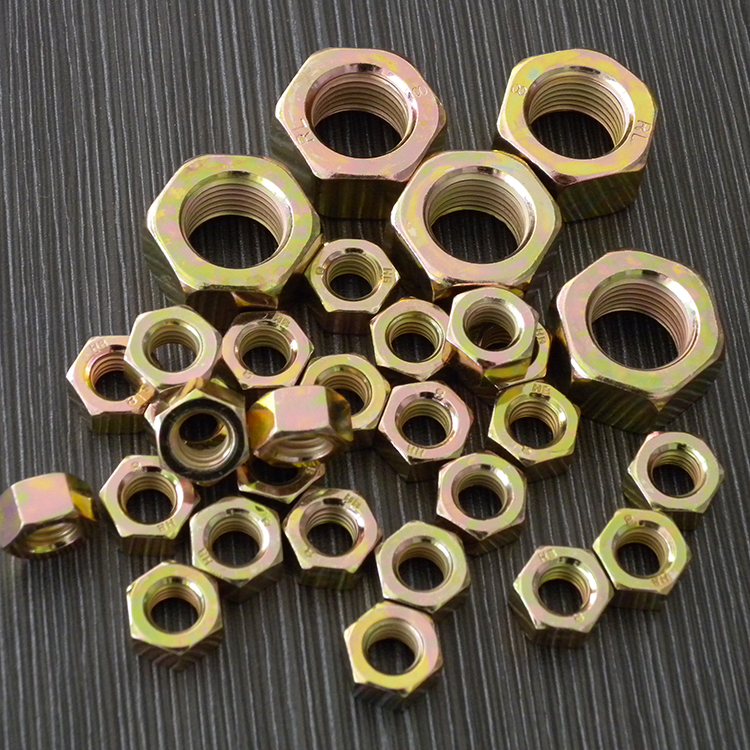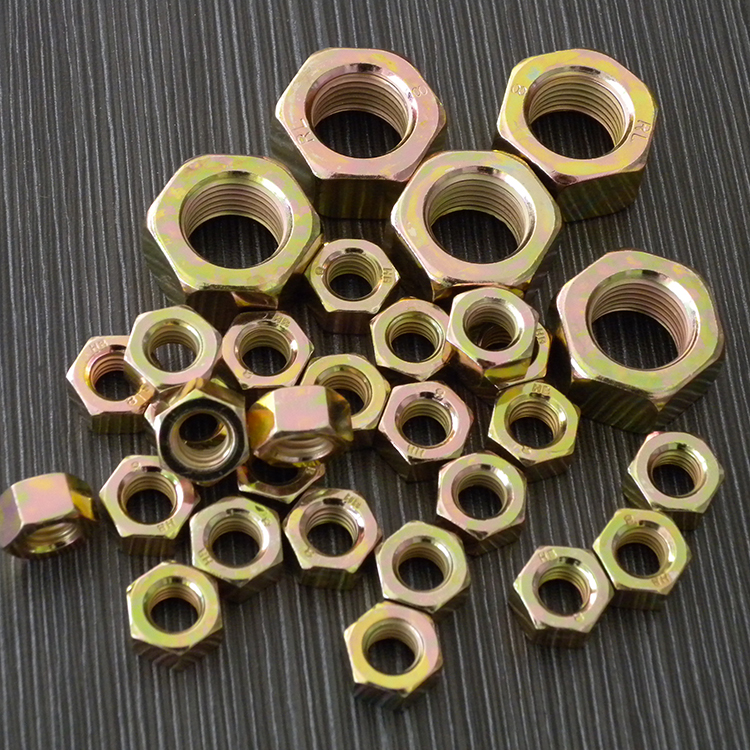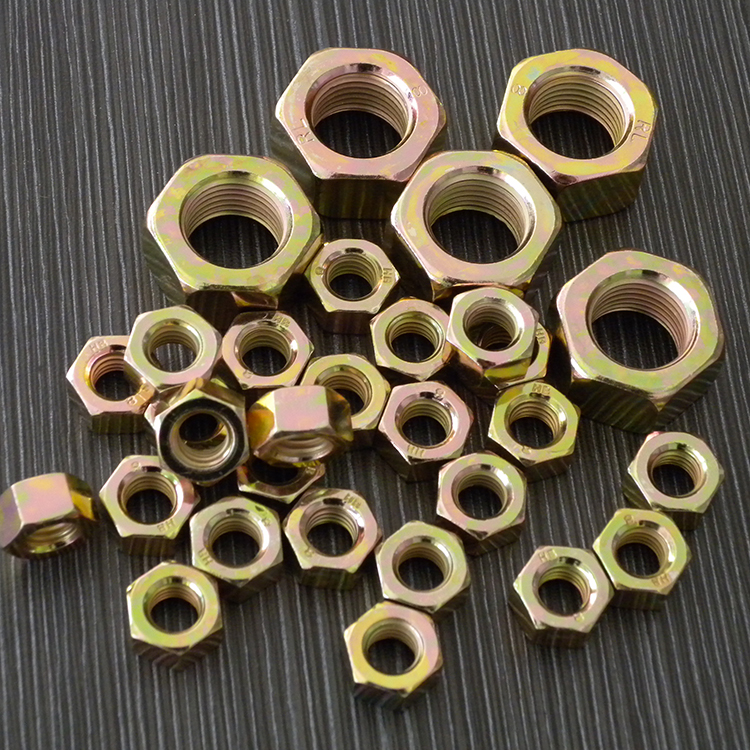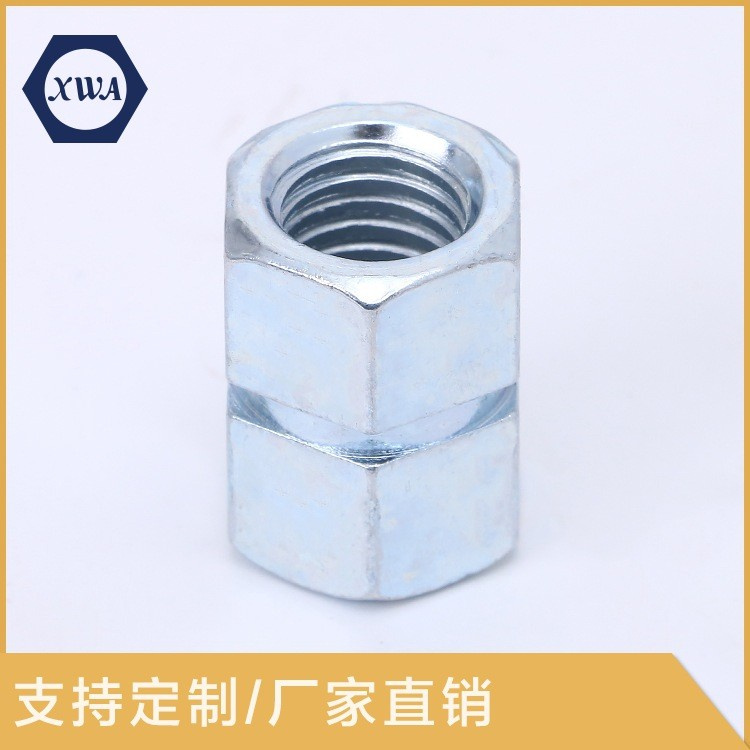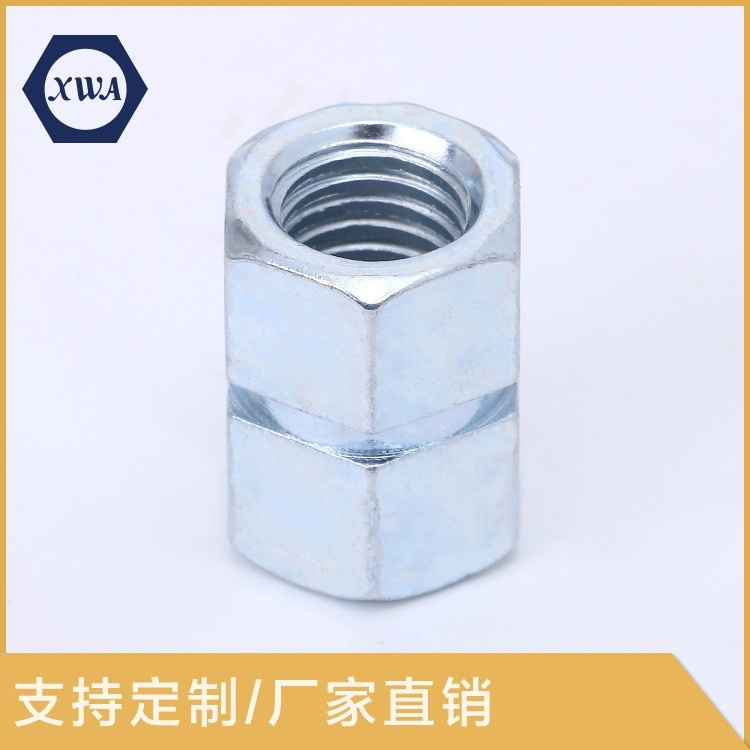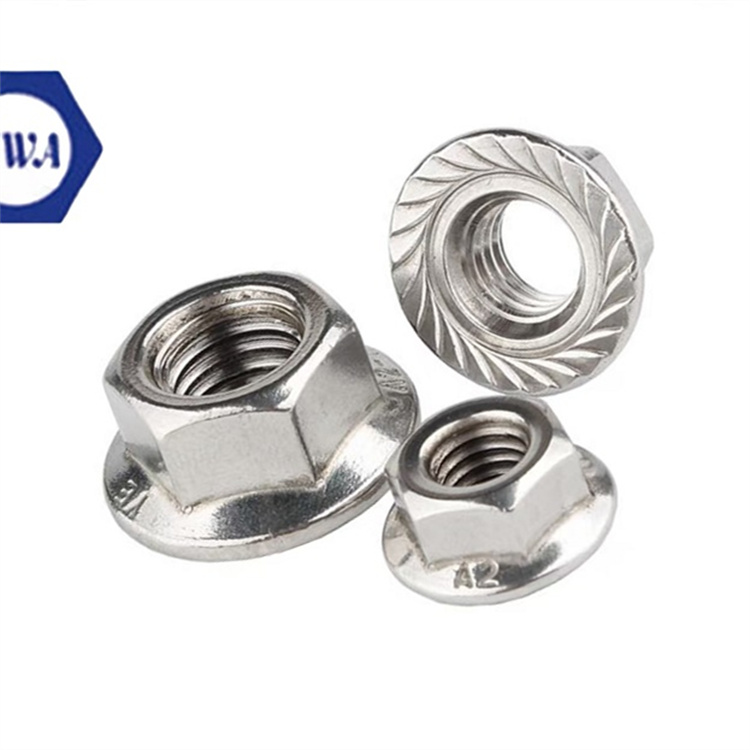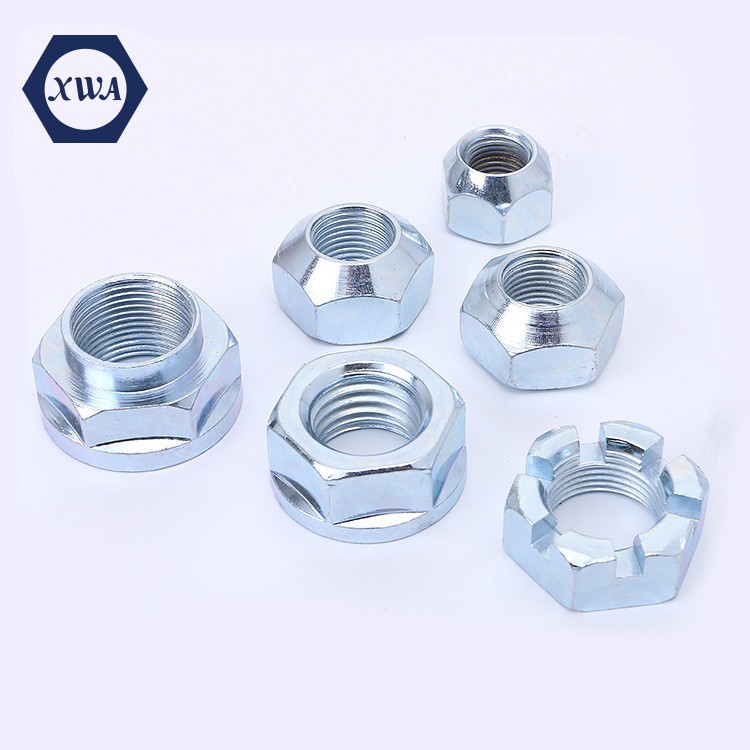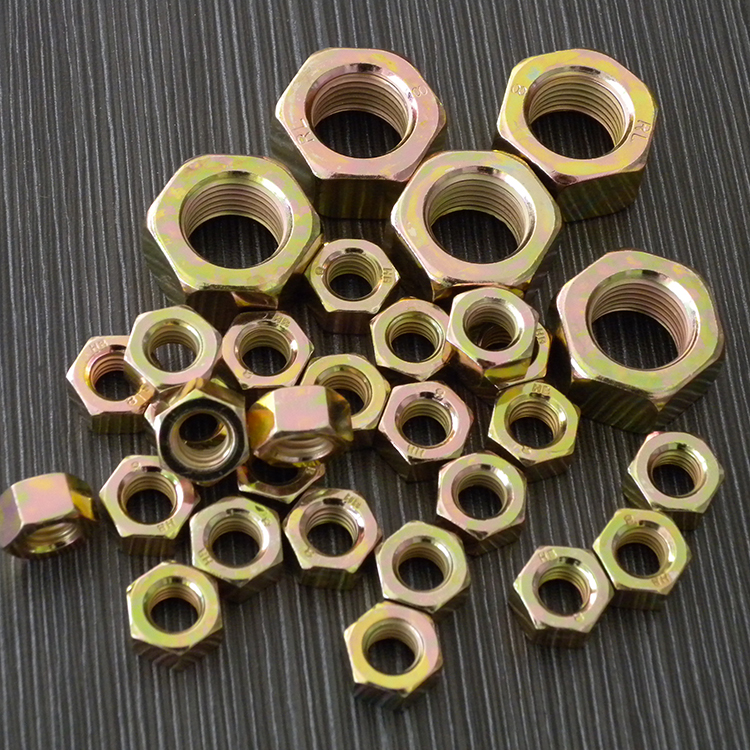

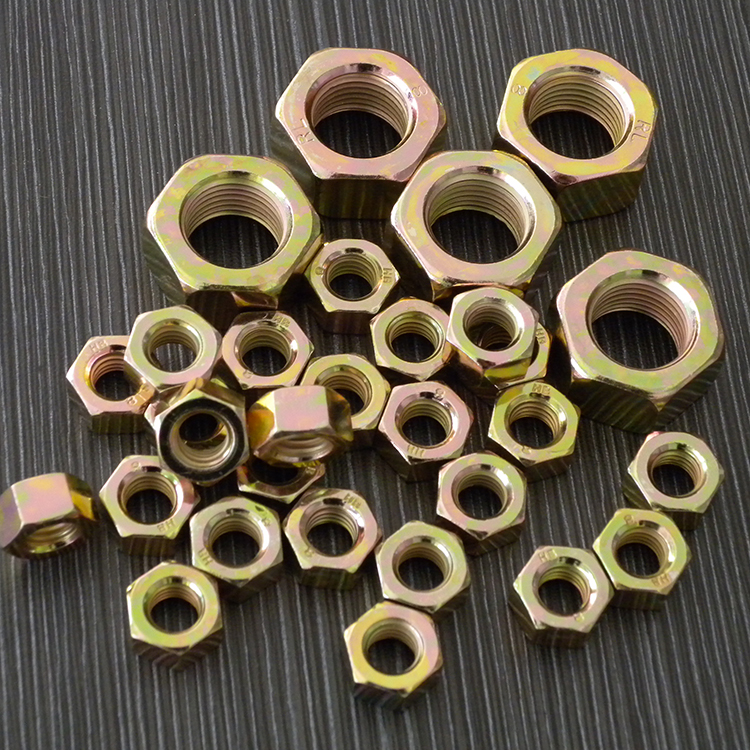
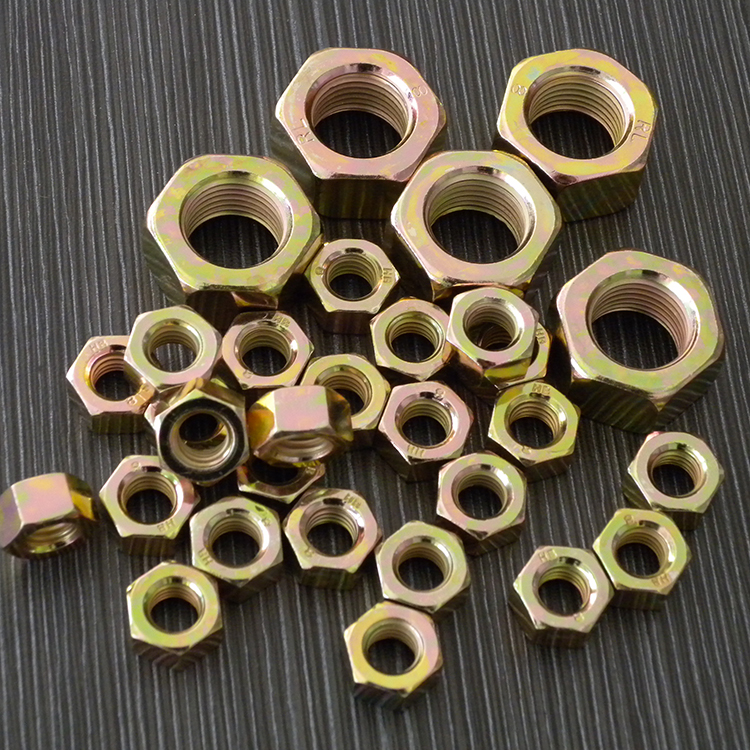
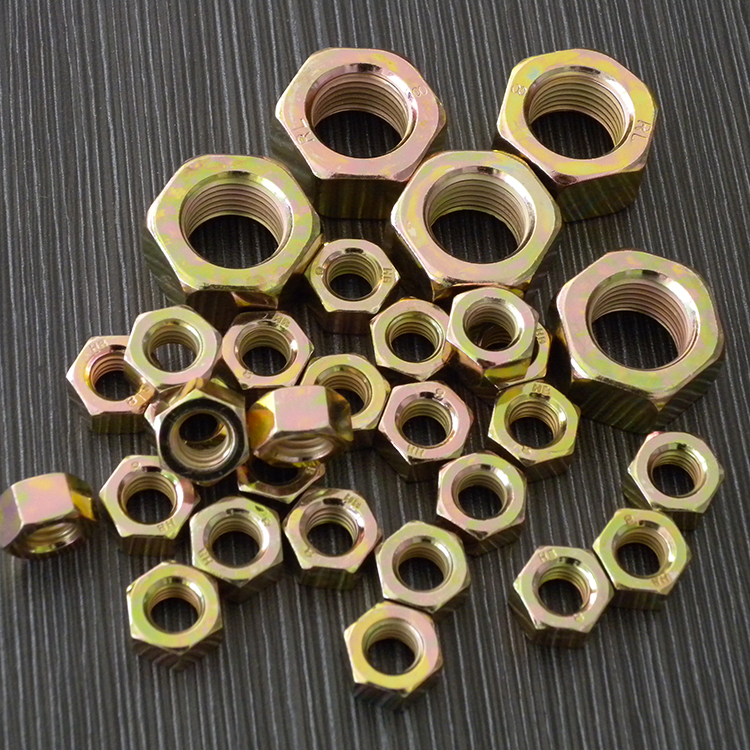







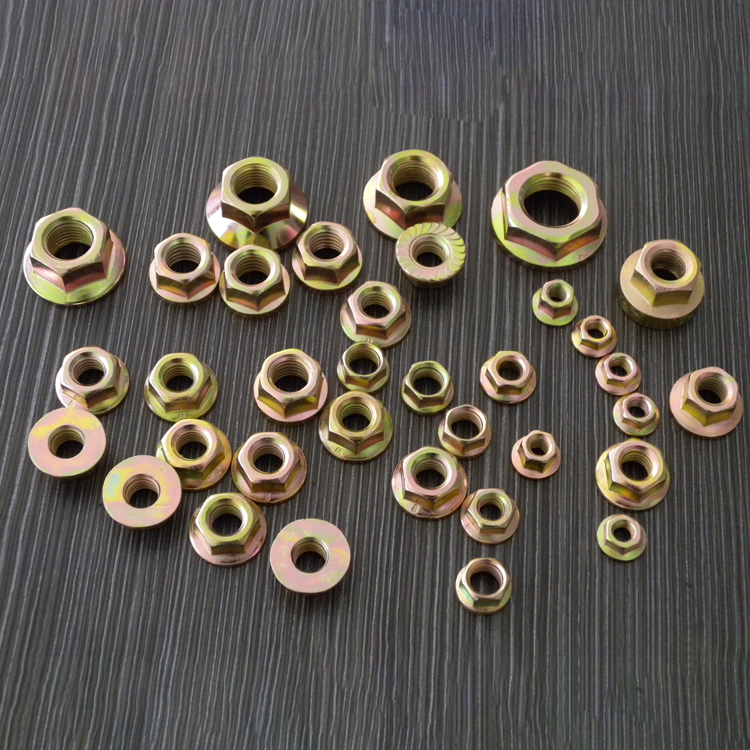
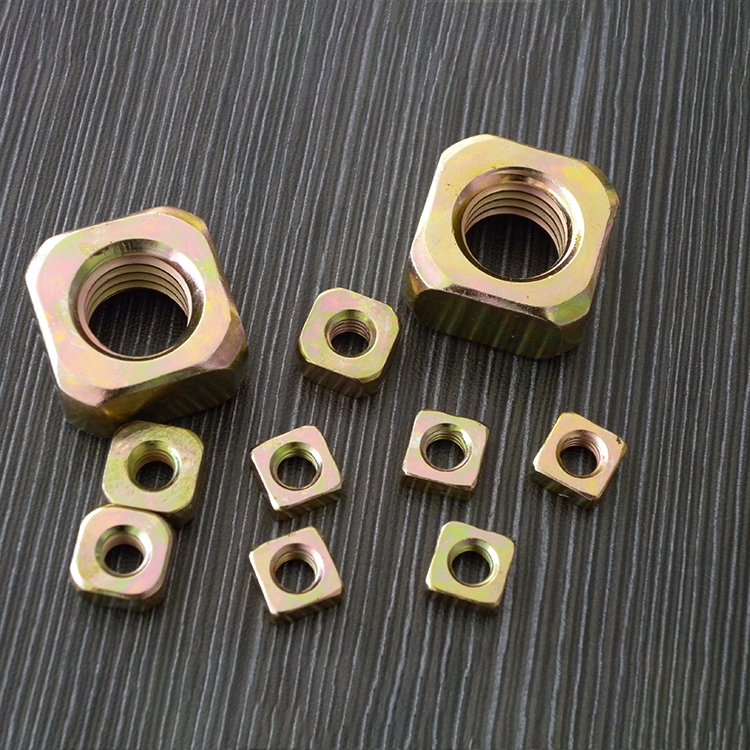
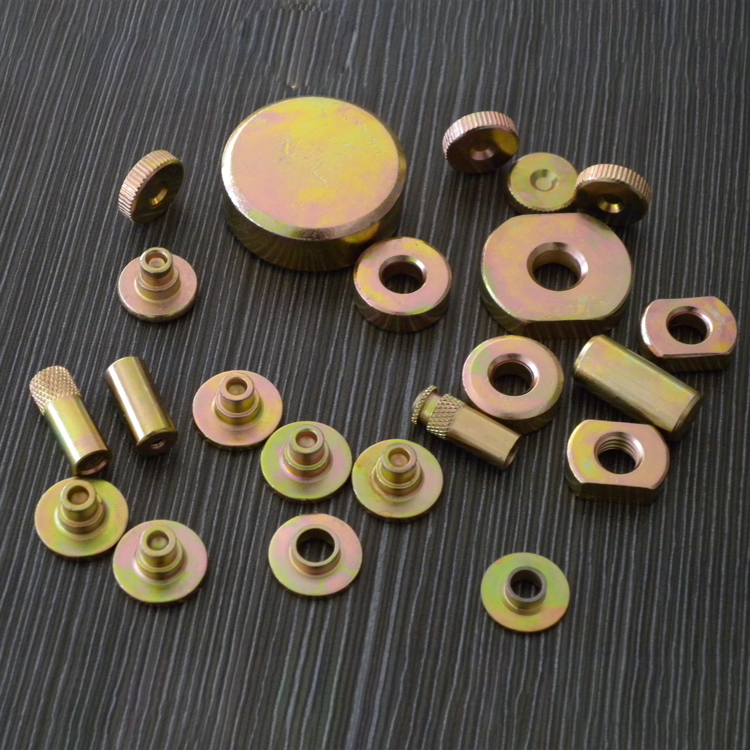
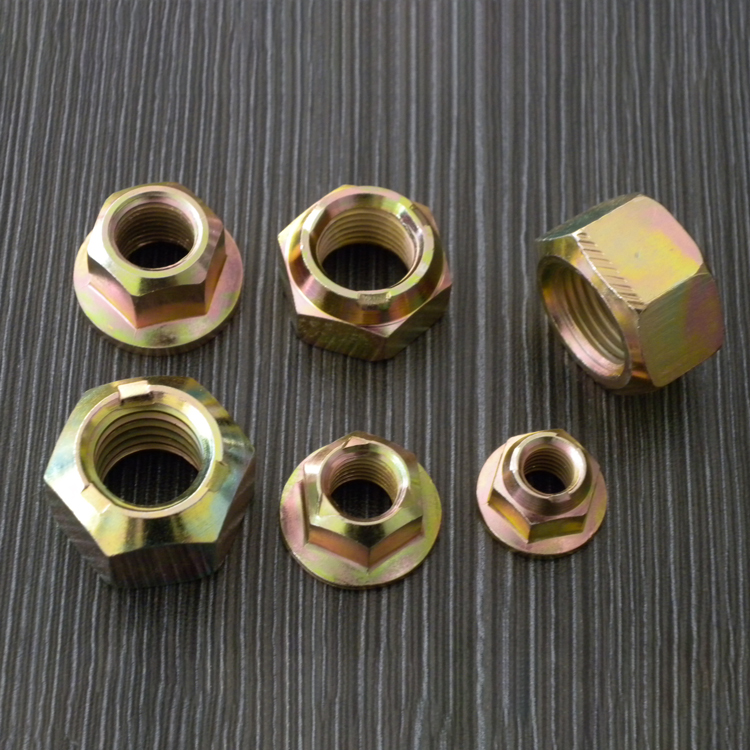
Hex nuts are used in conjunction with bolts and screws for connecting and securing parts. The 1-type six-way nuts are widely used, while the 2-type hex nuts have a thicker thickness M and are often used in situations that require frequent assembly and disassembly. The hex thin nuts have a thinner thickness M and are commonly used when the surface space of the connected parts is limited. C-grade nuts are used on machines, equipment, or structures with rough surfaces and lower precision requirements; A-grade and B-grade nuts are used on machines, equipment, or structures with smoother surfaces and higher precision requirements.
For hexagon nuts, common standards include GB52, GB6170, GB6172, and DIN934. The main differences between them are: GB6170 nuts are thicker than GB52, GB6172, and DIN934, and are commonly referred to as thick nuts.
Regarding the relevant standards for hexagon nuts, what are the differences between the new standard and the German standard? Let's briefly discuss this through comparison: The product specifications for M10, M12, M14, and M22 have differences in the width of the opposing side. The new standard for M10, M12, and M14 nuts has a smaller opposing side by 1MM compared to the German standard. However, for the new M22 nuts, the opposing side is 2MM wider than the German standard's width. The others are interchangeable.