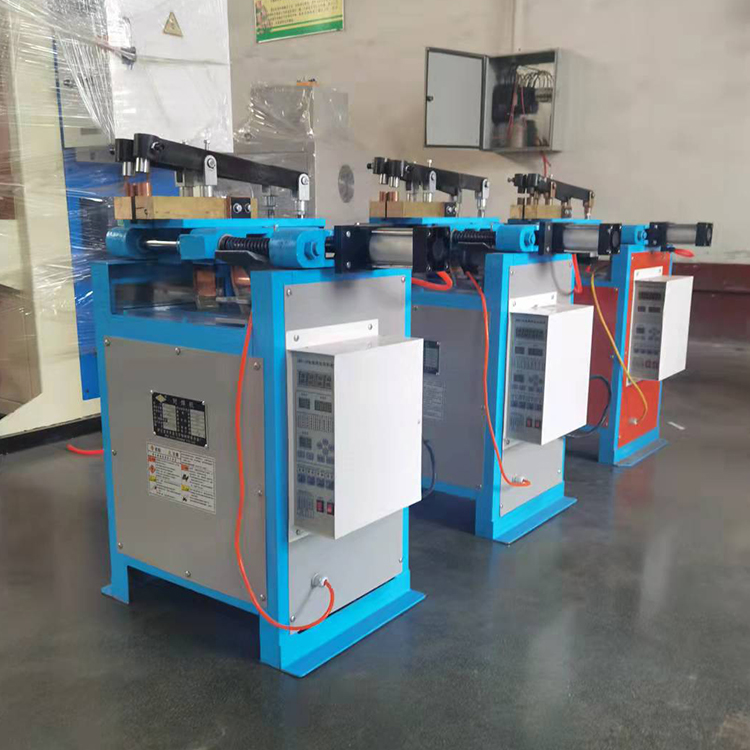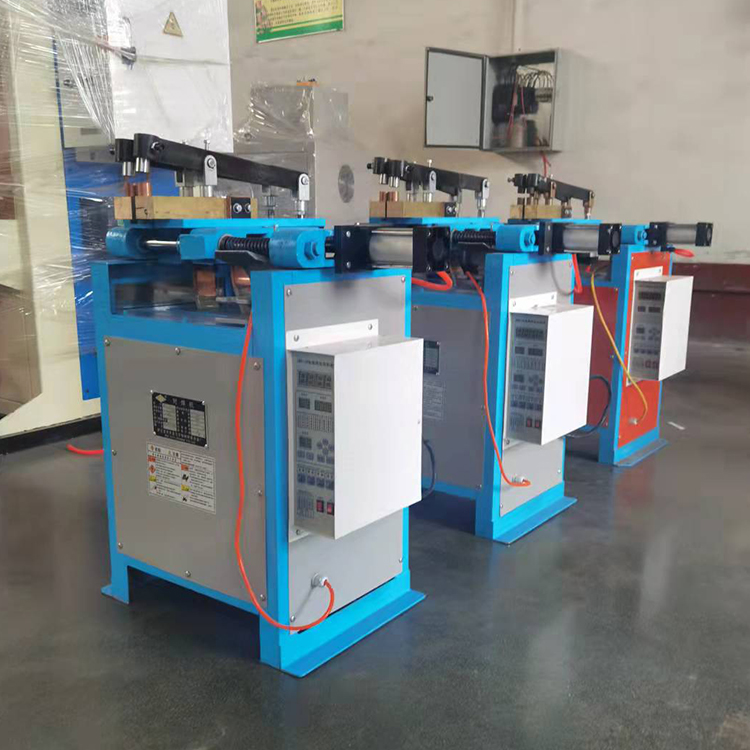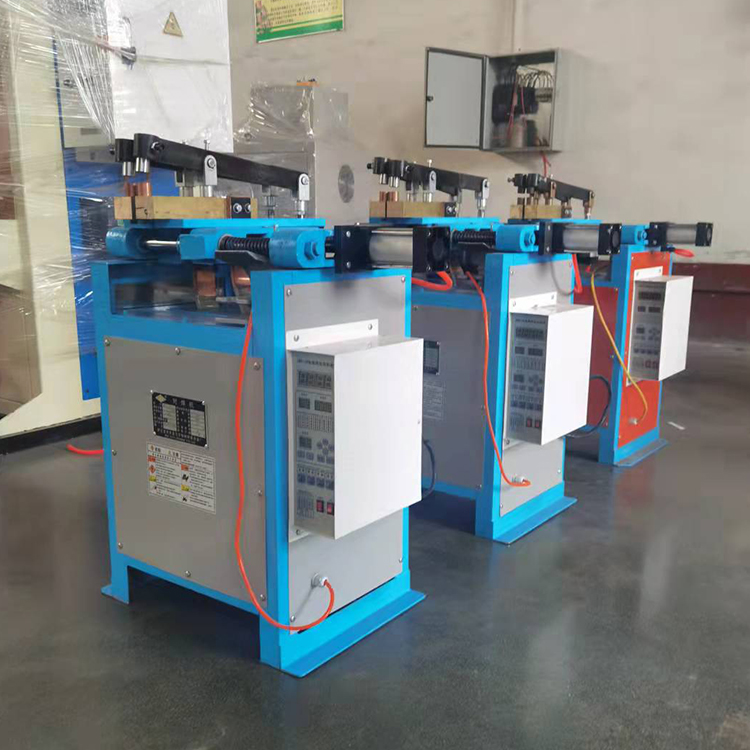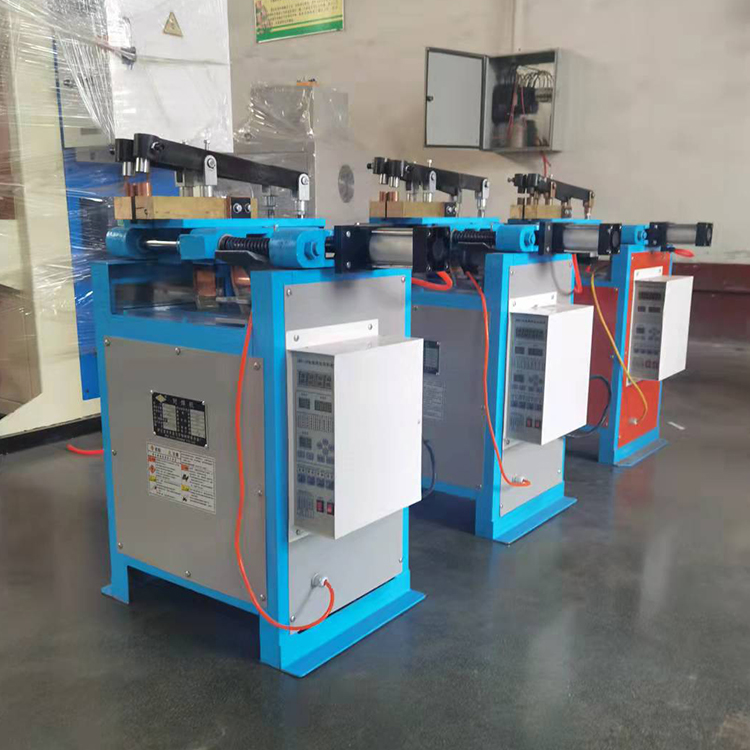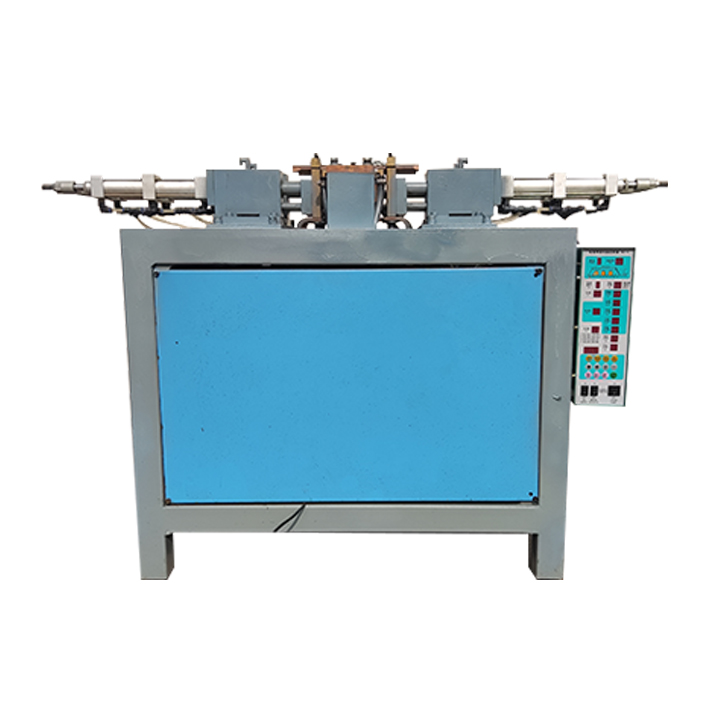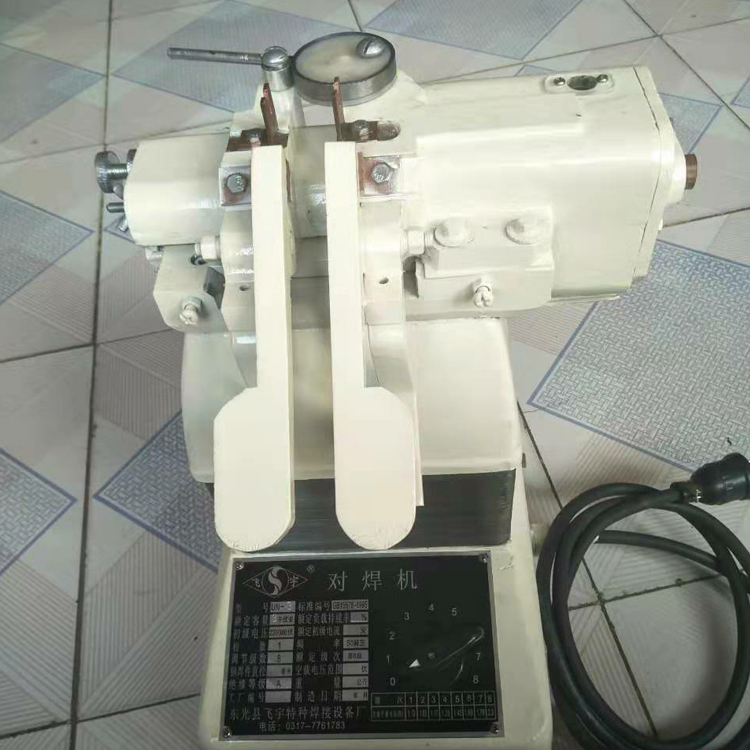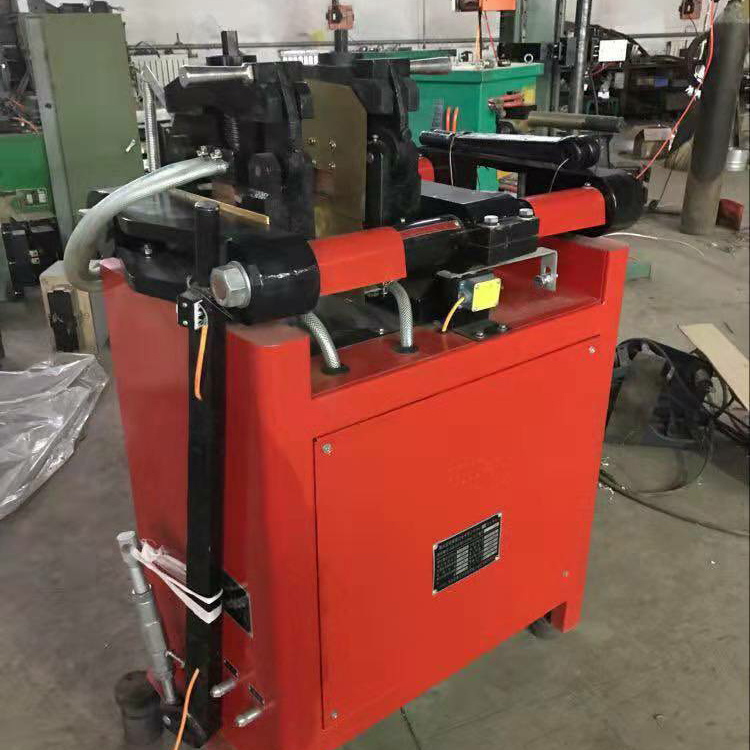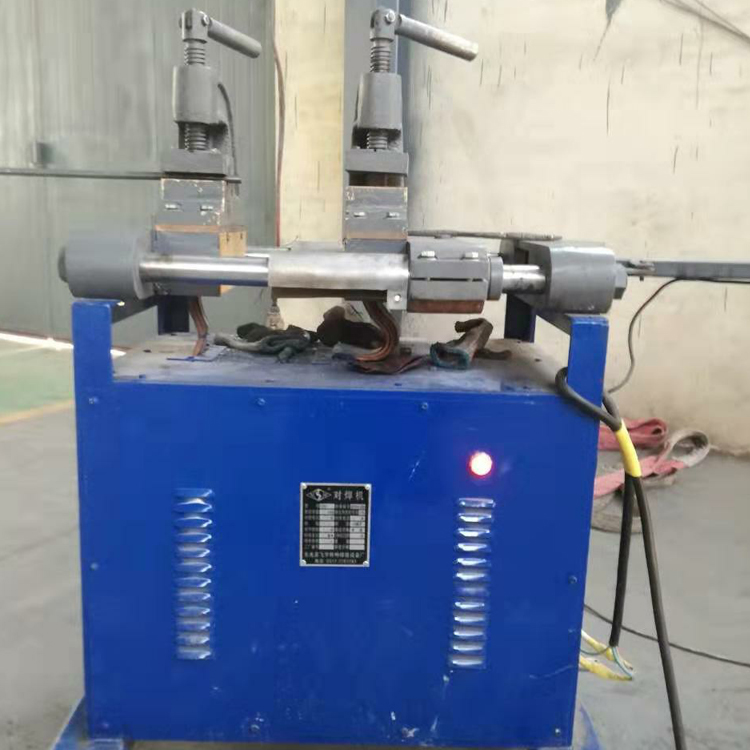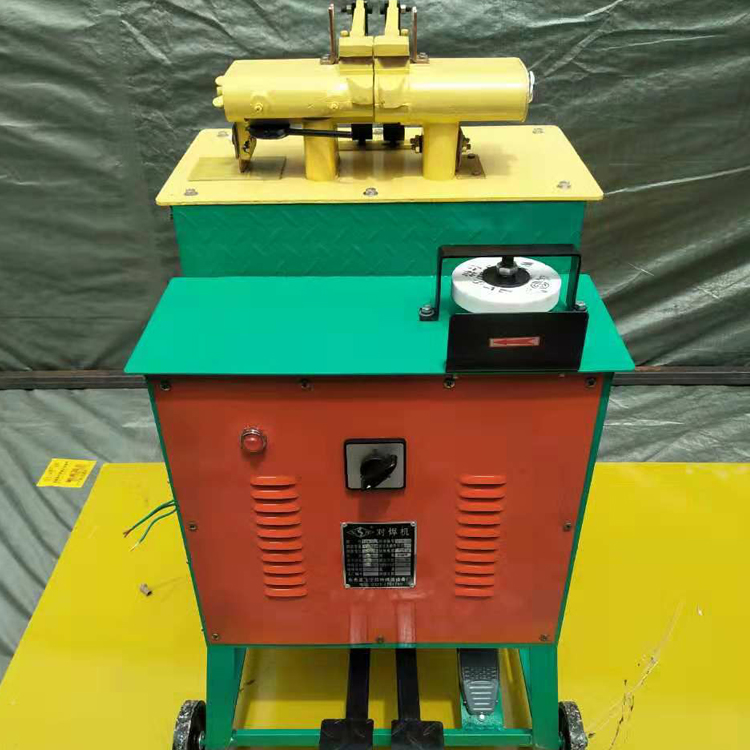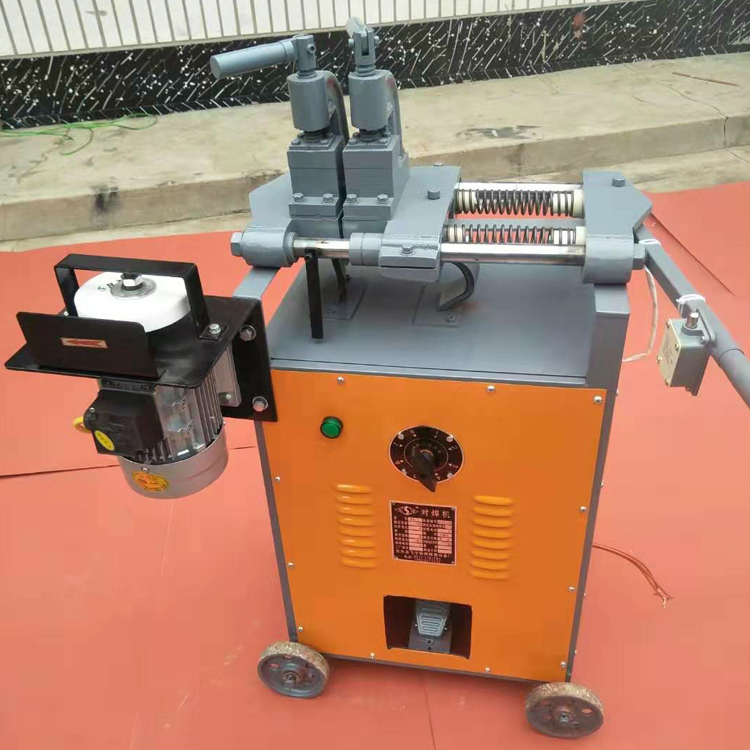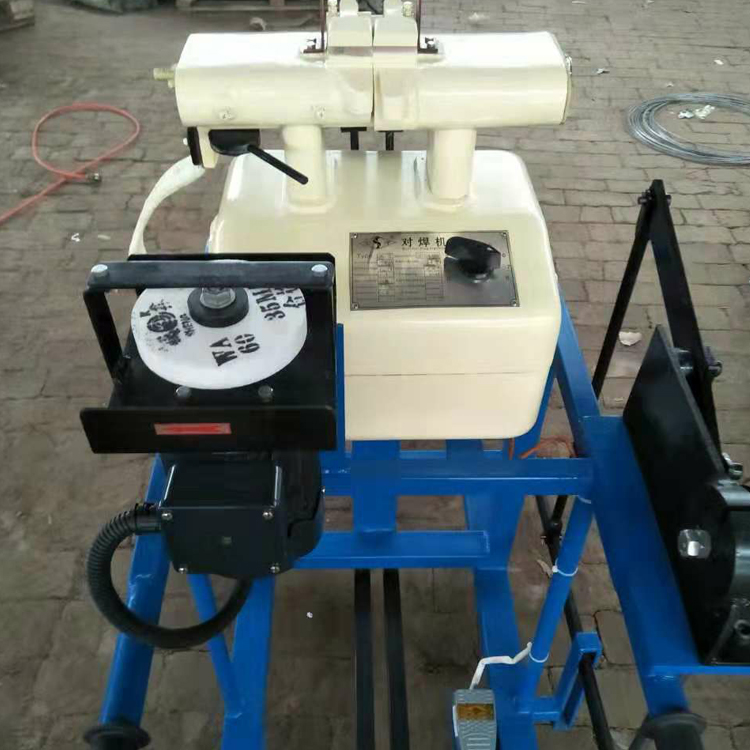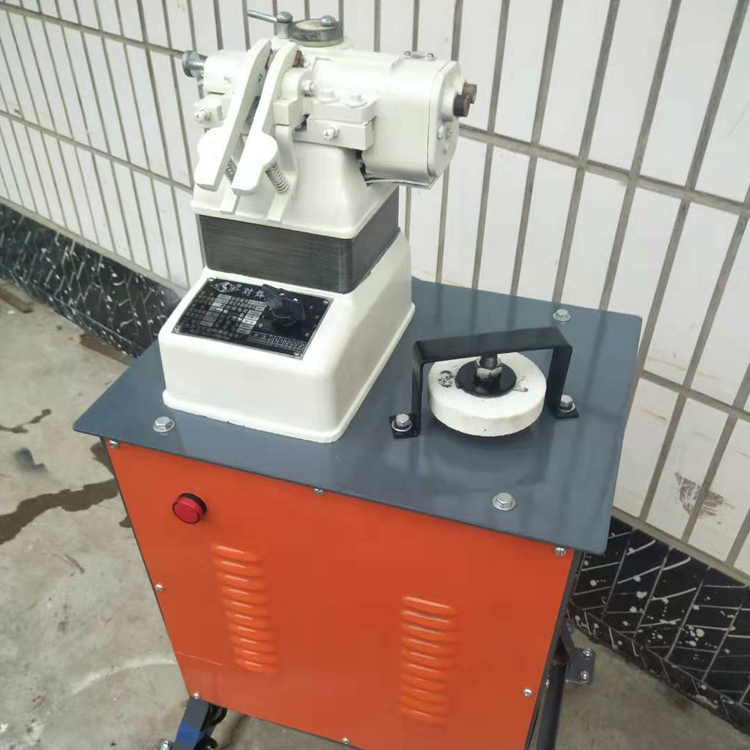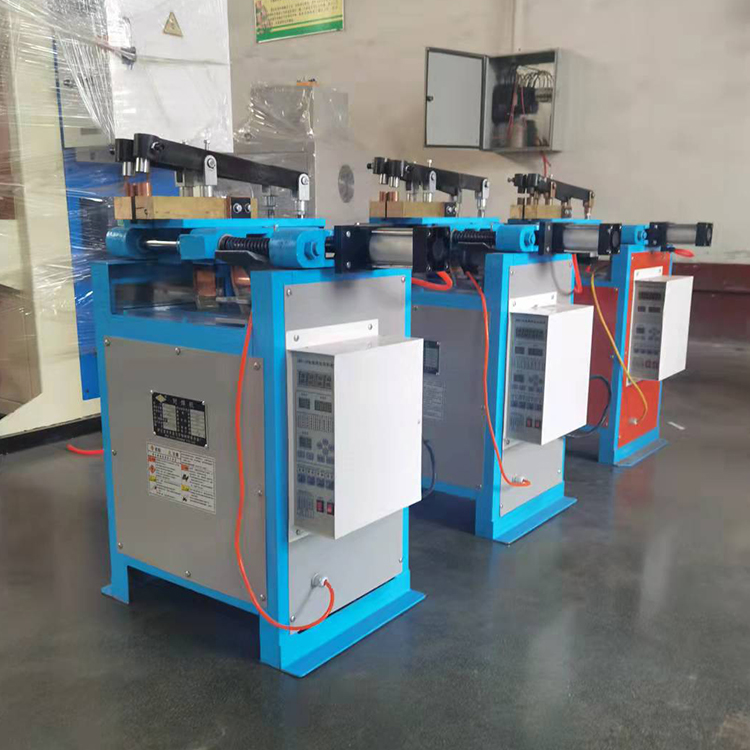


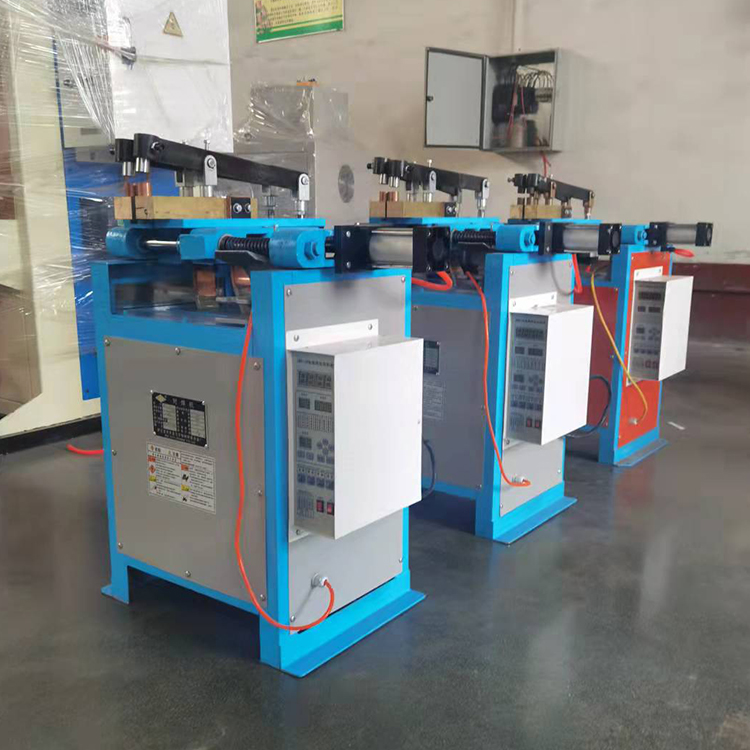
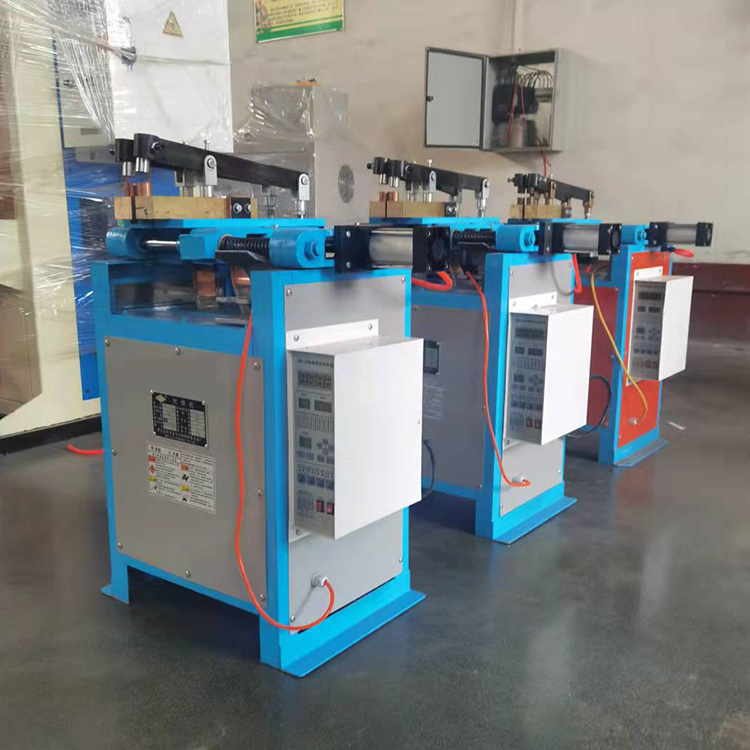


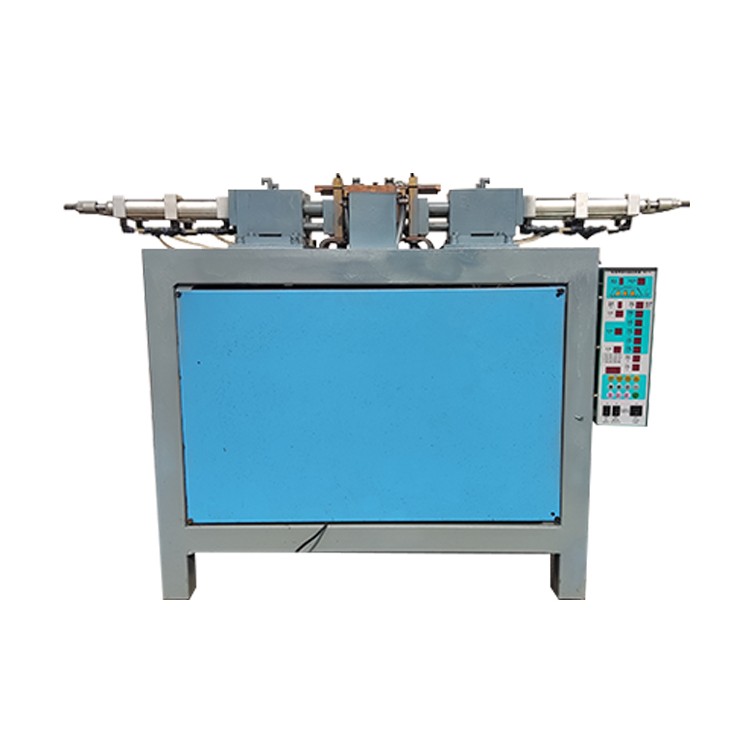

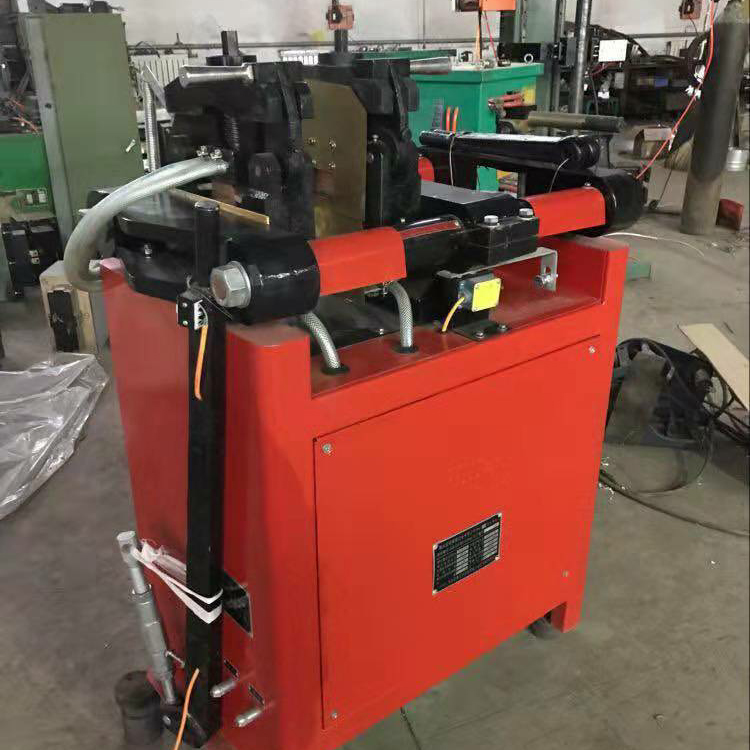





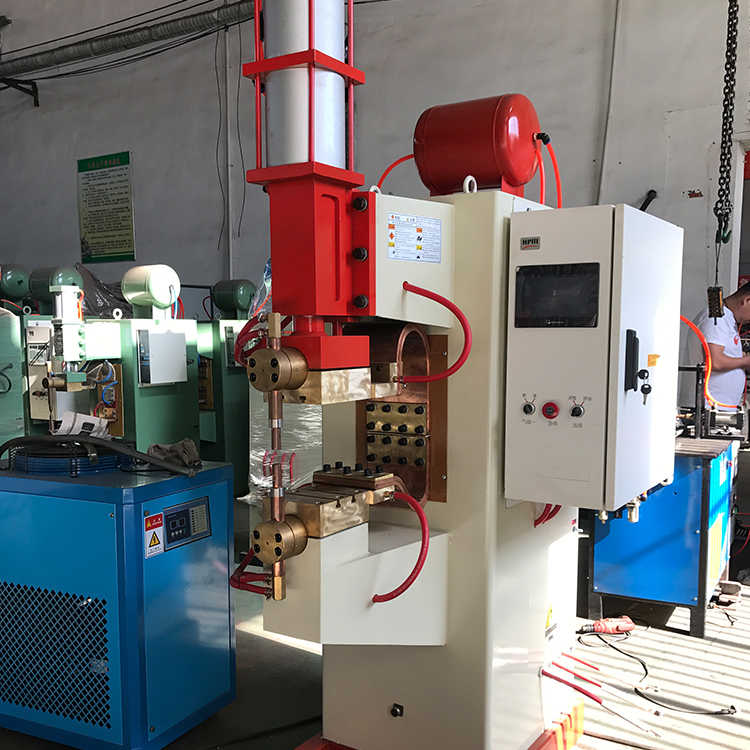
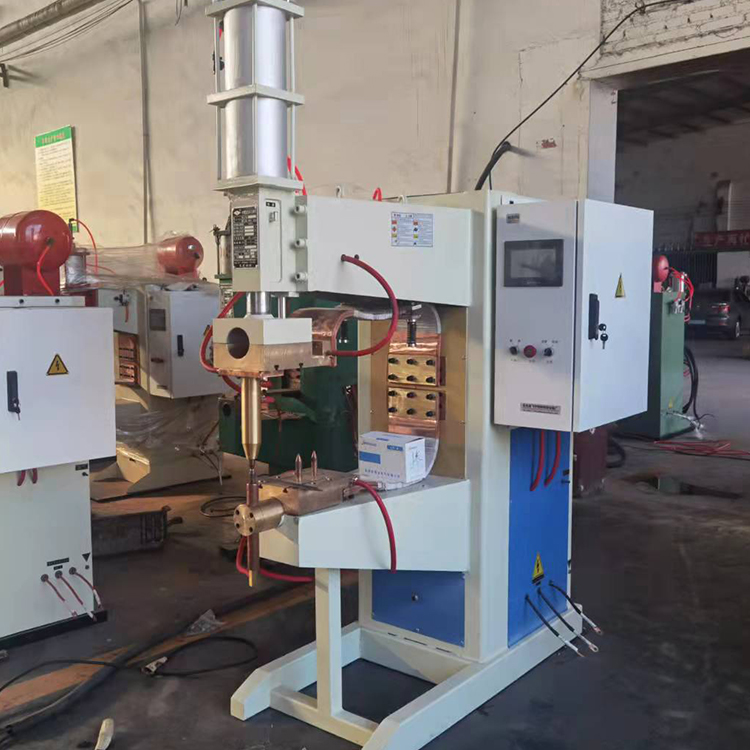
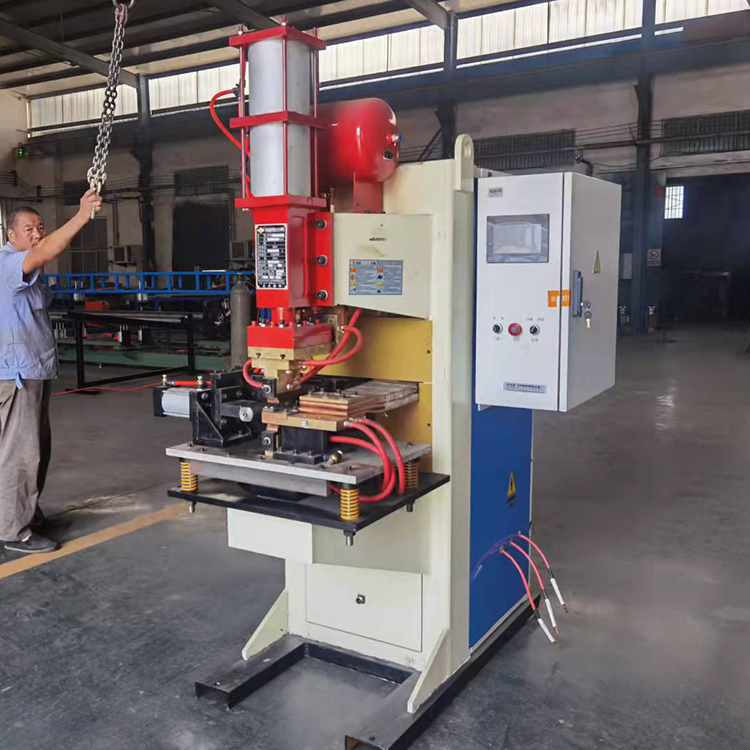
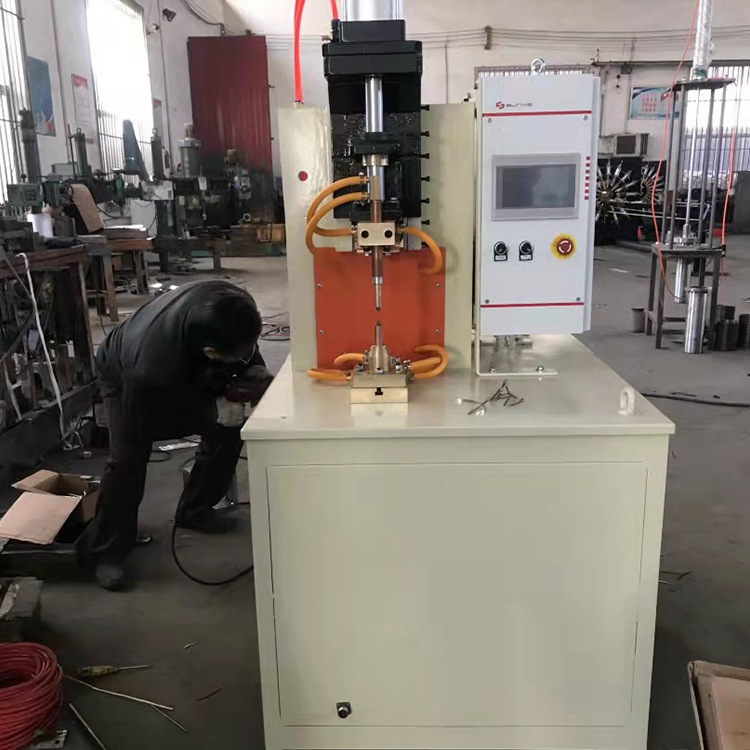
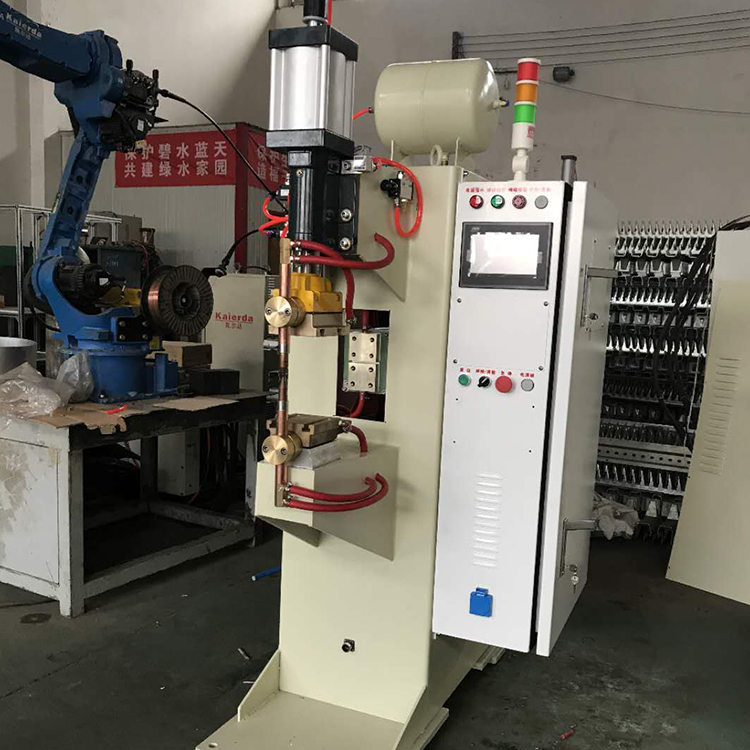
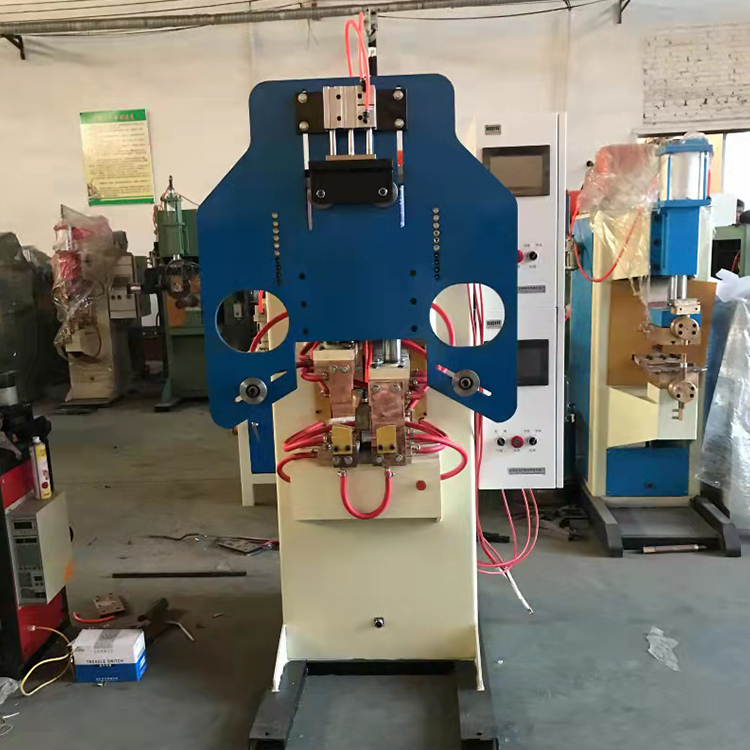
Advantages of Pneumatic Butt Welding Machines
The pneumatic butt welding machine is a powerful assistant for wire drawing, nail making, wire and cable production, construction, and pre-fabrication factories. It is specifically designed for welding black and non-ferrous metal wires without the need for any flux, making it convenient to weld. The operation is easy, and the welder can easily master it. The forging force, clamp distance, and current size can be conveniently adjusted as required. The workpiece is clamped onto the electrode for automatic feeding and welding. Features of this machine include: 1. Low price; 2. Low failure rate; 3. Good molding and high efficiency.
Features and Applications
The workpiece is securely clamped using pneumatic vertical pressure or pneumatic lever pressure, ensuring the welding joint is aesthetically pleasing, robust, and with minimal slag.
Novel structure, unique design, and excellent rigidity. Features high-precision guidance mechanism, excellent wear resistance, fast welding speed, and stable pressure.
Microcomputer constant-pressure control system, two-stage discharge, multiple memory settings, precise control of welding time and current, easy to adjust.
High-permeability silicon steel sheet, complete secondary structure, high output current, energy-saving and environmentally friendly.
Water-cooled transformer, the water-cooled silicon controlled rectifier enhances the lifespan of the equipment.
High-quality welding for various types of metals, including copper, aluminum, iron, and stainless steel, widely used in wire, plate, and special-shaped materials.
Advantages
New pneumatic butt welding machines are gradually revealing some new advantages during use, including: Energy-saving: As domestic energy pressure grows, energy-saving requirements for the application of this machinery are also increasingly proposed. Over the long-term technical transformation, a series of changes have been gradually implemented to enhance energy-saving effects, which is undoubtedly a priority.
Adaptability: In terms of the mechanical product, it requires a relatively low power grid, only 250KVA is needed for operation, thus its applicable range is quite extensive.
High welding accuracy: This conclusion is primarily due to the adoption of programmable controller products in this machine, which significantly enhances the original precision through improved control methods, a rare achievement.
High welding efficiency: In the past welding methods, the effects achievable through manual implementation are very limited, and there is no evident improvement when using the welding machine, highlighting the significant gap between the two.
Installation and Maintenance
Welding machines must be properly grounded before use for safety reasons. The high-voltage side of the coil must be tested with a 500V megohmmeter to ensure the insulation resistance to ground is not less than 2.5 megohms before power is applied. Power must be disconnected during maintenance before opening the box for inspection.
Welding machine leads should not be too thin or too long. The voltage drop during welding must not exceed 5% of the initial voltage, and the initial voltage must not deviate from the power supply voltage by more than ±10%.
Wear gloves, aprons, and protective goggles when operating welding machines to prevent sparks from causing burns. Keep the sliding parts well-lubricated at all times and clean off metal splatters after use.
After 24 hours of use, the screws of all components on the new welding machine should be tightened once. Pay special attention to ensuring that the screws connecting the copper soft wire and electrode in the secondary circuit are securely fastened to ensure good contact. After use, clean the metal spatter from the surface of the welding mechanism.
After powering on, a slight 50Hz transformer hum inside the machine indicates that the machine is operating normally. If, after prolonged use, you notice that the welding energy decreases and the welding time significantly increases, you should clean the oxide from the secondary circuit and retighten the screws to restore normal operation.