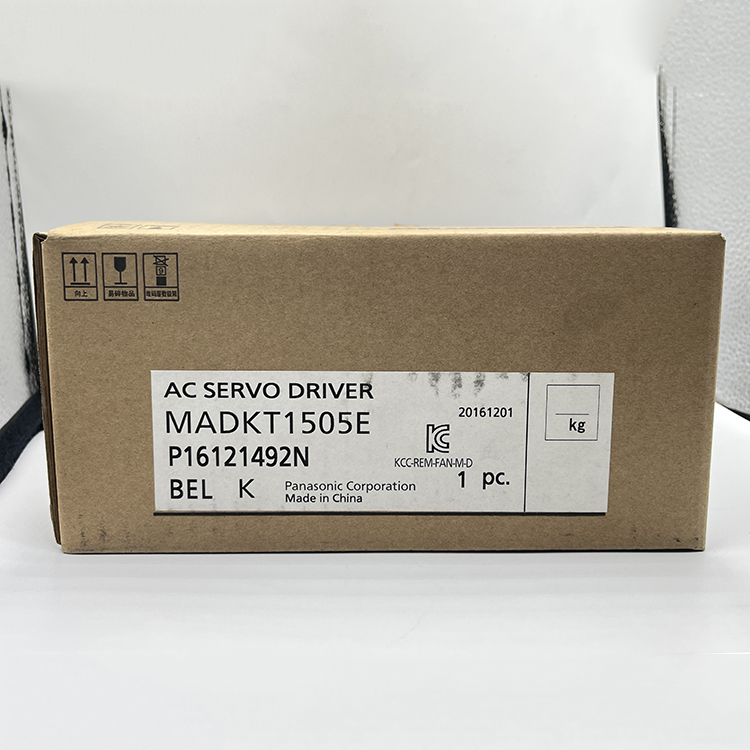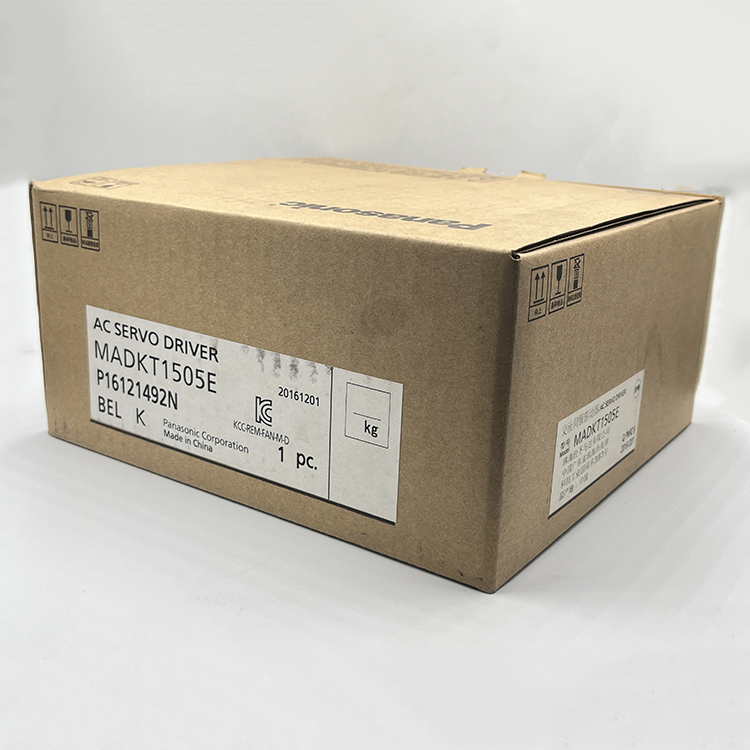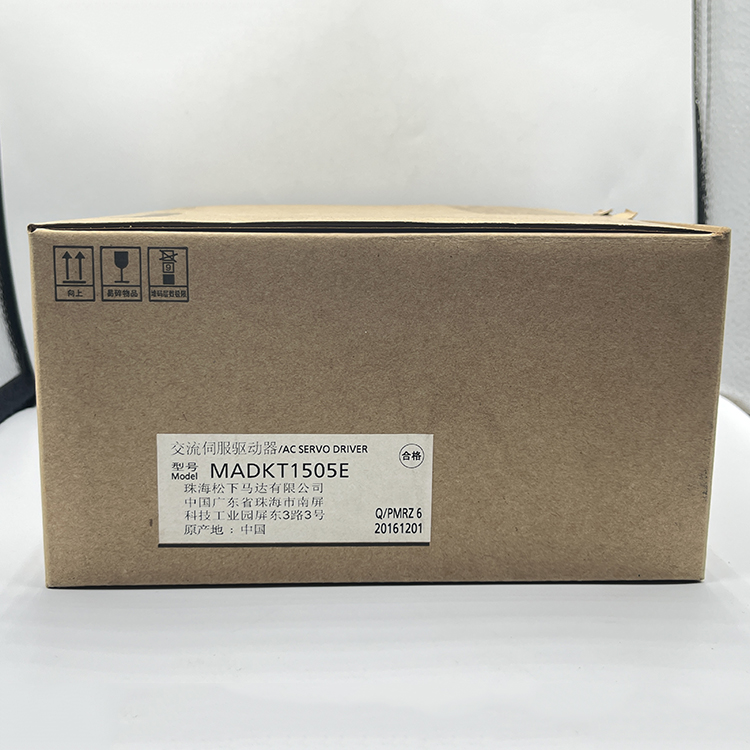


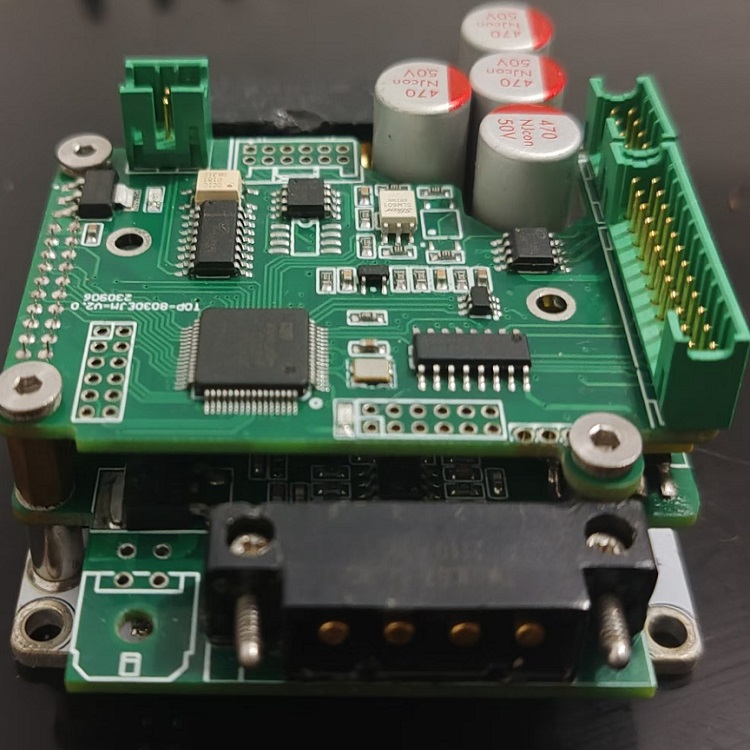
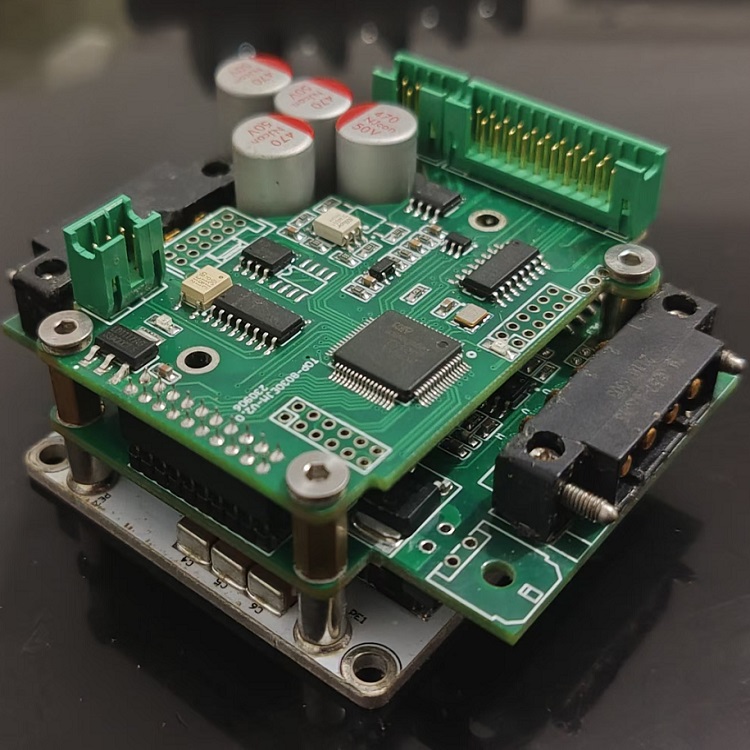
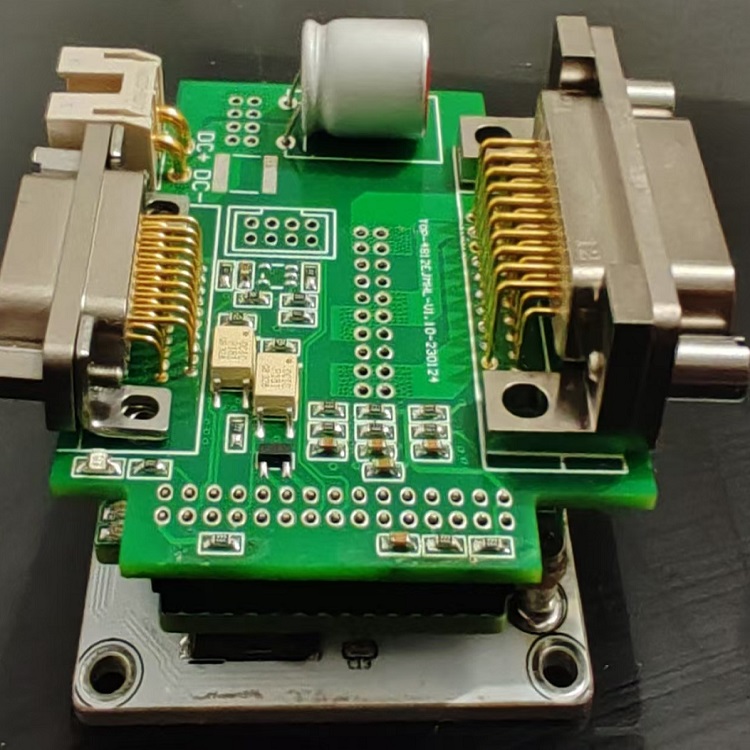





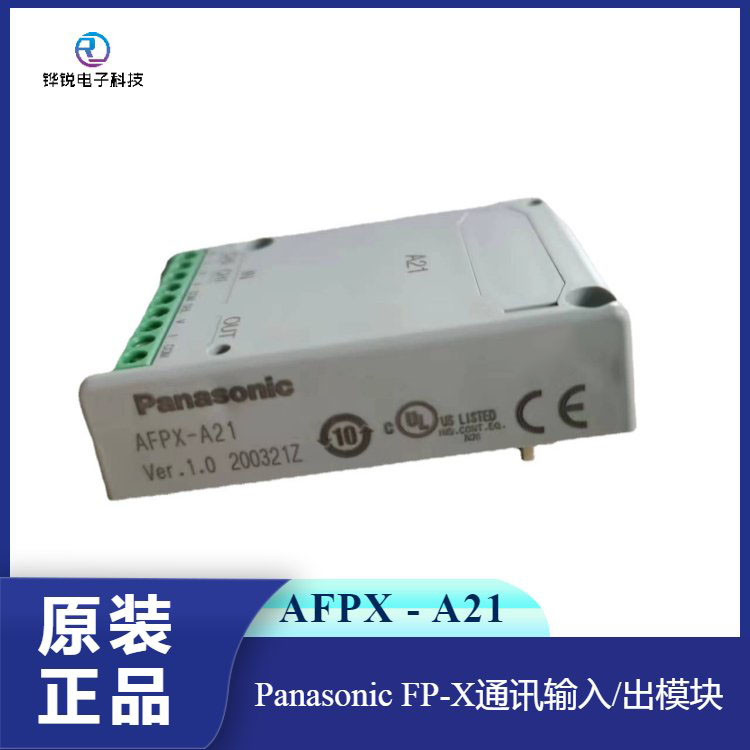
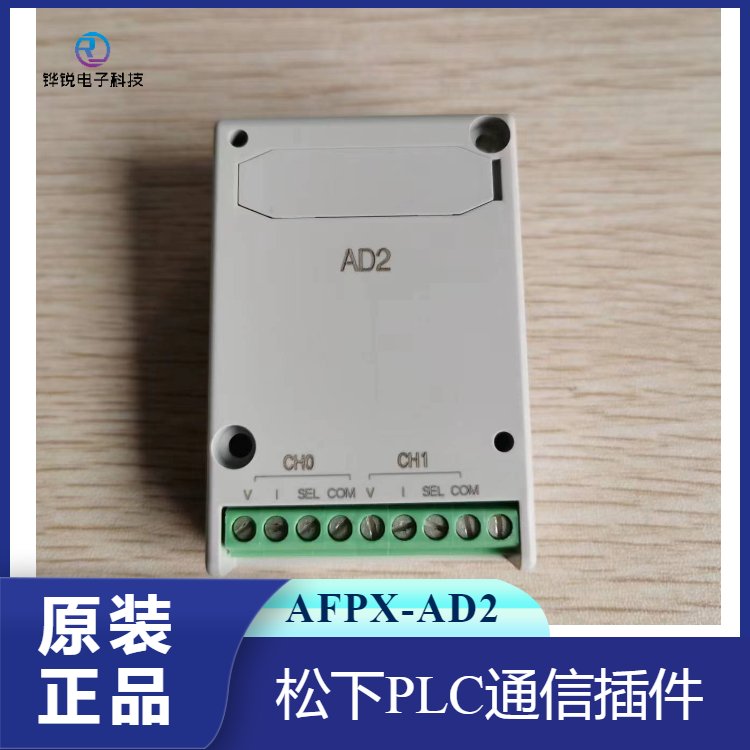
Panasonic servo drives are controllers used to control Panasonic servo motors, functioning similarly to how a variable frequency drive operates on a standard AC motor.
The mainstream Panasonic servo drives currently use digital signal processors (DSP) as the control core, enabling relatively complex control algorithms and achieving digitization, networking, and intelligence. The power devices commonly employ drive circuits designed with the intelligent power module (IPM) at their core, which integrates the drive circuit internally and includes fault detection and protection circuits for overvoltage, overcurrent, overheating, and under-voltage. Additionally, a soft start circuit is incorporated into the main circuit to reduce the impact on the drive during the startup process.
The power drive unit first rectifies the incoming three-phase AC power or household power through a three-phase full-bridge rectifier circuit, resulting in the corresponding DC power. The rectified three-phase AC power or household power is then converted to variable frequency by a three-phase sine-wave PWM voltage inverter to drive a three-phase permanent magnet synchronous AC servo motor. The entire process of the power drive unit can be simply described as an AC-DC-AC process. The main topology circuit of the rectifier unit (AC-DC) is a three-phase full-bridge uncontrolled rectifier circuit.