









The inertness and weather resistance of the enameled steel plate material, which is not corroded and does not react chemically with other elements in the air, are significant. Therefore, when purchasing enameled material for signage, it is crucial to understand the product's performance. While all enamels have certain inertness and weather resistance, there are differences among each series of products. For instance, black single-firing enamel places more emphasis on salt spray and rapid change resistance in performance. Industrial enameled materials often come into contact with chemicals, demanding higher resistance to acids, alkalis, and corrosion. Conversely, enameled materials for daily utensils focus more on smooth appearance, safety, non-toxicity, and health. Understanding the product's performance is a crucial step in customizing enameled materials for signage.
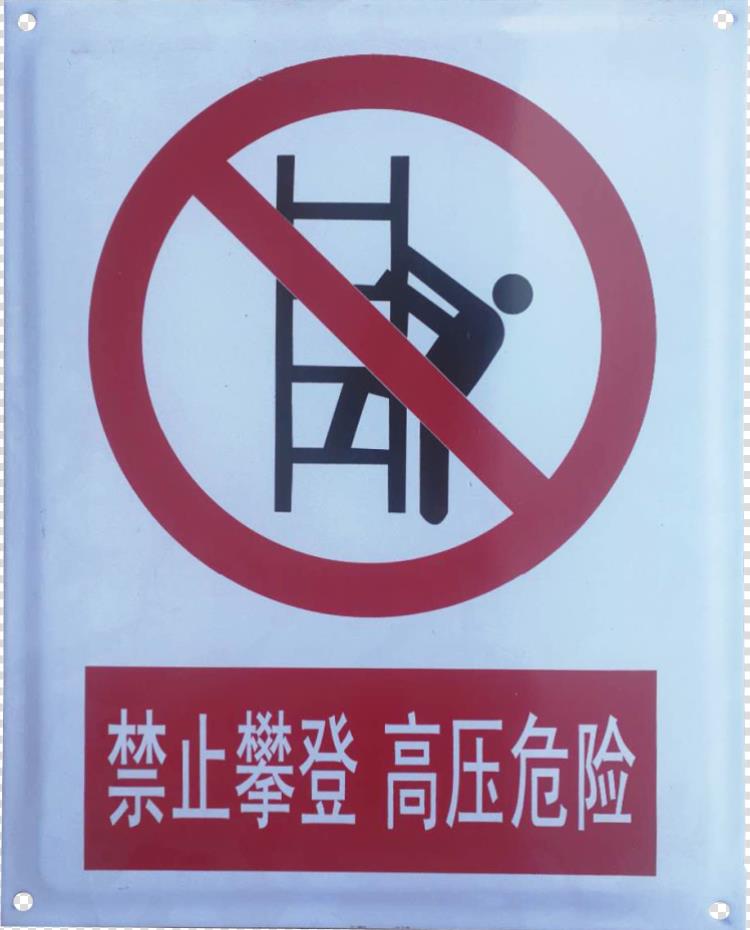
Enamel signs are widely used in industries with strong corrosiveness or where signs need to be hung outdoors, such as in the power, chemical, and mining sectors. They are also used for street numbers and utility pole signs, forest fire warning signs, and many other outdoor applications. One advantage of enamel signs is their resistance to weather and impact, ensuring they remain durable for up to 50 years in outdoor conditions exposed to wind, sun, and rain.
Enamel badges feature enamel, which is actually a composite material that involves fusing inorganic glass-like materials onto a substrate metal and securely bonding them together. It primarily consists of two components: the metal used for enamel and the porcelain glaze (inorganic glass-like material).
Metallic materials for enameling
Metal materials commonly used for enamelware include steel, cast iron, aluminum, copper, and stainless steel. Enamel steel (mainly steel plates) generally refers to low-carbon steel plates, which have a lower carbon content (typically ≤0.08%). This is the primary material for the inner tank of storage water heaters. Due to its chemical composition, internal microstructure (microstructure), surface condition, and mechanical properties playing a crucial role in the quality of enamel, most major water heater manufacturers on the market currently use enamel steel produced by Baosteel or Wuhan Iron and Steel Corporation to ensure the quality of the inner tank's enamel.
Molded cast iron for enamelware refers to iron-carbon alloys with a carbon content of 2.11% or higher (alloys with less than 2.11% carbon are called steel). It is primarily used in the production of sanitaryware (bathtubs), chemical equipment, kitchenware, and drain pipes.
Aluminum materials used for enameling are primarily pure aluminum and aluminum-magnesium alloys. Copper materials for enameling mainly include red copper (pure copper), brass (copper-zinc alloy), and bronze (copper-tin alloy), with red copper and brass being most widely used. A representative copper enameling product, Jingtai Blue, is made from red copper as the base material. Stainless steel can generally be enamelled, but due to its strong antioxidant properties, a special enameling glaze is required. Moreover, due to higher processing costs, this method is less commonly used now.
2. Porcelain Glaze (Inorganic Glassy Material)
The raw materials for porcelain enamel mainly include categories such as mineral raw materials, chemical raw materials, and pigment raw materials.
Mineral raw materials are the main components of ceramic glaze, accounting for a significant proportion of the content (which varies due to different manufacturers domestically and internationally). They mainly include: quartz (main component: silicon dioxide - SiO2), feldspar (silicate of alkali or alkaline earth metals, commonly potassium feldspar - K2OAl2O3·6SiO2), and clay (hydrated aluminum silicate minerals, mainly Al2O3·6SiO2 and crystalline water).
Chemical raw materials are components of porcelain glaze, including: borax (Na2B4O7·10H2O), sodium nitrate (NaNO3), soda ash (Na2CO3), lithium carbonate (Li2CO3), calcium carbonate (CaCO3), magnesium oxide (MgO), zinc oxide (ZnO), titanium dioxide (TiO2), antimony oxide (Sb2O3), zirconia (ZrO2), cobalt oxide (CoO), nickel oxide (NiO), manganese dioxide (MnO2), iron oxide (Fe2O3), and so on.
Colorant materials refer to substances used to decorate the color of ceramic glaze. They are categorized into 8 types: black, blue, brown, gray, green, pink, white, etc.
The production of ceramic glaze involves melting the three aforementioned raw materials in specific proportions (which may vary by manufacturer), at approximately 1200°C, followed by rapid cooling to form granular or sheet-like borosilicate glass. It is categorized into underglaze, overglaze, trim glaze, and decorative glaze based on its processing properties; and into steel plate glaze, cast iron glaze, copper enamel glaze, aluminum enamel glaze, and stainless steel glaze based on the base material.
3. Enamel
A composite material that consists of one or several layers of porcelain enamel applied to a metal surface, which are fused together through firing, resulting in a strong physical and chemical bond. Formerly known as enamel. It possesses the inherent mechanical strength and workability of metal, as well as the corrosion, wear, heat resistance, non-toxicity, and decorative properties of the coating. Enamel originated from glass-decorated metal. It was early used in ancient Egypt, followed by Greece. In the 6th century, Europe saw the emergence of filigree enamel, cut-to-clear enamel, raised enamel, translucent enamel, and painted enamel. In the 8th century, China began to develop enamel, and by the end of the 14th century, the enamel craft had matured significantly. The products from the Jingtai period of the Ming Dynasty in the mid-15th century were particularly renowned, hence the name "Jingtai Blue." In the early 19th century, cast iron enamel was developed in Europe, laying the foundation for enamel to transition from an art craft to a household item. However, due to the落后的 casting technology at the time, the application of cast iron enamel was limited. In the mid-19th century, the development of various industries spurred the rise of steel plate enamel, which initiated the modern era of enamel. From the late 19th century to the first half of the 20th century, the introduction of various performance porcelain enamels, the widespread use of steel plates and other metals, the continuous advancements in refractory materials, kilns, and coating techniques, all accelerated the development of the enamel industry.
Enamel varieties are numerous, categorized by use into artistic enamel, daily-use enamel, sanitary enamel, architectural enamel, industrial enamel, and special-purpose enamel. The production process of enamel mainly includes glaze preparation, body preparation, coating, drying, firing, and inspection. For artistic, daily-use, sanitary, and architectural enamels, additional decoration and assembly are required for aesthetic and functional purposes. Industrial enamel equipment must be inspected before assembly.
Enamel Sign Plates: These products are made by applying various colored enamel coatings to stainless steel sheets of different thicknesses, such as 0.6mm, 0.8mm, and 1.0mm, which have been degreased and rust-removed. They are then baked at high temperatures. Enamel sign plates feature toughness, high impact resistance, acid and alkali resistance, non-flammability, smooth and attractive appearance, ease of cleaning, non-polluting, color retention for 50 years, and zero maintenance for 30 years. Compared to aluminum alloy, stainless steel, and plastic sign plates, enamel sign plates offer high value for money in terms of unit effectiveness and functionality.
Enamel signage manufacturing process
I. Basic Components of Porcelain Glaze
Glaze is a coating formed by mixing a certain composition of glass melt with additives,粉碎 and then applying it to the metal surface for firing.
Two, the surface cleaning treatment of the enamel base material: The metal blank must be alkali cleaned, acid cleaned, or sandblasted before enameling to remove rust, degrease, and ensure clean.
Section 3: Glazing Application and Enameling Firing
1. The application methods for ceramic glaze include hand glazing, spray glazing, dipping glazing, electro-phoresis glazing, and electrostatic spray glazing, among others.
Generally, the coating method is selected reasonably based on the quantity of products, quality requirements, raw materials, and production efficiency.
2. Enamel firing temperature and time are selected based on the type of product. The enamel firing process for pump castings typically is: <300℃ into the furnace → heat to 550-820℃ → power off furnace cooling → <300℃ out of the furnace.
Our company emphasizes enhancing product quality, boosting production efficiency, and offering competitive factory-direct prices to develop business capabilities. We have established long-standing and stable partnerships with large and medium-sized enterprises, producing a variety of labels. Our exquisite craftsmanship has helped our clients win the market.