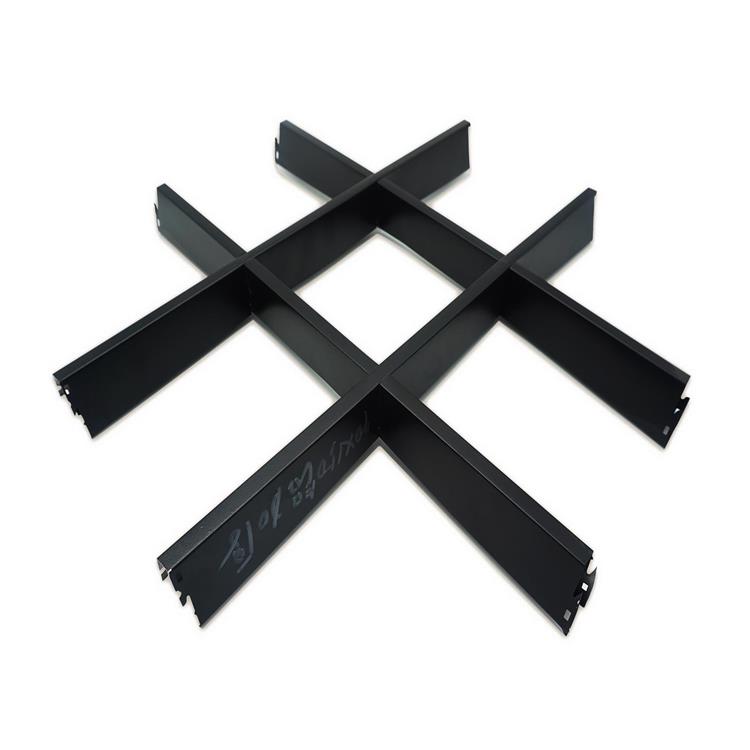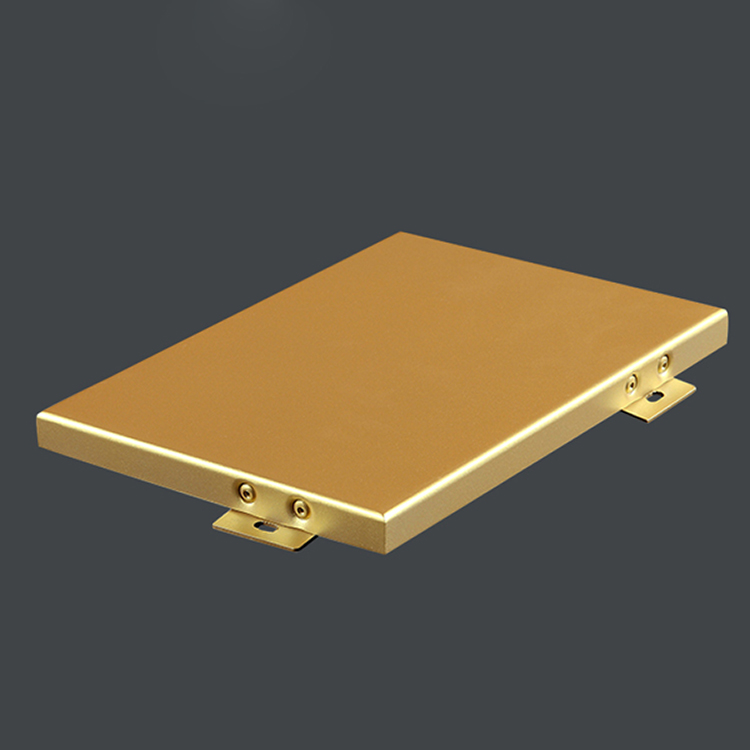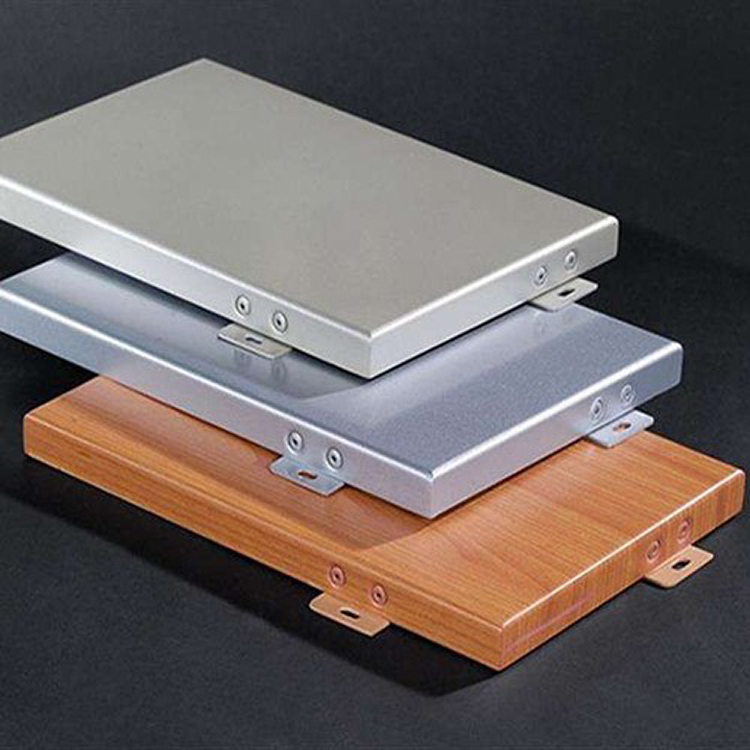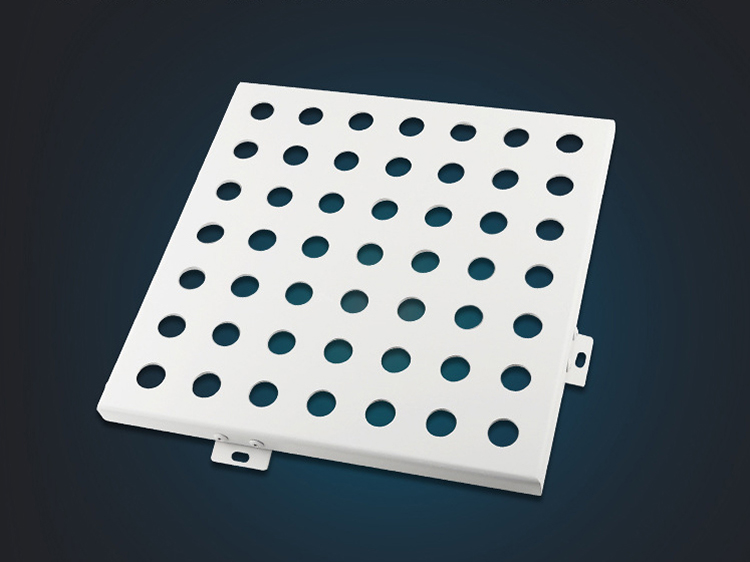


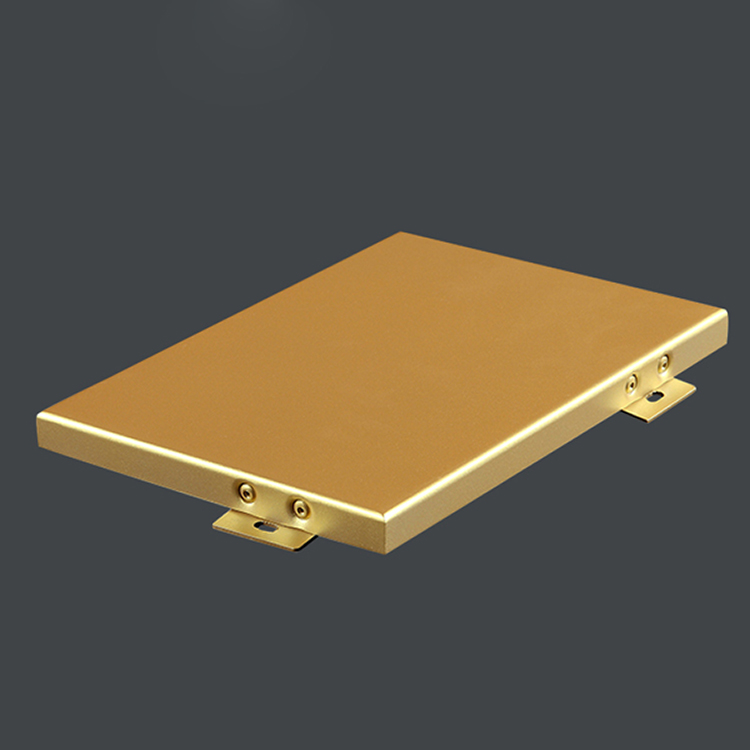
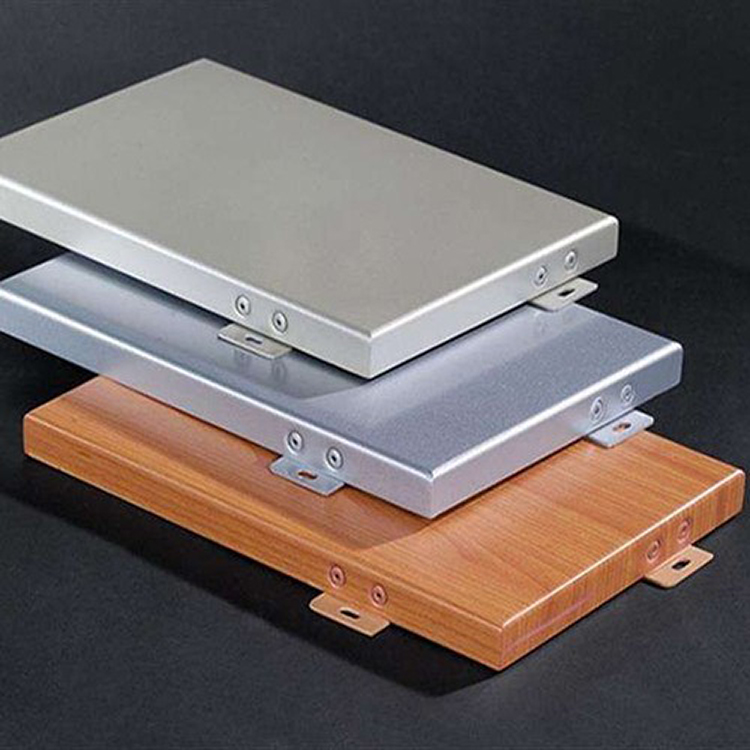
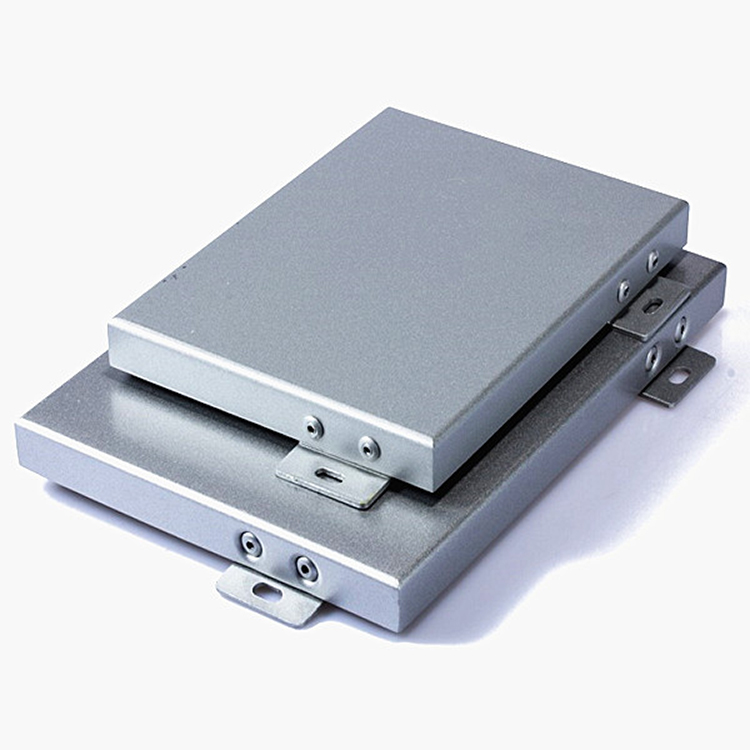
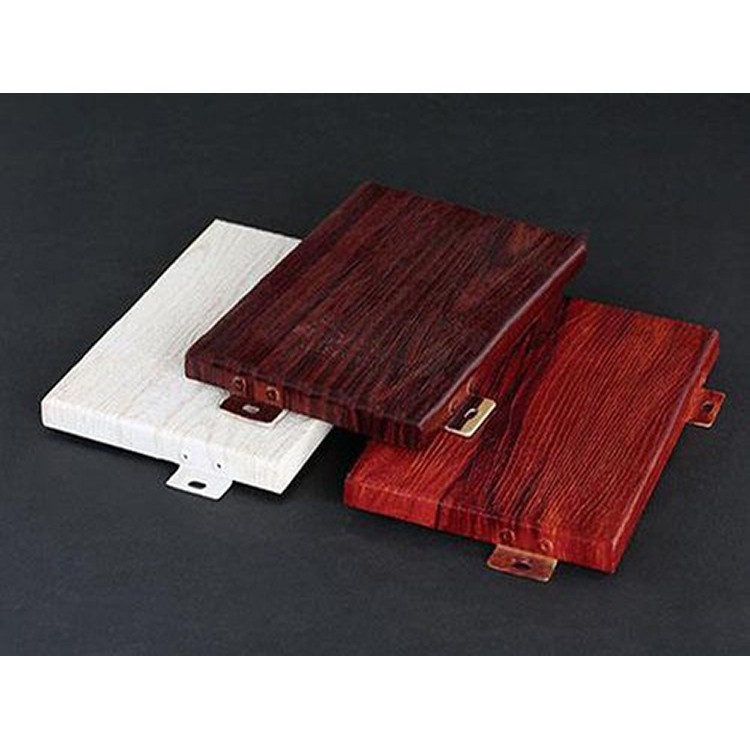








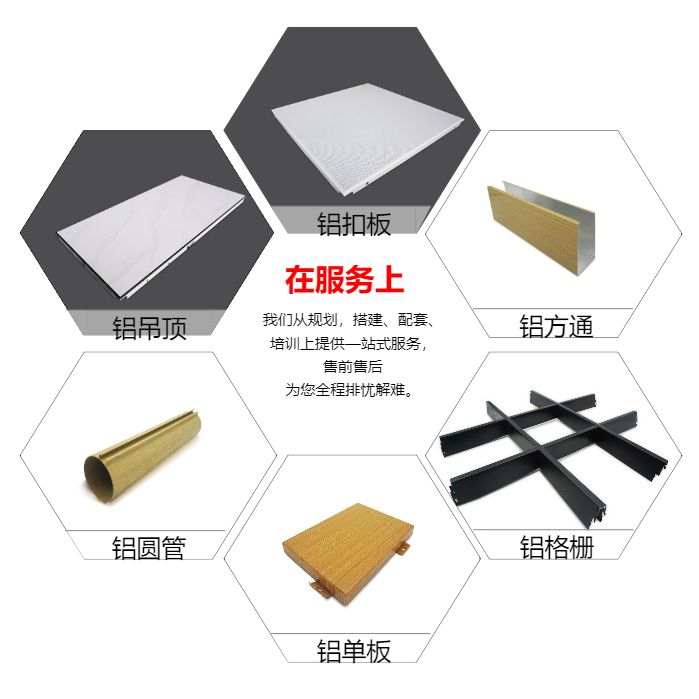
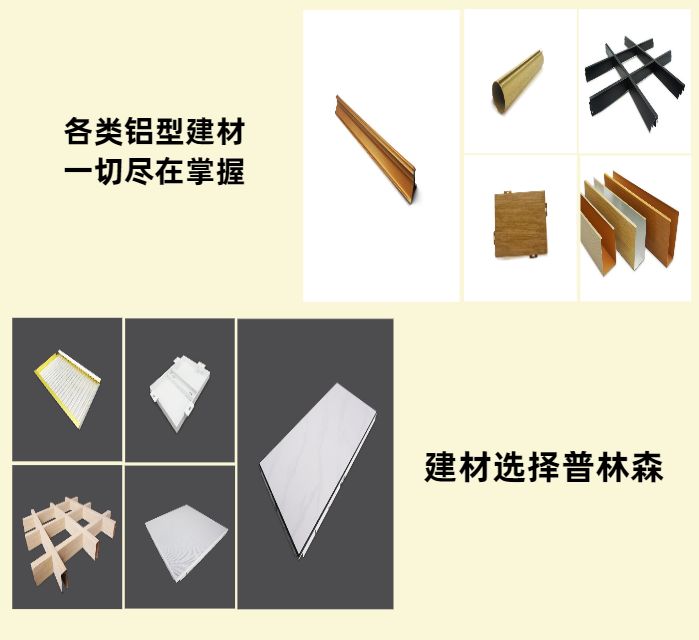
The first generation products are gypsum board and mineral wool board; the third generation product is HUV metal ceiling. Among the metal ceilings, aluminum ceiling tiles have surged in popularity. The aluminum ceiling tiles on the market are categorized as follows: Category 1, aluminum-magnesium alloy, which contains some magnesium, aluminum grating, boasts excellent anti-oxidation properties, and due to the addition of magnesium, it has improved strength and rigidity, making it the best material for suspended ceilings; Category 2, aluminum-manganese alloy, slightly stronger and stiffer than aluminum-magnesium alloy but with slightly weaker anti-oxidation properties; Category 3, aluminum alloy, with less manganese and magnesium, resulting in significantly lower strength and rigidity compared to aluminum-magnesium and aluminum-manganese alloys, and average anti-oxidation properties.
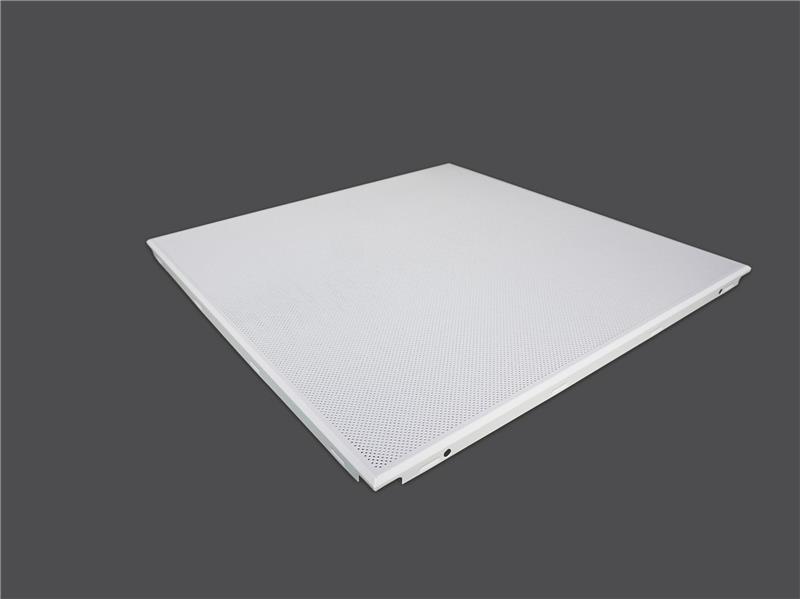
0.88mm thick fastener panel vs. 0.77mm, what's the better aluminum grille quotation?
Firstly, it must be clarified that the thickness of the aluminum ceiling tiles is not the key factor; rather, it is determined by their overall performance. The aluminum ceiling tiles used for 0.7mm anodized film are made by processing and blending aluminum, magnesium, and manganese metals. Some imported materials have a higher magnesium content, ranging from 1.3% to 1.8%, which is used to enhance the elasticity of the base material. Additionally, the addition of manganese metal to the base material strengthens its rigidity, with a content of approximately 0.1% to 0.3%. Other aluminum ceiling tiles can only ensure rigidity by increasing thickness, which is not very refined and lacks toughness. From both aesthetic and maintenance perspectives, the aluminum grid pattern is not advisable. Moreover, some manufacturers use recycled aluminum, which is of poor quality. To ensure strength, they have to make them thicker.
Aluminum Ceiling Analysis
1. Aluminum ceiling tile panel 2. Middle joist U50×19×0.5, center distance <1200 3. Main joist [60×30×1.5 (with hanging points), center distance <1200] 4. Ф8 steel rebars with center distance 900-1200mm bidirectionally 5. Reinforced concrete slab with Ф6 iron rings pre-installed, center distance 900-1200mm bidirectionally
Construction Preparation 1.1. Materials and Components: 1.1.1 Lightweight steel skeletons are available in U-shaped and T-shaped types, and are categorized into pedestrian and non-pedestrian options based on load-bearing capacity. 1.1.2 Main components of lightweight steel skeletons include large, medium, and small ribs; accessories include hanging parts, connecting parts, and hanger parts. 1.1.3 Components include hanging rods, basket bolts, shot fasteners, and self-tapping screws. 1.1.4 Cladding panels should be selected according to design requirements, with material types, specifications, and quality meeting design standards. 1.1.5 Adhesives: Choose based on the properties of the main adhesive material, and conduct bonding tests before use.
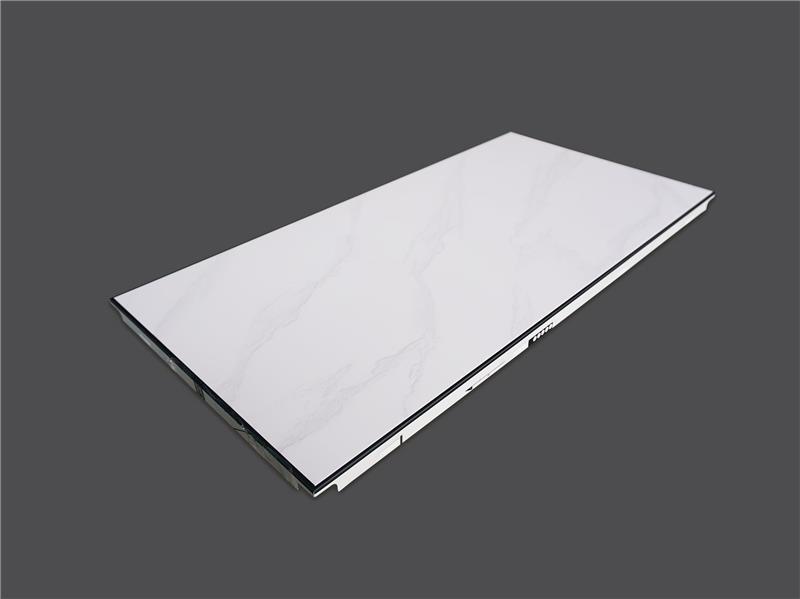
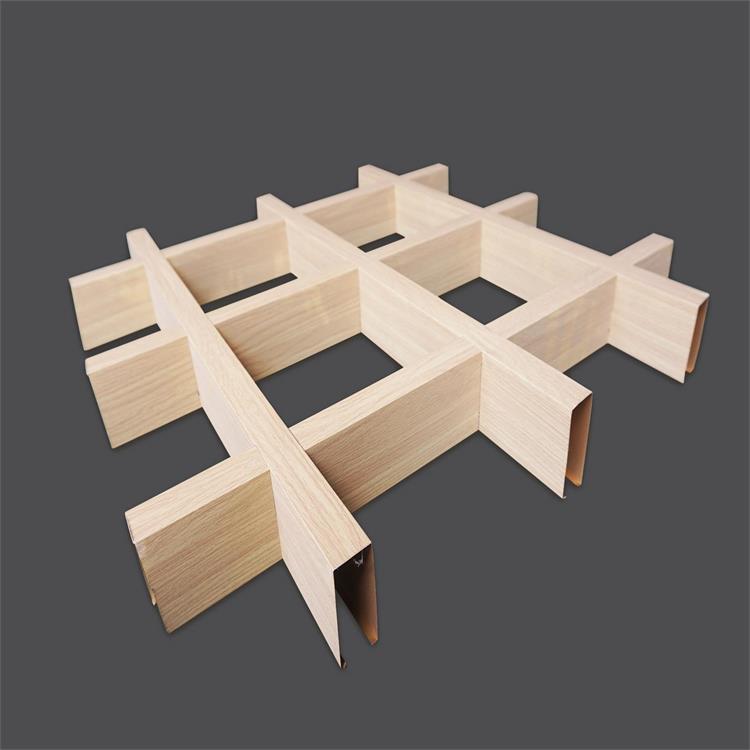
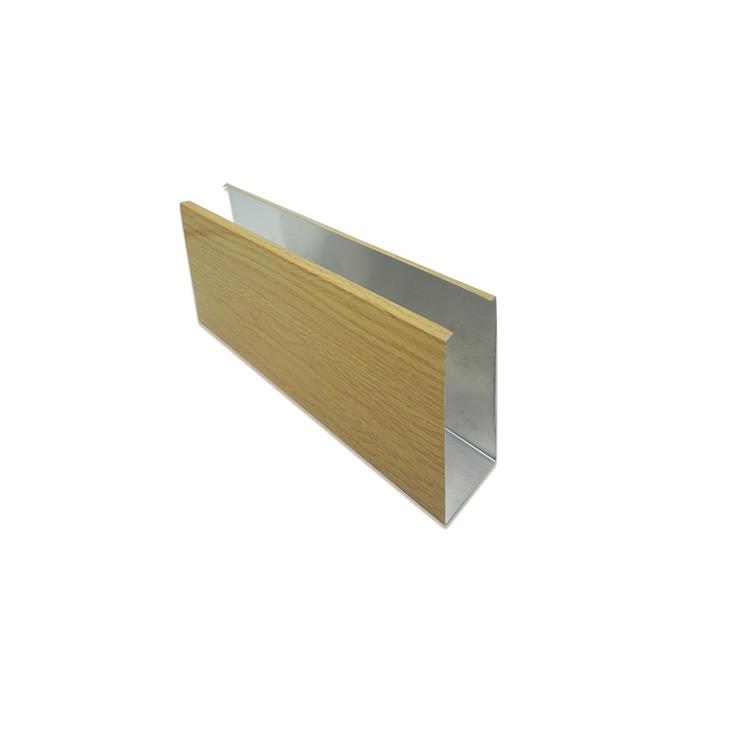
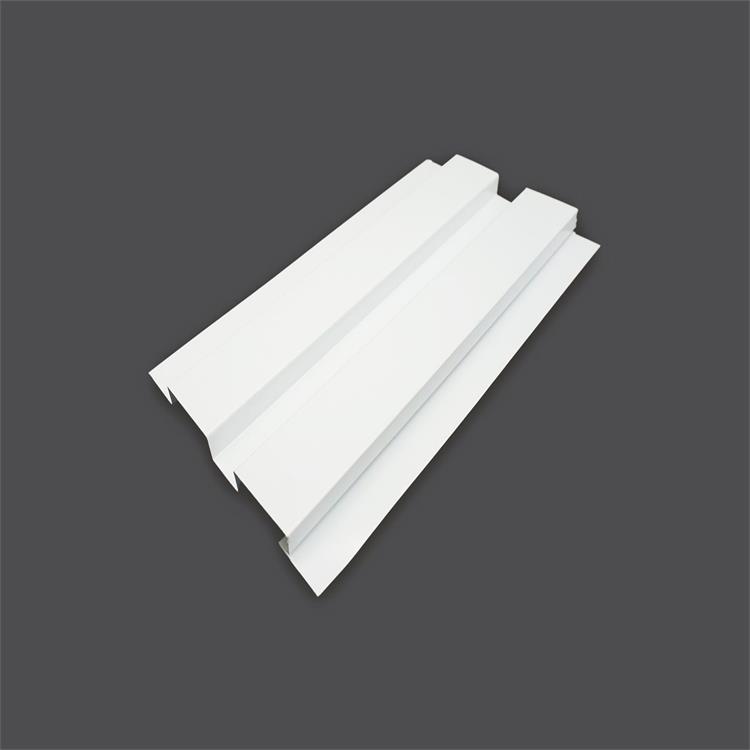
Aluminum Grating Sizes - Aluminum Grating - Prinsen Building Materials Co., Ltd. (View) provided by Suzhou Prinsen Building Materials Co., Ltd. The Aluminum Grating Sizes - Aluminum Grating - Prinsen Building Materials Co., Ltd. (View) is a new upgraded product launched by Suzhou Prinsen Building Materials Co., Ltd. this year. The above images are for reference only. Please call the contact number on this page or the image to request a contact person: Manager Hu.